Every Saturday in July the streets of Cobán, in the department of Alta Verapaz, are filled with a unique sense of mysticism: the National Folk Festival arrives, along with its highlight, the Rabin Ajaw (translated as ‘the king’s daughter’). Contrary to what many believe, this is not a conventional beauty contest; it goes far beyond that. So much so that it has been declared a National Cultural Heritage.
In this article, we take an in-depth look at the significance and characteristics of this festival and provide you with the key information you need to attend and experience first-hand one of Guatemala’s largest and most important indigenous festivals.
What is Rabin Ajaw?
The Rabin Ajaw is an event at which more than a hundred young women from different indigenous communities gather so that one may be chosen as the National Indigenous Queen of Guatemala. It's also the highlight of the Cobán National Folk Festival, of which it forms part.
The meaning of Rabin Ajaw
When selecting the Rabin Ajaw, the following factors are taken into account: her knowledge of traditions, her charisma and her leadership skills. The participants are usually aged between 15 and 22 and represent the 22 Mayan-speaking communities that coexist within Guatemalan territory.

The origins of this important cultural tradition
Unlike other Guatemalan events or festivals, which have a long history dating back to colonial or pre-Hispanic times, this is not the case with Rabin Ajaw. Its origins date back to 1968 in the town of Cobán, specifically at the Emilio Rosales Ponce Institute. There, teacher Marco Aurelio Alonso launched the initiative with the aim of encouraging students to appreciate their indigenous roots within the classroom.
Owing to its widespread popularity amongst the community following its first edition, in 1969 the initiative broke away from the classroom setting and took on a more formal character. Gradually, it grew even more popular until it became what it is today: a national event.
Why it is one of the most important indigenous events in Guatemala
The Rabin Ajaw is regarded as a significant event due to the profound effect and impact it has on promoting Guatemalan Mayan identity. During the competition rounds, the contestants wear traditional dress from their indigenous communities and deliver speeches in their native language whilst highlighting social issues affecting their regions. In this way, the event serves as a platform for dignifying and raising the profile of Mayan culture, particularly that of women.
Where and when is Rabin Ajaw celebrated?
The city of Cobán as the venue for the event
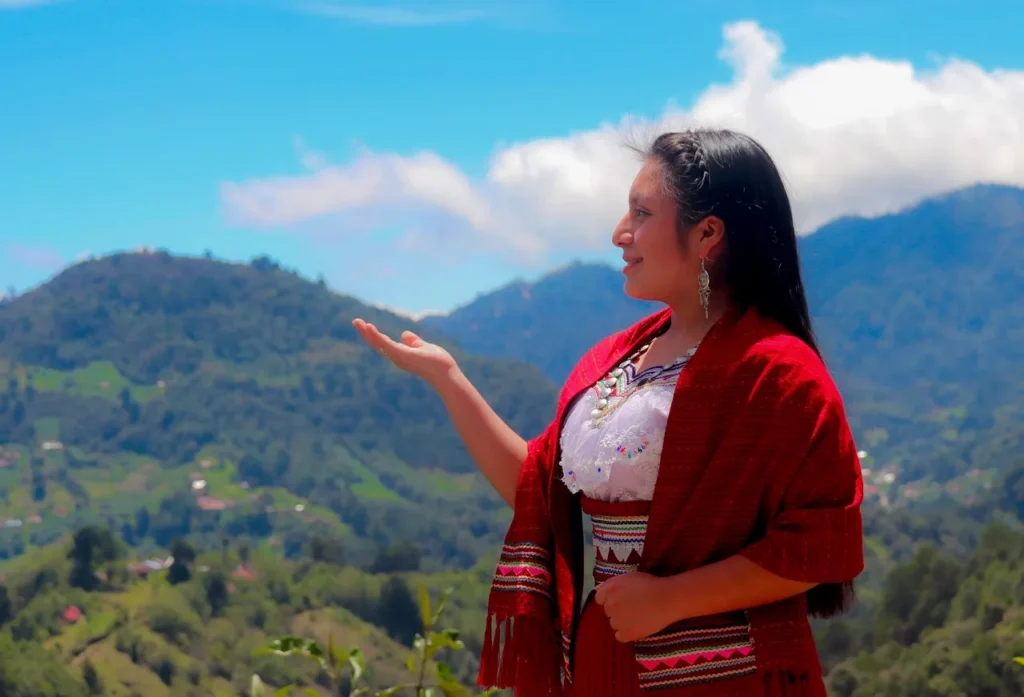
The city of Cobán, the capital of the department of Alta Verapaz, is the centre of this festival. During the week of the event, the whole city is decorated with flowers, sacred altars and ceremonial carpets to welcome delegations from across the country.
Dates and main activities
Although it forms part of the National Folk Festival, the highlight of the event – the Rabin Ajaw – takes place on the last Saturday in July. However, there is an interesting programme of events organised in the days leading up to it, featuring the first street parades, the reception for the candidates, spiritual rituals, street dances and the candidates’ speeches.
How to visit Rabin Ajaw
You can attend the street parade on Saturday morning completely free of charge. There, the participants will be showing off their traditional costumes and performing traditional dances; it’s the perfect opportunity to take some spectacular photographs.
To attend the coronation ceremony, however, you do need to buy a ticket, which you can purchase on the day of the event at the ticket offices at the designated venue. Bear in mind, however, that capacity is limited and local attendance is very high, so I’d recommend buying them early in the morning to make sure you don’t miss out.
As for accommodation, hotel occupancy in Cobán skyrockets during this event, as it does in neighbouring towns. In fact, many hotels are fully booked months before the event. If this date is particularly important for your itinerary, we recommend booking your room between February and April.
- We invite you to read our article about the origins and significance of the Mesoamerican ballgame.
How is the Rabin Ajaw chosen?
To select the Rabin Ajaw each year, the jury assesses the participants’ identity, leadership skills and ancestral knowledge during a week of communal living and public ceremonies organised in Cobán. A great many women put themselves forward, with the number always exceeding one hundred and a record of 129 candidates having been reached.
Requirements for participants
The competition rules stipulate that entrants must belong by birth to one of Guatemala’s indigenous and linguistic communities, and must have been chosen as an official representative by their municipality. They must also be young women, with preference given to those aged between 18 and 24.
Furthermore, the candidate must be literate and provide evidence of different levels of formal education. She must also be single and must not have taken part in previous editions of the competition. There are other, more specific requirements, but broadly speaking, these are the most important ones.
The selection process
There is no final gala at which the winner is decided; instead, the verdict is reached day by day through the residential sessions, during which the candidates are constantly observed. During these residential sessions, the young women share accommodation and daily activities, exchanging knowledge and taking part together in Mayan rituals.
This is followed by public performances by the young women, in which they showcase their talents, and finally, the winner is chosen, usually at the Melchor Gymnasium in Cobán.
The values and knowledge assessed by the jury
The jury is seeking to select a young woman who possesses the qualities required to be a well-rounded cultural ambassador. She must therefore be a woman who possesses: fluency in her Mayan language and the ability to translate it into Spanish; the ability to articulate solutions to the country’s complex challenges; historical knowledge of the origins of her traditional dress; and respect for ancestral customs.
- We invite you to read our article about Mayan rituals in Guatemala.
Rabin Ajaw’s Crown: Meaning and Symbolism
What does the Rabin Ajaw crown represent?
The Rabin Ajaw crown is the supreme symbol of the Cobán National Folk Festival. It represents the highest dignity, wisdom and spiritual leadership of the indigenous women of Guatemala. Wearing the crown is a great honour for the young woman and must be done with humility and modesty. Furthermore, this honour extends beyond the competition itself; for a year, the young woman will be expected to carry out initiatives with a social impact, such as promoting Mayan culture and championing the role of indigenous women.
Components and design of the crown
Rabin Ajaw’s crown is handcrafted from a silver base, symbolising purity and higher energy. It's inlaid with jade, a stone sacred to the Maya and used by their rulers as a symbol of immortality, political power and a connection with the cosmos. Finally, three quetzal feathers are added to the crown, crowning the structure. The quetzal is the national bird and symbolises freedom.
Involvement of indigenous communities from across the country
The Rabin Ajaw event and the festival in which it takes place represent the greatest expression of unity, representation and cultural resilience amongst the indigenous peoples of Guatemala. It's the only event that manages to bring together the largest number of Mayan communities in the country. Participants and attendees travel from the furthest corners of the country (there are even international spectators). They do not go alone, but are accompanied by municipal delegations, community mayors, elder guides and traditional musicians. Each of them is accorded the honour of being the representative and voice of their region.
- We invite you to read our article about the history and culture of the Garifuna people.
Traditional costumes and symbols of Rabin Ajaw
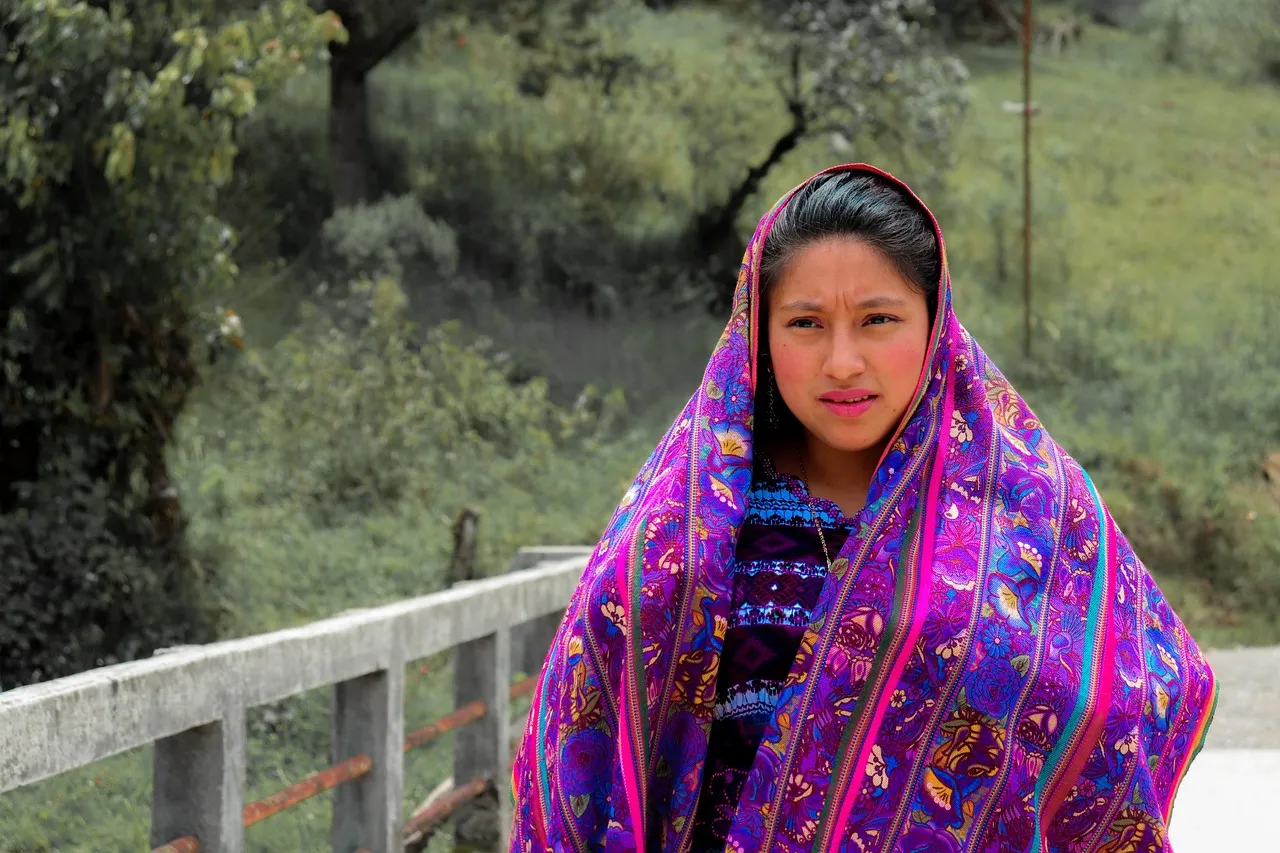
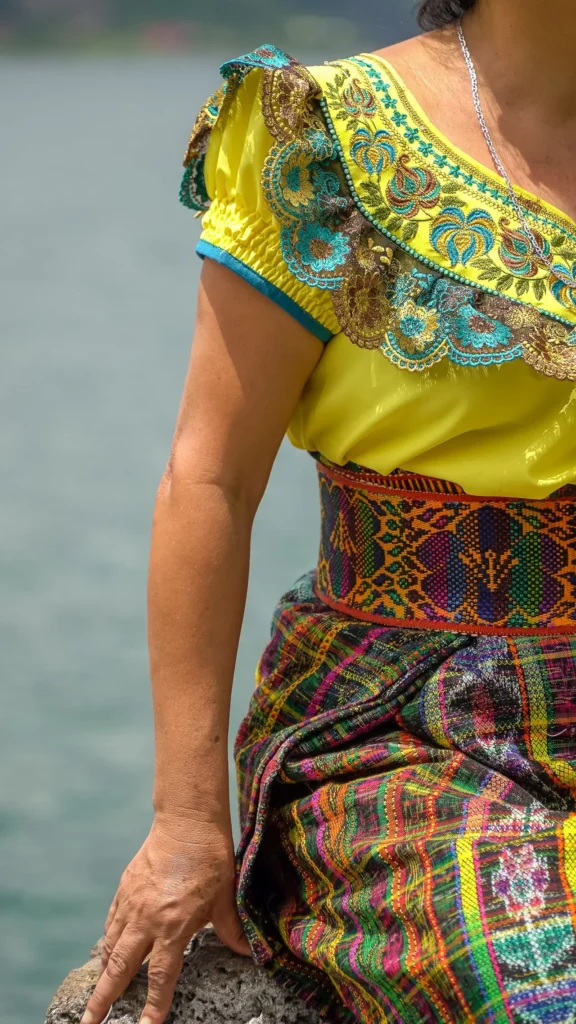
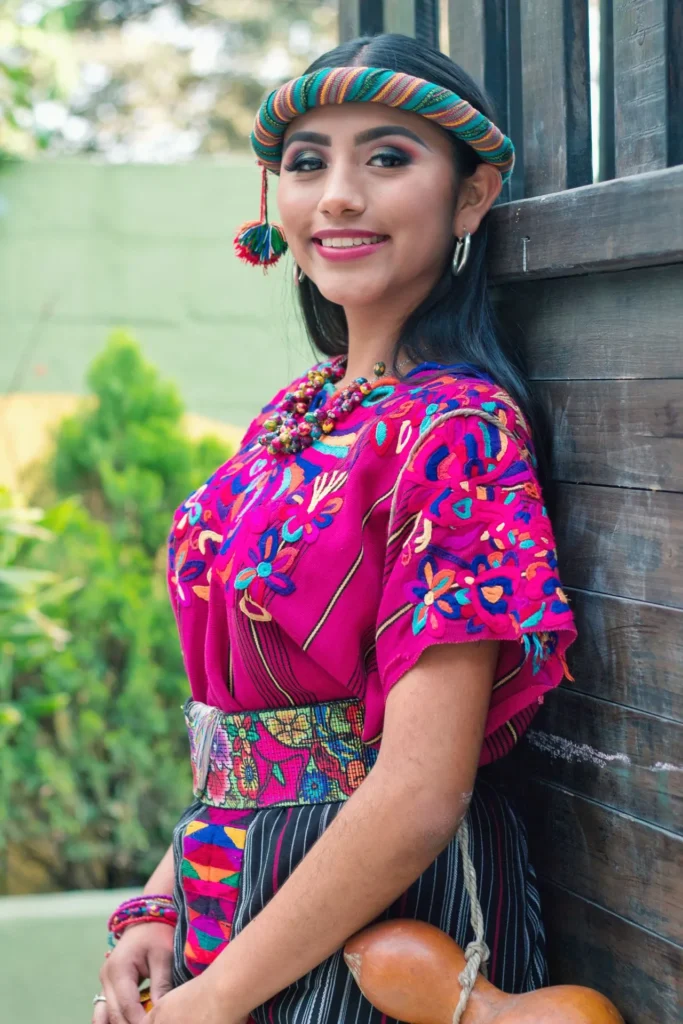
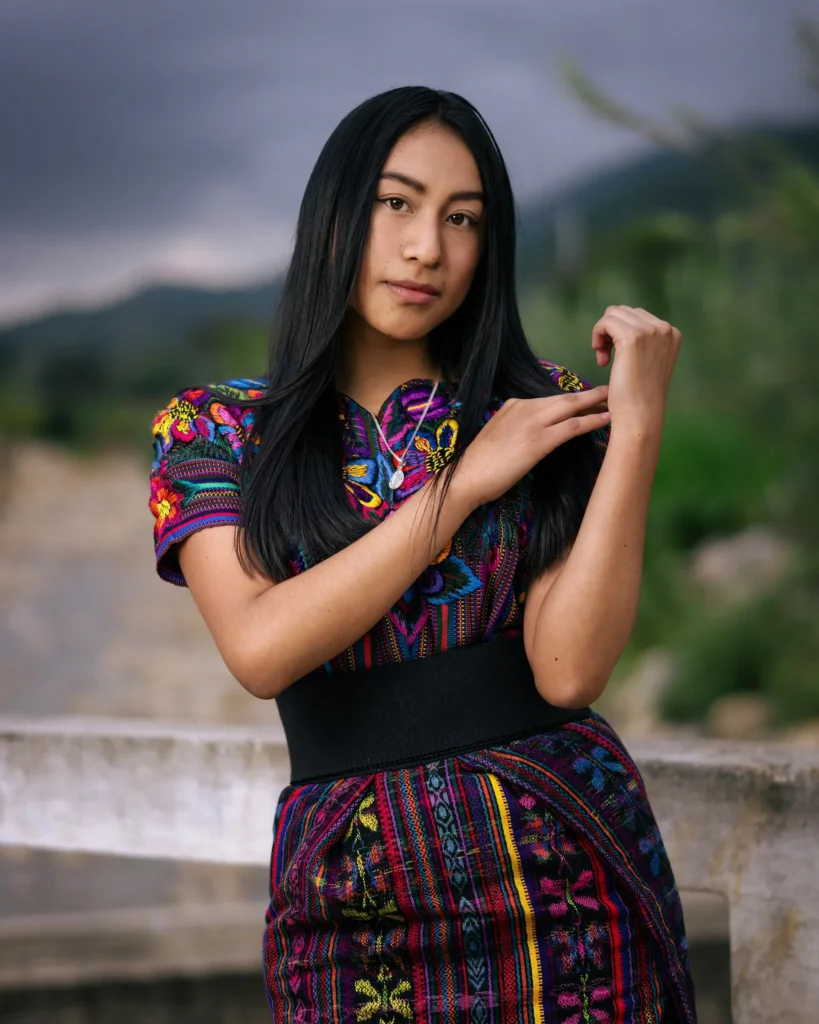
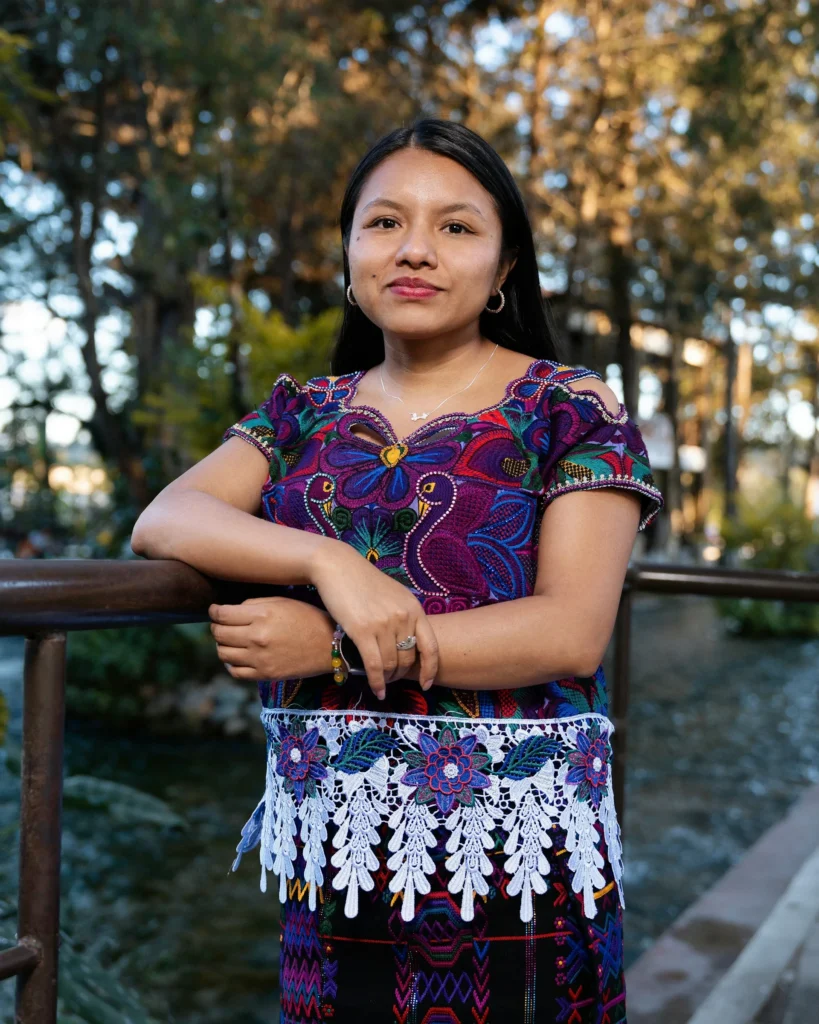
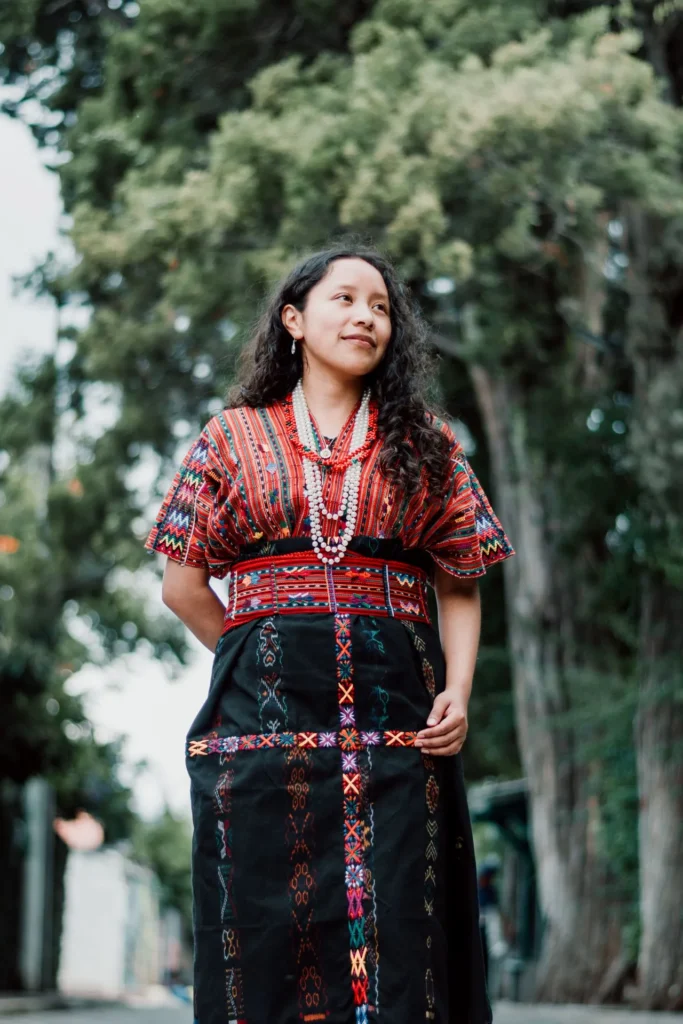
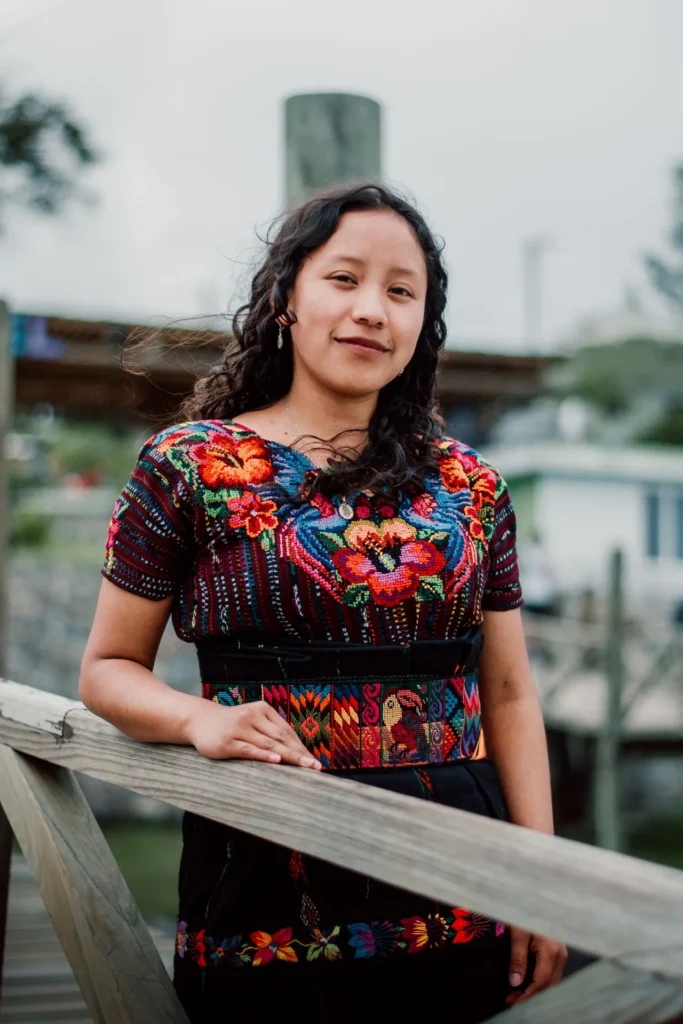
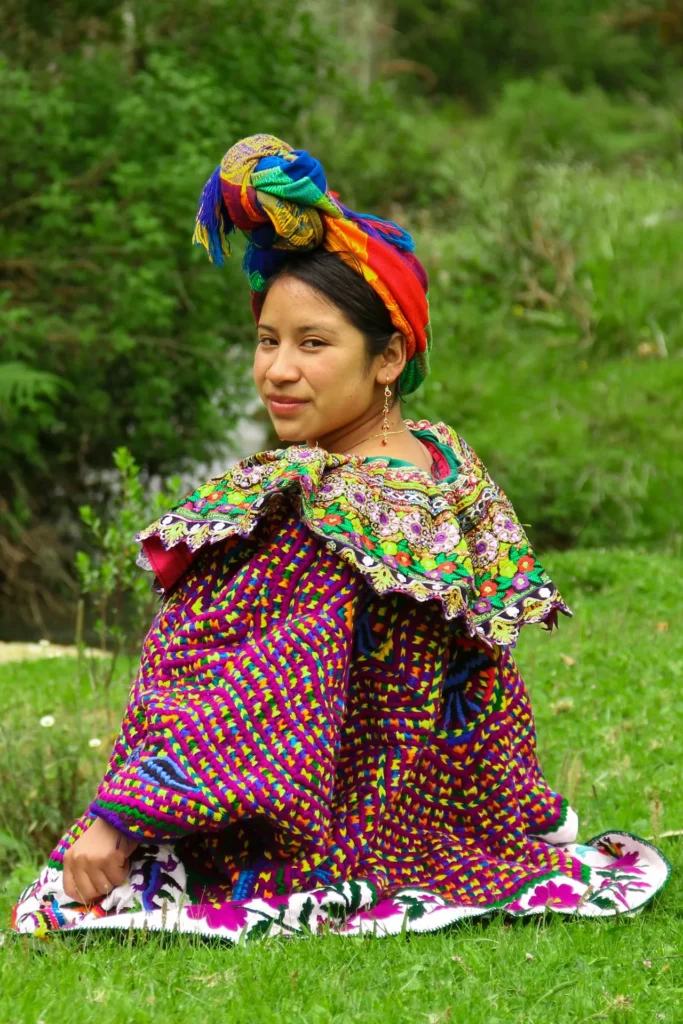
For the competition, the participants do not wear just any clothes, but traditional Mayan costumes. The huipil (the top part of the costume or t-shirt) is the centrepiece of the outfit and is always dyed in colours that hold great significance within the worldview of this ancient culture. Furthermore, it features many details that represent the Maya people’s deep connection with the earth.
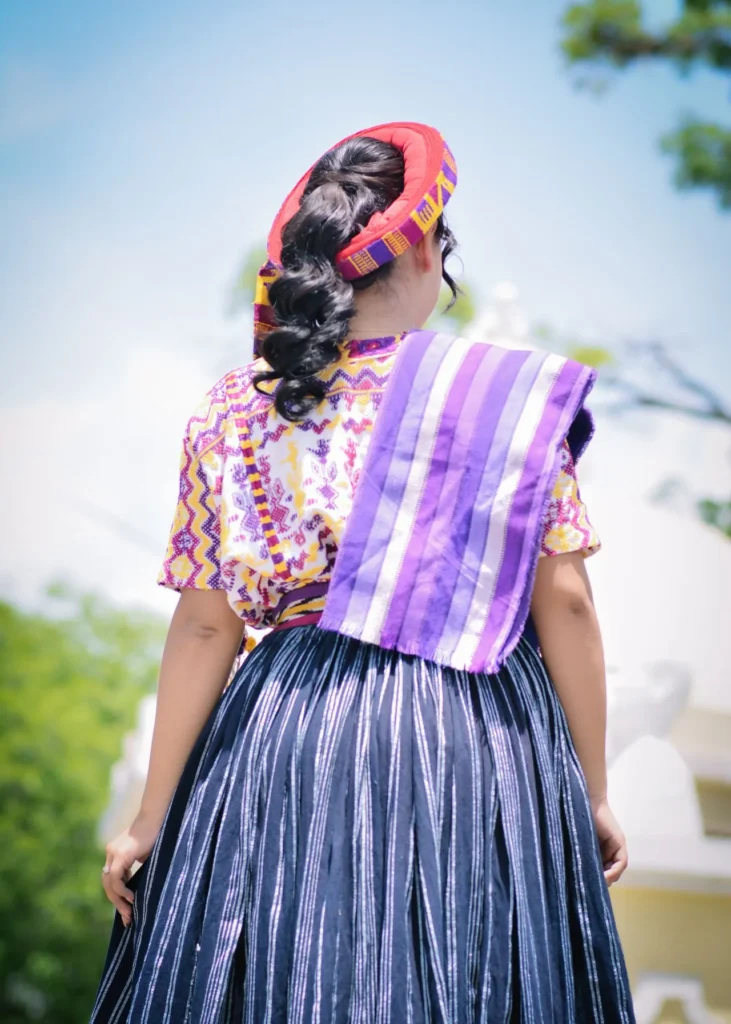
Most of the garments worn by the participants are handmade by local craftspeople and, depending on the threads used or the way they are woven, it's possible to tell which part of the region the young woman comes from.
Finally, each of these outfits also features traditional accessories and adornments. One of these is the sash, which separates the huipil from the skirt, but we also find hair ribbons and the traditional chachales or necklaces.
The impact of Rabin Ajaw extends beyond Guatemala’s borders
The influence of Rabin Ajaw extends far beyond Guatemala’s borders. It has a greater international impact than you might think, establishing itself as a benchmark for decolonisation, cultural diplomacy and indigenous pride throughout Latin America and the world.
Furthermore, the festival’s mystique and authenticity attract thousands of visitors from all over the world every year. Professional photographers, documentary filmmakers and travellers flock to the event in large numbers, making the festival one of the main drivers of Guatemala’s tourism economy.
Why is Rabin Ajaw worth reading?
A unique experience to discover Mayan culture
If you want to experience indigenous culture at its very best and gain a deep insight into its identity, attending the Rabin Ajaw will be one of the most fascinating parts of your trip to Guatemala. What’s more, it’s a truly authentic festival, as it isn’t geared towards tourism; rather, the organisers’ primary concern is to preserve Mayan culture and spirituality.
By attending, you will also witness first-hand how the younger generations of Maya women are defending their culture, sovereignty, territories and language.
What can a traveller learn during the festival?
There is a great deal you can learn about the Mayan world during the Rabin Ajaw festival; you will even dispel many of the myths surrounding this culture. For example, you will see that ‘the Mayan world’ is not a homogeneous entity, but rather a community comprising more than twenty different languages.
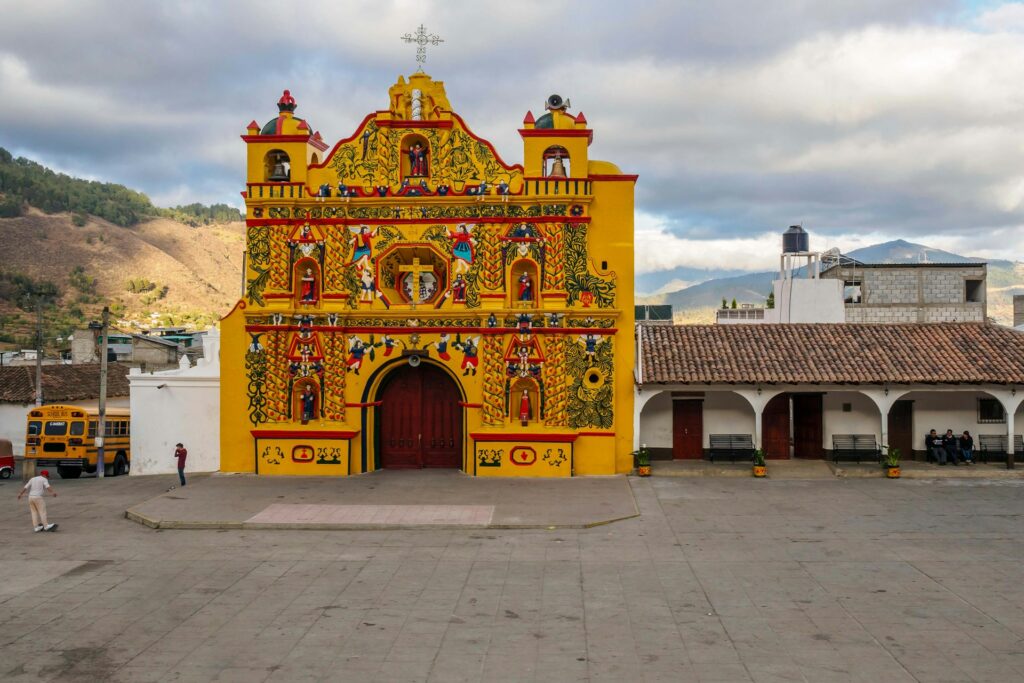
- We invite you to read our article about San Andrés Xecul Church.
How to combine your visit with other attractions in Alta Verapaz
During your visit to Cobán, there are plenty of things to see in the surrounding area, both before and after attending the event. One of the places you simply mustn’t miss is Semuc Champey, a natural paradise famous for its tiered natural pools of turquoise water. It’s a must-visit for hiking enthusiasts. I’d also recommend visiting the Lanquin and Rey Marcos caves, which are very close to Cobán. And if you’re keen to discover more natural spots, Cobán is a great starting point for exploring places such as the Ram Tzul Nature Reserve or the Quetzal Biotope.