


Zaculeu Guide
A Mayan fortress where history endures in white
Welcome to Zaculeu
Zaculeu is one of the most important archaeological sites in the western highlands of Guatemala and a must-see for anyone wishing to learn about the history of the Mam people. Located just a few minutes from the city of Huehuetenango, it combines archaeological heritage, mountainous landscapes and a level of accessibility that is rare amongst the country’s major pre-Hispanic settlements.
If you’re looking for things to see in Zaculeu, Guatemala, you’ll find a compact, well-preserved archaeological complex that’s easy to explore. Its spacious ceremonial plazas, monumental structures and the distinctive light colour of its buildings create a very different impression from that of other Mayan sites in the country.
Thanks to its proximity to Huehuetenango and its historical significance, the Zaculeu archaeological site has established itself as one of the main cultural landmarks in western Guatemala. It is an excellent choice to complement itineraries through the Altos Cuchumatanes, Todos Santos Cuchumatán and other destinations in the region.
The Story of Zaculeu
The history of Zaculeu dates back to the Classic Maya period, although it reached its peak during the Postclassic period as the capital of the Mam kingdom, one of the most important Maya peoples of the western highlands.
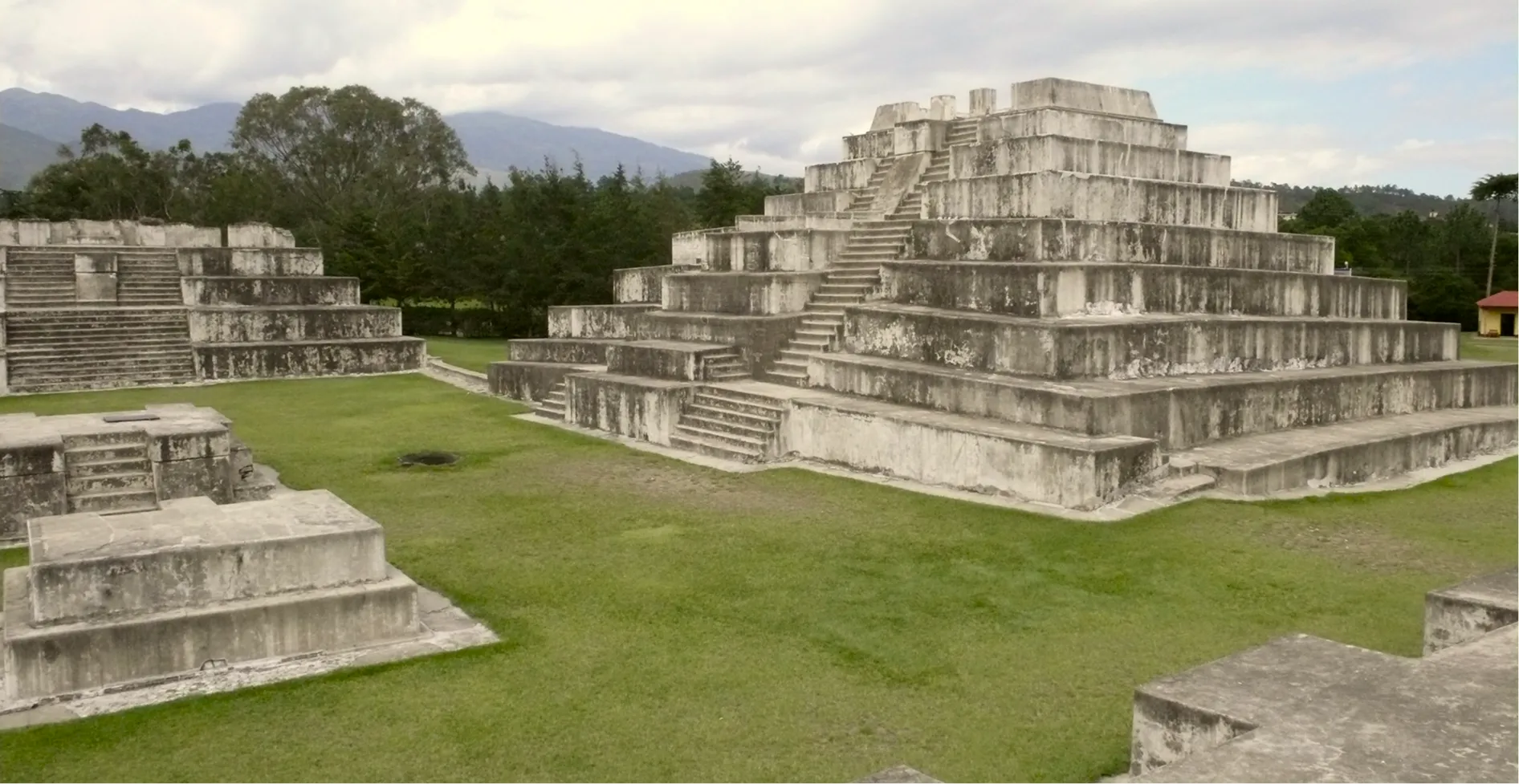
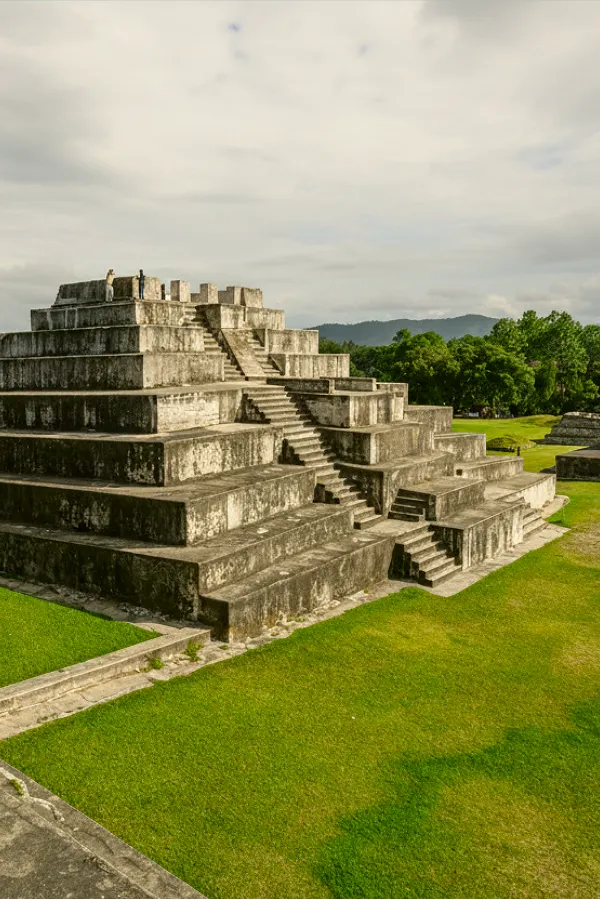
Its name is usually translated as ‘white land’, a reference to the characteristic light-coloured plaster that covered many of its structures and which still today makes the site visually distinctive. This architectural feature makes Zaculeu one of Guatemala’s most recognisable archaeological sites.
For centuries, the city served as the region’s political, ceremonial and defensive centre. Its strategic location on a natural hill surrounded by ravines gave it a significant military advantage and allowed it to control the communication routes of western Guatemala.
One of the most significant episodes in its history occurred in the 16th century, when Zaculeu was at the forefront of one of the last indigenous resistance movements against the Spanish conquest. Led by the Mam ruler Kayb’il B’alam, its inhabitants defended the city during a prolonged siege that is now regarded as one of the most significant events in Guatemala’s pre-Hispanic history.
How to get to Zaculeu
Getting to Zaculeu is straightforward, which is one of the destination’s great advantages. From Guatemala City, the journey by road usually takes between five and six hours, crossing part of the western highlands until you reach Huehuetenango.
Once in the town, the archaeological site is just a few kilometres from the town centre, making it quick and easy to reach by private car, taxi or local transport.
From Quetzaltenango, the journey usually takes around two and a half hours, making it easy to combine both destinations as part of a single itinerary through the west of the country.
Its excellent links with Huehuetenango make Zaculeu, Guatemala, one of the most accessible archaeological sites in the country and a highly recommended visit for anyone exploring the Cuchumatanes region.
When to visit Zaculeu
Zaculeu can be visited all year round thanks to its temperate mountain climate. Temperatures usually range between 14°C and 24°C, offering pleasant conditions for exploring the area at any time of year.
The most recommended time to visit is usually between November and April, during the dry season. During these months, rainfall is less frequent and the views of the nearby valleys and mountains are generally clearer.
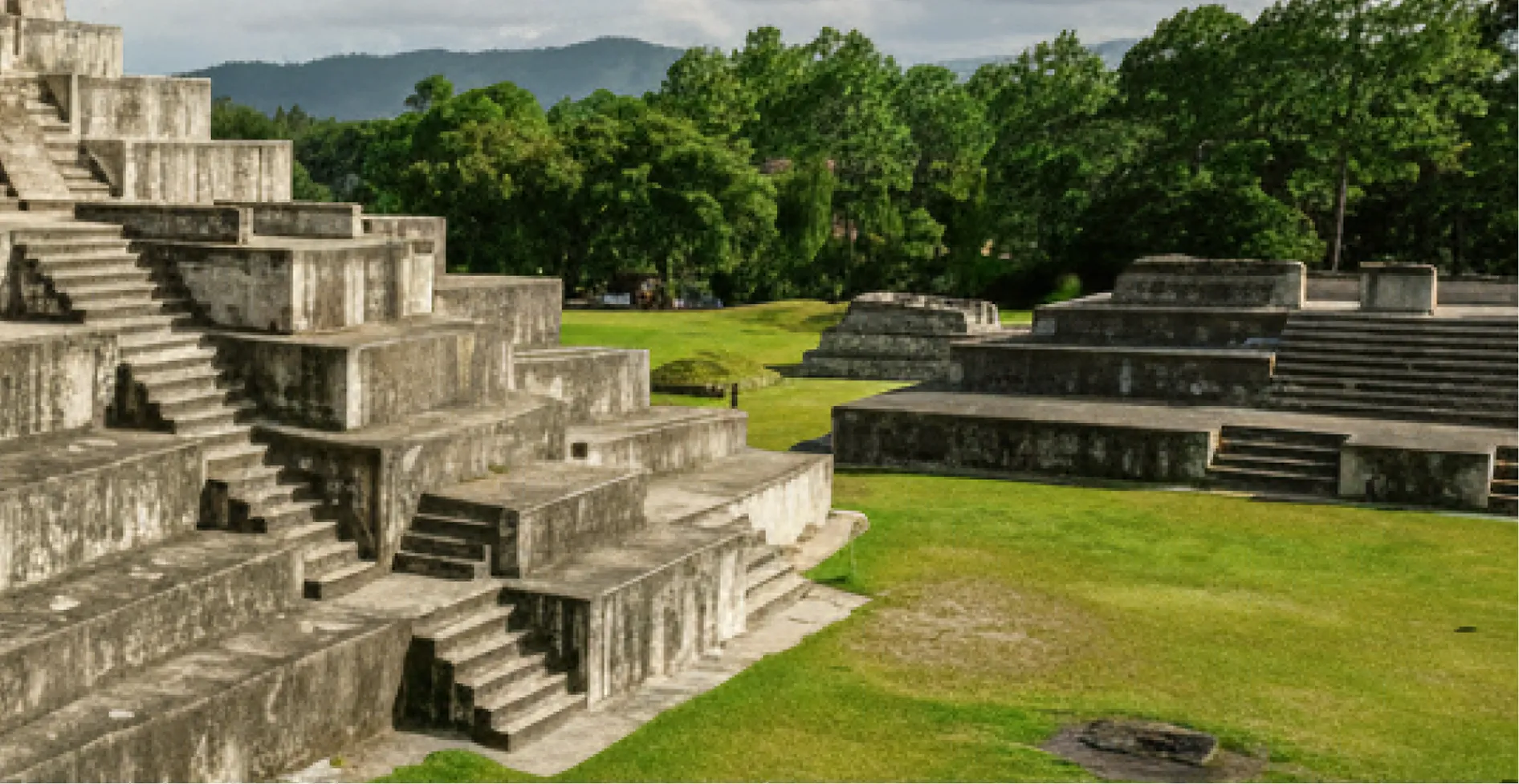
Between May and October, the green season transforms the landscape. The vegetation takes on more intense colours and the surroundings become particularly photogenic, although there may be occasional afternoon showers.
Whichever time of year you choose, Zaculeu retains a peaceful, uncrowded atmosphere, allowing you to enjoy your visit at a leisurely pace without the crowds.
Accessibility in Zaculeu
Accessibility is one of the key strengths of the Zaculeu archaeological site. The footpaths are wide, well signposted and relatively flat, making it easy for most visitors to get around.
A full tour usually takes around one and a half to two hours, depending on your pace and how much you wish to explore each part of the complex.
Its proximity to Huehuetenango also makes it easy to access services, accommodation, restaurants and transport – something that is not always the case at other archaeological sites in Guatemala that are further from urban centres.
Although some areas feature uneven ground and irregular surfaces typical of an archaeological site, Zaculeu offers a comfortable and accessible experience for travellers of all ages and backgrounds.
Things to do in Zaculeu
Exploring squares and ceremonial structures
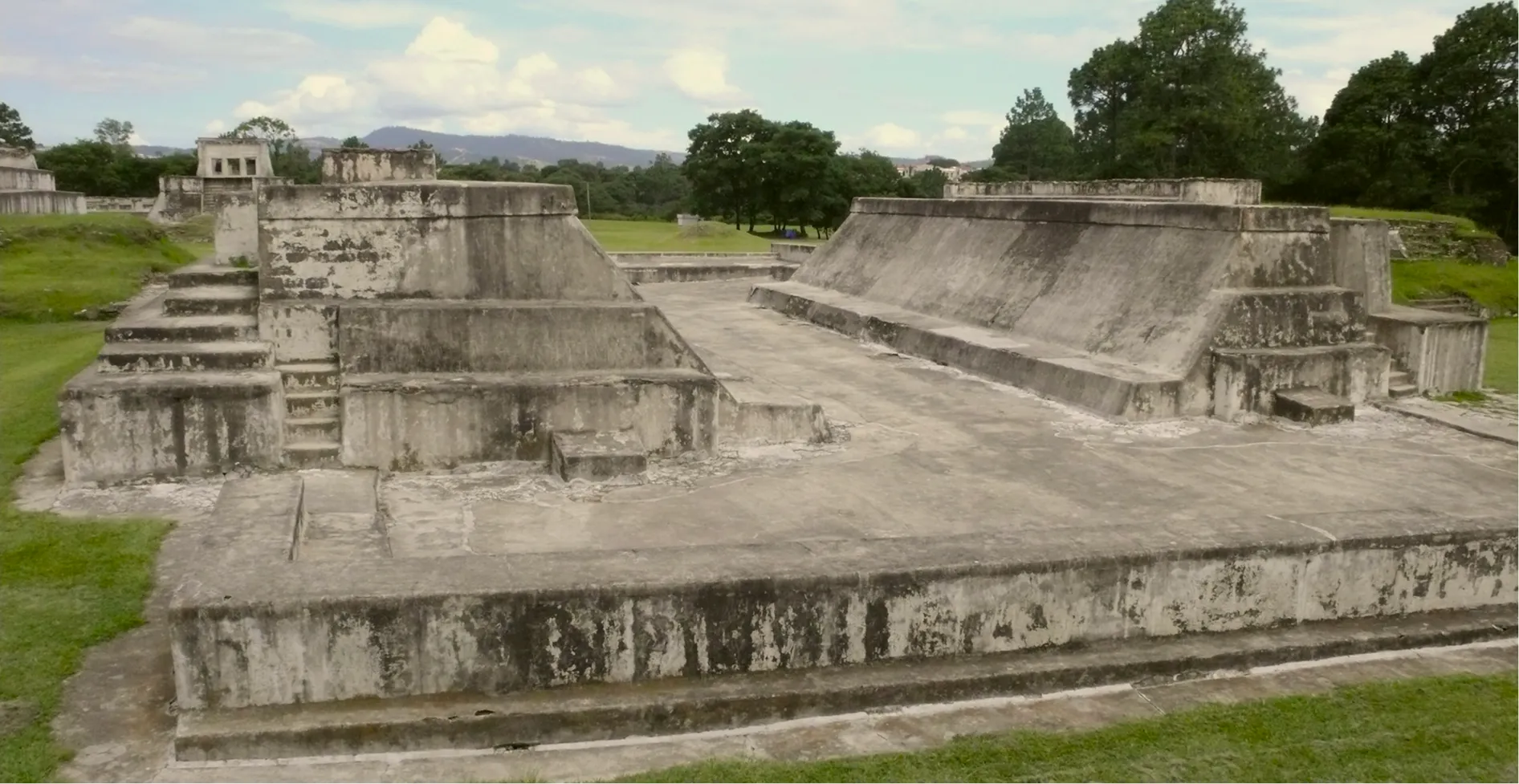
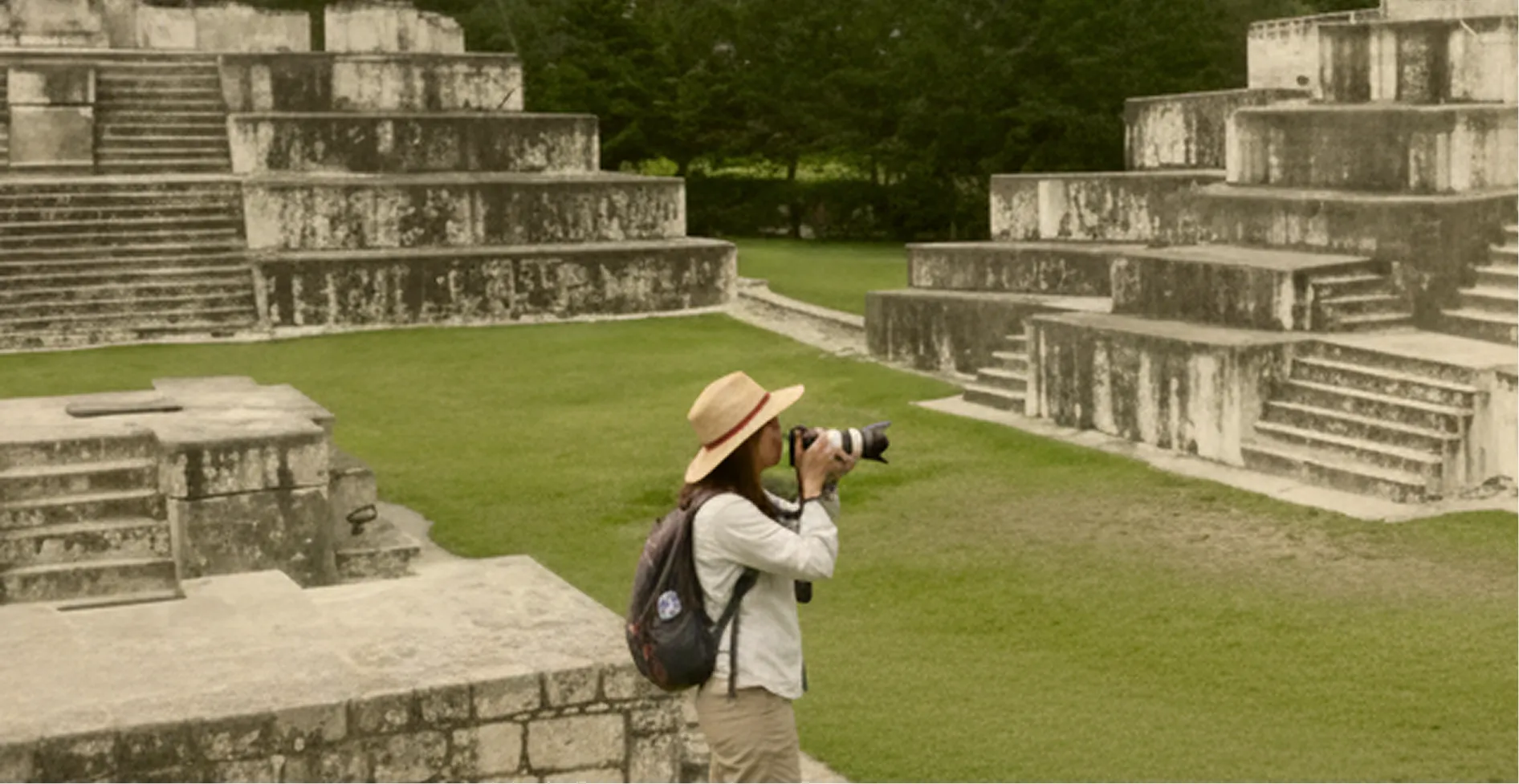
Exploring Zaculeu provides a straightforward insight into the urban layout of an important Mam capital. Its open squares, temples, platforms and administrative structures offer a clear picture of how the city functioned during its heyday.
As it is a relatively compact site, a visit is highly educational and easy to understand, even for those with little prior knowledge of Mayan culture.
Enjoy the views over Huehuetenango
The higher parts of the site offer fascinating panoramic views over the Huehuetenango valley and the mountains surrounding the city.
These views help to explain why Zaculeu’s location was so strategic from a defensive point of view and allow us to appreciate the close relationship between the settlement and the landscape of the western highlands.
Combining Zaculeu with Huehuetenango and the Cuchumatanes
Thanks to its location, Zaculeu can easily be incorporated into wider itineraries around Huehuetenango and the Altos Cuchumatanes.
Many travellers take advantage of its proximity to visit traditional villages, mountainous landscapes and indigenous communities, which enrich the cultural experience of western Guatemala.
Learning about the history of the Mam people
One of Zaculeu’s main attractions is the opportunity to delve deeper into the history of the Mam people, who played a key role in the historical development of western Guatemala.
A visit here provides a better understanding of the political, social and military organisation of this important Mayan group, as well as their role during the early years of the Spanish conquest.
Other sites
Map of Guatemala’s must-see archaeological sites
Capital of the Mam Kingdom
For centuries, Zaculeu was the main political and ceremonial centre of the Mam people, one of the most important Mayan civilisations of the western highlands.
White earth
The name Zaculeu is often associated with the light colour of its buildings, a feature that sets it apart visually from many other archaeological sites in Guatemala.
Historical resistance
The city was at the centre of one of the last major indigenous resistance movements against the Spanish conquest, making it a key location for understanding the history of Guatemala.
Strategic location
The settlement was built on a hill surrounded by natural ravines, a strategic location that strengthened its defences and helped to protect the city from potential invasions.

What to see
Landmarks in Zaculeu
Use our AI-powered planner to plan your visit to Zaculeu
Save places, routes and experiences
Archaeological Sites
Other archaeological sites in Guatemala
Tikal
El Mirador
Quiriguá
Iximché
Takalik Abaj
Blog posts
Interesting articles about Zaculeu and other places
The Blue Crater: A guide to visiting this paradise in Petén
Deep in the heart of Petén, where the jungle is dense and the sounds of the city fade away completely, […]
Traditional dress of Quetzaltenango: Discover the history and significance of the Xela dress
Few things connect you as viscerally with the culture of Quetzaltenango as its rich variety of textiles. Strolling through the […]
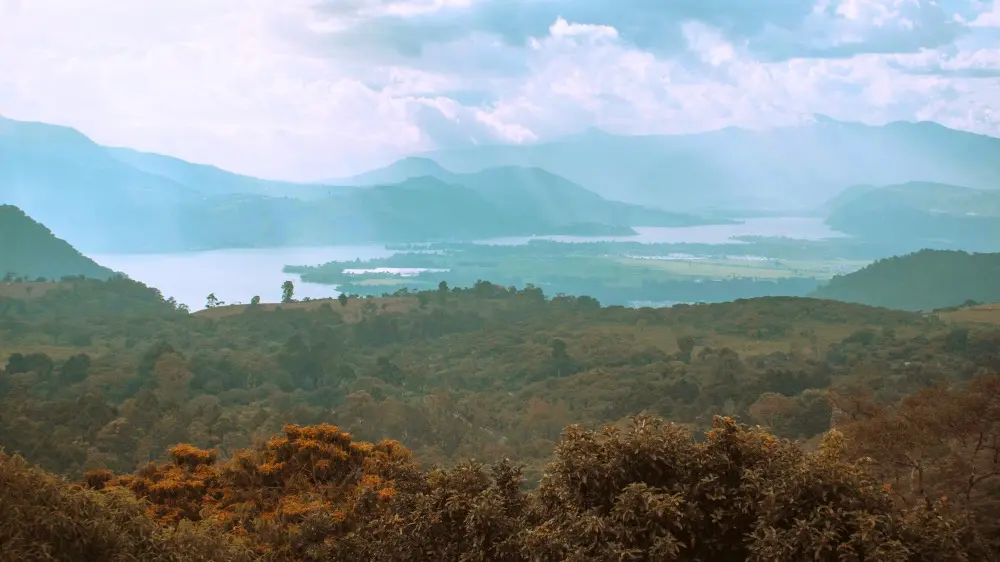
Lake Amatitlán: History, things to do and how to visit it
Lake Amatitlán is a traditional attraction in Guatemala: a must-visit destination for a wonderful experience amongst the volcanoes.
Frequently Asked Questions
What is there to see in Zaculeu, Guatemala?
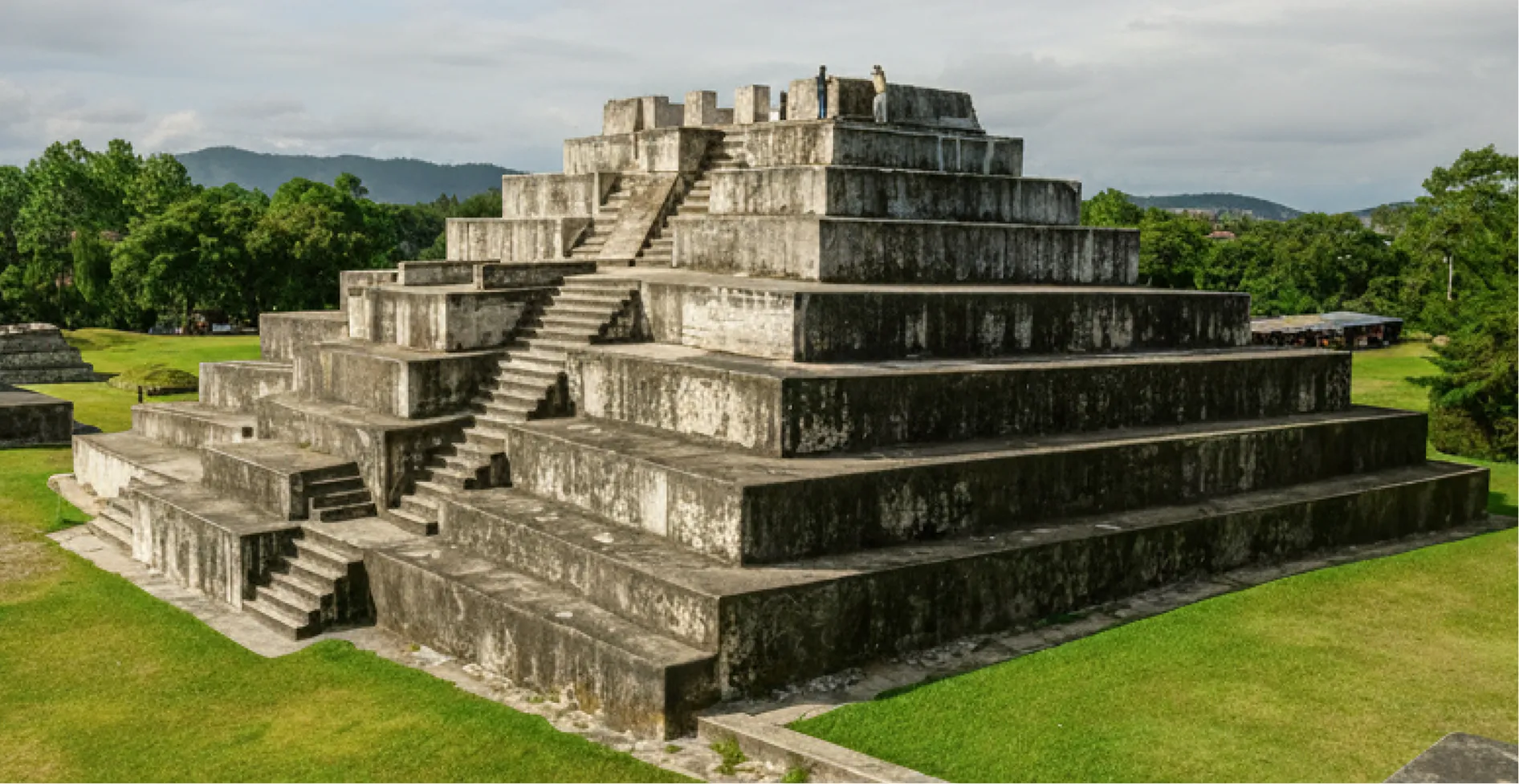
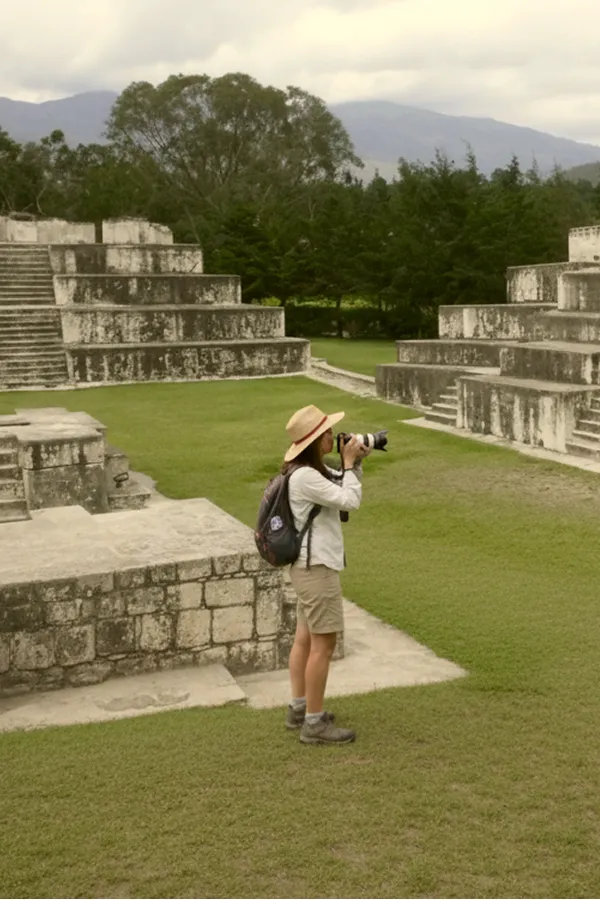
Zaculeu is notable for its combination of Mayan history and the mountainous landscapes of the Guatemalan highlands. Unlike other archaeological sites surrounded by jungle, here you will find ceremonial plazas, temples and white pyramids rising above a much more open landscape. One of the most interesting aspects is that it was one of the last strongholds of the Mam people before the arrival of the Spanish, meaning the site is rich in history as well as archaeology.
Where is Zaculeu?
Zaculeu is situated a few kilometres from Huehuetenango, in the west of the country, very close to the border with Mexico. Most travellers visit it as part of a tour of the Guatemalan highlands or on their way to the region’s less touristy villages and landscapes. Its location, surrounded by mountains and indigenous communities, makes the experience feel much more authentic and local than at other, better-known archaeological sites.
Is Zaculeu worth a visit?
Yes, especially if you’re looking to discover a less touristy side of Guatemala. Zaculeu doesn’t have the grandeur of Tikal, but that’s precisely part of its charm: there are usually very few visitors and the atmosphere is much more peaceful. What’s more, it offers a better understanding of the history of the Mam people and the indigenous resistance in the highlands. It’s the perfect place to round off a cultural tour of the west of the country.
How long does it take to walk around Zaculeu?
The visit usually lasts between 1.5 and 3 hours, depending on how much time you spend exploring the main squares and structures. The site is relatively compact and easy to explore on foot, so it can easily be visited in half a day from Huehuetenango. Many people take the opportunity to combine it with visits to local markets, tours of the highlands or stops to sample the region’s traditional cuisine.