


Guide to Quiriguá
Stone giants that tell the story of the Maya
Welcome to Quiriguá
Quiriguá is one of the most fascinating and accessible Mayan archaeological sites in Guatemala. Situated in the fertile Motagua River valley, in the department of Izabal, this site stands out for housing some of the most impressive carved monuments in the whole of Mesoamerica, set in an open, peaceful and easily navigable environment.
Designated a UNESCO World Heritage Site, Quiriguá in Guatemala offers an experience quite different from the country’s other major Mayan sites. Here you won’t find enormous pyramids rising from the jungle, but rather spacious plazas, monumental sculptures and a very comfortable walking route that allows you to understand Mayan history up close and visually.
If you’re looking for things to see in Quiriguá, Guatemala, you’ll discover the perfect destination to combine culture, archaeology and history as part of a route to Río Dulce, Livingston or the Guatemalan Caribbean. Its manageable size and the exceptional quality of its stelae make it a particularly recommended stop, even for travellers short on time.
History of Quiriguá
The history of Quiriguá dates back to around the 2nd century AD, when it began to develop as a strategic settlement along the trade routes of the Motagua Valley, a key region for the exchange of jade, cocoa, obsidian and other valuable goods from Mesoamerica.
Quiriguá’s golden age came during the 8th century, particularly after 738 AD, when the ruler K’ak’ Tiliw Chan Yopaat succeeded in defeating the powerful city of Copán, located in present-day Honduras. This episode marked a significant shift in the regional political balance and enabled Quiriguá to consolidate its autonomy and wealth.
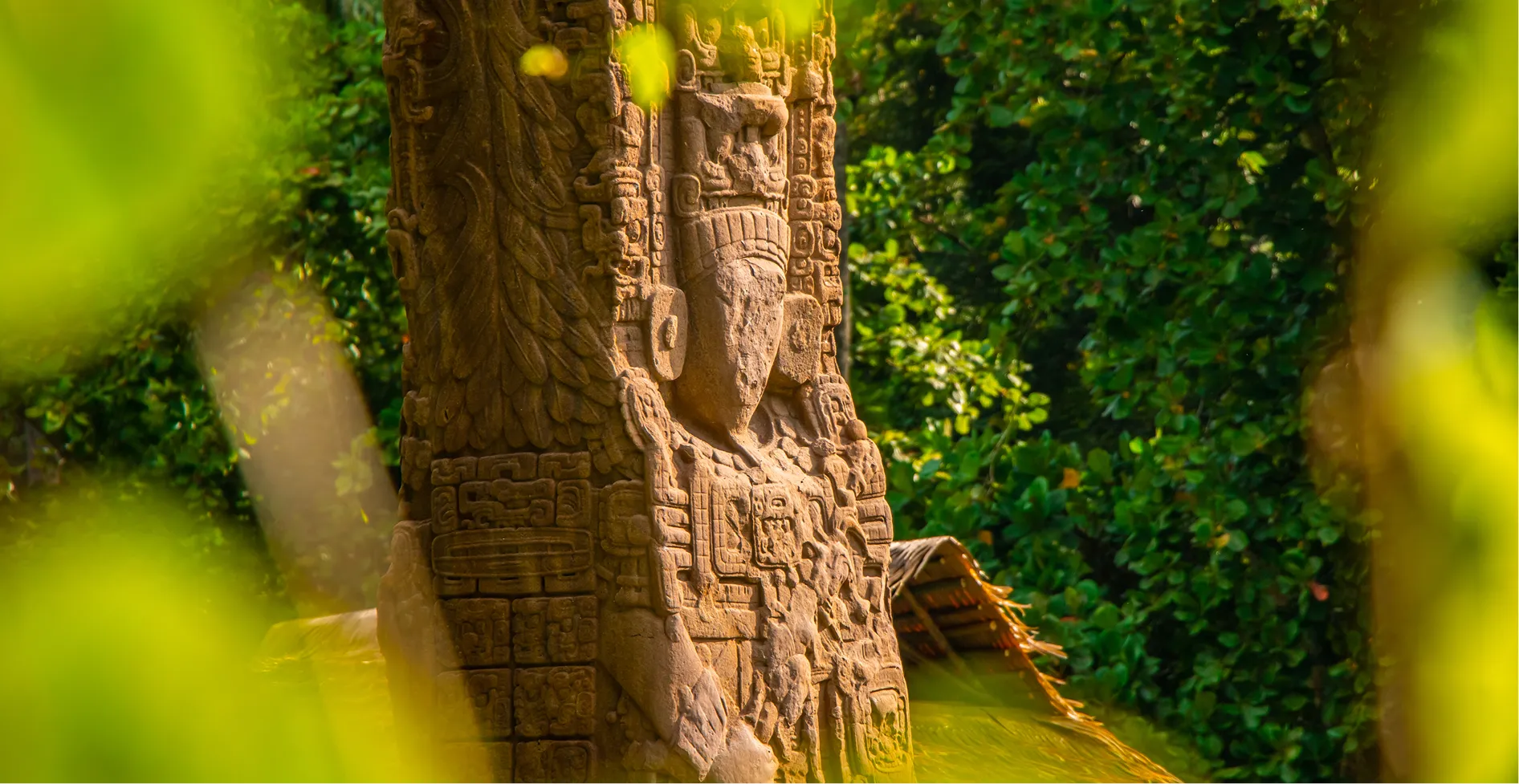
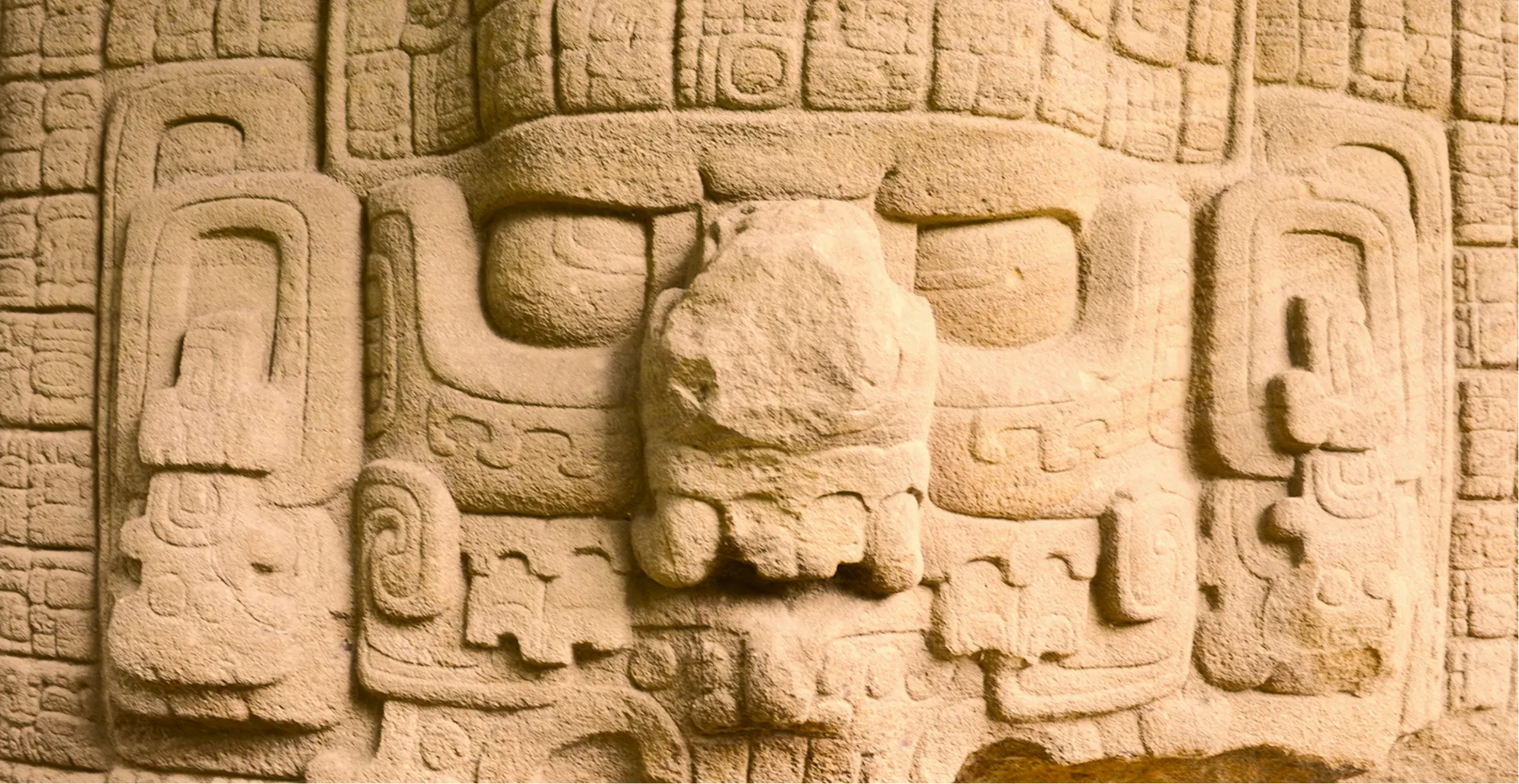
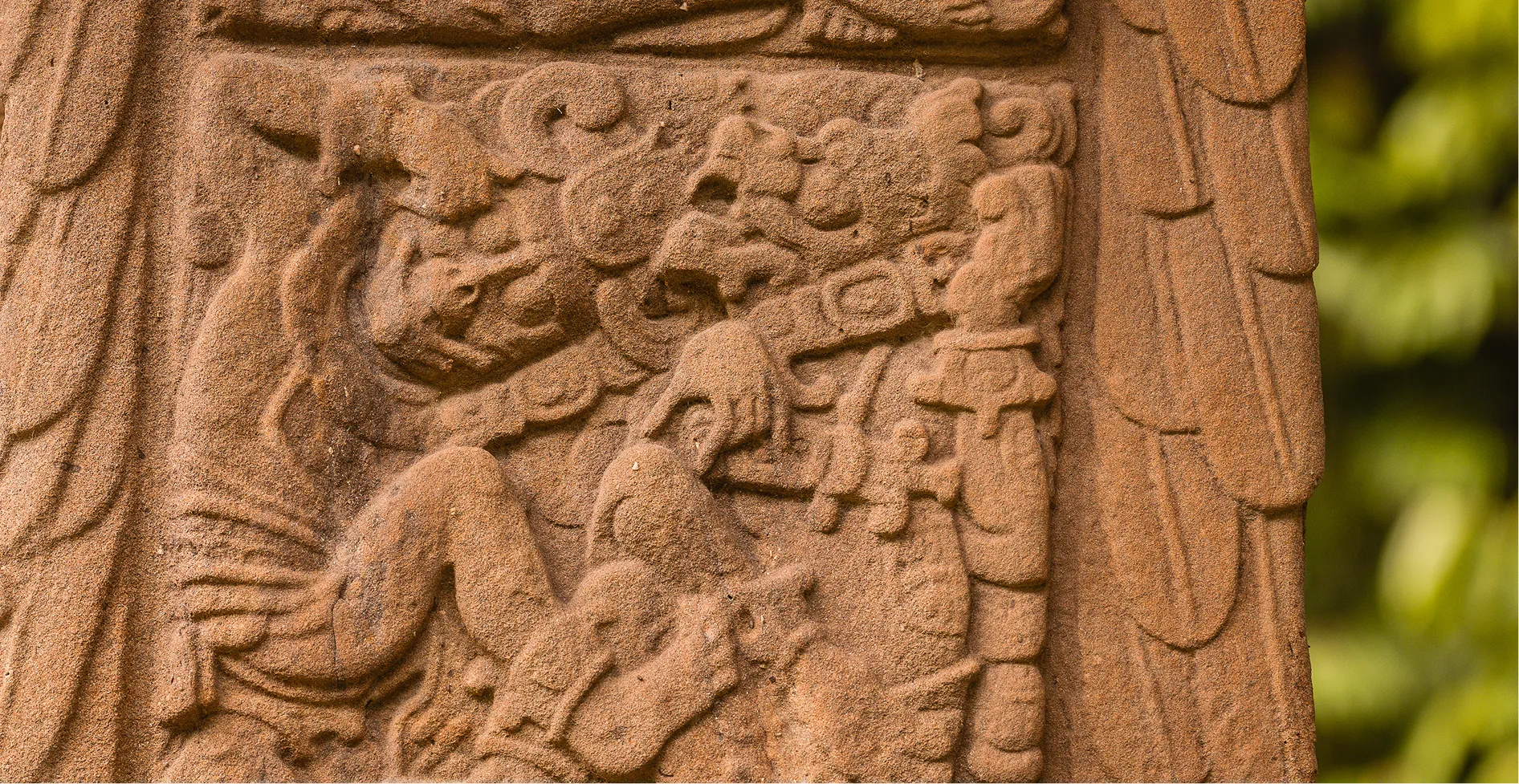
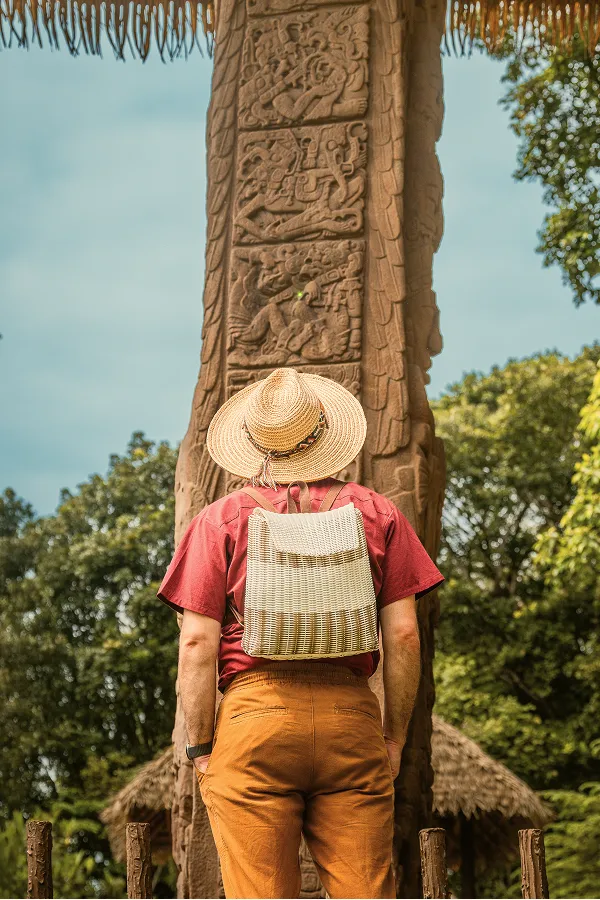
This golden age was immortalised in its carved monuments, considered some of the finest examples of Classic Maya art. The site’s centrepiece is Stela E, erected in 771 AD, standing approximately 10.6 metres tall and weighing some 65 tonnes; it is considered the tallest freestanding stone stela in the Mayan world.
In addition to the stelae, Quiriguá is notable for its monumental zoomorphic sculptures: enormous stone carvings depicting symbolic forms and mythological representations associated with power, cosmology and Mayan rituals. This artistic wealth makes the park one of the most important sites for understanding the cultural evolution of the Mayan world.
How to get to Quiriguá
Getting to Quiriguá is relatively straightforward compared to other archaeological sites in Guatemala. From Guatemala City, the journey by road usually takes between 4.5 and 5.5 hours, mainly following the Atlantic coast road towards Los Amates, in Izabal.
Its strategic location means the site fits very well into itineraries heading towards the Guatemalan Caribbean. Many travellers combine a visit with nearby destinations such as Río Dulce, Puerto Barrios, Livingston or the Castle of San Felipe de Lara, creating itineraries that strike a balance between archaeology, nature and colonial history.
From Río Dulce, the journey to Quiriguá in Guatemala usually takes around 1.5 hours by road, making it easy to visit as a half-day excursion.
The archaeological park has a car park, signposted trails, basic facilities and easy access from the main road, which makes it much easier to visit, whether independently or on an organised tour.
When to visit Quiriguá
The climate in Quiriguá is tropical, warm and humid for much of the year, with temperatures usually ranging between 24 °C and 32 °C. The best time to visit Quiriguá in Guatemala is usually between November and April, during the dry season, when rainfall is at its lowest and exploring the site is more comfortable.
During these months, conditions are particularly favourable for walking through the park, taking photographs and enjoying the monumental sculptures without frequent rain or excessive mud.
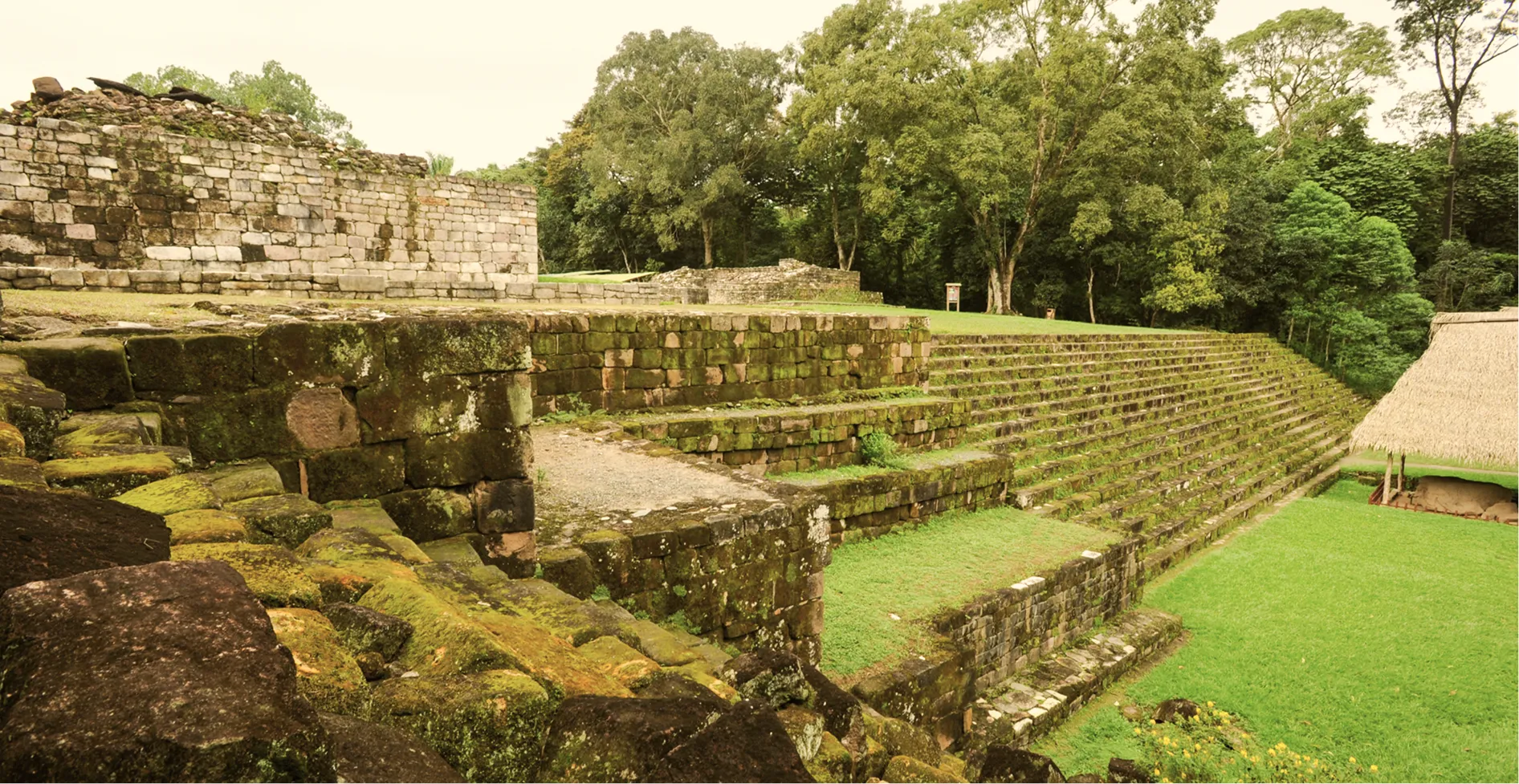
During the wet season, between May and October, the landscape becomes more visually striking and the tropical vegetation of the Motagua Valley creates a very attractive contrast with the carved stone of the stelae. Although there may be brief showers, the surroundings become particularly photogenic and less crowded.
As it is a relatively compact site with plenty of natural shade, Quiriguá can be enjoyed at any time of year if you plan your visit well, ideally in the morning or early afternoon.
Accessibility in Quiriguá
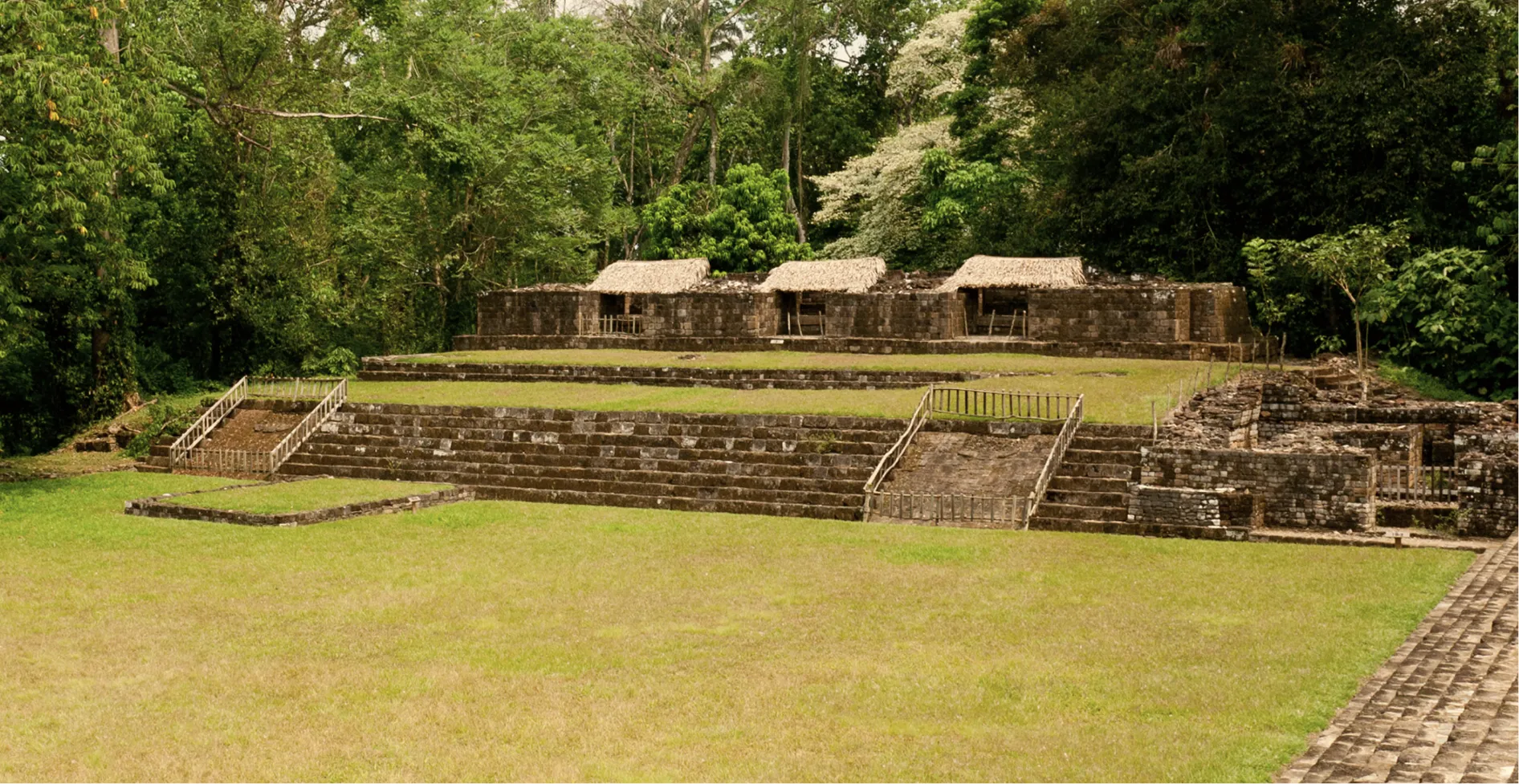
One of Quiriguá’s great strengths is its accessibility. Unlike other archaeological sites involving long walks or steep inclines, the route here is comfortable, open and relatively flat.
The park’s paths are clearly marked and easily connect the Great Plaza, the Acropolis and the main stelae on a tour that usually takes between an hour and a half and two hours, depending on your pace and the time spent in each area.
This ease of access makes Quiriguá, Guatemala, one of the most accessible archaeological parks in the country, suitable for both families and travellers who prefer cultural tours that are not physically demanding.
Furthermore, some areas feature accessibility improvements and partially adapted paths, striking a balance between heritage conservation and visitor comfort.
Things to do in Quiriguá
A tour of the Archaeological Park
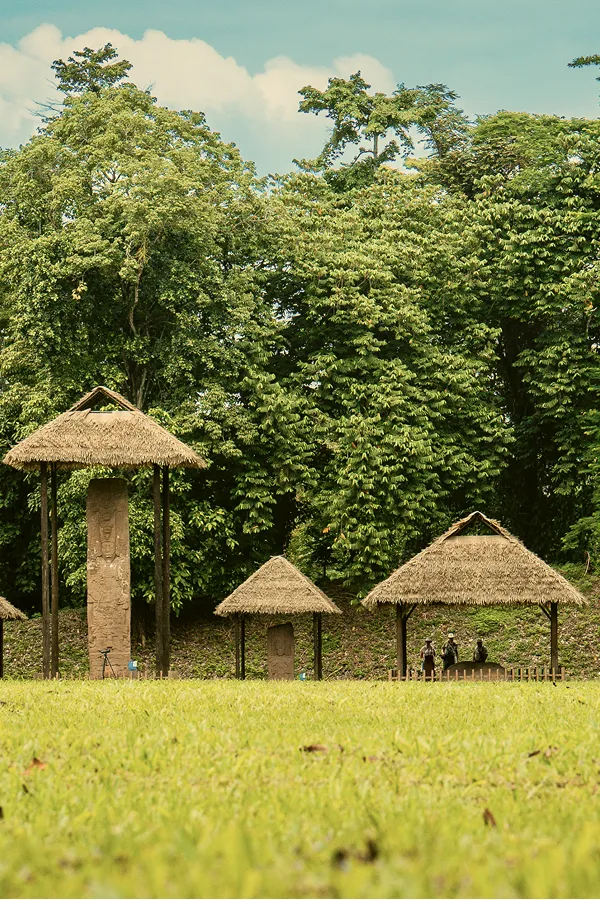
Exploring Quiriguá is like walking through an open-air Mayan museum. The Great Plaza brings together some of the site’s most impressive monumental sculptures and allows you to view them at close quarters – something that is rare at other archaeological complexes in the region.
If you’re wondering what to do in Quiriguá, Guatemala, this tour is the absolute highlight of the experience. History here is brought to life in a very visual way, through monuments that continue to amaze with their size and level of detail.
Admire Stela E
Stela E is the great symbol of Quiriguá and one of Guatemala’s most astonishing archaeological monuments. Standing over 10 metres tall and featuring exquisitely detailed reliefs, it is an exceptional example of Classic Maya art.
For many travellers, seeing it up close is in itself reason enough to visit the park and helps to understand the immense artistic and political sophistication achieved by this ancient city.
Explore the Acropolis and the zoomorphic altars
Beyond the stelae, Quiriguá is home to some of the most impressive zoomorphic carvings in Mesoamerica: enormous blocks of stone carved with symbolic figures, mythological animals and complex ritual representations.
The Acropolis, although more modest than at other Mayan sites, also provides insight into the city’s ceremonial and political life. This combination makes Quiriguá far more interesting than its size might initially suggest.
Combining Quiriguá with other destinations in Izabal
Thanks to its strategic location, Quiriguá fits perfectly into wider itineraries through eastern Guatemala. It can easily be combined with Río Dulce, Livingston, Puerto Barrios or the Castle of San Felipe.
It is not a destination that requires several days, but it does merit a leisurely and well-spent visit. Its compact size allows you to explore it at your own pace, something many travellers particularly appreciate compared to much larger archaeological sites.
Other sites
Map of Guatemala’s must-see archaeological sites
The tallest stelae in the Mayan world
Quiriguá is home to some of the most monumental Mayan stelae ever discovered. The famous Stela E stands some 10.6 metres tall and remains one of the most impressive freestanding sculptures in the whole of Mesoamerica.
Giant zoomorphs
The zoomorphic sculptures of Quiriguá are regarded as some of the largest carved monolithic pieces in the Mayan world. Their complex forms and ritual details demonstrate an extraordinary technical mastery of stone.
UNESCO World Heritage Site
In 1981, Quiriguá was designated a UNESCO World Heritage Site in recognition of its immense archaeological, artistic and historical significance within the Maya civilisation.
A small place, of enormous importance
Although it is smaller than other archaeological sites in Guatemala, Quiriguá played a key political role in the Motagua Valley and even challenged the power of the mighty city of Copán.

What to see
Landmarks of Quiriguá
Use our AI-powered planner to plan your visit to Quiriguá
Save places, routes and experiences
Archaeological Sites
Other archaeological sites in Guatemala
Tikal
El Mirador
Iximché
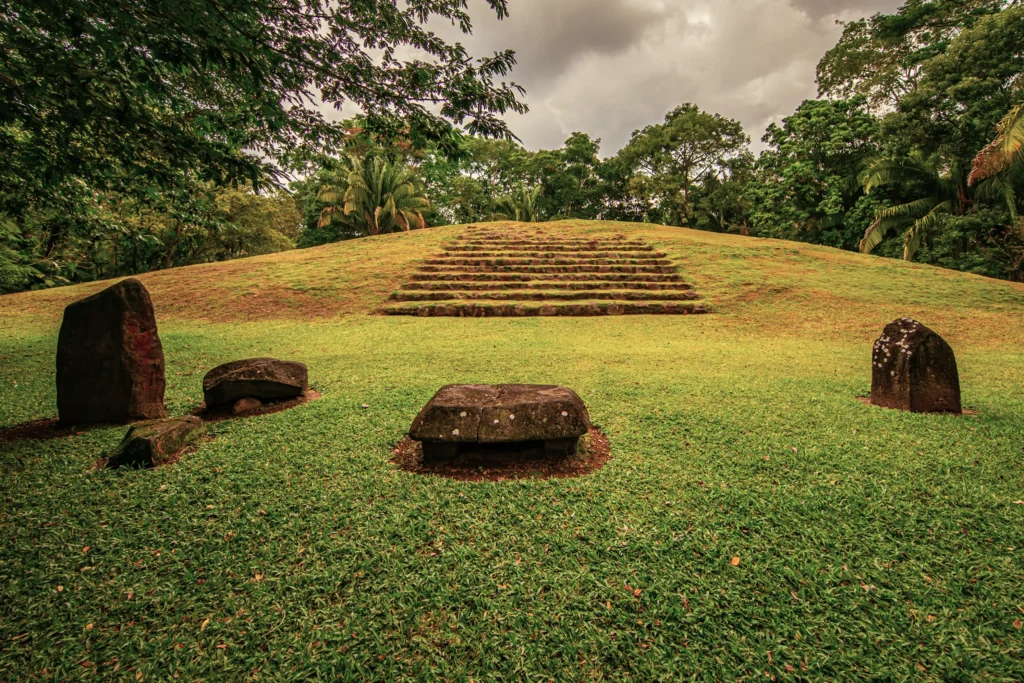
Takalik Abaj
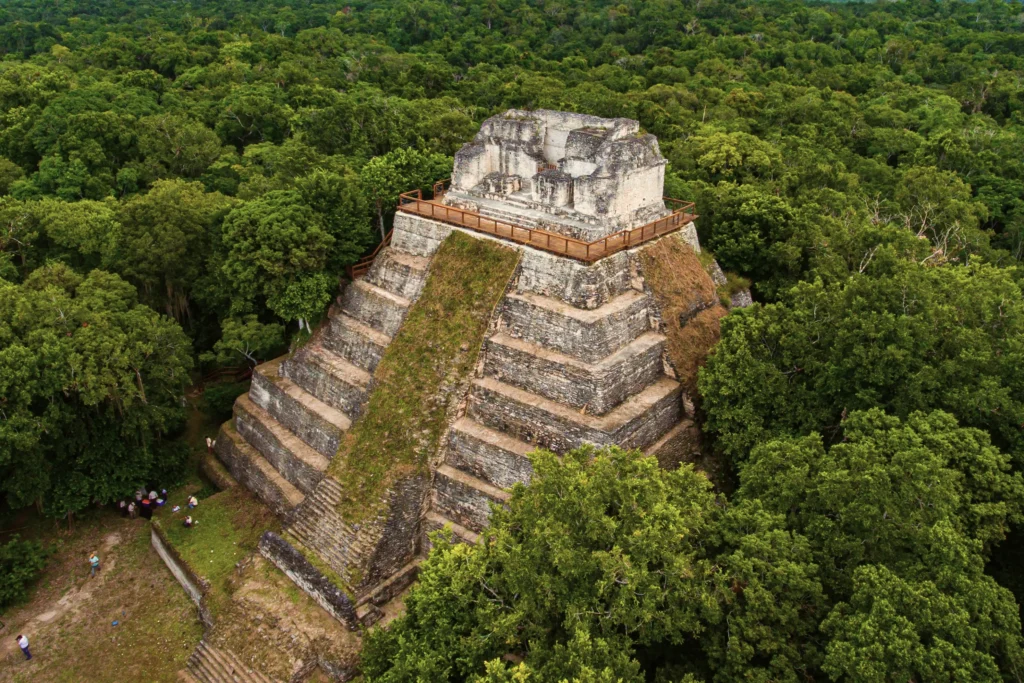
Yaxhá
Blog posts
Interesting articles about Quiriguá and other sites
Traditional dress of Quetzaltenango: Discover the history and significance of the Xela dress
Few things connect you as viscerally with the culture of Quetzaltenango as its rich variety of textiles. Strolling through the […]
Lake Amatitlán: History, things to do and how to visit it
Lake Amatitlán is a traditional attraction in Guatemala: a must-visit destination for a wonderful experience amongst the volcanoes.
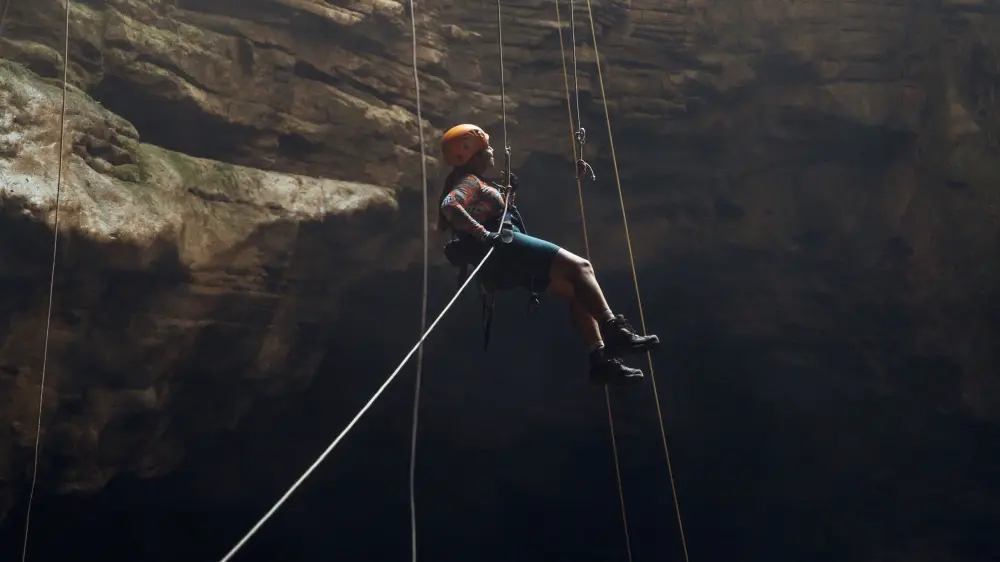
Bombil Pek: A guide to visiting the most amazing caves
Bombil Pek offers a wonderful active tourism experience. Things to do in one of Guatemala’s most unique destinations.
Frequently Asked Questions
What is there to see in Quiriguá, Guatemala?
Quiriguá is one of the country’s most remarkable Mayan archaeological sites, particularly due to its enormous carved stone stelae, considered to be amongst the tallest and best-preserved in the Mayan world. Surrounded by tropical rainforest and much quieter than other famous sites, highlights here include the Great Plaza, the zoomorphic sculptures and the monuments covered in historical inscriptions. Furthermore, the lush, humid surroundings give it a very different atmosphere to places such as Tikal or Yaxhá.
Why is Quiriguá famous?
Quiriguá is famous for its impressive carved stelae, true masterpieces of Mayan art that recount the history of its rulers and political victories. Although the site has no giant pyramids, its historical and archaeological value is immense, so much so that it was declared a UNESCO World Heritage Site. Furthermore, it played a key role in the rivalry between ancient Mayan cities, even going so far as to defeat the powerful Copán – something highly unusual for that era.
How long does it take to visit Quiriguá?
The visit usually takes between 2 and 3 hours, making it a perfect stop to include on a tour of eastern Guatemala. Many people combine it with a trip to the Guatemalan Caribbean, Río Dulce or Livingston, as Quiriguá is well connected by road. Although the site isn’t huge, it’s worth taking your time to explore it so you can appreciate the details of the sculptures and gain a better understanding of the site’s historical significance.
Is Quiriguá worth a visit?
Yes, especially if you’re interested in Mayan history beyond the best-known archaeological sites. Quiriguá offers a much more peaceful and authentic experience, without large crowds and surrounded by tropical nature. What’s more, its monuments are so impressive and intricately detailed that even travellers who have already visited Tikal are often taken aback. It’s not a destination where you’d spend the whole day, but it is a highly recommended stop to add historical and cultural context to a trip around Guatemala.