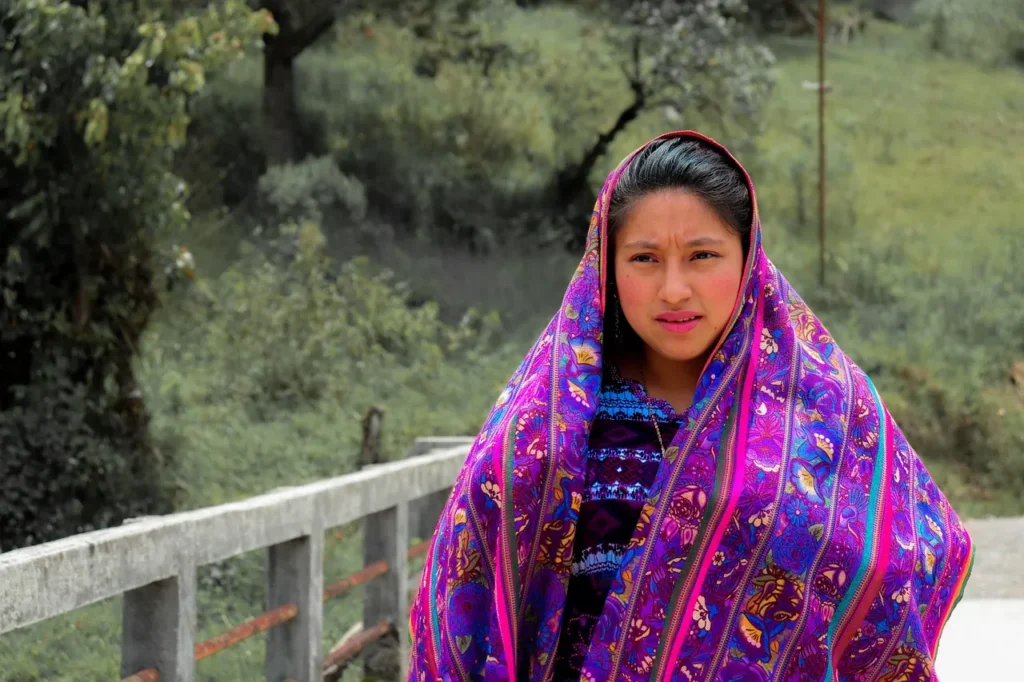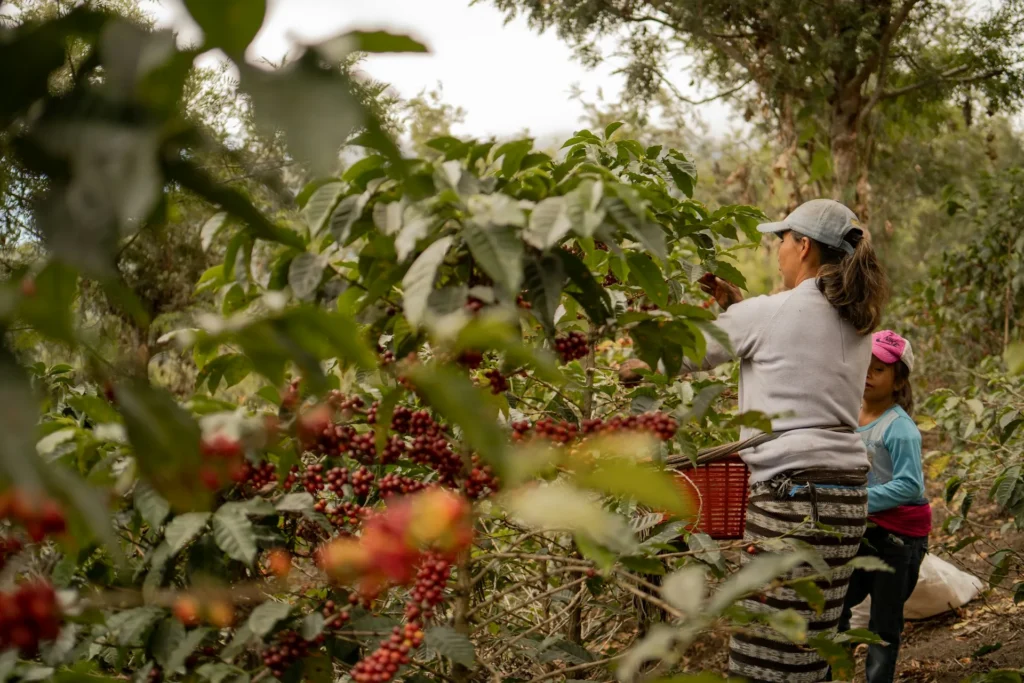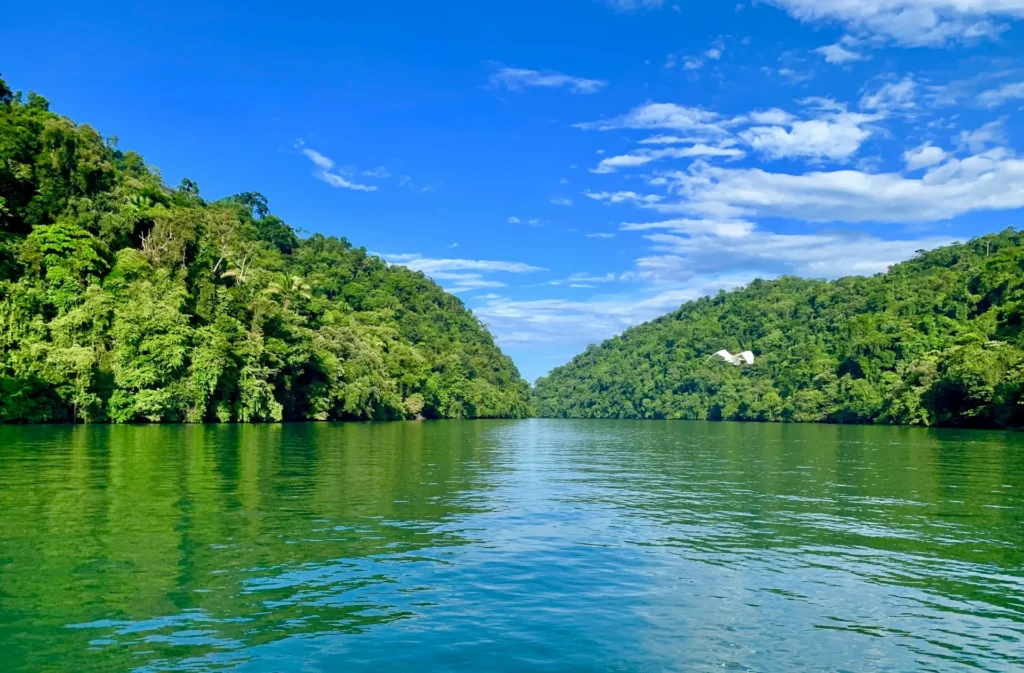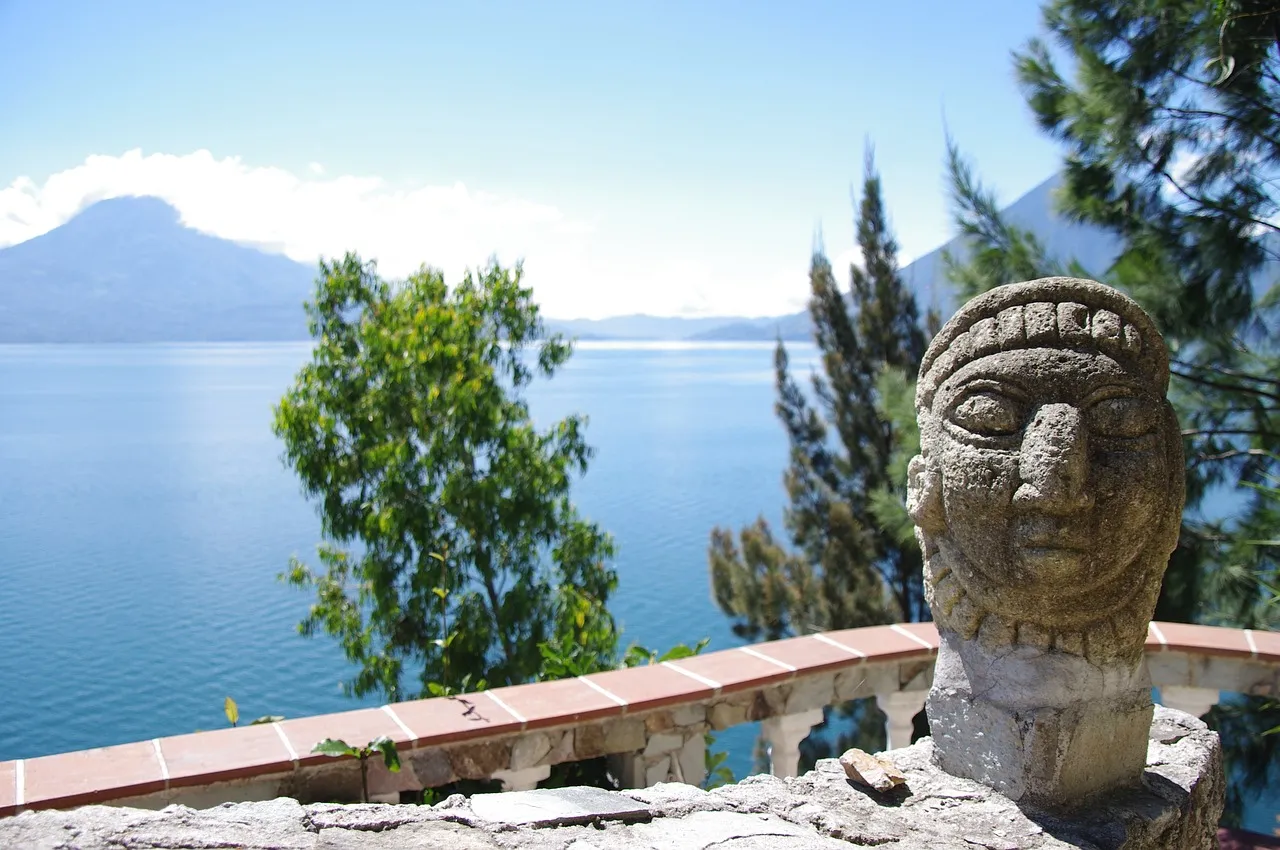
In Guatemala, the legacy of the Maya is still very much alive. And it’s not just evident in the ruins and the traditional dress of the locals; their ceremonies and rituals are still practised and have survived to the present day. During your trip around the country, I recommend going beyond its natural sites and colonial cities; discovering its Mayan heritage is essential to understanding and experiencing Guatemala on a deeper level.
The Mayan civilisation is one of the most fascinating in history, and Guatemala is the place where its traditions have survived best. It's no coincidence that this country is known as ‘the heart of the Mayan world’. Its spirituality has endured, and in this article we want to tell you how you can experience the legacy of this culture first-hand. Join us as we discover the most fascinating Mayan rituals!
The history and significance of Mayan rituals
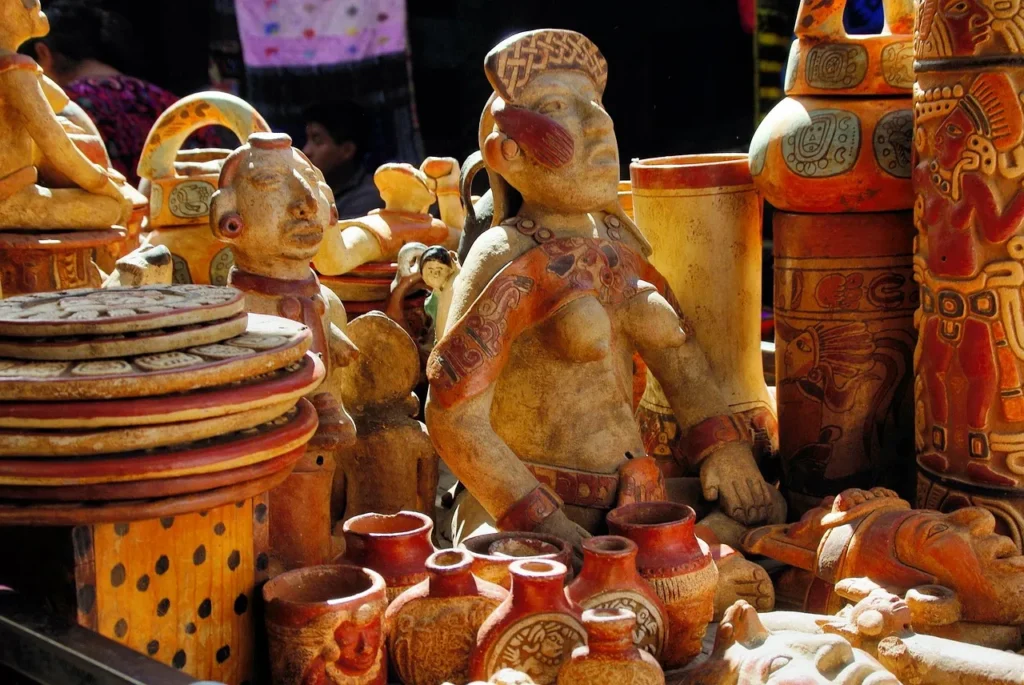
The cultural and religious origins of Mayan rituals
The Mayan civilisation was one of the most complex of antiquity. The rituals we can witness today in some parts of Guatemala are proof of this. Its origins date back thousands of years, and one of its main characteristics is the strong connection between humans, nature and the deities. For the ancient Maya, the universe depended on a balance, and rituals were a way of maintaining that cosmic order. Through offerings, prayers and sacrifices, people gave thanks to the gods and ensured the continuation of the agricultural cycles.
Following the arrival of the Spanish conquistadors in the 16th century, the Mayan religion was persecuted. However, it did not disappear entirely. The indigenous people integrated the Catholic faith with their Mayan traditions (which they also continued to practise in secret), giving rise to a very distinctive form of religious syncretism that can still be seen today in figures such as Maximón or in the superimposition of Christian saints onto nature deities.
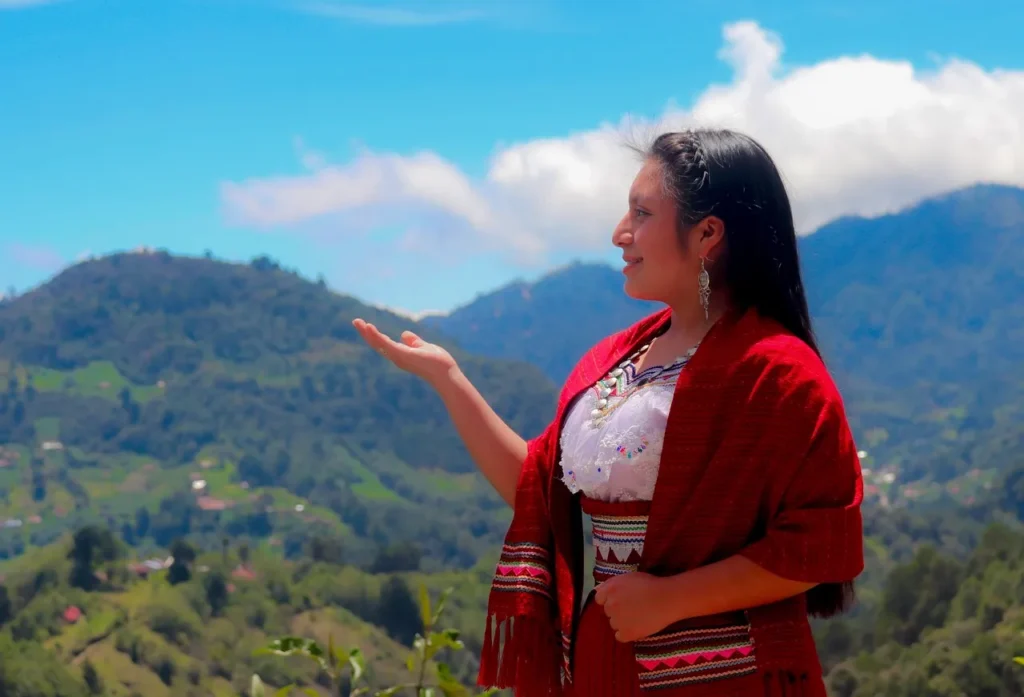
The Mayan worldview and its influence on different regions of Guatemala
Mayan culture interpreted the world, time and existence in a very specific way. They used a sacred calendar called the Cholq'ij, comprising 260 days, which Mayan communities in Guatemala still use today. Each day of the calendar is associated with a protective energy linked to nature. This calendar also governs people’s destinies and personalities. However, this Mayan worldview varies depending on the region of the country in which one finds oneself.
For example, in the Chichicastenango and Quiché regions, which are at the heart of religious syncretism, prayers are offered to both the ancestors and the Catholic saints. In the Atitlán area, spirituality is very much present and linked to natural elements such as lakes and volcanoes. Here, ceremonies are held in caves or on sacred hills, and it's the place where the fascinating cult of Maximón is most prominent. Finally, in the lowlands and the Verapaces, rituals focus on seeking permission from the guardian of the jungle and the deities of the underworld. This region is deeply connected to the oldest and purest roots of the Mayan civilisation.
- We invite you to read our article about the Flower Festival in Antigua Guatemala.
The most important traditional Mayan ceremonies and rituals
The so-called ‘Sacred Fire Ceremony’ is the central ritual of Mayan spirituality. It's led by a spiritual guide and, during the ceremony, a portal to the cosmos is opened to communicate with the ancestors and guardian spirits. The ‘Cacao Ceremony’ is also still practised. Cacao is regarded by the Mayan culture as ‘the food of the gods’ and is used to celebrate fertility, to give thanks and to bring the community together.
Rituals to call for rain and seed blessings are also performed; these are agricultural rituals usually carried out in caves or on mountain peaks at the start of the sowing season. In addition, there are ceremonies to present children to the guardian spirits, which take place a few days after birth so that the baby’s energy may align with their guardian spirit for the year.
Altars and offerings at local festivals
Mayan altars are usually circular in shape, and the four cardinal points are marked on them with a different colour. The east is coloured red, as this is where the sun rises, symbolising life; the west is coloured black, as it represents sunset and death; white indicates the north, signifying air and health; and yellow, which indicates the south, refers to the earth and the harvest. The centre of the altars is usually painted green or blue and represents the cosmic axis.
The offerings left on the altars nourish the deities and awaken the senses. Candles are also left to make specific requests.
Mayan processions and rituals throughout the year
- Mayan New Year: it's celebrated every 260 days, as this is the length of their sacred calendar.
- Holy Week: it's celebrated mainly in Antigua Guatemala and in the Altiplano, where religious syncretism is most prevalent. Catholic processions take to the streets and the designs of some of the elements are linked to Mayan cosmology.
- The Day of the Dead or All Saints’ Day: this is one of the best-known festivals in the town of Santiago Sacatepéquez. In particular, one of the festival’s most famous traditions involves erecting circular structures made of brightly coloured paper and geometric shapes. It's believed that, through these structures, the wind acts as a channel of communication between the living and the spirits of their ancestors.
- Santo Tomás Festival in Chichicastenango: held in December, its most distinctive features are the traditional dances and fire rituals performed on the steps of the town’s Catholic church.
How different communities keep Mayan traditions and rituals alive
The Mayan traditions of Guatemala have been preserved to this day mainly through oral transmission within families. Elders have never stopped passing on to younger generations everything they know about Mayan rituals and the customs surrounding them. In addition to this, there are also local organisations and community groups that work together to keep these traditions alive, rather than just within individual families.
Indigenous communities also continue to protect archaeological sites, caves and hills, both legally and physically, against privatisation and exploitation by the tourism industry. Finally, some rural schools in Guatemala are also making efforts to incorporate the Mayan worldview into their curriculum so that young people do not lose their cultural identity. In fact, lessons are often taught in the community’s native language to ensure that the indigenous Mayan languages – of which there are more than 22 across the country – continue to be spoken.
- We invite you to read our article about the history and culture of the Garifuna people.
Cultural experiences for visitors
As a tourist, you can witness and take part in authentic Mayan ceremonies and rituals. But bear in mind that, to ensure your experience is authentic and respectful, it's essential to book tours with local, certified guides.
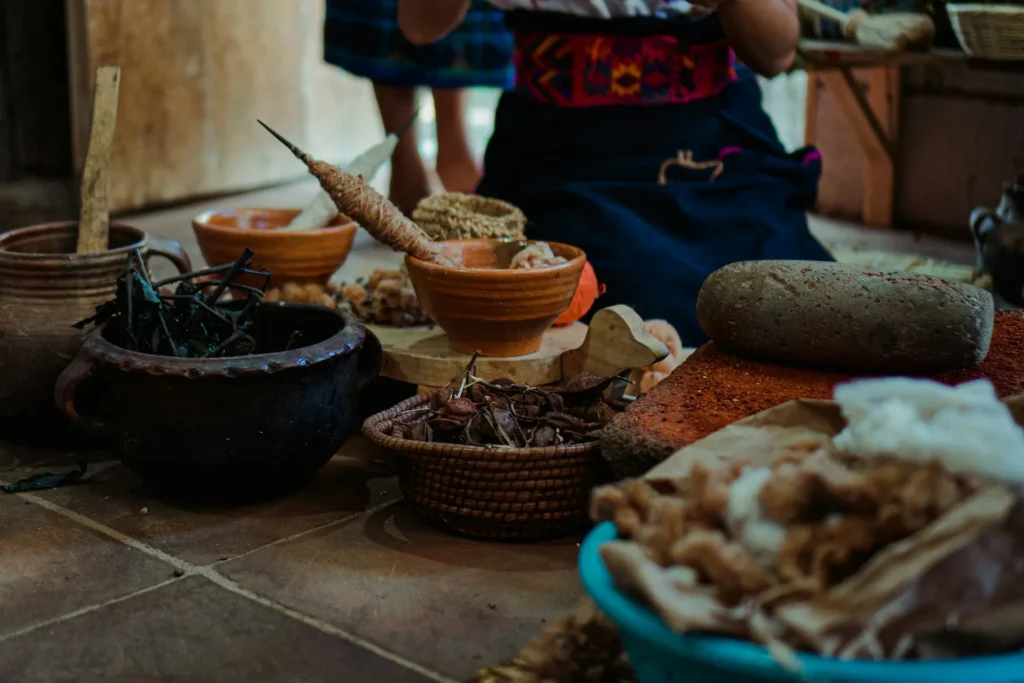
Take part in Mayan rituals and cultural events without disrupting tradition
During these visits, it's essential to remain silent and avoid laughing or asking questions whilst the ceremony is taking place. However, you don’t have to be just a mere spectator; you can play an active part by buying candles, chocolate or sugar from local markets before the experience, to leave on the altar. It's also advisable to dress appropriately when the guides take you to witness these Mayan rituals. In this regard, wear clothes that cover your shoulders and knees; this is a sign of respect.
Finally, the issue of taking photographs is a very sensitive one. Ask your guide about this, particularly regarding what you need to bear in mind so as not to be disrespectful or cause a disturbance. Do avoid using flash, however, as it may disrupt the locals’ concentration during ceremonies.
Notable regional festivals
- Ceremonies on Lake Atitlán: tours often organise visits to the sacred caves of San Jorge La Laguna (one of the 12 villages on the lake) to witness the authentic fire rituals.
- A visit to the Maximón shrine in Santiago Atitlán: the local brotherhoods allow travellers to enter the house where the deity is kept to view it and see all the offerings made to it.
- Spiritual sunrises at Tikal or Yaxhá: at these two archaeological sites, certified local guides can take groups of travellers to witness the rituals of thanksgiving to the sun in front of the ruins during the early hours of the day.
- We invite you to read our article about El Tintal.
Practical tips for tourists
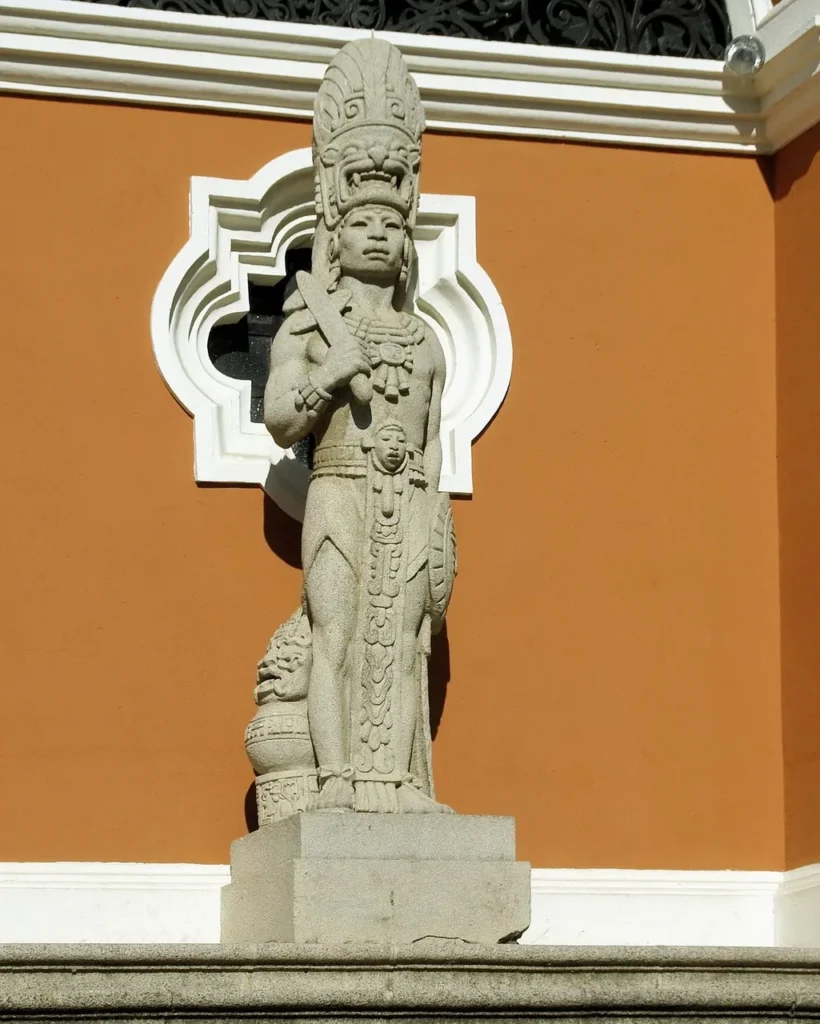
The best time to witness Mayan rituals in Guatemala
Mayan ceremonies and rituals take place at the archaeological sites in June, September, December and March. Large-scale fire ceremonies are held to mark the changes in the solar cycle. It's one of the most worthwhile events to witness. Witnessing the Mayan New Year is also a spectacular experience, with Momostenango being the best place to see it.
Transport and safety when visiting different communities
We always recommend that, when travelling around Guatemala, you use minibuses run by specialist tour operators or join organised tours. It’s always best to undertake these journeys, as well as your walks, during the day and avoid travelling at night, particularly in the surrounding areas or on the outskirts.
Recommendations from certified local guides
In Guatemala, it's particularly advisable to hire local tour guides who hold official accreditation to carry out their work. This ensures that the guide has a genuine knowledge of the area and that the payment you make is fair. The fact that they are locals guarantees access to the altars and ceremonies.
- We invite you to read our article about the Mesoamerican ballgame.
Top 5 Mayan rituals you mustn’t miss in Guatemala
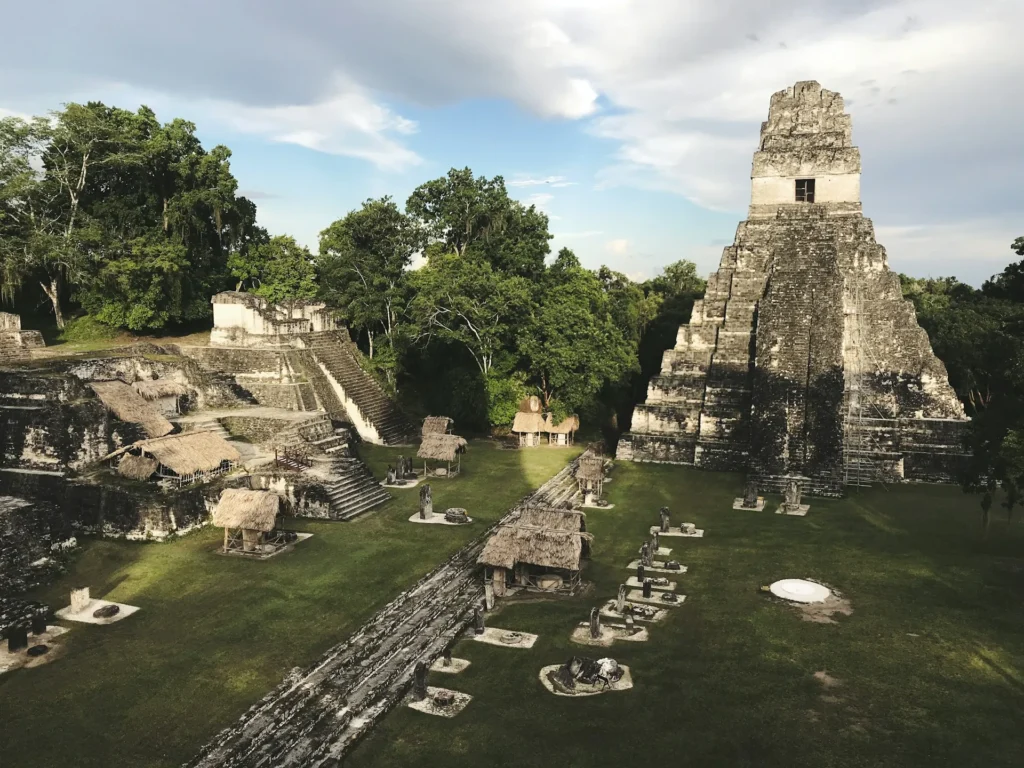
- Sacred Fire Ceremony at Iximché.
- Dawn rituals in Tikal’s Central Plaza.
- The living cult of Maximón in Santiago Atitlán.
- The Giant Kite Flight in Sumpango.
- The Dance of the Palo Volador in Joyabaj.
Checklist of authentic cultural experiences across the country
- Take part in a cacao workshop or ceremony in Atitlán.
- Explore the caves of the Verapaces, such as those at Lanquín or Candelaria, which are regarded in Mayan mythology as sacred gateways to the underworld.
- Buy offerings for the ceremonies at a local market and respectfully place them on the community altars.
- Watch the prayers on the steps of the Church of Santo Tomás in Chichicastenango.