


Guide to Takalik Abaj
Where the stone tells the story of the origins of two great civilisations
Welcome to Takalik Abaj
Takalik Abaj is one of Guatemala’s most fascinating and least well-known archaeological sites, and is key to understanding the transition between two great Mesoamerican civilisations: the Olmec and the Maya. Situated in the department of Retalhuleu, on the country’s southern coast, this archaeological complex stands out for its immense historical value, its natural surroundings and a much more peaceful visitor experience than other Mayan sites in Guatemala.
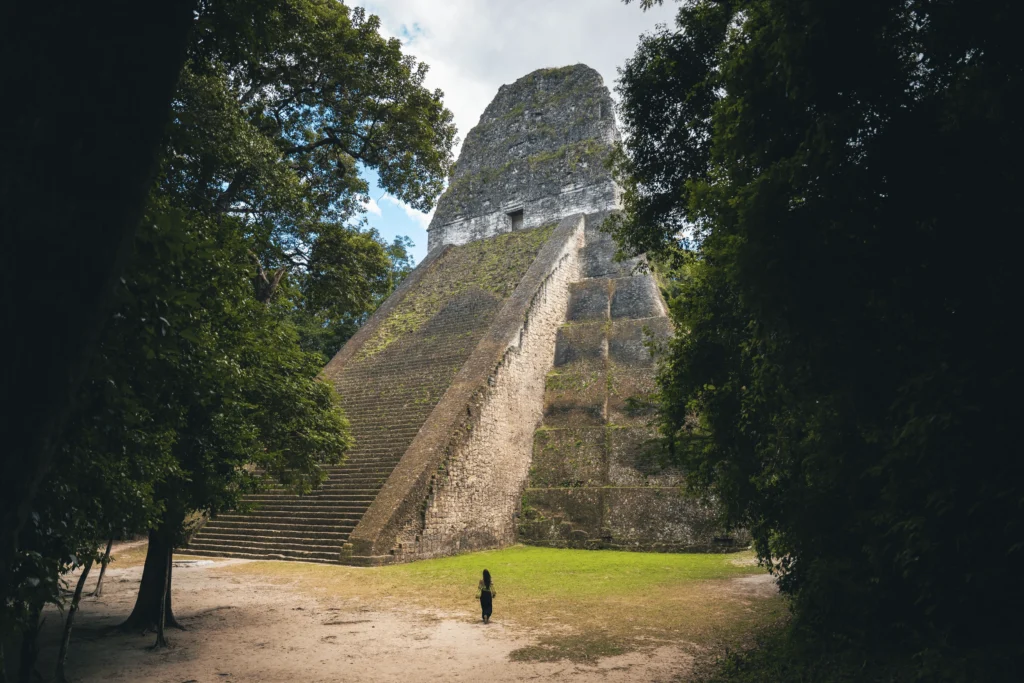
If you’re looking for things to see in Takalik Abaj, Guatemala, you’ll find a site here that’s quite different from Tikal or Yaxhá. Rather than grand pyramids dominating the landscape, the site’s appeal lies in its carved stelae, ancient hydraulic systems, ceremonial platforms and early evidence of Mayan writing and astronomy. Furthermore, the site was inscribed on the UNESCO World Heritage List in 2023, reinforcing its cultural and historical significance.
The archaeological park covers more than 6 km² and is set amidst a landscape of tropical vegetation and farmland, creating a particularly pleasant setting for exploring on foot. For those who enjoy archaeology, history and less-crowded sites, a trip to Takalik Abaj is one of the most fascinating cultural experiences in western Guatemala.
The History of Takalik Abaj
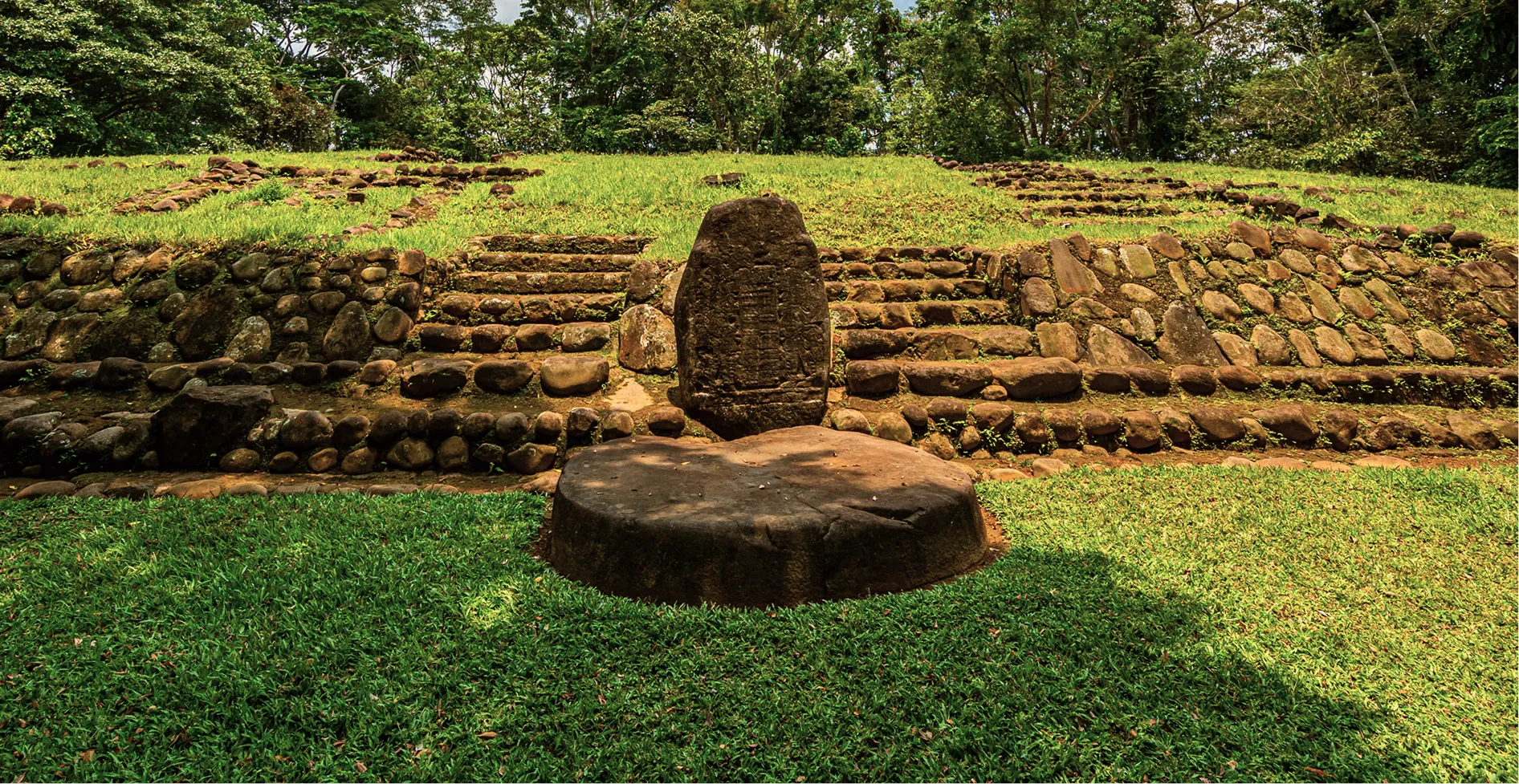
The history of Takalik Abaj dates back to the Middle Pre-Classical period, from around 800 BC, making it one of the oldest and most important settlements in Mesoamerica. For centuries, it served as a centre for political, commercial and ceremonial exchange between the peoples of the Pacific coast and the Mayan highlands.
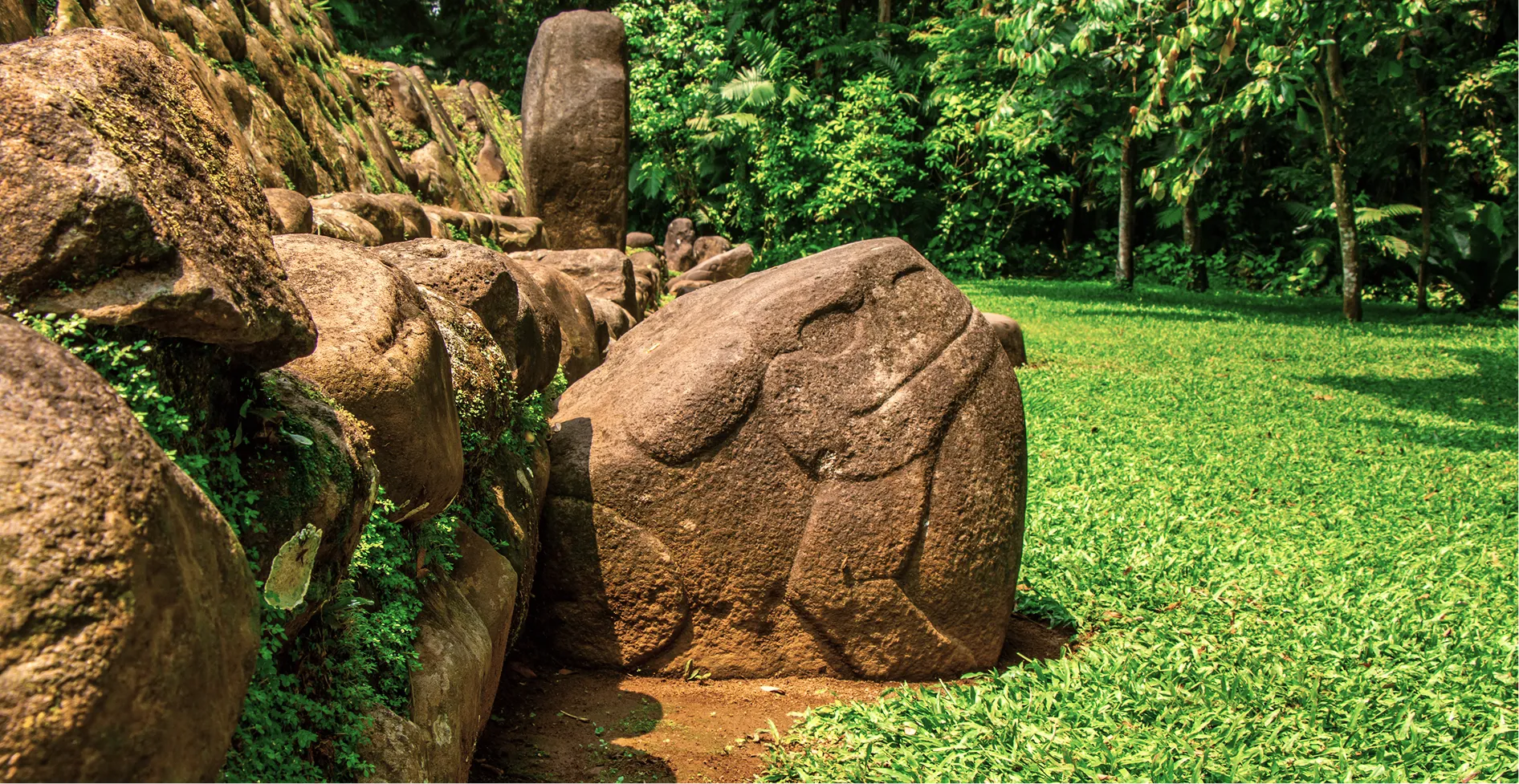
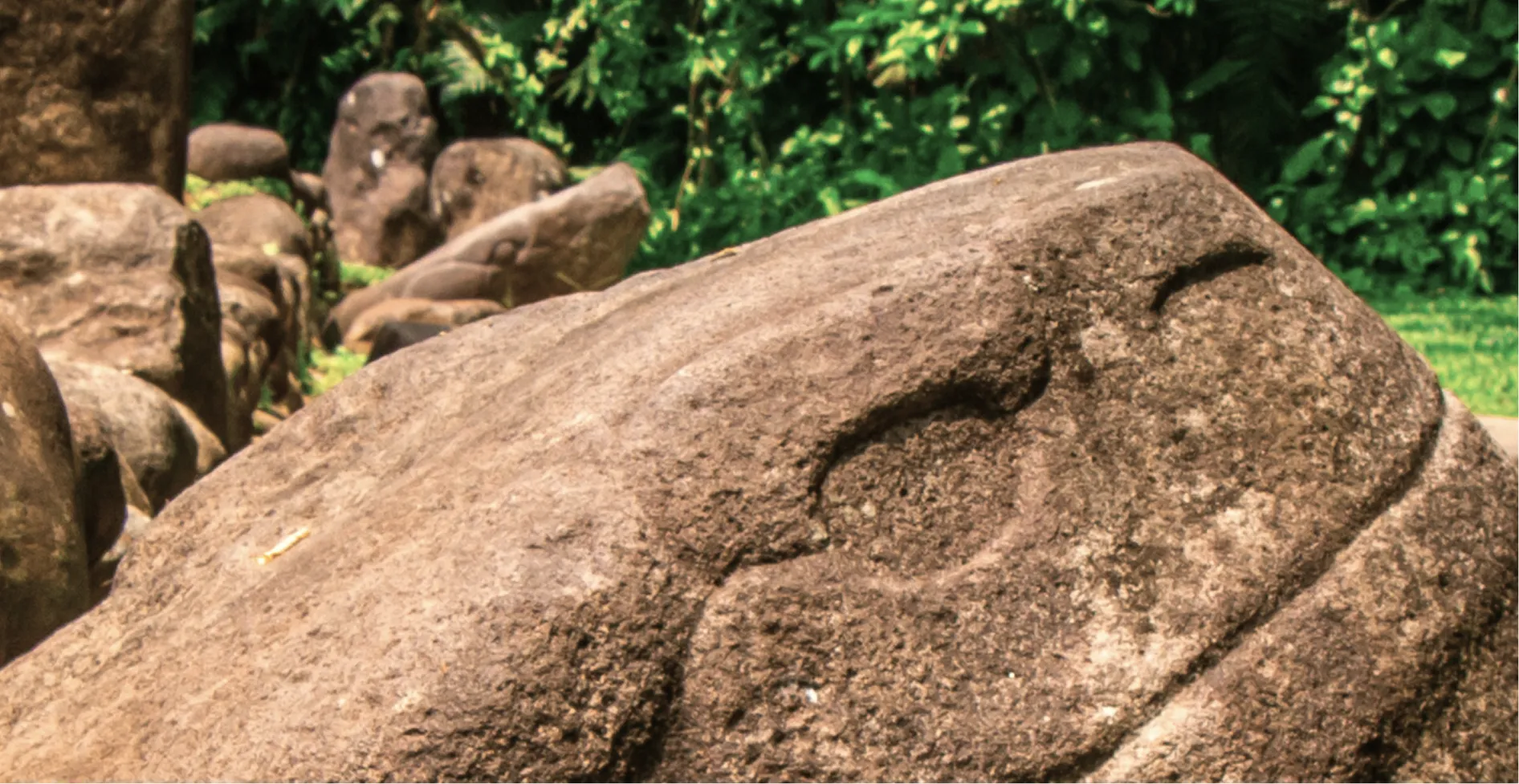
One of the site’s greatest values lies precisely in this cultural transition between the Olmec and Maya worlds. At Takalik Abaj, sculptures with Olmec features can be seen alongside stelae and monuments displaying clearly Maya elements, something rarely found at other archaeological sites in Guatemala.
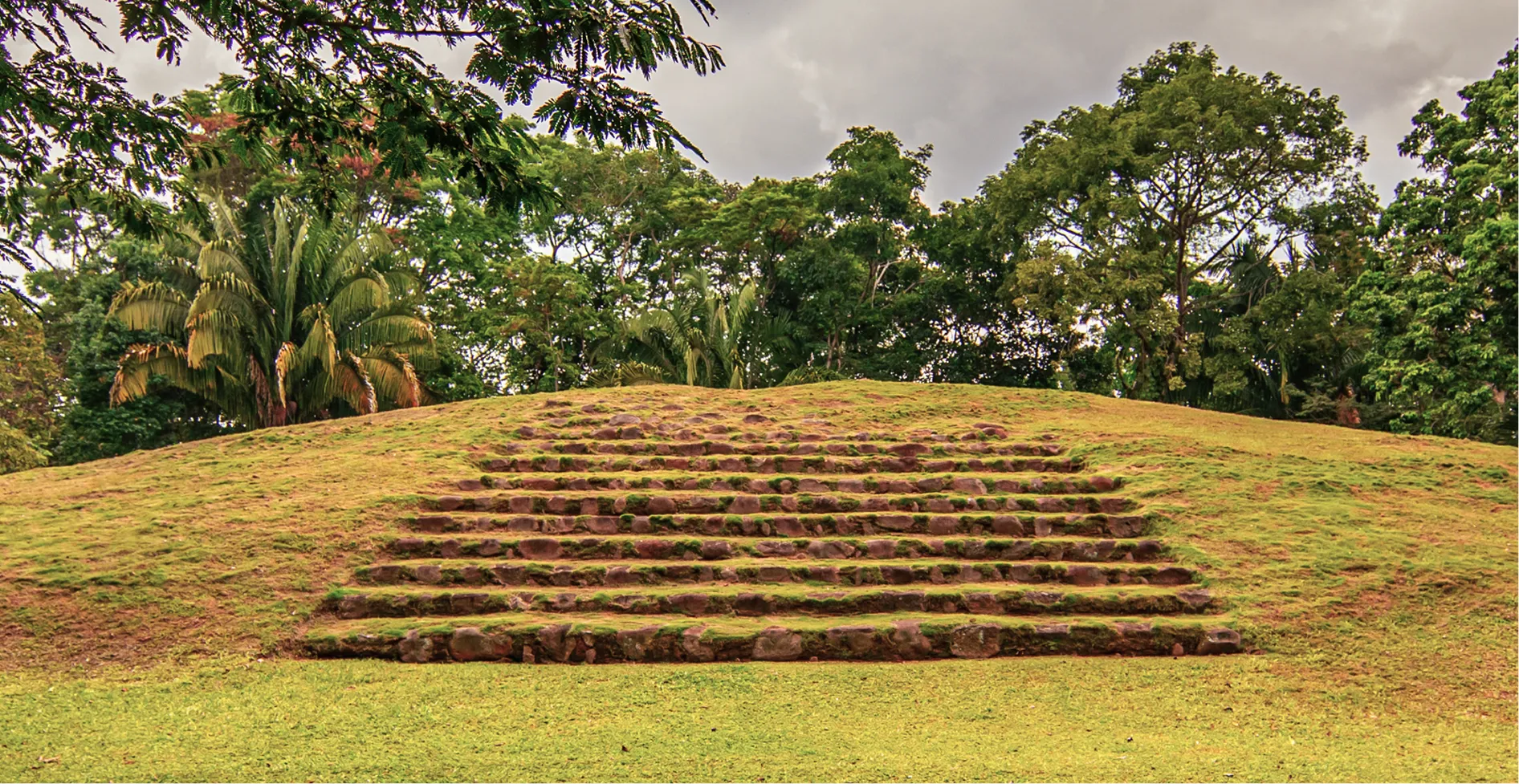
Among its most notable structures are ceremonial altars, drainage systems carved from stone — considered particularly advanced for their time — and monuments such as Stela 5, linked to some of the earliest records of hieroglyphic writing and Mayan symbolism. In total, hundreds of structures have been identified, spread across terraces, plazas and ceremonial platforms.
How to get to Takalik Abaj
Getting to Takalik Abaj is relatively straightforward and can be easily incorporated into itineraries along Guatemala’s southern coast. From Guatemala City, the journey by road usually takes between 4.5 and 5.5 hours, passing through Escuintla, Suchitepéquez and Retalhuleu.
From Retalhuleu, the nearest major town, access is much more convenient, with a journey time of around 45 minutes, making it ideal for a half-day or full-day excursion. The park has a car park, signposted trails and basic visitor facilities, which make it easy to explore either independently or on an organised tour.
Many travellers take the opportunity to combine a visit to Takalik Abaj with other attractions in the south-west of the country, such as Quetzaltenango, the Pacific beaches or the Santa María and Santiaguito volcanoes.
When to visit Takalik Abaj
The climate in Takalik Abaj is warm and humid for much of the year, with temperatures usually ranging between 24°C and 32°C. The best time to visit is generally between November and April, during the dry season, when walks are more comfortable and rainfall is less frequent.
During the green season, between May and October, the landscape becomes particularly lush and photogenic, with much denser vegetation around the archaeological trails. Although afternoon showers may occur, many travellers enjoy the greener surroundings and an even more peaceful experience.
Thanks to its spacious layout and lower visitor numbers compared to other Mayan sites, Takalik Abaj usually offers a leisurely visit, ideal for exploring at a gentle pace and stopping to observe historical and archaeological details.
Accessibility in Takalik Abaj
Getting around Takalik Abaj is relatively easy, although it is worth bearing in mind that the route involves moderate walking due to the park’s size. The paths are well marked and link the main archaeological sites on tours that usually last between 2 and 3 hours.
The site is well connected by road to Retalhuleu and Mazatenango, and many people opt for private transport or organised tours to make the most of their time. Accessibility has been partially improved in some areas, although the natural terrain and certain slopes may limit mobility for visitors with reduced mobility on certain sections.
Things to do in Takalik Abaj
A tour of the Archaeological Park
Exploring Takalik Abaj is the best way to understand the evolution between the Olmec and Maya cultures. Along the route, ceremonial plazas, raised platforms, stone monuments and hydraulic systems demonstrate the complexity of one of the most important settlements of the Pre-Classical period.
Discovering the Olmec-Mayan heritage
One of the site’s greatest attractions is seeing how cultural elements from both worlds coexist. The monumental sculptures, stelae and symbols make it possible to identify this transition in a very tangible way, something that makes Takalik Abaj a unique site within Guatemala’s archaeological heritage.
Archaeological and nature photography
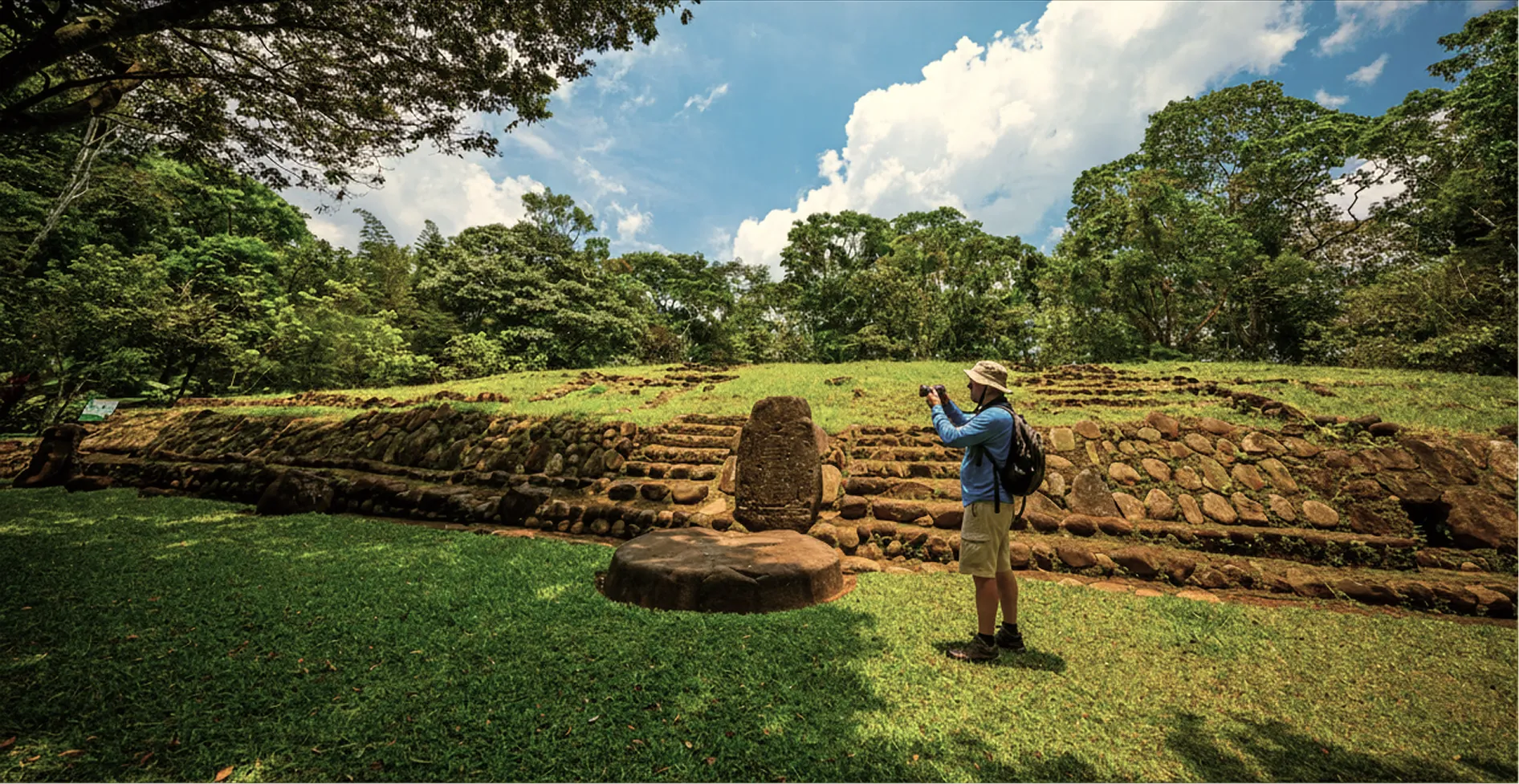
The tropical setting gives it a very different atmosphere to other archaeological sites in the country. The combination of vegetation, open footpaths and stone monuments makes Takalik Abaj particularly attractive for photography, especially in the early hours of the morning.
Combine Takalik Abaj with the south coast and volcanoes
Thanks to its location, many travellers include Takalik Abaj as part of wider itineraries covering Retalhuleu, Quetzaltenango or the western highlands. This combination allows travellers to enjoy a balance of archaeology, volcanic landscapes and cultural experiences all in one trip.
Other sites
Map of Guatemala’s must-see archaeological sites
World Heritage
Takalik Abaj was designated a UNESCO World Heritage Site in 2023 due to its significance in understanding the transition between the Olmec and Maya cultures.
Over 2,000 years of history
The site was occupied for more than two millennia, from the Middle Preclassic period through to later stages of Mayan development.
Early-stage engineering
Their ancient drainage systems, carved from stone, demonstrate a level of planning and engineering that is unusual for settlements of such an ancient date.
Surrounded by nature
Unlike other large Mayan complexes, Takalik Abaj is set within an agricultural and tropical landscape, surrounded by vegetation and coffee and cocoa plantations.

What to see
Landmarks in Takalik Abaj
Use our AI-powered planner to plan your visit to Takalik Abaj
Save places, routes and experiences
Archaeological Sites
Other archaeological sites in Guatemala
Tikal
El Mirador
Quiriguá
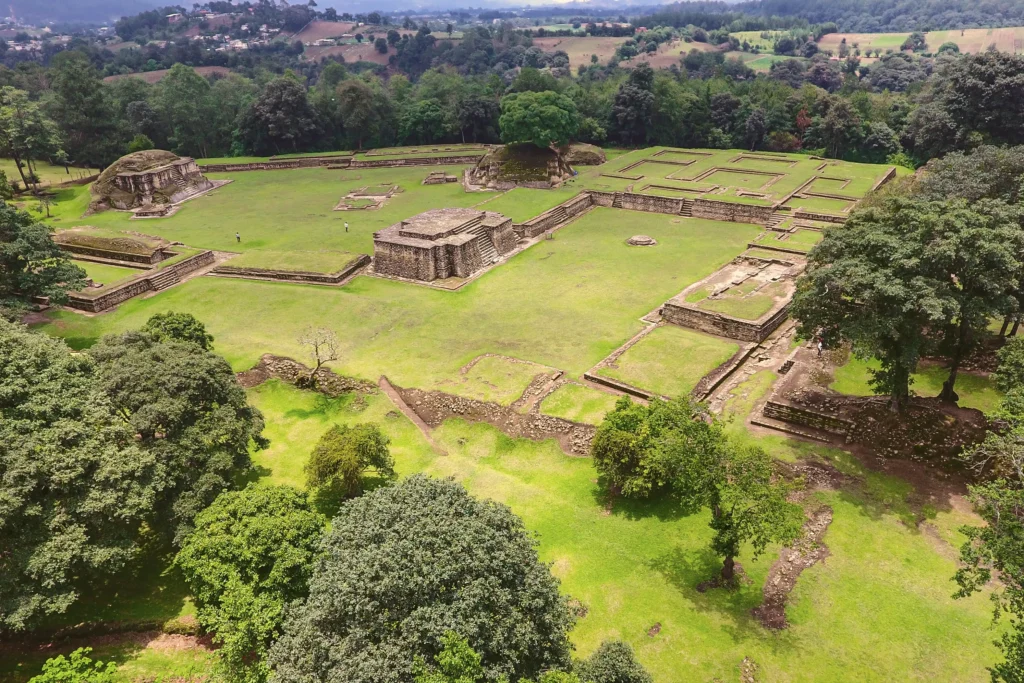
Iximché
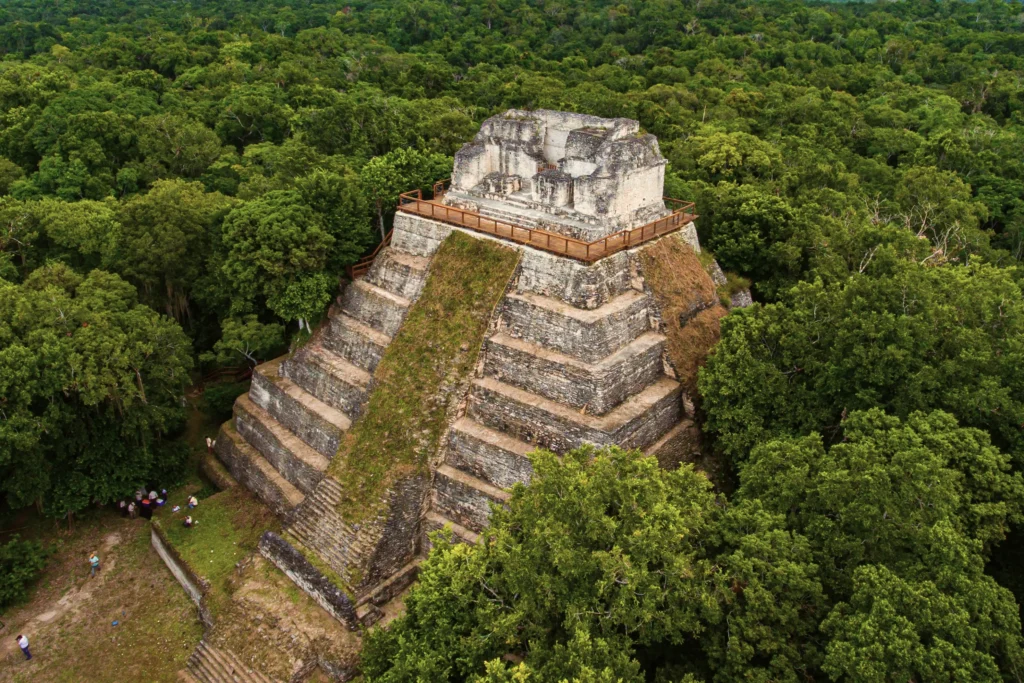
Yaxhá
Blog posts
Interesting articles about Takalik Abaj and other places
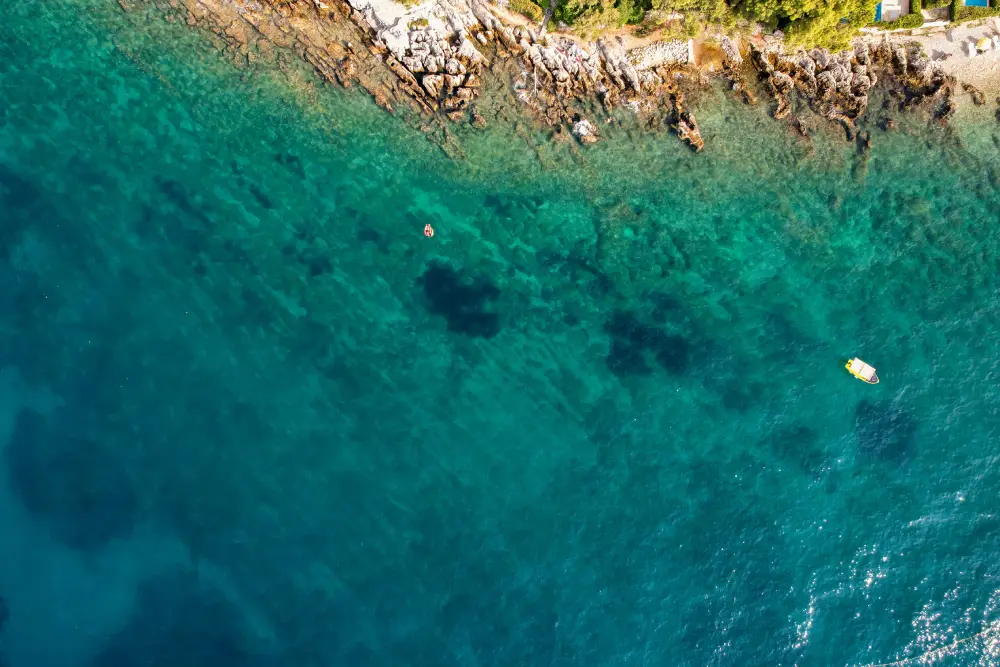
The Blue Crater: A guide to visiting this paradise in Petén
Deep in the heart of Petén, where the jungle is dense and the sounds of the city fade away completely, […]
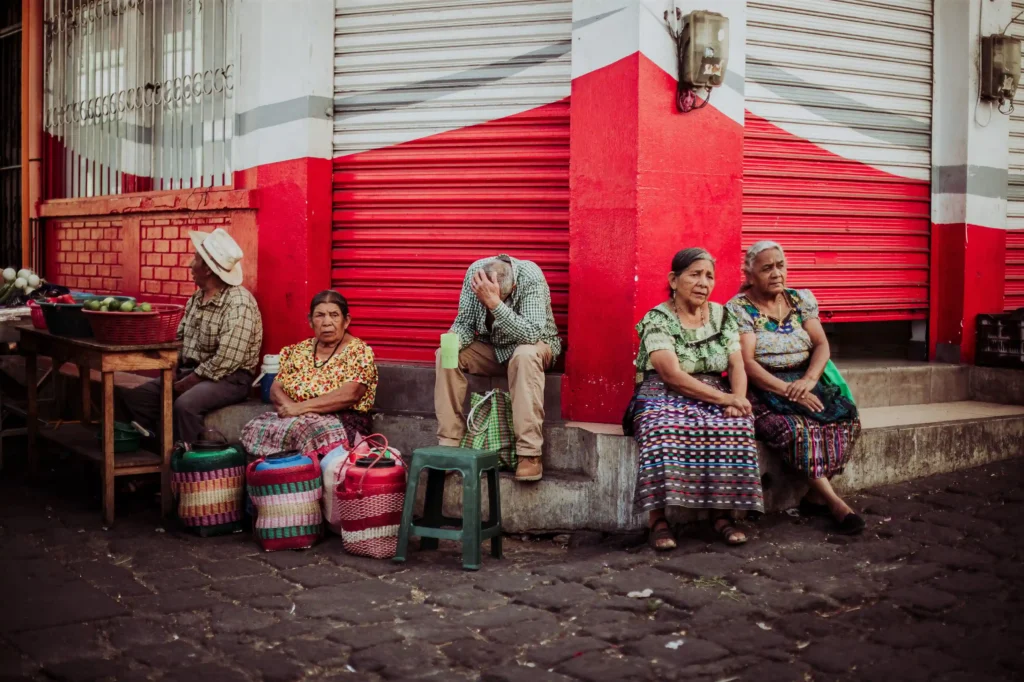
Traditional dress of Quetzaltenango: Discover the history and significance of the Xela dress
Few things connect you as viscerally with the culture of Quetzaltenango as its rich variety of textiles. Strolling through the […]
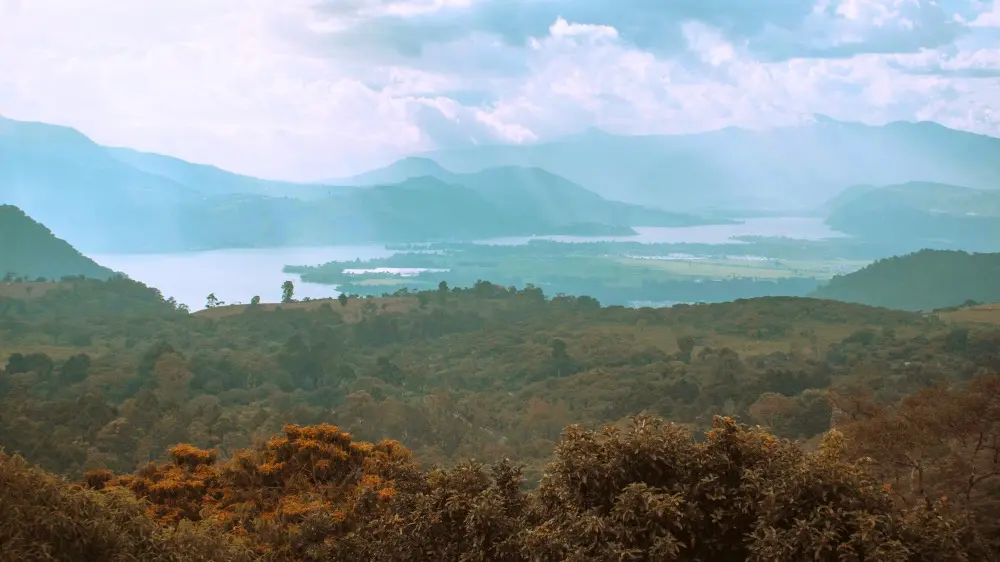
Lake Amatitlán: History, things to do and how to visit it
Lake Amatitlán is a traditional attraction in Guatemala: a must-visit destination for a wonderful experience amongst the volcanoes.
Frequently Asked Questions
What is there to see in Takalik Abaj, Guatemala?
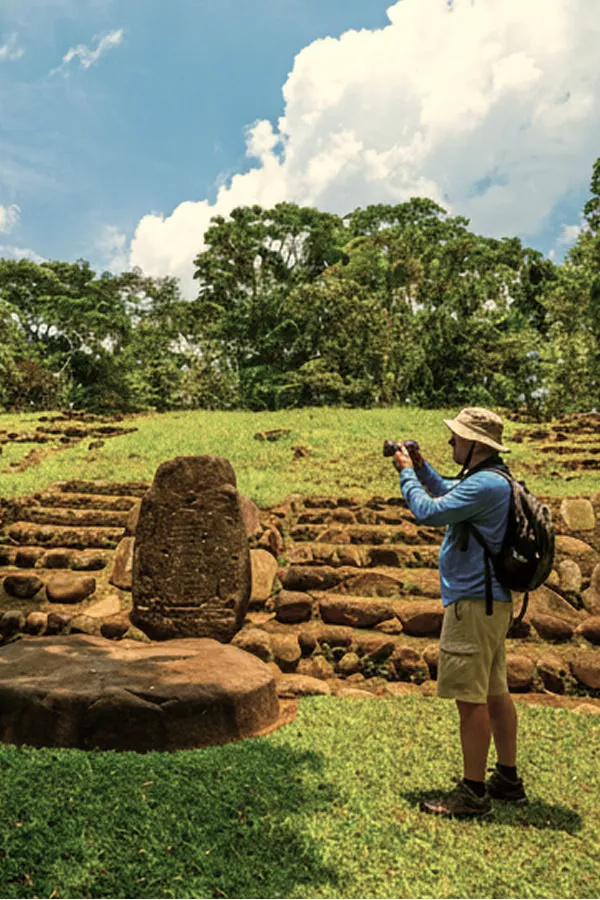
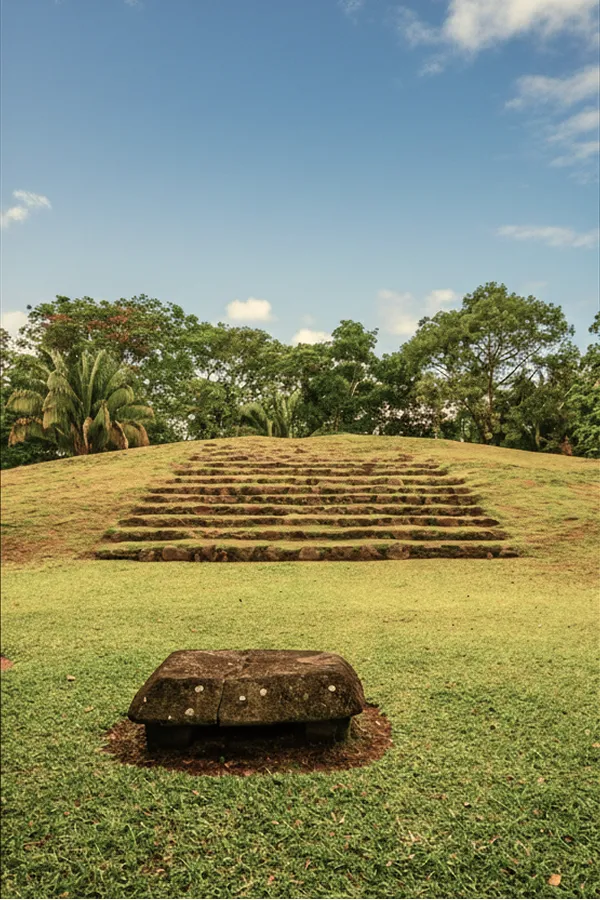
Takalik Abaj is remarkable for its unique blend of history, archaeology and tropical nature. During your visit, you’ll be able to explore ceremonial plazas, stone sculptures, altars and ancient structures surrounded by lush vegetation and coffee plantations. One of its main attractions is seeing how elements of Olmec and Mayan culture coexist in the same place, something very rare in Mesoamerica. Furthermore, the green and peaceful surroundings make the experience feel much more authentic and relaxed than at other, better-known archaeological sites.
Why is Takalik Abaj important?
Takalik Abaj is regarded as one of Guatemala’s most important archaeological sites because it represents the transition between the Olmec and Mayan civilisations. Its historical significance is immense: here one can see some of the earliest manifestations of Mayan political and religious power, as well as sculptures and monuments that reveal cultural influences from both civilisations. It is precisely because of this exceptional historical value that the site was designated a UNESCO World Heritage Site.
Is Takalik Abaj worth a visit?
Yes, especially if you’re interested in discovering places that are less touristy and of great historical significance. Takalik Abaj isn’t as impressive for its large pyramids as Tikal is, but rather for its archaeological context, the tranquillity of its surroundings and the feeling of exploring a site that’s still relatively uncrowded. What’s more, the journey through tropical countryside and coffee plantations makes the visit a much more leisurely experience, quite different from other Mayan sites in the country.
How long does it take to visit Takalik Abaj?
Most visitors spend between 2 and 4 hours exploring Takalik Abaj at a leisurely pace. The site is quite extensive and the tour is usually done on foot along paths surrounded by vegetation. Many people also take the opportunity to combine their visit with tours of south-western Guatemala or coffee-related experiences in the region, as the natural surroundings are an important part of the experience.