


Guide to Las Verapaces Nature Reserve
The green heart where the rainforest never ends
Welcome to the Las Verapaces Nature Reserve
The Verapaces are one of the most spectacular and biodiverse natural regions in Guatemala. Comprising the departments of Alta Verapaz and Baja Verapaz, they are renowned for their cloud forests, crystal-clear rivers, caves, waterfalls, lagoons and a rich culture deeply rooted in the Maya, Q’eqchi’ and Poqomchi’ peoples. For many travellers, they represent the greenest, most authentic and least well-known side of the country.
Travelling to Las Verapaces in Guatemala means venturing into a region where nature dominates the landscape and where every route leads to a different ecosystem. From protected areas such as the Quetzal Biotope to iconic sites like Semuc Champey or Laguna Lachuá National Park, the region boasts some of Central America’s most breathtaking natural scenery.
For those seeking ecotourism, gentle adventure, wildlife watching and interaction with local communities, Las Verapaces offers an experience that is hard to find elsewhere in Guatemala. The combination of jungle, cloud forest, underground rivers, vibrant culture and uncrowded landscapes makes the region an unmissable destination for nature lovers.
The Origins of the Las Verapaces Reserve
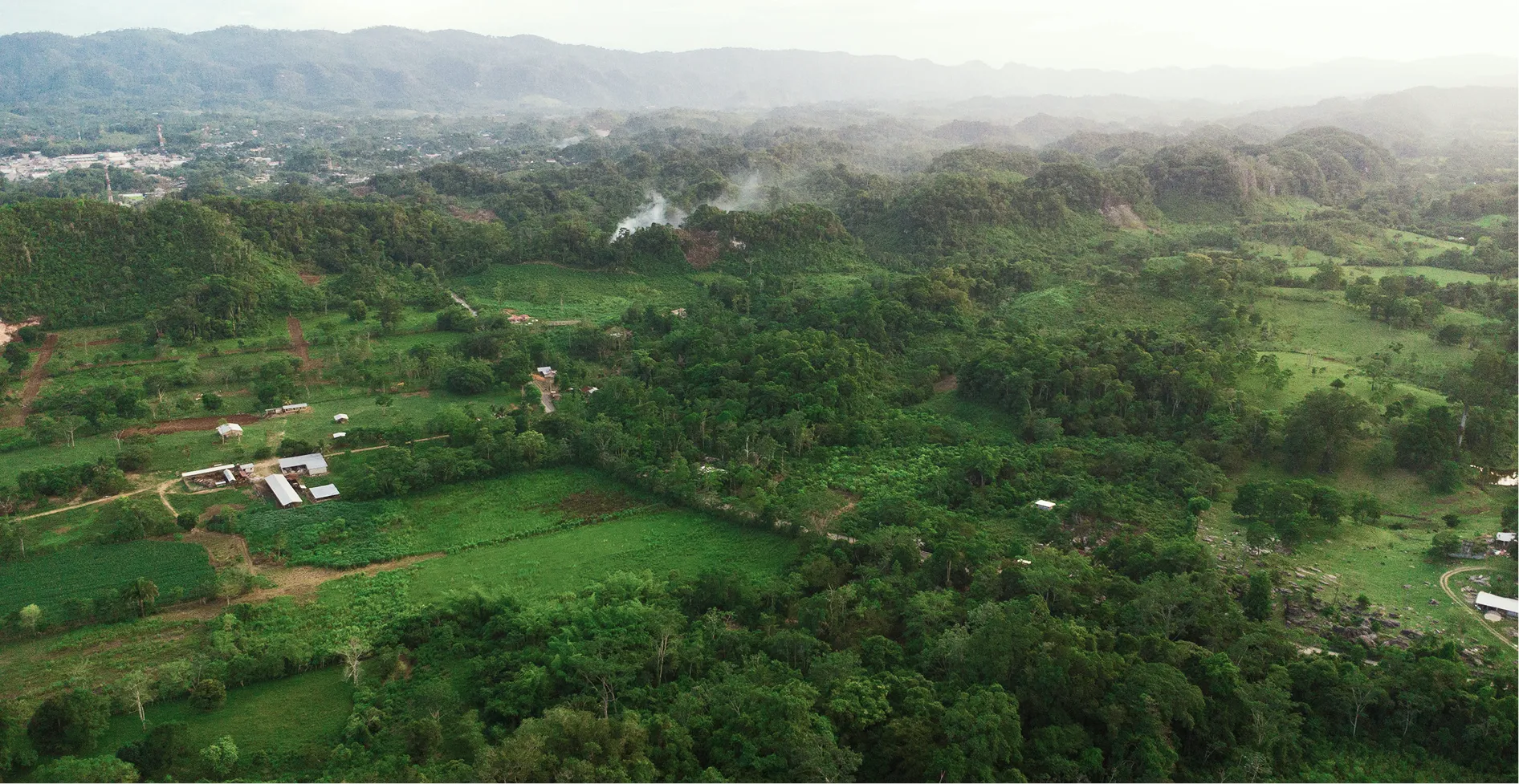
The history of Las Verapaces holds a unique place within Guatemala. During the 16th century, much of this territory was incorporated into the Spanish Empire through a process known as the ‘peaceful conquest’, spearheaded by Fray Bartolomé de las Casas. This historical episode partly explains why many indigenous communities managed to preserve much of their traditions, languages and forms of social organisation.
That cultural heritage remains very much alive today. Travelling through Las Verapaces allows you to discover traditional markets, local cuisine and communities where Mayan identity continues to form part of everyday life. The region stands out not only for its landscapes, but also for the historical relationship between territory, culture and nature.
From a geological perspective, Las Verapaces is characterised by a mountainous and karstic landscape shaped over millions of years by the action of water on limestone. This process has given rise to caves, underground rivers, sinkholes, waterfalls and lagoons, which today constitute some of the region’s main tourist attractions.
Destinations such as Semuc Champey, the Candelaria Caves, the Quetzal Biotope and Lake Lachuá are examples of this extraordinary natural diversity. Understanding the origins of Las Verapaces helps us to appreciate the ecological complexity of one of the most important regions for environmental conservation in Guatemala.
How to get to the Las Verapaces Nature Reserve
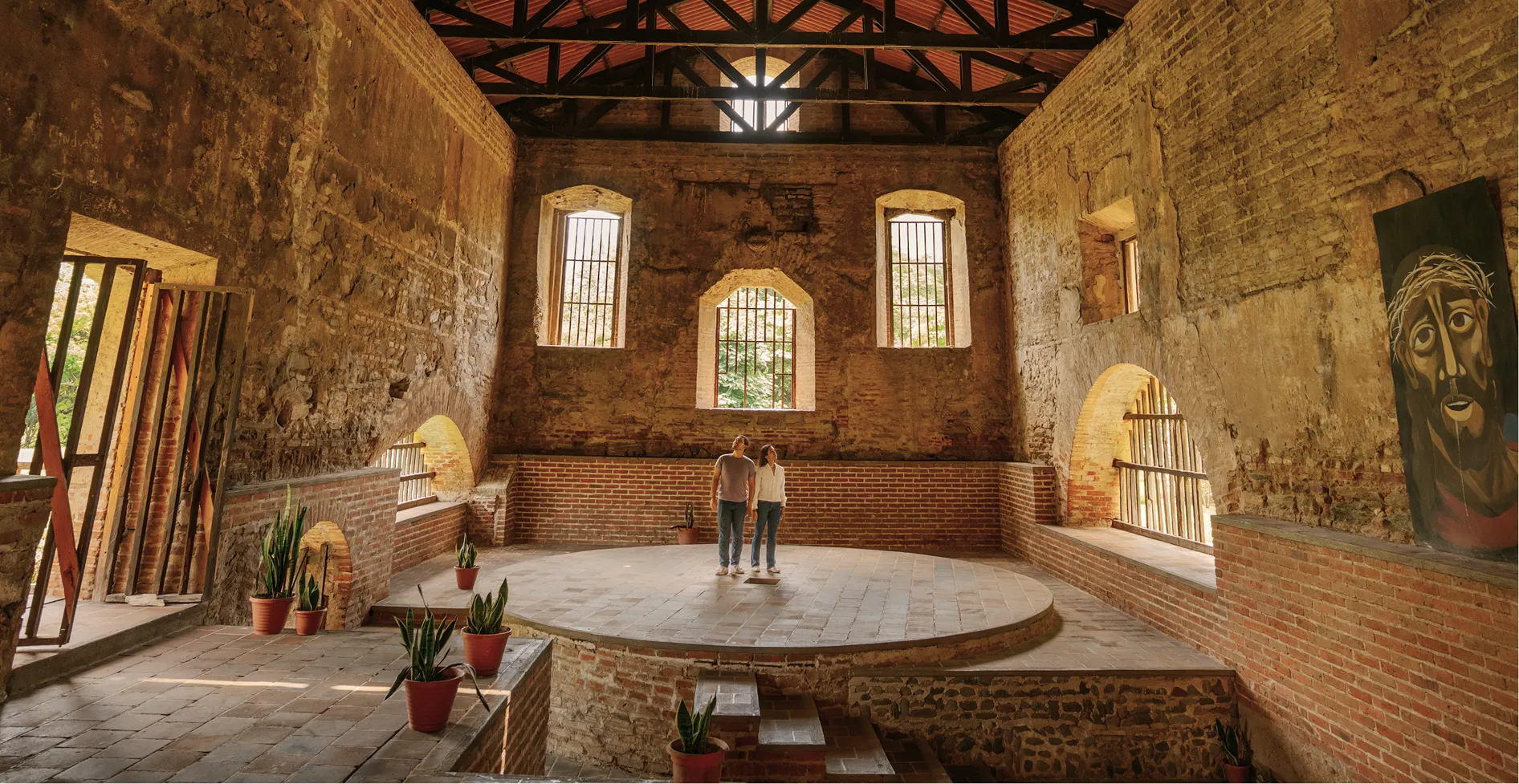
Organising a tour of Las Verapaces is relatively straightforward thanks to the good road links with Guatemala City. Cobán, the capital of Alta Verapaz, serves as the region’s main transport hub and is usually the base of choice for most travellers wishing to explore the nearby natural attractions.
From Guatemala City, the journey to Cobán usually takes between 4 and 5 hours, depending on traffic and road conditions. The route passes through mountains, forests and small villages in the central highlands, offering some of the country’s greenest landscapes.
For those wishing to explore Baja Verapaz, Salamá is another key gateway. From there, it is possible to access various natural areas, rural communities and scenic routes that allow visitors to discover a lesser-known side of the region.
Many travellers choose to hire a car or book organised tours to make the most of their journeys between the different destinations. Given the distances involved and the scattered nature of the natural attractions, having a degree of flexibility makes it easier to make the most of your travel time.
When to visit the Las Verapaces Nature Reserve
Las Verapaces can be visited all year round, although weather conditions vary depending on the altitude and the specific area. In Alta Verapaz, temperatures are generally cool and humid, usually ranging between 14°C and 24°C, whilst in Baja Verapaz the climate tends to be somewhat warmer and drier.
The most comfortable time to travel is usually between November and April. During these months, rainfall decreases, the trails are in better condition and travelling by road is easier. It is also the preferred time to visit places such as Semuc Champey, Laguna Lachuá or the Quetzal Biotope.
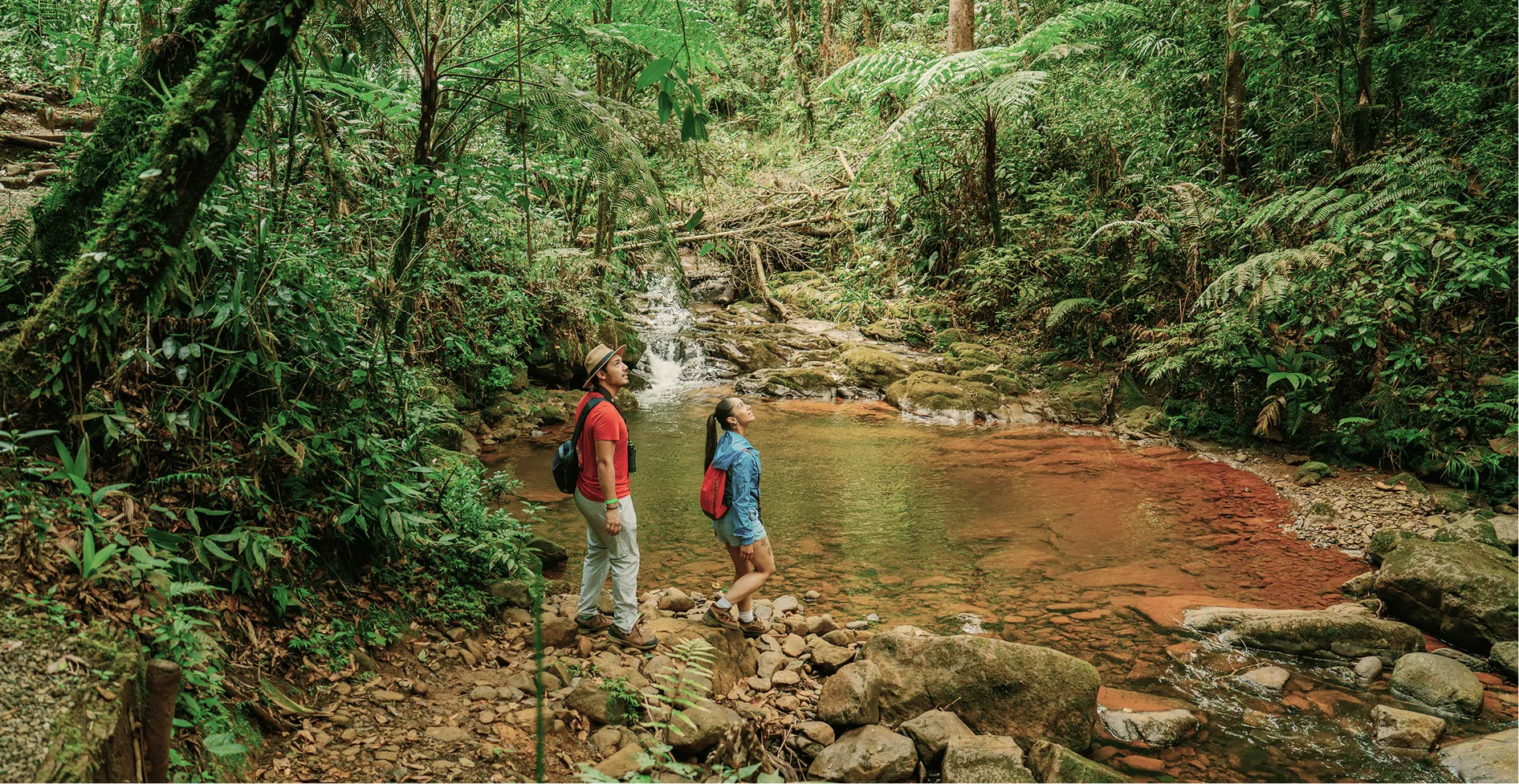
Between May and October, the green season begins, when the region’s landscapes are at their most spectacular. The cloud forests are particularly lush, the rivers swell, and the waterfalls offer spectacular views.
Although the rain can make some journeys more difficult, many travellers prefer this time of year due to the lower number of tourists and the beauty of the landscapes. For those who enjoy nature at its most lush, the wet season can be particularly appealing.
Accessibility at Las Verapaces Nature Reserve
Getting around Las Verapaces is mainly organised from towns such as Cobán and Salamá, where there are public transport services, tour agencies, accommodation and operators specialising in nature tourism.
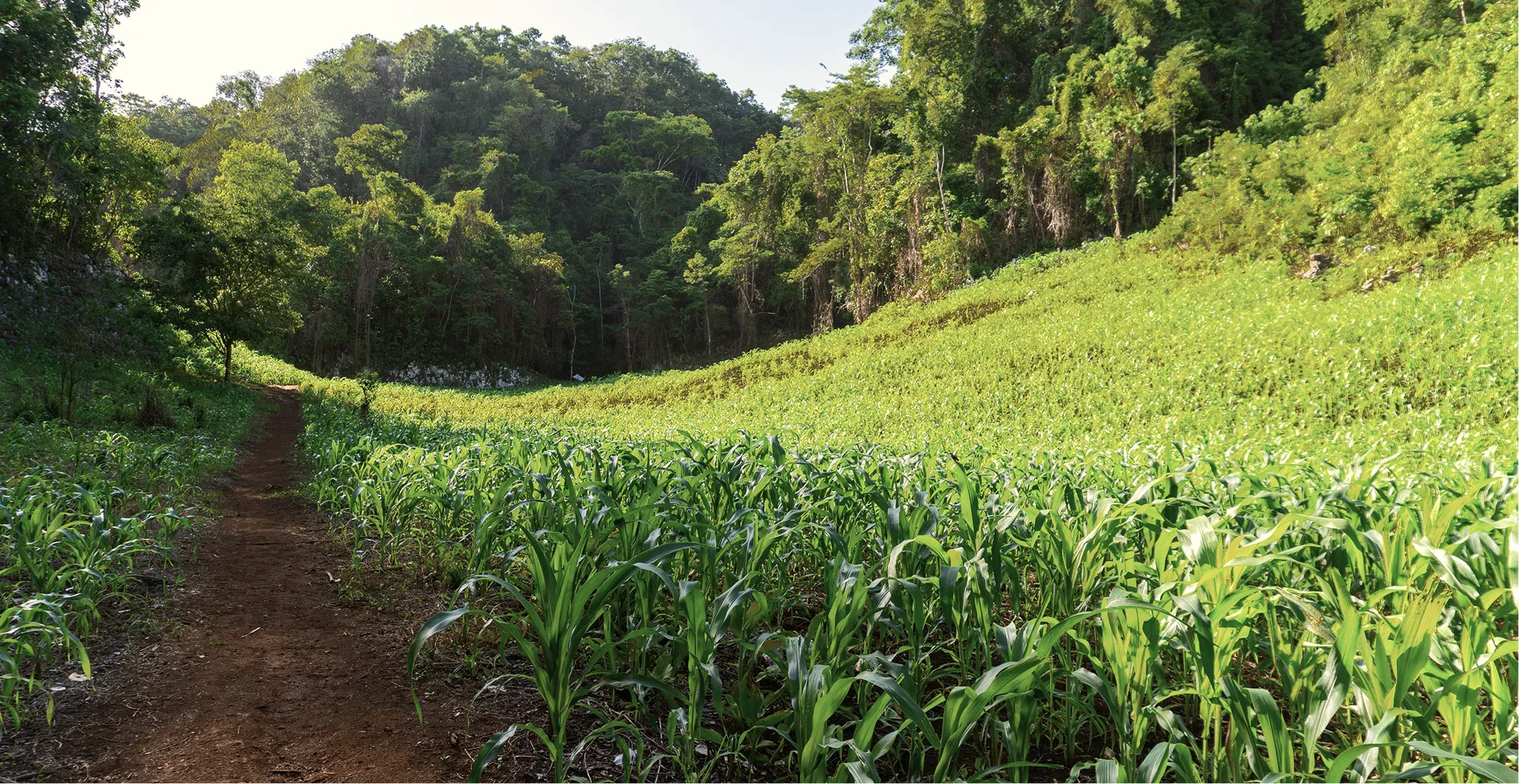
The region’s main attractions are linked by tarmac roads and secondary roads. However, some natural destinations require additional travel along footpaths, country lanes or mountain tracks, so it is advisable to plan journey times carefully.
Tourism infrastructure has improved significantly in recent years, particularly at destinations such as Semuc Champey, the Quetzal Biotope and Laguna Lachuá. Many protected areas feature visitor centres, information points and signposted trails to enhance the visitor experience.
Accessibility remains limited in certain areas due to the mountainous terrain, humidity and the specific characteristics of the natural environments. Even so, the region is accessible to most travellers interested in hiking, wildlife watching and outdoor activities.
Things to do at Las Verapaces Nature Reserve
Explore protected natural areas
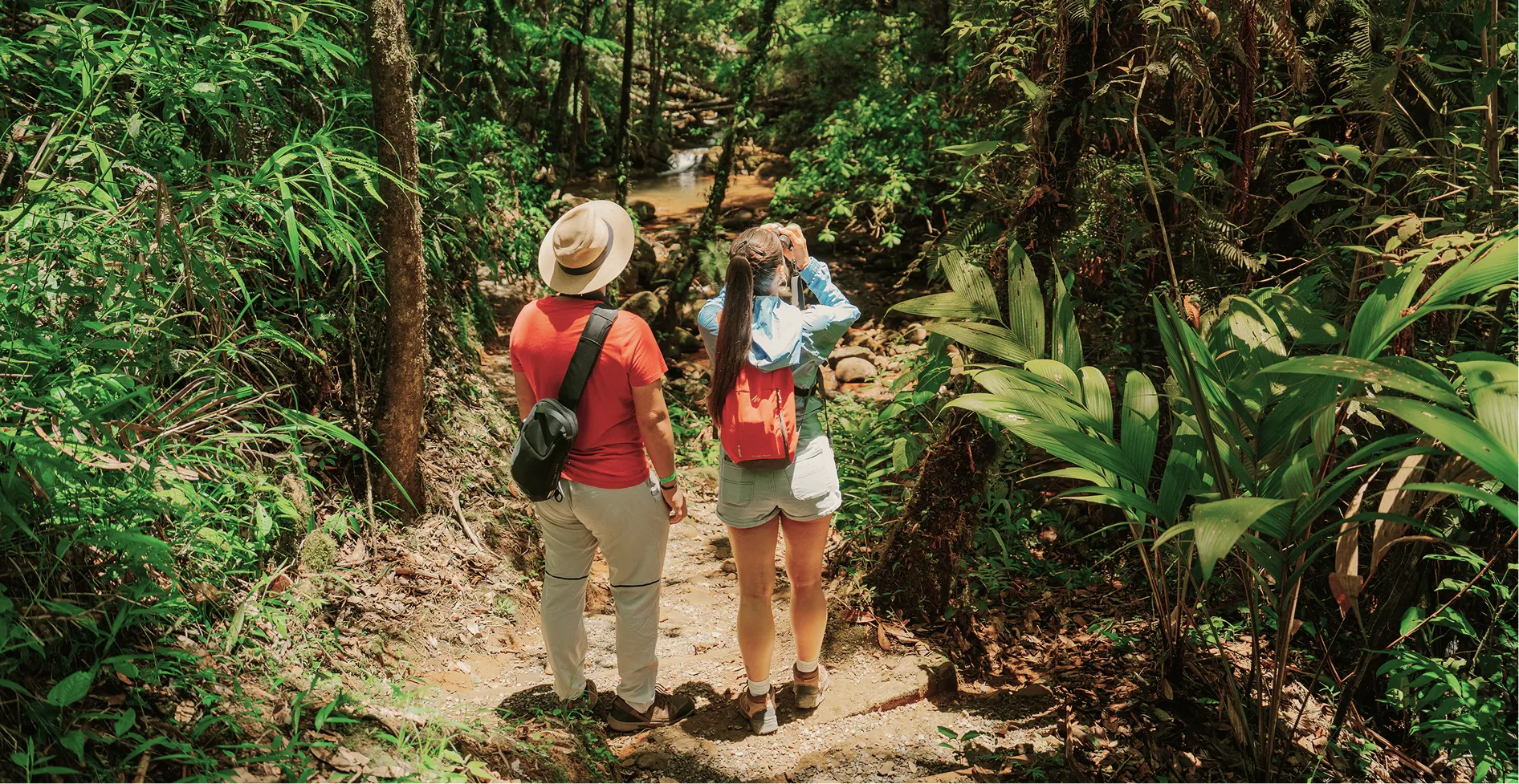
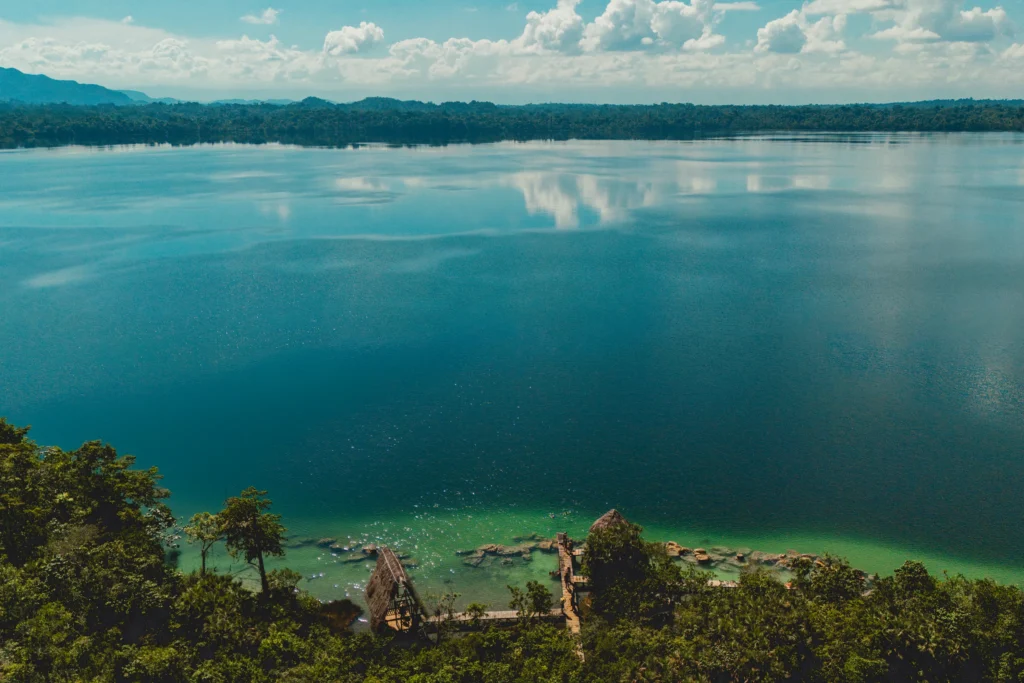
Las Verapaces is home to some of Guatemala’s most important protected areas. The Quetzal Biotope offers an immersive experience of the cloud forest and the chance to spot iconic birds, whilst Laguna Lachuá National Park allows visitors to discover a turquoise lagoon surrounded by tropical rainforest.
Each protected area has its own unique and complementary features. This diversity makes Las Verapaces one of the country’s most comprehensive destinations for those seeking nature, biodiversity and unspoilt landscapes.
Discover rivers, caves and waterfalls
One of the region’s greatest attractions is its extraordinary geological heritage. Karst systems, caves, underground rivers and natural formations have given rise to some of Guatemala’s most stunning landscapes.
The Candelaria Caves, Semuc Champey and numerous mountain rivers offer the chance to combine adventure, exploration and direct contact with nature. This abundance of water is one of the elements that best defines the identity of Las Verapaces.
Discovering local communities and culture
The experience in Las Verapaces goes far beyond its landscapes. The villages in the region retain a strong cultural identity linked to the Q’eqchi’ and Poqomchi’ Mayan traditions, which are evident in the local cuisine, markets, crafts and celebrations.
Visiting communities near Cobán or Salamá offers a better understanding of the historical relationship between the people and the land. This human element adds depth and authenticity to the journey.
Combining nature with gentle adventure
The Verapaces are one of the best places in Guatemala for birdwatching, interpretative hiking and nature photography. Cloud forests, rainforests and biological corridors are home to a huge variety of species.
For those who enjoy responsible tourism, the region offers plenty of opportunities to explore trails, discover unique ecosystems and contribute to the conservation of some of the country’s most important natural areas.
Places
Map of Guatemala’s must-see natural wonders
Exceptional biodiversity
The Verapaces are among the most biodiverse regions in Guatemala. Their cloud forests, tropical rainforests and karst systems are home to hundreds of species of plants and animals adapted to a wide variety of ecosystems.
Quetzal Sanctuary
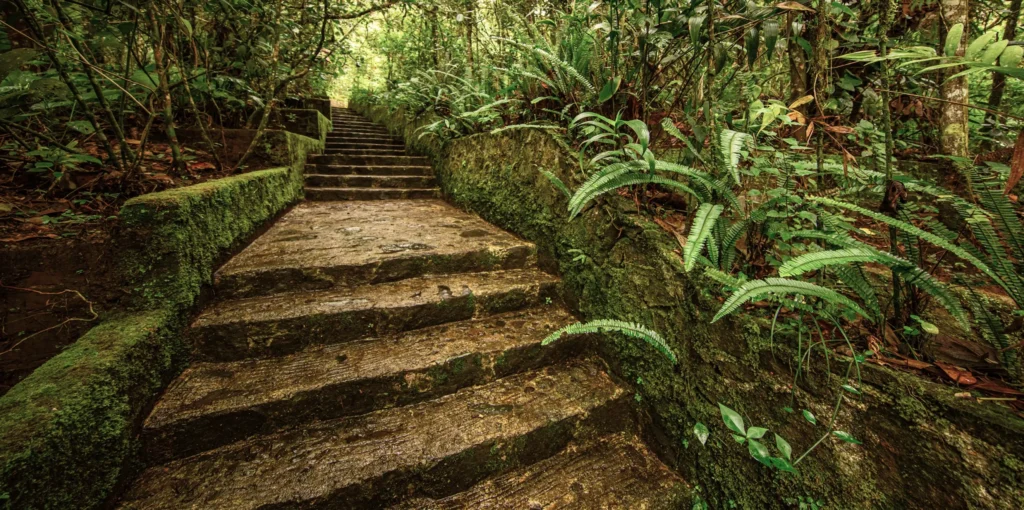
The region is home to some of the most important habitats for the resplendent quetzal, Guatemala’s national bird. The mountain forests offer ideal conditions for the conservation of this iconic species.
Multi-destination nature tour
Few places in Guatemala boast so many natural attractions in a single region. Semuc Champey, Laguna Lachuá, the Quetzal Biotope, the Candelaria Caves and numerous rivers and waterfalls make Las Verapaces a true paradise for ecotourism.
Sustainable tourism
Local communities play a vital role in conserving the natural heritage of Las Verapaces. Many tourism projects promote sustainable practices that help to protect ecosystems and create economic opportunities for the local population.

Places
Points of interest in Las Verapaces Reserves
Use our AI-powered planner to plan your visit to Semuc Champey
Save places, routes and experiences
Natural wonders
Other natural wonders in Guatemala
Lake Atitlán
Laguna Lachuá National Park
Quetzal Biotope
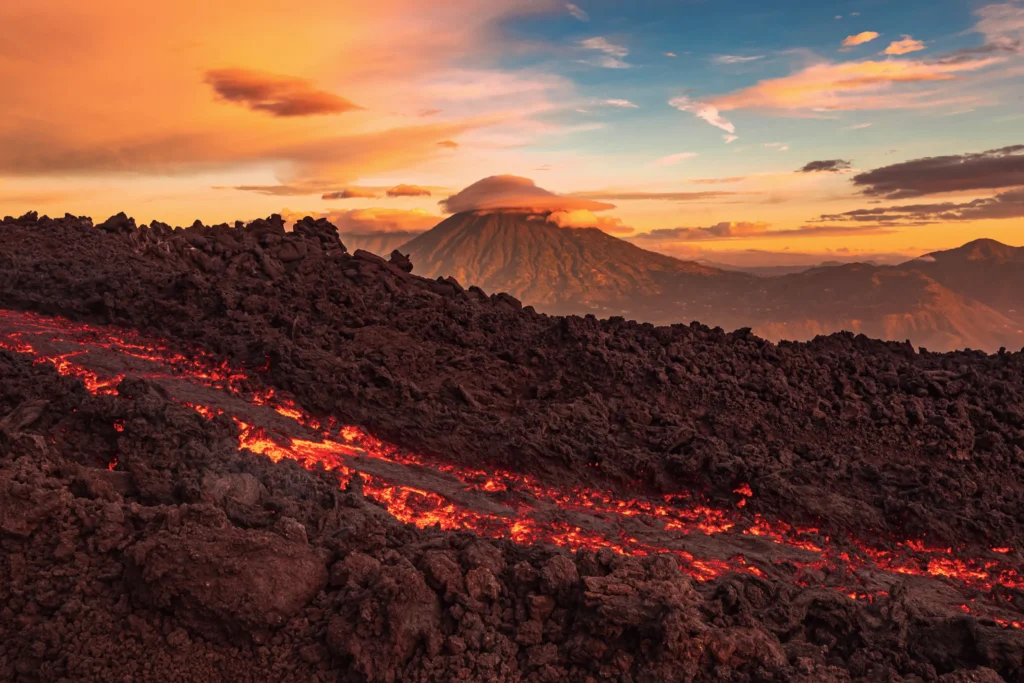
Pacaya Volcano
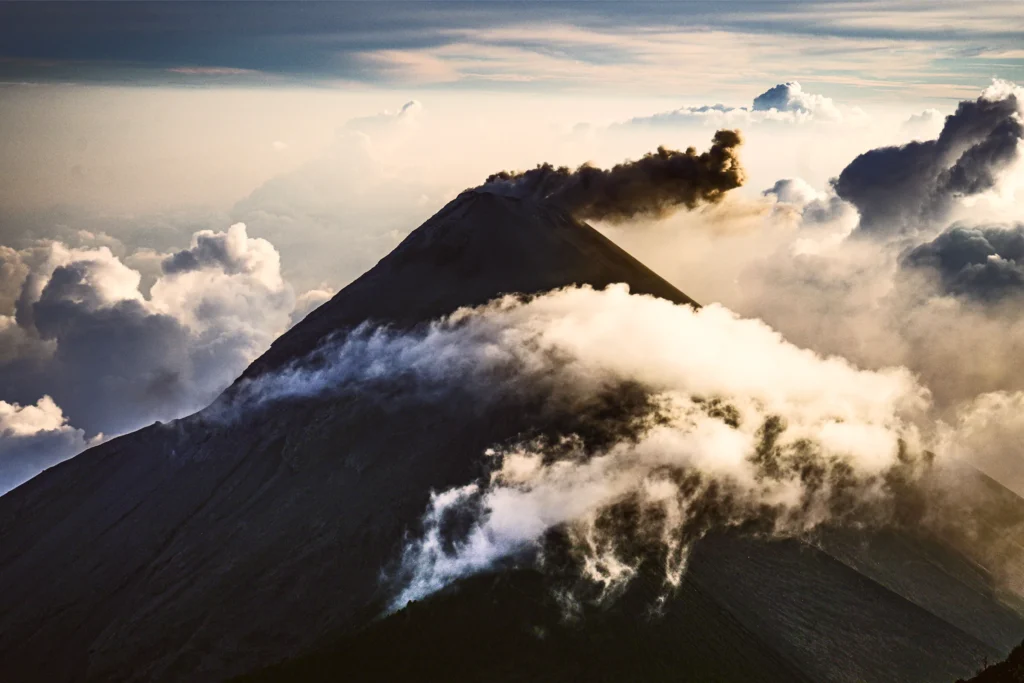
Acatenango Volcano
Blog posts
Interesting articles about Las Verapaces Nature Reserve and other places
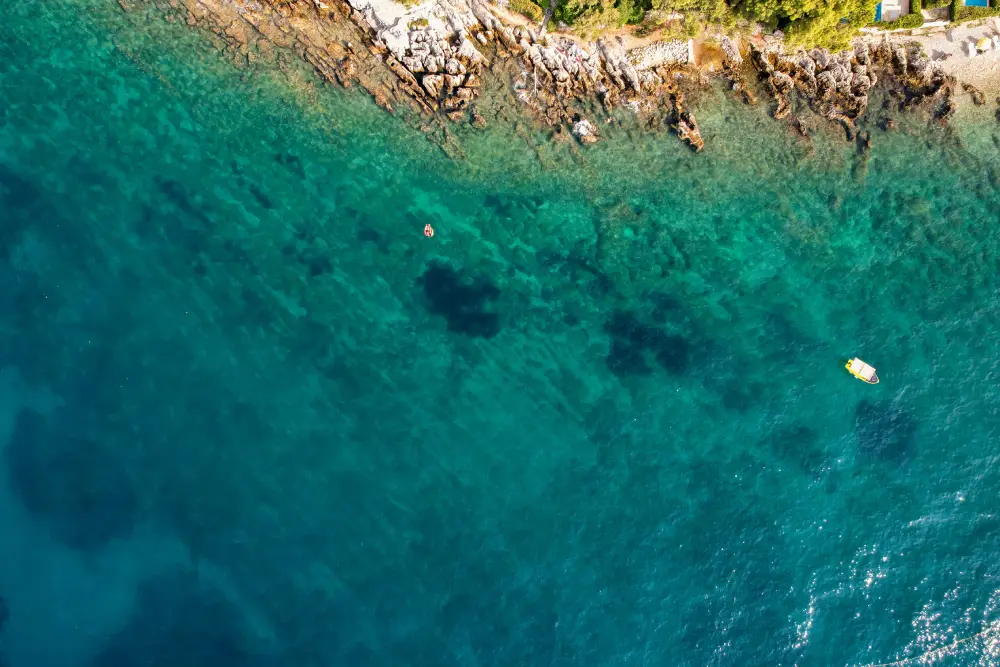
The Blue Crater: A guide to visiting this paradise in Petén
Deep in the heart of Petén, where the jungle is dense and the sounds of the city fade away completely, […]
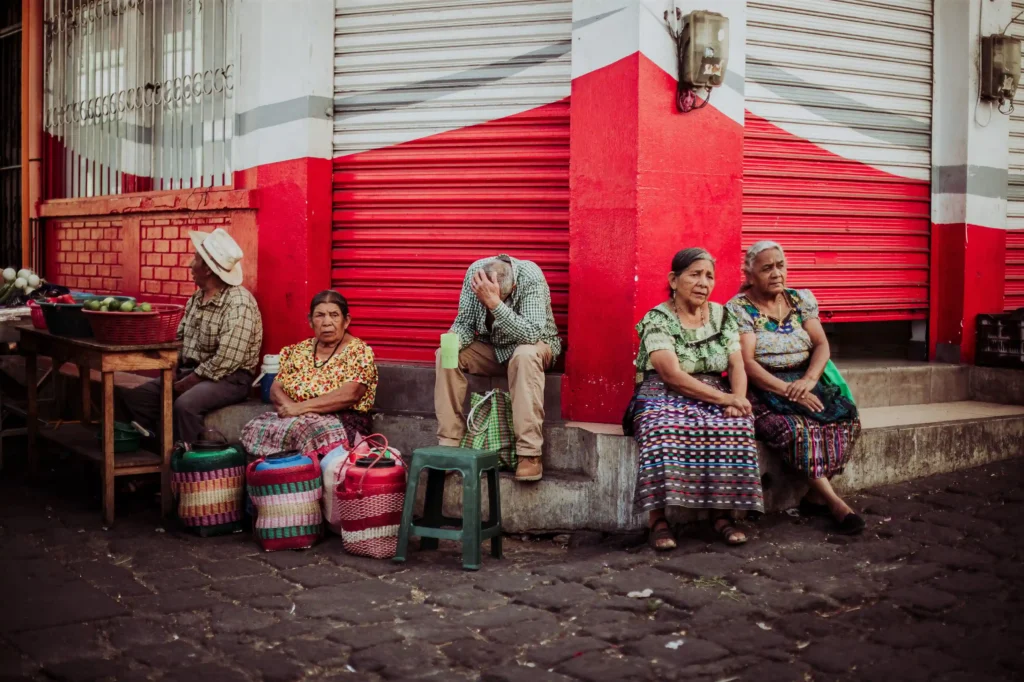
Traditional dress of Quetzaltenango: Discover the history and significance of the Xela dress
Few things connect you as viscerally with the culture of Quetzaltenango as its rich variety of textiles. Strolling through the […]
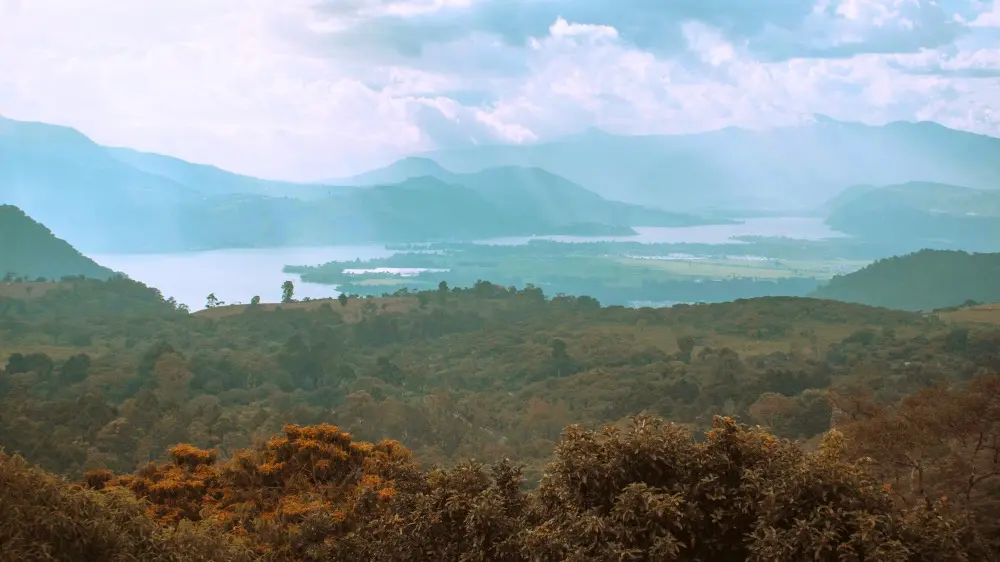
Lake Amatitlán: History, things to do and how to visit it
Lake Amatitlán is a traditional attraction in Guatemala: a must-visit destination for a wonderful experience amongst the volcanoes.
Frequently Asked Questions

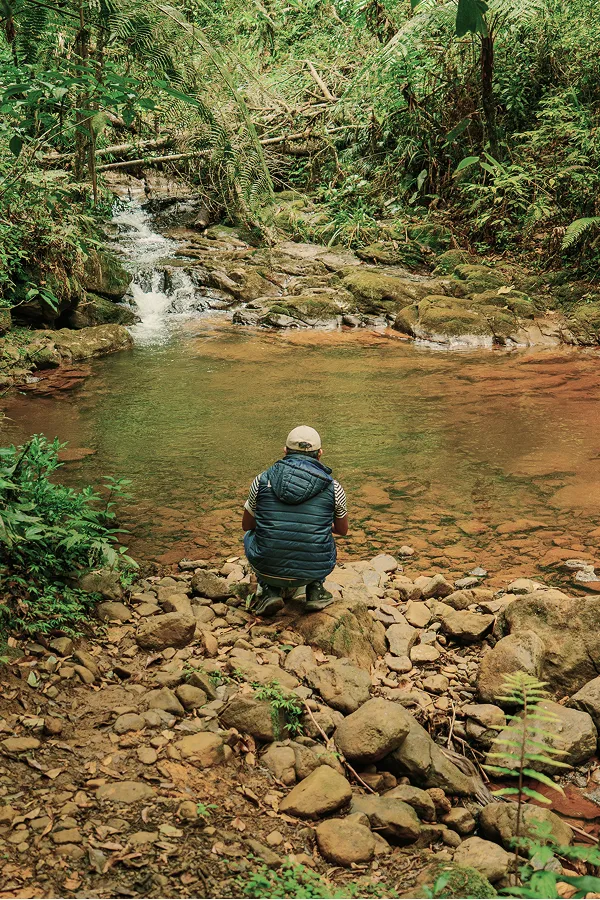
What is there to see in the Verapaces Reserve, Guatemala?
Las Verapaces Nature Reserve is home to some of the country’s most breathtaking and least explored natural landscapes. The region combines rainforests, turquoise rivers, caves, waterfalls and cloud forests, creating a constant sense of adventure. Rather than any single specific spot, what makes this place special is its diversity: from jungle settings such as Semuc Champey to nature reserves and small communities nestled amongst the mountains. It is one of the best places to experience Guatemala at its greenest and wildest.
Is the Verapaces Reserve worth a visit?
Yes, especially if you’re looking for a more natural and authentic experience away from the country’s more urban routes. The Verapaces Reserve is remarkable for the huge variety of landscapes and activities it offers, as well as a much more peaceful and adventurous atmosphere. Many people arrive with Semuc Champey as their sole destination in mind, only to discover a region full of off-the-beaten-track spots, roads surrounded by jungle and a constant connection with nature.
What is there to do at the Verapaces Reserve?
The Verapaces Reserve region is perfect for combining adventure and nature. Here you can explore caves and underground rivers, go hiking through cloud forests, swim in natural pools or visit communities surrounded by mountains and coffee plantations. It’s also an ideal area for birdwatching, discovering hidden waterfalls and enjoying scenic drives. More than just a single destination, the Verapaces function as a vast region for exploring nature.
How long does it take to visit the Verapaces Reserve?
Ideally, you should set aside between 3 and 5 days to explore the Verapaces Reserve at a leisurely pace. The distances involved and the condition of some of the roads mean that getting around takes longer than usual, but that is precisely part of the experience. Many travellers underestimate the time needed and end up wishing they’d stayed longer to explore the region more thoroughly. If you want to enjoy places such as Semuc Champey, cloud forests and nature trails at a leisurely pace, it’s well worth setting aside several days.