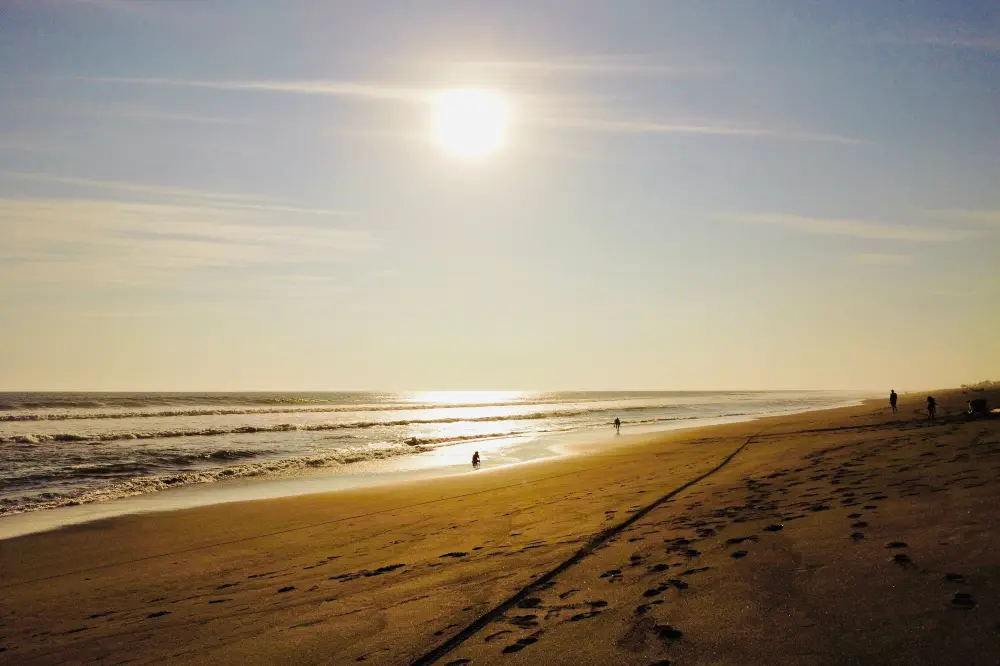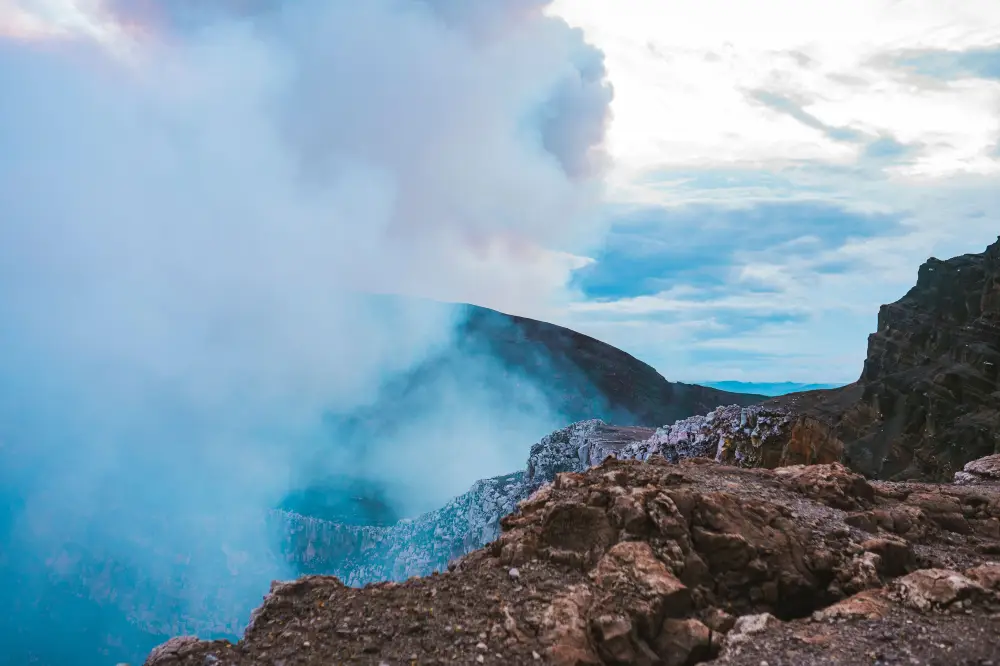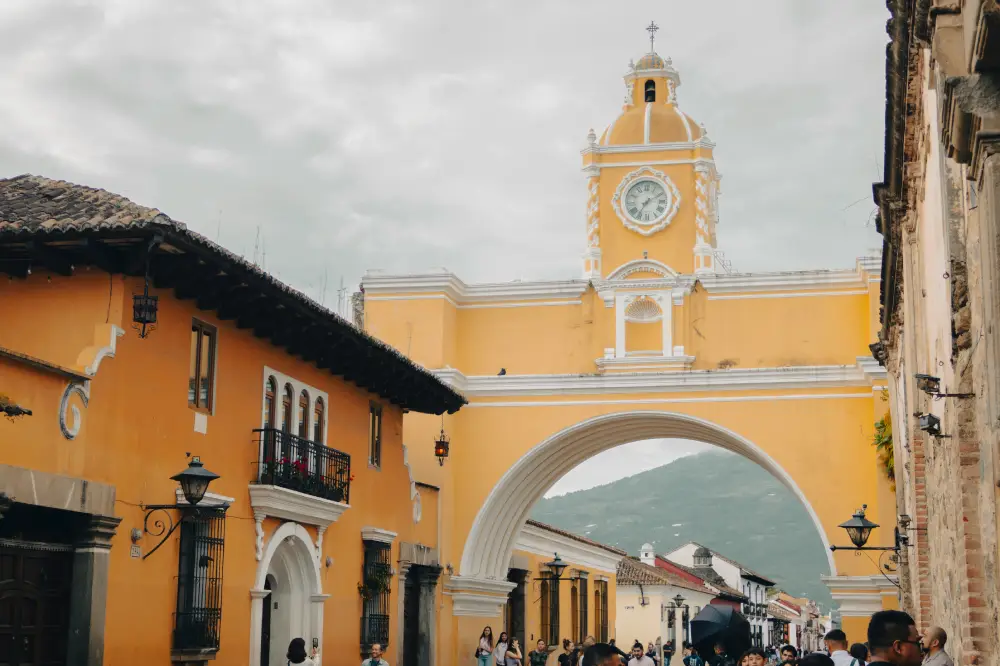
Fertile soil, a tropical climate and the pure essence of Guatemala’s southern coast. That is Mazatenango, a city best discovered gradually through its markets, its aromas and a festive culture that keeps its identity and history alive. With its famous Carnival as its greatest expression, this municipality is much more than just the capital of Suchitepéquez: it reflects the cheerful, dynamic and hard-working character that defines this region of the country.
If you want to discover a Guatemala where tradition coexists with modern life and everything is experienced with such intensity, this destination on the South Coast should be part of your trip.
Where is Mazatenango?
Mazatenango is situated in the department of Suchitepéquez, in the southern region of Guatemala. The city is situated some 160 kilometres from Guatemala City and forms part of the broad coastal plain that stretches between the volcanic mountain range and the Pacific Ocean. Its strategic location has made it a key link between the capital and the departments of the Southern Coast.
How to get there from Guatemala City
The most common way to get to Mazatenango is by road. From Guatemala City, take the CA-2, one of the country’s main roads, passing through municipalities in Escuintla and the coastal region before reaching Suchitepéquez. The journey usually takes between three and four hours, depending on traffic and road conditions.

There are also numerous intercity transport companies that run daily services between Mazatenango and the capital, as well as other major cities in Guatemala.
History of Mazatenango
The history of Mazatenango is closely linked to the indigenous peoples who inhabited the Southern Coast before the arrival of the Spanish. Subsequently, the region’s agricultural development during the colonial era also shaped the area. Over the centuries, the town became an important centre of trade thanks to its strategic location and the agricultural wealth of Suchitepéquez.
The growth of crops such as coffee, sugar cane and cotton fuelled its urban development, and it eventually became one of the most important cities in southern Guatemala.
Historical evolution and urban development
During the colonial period, Mazatenango began to gain importance as a hub connecting various towns on the southern coast. However, it was from the 19th century onwards that it experienced more rapid growth, thanks to the expansion of agricultural activities.
The arrival of new transport infrastructure and the rise of large agricultural estates gradually transformed the city. Today, Mazatenango combines modern commercial areas with historic sites that reflect different stages of its development.
The cultural and economic importance of Mazatenango
Mazatenango is currently one of the main economic drivers of Suchitepéquez. Its commercial activity supplies numerous neighbouring municipalities and is closely linked to sectors such as agriculture, livestock farming, trade and services.
As well as its economic importance, the city is renowned for its vibrant cultural life. Events such as the Mazatenango Carnival attract thousands of visitors every year and have helped to make it one of Guatemala’s most important centres for festivities.
Culture and traditions of Mazatenango
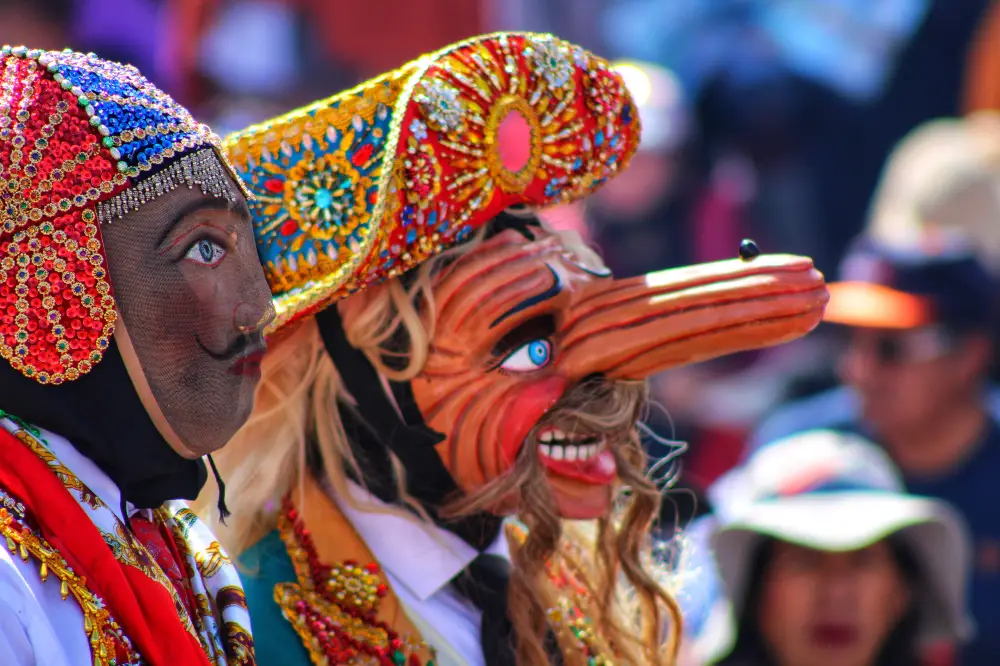
Local festivals and celebrations
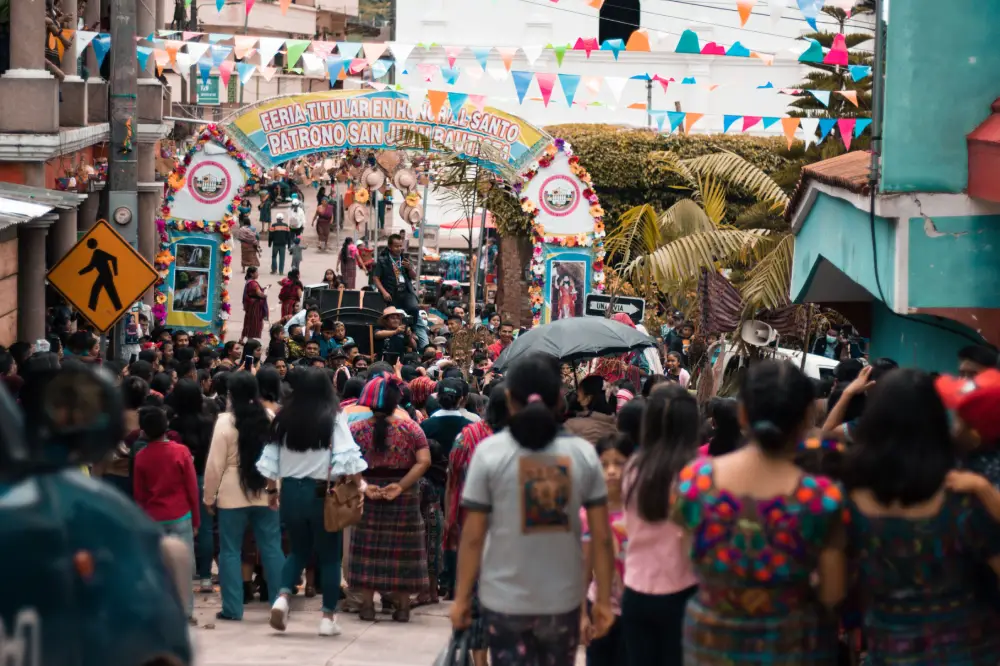
To speak of Mazatenango is to speak of its famous Carnival. Regarded as one of the most important in Guatemala, this event is held every year in February and is the municipality’s main cultural attraction. For a week, the city is filled with parades of floats, dance troupes, concerts, beauty pageants and cultural activities that attract thousands of visitors from all over the country.
Among the most eagerly awaited events are the Parade of the Comparsas, the processions of decorated floats, the children’s parades and the traditional fun runs that wind their way through the city’s main neighbourhoods.
The second major celebration is the Festival of San Bartolomé, the town’s patron saint, which takes place every August around the 24th of the month. Among its activities, the traditional Alborada de San Bartolomé stands out: a festive dawn celebration during which hundreds of local residents gather in the central park to watch the sunrise together.
Traditional cuisine of the municipality
Mazatenango’s cuisine reflects the agricultural wealth of the Southern Coast and the blend of culinary traditions found in this region of Guatemala. Among the most common dishes are tamales, chuchitos, atol de elote and various maize-based dishes. Seafood and fish from the nearby coastal areas are also popular.
Tropical fruits also feature prominently in the local cuisine. Mangoes, papayas, pineapples, coconuts and bananas are used in many traditional drinks and desserts enjoyed in the region.
Crafts and cultural expressions
In the markets of Mazatenango, you can find products made by craftspeople from Suchitepéquez and neighbouring departments. These include textiles, woodwork, traditional pottery and items used during religious and popular festivals.
Music also plays an important role in the local identity. Marimbas continue to feature in numerous celebrations and remain one of Guatemala’s most characteristic cultural expressions.
- This page about Lake Atitlán may interest you.
What to see in Mazatenango
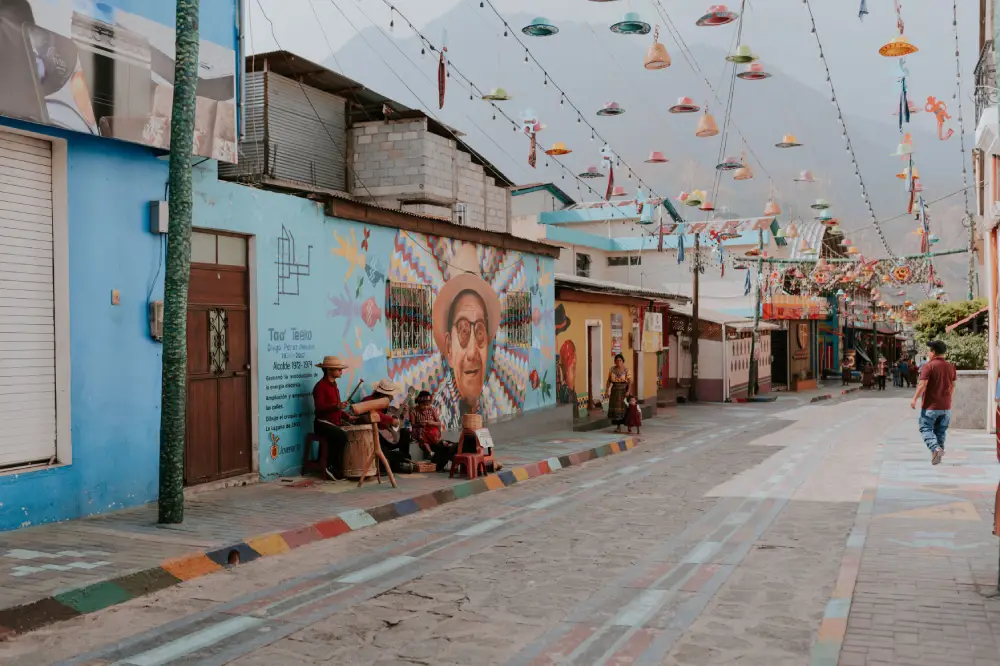
Central Park and St Bartholomew’s Cathedral
The historic centre of Mazatenango revolves around the Central Park and the Cathedral of St Bartholomew the Apostle, one of the city’s most iconic buildings. This area serves as the main meeting place for locals and visitors alike, particularly during religious celebrations, the patron saint’s festivities and the famous Mazatenango Carnival.
The cathedral is dedicated to Saint Bartholomew, the town’s patron saint, and has been part of local history for over a century. Surrounding it are traditional shops, cafés, administrative buildings and various public spaces that reflect Mazatenango’s importance as the departmental capital of Suchitepéquez.
The Central Market and everyday life in the city
If you want to experience the most authentic side of Mazatenango, the Central Market is a must-see. Every day, traders from various municipalities in Suchitepéquez come here to sell agricultural produce, spices, flowers, textiles and fresh food grown on the region’s fertile land.
The aisles are full of colour and aromas. Among the stalls, you can find tropical fruits such as mangoes, papayas, pineapples and coconuts, as well as traditional ingredients used in local cuisine. There are also plenty of small eateries where you can sample typical dishes from the South Coast at very affordable prices.
Nearby viewpoints and natural landscapes
Although Mazatenango is a predominantly urban city, its surroundings offer the chance to discover some of the most characteristic landscapes of Guatemala’s southern coast. The vast sugar-cane plantations, tropical crops and wide plains stretching towards the Pacific Ocean create a landscape very different from that of other mountainous departments.
On clear days, it is also possible to see the volcanic range that runs through Guatemala, its silhouettes standing out against the horizon above the farmland. At sunrise and sunset, the warm light completely transforms the landscape and offers some of the best photographic opportunities in the region.
- We invite you to read our article about San Pedro Soloma.
Things to do in Mazatenango
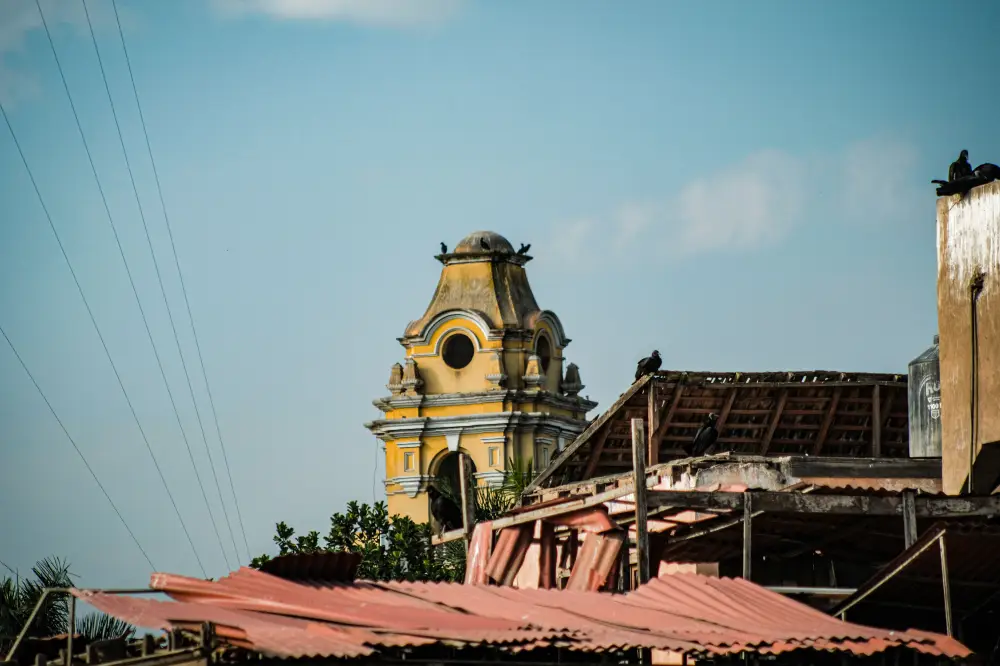
Explore the historic centre and its traditional sites
One of the best ways to get to know Mazatenango is to take a leisurely stroll through its town centre, as much of the town’s social and commercial life is centred around the Central Park. The walk allows you to discover the Cathedral of St Bartholomew the Apostle, observe the constant bustle of traders and locals, and understand why Mazatenango has become one of the main urban centres on the South Coast.
Discover the coastal cuisine of Suchitepéquez
Mazatenango is a wonderful place to discover the flavours of Guatemala’s southern coast. In its markets, eateries and family-run restaurants, you can sample traditional dishes such as tamales, chuchitos and atol de elote, as well as a variety of dishes made with seafood and fish from the nearby Pacific coast.
The agricultural wealth of Suchitepéquez is also reflected in the use of tropical fruits such as mangoes, coconuts, pineapples, papayas and bananas, which feature in both drinks and traditional desserts.
Visit the Mazatenango Carnival Fair
If you have the chance to travel in February, attending the Mazatenango Carnival is practically a must. Regarded as one of Guatemala’s most important carnivals, this celebration has been part of the town’s identity since the late 19th century. Since then, it has been the most eagerly awaited event of the year for thousands of residents of Suchitepéquez.
For several days, the city is completely transformed into a riot of colour, music and celebrations. The main avenues are filled with parades of decorated floats, dance troupes, marching bands and performances that wind their way through the streets before thousands of spectators.
One of the most eagerly awaited moments is the election of the carnival queens, a deeply-rooted tradition that forms part of the fair’s official programme. In addition to the festive events, the carnival includes sporting activities, concerts, food fairs, trade exhibitions and cultural performances. Taken together, these events make Mazatenango the centre of attention on Guatemala’s southern coast.
Explore the estates and landscapes of southern Suchitepéquez
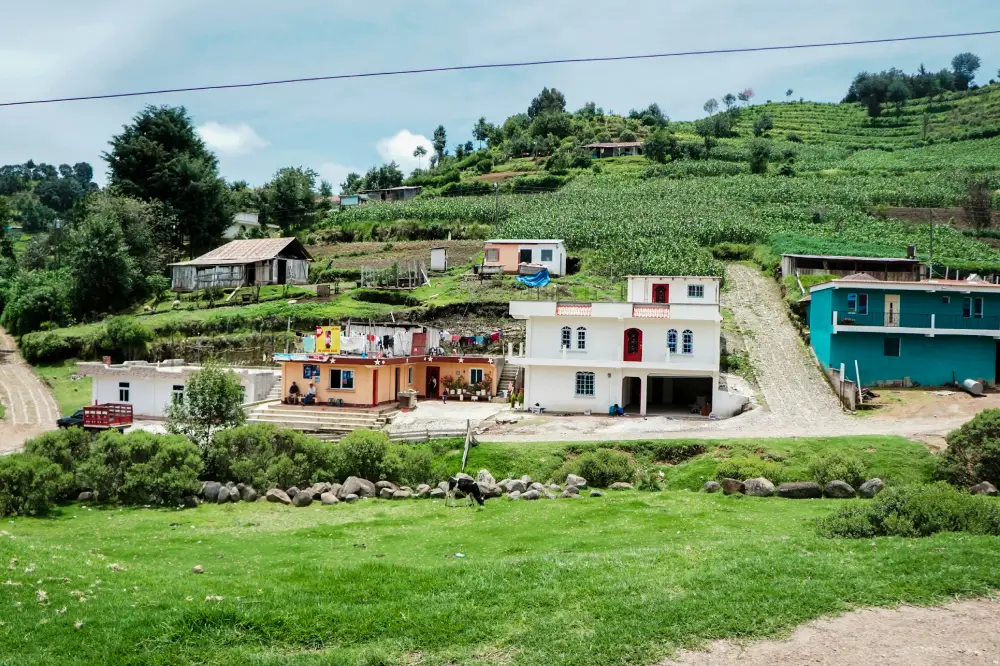
The area around Mazatenango is dominated by extensive agricultural estates which have played a key role in the regional economy for over a century. Sugar cane is one of the most important crops, although there are also plantations of coffee, cocoa, rubber and tropical fruits, which form part of the characteristic landscape of Suchitepéquez.
Travelling along the country roads surrounding the town gives you a sense of the scale of this agricultural activity and allows you to discover a lesser-known side of the South Coast. It is a fascinating experience that helps you understand how the natural environment and agriculture have shaped the history and development of Mazatenango.
- This page about Iximché may interest you.
Best time to visit Mazatenango
Climate throughout the year
Mazatenango has a warm tropical climate practically all year round. Temperatures tend to remain high, particularly during the middle of the day. This feature clearly sets the city apart from many destinations in the Guatemalan highlands.
Dry season and rainy season
The dry season usually runs from November to April. During these months, rainfall is less frequent and conditions are more favourable for exploring the city and its surroundings. The rainy season generally runs from May to October. Although the countryside takes on a rich green hue, some outdoor activities may be affected by the rain.
Tips for visiting Mazatenango
Transport and safety recommendations
- Use official transport or reliable services to get around.
- Avoid carrying valuables in plain sight in crowded areas.
- Make sure you take enough water to keep yourself hydrated.
- Wear sun cream and light clothing.
- Check the weather conditions before going on any excursions.
- If you’re visiting the city during the carnival, book your accommodation in advance.
How to make the most of the cultural and natural experience
- Take a stroll through the local market to get a feel for everyday life in the city.
- Try some traditional coastal dishes.
- Visit Mazatenango during the carnival if you’re looking for a festive experience.
- Why not take the opportunity to explore other towns in Suchitepéquez?
- Take some time to explore the agricultural landscapes surrounding the city.
What to see near Mazatenango
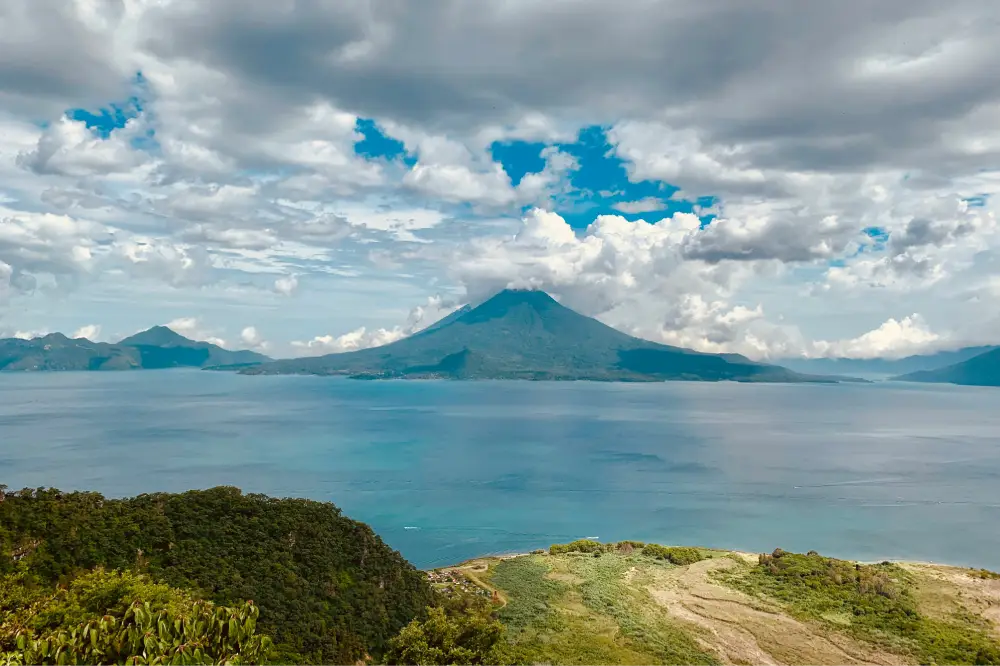
Mazatenango is an excellent base from which to explore other attractions on Guatemala’s southern coast.
Among the most interesting excursions are the Pacific beaches, the neighbouring municipalities of Suchitepéquez, the region’s nature reserves and a number of cultural destinations in Retalhuleu. It is also well worth visiting leisure parks, farms and trails that allow you to discover the immense natural wealth of southern Guatemala.
What makes the municipality unique
Mazatenango stands out for combining the vibrancy of a commercial city with a strong cultural identity linked to the Southern Coast. Its famous carnival, its economic importance within Suchitepéquez and its proximity to numerous natural landscapes make it one of the most dynamic cities in this region of the country.
Who is it recommended for?
Mazatenango is an excellent choice for travellers interested in Guatemalan popular culture, regional cuisine and festive traditions. It is also ideal for those who wish to explore the Southern Coast beyond the beaches and discover one of Guatemala’s most culturally vibrant cities. If you’re looking for thrills and large urban developments, you’re likely to find it a bit too small for your tastes.
- We invite you to read our article about Joyabaj.
Frequently Asked Questions about Mazatenango
Which department does Mazatenango belong to?
Mazatenango is the departmental capital of Suchitepéquez, in the southern region of Guatemala.
How many kilometres is it from the capital to Mazatenango?
The approximate distance between Guatemala City and Mazatenango is 160 kilometres by road.
What is the traditional dish of Mazatenango?
There is no single dish that is representative of the municipality, but among the most popular dishes are tamales, chuchitos, corn atol and various dishes made with ingredients typical of Guatemala’s southern coast.