Ipala is situated in the far east of Guatemala, amidst mountainous landscapes, farmland and some of the country’s most striking volcanic scenery. This municipality in the department of Chiquimula is best known for being home to one of Central America’s most unique volcanoes: the Ipala Volcano. With a crater that has now been transformed into a lake, this destination is considered one of the most picturesque in the whole of Guatemala.
Location of Ipala in Guatemala
Ipala is situated in the department of Chiquimula, in the eastern region of Guatemala. The municipality forms part of an area characterised by the transition between the mountainous landscapes of the interior and the drier areas of the so-called Central American Dry Corridor.
Its territory is surrounded by municipalities such as Agua Blanca, Concepción Las Minas and San Luis Jilotepeque, and it's also relatively close to the border with Honduras.
How to get there from Guatemala City
The most common way to get to Ipala is by road from Guatemala City. The journey is usually made via the Carretera al Atlántico (CA-9) and then by taking the roads leading to the department of Chiquimula.

The journey can take between three and four hours, depending on traffic and road conditions. Most of the route is on tarmac roads, making it easy to reach by both private car and intercity transport.
Connections to nearby towns and destinations
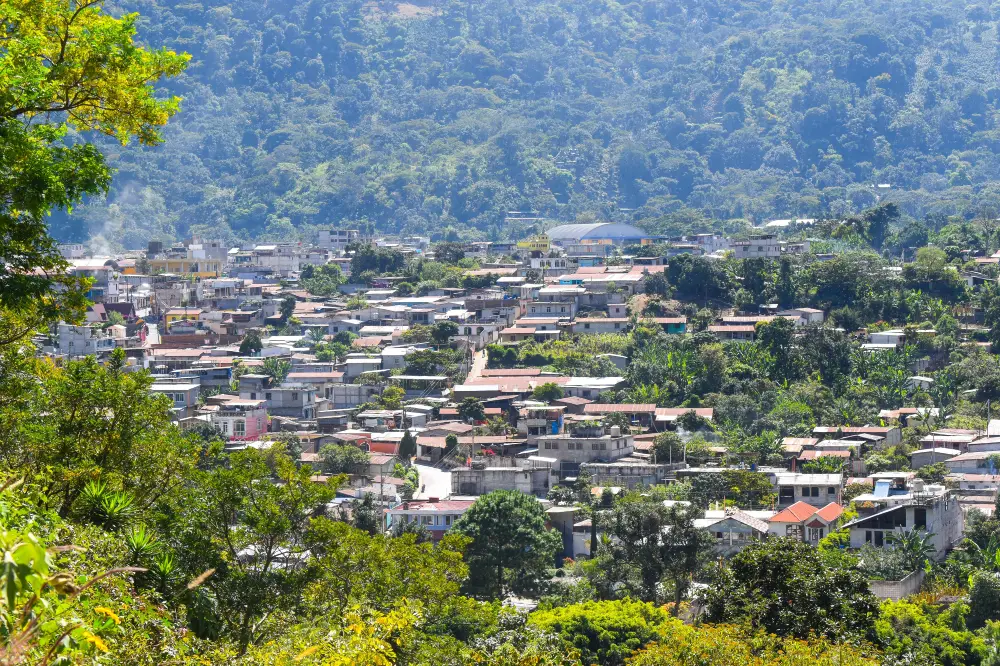
Ipala’s strategic location means that a visit there can be combined with other places of interest in eastern Guatemala. These include Esquipulas, one of Central America’s main centres of religious pilgrimage, and Chiquimula, the departmental capital, which is home to much of the region’s commercial activity.
If you want to go on longer trips through the Guatemalan countryside, it’s also relatively easy to travel to the nearby towns of Jalapa and Jutiapa.
The importance of the municipality in the Chiquimula region
Although its population is smaller than that of other municipalities in the department, Ipala plays an important role in the region’s rural economy. Agriculture, livestock farming and local trade are among the main economic activities.
The growing popularity of the Ipala Volcano has also boosted nature tourism, creating new opportunities for local communities and the development of tourism-related services.
- This page about Pacaya Volcano may interest you.
Culture and traditions of Ipala
Local festivals and celebrations
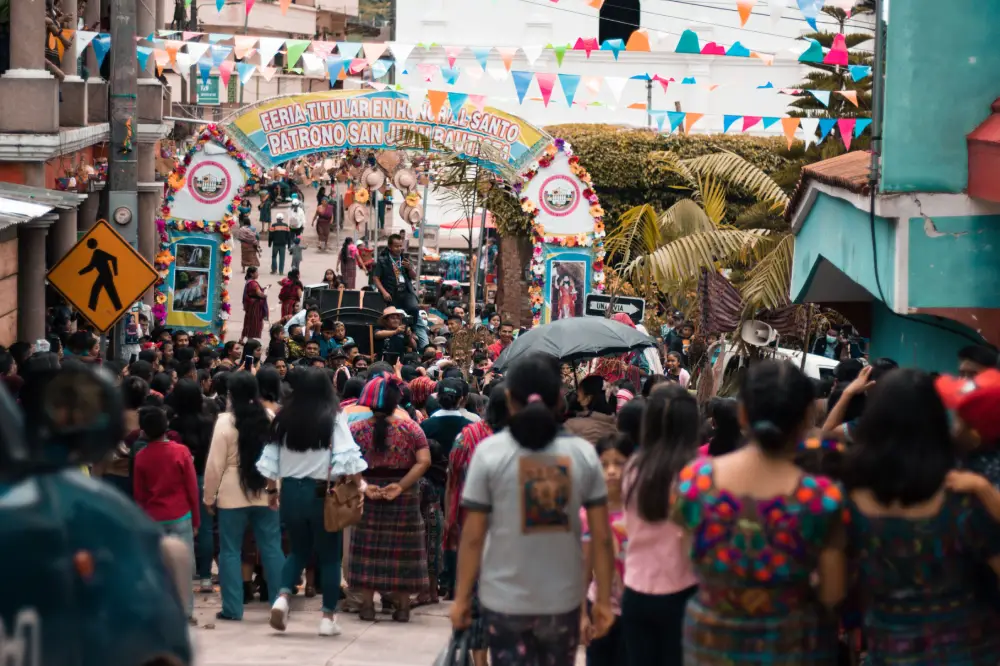
The main celebrations in Ipala centre on its annual fair in honour of San Ildefonso, the town’s patron saint. The patron saint’s festival is held every year between 20 and 26 January, with 23 January being the main date in the local religious calendar. During this time, the town is buzzing with activities that blend religious tradition and popular culture.
Among the most common events are the opening parades, the election and coronation of the fair queens, and the themed parades. Furthermore, during the fair, one of Ipala’s most distinctive cultural traditions is kept alive: the traditional Baile de los Moros.
Crafts and traditional cuisine
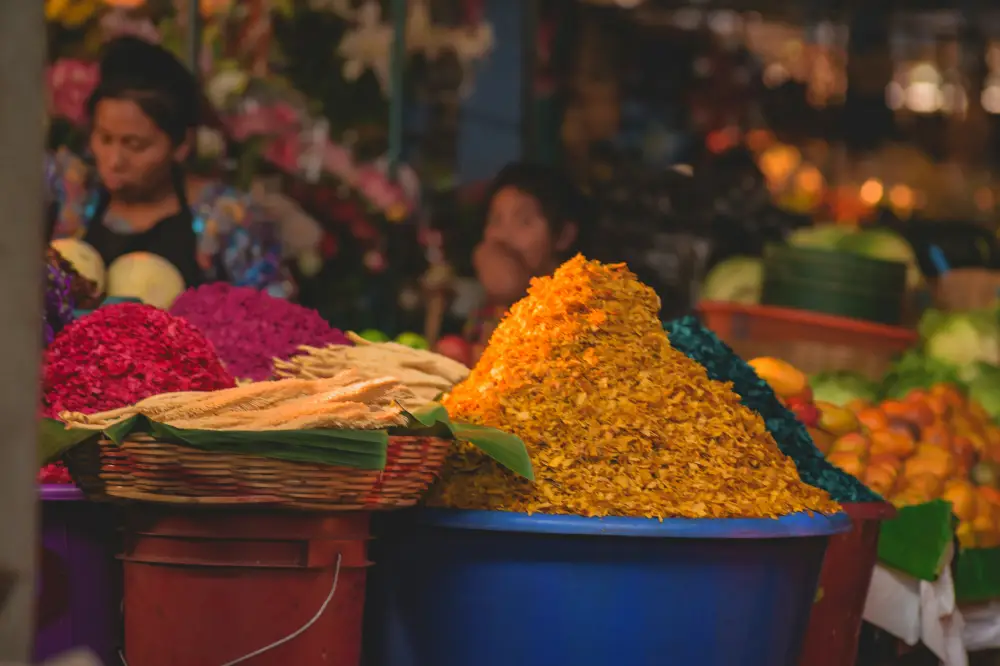
The local cuisine reflects the rural influences of eastern Guatemala. Among the most common dishes are those made with maize, beans, meat and agricultural produce grown in the region. In markets and small family-run eateries, you can find tamales, freshly made tortillas, atol and other traditional dishes.
In the municipality and the surrounding area, one can still find items crafted by local artisans, including textiles, leather goods and everyday objects for rural life.
Customs and cultural expressions of the municipality
Daily life in Ipala retains many of the characteristics typical of rural communities in eastern Guatemala. Family gatherings, religious celebrations, weekly markets and agricultural activities continue to play an important role in the social organisation of the municipality.
Musical events are also a common feature of local fairs and community gatherings, where the participation of local residents and families reinforces the strong sense of belonging that characterises Ipala.
What to see in Ipala
Historic centre and main squares
The centre of Ipala retains the typical layout of Guatemalan towns that developed during the colonial era, organised around a central park which serves as the community’s main meeting place. Much of the town’s daily activity is centred here, particularly at weekends.
Surrounding the square are the main administrative and commercial buildings, as well as small family-run businesses that form part of the town’s economic life.
Churches and landmark buildings
One of Ipala’s most iconic buildings is the Catholic Church of San Ildefonso, the town’s patron saint. The church occupies a prominent position opposite the central park and serves as the main venue for the religious celebrations held throughout the year, particularly during the patron saint’s festival in January.
Beyond its religious function, the church forms part of the local historical heritage and reflects the importance that the Catholic tradition has had in shaping the cultural identity of the municipality.
Markets and craft workshops
Local markets offer an excellent opportunity to get a glimpse of everyday life in Ipala. Here you can find agricultural produce from nearby villages, including maize, beans, vegetables, seasonal fruit and livestock products. These activities remain fundamental to the municipality’s economy.
As well as food products, some traders sell handcrafted items, agricultural tools and everyday objects that illustrate the close relationship between the local population and rural activities.
Viewpoints and natural landscapes
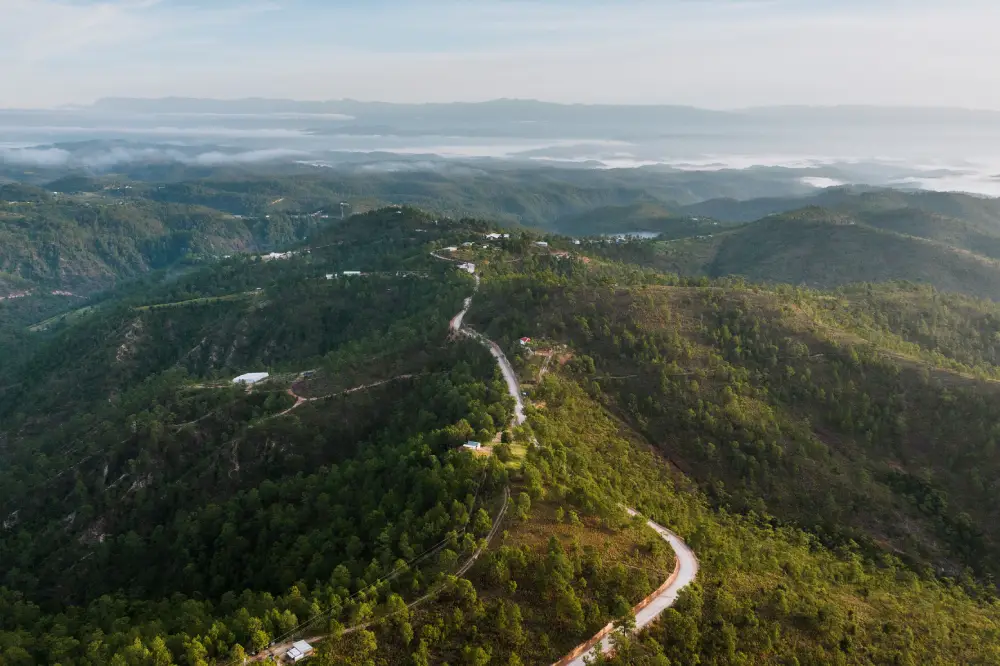
One of Ipala’s main attractions is the natural environment surrounding the town. Its location amongst mountains and agricultural areas offers numerous vantage points from which to admire sweeping panoramic views of the eastern Guatemalan landscape. From various elevated vantage points, one can see the slopes of the Ipala volcano, extensive farmland and the rolling hills that characterise this part of the department of Chiquimula.
- This page about the natural wonders of Guatemala may interest you.
Things to do in Ipala
As well as taking in the scenery, Ipala offers a range of activities that allow visitors to connect with the local culture and its natural surroundings.
Cultural tours of the municipality
One of the best ways to get to know Ipala is to take a leisurely stroll through its streets and public spaces to discover the history and traditions that have shaped the local identity. During your walk, you can visit the Church of San Ildefonso, the central park and various spots where everyday commercial activity takes place.
Visitors to the municipality during the patron saint’s festivities also have the opportunity to experience traditional activities such as religious processions, parades, local fairs and musical performances.
Hiking and exploring the natural environment
Ipala’s mountainous surroundings offer excellent opportunities for walking and enjoying nature. A variety of country lanes link the town centre with nearby villages, farmland and wooded areas where it's still possible to appreciate nature at its finest.
The municipality’s main natural landmark is the Ipala Volcano, one of Guatemala’s most unique volcanoes thanks to the lake that fills its crater. The ascent route, considered to be of moderate difficulty, passes through areas of woodland, grasslands and natural vantage points offering sweeping views of the eastern Guatemalan landscape.
What to see near Ipala
The town’s strategic location means that a visit here can be combined with other natural and cultural attractions in the department of Chiquimula and neighbouring regions. This makes Ipala an excellent base from which to explore part of eastern Guatemala.
Take part in local festivals and activities
If you can, try to time your visit to coincide with one of the town’s traditional celebrations. During these days, you’ll find processions, parades, concerts, sporting events… In short, a whole host of activities that reflect Ipala’s strong sense of identity.
Outside the festival season, visitors can also explore nearby rural communities where agricultural traditions, family customs and ways of life closely linked to the natural environment are still practised.
Ipala Volcano: A nearby attraction
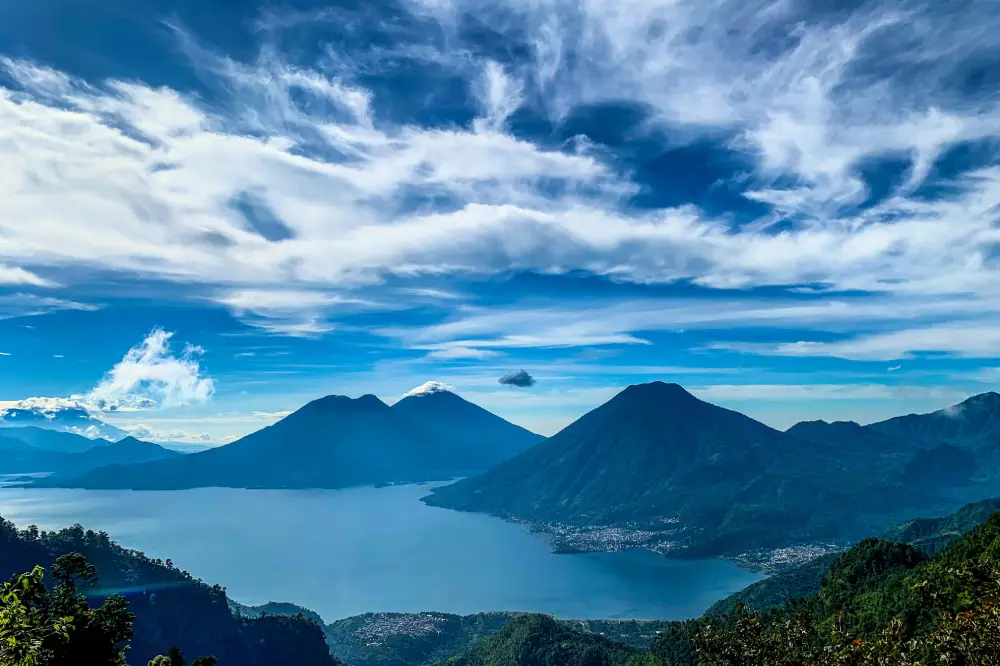
There is one clear tourist highlight in this region, and that is, without a doubt, the Ipala volcano. Although it's technically located within the same municipality, its significance warrants a section of its own, as it's one of the most unique volcanic landscapes in Guatemala.
Characteristics of the volcano and its crater
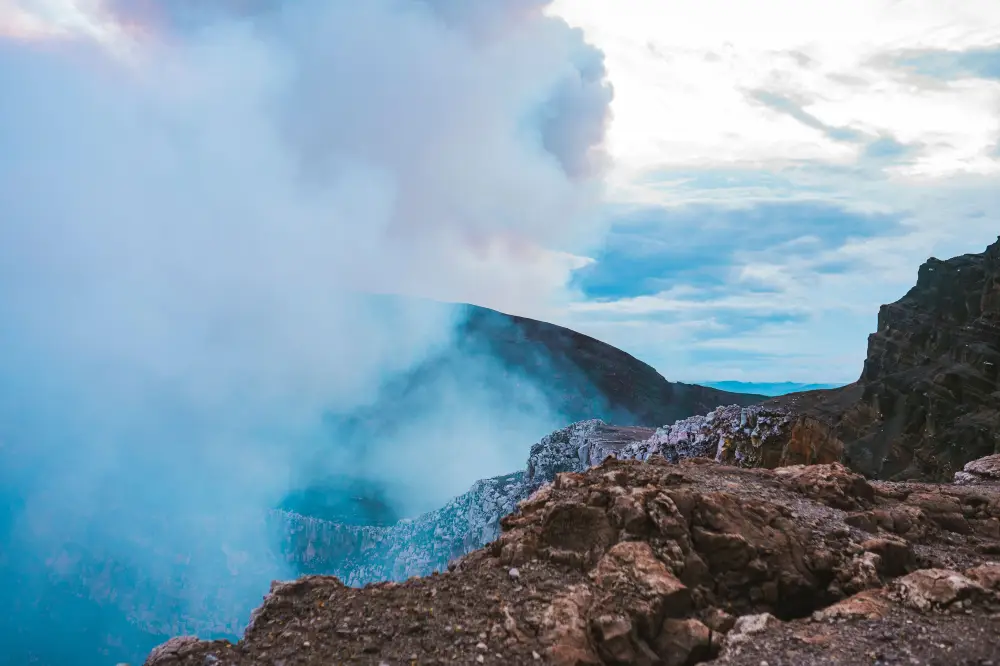
The Ipala Volcano rises to approximately 1,650 metres above sea level and forms part of the volcanic range in south-eastern Guatemala. What makes the Ipala Volcano unique is the lake that lies within its crater. This vast natural amphitheatre, formed by ancient volcanic processes, is home to a lake surrounded by slopes covered in vegetation, creating one of the most stunning landscapes in eastern Guatemala.
The crater lake and panoramic views
Indeed, the main attraction of the Ipala volcano is the lake at the bottom of the crater, considered one of the few volcanic lakes in Guatemala that can be reached via a relatively short walk. Surrounded by the walls of the ancient volcanic cone, its waters create a landscape of great scenic beauty that takes visitors by surprise when they reach the summit.
Hiking and trekking for visitors
The climb up the Ipala Volcano is one of the most popular activities for visitors to the municipality. The main trail starts near the village of Agua Blanca and climbs gradually to the rim of the crater. Although the route has some steep sections, it's generally considered to be of moderate difficulty and can be completed in a few hours.
Once at the summit, many hikers take the opportunity to walk along part of the crater rim or rest by the lake.
- We invite you to read our article about Sierra de las Minas.
Best time to visit Ipala
Climate throughout the year
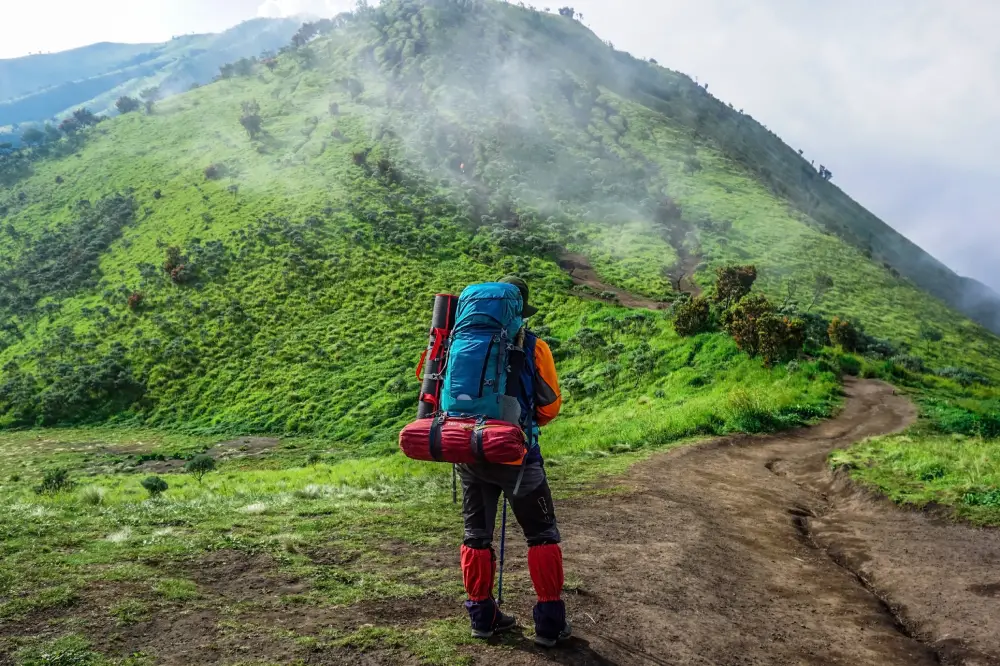
Ipala has a tropical mountain climate typical of eastern Guatemala. Temperatures tend to remain pleasant for much of the year, although they can vary depending on altitude and the time of year. In the higher-altitude areas, particularly around the Ipala Volcano, mornings and evenings are usually cooler than in the town centre.
Dry season and rainy season
The dry season usually runs from November to April and is considered the best time to visit Ipala. During these months, sunny days are the norm, the trails are in better condition and the panoramic views are usually clearer.
The rainy season, which generally runs from May to October, transforms the landscape with more lush vegetation and deeper shades of green. However, the rain can make some routes more difficult.
When to make the most of the routes and footpaths
If you wish to go for walks in the area around the town or climb the Ipala Volcano, it's advisable to set off early in the morning. The temperatures are more pleasant, visibility is usually better, and it's easier to avoid the heat of the midday hours.
The dry season months are particularly recommended for hiking, as they allow you to explore the trails in greater comfort and enjoy more expansive views of the eastern Guatemalan landscape. Furthermore, sunrises often offer some of the best conditions for nature photography.
- This page about Tajumulco Volcano may interest you.
Tips for visiting Ipala
Before travelling to Ipala, it's a good idea to plan your visit in advance so that you can make the most of both the town itself and the natural attractions in the surrounding area.
- Wearing comfortable clothing, applying sun cream and taking enough water with you is particularly important if you are planning to go for walks or visit the Ipala Volcano.
- It's also a good idea to have some cash to hand for small purchases in local shops.
- Respect the natural environment, follow the guidance of local communities and avoid leaving rubbish behind.
Transport and safety recommendations
The most convenient way to get to Ipala is by private car or via organised tourist transport from Guatemala City or other towns in Chiquimula. This allows for greater flexibility when visiting both the town centre and the nearby natural attractions.
If you are planning to climb the Ipala Volcano, wear suitable hiking footwear and take enough water for the entire route. During the rainy season, you should take extra care on trails and paths due to mud and slippery surfaces.
Frequently Asked Questions about Ipala
Where is the municipality of Ipala located?
Ipala is situated in the department of Chiquimula, in eastern Guatemala. It's also the gateway to the famous Ipala Volcano and its crater lake.
What to see and do in Ipala?
The main attractions include the town centre, the parish church, the local markets and the natural landscapes surrounding the municipality. You can also go for walks, learn about local traditions, enjoy the regional cuisine and visit the Ipala Volcano.
How do you get to the Ipala Volcano from the town?
From the town centre of Ipala, you can reach the nearby villages by road; these serve as the starting point for the hike. From there, the trail begins, leading to the edge of the crater and the volcanic lake.
When is the best time to visit the Ipala Volcano?
The best time to visit the Ipala Volcano is during the dry season, between November and April. During these months, the trails are usually in better condition and the panoramic views from the crater are clearer.