


Guide to Punta de Manabique
Where the wild spirit of the Caribbean still lives on
Welcome to Punta de Manabique
Punta de Manabique is one of Guatemala’s most remote, biodiverse and least-explored coastal destinations. Situated at the easternmost tip of the department of Izabal, this protected stretch of the Guatemalan Caribbean combines virtually pristine beaches, mangroves, wetlands, tropical forest and a wealth of marine life in a setting still largely untouched by tourism.
Travelling to Punta de Manabique in Guatemala means discovering a much wilder and more tranquil side of the country’s Caribbean coast. Here, there are no large resorts, overcrowded promenades or extensive tourist infrastructure. Instead, natural landscapes, the sound of the sea, boat trips and the feeling of being in a place that remains authentic and isolated prevail.
Punta de Manabique Beach forms part of the Punta de Manabique Wildlife Refuge, one of Guatemala’s most important protected areas due to its ecological value and its role in the conservation of coastal ecosystems. For those seeking secluded beaches, wildlife watching, boating and direct contact with nature, Punta de Manabique in Izabal offers one of the most special experiences in the Guatemalan Caribbean.
The Origins of Punta de Manabique
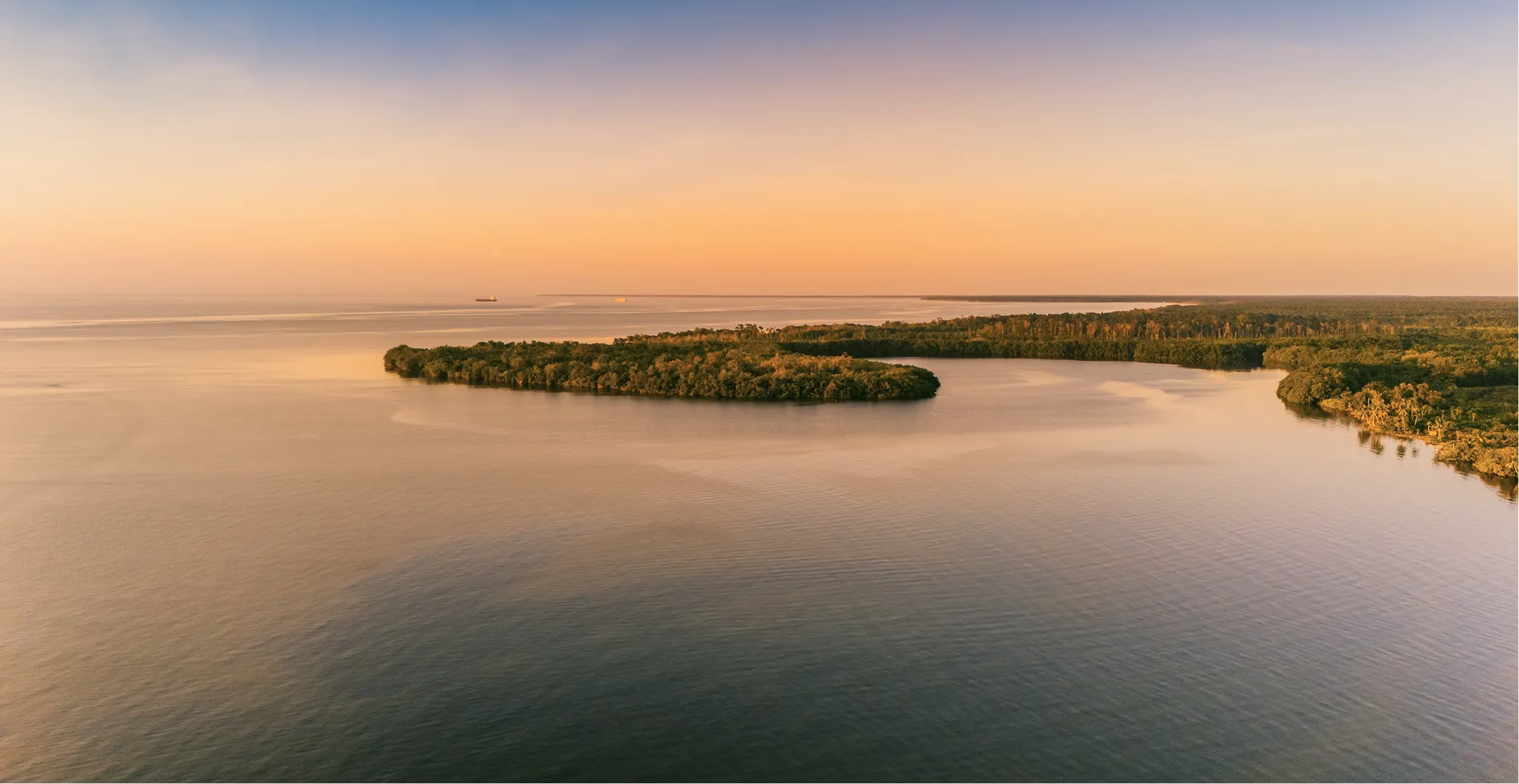
The origins of Punta de Manabique are closely linked to the coastal and sedimentary processes that have shaped Guatemala’s Caribbean coast over thousands of years. The interaction between ocean currents, rivers, mangroves and sediments from the country’s interior gradually formed this extensive, low-lying peninsula, characterised by open beaches, wetlands and ecosystems where land meets sea.
Unlike other beaches on the Guatemalan Caribbean coast, Punta de Manabique Beach stands out for its much more dynamic and natural landscape, where the influence of mangroves, tides and coastal lagoons creates an ever-changing environment that is highly diverse from an ecological perspective. This mix of ecosystems explains the region’s enormous biodiversity and its environmental importance within the country.
Historically, Punta de Manabique in Guatemala has been linked to small communities engaged in small-scale fishing and the sustainable use of coastal resources. Its relative geographical isolation helped to limit urban and tourist development, thereby helping to preserve much of the original landscape.
Today, the Punta de Manabique Wildlife Refuge protects iconic Caribbean species, including sea turtles, manatees, coastal dolphins, reptiles, migratory birds and a significant diversity of fish and reef ecosystems. This ecological value makes Punta de Manabique Izabal one of the most significant natural areas in eastern Guatemala.
How to get to Punta de Manabique
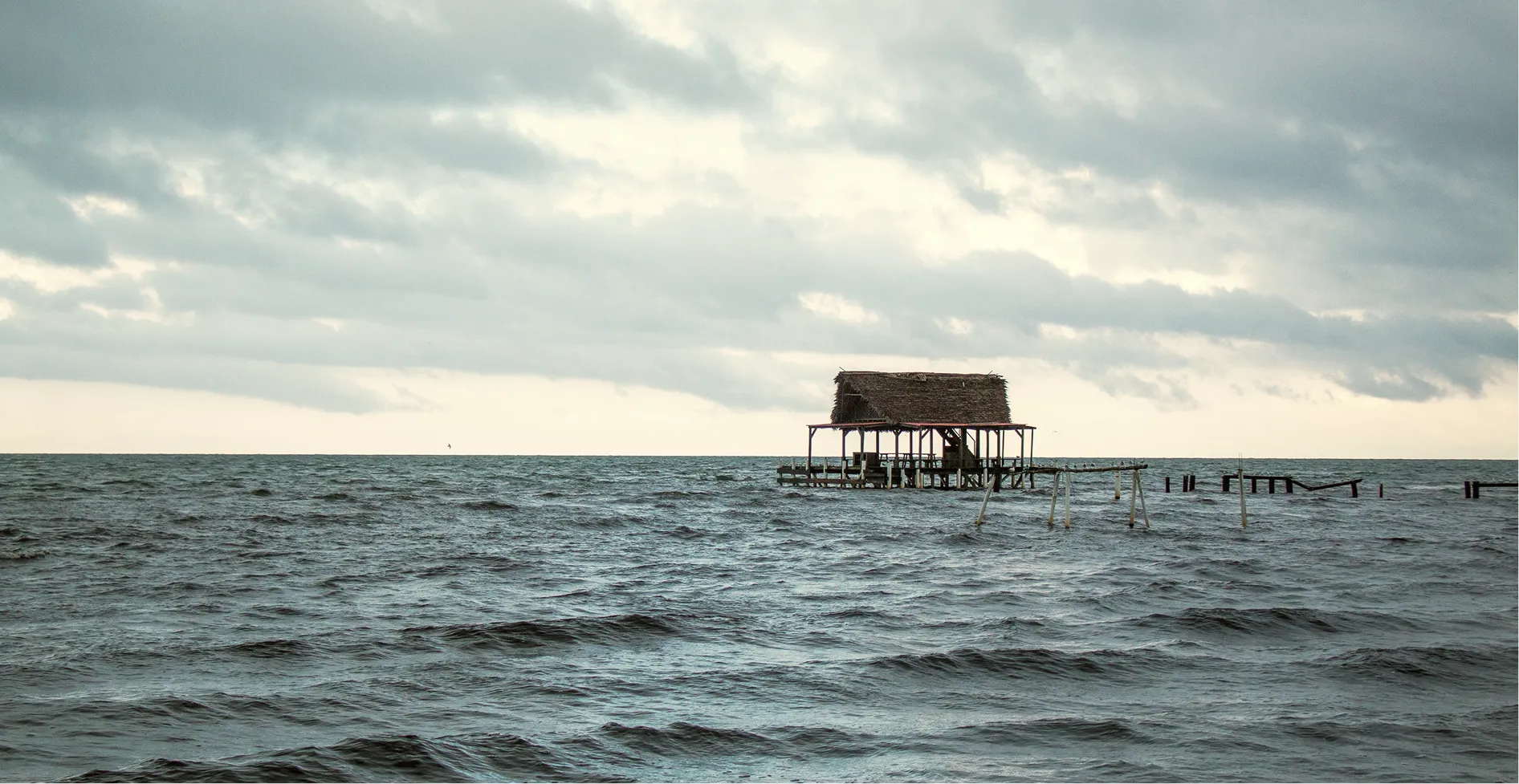
Figuring out how to get to Punta de Manabique requires a bit of planning, but it is precisely this difficulty in accessing the area that forms part of the experience. The main starting point is Puerto Barrios, from where boat transfers are organised along the Caribbean coast to various parts of the nature reserve.
The boat journey usually takes between 1.5 and 2.5 hours, depending on sea conditions, the type of boat and the exact destination. During the journey, you can see mangroves, largely undeveloped coastlines, seabirds and some of the most unspoilt landscapes in the Guatemalan Caribbean.
From Guatemala City, the overland journey to Puerto Barrios usually takes between 5 and 6 hours by road. Once there, it is advisable to arrange boat transport in advance, as departures may depend on weather conditions and the availability of local boats.
Many travellers combine Punta de Manabique in Guatemala with nearby destinations such as Livingston, Río Dulce or Puerto Barrios, creating a well-rounded itinerary that takes in tropical rainforest, Caribbean culture, boat trips and remote beaches. This combination allows you to experience different facets of Izabal in a single trip.
When to visit Punta de Manabique
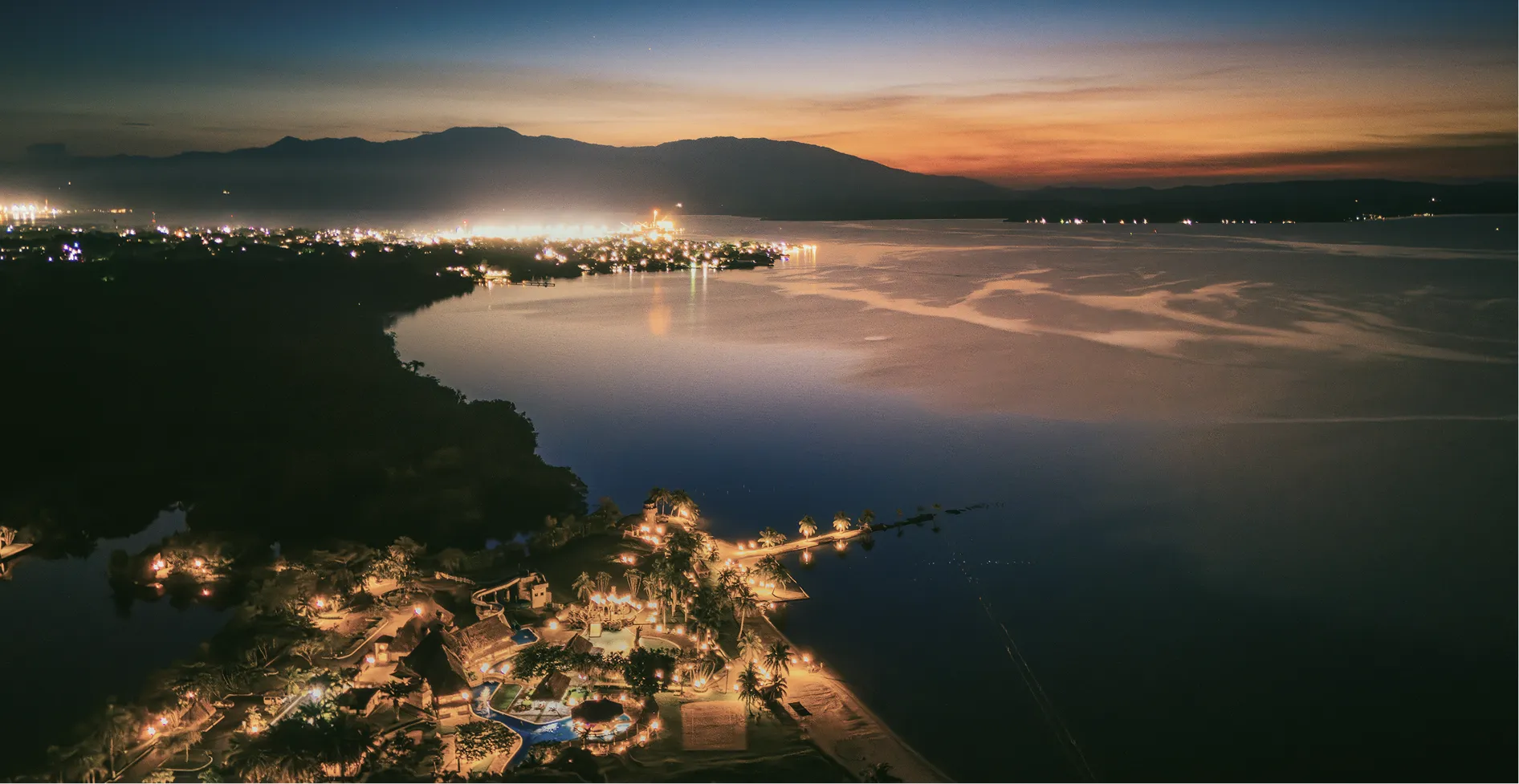
Punta de Manabique can be visited all year round, although the best conditions are usually between February and August, when the sea tends to be calmer and rainfall is generally less frequent. During these months, it is easier to travel by boat, explore coastal trails and enjoy the beaches in greater comfort.
Average temperatures usually range between 26°C and 32°C, maintaining a typically Caribbean climate: warm, humid and ideal for outdoor activities. This time of year is also particularly recommended for those looking to go birdwatching, take photographs of nature or enjoy peaceful days by the sea.
During the wettest season, particularly between September and January, the landscape becomes even more lush and green. Although there may be spells of heavy rain and rougher seas, the lower number of visitors creates an even quieter and more authentic experience.
One of the great attractions of Punta de Manabique Izabal is precisely this lack of overcrowding. Even in high season, the retreat retains a sense of seclusion and tranquillity that is rare among beach destinations.
Accessibility at Punta de Manabique
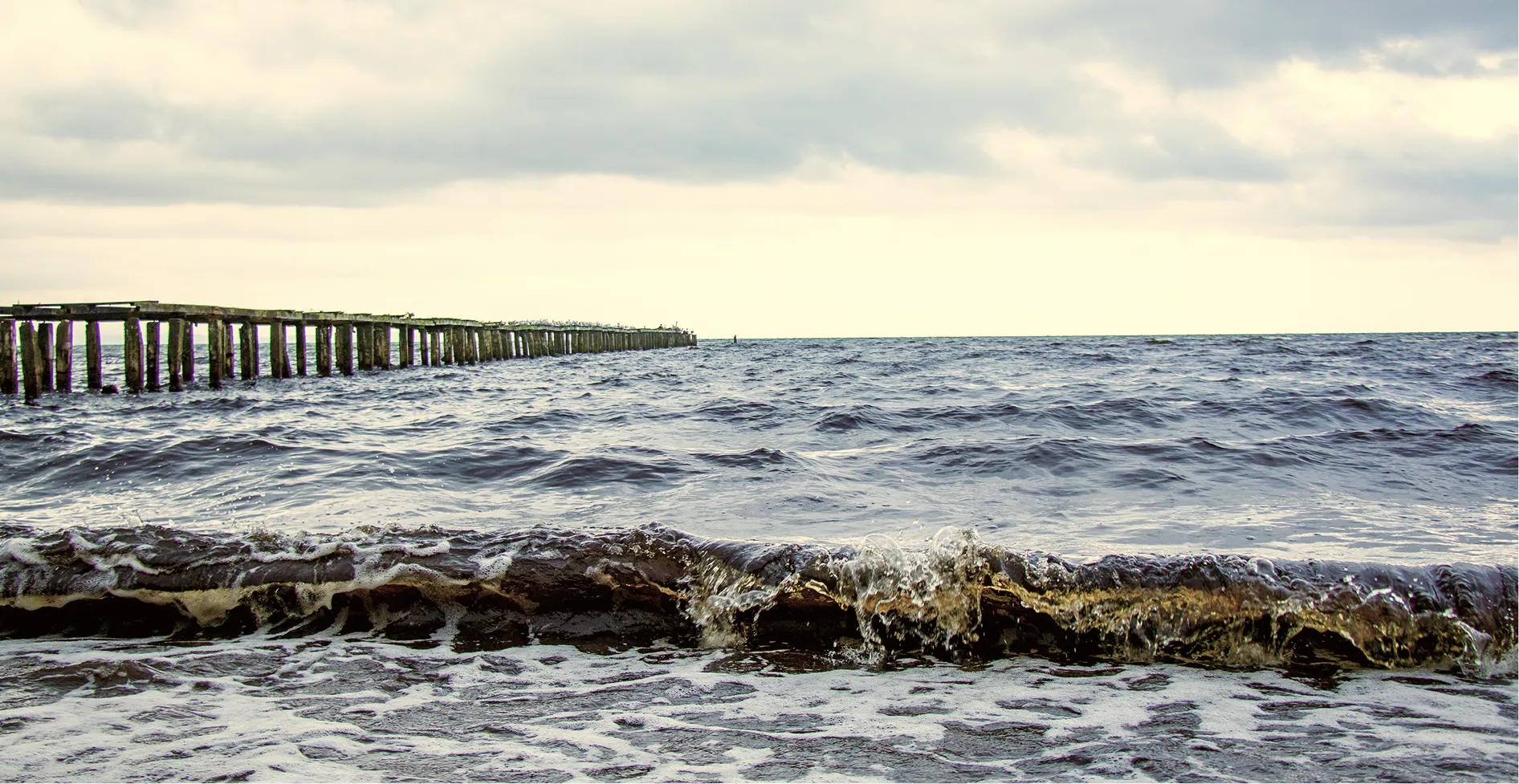
Access to Punta de Manabique is entirely governed by its status as a protected natural area. The fact that it can only be reached by boat helps to limit the impact of tourism and ensures that much of its coastal ecosystems remain virtually untouched.
From Puerto Barrios, private or community boats can be arranged, although it is highly recommended to plan your transport in advance, especially if you intend to stay overnight or visit less frequented areas of the reserve.
Once at Punta de Manabique, travel is mainly on foot along the beach, nature trails or small areas of mangrove forest. There is no developed urban infrastructure or motorised transport within the reserve, so it is advisable to bring water, sun cream, insect repellent and everything else you will need for the day.
Accessibility is limited due to the maritime access, the sandy terrain and the nature of the natural environment. However, the beaches are generally wide and relatively flat, allowing for comfortable walks for travellers accustomed to natural surroundings.
It is precisely this minimal infrastructure that is one of the reasons why Punta de Manabique in Guatemala retains its authentic character: a destination designed for those who prioritise nature, a break from everyday life and unspoilt landscapes over the comforts of conventional tourism.
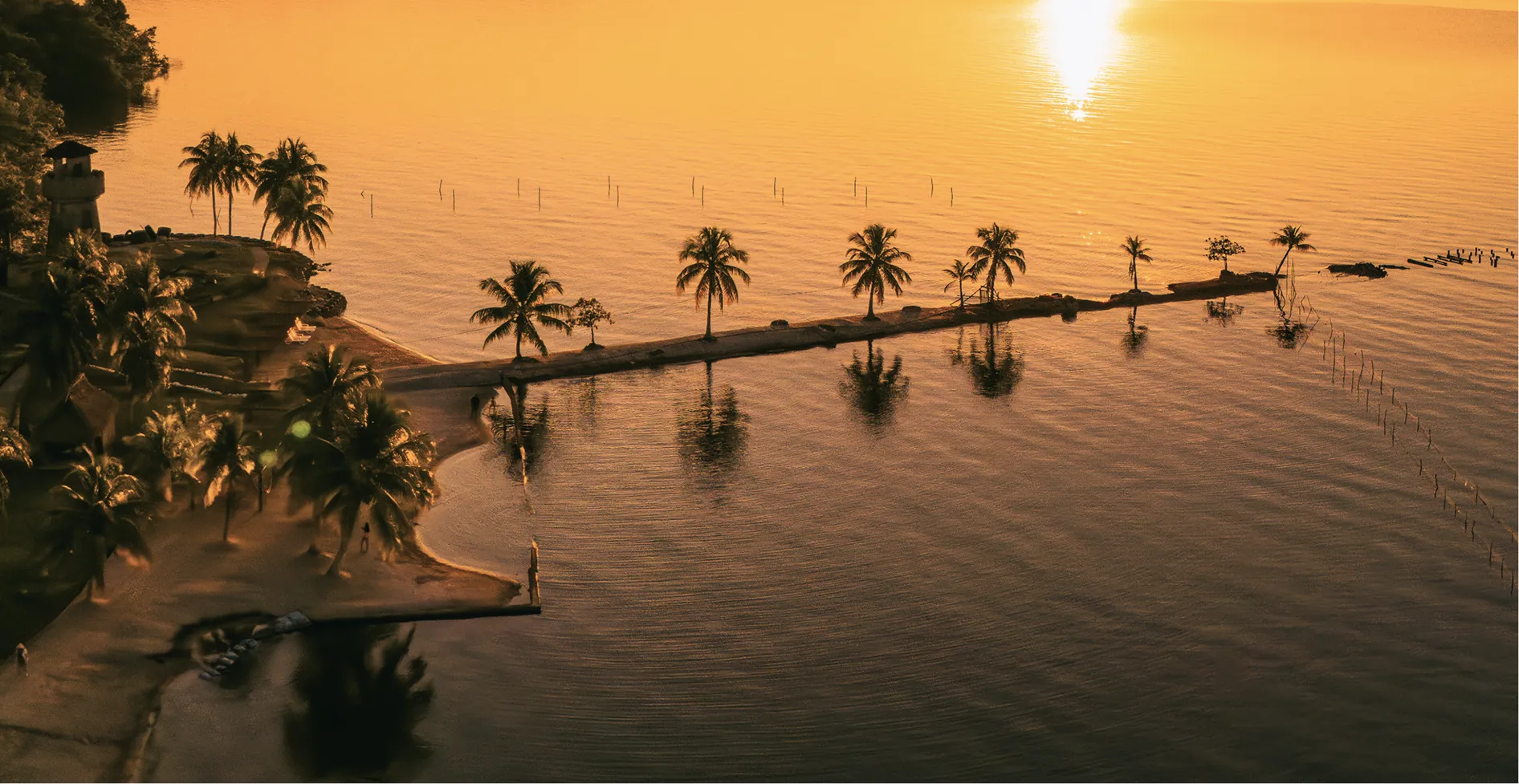
Things to do in Punta de Manabique
Enjoy pristine beaches
If you’re wondering what to do in Punta de Manabique, the main attraction starts with something very simple: walking and enjoying one of the wildest stretches of coastline on the Guatemalan Caribbean. Punta de Manabique Beach offers kilometres of virtually untouched sand, with very little human intervention and a sense of tranquillity that’s hard to find at other beach destinations in the country.
There are no large tourist resorts or overcrowded beaches here. The appeal lies precisely in the sense of seclusion, the constant sound of the sea and the chance to spend hours walking, relaxing by the water or enjoying an unspoilt natural environment. For those seeking to unwind and enjoy open landscapes, Punta de Manabique in Guatemala offers an experience quite unlike other spots in Izabal.
Wildlife and nature watching
One of the great attractions of Punta de Manabique, Izabal, is its extraordinary biodiversity. This nature reserve is home to mangroves, wetlands, coastal forests and marine ecosystems, which are inhabited by numerous species of birds, reptiles and mammals associated with the Caribbean.
At certain times of the year, it is possible to spot migratory birds, sea turtles arriving at their nesting sites and even manatees in protected areas along the coast. This wealth of wildlife makes Punta de Manabique, Guatemala, a particularly interesting destination for lovers of wildlife watching, ecotourism and nature photography.
The experience here is not based on fast-paced activities or major tourist attractions, but rather on observing at a leisurely pace, exploring the surroundings and understanding the enormous ecological value of one of the most important protected areas in the Guatemalan Caribbean.
Coastal and mangrove walks
Another of the best things to do in Punta de Manabique is to explore its coastal ecosystems on foot or via short guided walks. The nature trails allow you to discover mangrove areas, tropical vegetation and landscapes where fresh water, brackish water and the open sea meet.
The mangroves play a vital role in the region’s environmental balance: they protect the coastline from erosion, provide a refuge for fish and birds, and help to maintain the biodiversity of the Izabal Caribbean. Exploring them gives you a better understanding of why tourism in Punta de Manabique is so closely linked to conservation and respect for the environment.
For those who enjoy less-crowded nature destinations, these walks offer a truly authentic way to discover the region at a leisurely pace.
Complete disconnection and slow tourism
Beyond specific activities, travelling to Punta de Manabique means slowing down. This is a destination designed for those who value silence, nature and what is known as ‘slow travel’: spending time without strict schedules, walking along empty beaches, reading by the sea or simply taking in the scenery.
Unlike other, more developed tourist destinations, much of the experience here lies in the sense of seclusion and tranquillity. The lack of major infrastructure, the sound of the Caribbean Sea and constant contact with nature mean that many travellers remember Punta de Manabique, Guatemala, precisely for that sense of disconnection and peace.
Places
Map of Guatemala’s must-visit beaches
Ecosystems
Punta de Manabique is home to one of Guatemala’s most important ecological mosaics, combining mangroves, beaches, wetlands, tropical forests, coastal lagoons and marine ecosystems. This diversity explains the area’s immense biological richness and its importance within the network of protected areas in the Guatemalan Caribbean.
Natural barrier
Situated between Amatique Bay and the Gulf of Honduras, Punta de Manabique acts as a natural barrier that helps to protect coastal and marine ecosystems in the east of the country. This geographical position also encourages the presence of migratory species and reinforces its ecological importance within the region.
Mangroves
The reserve is home to some of Guatemala’s most important mangrove systems, which are vital for protecting the coastline and maintaining the balance of the marine ecosystem. These areas serve as breeding grounds and refuges for fish, crustaceans, birds and other species typical of the Caribbean.
Protected
Limited access and the low level of development have helped to preserve much of Punta de Manabique Izabal’s natural state. Precisely for this reason, it remains one of the least crowded destinations in the Guatemalan Caribbean and an excellent choice for those seeking authentic nature tourism, far from conventional routes and overcrowded beaches.

Places
Landmarks in Punta de Manabique
Use our AI-powered planner to plan your visit to Punta de Manabique
Save places, routes and experiences
Other sites
Other beaches to visit in Guatemala
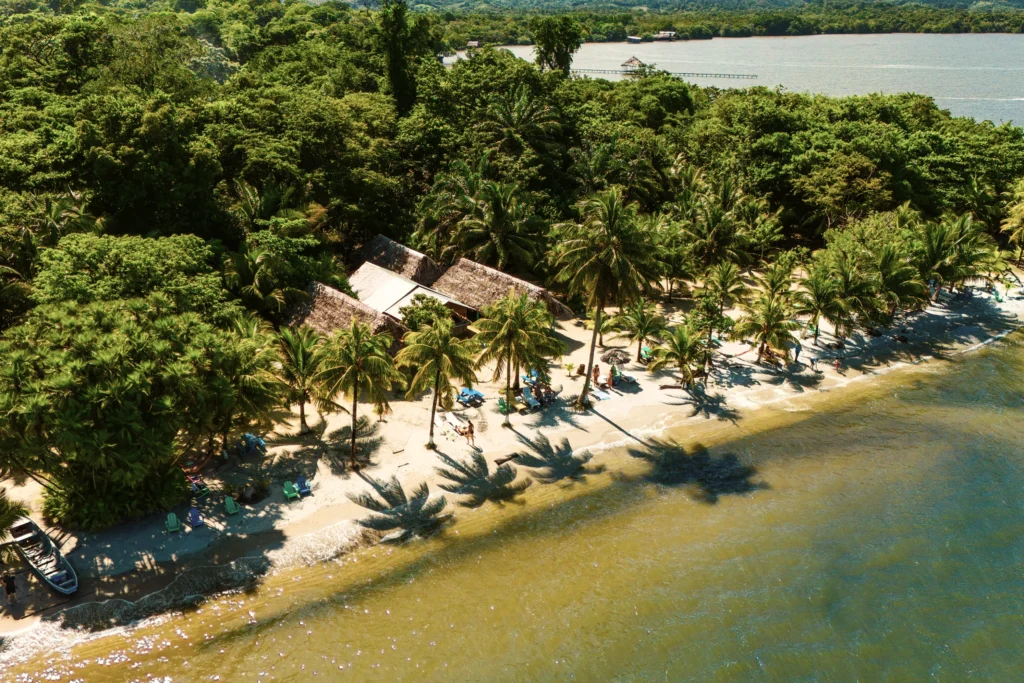
Playa Blanca, Izabal
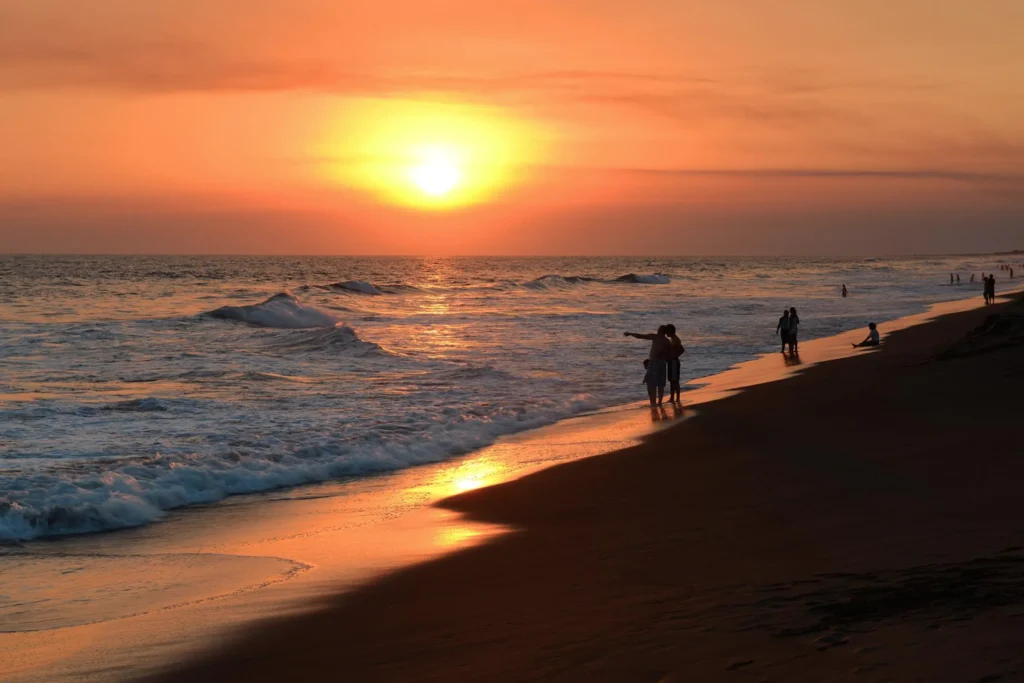
Monterrico Beach
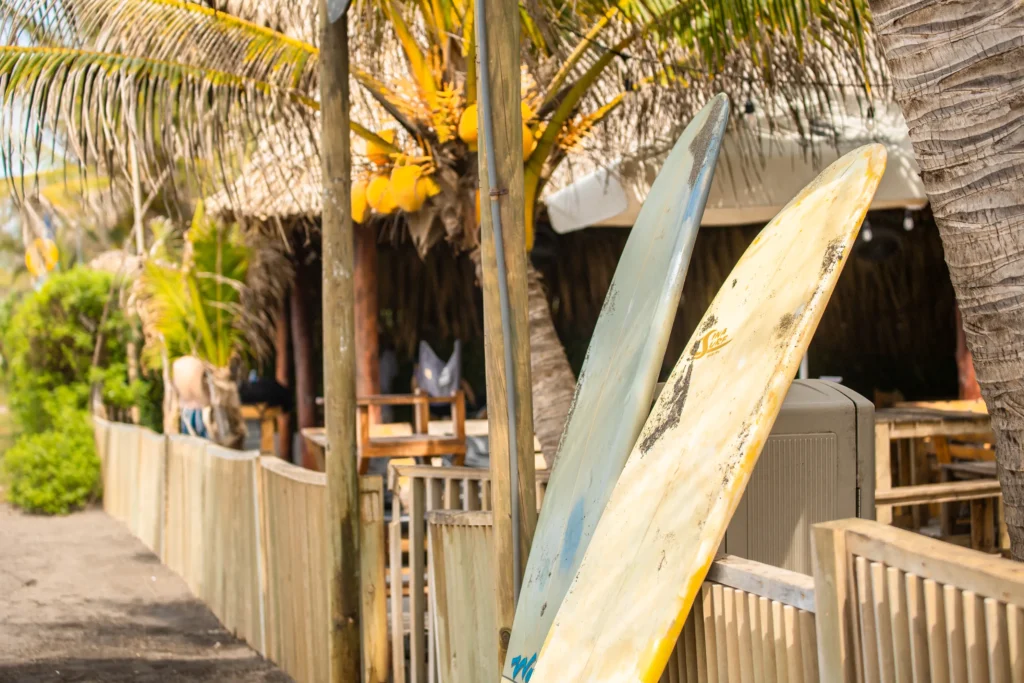
El Paredón
Blog posts
Interesting articles about Punta de Manabique and other places
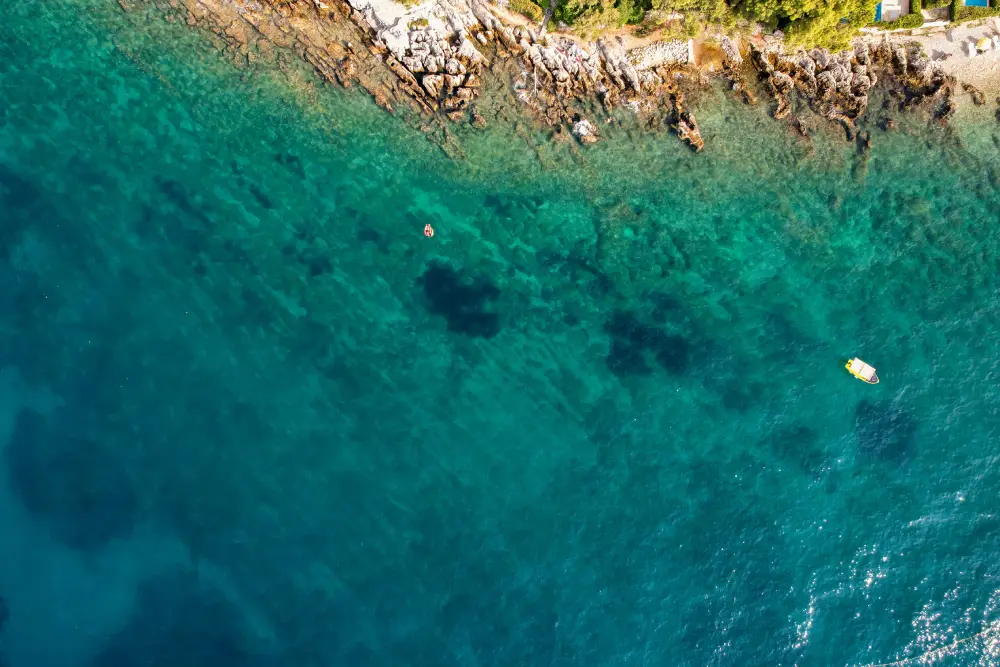
The Blue Crater: A guide to visiting this paradise in Petén
Deep in the heart of Petén, where the jungle is dense and the sounds of the city fade away completely, […]
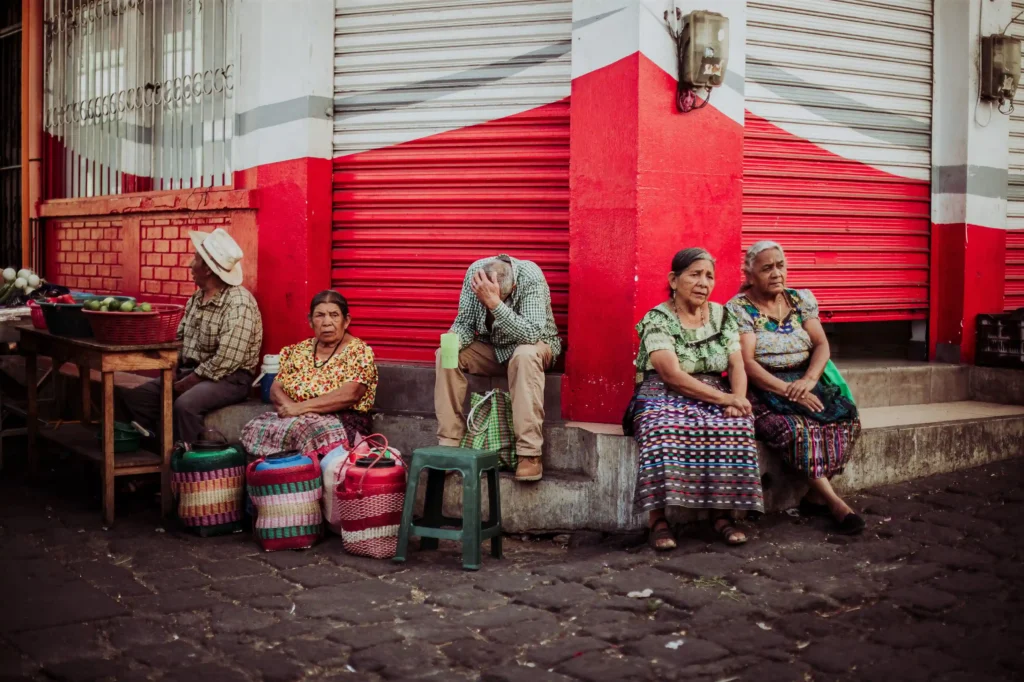
Traditional dress of Quetzaltenango: Discover the history and significance of the Xela dress
Few things connect you as viscerally with the culture of Quetzaltenango as its rich variety of textiles. Strolling through the […]
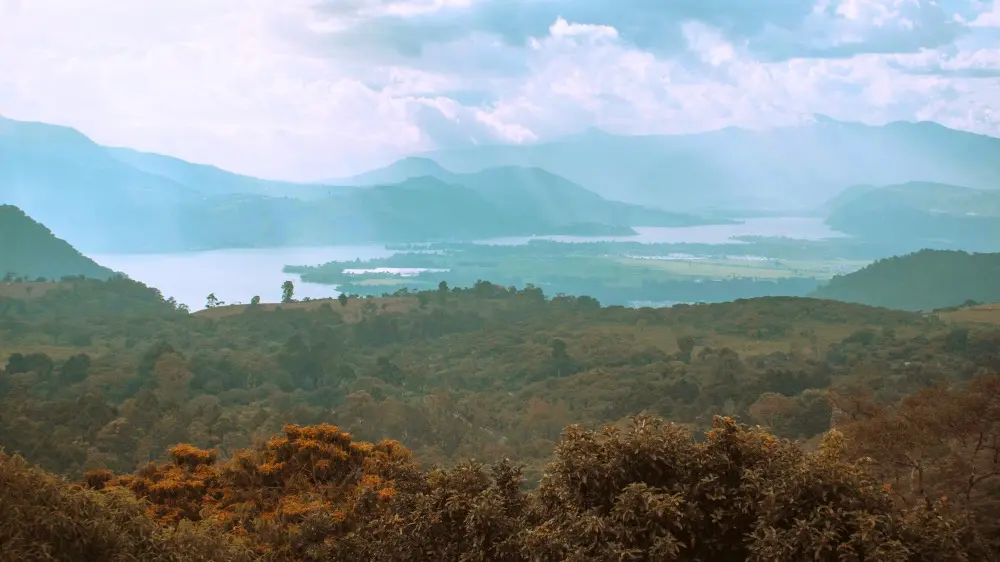
Lake Amatitlán: History, things to do and how to visit it
Lake Amatitlán is a traditional attraction in Guatemala: a must-visit destination for a wonderful experience amongst the volcanoes.
Frequently Asked Questions
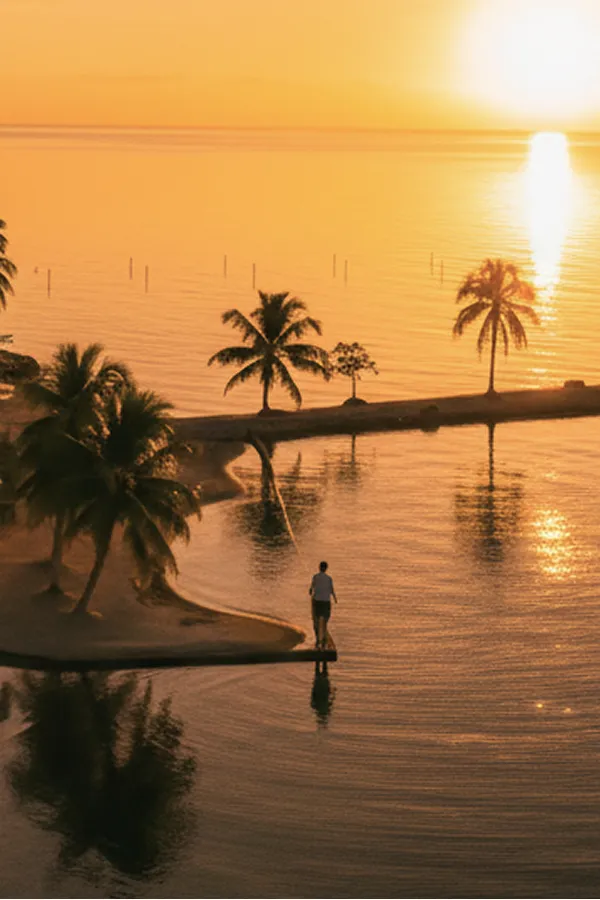
What is Punta de Manabique like?
Punta de Manabique is one of the wildest and least explored corners of Guatemala’s Caribbean coast. It is a nature reserve where unspoilt beaches, mangroves, tropical rainforest and isolated fishing communities come together. Unlike other, more touristy destinations, here you get the sense of virtually untouched nature: long stretches of coastline with hardly a soul in sight, tropical wildlife and an atmosphere completely removed from the usual hustle and bustle of travel.
Is Punta de Manabique worth a visit?
Yes, especially if you’re looking for an authentic, off-the-beaten-track experience in the Guatemalan Caribbean. Punta de Manabique isn’t a destination known for resorts or nightlife, but rather a place designed for travellers who enjoy nature and places that remain largely untouched by tourism. Many people who visit Río Dulce or Livingston discover a completely different side to Guatemala here – one that is much quieter and more connected to the sea and its biodiversity.
What is there to do in Punta de Manabique?
In Punta de Manabique, activities centre mainly on nature and the coastal environment. You can explore the mangroves by boat, walk along virtually deserted beaches, spot birds and tropical wildlife, or simply relax surrounded by the Caribbean scenery. It’s also common to combine a visit here with trips from Río Dulce or Livingston, exploring small coastal communities and natural areas that are difficult to reach by road.
How long does it take to visit Punta de Manabique?
Most travellers spend between 1 and 2 days exploring Punta de Manabique. Although it can technically be visited on a day trip, it’s well worth spending a night in the area to enjoy the tranquillity and the natural surroundings at a leisurely pace. What’s more, travel is usually by motorboat and forms an important part of the experience, so allowing plenty of time greatly enhances your visit.