


Guide to Tikal
Where the jungle conceals the most epic legacy of the Mayan world
Welcome to Tikal, Guatemala
Tikal is Guatemala’s most iconic archaeological site and one of the most impressive Mayan complexes in the world. Situated in the north of the country, in the department of Petén, it is surrounded by the lush tropical rainforest of Tikal National Park, an exceptional setting where history, biodiversity and nature coexist in a unique way. Designated a UNESCO World Heritage Site in 1979, this ancient site stands out not only for the grandeur of its temples, but also for the almost mystical atmosphere created by the vegetation, the sound of howler monkeys and the sight of ancient pyramids rising above the jungle.
If you’re wondering what to see in Tikal, Guatemala, you should know that it is not merely a collection of ruins, but one of the most important and powerful cities of the Maya civilisation. For centuries, Tikal was a key political, ceremonial and commercial centre in Mesoamerica, and even today it preserves thousands of identified structures, many of which remain hidden beneath the vegetation. Exploring its squares, temples and ancient causeways is an immersive experience that gives you a better understanding of the scope of this civilisation and why Tikal has become an unmissable destination for anyone travelling to Guatemala.
History of Tikal
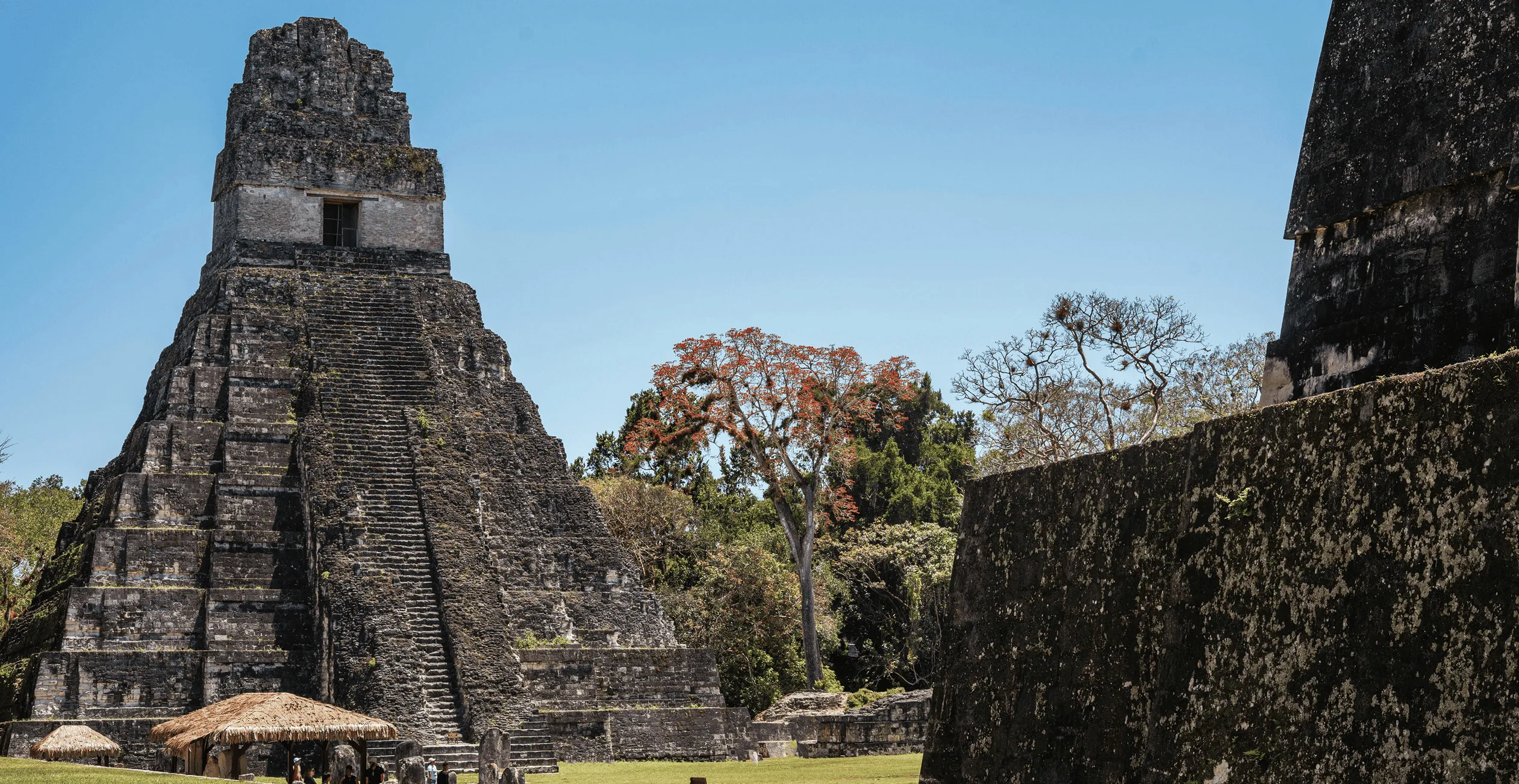
Tikal’s historical significance is immense. During its period of greatest splendour, particularly between the 6th and 9th centuries, it established itself as one of the most powerful and influential cities in the Mayan world, eventually home to tens of thousands of inhabitants and playing a central role in the region’s politics, trade and ceremonial life.
The archaeological site includes monumental temples, raised causeways, palaces, ceremonial plazas and residential complexes that demonstrate the high degree of sophistication achieved by this ancient civilisation.
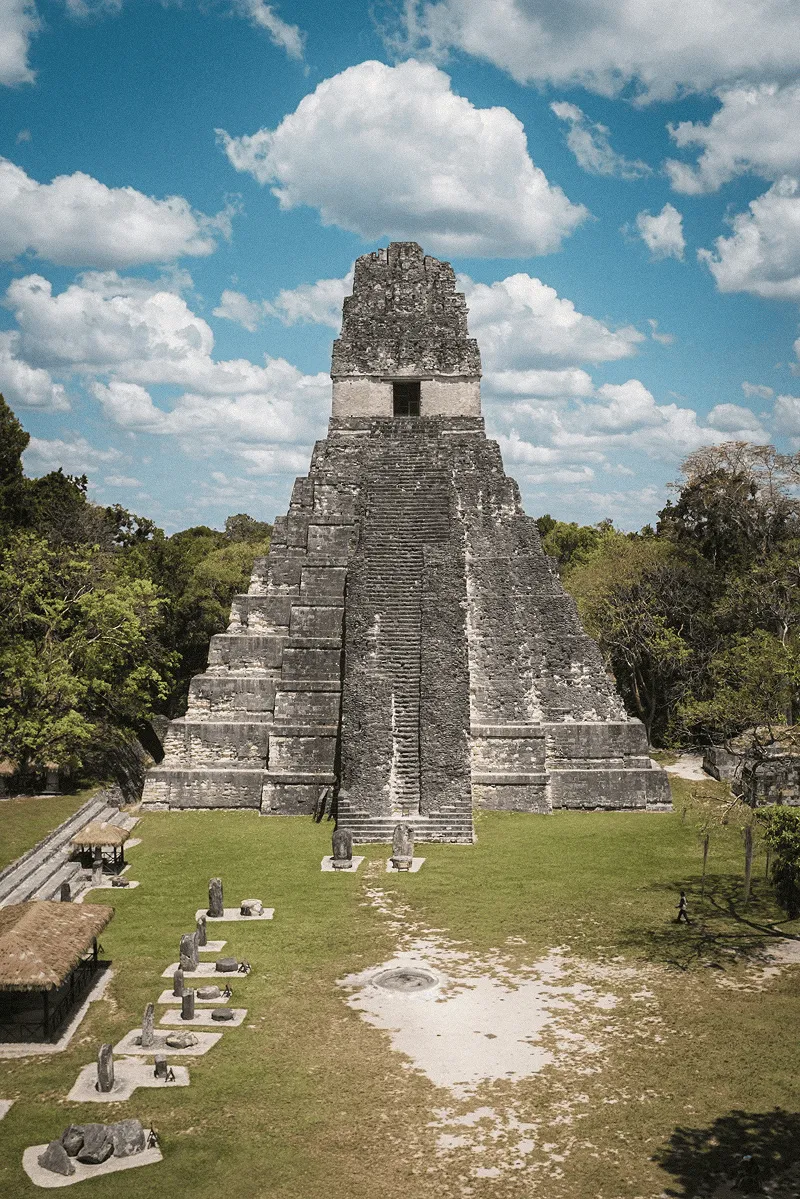
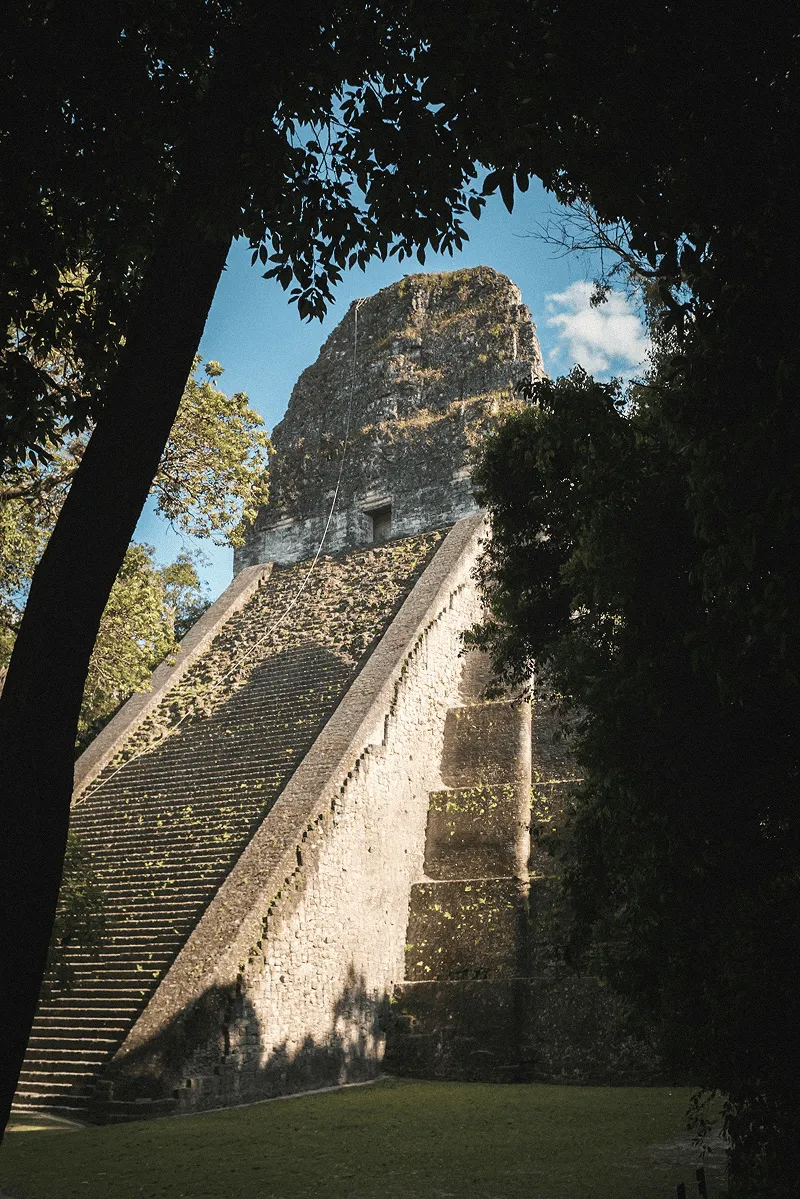
Among its most iconic structures are Temple I, also known as the Great Jaguar, and the imposing Temple IV, standing over 60 metres tall and considered one of the tallest ever built by the Maya civilisation. From the surrounding area, you can enjoy some of the most spectacular views over the Petén jungle.
As you explore the site, it is easy to see why Tikal in Guatemala remains one of the key places for understanding the pre-Hispanic history of Mesoamerica and one of the most important archaeological treasures in Latin America.
How to get to Tikal
Getting to Tikal in Guatemala is relatively straightforward and is usually part of a wider itinerary through the Petén region. The most common way to reach the park is to fly from Guatemala City to Flores, whose airport serves as the main gateway to the north of the country.
From Flores or Santa Elena, the journey to Tikal National Park is around 65 kilometres and usually takes between one hour and one and a half hours by road, depending on the transport and any scheduled stops.
For those wondering how to get to Tikal, there are also organised tours and shuttle services from Flores and El Remate – a particularly convenient option for those who prefer a guided tour or don’t want to worry about the logistics.
Furthermore, Tikal’s strategic location makes it possible to combine the experience with other fascinating sites in Petén, such as Yaxhá, Uaxactún or Lake Petén Itzá, broadening the options for those wishing to explore beyond the archaeological site itself.
For this reason, Tikal is often easily incorporated into more comprehensive itineraries through northern Guatemala, alongside destinations such as Flores and other Mayan sites of great historical significance.
When to visit Tikal, Guatemala
Tikal, Guatemala, can be visited all year round thanks to its warm tropical climate, characterised by high temperatures, high humidity and lush vegetation. It is therefore advisable to wear light clothing, bring sun cream, insect repellent and plenty of water for your walks.
The dry season, between November and April, is usually the most popular time to visit Tikal, as rainfall is less frequent and the trails are generally in better condition, particularly for long walks or dawn tours. In contrast, between May and October, the green season transforms the landscape into a more lush jungle, ideal for those who enjoy nature and photography.
If you’re wondering when to travel to Tikal, Guatemala, the choice will depend on the kind of experience you’re looking for: greater comfort during the dry season or a greener, more jungle-like atmosphere during the rainy months. As with other destinations in Guatemala, Holy Week and certain holiday periods tend to attract more visitors, so booking in advance is advisable.
Accessibility
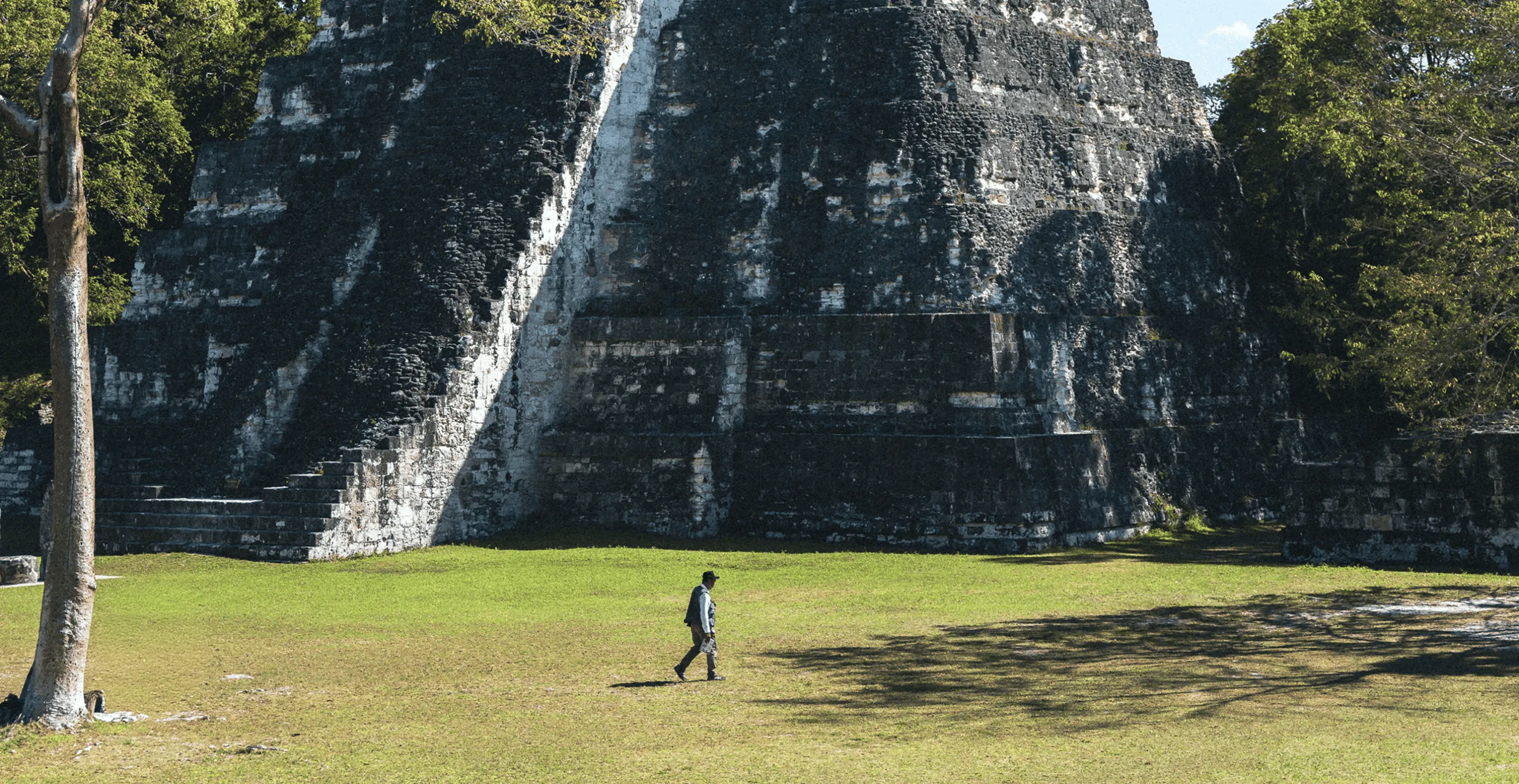
The archaeological site open to the public in Tikal covers around 16 km², within a national park that protects more than 570 km² of tropical rainforest in the department of Petén. Visitors explore the site mainly on foot, following paths that link the main architectural complexes and allow them to discover the site whilst surrounded by nature.
Among the most notable areas of Tikal, Guatemala, are the Great Plaza, the Central Acropolis and the Lost World complex – three key sites for understanding the scale and historical significance of this ancient Mayan city.
Although the tour is well organised and the paths are generally well maintained, it is worth bearing in mind that the distances, heat and humidity can make the visit physically demanding, especially during the middle of the day.
For this reason, many people choose to explore Tikal with a guide, as this helps them to understand the historical, astronomical and cultural significance of the temples, plazas and structures that might otherwise go unnoticed.
Things to do in Tikal
Explore the main ruins and temples of Tikal
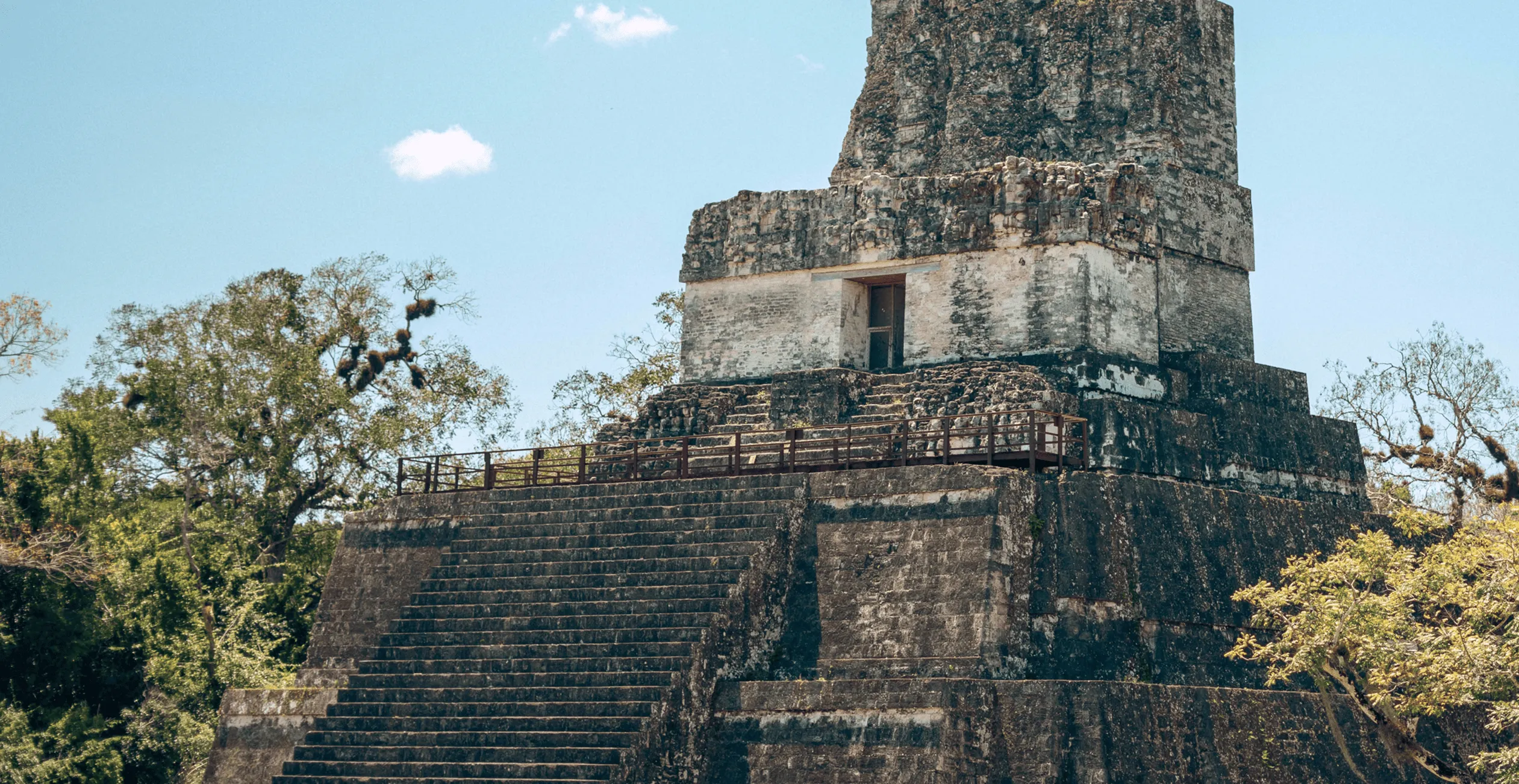
Exploring Tikal is an immersive experience that allows you to grasp the sheer scale of this ancient Mayan city. Iconic sites such as Temple I (Great Jaguar), Temple II and Temple IV help you to imagine how one of Mesoamerica’s most important political, ceremonial and religious centres once functioned.
Walking amongst the plazas, pyramids and ancient archaeological complexes is, without a doubt, the heart of the experience. As well as admiring its monumental architecture, a visit offers a better understanding of the symbolism and sophistication of the Mayan civilisation.
If you’re wondering what to do in Tikal, Guatemala, starting with its main temples and the Great Plaza is an excellent way to explore the site.
Visit the designated viewing points and temples
Although many historic temples can no longer be climbed directly for conservation reasons, there are designated viewing platforms and lookouts offering spectacular views over the rainforest.
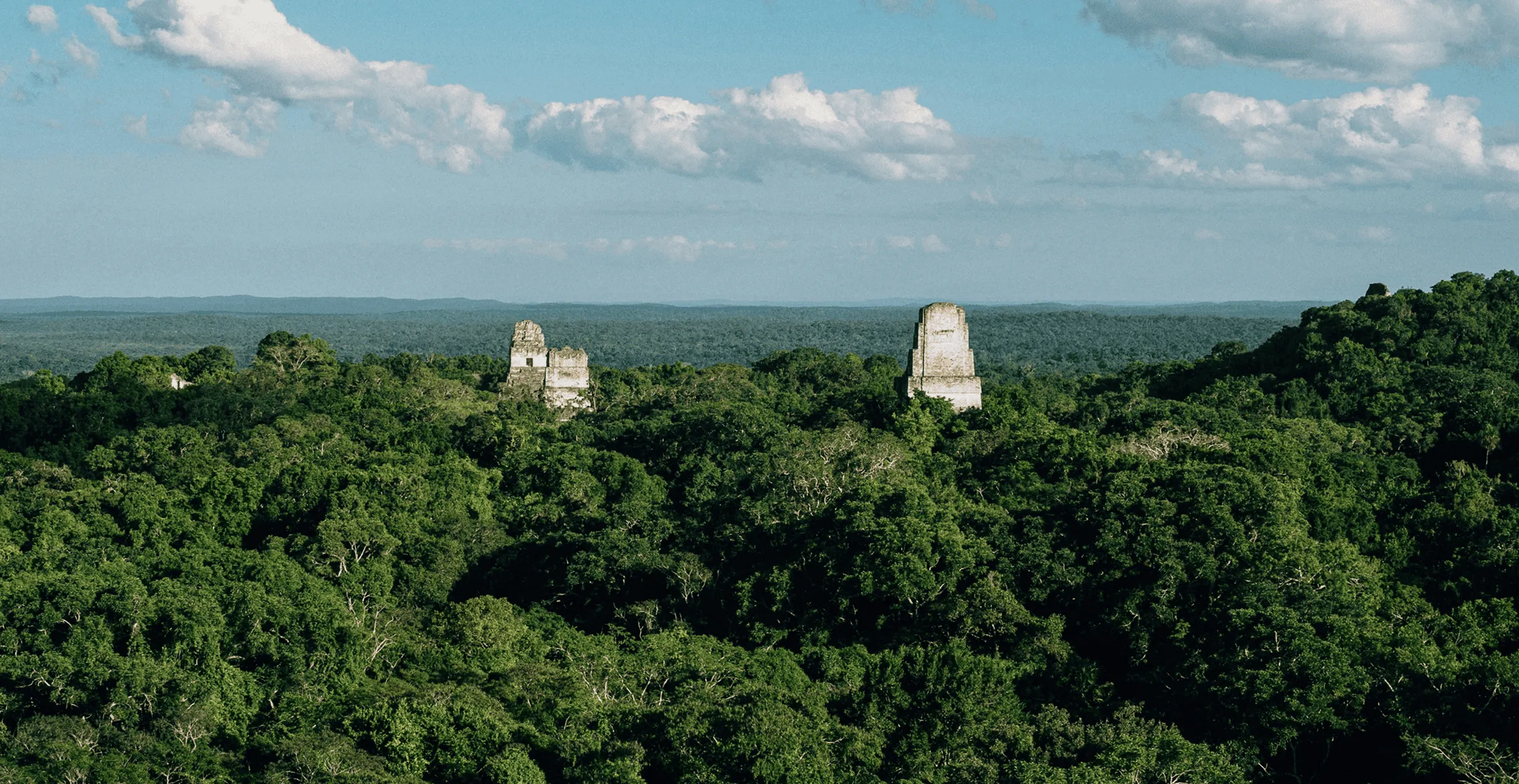
One of the most impressive spots is the area around Temple IV, from where you can see the treetops peeking out amongst ancient Mayan structures – one of Guatemala’s most iconic sights.
Tikal was named a UNESCO World Heritage Site in 1979 thanks to its extraordinary archaeological, historical and natural value, and is one of the few sites in the world recognised for both its cultural heritage and its biodiversity.
Wildlife spotting in Tikal National Park
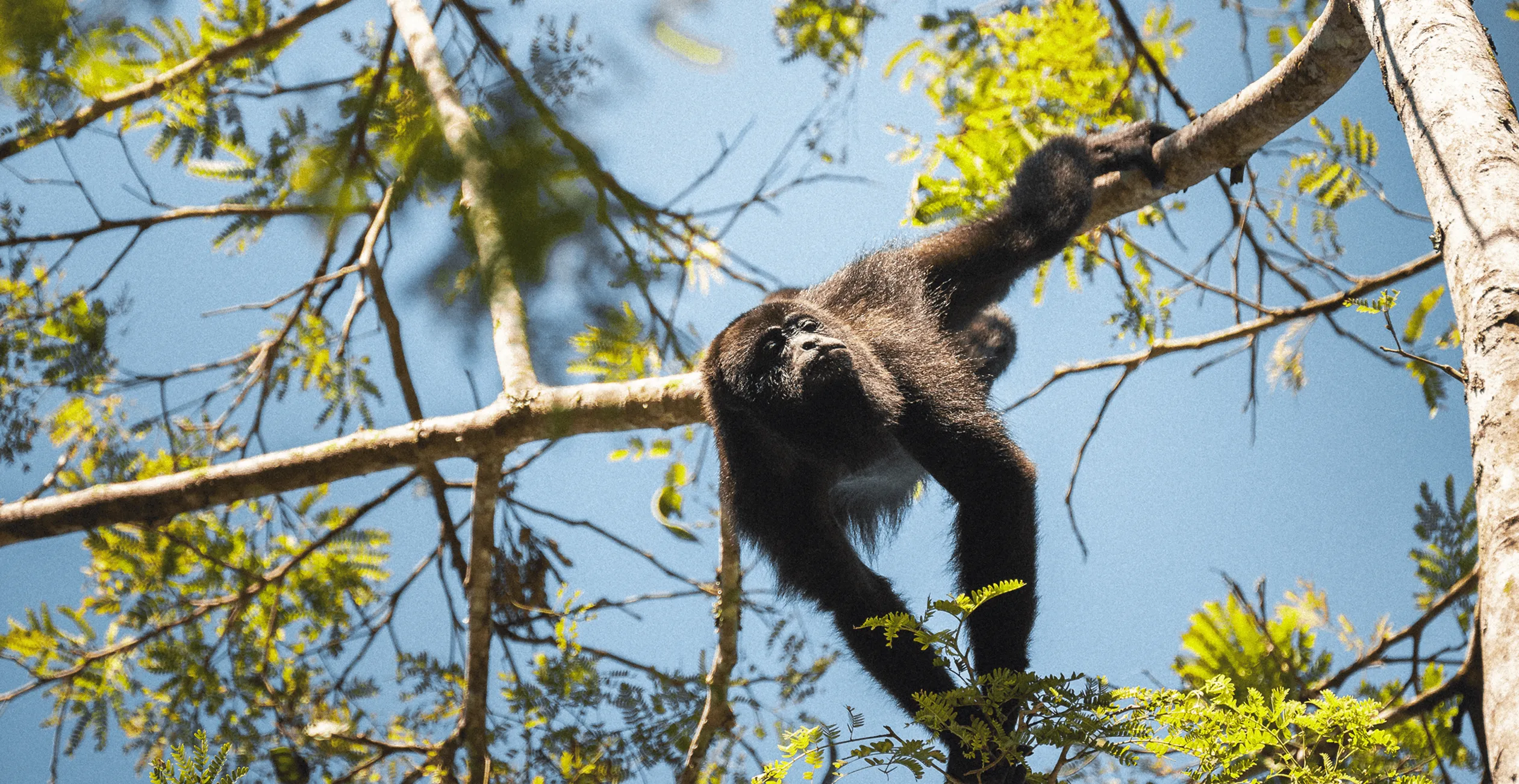
Beyond its archaeological significance, Tikal is also an important nature reserve. The park is home to hundreds of species of birds and mammals, including howler monkeys, spider monkeys, toucans, coatis and ocellated turkeys, which are often spotted during tours.
This combination of cultural heritage and biodiversity makes a visit here a truly unique experience. So, when thinking about what to see in Tikal, Guatemala, you should consider not only its temples but also the jungle surroundings.
Sunrise and sunset tours
Visits at sunrise and sunset are among the most special experiences in Tikal. As well as allowing you to explore the park when there are fewer visitors, they offer the chance to hear the jungle at its most vivid, particularly the sound of howler monkeys as the day begins.
Sunrise in Tikal is usually particularly popular because of the almost mystical atmosphere created by the mist and the sounds of the wildlife, making it one of the most memorable moments of the trip for many travellers.
Other sites
Map of Guatemala’s must-see archaeological sites
Thousands of structures
Tikal is home to thousands of documented archaeological structures, many of which have yet to be excavated. Much of the ancient city remains hidden beneath the vegetation, which continues to arouse enormous archaeological and scientific interest.
Vast nature
Tikal National Park protects more than 570 km² of tropical rainforest, making it one of the most important protected natural areas in Central America. This vast area helps to preserve both the archaeological heritage and the extraordinary biodiversity of the surrounding environment.
UNESCO World Heritage Site
Tikal was inscribed on the UNESCO World Heritage List in 1979, cementing its historical and natural significance on a global scale. In addition to its archaeological importance, it stands out as one of the few sites recognised as both a cultural and natural heritage site.
Top in Latin America
Today, Tikal is regarded as one of the most impressive archaeological sites in Latin America, thanks to the grandeur of its temples, its integration with the jungle and the excellent state of preservation of much of the complex.
For many travellers, it is one of the most memorable highlights of a trip to Guatemala and one of the main reasons for visiting the country.

What to see
Landmarks in Tikal
Use our AI-powered planner to plan your visit to Tikal
Save places, routes and experiences
Archaeological Sites
Other archaeological sites in Guatemala
El Mirador
Quiriguá
Iximché
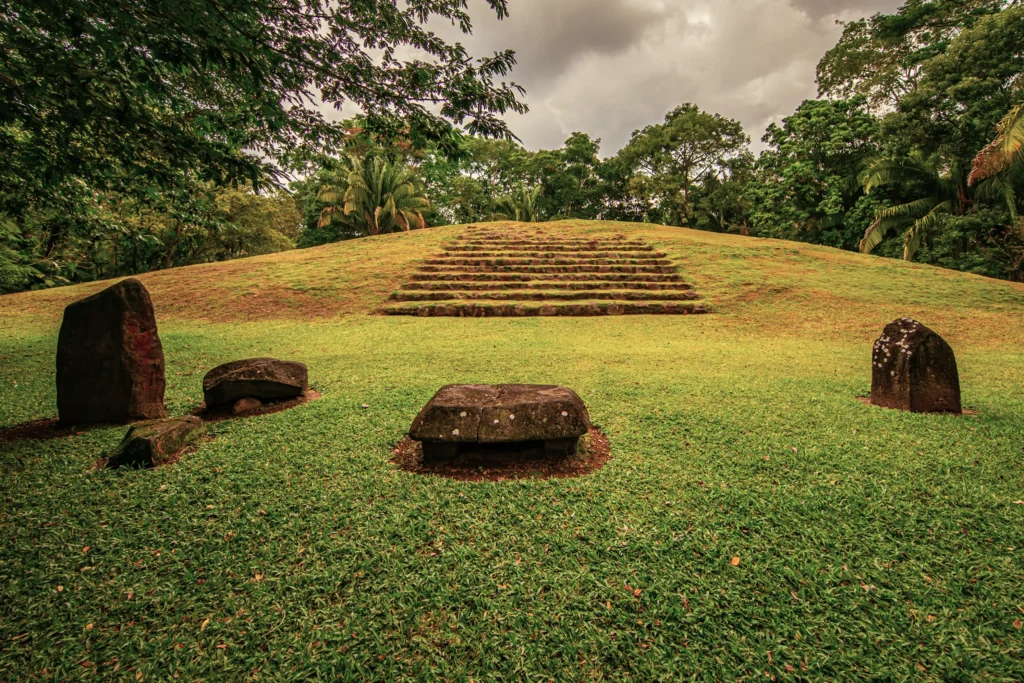
Takalik Abaj
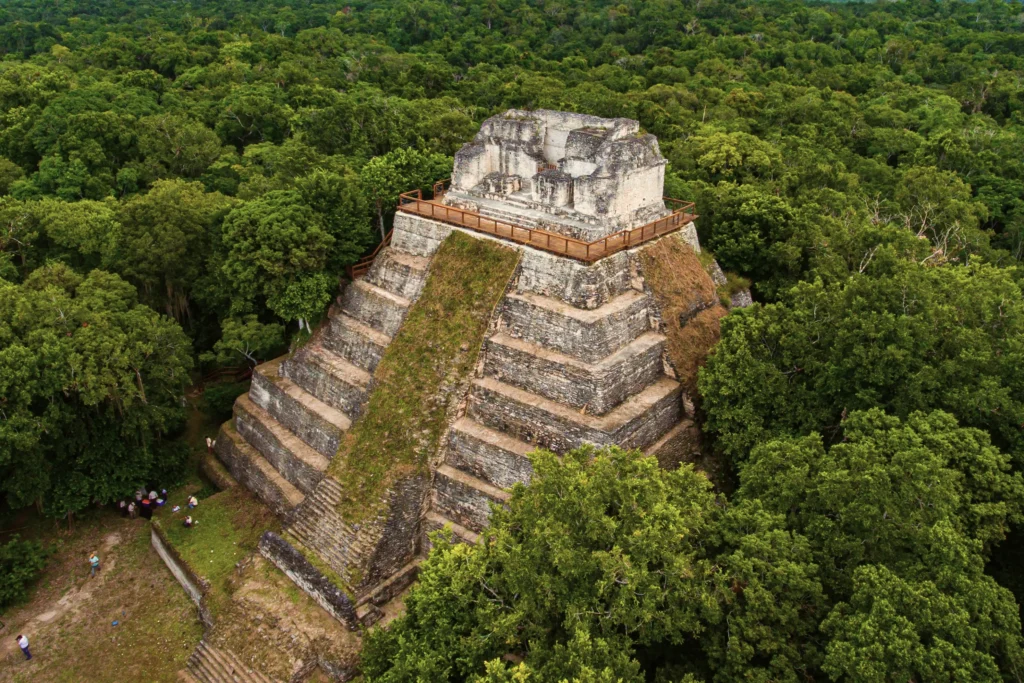
Yaxhá
Blog posts
Interesting articles about Tikal and other sites
The Blue Crater: A guide to visiting this paradise in Petén
Deep in the heart of Petén, where the jungle is dense and the sounds of the city fade away completely, […]
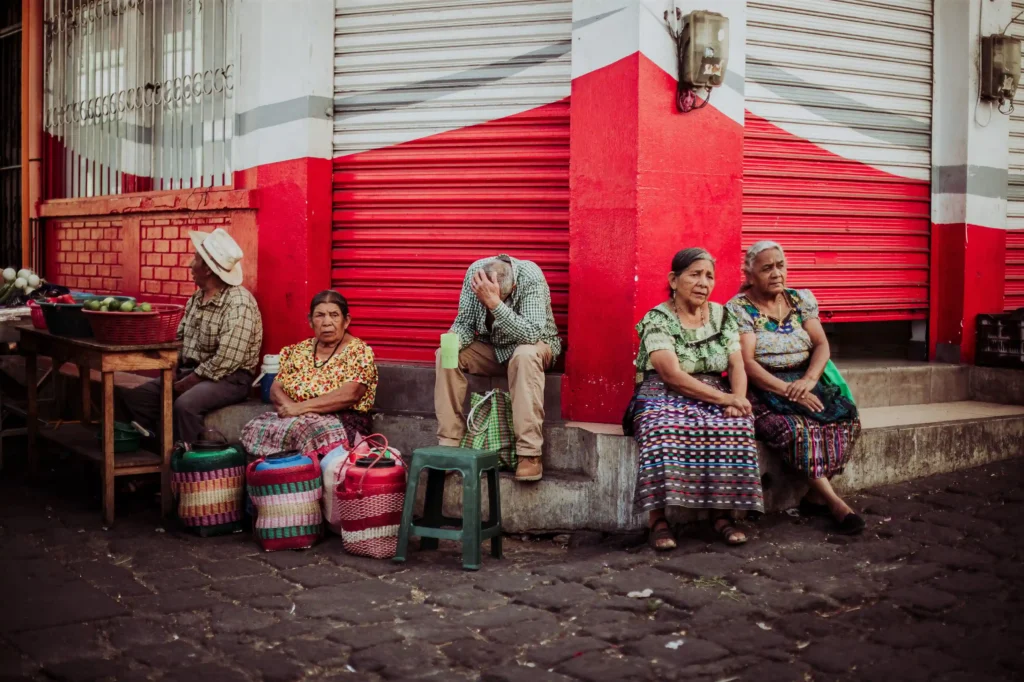
Traditional dress of Quetzaltenango: Discover the history and significance of the Xela dress
Few things connect you as viscerally with the culture of Quetzaltenango as its rich variety of textiles. Strolling through the […]
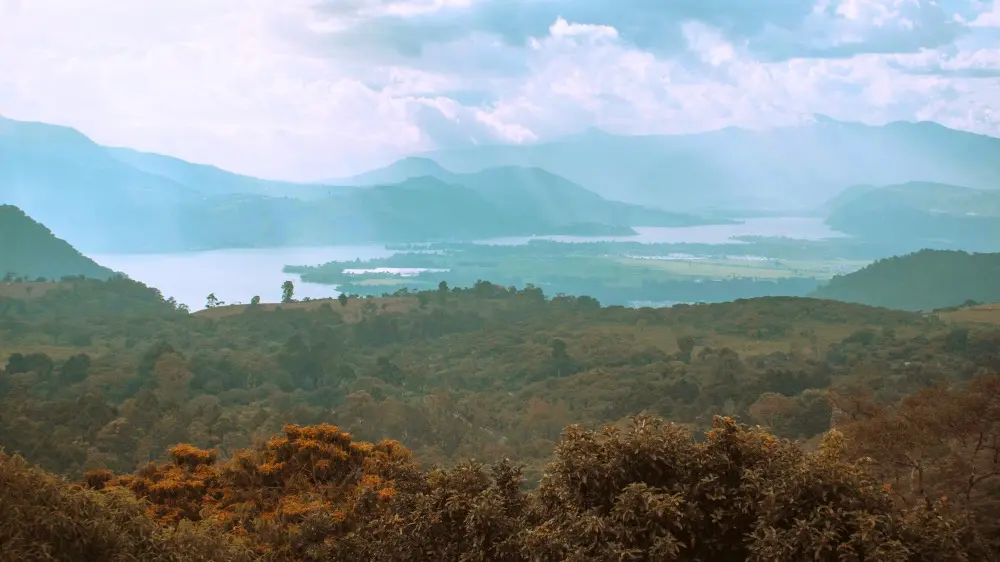
Lake Amatitlán: History, things to do and how to visit it
Lake Amatitlán is a traditional attraction in Guatemala: a must-visit destination for a wonderful experience amongst the volcanoes.
Frequently Asked Questions
What is there to see in Tikal, Guatemala?
Tikal is home to some of the most impressive Mayan temples and structures in the Americas. Among the must-see sites are the Temple of the Great Jaguar, the Temple of the Masks, the Great Plaza and Temple IV, famous for its views over the Petén jungle. As well as the architecture, one of the highlights is exploring trails surrounded by nature and wildlife such as howler monkeys, toucans and coatis.
How long does it take to visit Tikal?
It is advisable to set aside at least a full day to explore the main ruins and trails at a leisurely pace. Many travellers also choose to spend a night near the park or go on a dawn tour, one of the most special experiences in Tikal. If you want to explore less crowded areas and enjoy the natural surroundings, two days are ideal.
Is Tikal worth a visit?
Yes, absolutely. Tikal is one of the world’s most important Mayan archaeological sites and one of Guatemala’s greatest treasures. The combination of monumental temples and tropical jungle creates a unique experience that goes far beyond a simple visit to an archaeological site.
How do you get to Tikal from Flores Island?
The most common way to get there is by tourist shuttle, private car or an organised tour from Flores, with the journey taking approximately 1 to 1.5 hours. You can also hire a car if you prefer greater flexibility. Many hotels and agencies in Flores offer direct transport to the park, including sunrise or sunset tours.