


Guide to Lake Atitlán
The most beautiful lake in the world: surrounded by volcanoes and filled with Mayan spirit
Welcome to Lake Atitlán
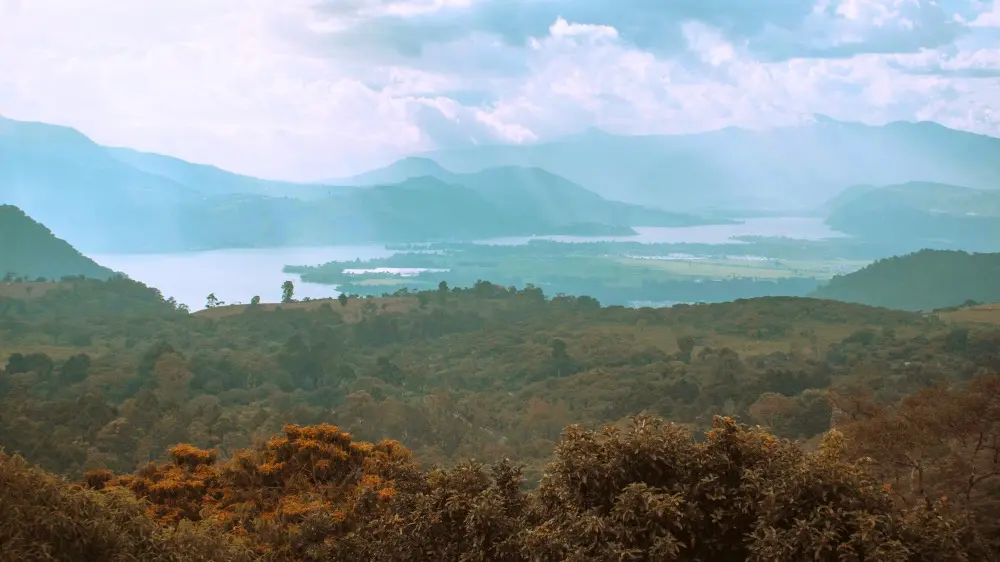
Lake Atitlán is one of Guatemala’s most breathtaking natural destinations and one of Central America’s most recognisable landscapes. Surrounded by volcanoes, Mayan villages and mountains covered in lush vegetation, this volcanic lake has been described for decades as one of the most beautiful in the world, a reputation that continues to attract travellers, photographers and nature lovers.
Situated in the department of Sololá, Lake Atitlán combines spectacular scenery, indigenous traditions, ancestral culture, and a strong spiritual dimension within a diverse and inspiring setting. A trip to Lake Atitlán is a journey of discovery to a place where the daily life of Mayan communities coexists with local markets, craft workshops, hiking trails, accommodation with panoramic views and experiences deeply connected to nature.
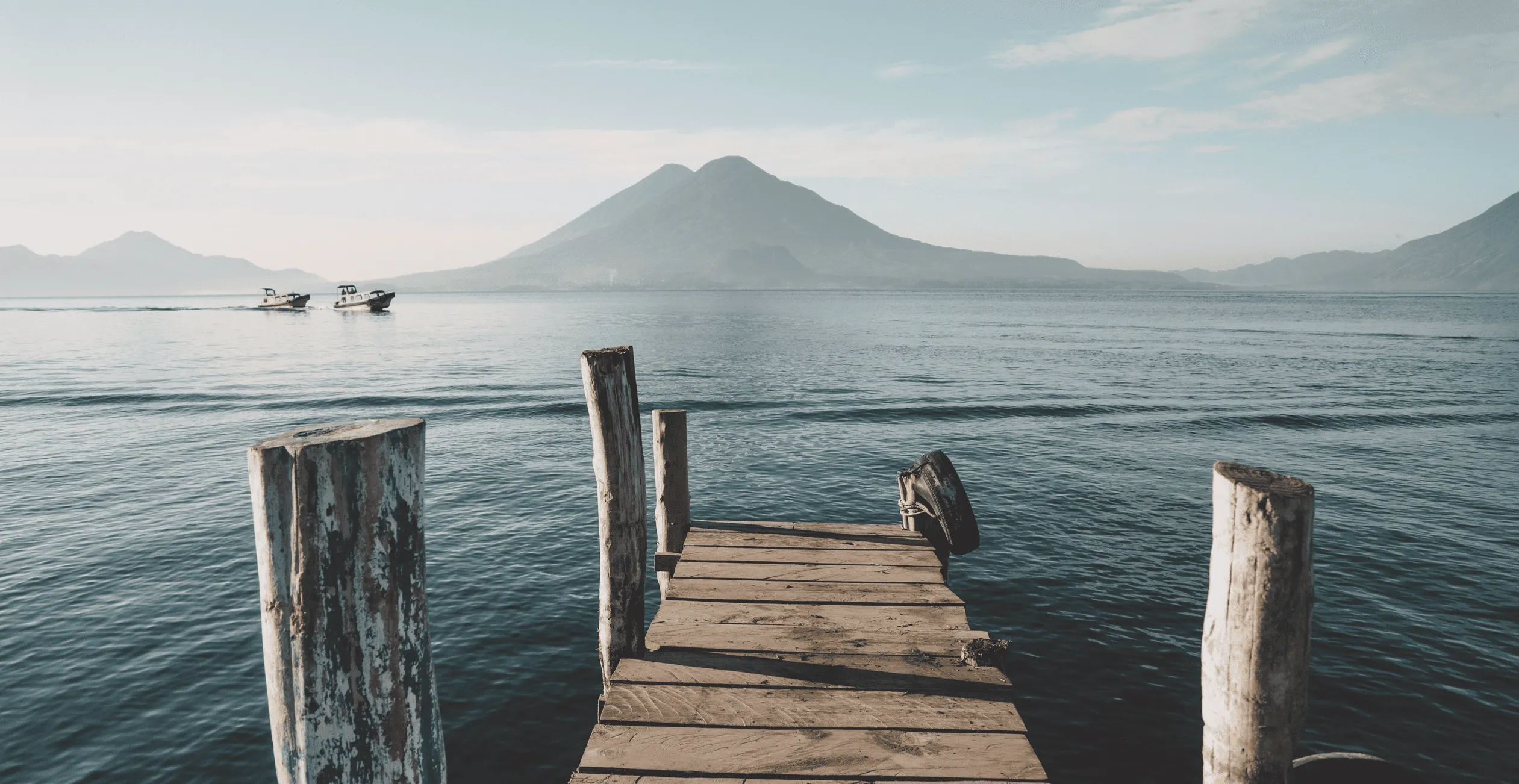
The lake is approximately 2.5 to 4 hours from Guatemala City, depending on traffic and the village chosen as a base. Nestled within an ancient volcanic caldera formed some 84,000 years ago, it is surrounded by some of the country’s most iconic volcanoes, such as San Pedro, Tolimán and Atitlán, creating one of Guatemala’s most spectacular landscapes.
The Origin of Lake Atitlán
The origins of Lake Atitlán are closely linked to the intense volcanic activity that shaped much of the Guatemalan highlands. Around 84,000 years ago, a massive eruption caused the collapse of a large magma chamber, forming the volcanic caldera that today is home to one of the deepest lakes in Central America, with areas exceeding 300 metres in depth.
This geological origin helps to explain many of the features that make Lake Atitlán so special: the mountainous terrain, the fertility of its soil, the microclimate that characterises different communities, and the striking visual impact of a landscape dominated by volcanoes. Furthermore, the combination of depth, light, climate, and reflections creates the shifting hues that make the lake one of Guatemala’s most spectacular natural settings.
But Lake Atitlán isn't merely a destination of great scenic beauty. Since pre-Hispanic times, its shores have been inhabited mainly by Tz’utujil and Kaqchikel Maya communities, whose presence remains very much alive in the local culture. Villages such as Santiago Atitlán, San Juan La Laguna and Santa Catarina Palopó preserve languages, traditions, textiles, ceremonies, and artistic expressions that form an essential part of the destination’s identity.
This ancestral connection between nature, spirituality and living culture has made Lake Atitlán a constant source of artistic inspiration within Guatemala. Its volcanoes, shifting light and lakeside landscapes frequently feature in paintings, textiles, and visual art, reflecting the deep bond between local communities and their surroundings.
Beyond its scenery, travelling to Lake Atitlán also means immersing oneself in a region where history, indigenous identity, and the volcanic landscape remain deeply intertwined.
How to get to Lake Atitlán
Getting to Lake Atitlán is relatively straightforward and is usually well organised for both domestic and international travellers. From Guatemala City, the journey by road usually takes between 2.5 and 4 hours, depending on traffic, the time of departure, and the town chosen as your destination.
The main gateway to the lake is Panajachel, one of the most accessible and best-connected towns in the region. As well as offering a wide range of accommodation, restaurants and tourist services, Panajachel is a hub for much of the overland transport and the main jetties from which boats depart for other communities around the lake.
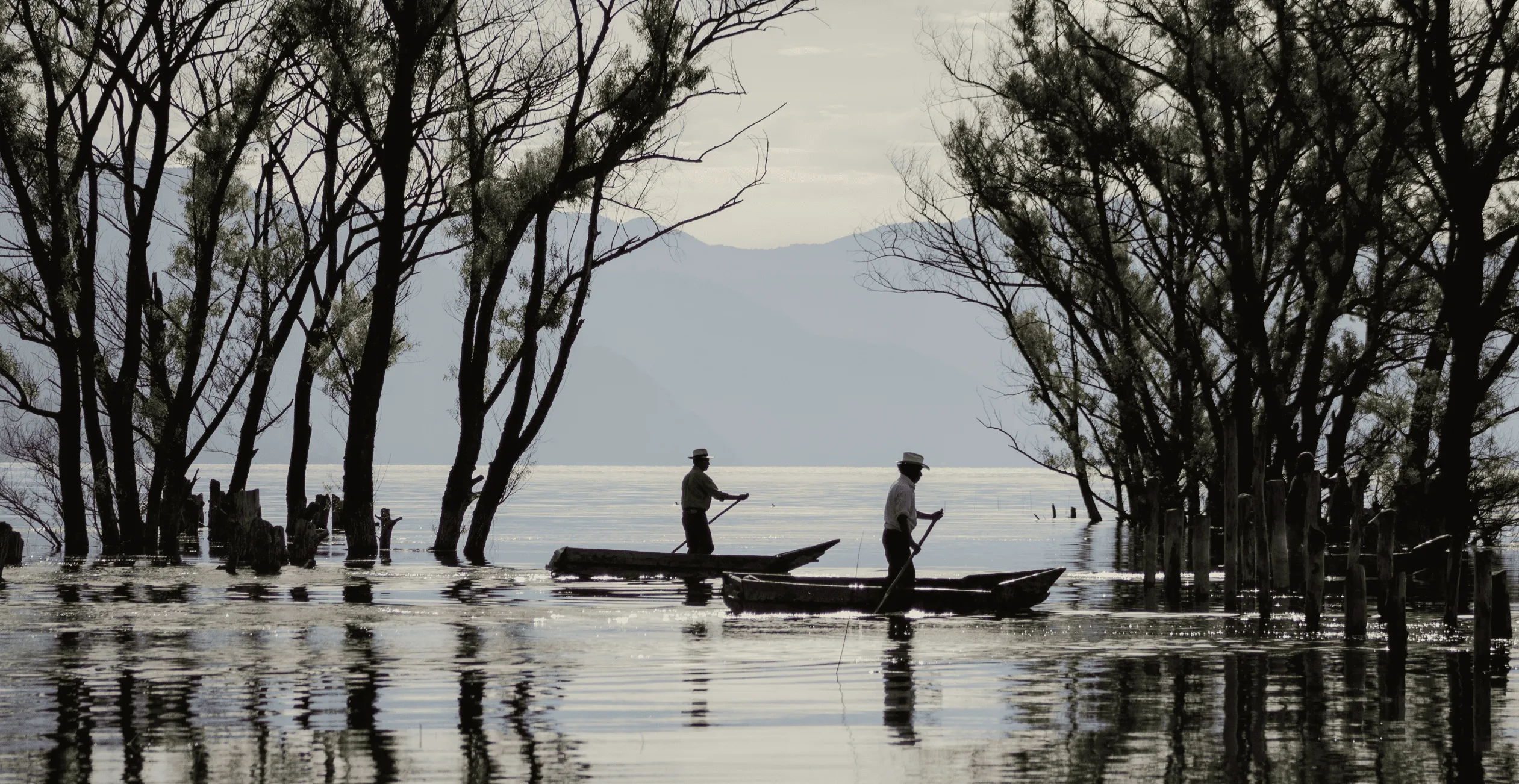
From here, public and private boats provide easy connections to villages such as San Marcos La Laguna, San Juan La Laguna, Santa Cruz La Laguna, Santiago Atitlán and other lakeside destinations. As well as being a practical means of transport, these journeys offer some of the best views of Lake Atitlán, with panoramic vistas of volcanoes, mountains and Mayan villages nestled by the water’s edge.
Thanks to this connectivity, travelling to Lake Atitlán is convenient for both short getaways and longer stays as part of a tour of Guatemala. Furthermore, travelling between villages is part of the experience and allows you to discover the lake from very different perspectives.
When to visit
Lake Atitlán can be visited all year round thanks to its mild climate and the variety of experiences it offers in every season. However, the most popular time to visit usually coincides with the dry season, between November and April, when rainfall is less frequent and the views of the volcanoes are generally clearer.
During these months, the weather is particularly pleasant for hiking, exploring villages, enjoying boat trips or simply admiring the scenery from one of the lake’s viewpoints. For this reason, many people consider this period to be one of the best times to visit Lake Atitlán.
The green season, between May and October, also has a special appeal. The mountains are covered in lush vegetation, the surroundings become even more vibrant, and, in many cases, you can find a more peaceful atmosphere and better accommodation rates. Although the rain tends to fall in the afternoons, the lake retains much of its charm and can be an ideal time for those who enjoy photography, nature, or a more leisurely pace of travel.
Thanks to its altitude and temperatures that generally range from around 18 °C to 26 °C, Lake Atitlán offers a pleasant climate for much of the year. This allows you to combine walks, cultural visits, boat trips, and moments of relaxation by the water without the extreme temperatures found in other parts of the country.
If you’re wondering when to visit Lake Atitlán, the answer will depend on the kind of experience you’re looking for: clearer skies and more tourist activity during the dry season, or greener, more peaceful landscapes during the rainy season.
Accessibility
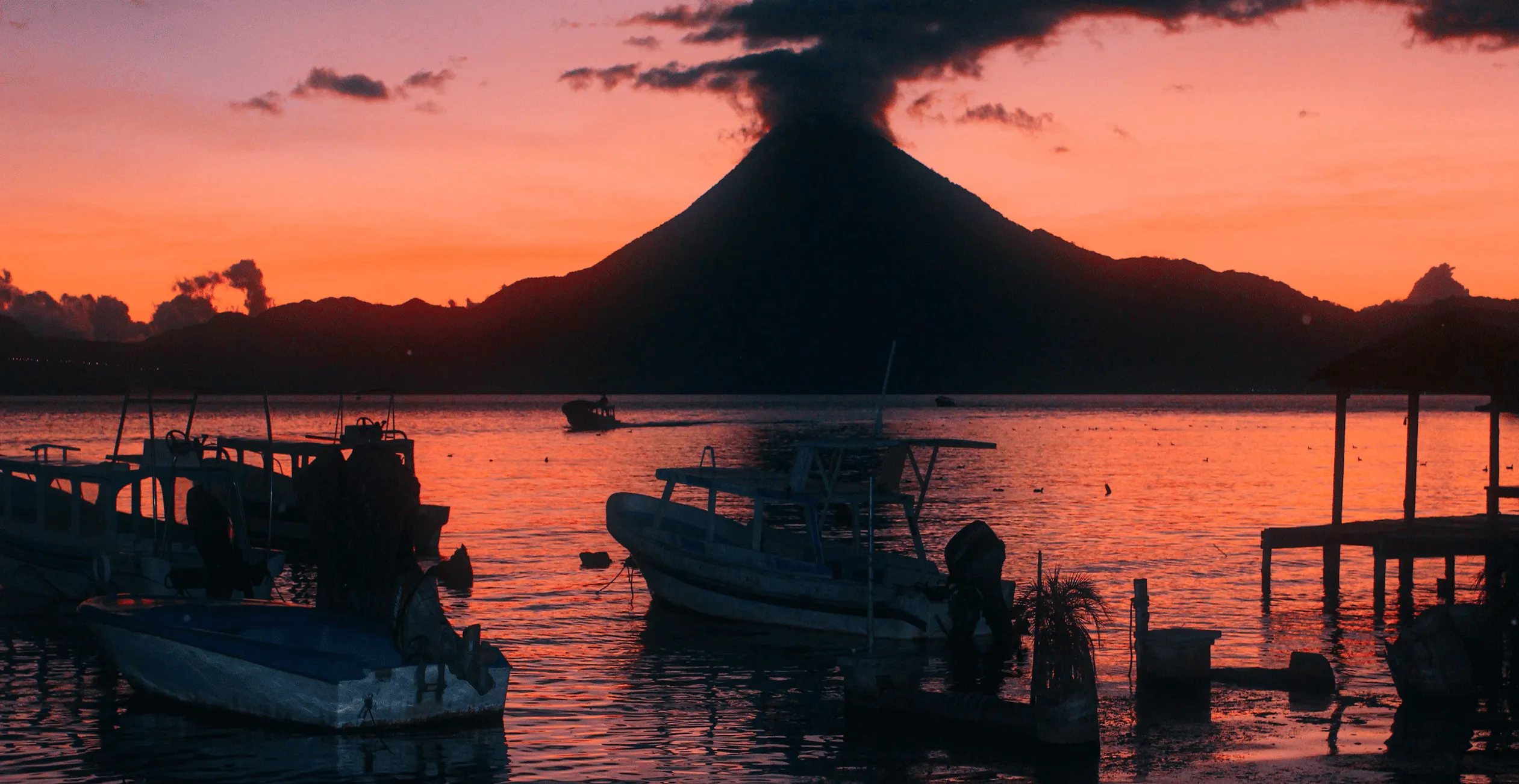
Transport around Lake Atitlán revolves mainly around lake transport. Public and private boats connect most of the villages from Panajachel and serve as the main means of travel between communities. As well as being practical, they offer some of the best views of the lake and make journeys part of the travel experience.
Although timetables may vary depending on the weather, demand, or the time of day, services are usually frequent between the most popular villages, such as San Marcos La Laguna, San Juan La Laguna, Santa Cruz La Laguna, and Santiago Atitlán.
By road, Panajachel is the main gateway to the lake and has good connections to Sololá, Antigua Guatemala, and Guatemala City via tourist shuttles, private transport, and local buses. From there, it is relatively easy to plan itineraries depending on the time available and the kind of experience you wish to have.
Each village offers a different experience. Panajachel is usually the most practical option due to its services and transport links; San Marcos La Laguna attracts those seeking wellness, retreats, and tranquillity; San Juan La Laguna stands out for its art, textile cooperatives, and cultural atmosphere, whilst Santa Cruz La Laguna offers accommodation with spectacular views, although this usually requires travelling by boat.
As for accessibility, it's worth bearing in mind that conditions can vary considerably between villages. Steep slopes, uneven streets, jetties, and boat access can make some journeys more challenging for people with reduced mobility, although certain hotels and tourist sites have been gradually introducing improvements.
Thanks to its network of water and land transport, Lake Atitlán remains one of the most accessible destinations for exploring the Guatemalan highlands without needing to hire a car.
Things to do at Lake Atitlán
Explore the lakeside villages
Exploring the villages around Lake Atitlán is one of the most enriching experiences the destination has to offer. Each community offers a different perspective on the lake and the Maya culture that remains very much alive in the region.
San Juan La Laguna stands out for its art galleries, murals, textile cooperatives, and community projects. Santiago Atitlán retains a strong Tz’utujil identity and a particularly authentic local way of life. Santa Catarina Palopó catches the eye with its colourful façades and visual restoration projects, whilst San Marcos La Laguna is known for its spiritual atmosphere, retreats, yoga, and wellness activities.
Visiting different villages helps you realise that Lake Atitlán isn't a single destination, but a collection of communities with very distinct rhythms, traditions, and characters.
Go sailing and enjoy the volcanic landscape
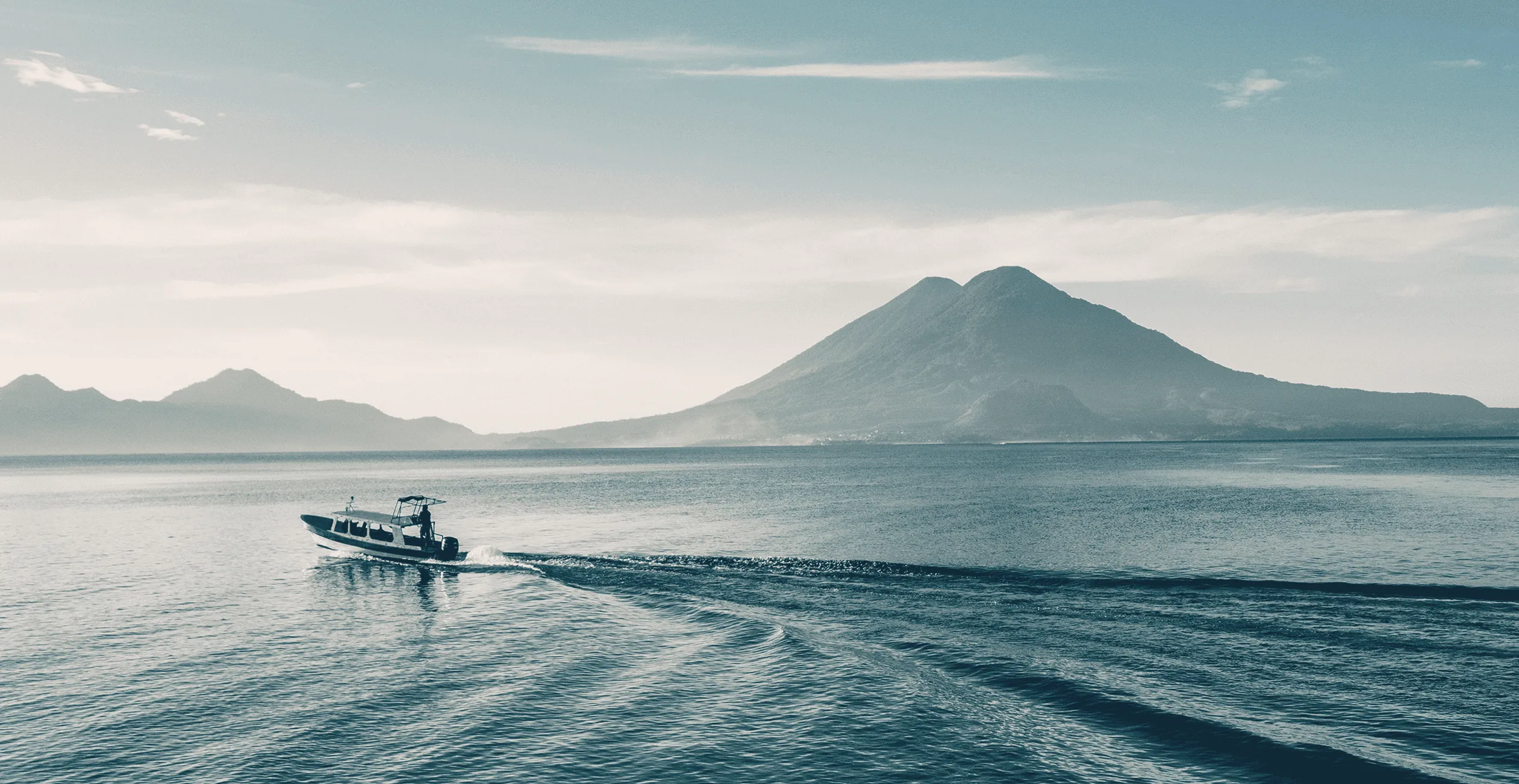
Sailing on Lake Atitlán is one of the best ways to appreciate the scale of the landscape and understand the magnitude of the ancient volcanic caldera in which it lies.
Public and private boats connect the various villages around the lake and, as well as being a practical means of transport, offer spectacular views of volcanoes, mountains and small communities nestled by the water’s edge. It is also an excellent opportunity to take photographs and enjoy a completely different perspective of the surroundings.
Hiking and viewpoints
Trails and viewing points offering panoramic views of Lake Atitlán set off from villages such as Santa Cruz La Laguna, San Marcos La Laguna, and San Juan La Laguna. These routes allow you to see the lake from different angles and discover some of Guatemala’s most photogenic landscapes.
Hiking in the region can be tailored to different levels of difficulty, ranging from gentle walks between villages to more challenging routes. For many travellers, the views over the lake and the volcanoes are one of the main reasons for visiting Atitlán.
Choosing where to stay
Choosing where to stay on Lake Atitlán is part of the experience, as each village offers a completely different atmosphere.
Panajachel is usually the most practical option thanks to its amenities, accessibility, and transport links. San Marcos La Laguna appeals to those seeking wellness, yoga, and spiritual retreats. San Juan La Laguna is ideal for travellers interested in art, local culture, and a peaceful stay, whilst Santa Cruz La Laguna stands out for its accommodation with panoramic views and a more relaxed atmosphere.
Choosing your base wisely can completely set the pace and shape the kind of experience you have by the lake.
Places
Map of Guatemala’s must-see lakes
A lake of volcanic origin
Lake Atitlán was formed approximately 84,000 years ago following a massive volcanic eruption that created the caldera we see today. This geological origin explains much of its depth, its distinctive shape, and the stunning landscape that surrounds it.
One of the deepest lakes in Central America
With depths exceeding 300 metres in places, Lake Atitlán is one of the deepest lakes in the region. Its changing colours, the reflection of the volcanoes, and the mountainous surroundings all contribute to the sense of mystery and beauty that characterises it.
Living Mayan communities
Around the lake lie numerous villages with a strong Maya identity, many of them of Tz’utujil or Kaqchikel origin. Traditions, languages, textiles, markets, and ways of life continue to play a central role in everyday life, making the trip a deeply enriching cultural experience as well.
Three volcanoes that shape the landscape
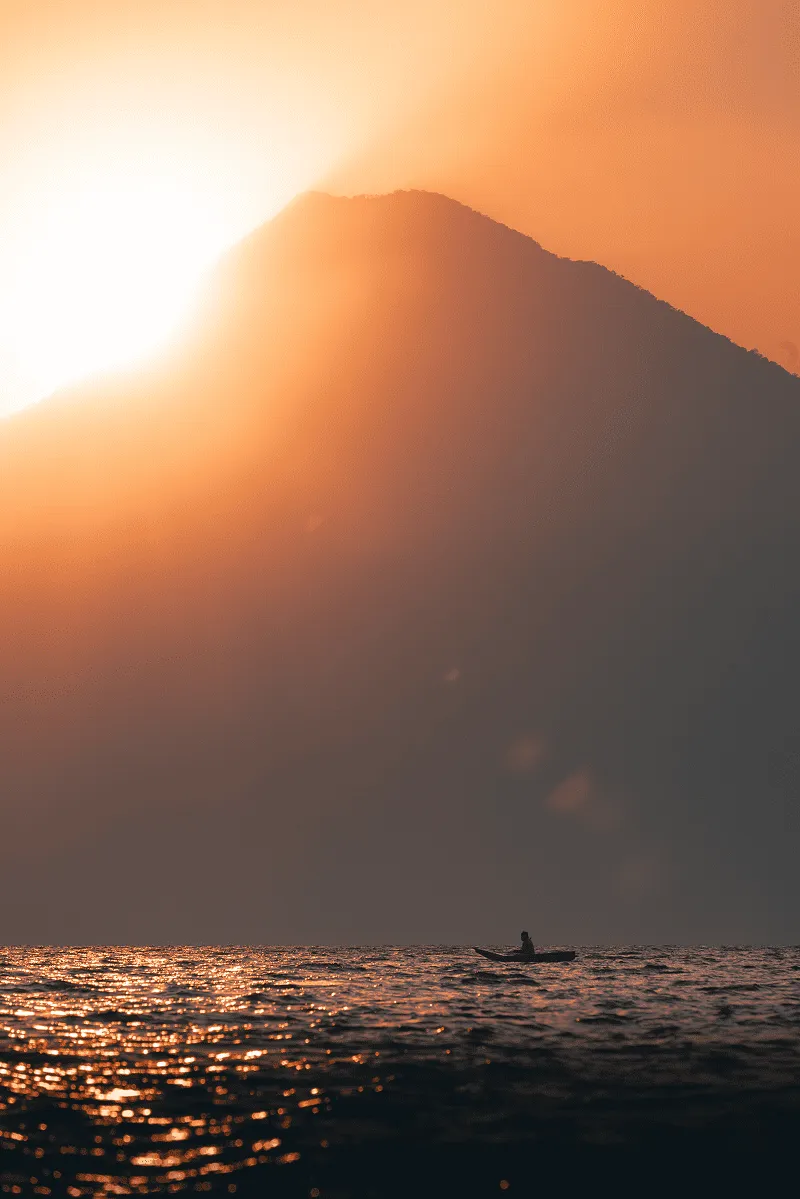
The San Pedro, Tolimán, and Atitlán volcanoes form the lake’s natural backdrop and create one of Guatemala’s most iconic panoramas. This volcanic landscape is one of the main reasons why Lake Atitlán attracts travellers, photographers, and nature lovers from all over the world every year.

What to see
Landmarks around Lake Atitlán
Use our AI-powered planner to plan your visit to Lake Atitlán
Save places, routes, and experiences
Natural destinations
Other natural wonders in Guatemala
Laguna Lachuá National Park
Quetzal Biotope
Pacaya Volcano
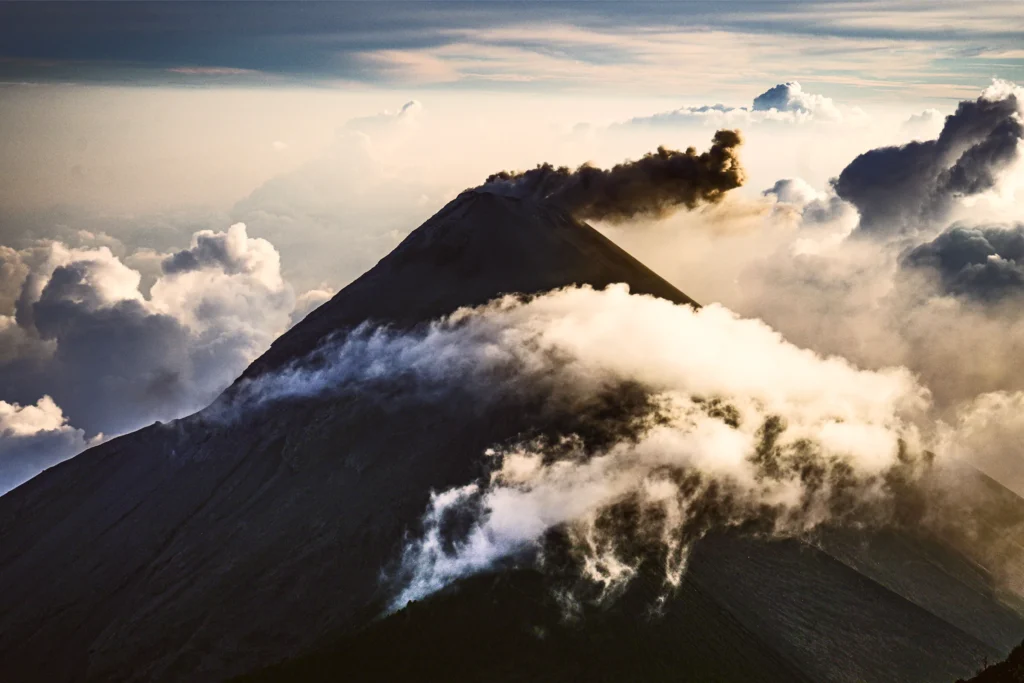
Acatenango Volcano
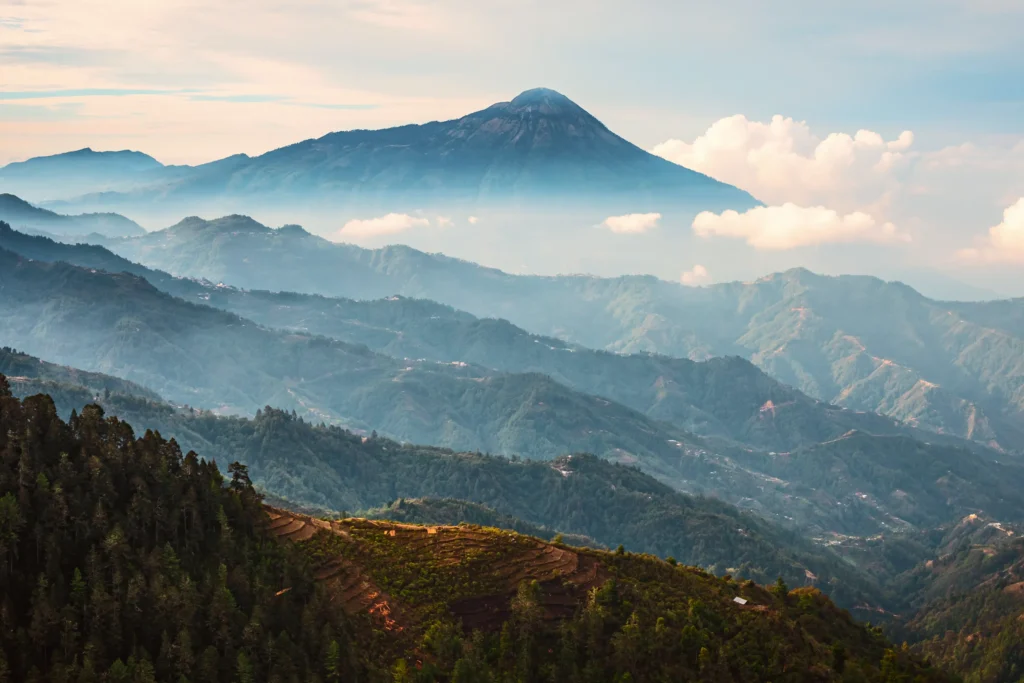
Tajumulco Volcano
Blog posts
Interesting articles about Lake Atitlán and other places
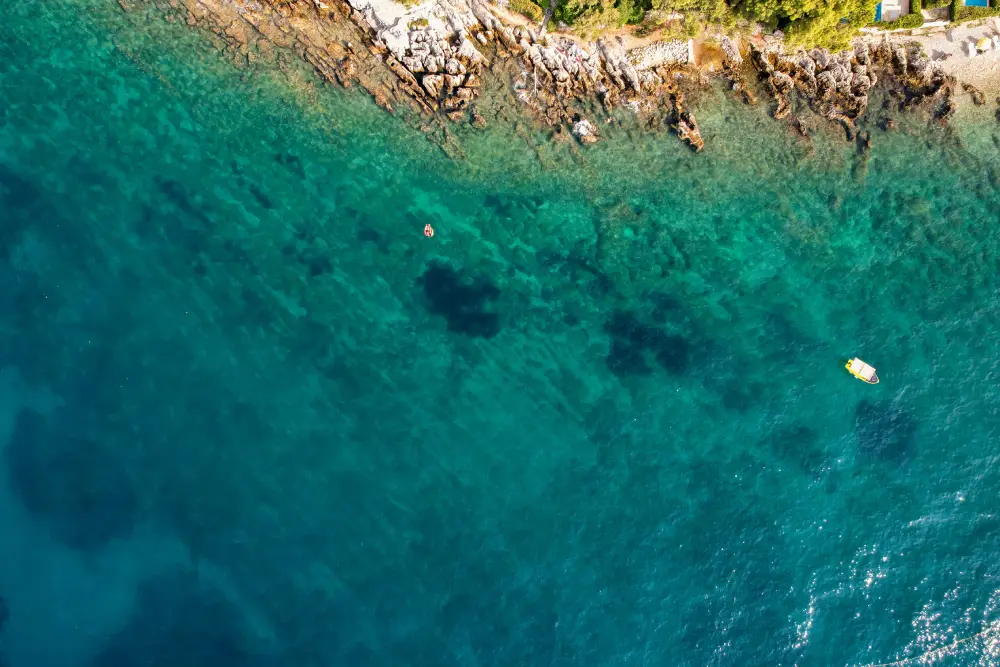
The Blue Crater: A guide to visiting this paradise in Petén
Deep in the heart of Petén, where the jungle is dense and the sounds of the city fade away completely, […]
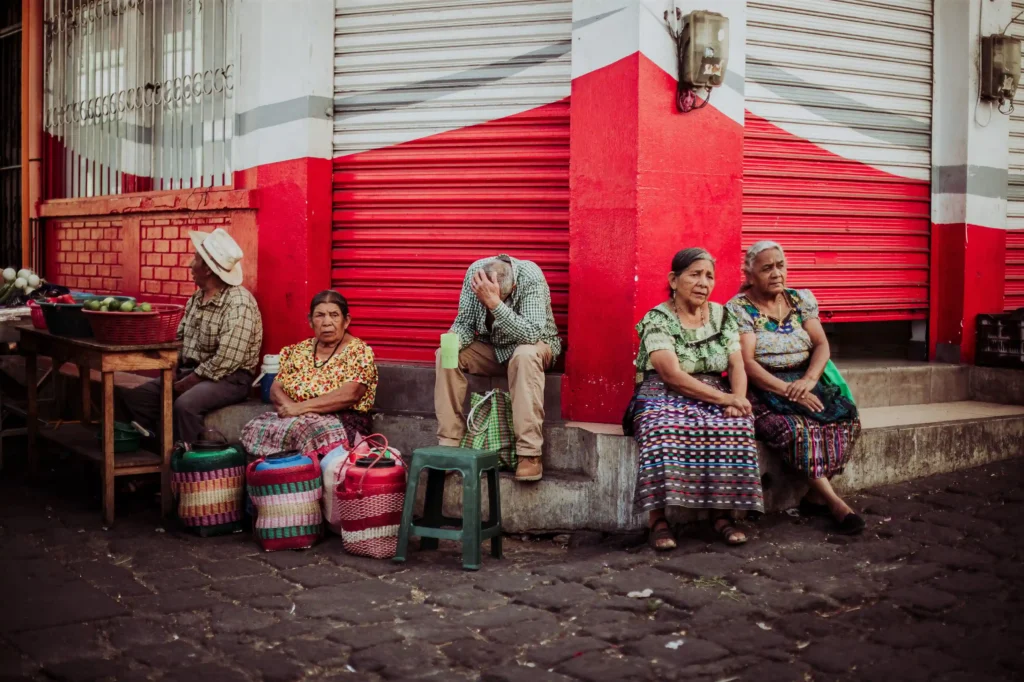
Traditional dress of Quetzaltenango: Discover the history and significance of the Xela dress
Few things connect you as viscerally with the culture of Quetzaltenango as its rich variety of textiles. Strolling through the […]
Lake Amatitlán: History, things to do and how to visit it
Lake Amatitlán is a traditional attraction in Guatemala: a must-visit destination for a wonderful experience amongst the volcanoes.
Frequently Asked Questions
What is there to do at Lake Atitlán, Guatemala?
At Lake Atitlán, you can combine nature, culture, and adventure. Some of the most popular activities include exploring the Maya villages around the lake by boat, going hiking or kayaking, visiting craft markets, and enjoying views of the volcanoes. Villages such as Panajachel, San Juan La Laguna, and San Pedro La Laguna offer very different experiences, ranging from local art and cuisine to a relaxed atmosphere and nightlife.
How many days are recommended for a visit to Lake Atitlán?
Ideally, you should set aside between 2 and 4 days to enjoy the lake at a leisurely pace. During that time, you can visit several villages, take part in outdoor activities, and soak up the experience without rushing. If you’d also like to go on excursions, go hiking, or simply unwind for a few days, it’s worth extending your stay.
Is Lake Atitlán worth a visit?
Yes, it's one of the most breathtaking destinations in Guatemala and one of the most beautiful lakes in Latin America. The combination of volcanoes, Maya villages, local culture, and natural landscapes creates a unique experience that is hard to find elsewhere in Central America.
What is the best place to stay when visiting Lake Atitlán?
Panajachel is usually the most practical base due to its transport links, accommodation, and tourist facilities. However, if you’re looking for a quieter or more alternative experience, villages such as San Marcos La Laguna, San Juan La Laguna, or San Pedro La Laguna may be a better fit, depending on your preferred style of travel.