The dances of Guatemala are among the liveliest and most colourful cultural expressions in the whole of Mesoamerica. In these dances, the music of the marimba and the wooden masks take centre stage, lending character to dances that are not only sacred rituals but also living stories that have stood the test of time. They are, therefore, far more than mere choreographed performances.
Just like its cuisine and art, Guatemala’s traditional dances are another example of the cultural mix found in the country, where pre-Hispanic influences and colonial traditions have merged.
In this travel guide, we encourage you to discover a side of Guatemalan culture that not many people are familiar with, and we’ll tell you about the best places to watch the country’s most iconic folk dances.
The history and significance of dances in Guatemala
The Mayan, colonial and mestizo origins of Guatemalan dances
Guatemalan dances have their roots in the pre-Hispanic period and in the Mayan tradition. Before the arrival of the Spanish, the Maya used this form of expression as a sacred language through which to communicate with the gods and creators. These dances were commonly accompanied by a wooden drum and reed flutes. With these instruments, they celebrated the arrival of a new agricultural season or invoked protection, amongst other things. One of the best-preserved dances from this period of Guatemalan history is the Rabinal Achí, which is also accompanied by dialogue and represents a literary work of Mayan culture.

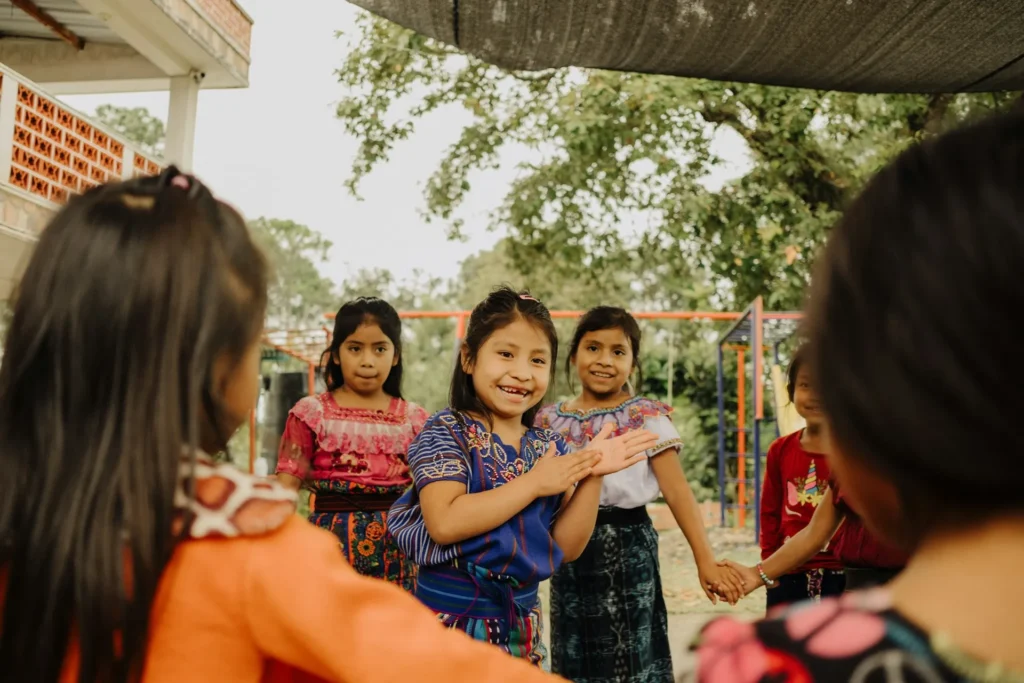
With the arrival of Spanish colonisation in the 16th century, the Catholic Church used dance as a means of evangelising the people of Guatemala. They did so by introducing traditions from Spain, such as the Dance of the Moors and Christians. The locals, for their part, adopted these dances, but incorporated subtle modifications drawn from their own culture, thus giving rise to a unique form of syncretism within the realm of religious dance.
As a result of this blend of Mayan and colonial traditions, mestizo dances emerged, in which humour and satire feature prominently. Examples of this include the Baile de los Pescarines and the Baile de los Convites. In both, the dancers dress up to satirise figures from their history, both past and present, creating a kind of collective catharsis.
Cultural and social context of the different regions
As you may know, Guatemala’s geography is very diverse, and this has shaped the character of its dances, meaning that folk dance styles vary from one region to another. In the western Altiplano, for example, the dances tend to be more mystical and solemn, and can be seen during the patron saint festivals. Furthermore, the dancers prepare thoroughly.
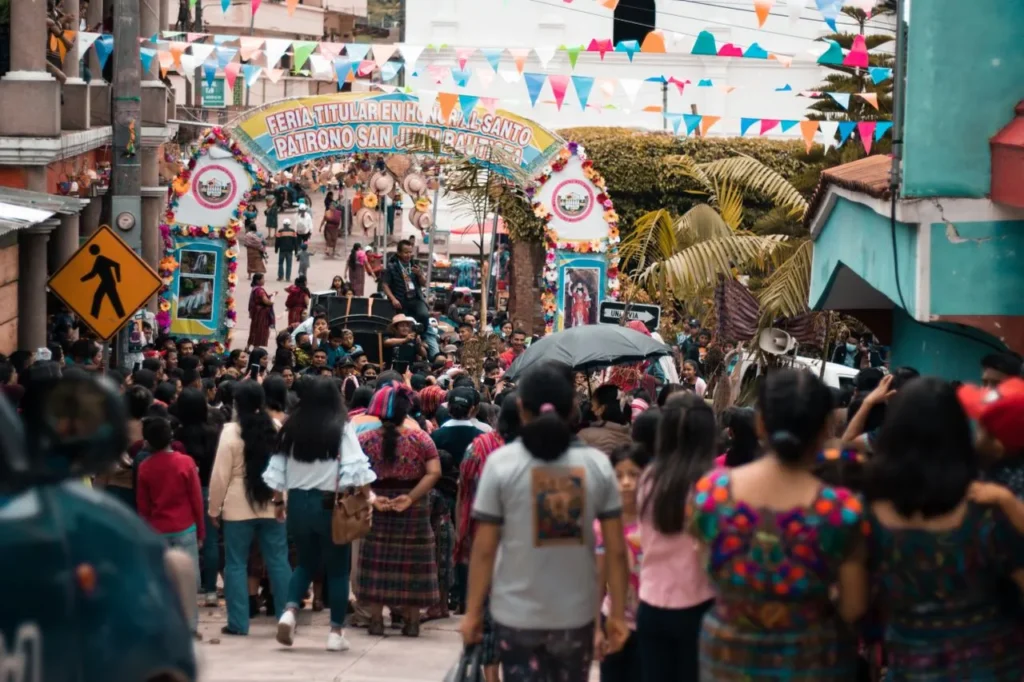
In the Verapaces region, which is mountainous and rich in natural beauty, the dances have a strong connection with the natural environment. Dances that mimic courtship or the hunting of animals are very typical, reflecting the heritage of the Q’eqchi’ and Achí Mayan communities. It's in the south and east that we can see mestizo-style dances in all their splendour. These dances tend to be livelier and have a more festive atmosphere. Unlike the previous ones, they lack that ceremonial backdrop. Marimba music also plays a prominent role.
Finally, in the Garifuna region of the department of Izabal (also known as the Guatemalan Caribbean), the African heritage and the indigenous Caribbean legacy are very much in evidence. As you can imagine, these dances are completely different from those of other regions and are characterised by a much more frenetic rhythm, as well as more energetic body movements. The Yancunú and the Punta are examples of this style of dance, and they often symbolise freedom, resistance and the memory of ancestors.
- We invite you to read our article about the history and culture of the Garifuna people.
The most representative traditional dances of Guatemala, by region
Dance of the Deer (Alta Verapaz)
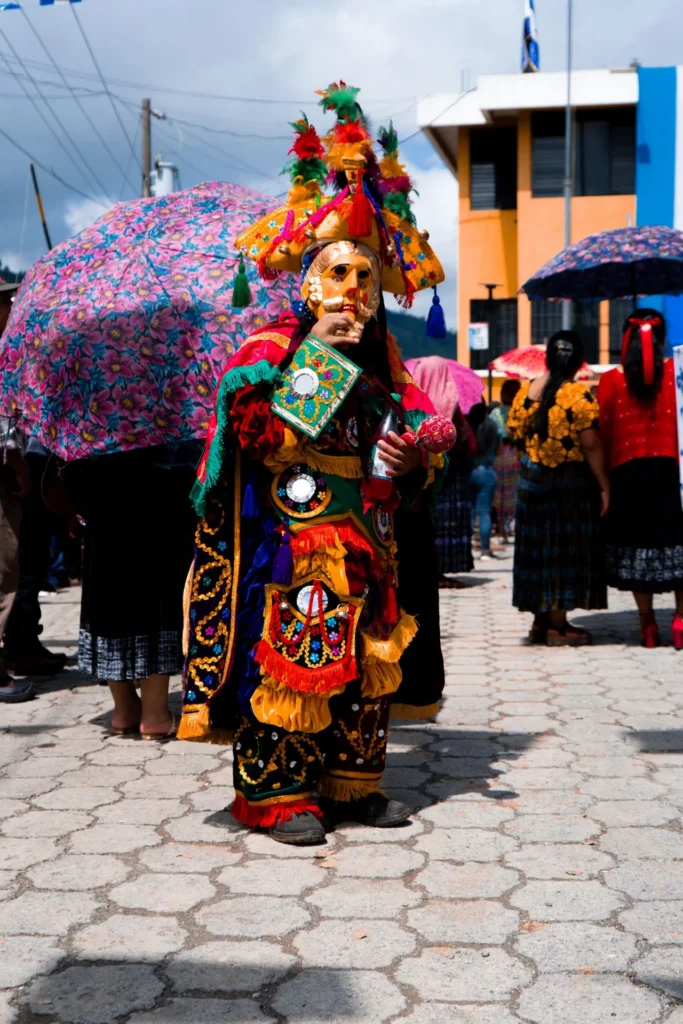
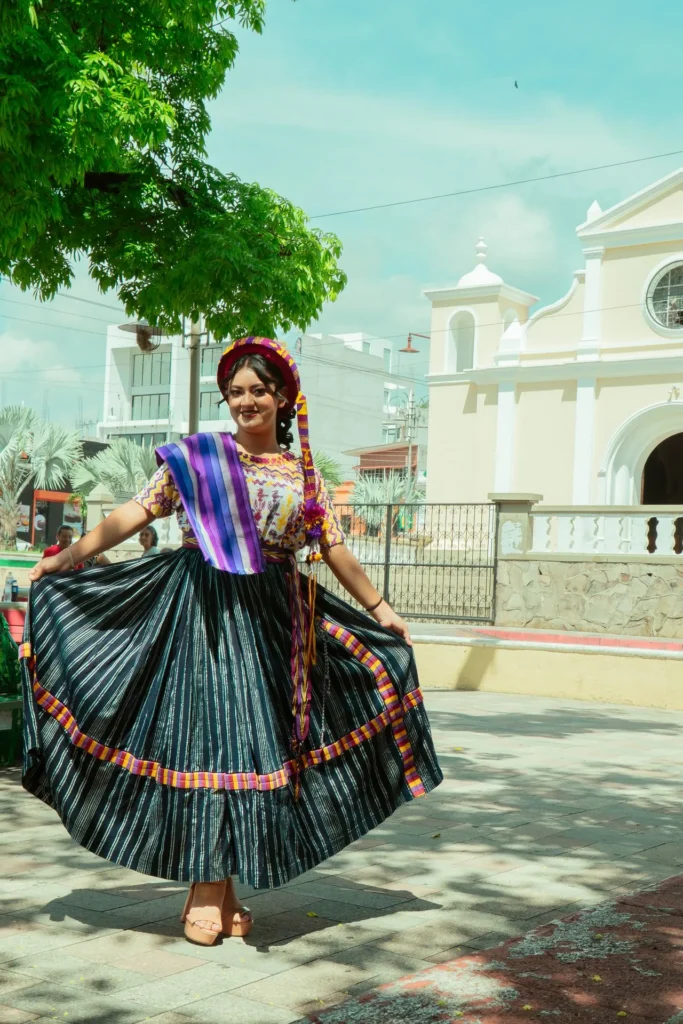
The Dance of the Deer is one of Guatemala’s oldest cultural traditions, reflecting the Mayan communities’ connection with and respect for nature and the spirits of the forest. Although it's performed in various parts of the Altiplano, in Alta Verapaz it has a unique character developed by the Q’eqchi’ Maya community. Specifically, this dance re-enacts a hunt, depicting the deer, the hunters and the dogs chasing them.
The dancers wear heavy furs during the performance – and these are genuine, too. But the real stars of the show are the hand-carved wooden masks that move to the rhythm of the marimba.
Dance of the Moors and Christians (Quetzaltenango)
This Guatemalan dance is a clear example of the religious syncretism that has developed in the country. It was introduced during the colonial era by 16th-century Spanish friars to evangelise the population, as we have already mentioned. The dances re-enact the Spanish Reconquista and the victory of Catholicism over Islam, but the locals have infused this dance with their own energy.
The Guatemalan Moors and Christians dance is notable for its riot of colour, which comes mainly from the costumes worn by the participants. In this case, wooden masks are also used, painted with European features. And, once again, the marimba always accompanies the movements.
Dance of the Conquest and other folk dances (Antigua and Guatemala)
It's in these areas that we find the Guatemalan dances with the strongest patriotic, historical and theatrical character. The Dance of the Conquest, which is very common in the area around Antigua Guatemala, recounts the tragic clash between the K’iche’ Maya prince Tecún Umán and the Spanish conquistador Pedro de Alvarado. In the end, Tecún Umán is killed and the indigenous people end up converting to Christianity. If you get the chance to see it, you’ll be impressed by the costumes, which are extremely elaborate.
We mustn’t forget to mention the so-called ‘Convites’ and the ‘Bailes de Gigantes’, as these Guatemalan dances are highly representative of the central region. They are characterised by their vibrant colours and cheerful nature. Masks are worn, but in this case they are those of giants (cabezudos) representing historical figures. The aim of these dances is to bring the community together as they parade through the city’s streets. And, as always, the music of the marimba provides the accompaniment.
- We invite you to read our article about Guatemalan artists.
Cultural experiences for tourists
So that you can experience Guatemalan dances for yourself, in this section we’ll tell you about the festivals, workshops and celebrations you can take part in during your trip.
Festivals and celebrations featuring traditional Guatemalan dances
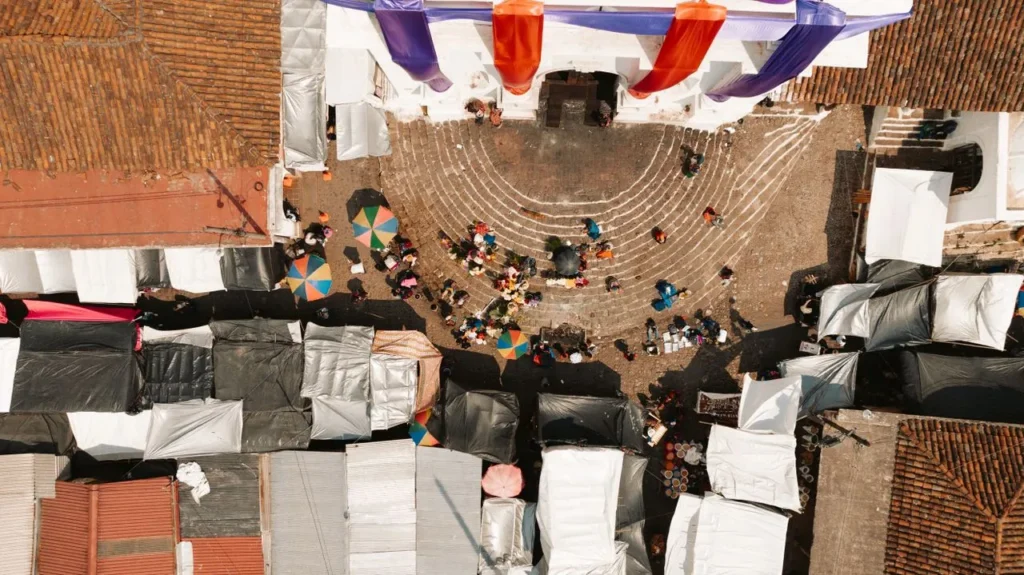
The patron saint festivals in the villages are the perfect time for tourists to experience Guatemalan dances first-hand. From 14 to 21 December, the Feria de Santo Tomás is held in Chichicastenango. It's one of the most spectacular displays of folklore in Latin America, and you’ll be able to see the Dance of the Conquest, the Dance of the Moors and Christians, and the Flying Pole Dance, in which dancers launch themselves from a 20-metre pole whilst attached to ropes.
The Cobán National Folk Festival takes place in Alta Verapaz at the end of July. It's one of the country’s most important indigenous gatherings and, amongst other things, you’ll be able to watch the Dance of the Deer.
Finally, in the municipality of Rabinal, located in the department of Baja Verapaz, the patron saint’s festival in honour of Saint Paul takes place every 25 January. And it's here that you can witness the pre-Hispanic performance of the Guatemalan dance Rabinal Achí, which we mentioned earlier. This is a unique opportunity to see the only Mayan dynastic drama to have survived all the changes the country has undergone. Furthermore, it's listed as Intangible Cultural Heritage of Humanity by UNESCO.
Guatemalan dance crafts: The perfect souvenir from your trip
If you’ve been captivated by these traditional Guatemalan dances, why not take home a memento so that this trip will always be with you? A great idea is to buy a wooden mask – that way, you’ll be taking home a piece of Guatemala’s history. You can buy commercial versions at markets such as Chichicastenango and the craft market in Guatemala City. In Antigua Guatemala, you can also find these masks in the town’s antique shops, located in the historic centre.
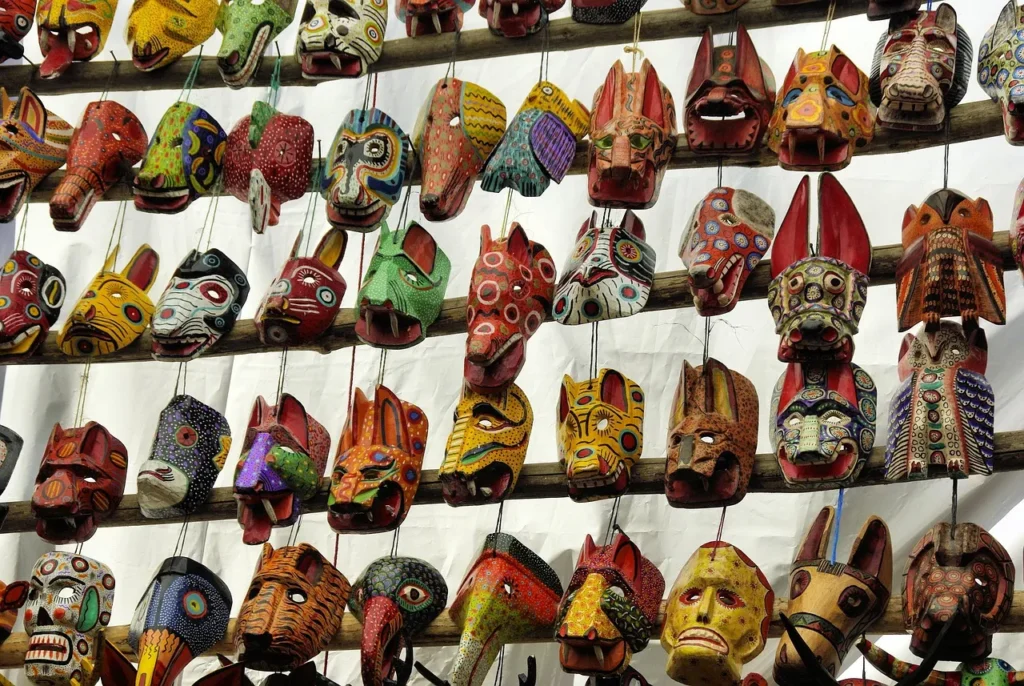
However, if you’re looking for something a bit more special, you can visit the so-called ‘morerías’. These are family-run workshops where costumes and masks are made, restored and hired out for festivals across the country. One of the most famous is the Santo Tomás morería in Chichicastenango. Visiting it is an experience in itself, but you’ll also be able to buy authentic masks carved by master craftsmen. And, if you’re lucky, you might come across a piece used in a festival that has now been taken out of service and put up for sale.
- This page about Cobán may interest you.
Practical tips for enjoying Guatemalan dances and everything that goes with them
- Take cash with you: markets, antique shops and craft workshops don’t usually accept card payments. Small notes are best.
- Ask for permission to take photos: when the dancers are taking a break, it’s always appreciated if you say hello and ask for permission to take their photograph.
- Wear comfortable shoes: bear in mind that you’ll be on your feet for a long time watching Guatemalan dances and you may well be walking along cobbled streets.