


Guide to Guatemala City
A capital city where Mayan history and urban life meet amongst volcanoes
Welcome to Guatemala City
Welcome to Guatemala City, a dynamic capital where history, Maya culture, and modernity coexist in the same space. If you look at a map of Guatemala City, you’ll discover areas with very distinct identities, from the historic heritage of Zone 1 to the gastronomic and cosmopolitan atmosphere of Zone 10.
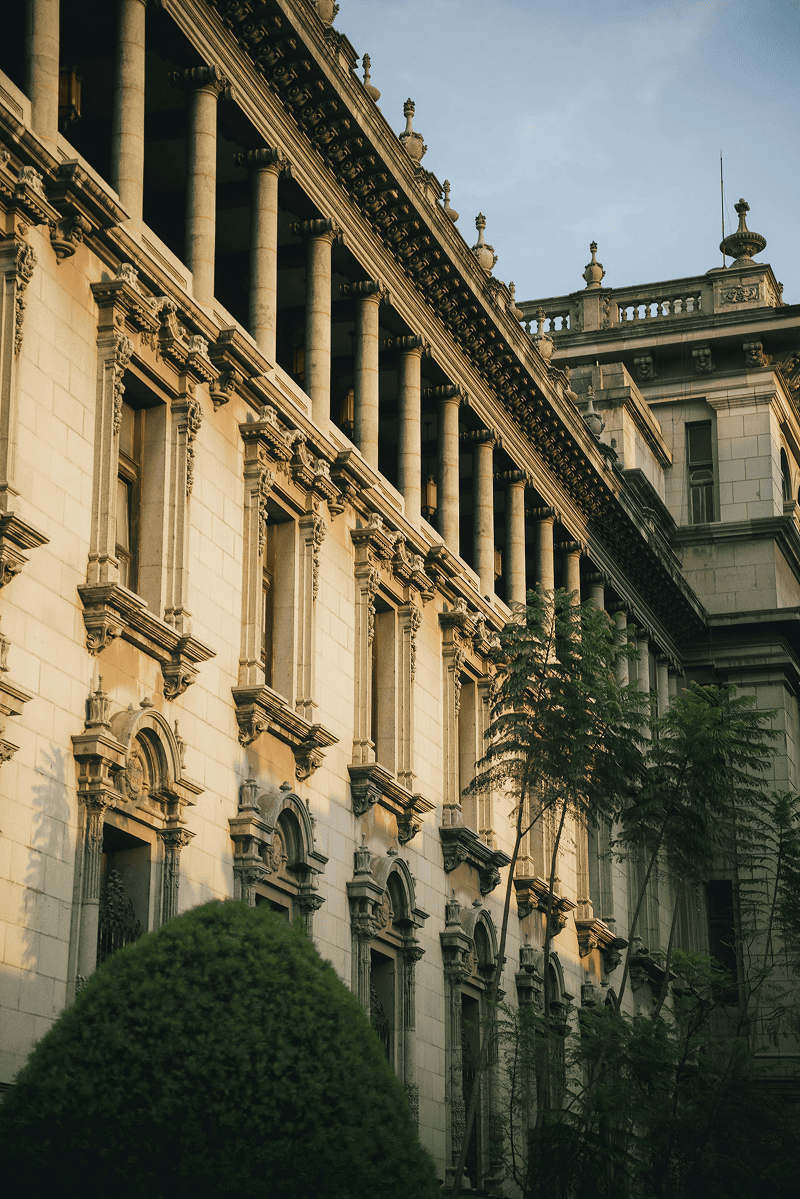
For those interested in tourism in Guatemala City, the capital offers an appealing blend of architecture, museums, cuisine, and urban life. Among its main landmarks are the Metropolitan Cathedral, the National Palace of Culture, and the Plaza de la Constitución—key sites for understanding the country’s historical development.
It’s also worth visiting museums such as the National Museum of Archaeology and Ethnology or the Popol Vuh Museum, which are essential for learning about Guatemala’s rich history and Maya heritage. These cultural venues enrich any trip and make the capital an excellent gateway to the country.
Traditions of Guatemala City
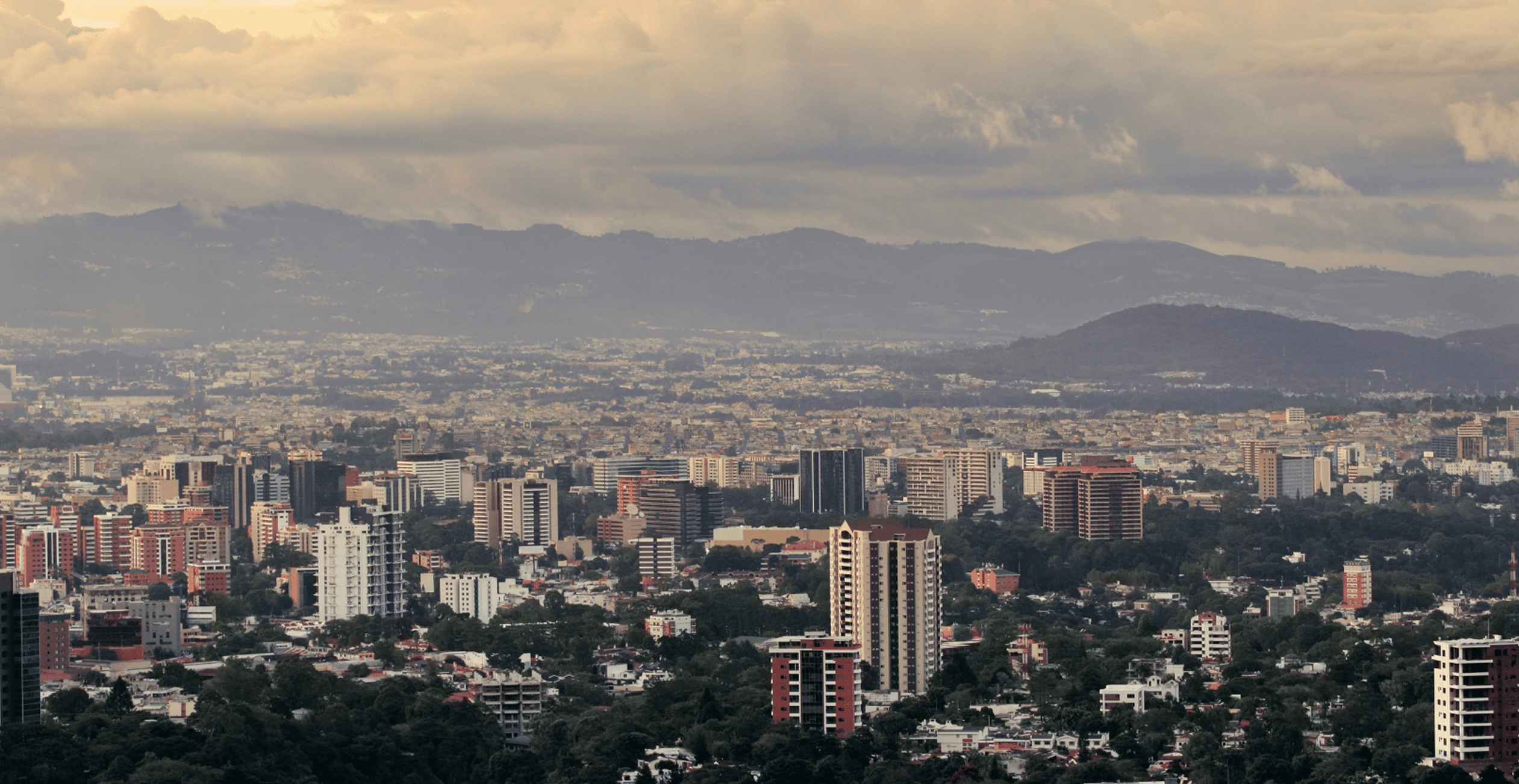
Present-day Guatemala City was founded in 1776, when the capital of the Kingdom of Guatemala was moved from Antigua Guatemala following the earthquakes that severely damaged the former colonial capital. Since then, the city has established itself as the country’s main political, cultural, and economic centre.
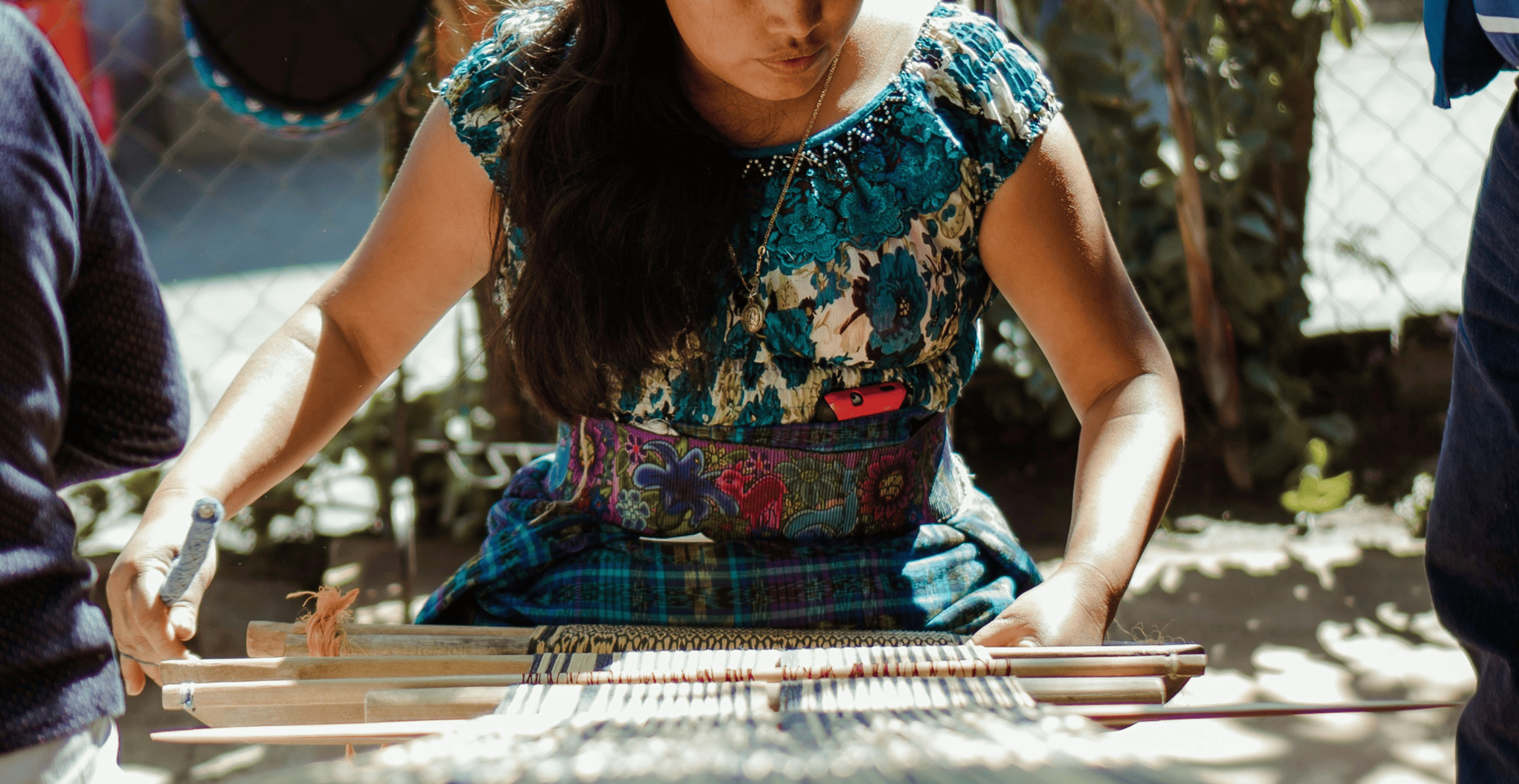
If you look at a map of Guatemala City, you'll see that much of its history is concentrated in the Historic Centre, around the Plaza de la Constitución. This is where you’ll find iconic buildings such as the Metropolitan Cathedral and the National Palace of Culture, as well as the Central Market, an ideal place to experience local cuisine, everyday life, and handicrafts.
Beyond its historical legacy, the capital is also undergoing a cultural transformation. Areas such as Zone 4 have come to the fore thanks to their creative atmosphere, galleries, cafés, and cultural venues, broadening Guatemala City’s appeal for those seeking to discover a more contemporary side of the country.
How to get to Guatemala City
The main gateway to the country is La Aurora International Airport, situated just a few kilometres from the city centre and some of the city’s main hotel districts. Thanks to this location, Guatemala City serves as a strategic hub both for starting a journey around the country and for connecting to other major destinations.
Many travellers visiting Guatemala City use it as a base before continuing on to popular destinations such as Antigua Guatemala, Lake Atitlán, or the department of Petén. Furthermore, it’s easy to organise domestic flights, road transfers, and day trips from the capital, making it a convenient stop on any itinerary through Guatemala.
Accessibility in Guatemala City
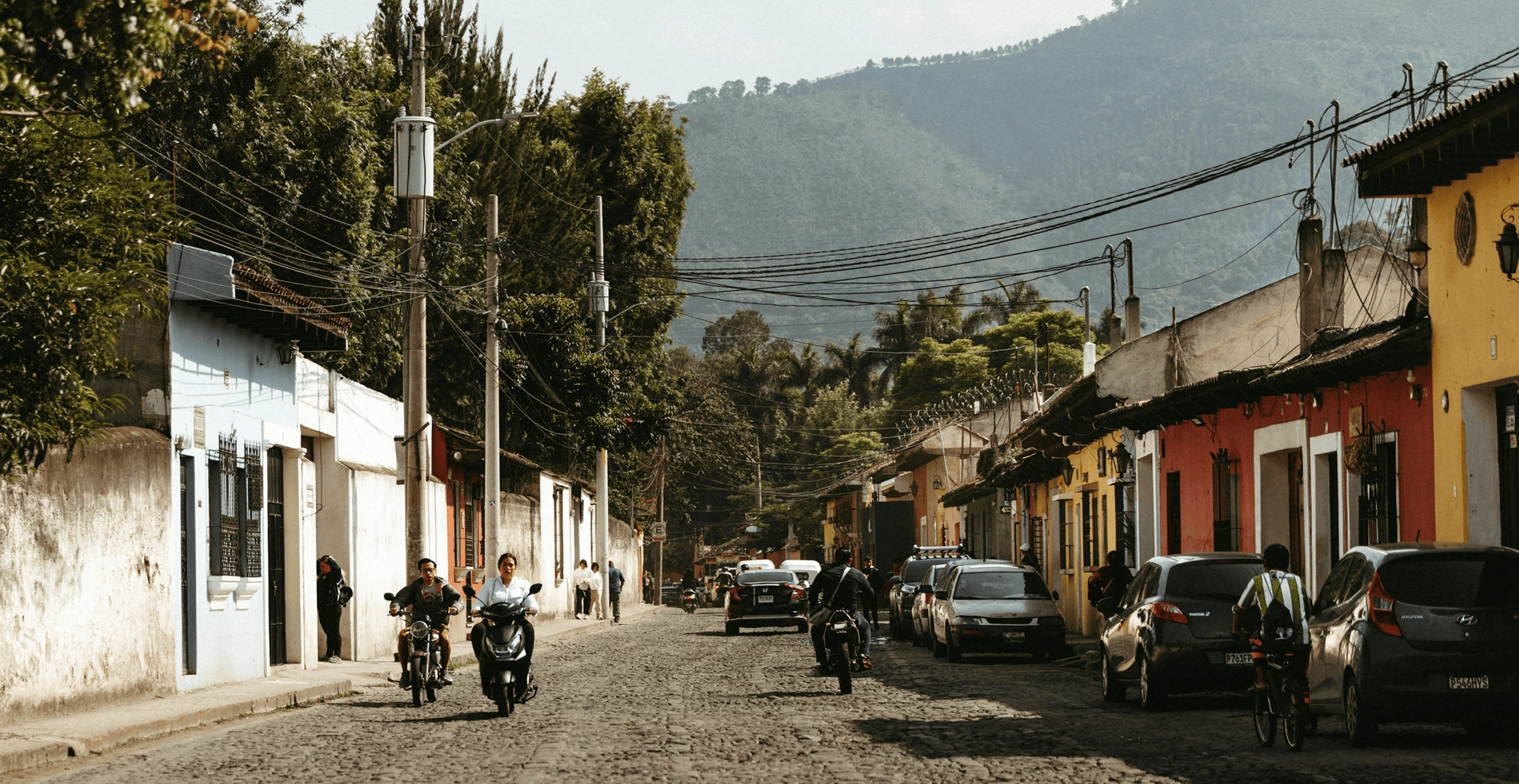
Guatemala City boasts modern urban infrastructure in several of its main areas, making it easier for many travellers to get around and enjoy their stay. The Transmetro system connects different parts of the city and can be a practical option for getting about, whilst private transport services and ride-hailing apps are widely used.
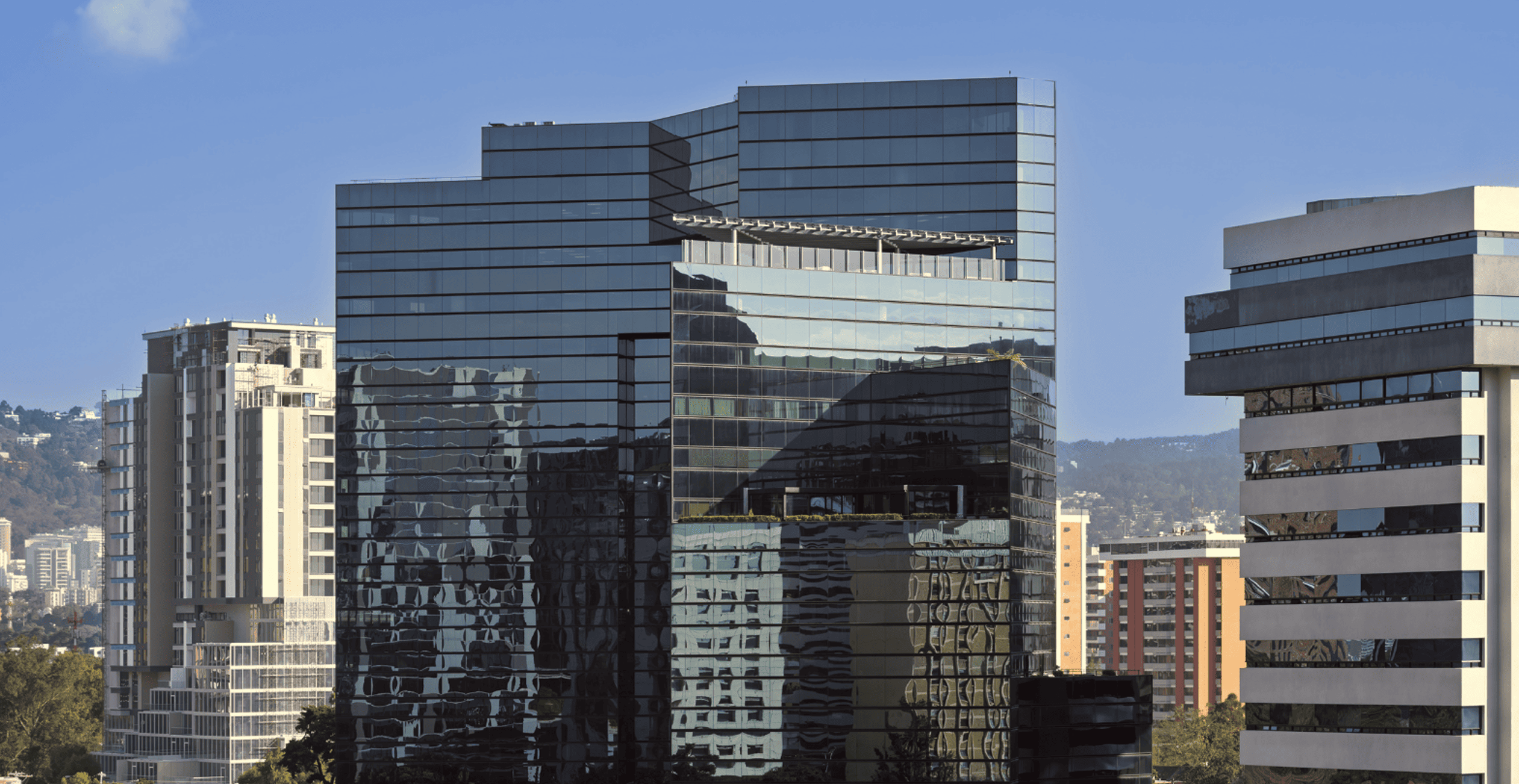
Areas such as Zone 10 and Zone 14 are home to a concentration of hotels, restaurants, and shopping centres offering high standards of comfort, making them some of the most convenient places to stay. With a bit of planning, it’s possible to enjoy Guatemala City’s cultural, culinary, and urban attractions in considerable comfort.
When to visit Guatemala City
Guatemala City can be visited all year round thanks to its temperate climate and pleasant temperatures for much of the year. However, the dry season, between November and April, is usually the most popular time to explore the city, as rainfall is less frequent and conditions are generally ideal for city walks and nearby excursions.
Between May and October, the rainy season transforms the landscape into a greener and more vibrant setting. Although rainfall is usually concentrated in the afternoon, this time of year can also be a good option for those seeking a more peaceful experience when travelling to Guatemala City and wishing to enjoy the capital with fewer tourists.
Things to do in Guatemala City
Explore the Historic Centre
Exploring the Historic Centre is one of the best things to do in Guatemala City and an ideal way to understand the history, culture and development of the capital. Zone 1 is home to some of the city’s most iconic landmarks, such as the Metropolitan Cathedral, the National Palace of Culture and the Plaza de la Constitución—key sites for understanding the country’s political and social past.
Beyond its monumental buildings, the Historic Centre also offers the chance to discover traditional markets, squares, historic shops and an urban life closely linked to the local identity. Walking through this area provides a different perspective on the city, where historic architecture, cultural institutions and corners that reflect the everyday character of the Guatemalan capital coexist.
For those who enjoy urban and cultural tourism, the Historic Centre of Guatemala City has established itself as an unmissable destination, particularly thanks to heritage restoration projects and the growing cultural activity that has revitalised parts of the area.
Visiting museums and learning about Mayan history
Visiting museums is a must amongst the best cultural activities in Guatemala City. The National Museum of Archaeology and Ethnology houses one of the country’s most important collections of Mayan and pre-Hispanic artefacts, whilst the Popol Vuh Museum stands out for its invaluable insight into Mesoamerican history and art.
These venues provide a better understanding of the legacy of civilisations such as the Maya and offer invaluable context for those planning to visit other major archaeological sites in Guatemala, such as Tikal or Quiriguá. For lovers of history and culture, they are an essential part of any tour of the capital.
Discover the local cuisine
Gastronomy is another of Guatemala City’s major attractions. Traditional restaurants, markets and contemporary eateries offer the chance to discover typical dishes such as pepián, kak’ik, Guatemalan tamales and plantain rellenitos, which reflect the country’s culinary diversity.
If you’re looking for places to eat in Guatemala City, areas such as Zone 4, Zone 10 and Zone 14 are home to some of the most interesting dining options, ranging from reimagined local cuisine to international restaurants and speciality coffee shops. This diversity makes the city an increasingly attractive destination for those who enjoy culinary tourism.
Trips to nearby volcanoes
One of the advantages of visiting Guatemala City is its proximity to some of the country’s most iconic destinations. From the capital, it's easy to organise day trips to Antigua Guatemala, nearby volcanoes, traditional markets or natural sites that complement the urban experience perfectly.
Thanks to its transport links and strategic location, many travellers use the city as a starting point for exploring Guatemala, combining culture, cuisine and nature within a single itinerary.
Places
Map of must-see places in Guatemala City
Over 1,500 metres above sea level
Situated at an altitude of over 1,500 metres above sea level, Guatemala City enjoys a relatively mild climate for much of the year, which is unusual for other capital cities in the region.
Pleasant weather
The mild temperatures make it ideal for strolling around the city, visiting cultural attractions and going on day trips to the surrounding area, meaning the city can be enjoyed in comfort at different times of the year.
Volcanic landscape
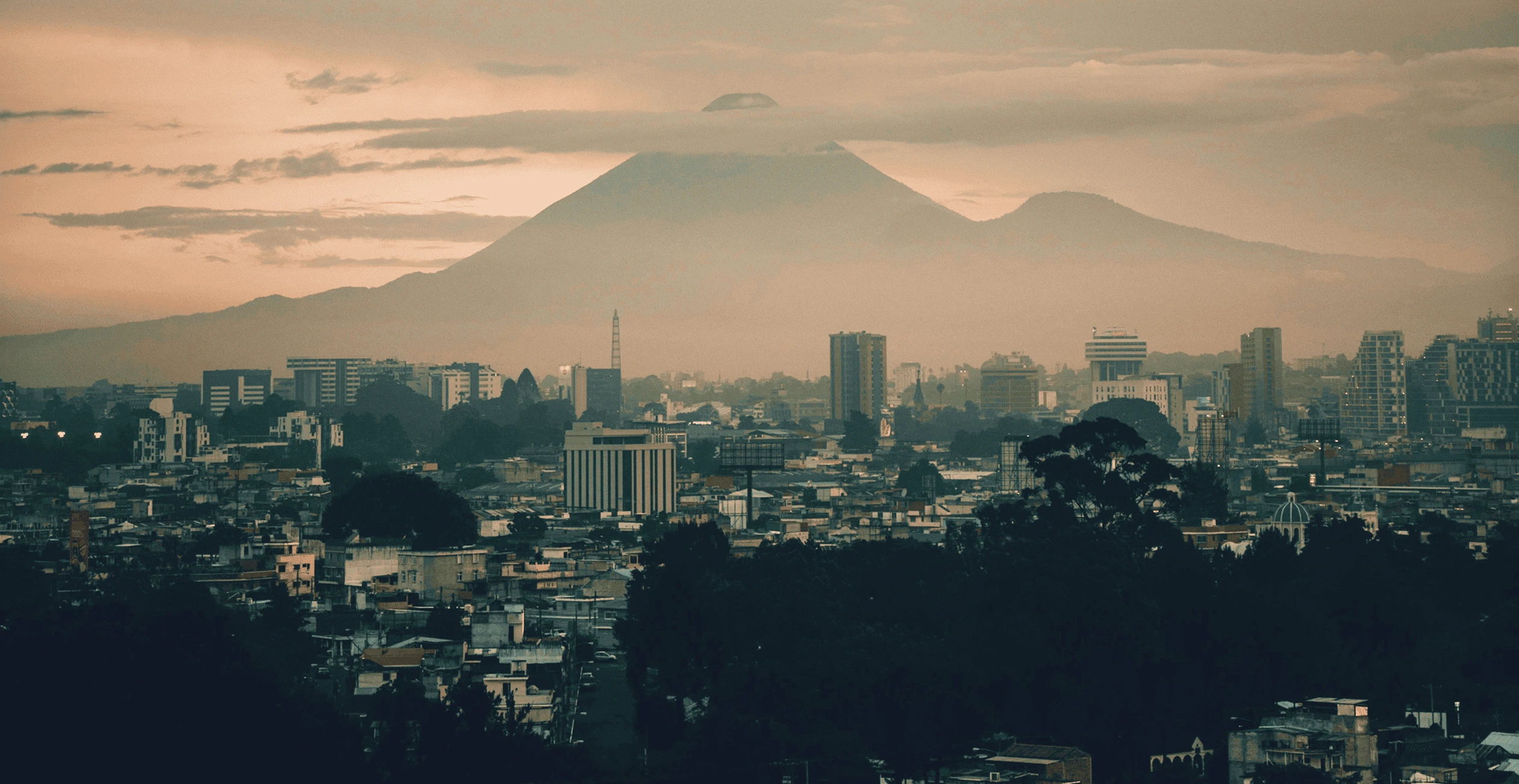
The landscape surrounding the city is characterised by volcanoes and mountains, a feature that is very much part of Guatemala’s visual identity and which adds to the destination’s appeal.
500 years
Present-day Guatemala City was founded in 1776 following the relocation of the capital from Antigua Guatemala. Since then, it has established itself as the country’s main political, economic and cultural centre.

What to see
Landmarks in Guatemala City
Use our AI-powered planner to plan your visit to Antigua Guatemala
Save places, routes, and experiences
More cities
Other cities in Guatemala that you shouldn’t miss
Antigua Guatemala
Chichicastenango
Quetzaltenango
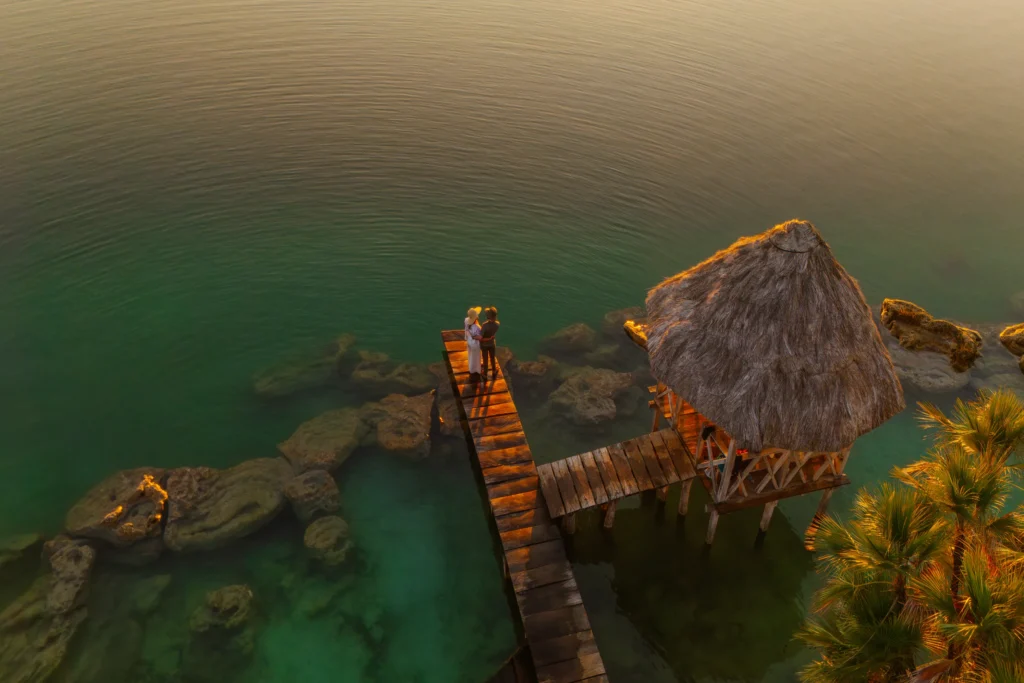
Cobán
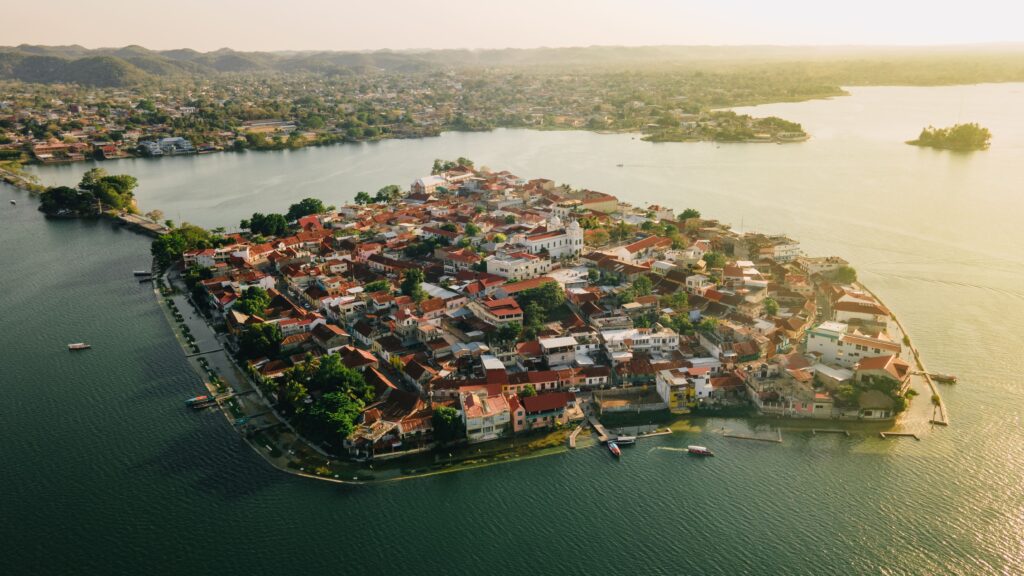
Flores Island
Blog posts
Interesting articles about Guatemala City and other places
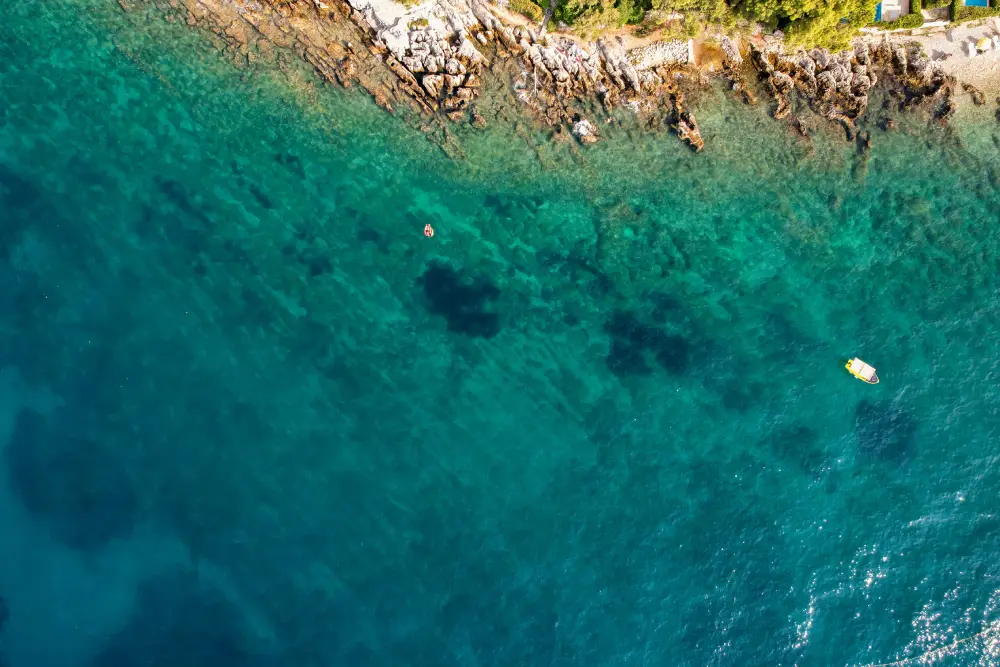
The Blue Crater: A guide to visiting this paradise in Petén
Deep in the heart of Petén, where the jungle is dense and the sounds of the city fade away completely, […]
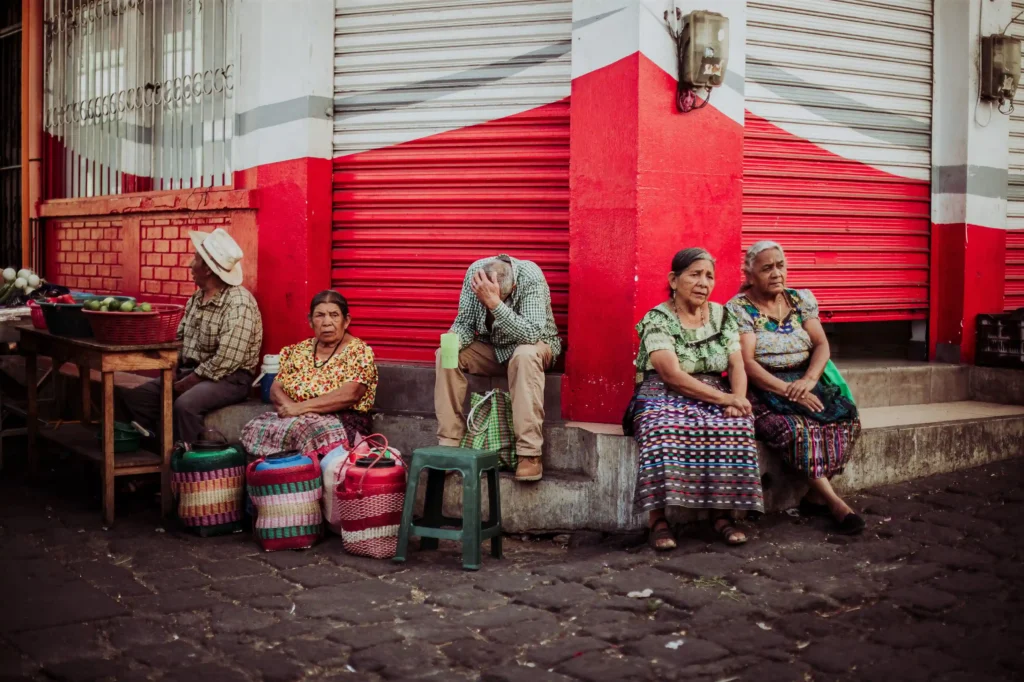
Traditional dress of Quetzaltenango: Discover the history and significance of the Xela dress
Few things connect you as viscerally with the culture of Quetzaltenango as its rich variety of textiles. Strolling through the […]
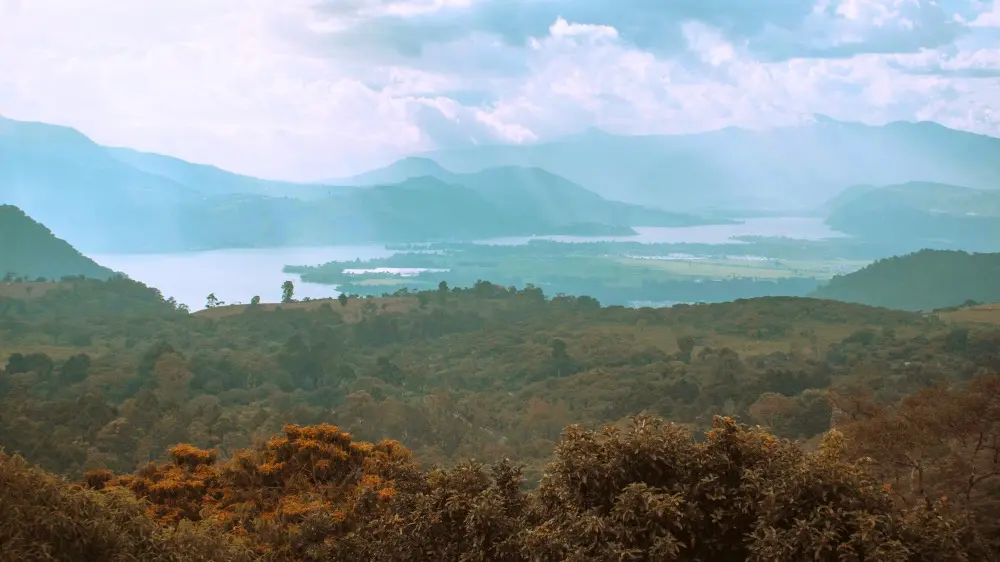
Lake Amatitlán: History, things to do and how to visit it
Lake Amatitlán is a traditional attraction in Guatemala: a must-visit destination for a wonderful experience amongst the volcanoes.
Frequently Asked Questions
Is Guatemala City safe for tourists?
Yes, it's safe, provided you take basic precautions. It's recommended that you visit tourist areas such as Zone 10, Zone 14 and the historic centre during daylight hours, and use reliable transport such as taxis or ride-hailing apps.
How many days do I need to spend in Guatemala City?
In two to three days, you can see the main sights: the historic centre, the main museums and the modern areas. It’s a good starting point before travelling on to other destinations in the country.
What are the must-see attractions in the city?
The Plaza Mayor, with the Metropolitan Cathedral, the Central Market and the National Museum of Archaeology and Ethnology, are key stops for gaining an understanding of the city’s history and culture.
What is the best area to stay in Guatemala City?
The areas most recommended for tourists are usually Zone 10, Zone 14 and Zone 1, depending on the type of trip. Zone 10 is notable for its hotels, restaurants and urban lifestyle; Zone 14 for its quieter atmosphere; and Zone 1 for its historical significance and proximity to the cultural centre.
Is it possible to visit Guatemala City on a day trip from Antigua Guatemala?
Yes, many people visit the capital on a day trip from Antigua, as the journey usually takes around an hour, depending on the traffic. It’s a good way to combine colonial history with contemporary city life.