


Guide to Livingston, Guatemala
Where the colours of the sea and the jungle blend… and every step resonates with tradition
Welcome to Livingston, Guatemala
Livingston is one of Guatemala’s most unique destinations and one of the gateways to the most authentic part of the Guatemalan Caribbean. Situated at the mouth of the Río Dulce, in the department of Izabal, this small coastal village stands out for something that's quite unusual in the country: there's no direct road leading to it. The main access is by water, which makes the journey an essential part of the experience and reinforces the feeling of discovering a place unlike any other.
Travelling to Livingston, Guatemala, means encountering a cultural reality distinct from the rest of the country. The strong Garifuna presence, Afro-Caribbean influence, local music, cuisine based on coconut and seafood, and the unhurried pace of daily life create a unique atmosphere. If you’re looking for things to see in Livingston, Guatemala, here you’ll find tranquil beaches, boat trips, tropical nature, cuisine with its own distinct character, and a cultural experience that’s hard to find in other destinations across the country.
What’s more, Livingston is often combined with nearby places such as Río Dulce, Playa Blanca or Siete Altares, making it an excellent base from which to explore one of Izabal’s most diverse regions. For those seeking the sea, nature and a lesser-known side of Guatemala, Livingston offers one of the country’s most authentic experiences.
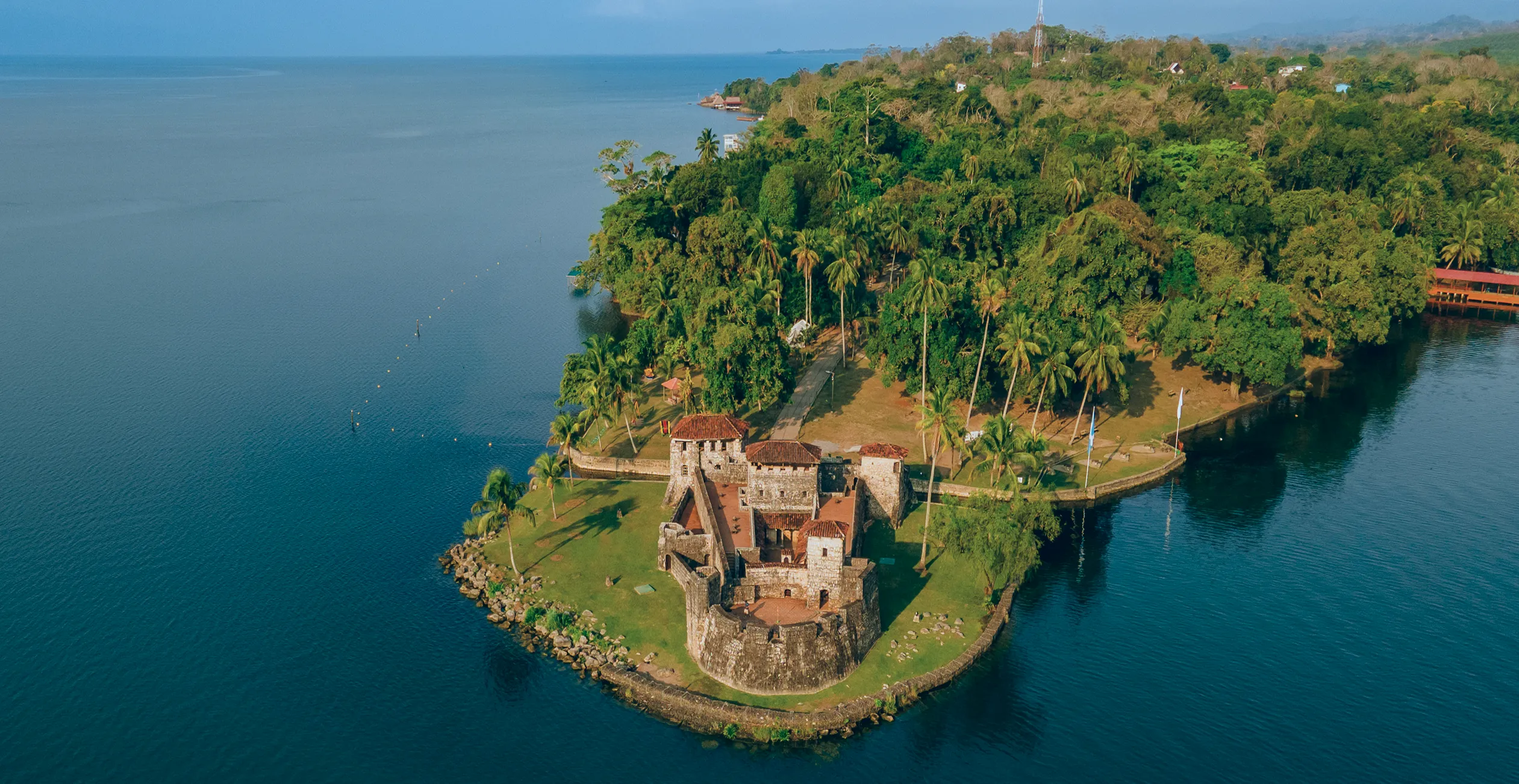
Traditions and culture in Livingston, Guatemala
Cultural identity is one of Livingston’s greatest attractions. The Garifuna community, recognised by UNESCO as Intangible Cultural Heritage of Humanity, keeps alive musical, culinary and spiritual traditions that are deeply rooted in the Caribbean. Rhythms such as the punta and the parranda form part of local celebrations, community gatherings and festivals that reflect the area’s strong Afro-descendant heritage.
Cuisine also plays a central role in the experience. Coconut, fresh seafood, fish and plantain feature in many traditional dishes, creating flavours very different from those of the Guatemalan highlands. Beyond the food, daily life in Livingston is shaped by the sea and the Río Dulce, historically used as the main link to other communities in Izabal and the Central American Caribbean.
For many travellers, part of the appeal of visiting Livingston, Guatemala, lies not only in its landscapes but also in the town’s atmosphere: the music playing in the streets, the small family-run restaurants, the relaxed pace of life, and the coexistence of Garifuna, Maya Q’eqchi’, Ladino, and Caribbean cultures. This authenticity makes the destination one of the most culturally interesting places in the country.
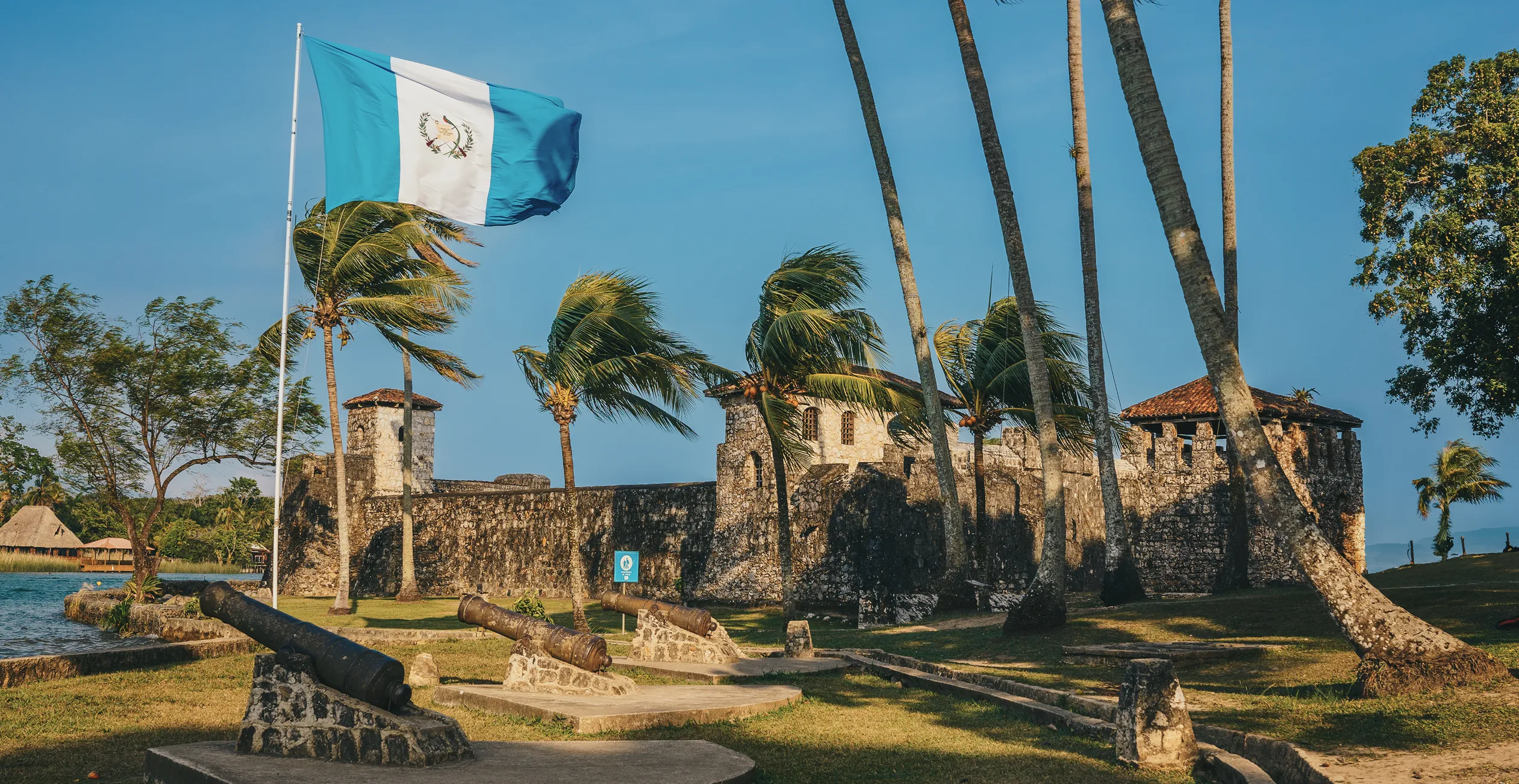
How to get to Livingston, Guatemala
Finding out how to get to Livingston is straightforward, although the journey is very different from that to other destinations in Guatemala. The most common way is by boat from Río Dulce or Puerto Barrios, travelling along one of the country’s most scenic river routes. From Río Dulce, the journey usually takes between 60 and 90 minutes, depending on the stops and the type of boat, whilst from Puerto Barrios the journey takes around 30 or 40 minutes.
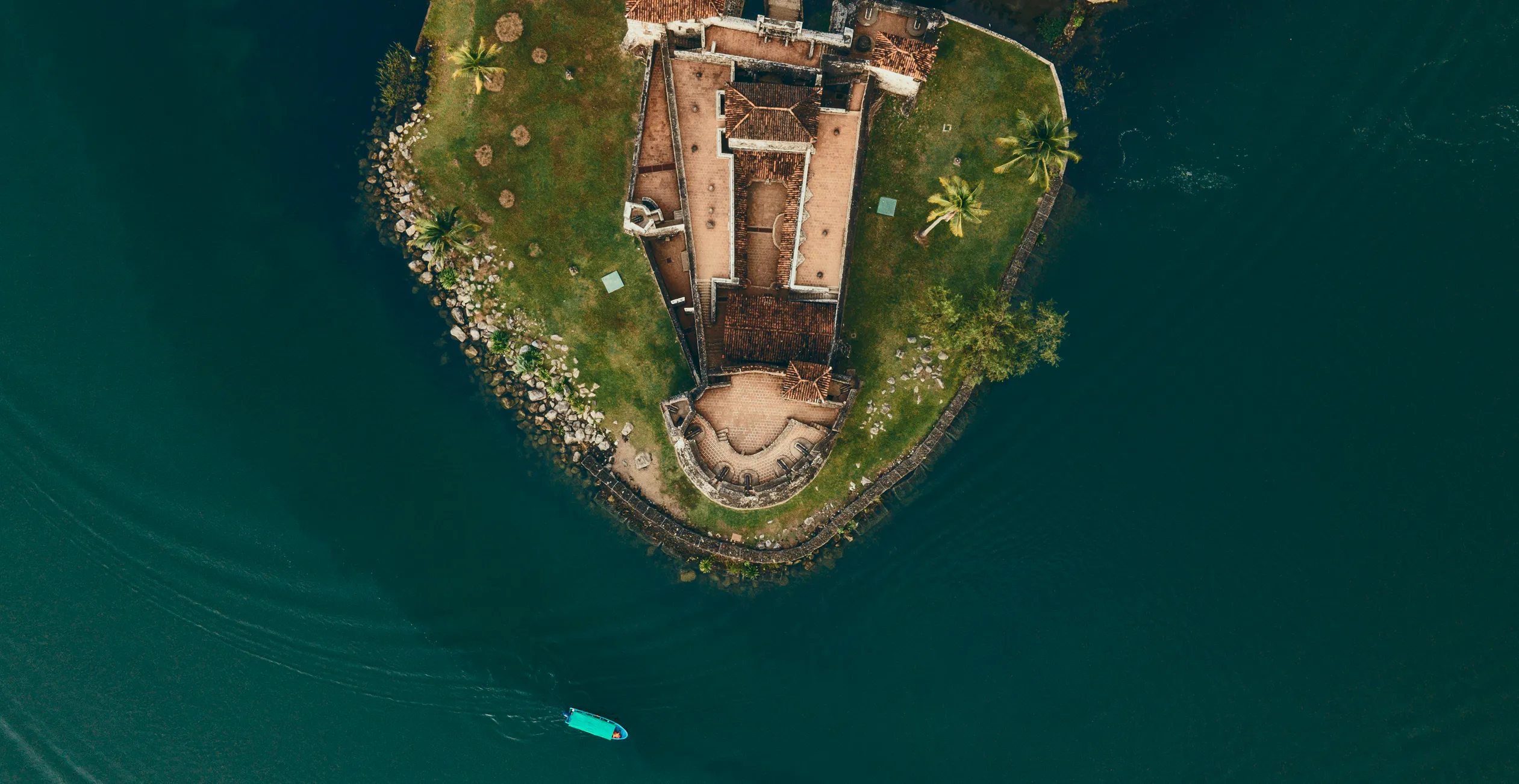
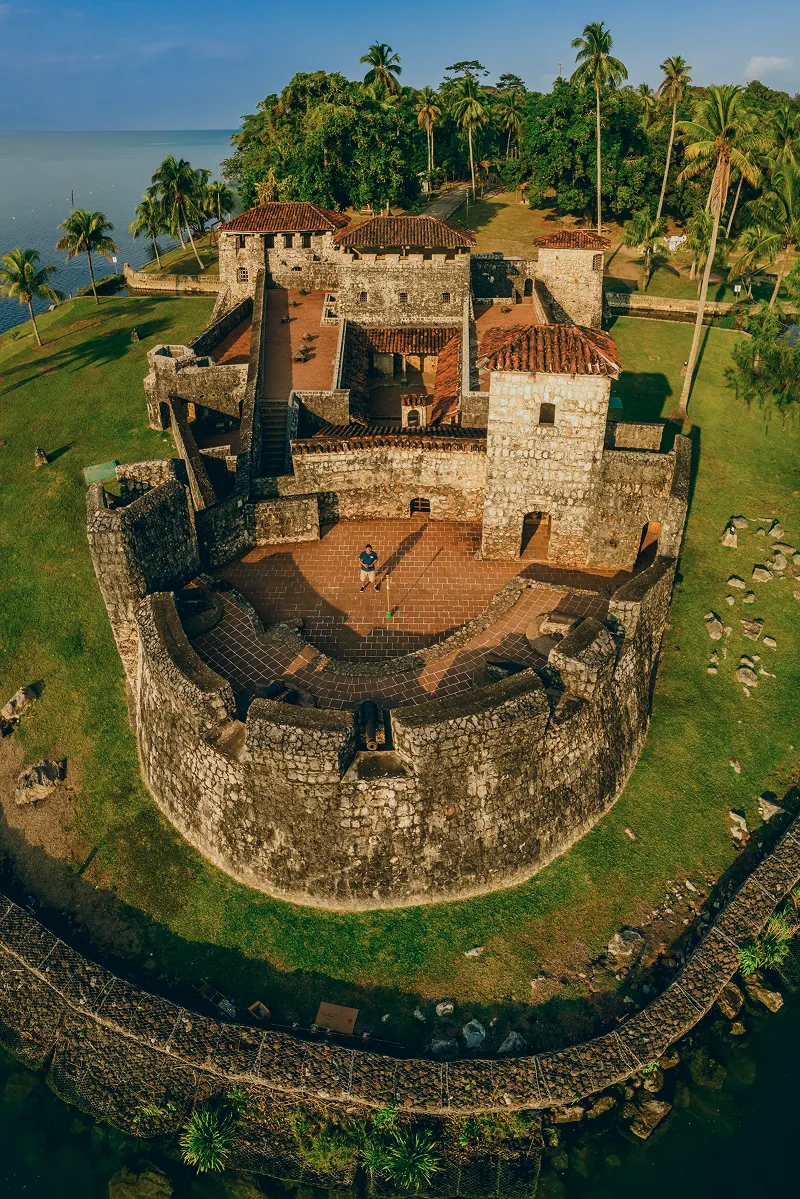
For many travellers, the boat trip along the Río Dulce is one of the most memorable parts of the visit. Along the way, you’ll see canyons covered in vegetation, mangroves, tropical birds, small riverside communities and iconic sites such as the Castillo de San Felipe de Lara or the thermal spring water gardens. Arriving by water helps one understand why Livingston has such a distinct character compared to the rest of the country.
From Guatemala City, most travellers first travel by road to Río Dulce or Puerto Barrios, a journey that usually takes between 5 and 6 hours. For this reason, many itineraries combine Livingston with Río Dulce, creating a well-rounded route that takes in the tropical rainforest, boat trips, Caribbean culture and the sea.
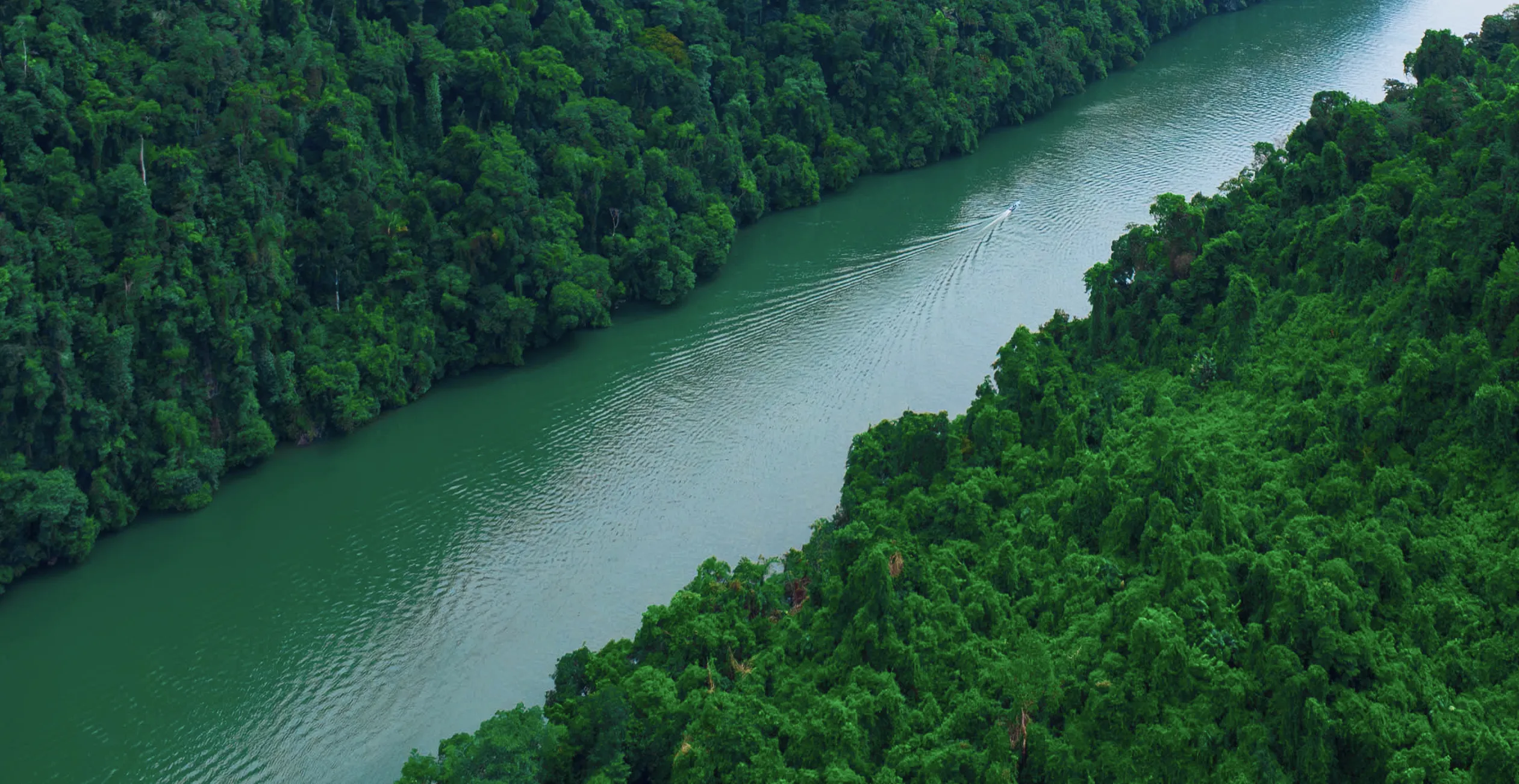
When to visit Livingston, Guatemala
Livingston can be visited all year round thanks to its warm, humid tropical climate. Temperatures usually range between 24°C and 32°C, creating pleasant conditions for sailing, visiting beaches and enjoying outdoor activities at virtually any time of year.
The best time to travel to Livingston, Guatemala, is usually between February and August, when the rains are generally less intense and the sea tends to be calmer. These months are particularly suitable for excursions to Playa Blanca, Seven Altars or exploring the Río Dulce, with better weather conditions.
During the wet season, particularly between September and January, rainfall usually takes the form of intense but relatively brief downpours. On the other hand, the surroundings become even greener and more lush, and the number of visitors decreases. For those seeking a quieter, less touristy experience, this time of year can also be very appealing.
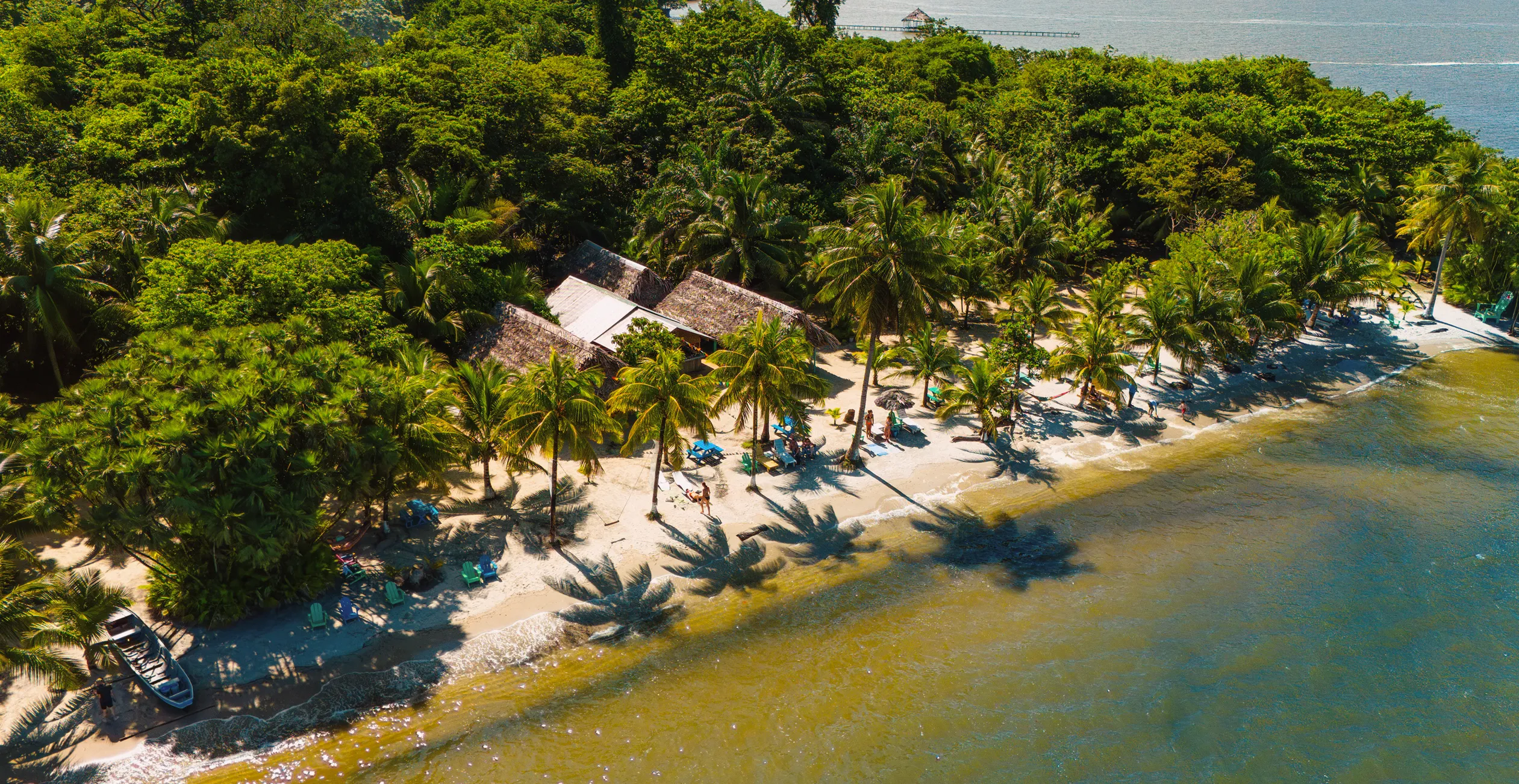
Accessibility and mobility in Livingston
Getting around Livingston is perfectly suited to its coastal and riverine setting. The town centre can easily be explored on foot, as the main streets, restaurants, accommodation and jetties are all relatively close to one another. The atmosphere is peaceful and lends itself to a leisurely exploration, ideal for those who enjoy walking and observing local life.
To get to beaches, waterfalls or nearby communities, the main form of transport is by boat. Places such as Playa Blanca, Seven Altars or various spots along the Río Dulce are usually visited via organised boat trips or private boats. Here, water isn't just part of the landscape: it's the backbone of daily transport.
The tourist infrastructure is simpler than in other highly developed destinations in the country, but that's precisely where part of Livingston Guatemala’s charm lies. Although accessibility may be limited in certain areas due to the jetties and boat access, the destination offers a comfortable experience for those seeking a relaxed, flexible trip in harmony with nature.
Things to do in Livingston
Cruising up the Río Dulce to Livingston
The boat trip along the Río Dulce is one of the trip’s unmissable experiences. More than just a journey, it's a scenic excursion amongst jungle-clad rock faces, mangroves, waterbirds, and small riverside communities. Along the route, you can also see iconic landmarks such as the Castillo de San Felipe and natural hot springs.
If you’re wondering what to do in Livingston, Guatemala, this boat trip should be right at the top of your list. It’s one of the most beautiful ways to discover the Guatemalan Caribbean and understand the historical relationship between the river, local communities, and the sea.
Visit Siete Altares and the nearby beaches
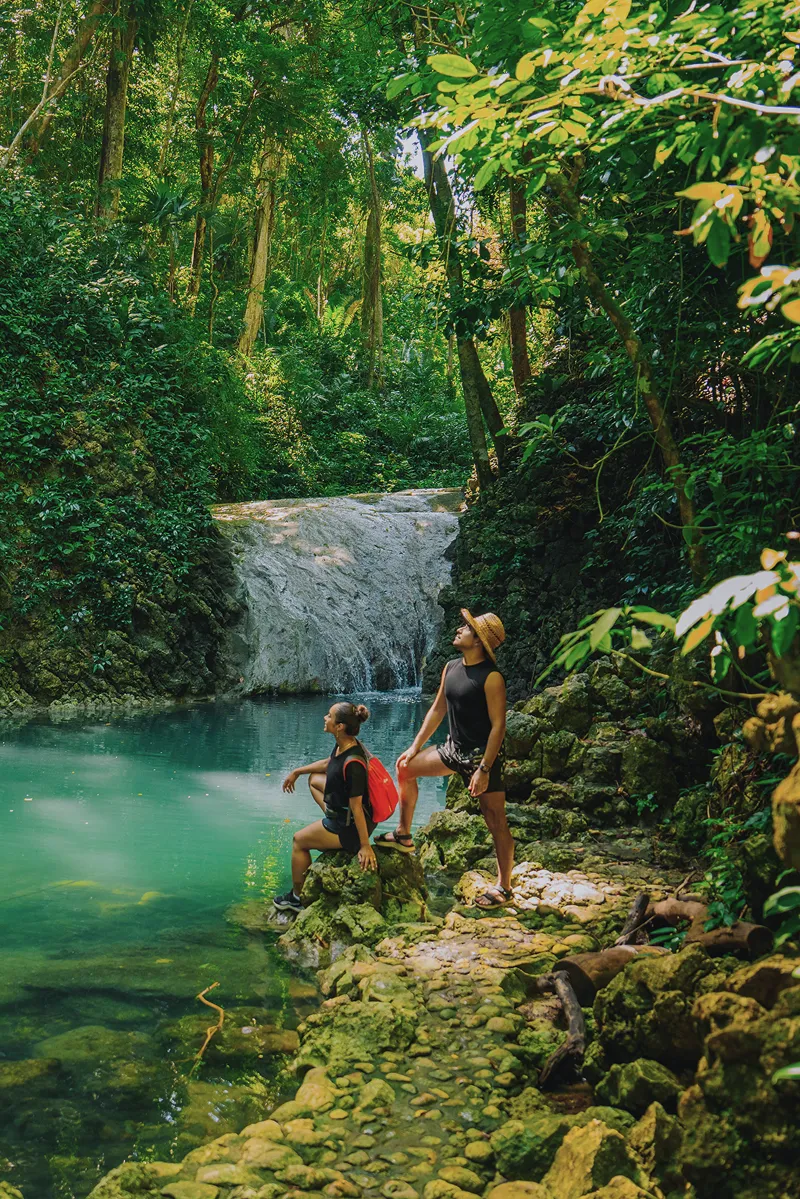
Short boat trips are organised from Livingston to two of the area’s most popular spots: Seven Altars and Playa Blanca. Seven Altars are a series of small waterfalls and freshwater pools surrounded by tropical vegetation; it's particularly recommended during the rainy season, when the water flow is at its highest.
Playa Blanca, meanwhile, is one of the quietest beaches on the Guatemalan Caribbean coast, known for its calm waters, white sand and relaxed atmosphere. Combining a visit to both places in a single day is one of the best options for those wishing to discover the diverse landscapes around Livingston.
Try some Garifuna cuisine
The local cuisine is one of the destination’s biggest attractions. Among the best-known dishes is ‘tapado’, a soup made with fish, seafood, coconut milk, plantain and local spices, considered one of the most characteristic flavours of the Guatemalan Caribbean.
It’s also well worth trying specialities such as rice and beans with coconut, fresh fish, machuca — a traditional Garifuna dish made with plantains and coconut broth — or artisanal coconut bread. Dining by the sea or beside the river adds a very special dimension to the culinary experience.
Experiencing the local culture
Part of what makes Livingston so special is its everyday atmosphere. Strolling through the town, listening to Garífuna music, watching the hustle and bustle on the quay or chatting to locals helps you to understand a side of Guatemala that is very different from that of the colonial cities or the Mayan regions further inland.
Beyond the excursions, Livingston invites you to slow down and take the time simply to be. Many travellers agree that the destination’s greatest appeal lies not only in the places to visit, but in the sense of disconnection and authenticity it conveys.
Places
Map of must-see places near Livingston
Estimated budget
In terms of budget, Livingston allows you to tailor your trip quite well to different styles. It's possible to organise an affordable stay, focusing on simple accommodation, local food and walking tours of the town, or to opt for a more comprehensive experience incorporating seafront hotels, private boat trips and restaurants specialising in Caribbean cuisine.
The main additional cost is usually related to water transport and excursions to places such as Playa Blanca or Seven Altars. Even so, compared with other Caribbean beach destinations, Livingston, Guatemala, offers reasonable options for travellers on a moderate budget and backpackers, whilst also providing more exclusive accommodation for those seeking a more relaxed or romantic experience.
Ideal weather
Livingston is ideal for a short break, although it’s best to set aside at least two or three days to explore the destination at a leisurely pace. In a single day, you can walk around the village and go on a short excursion, but staying a little longer allows you to really soak up the atmosphere, relax by the sea and explore different parts of the surrounding area.
Many travellers combine Livingston with Río Dulce as part of the same itinerary through Izabal. This combination works particularly well because it allows you to alternate between boat trips, tropical nature, Garifuna culture and quiet beaches without having to travel long distances.
Best time to visit
Choosing when to travel to Livingston, Guatemala, depends largely on the kind of experience you’re looking for. Between February and August, conditions are generally most favourable for sailing along the Río Dulce, visiting beaches and going on boat trips, with more stable weather.
During the rainiest months, particularly between September and January, the tropical landscape is at its most lush and the atmosphere tends to feel more peaceful, with fewer tourists. Although heavy downpours can occur, they are often brief and alternate with sunny spells, so the destination remains thoroughly enjoyable for much of the year.
Climate and altitude
The tropical climate of the Guatemalan Caribbean means it's advisable to pack light clothing, sun cream, insect repellent and comfortable footwear, especially if you're planning trips to beaches, waterfalls or boat trips. It's also a good idea to pack cool, quick-drying clothes, as humidity is usually high all year round.
Unlike other regions of Guatemala situated at higher altitudes, Livingston is practically at sea level, so warm temperatures and a consistently humid atmosphere prevail here. Staying hydrated and planning outdoor activities for the early hours of the day is usually a good idea, especially during the hottest months.

What to see
Livingston’s landmarks
Use our AI-powered planner to plan your visit to Livingston
Save places, routes, and experiences
More cities
Other cities in Guatemala that you shouldn’t miss
Guatemala City
Antigua Guatemala
Chichicastenango
Quetzaltenango
Cobán
Tips and Advice
Livingston: tips and advice about the city
The Blue Crater: A guide to visiting this paradise in Petén
Deep in the heart of Petén, where the jungle is dense and the sounds of the city fade away completely, […]
Traditional dress of Quetzaltenango: Discover the history and significance of the Xela dress
Few things connect you as viscerally with the culture of Quetzaltenango as its rich variety of textiles. Strolling through the […]
Lake Amatitlán: History, things to do and how to visit it
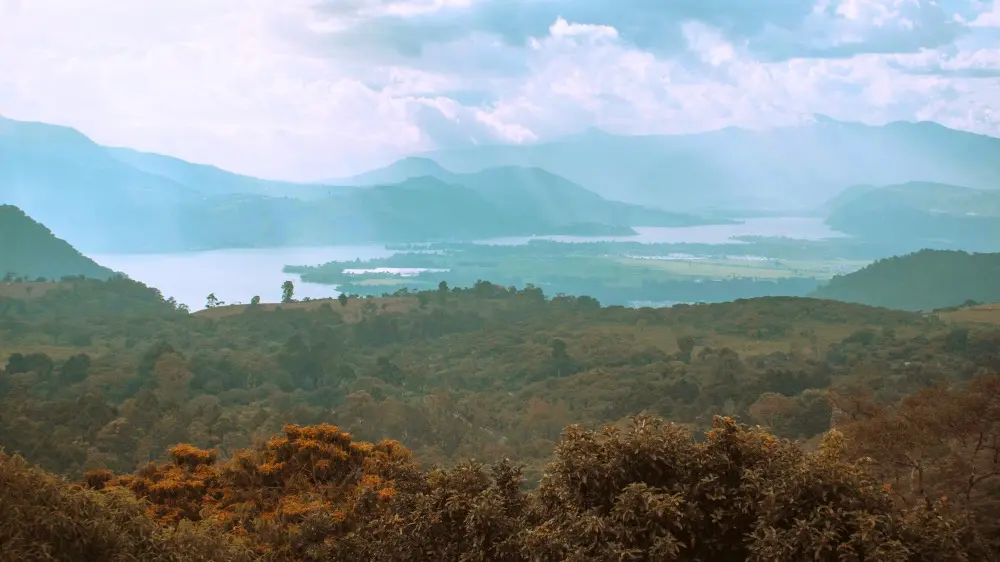
Lake Amatitlán is a traditional attraction in Guatemala: a must-visit destination for a wonderful experience amongst the volcanoes.
Frequently Asked Questions
What is there to see in Livingston, Guatemala?
Livingston combines beaches, nature and Garifuna culture in a setting that is very different from the rest of Guatemala. Among the most popular attractions are Playa Blanca, the Seven Altars — a series of natural pools and waterfalls — and boat trips along the Río Dulce and through the nearby mangroves. What’s more, strolling through the village, sampling Garifuna cuisine and listening to local music are an essential part of the experience.
Are there any beachfront hotels in Livingston?
Yes, Livingston has hotels and accommodation right by the sea or with direct access to the coast, particularly in the areas near Playa Blanca and around the town. There are options to suit different budgets, ranging from simple accommodation to eco-lodges and small Caribbean resorts surrounded by tropical nature.
How many days should you stay in Livingston?
Ideally, you should spend between 2 and 3 days here to enjoy the relaxed atmosphere, go on boat trips and explore both the beaches and the local culture. If you want to combine Livingston with Río Dulce or Punta de Manabique, you can easily extend your itinerary.
Is Livingston a good destination for combining beach and culture in Guatemala?
Yes, it’s one of the best places in the country for that. Livingston stands out for its blend of Caribbean flair, natural beauty and Garifuna heritage – a unique Afro-Caribbean culture in Guatemala that's reflected in the music, cuisine, and local way of life.