


Guide to Quetzaltenango
The city where the Guatemalan highlands come to life amidst volcanoes and culture
Welcome to Quetzaltenango
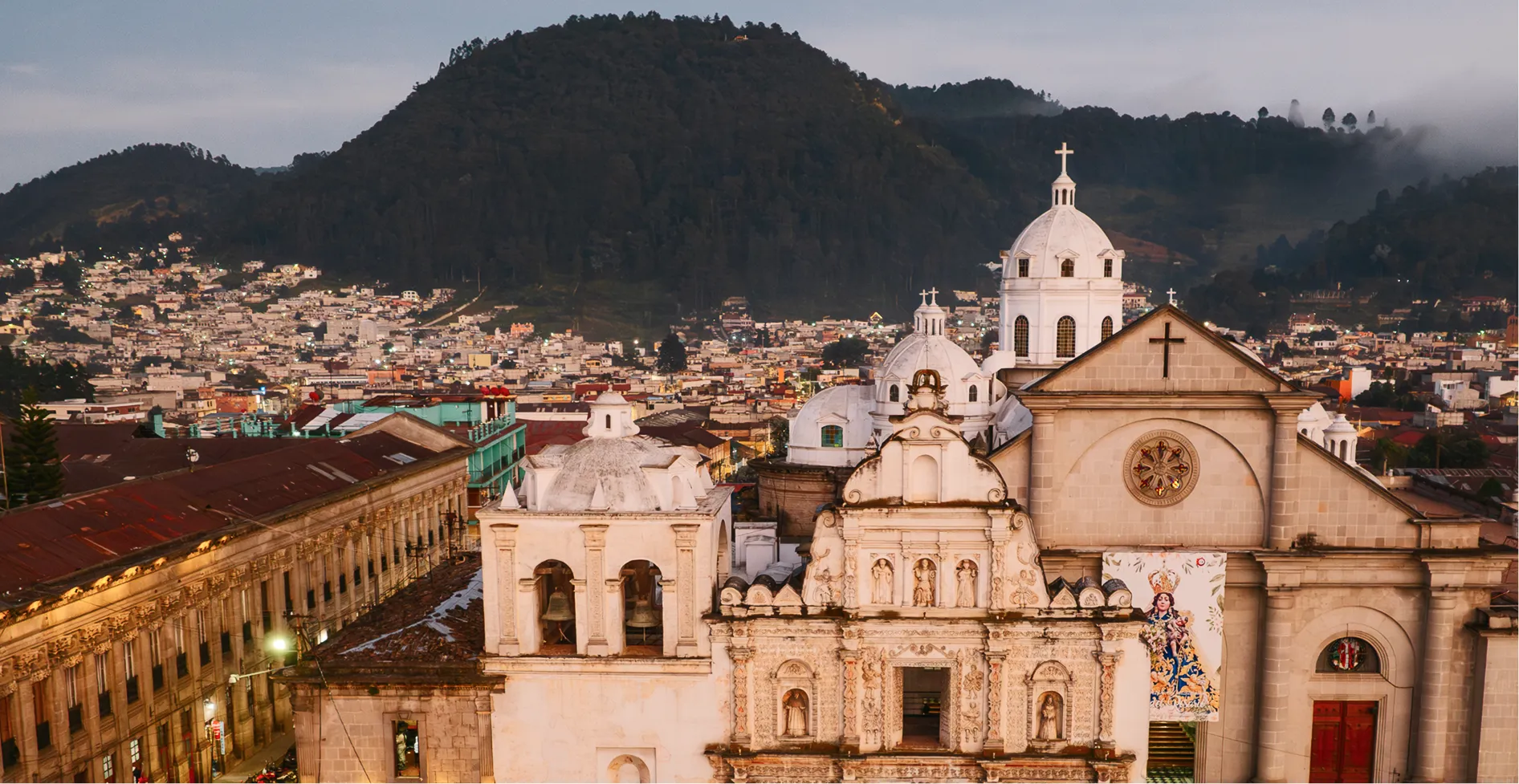
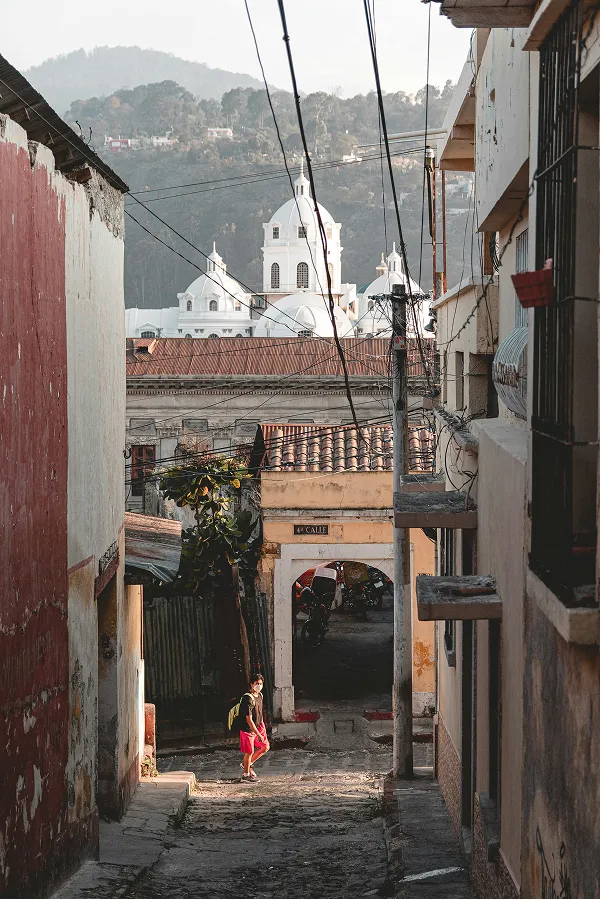
Quetzaltenango, commonly known as Xela, is one of the most important cities in the western highlands and a major cultural hub in Guatemala. Surrounded by mountains and volcanoes, it combines neoclassical architecture, indigenous traditions, university life and a very authentic local atmosphere, making it a particularly attractive destination for those wishing to discover another side of the country.
For those interested in tourism in Quetzaltenango, Guatemala, the city offers a fascinating blend of heritage, cuisine, wellness and nearby natural beauty. Its strategic location also makes it an excellent base for exploring other destinations in western Guatemala, such as Fuentes Georginas, Zunil or Lake Atitlán.
Culture and identity of Quetzaltenango
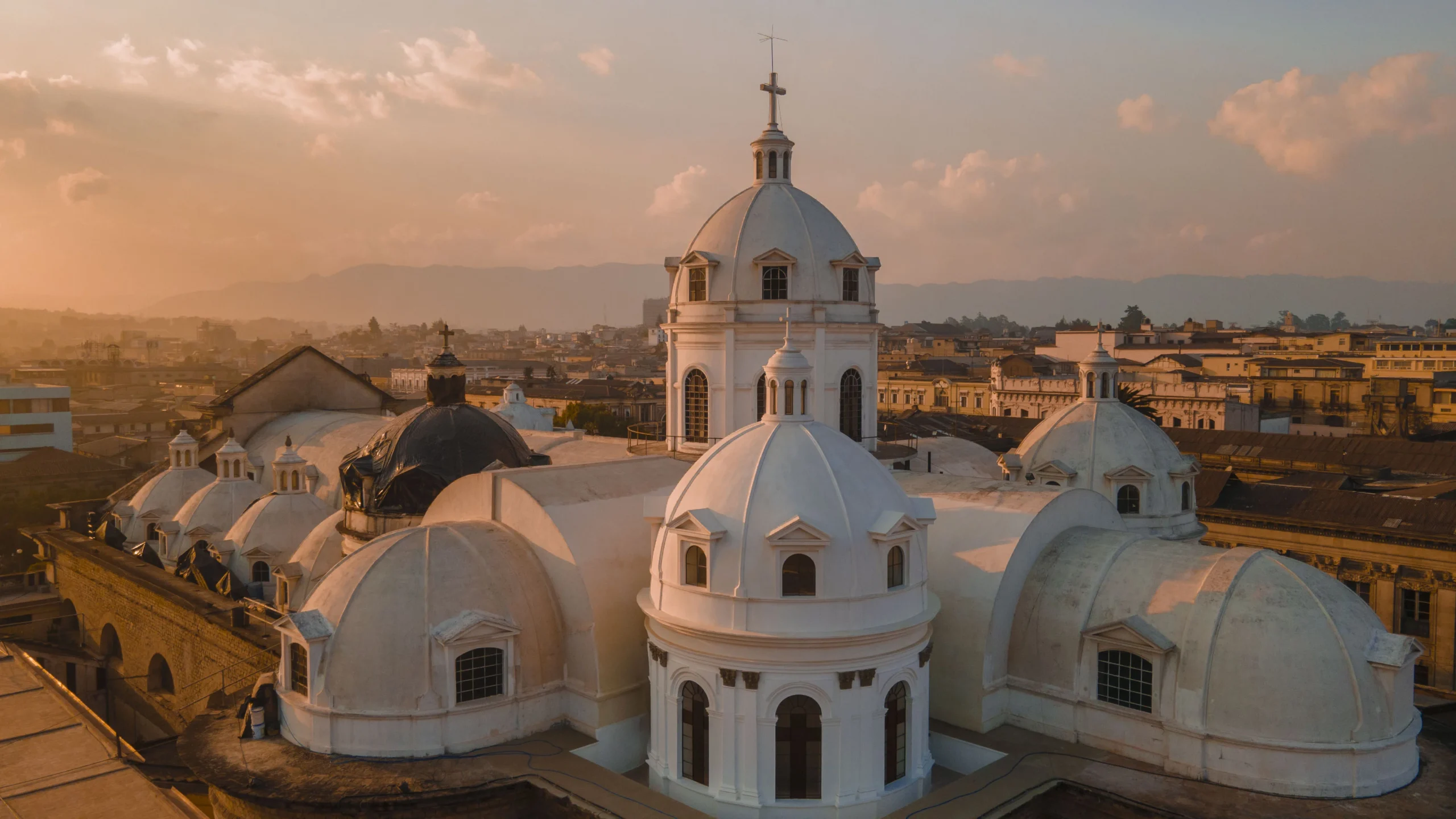
Quetzaltenango’s culture is one of the richest and most diverse in Guatemala. Its identity is reflected in its music, art, markets, historic architecture and indigenous traditions that remain part of everyday life. This blend shapes a city with a very distinct cultural personality and a strong sense of belonging.
Traditional clothing varies across the neighbouring municipalities, with particularly well-known examples including the traditional dress of Zunil and other ceremonial attire worn at local celebrations. These cultural expressions remain an integral part of daily life and reinforce Xela’s appeal as a cultural destination within the Guatemalan highlands.
How to get to Quetzaltenango
Getting to Quetzaltenango is relatively straightforward from various parts of the country. From Guatemala City, the main route follows the Inter-American Highway (CA-1 West), passing through mountainous landscapes and highland villages that give a glimpse of the region’s character. There are also frequent road links from Antigua Guatemala, Panajachel and other nearby tourist destinations.
The city has an easy-to-navigate layout and a small regional airport, although its operating hours may vary depending on the season. Thanks to its road links and local transport services, visiting Quetzaltenango is a convenient option both for short breaks and as part of a wider itinerary around Guatemala.

When to visit Quetzaltenango
Quetzaltenango can be visited all year round thanks to its cool mountain climate, influenced by its altitude of over 2,300 metres above sea level. The mild temperatures make for pleasant strolls through the historic centre, cultural visits and excursions to the surrounding area – something particularly appreciated by those exploring the Guatemalan highlands.
The best time to travel to Quetzaltenango is usually between November and April, during the dry season, when rainfall is less frequent and conditions are more favourable for enjoying the squares, parks and outdoor activities. Even so, Xela retains its appeal all year round thanks to its friendly atmosphere, cultural life and proximity to natural areas.
The city also boasts a varied range of accommodation, including boutique hotels, centrally located lodgings, hostels and practical options for longer stays.
Accessibility and mobility in Quetzaltenango
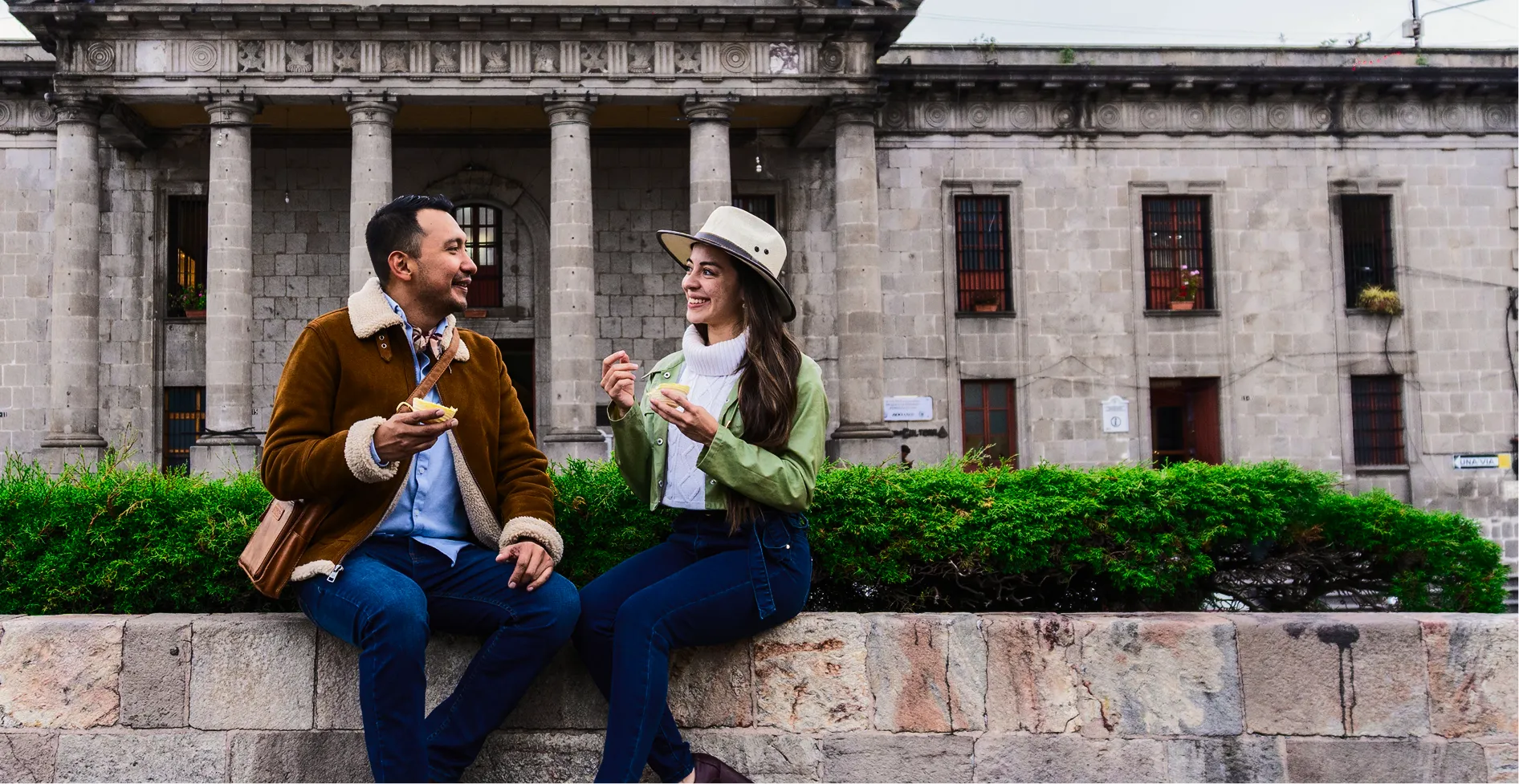
Getting around Quetzaltenango is relatively straightforward. The historic centre can be easily explored on foot, whilst taxis, tuk-tuks and local transport make it easy to travel to other neighbourhoods and nearby areas. This convenience makes the city a very useful base from which to explore western Guatemala.
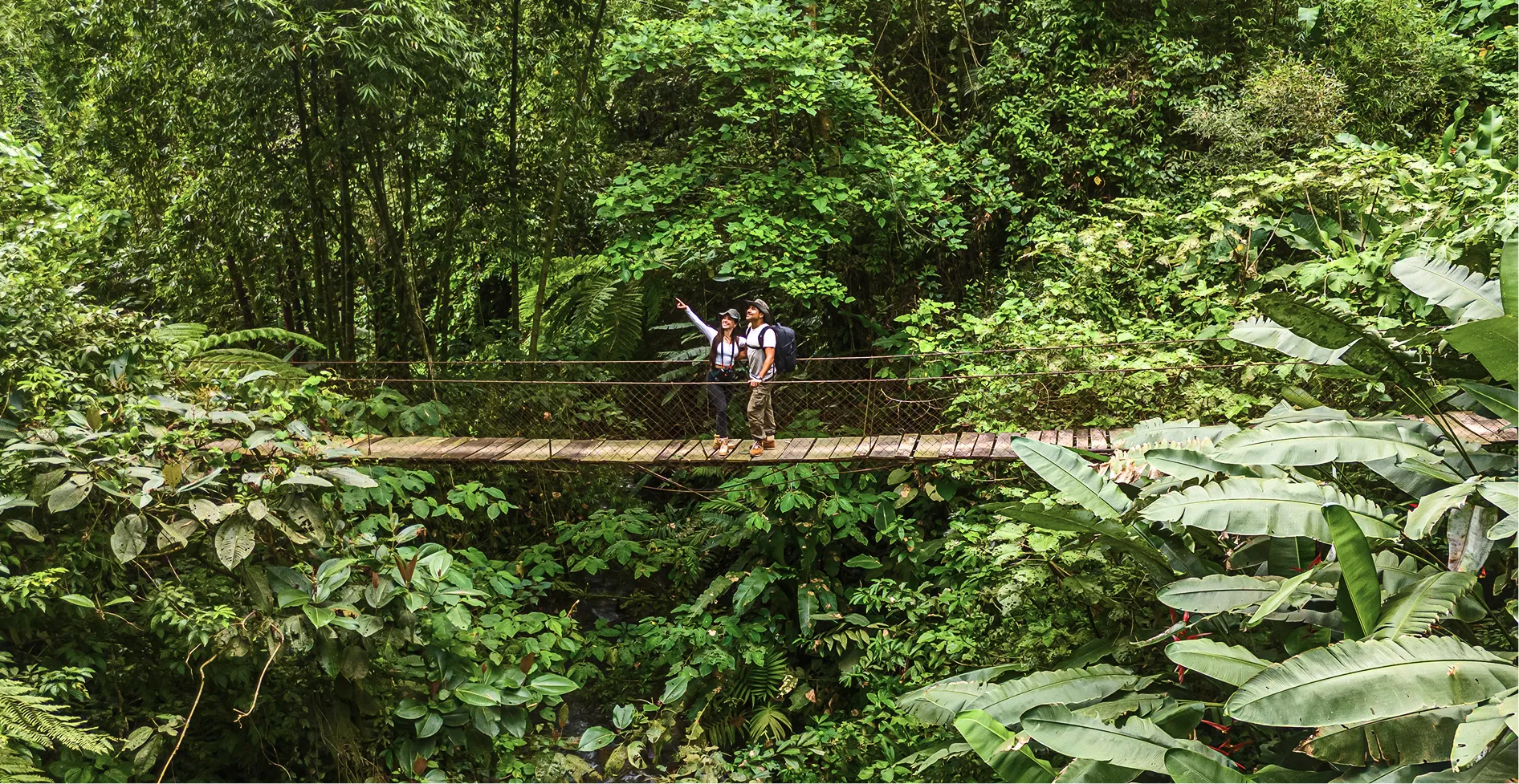
Excursions to nearby villages, hot springs, traditional markets and volcanic landscapes are also organised from Xela, further highlighting Quetzaltenango’s value as a starting point for discovering the highlands.
Things to do in Quetzaltenango
Explore the historic centre and its cultural landmarks
The historic centre is home to some of the city’s most iconic landmarks, such as the Municipal Theatre, the Parque Centroamérica and neoclassical buildings that reflect Xela’s historical significance. A stroll through this area offers a better understanding of Quetzaltenango’s cultural and urban character.
For first-time visitors to the city, this part of the city centre is a must-see and is home to much of the heritage that makes Quetzaltenango one of Guatemala’s most interesting cultural destinations.
Relax in hot springs and the surrounding countryside
Just a few kilometres from the city lie the famous Fuentes Georginas, a set of hot springs surrounded by lush vegetation and mountains, which are among the region’s most popular day trips. They are an excellent way to combine wellness, nature and volcanic landscapes during your trip.
If you’re wondering what to do in Quetzaltenango, combining the city’s heritage with a spa break is often one of the best experiences.
Explore local towns and traditions
From Quetzaltenango, it is also easy to visit nearby towns such as Salcajá, known for being home to one of the oldest colonial churches in Central America, or Zunil, famous for its textile traditions and natural surroundings.
These visits offer a better insight into life on the high plateau and an opportunity to sample the local cuisine, which features traditional dishes such as chuchitos, soups and artisan breads.
Experiencing cultural and culinary identity
Markets, cafés and restaurants offer a glimpse into the culinary diversity of Xela, where traditional recipes sit alongside contemporary dishes. This blend of culture, cuisine and local life makes Quetzaltenango a particularly attractive destination for those who enjoy cultural tourism.
Places
Map of must-see places near Quetzaltenango
Travel budget
In terms of budget, Quetzaltenango lends itself quite well to tailoring your trip to different styles. You can organise an affordable stay, focusing on walks, markets and cultural visits, or opt for a more comprehensive experience with charming accommodation, local cuisine and excursions to the surrounding area.
Recommended duration
It is also an easy destination to plan a trip to. In one or two days, you can explore the city centre thoroughly and get a general idea of the city, whilst if you have more time, you can include hot springs, nearby villages and other day trips around the region. That is why many people consider it one of the most interesting base camps in western Guatemala.
When to travel
Choosing the best time to visit will depend on the kind of experience you’re looking for. If you prefer drier days and a busier programme of outdoor cultural activities, the dry season is usually the best option. If you prefer a more leisurely pace and greener scenery, other times of the year can also be very appealing.
Climate and altitude
Given the altitude, it is advisable to be prepared for temperature changes between day and night. Although the weather is usually pleasant during the middle of the day, mornings and afternoons can be rather chilly, especially for those who are not used to the highland climate. Dressing in layers is usually the best option for staying comfortable.

What to see
Places of interest in Quetzaltenango
Use our AI-powered planner to plan your visit to Quetzaltenango
Save places, routes and experiences
More cities
Other cities in Guatemala that you shouldn’t miss
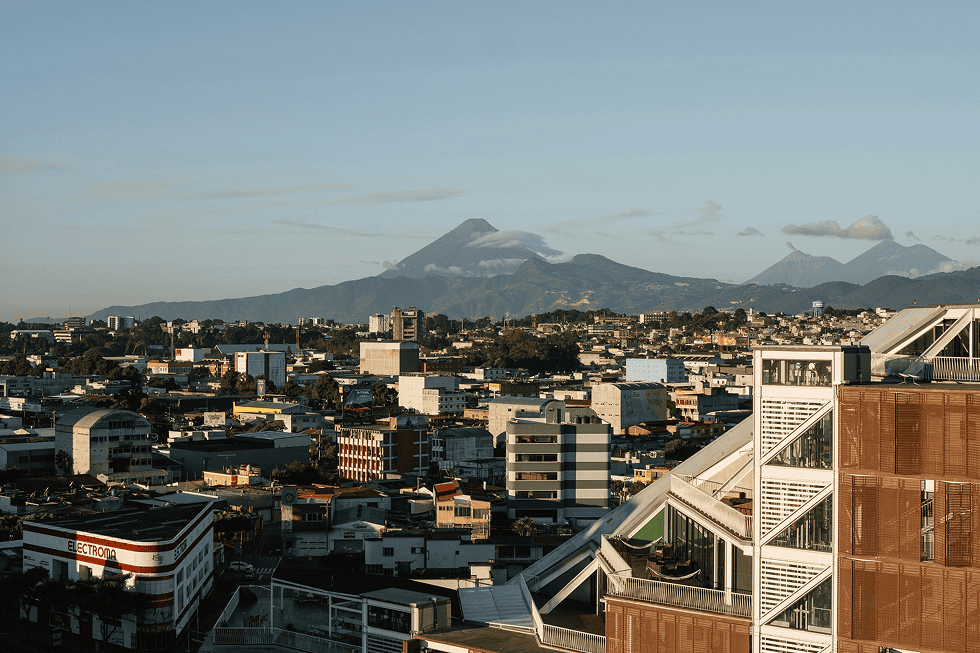
Guatemala City
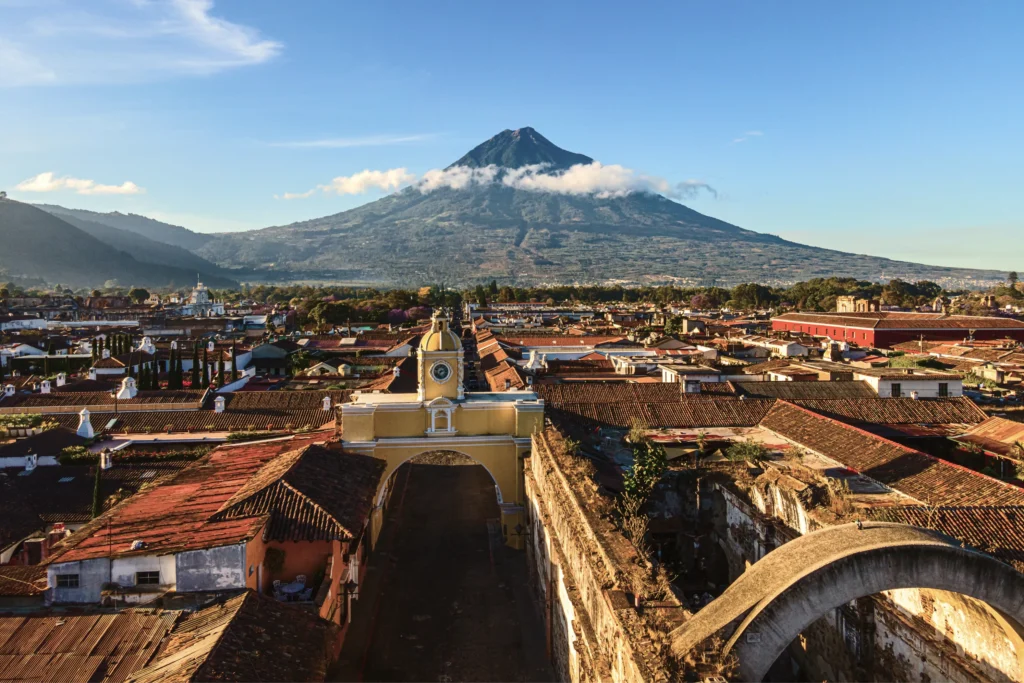
Antigua Guatemala
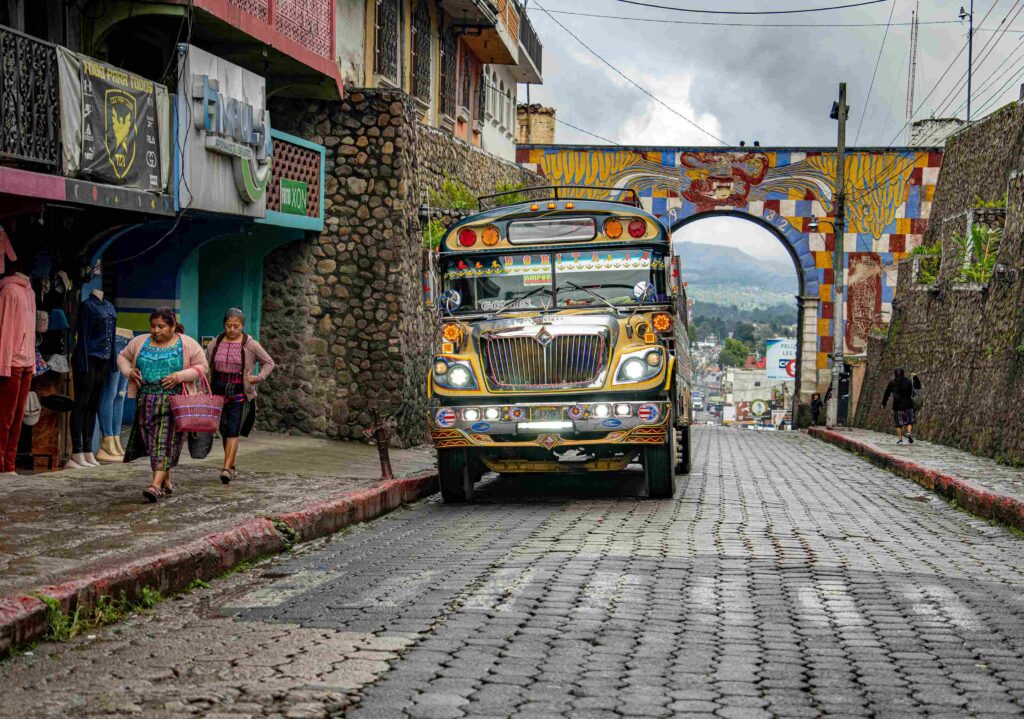
Chichicastenango
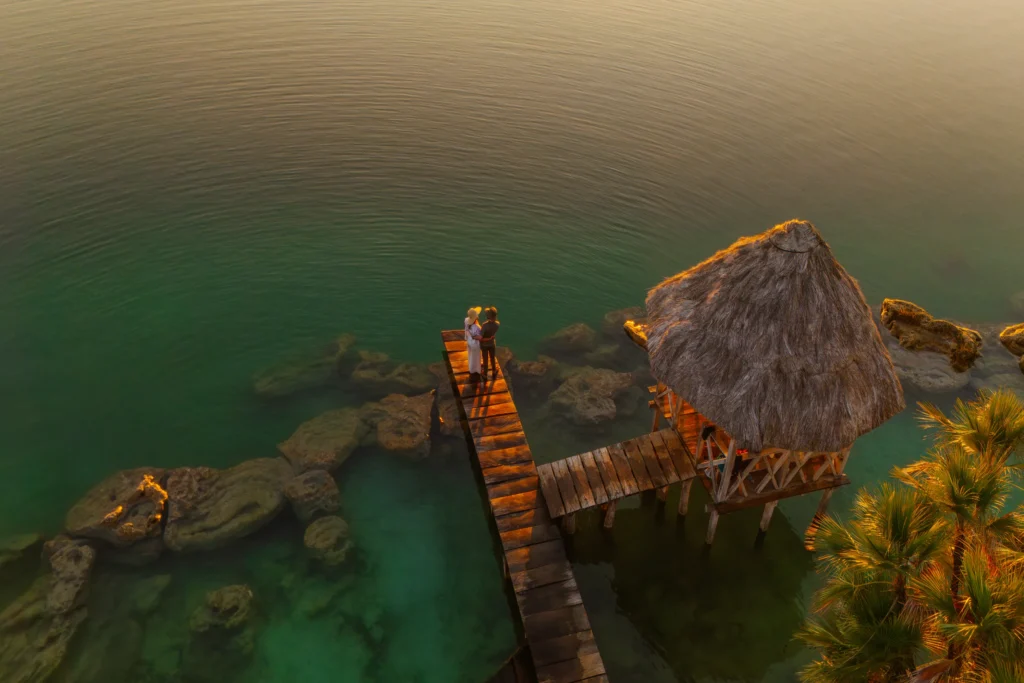
Cobán
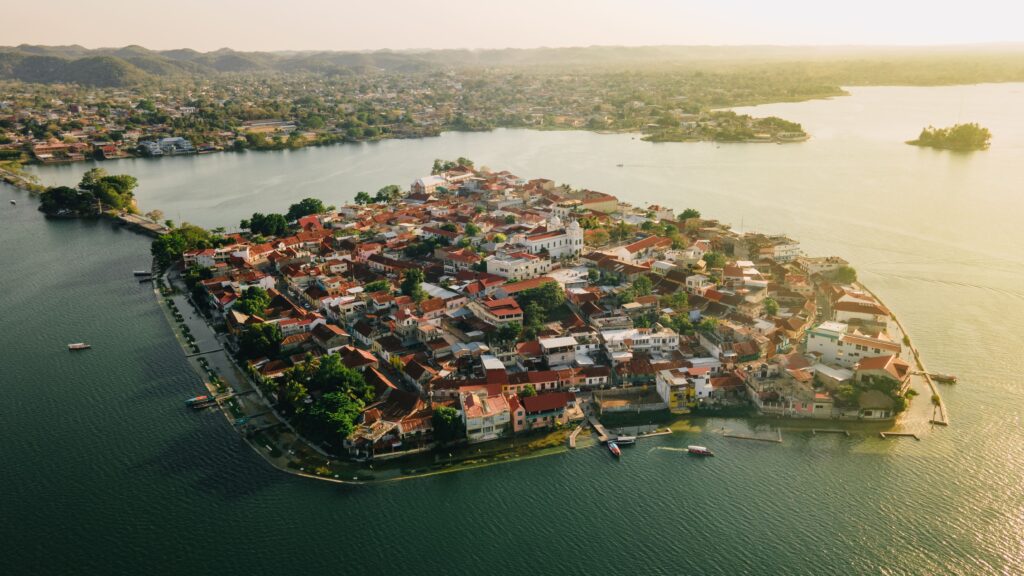
Flores Island
Blog posts
Interesting articles about Quetzaltenango and other places
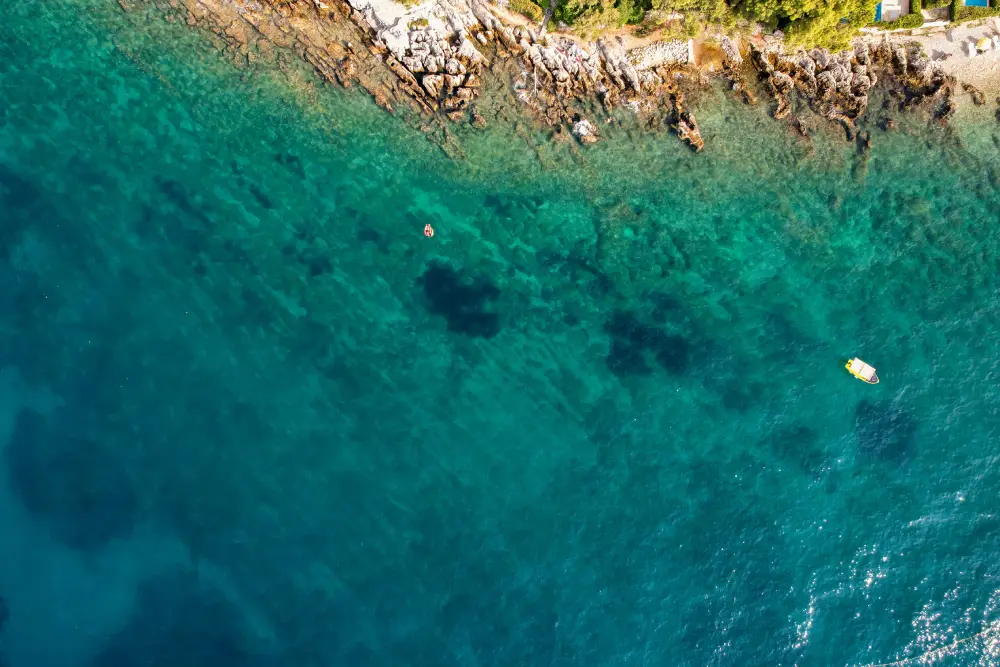
The Blue Crater: A guide to visiting this paradise in Petén
Deep in the heart of Petén, where the jungle is dense and the sounds of the city fade away completely, […]
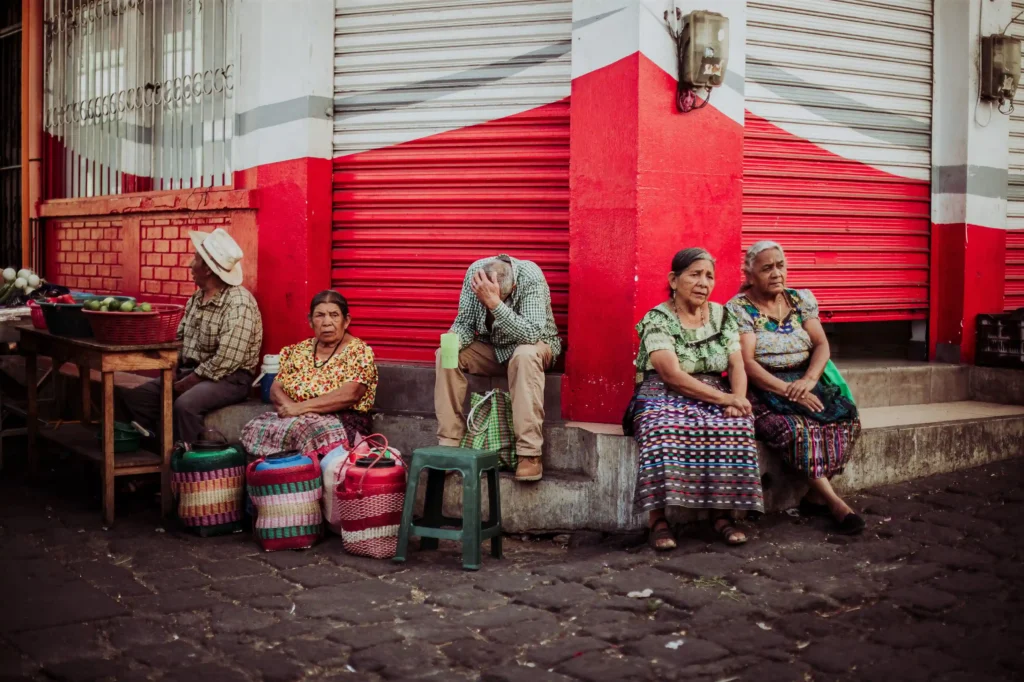
Traditional dress of Quetzaltenango: Discover the history and significance of the Xela dress
Few things connect you as viscerally with the culture of Quetzaltenango as its rich variety of textiles. Strolling through the […]
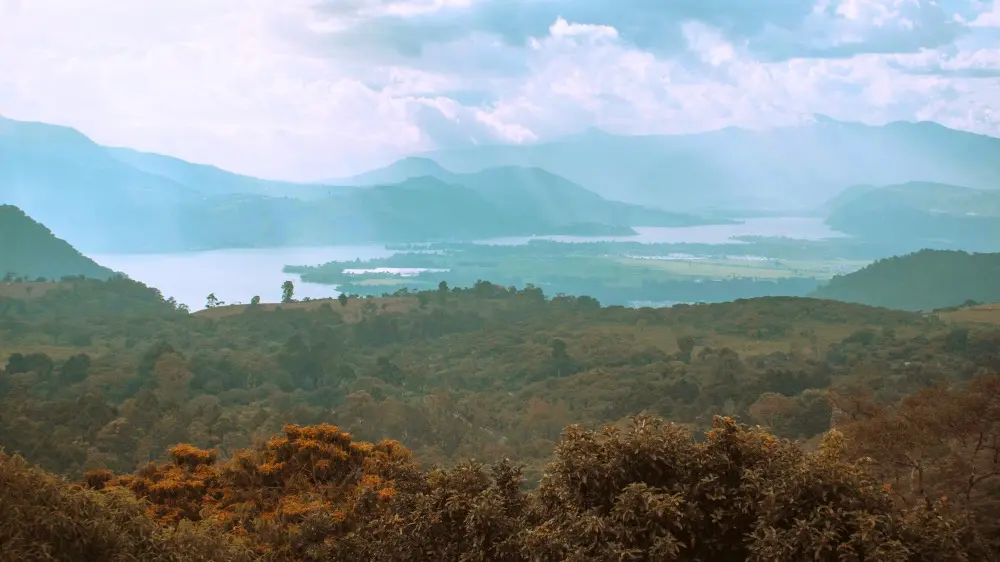
Lake Amatitlán: History, things to do and how to visit it
Lake Amatitlán is a traditional attraction in Guatemala: a must-visit destination for a wonderful experience amongst the volcanoes.
Frequently Asked Questions
What is there to see in Quetzaltenango, Guatemala?
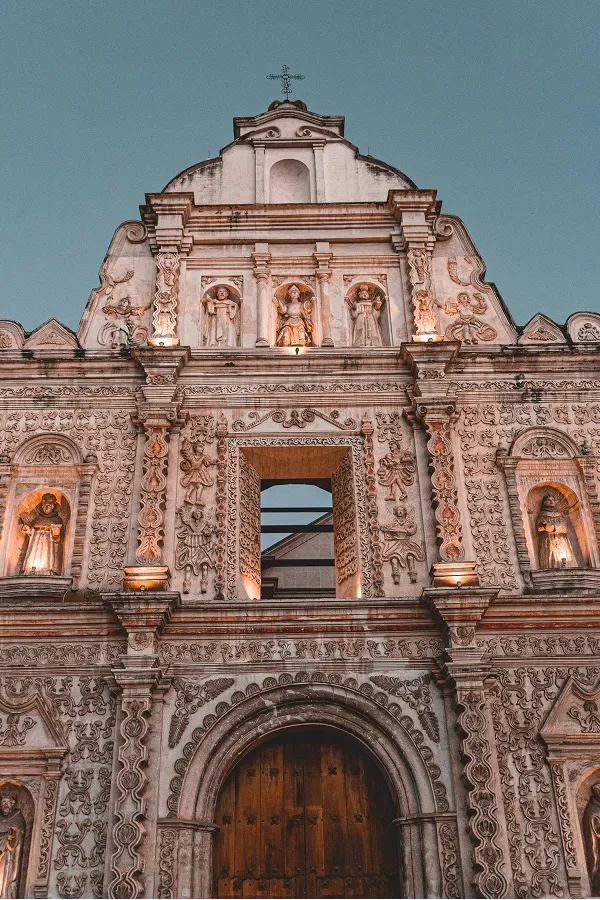
Quetzaltenango combines historic architecture, local culture and mountain scenery. Among the highlights are the Parque Centroamérica, the Cathedral of the Holy Spirit, neoclassical buildings and the viewpoints across the highlands. It is also an excellent base from which to visit nearby volcanoes, hot springs and indigenous villages.
Are Quetzaltenango and Xela the same place?
Yes. ‘Xela’ is the short, popular name used by locals and visitors alike to refer to Quetzaltenango. The term comes from ‘Xelajú’, the city’s ancient Mayan name.
How many days are recommended for a stay in Quetzaltenango?
Ideally, you should spend between 2 and 4 days here to explore the city at a leisurely pace and make the most of nearby excursions such as volcanoes, traditional markets or hot springs. It’s also a good stop-off point on routes through western Guatemala.
What sort of traveller enjoys Quetzaltenango the most?
Quetzaltenango is particularly popular with travellers seeking a more authentic and less touristy experience. It is ideal for those who enjoy local culture, hiking, cafés, learning Spanish and getting a taste of everyday life in the Guatemalan highlands.