


Beaches in Guatemala
Which beaches to visit in Guatemala
Discover coastal paradises between the Pacific and the Caribbean
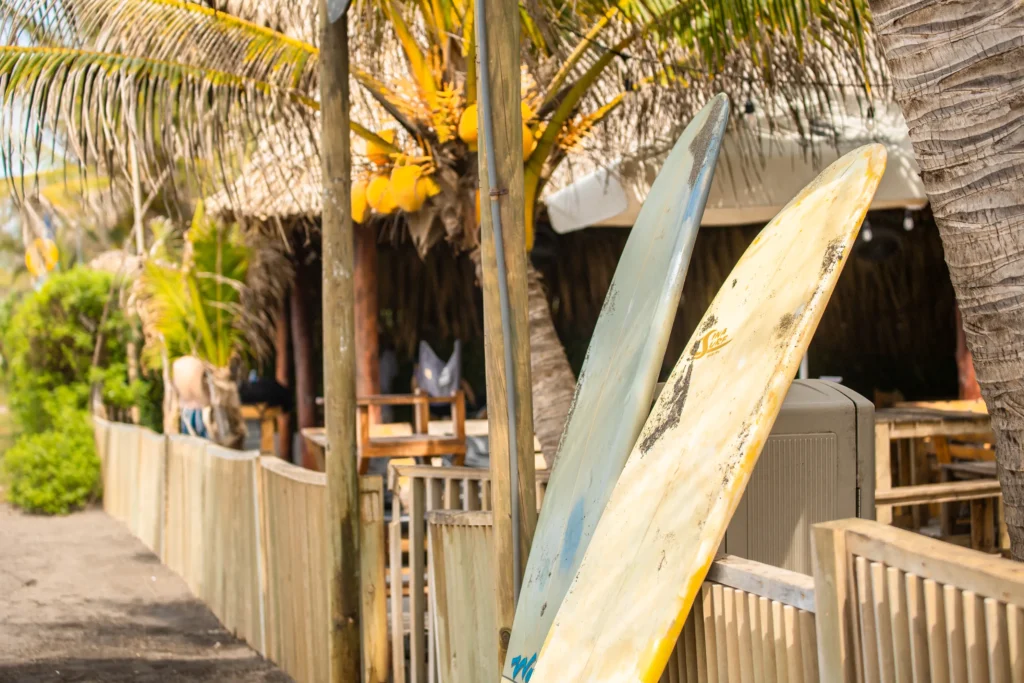
El Paredón
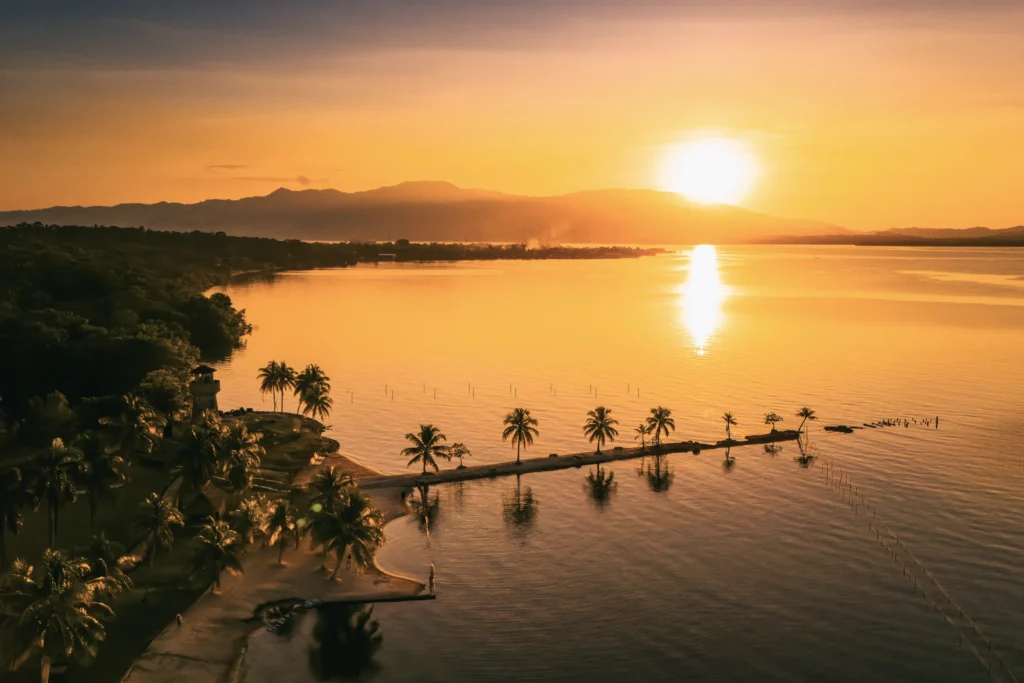
Punta Manabique
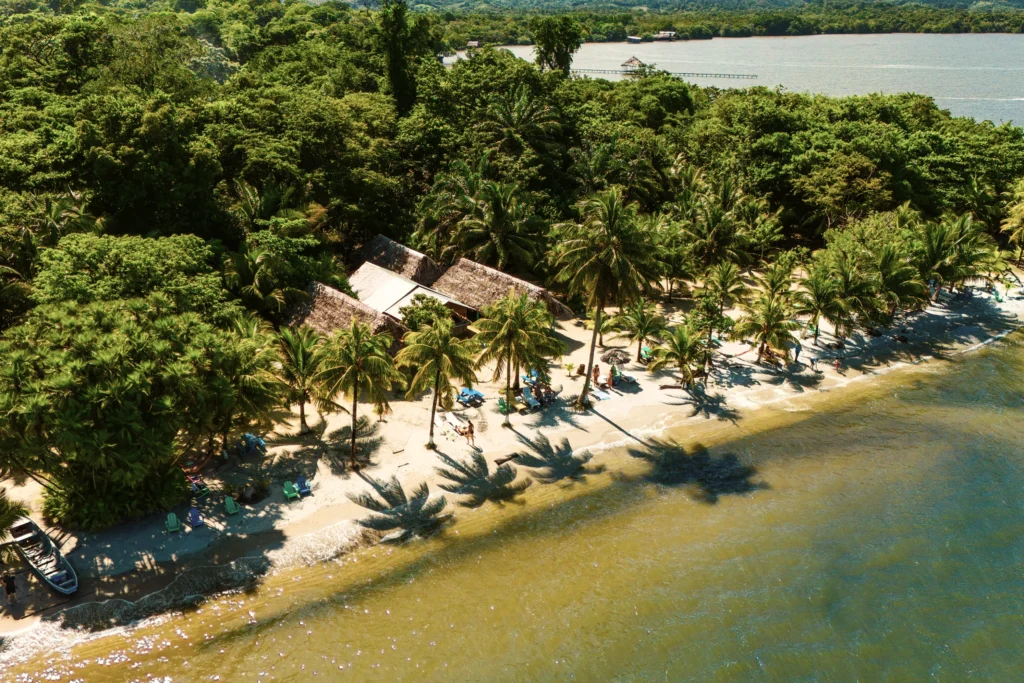
Playa Blanca, Izabal
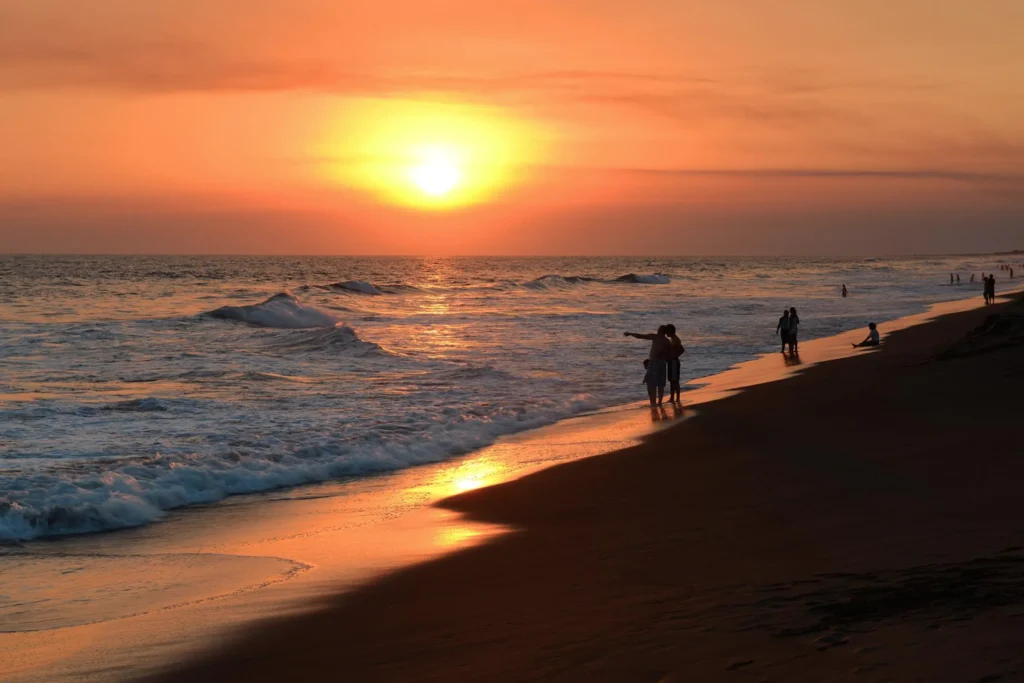
Monterrico Beach
Start planning
Create your personalised itinerary in seconds with our AI and save all your favourite places in one place
How to travel between beaches
Guatemala’s main beaches are spread across the Caribbean and Pacific coasts, so it’s a good idea to plan your itinerary according to the region you wish to explore.
On the Caribbean coast, Playa Blanca and Punta de Manabique are particular highlights; both are accessible from Livingston or Puerto Barrios, usually by boat or private transport.
On the Pacific coast, Monterrico Beach and El Paredón are the most popular and can be easily reached from Guatemala City by private car or tourist shuttle. Monterrico is about 2.5–3 hours from the capital, whilst El Paredón is about 2–3 hours away, making it ideal for weekend getaways.
What to see on Guatemala’s beaches
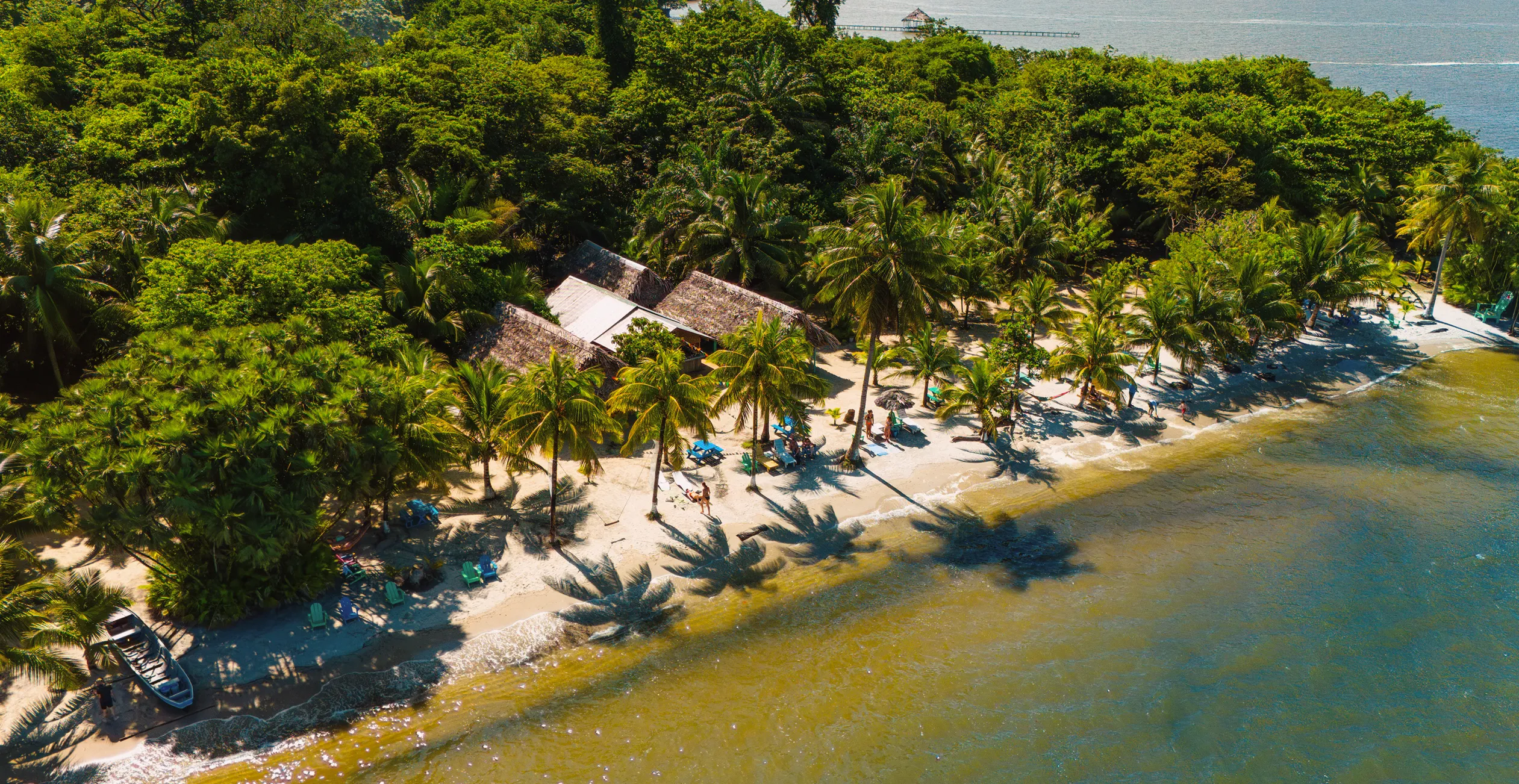
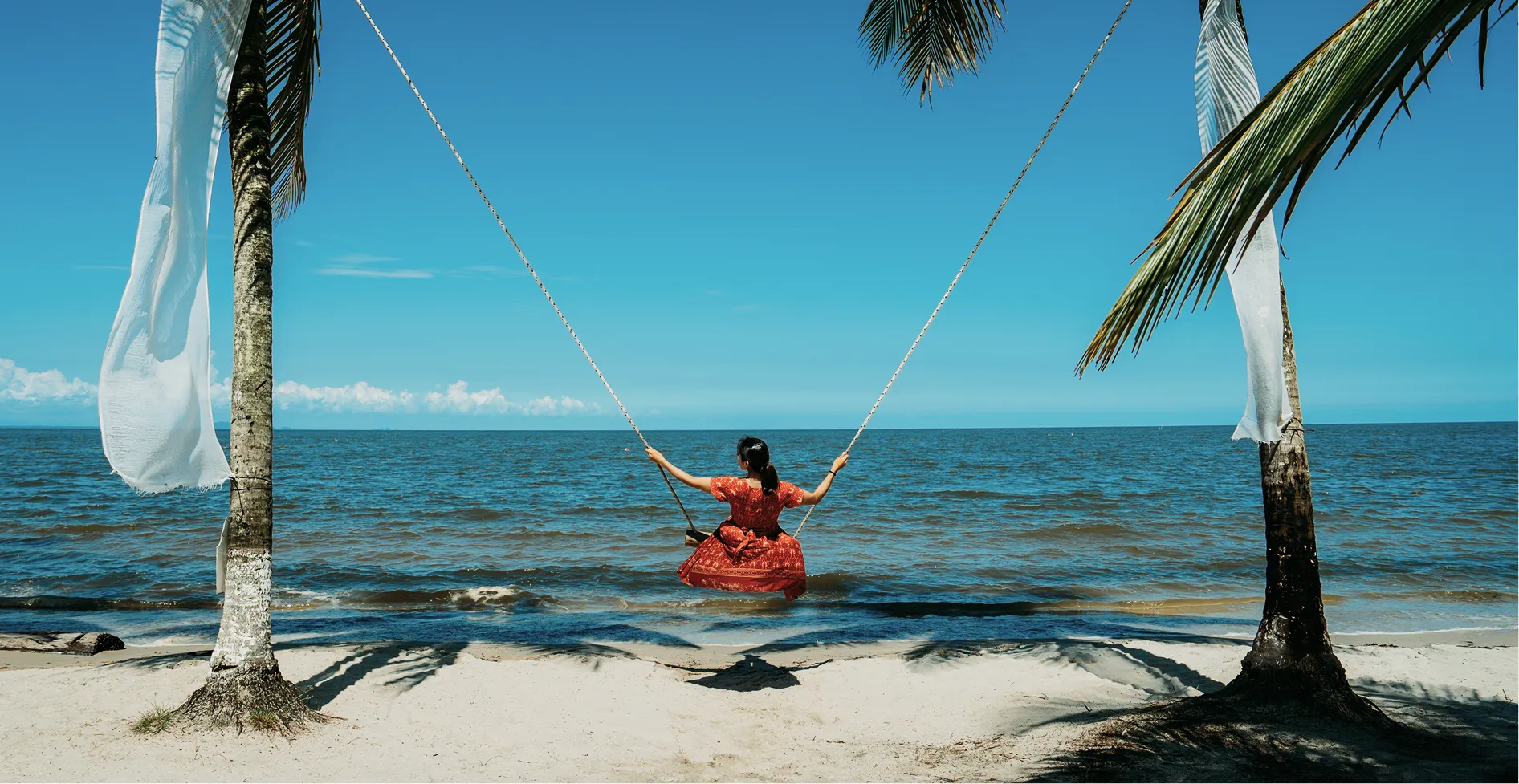
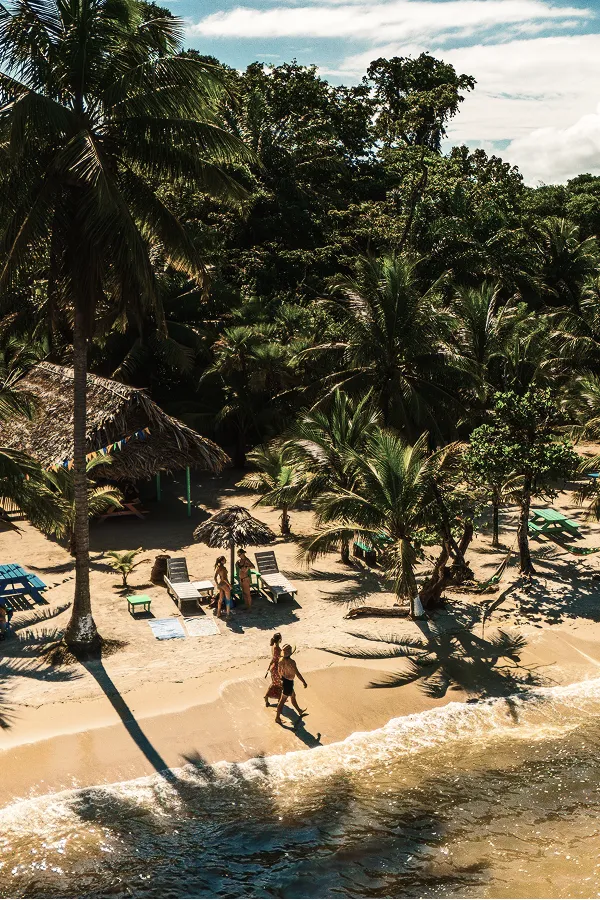
Guatemala’s beaches offer very different experiences on the Caribbean and Pacific coasts. Playa Blanca stands out for its white sand, calm waters and exclusive access by boat, making it perfect for unwinding in a more intimate setting.
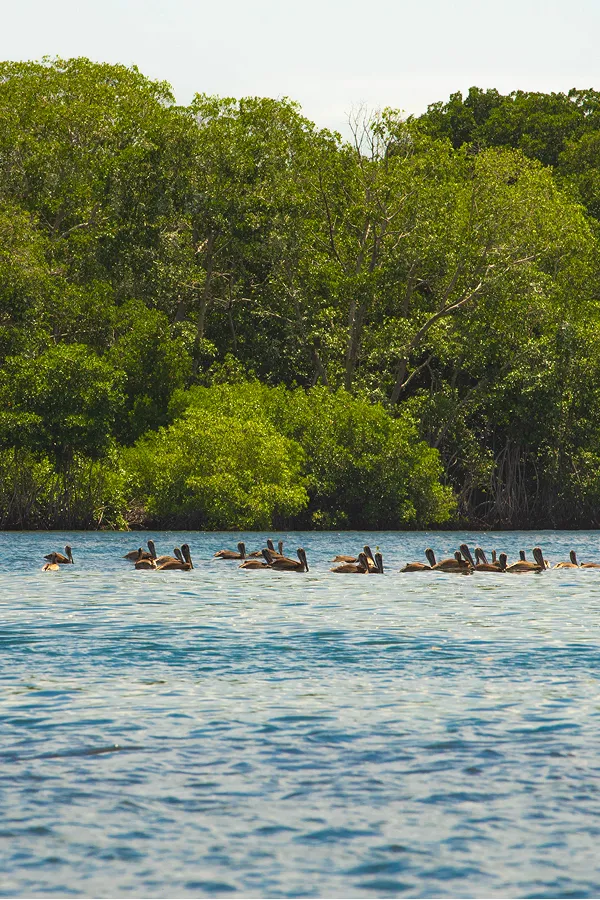
Punta de Manabique surprises visitors with its mangroves, reefs and almost untouched natural surroundings, making it ideal for ecotourism and adventure.
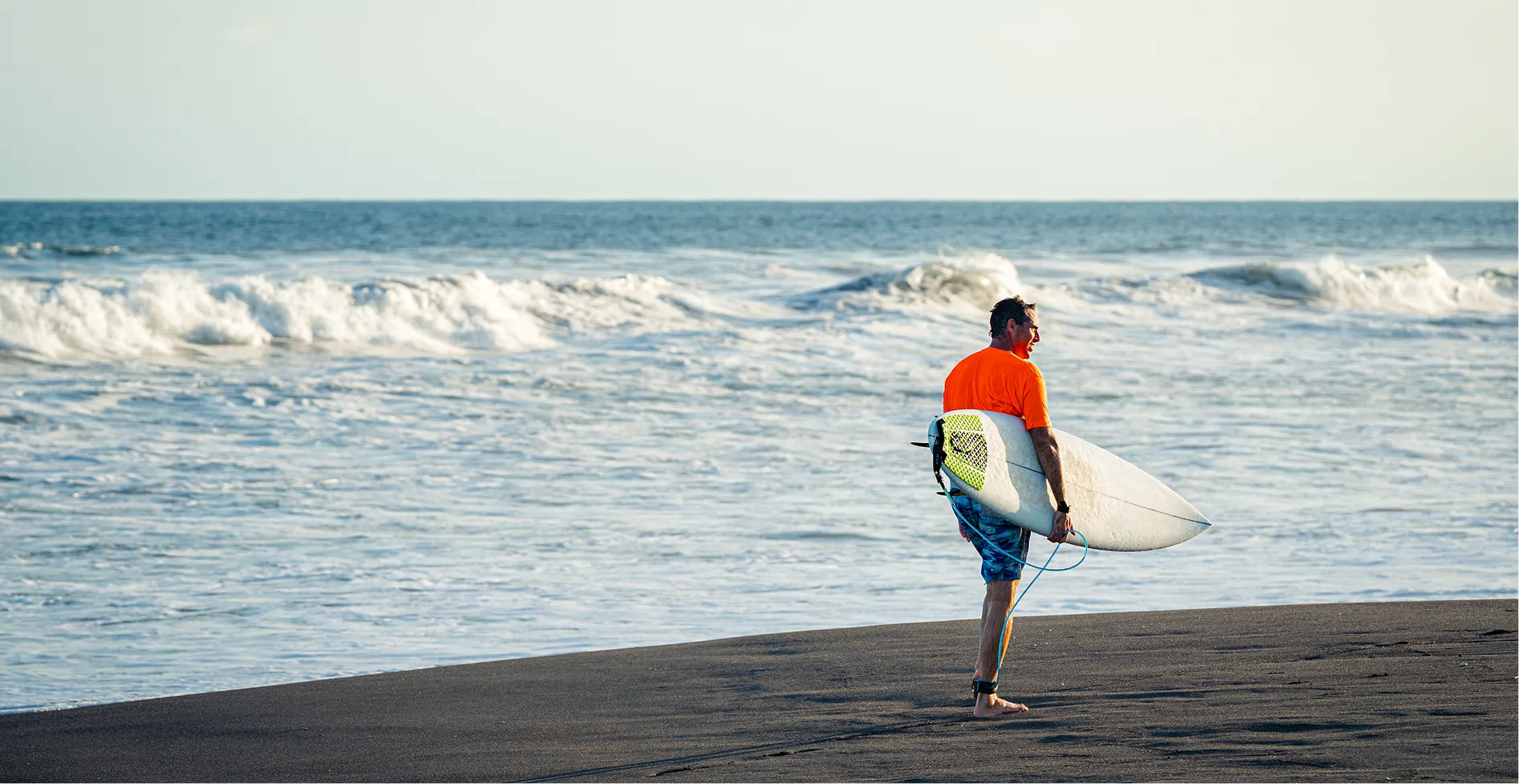
On the Pacific coast, Monterrico Beach is famous for its black volcanic sand, sea turtle watching and wild landscapes.
Meanwhile, El Paredón has become a favourite destination for surfers thanks to its consistent waves, relaxed atmosphere and bohemian seaside vibe.
How many days on the beach?
For a general beach tour of Guatemala, it’s best to set aside between 4 and 7 days, depending on whether you want to combine the Caribbean and Pacific coasts in a single trip. If you choose just one coast, 2 or 3 days are enough to really enjoy the experience, especially at destinations such as Monterrico or El Paredón.
If you’re looking for a more comprehensive itinerary, you could spend several days in Izabal to visit Playa Blanca, Punta de Manabique and Livingston, and then head on to the Pacific coast to explore Monterrico or El Paredón. The best approach is to group your visits by coast to minimise travel time and make the most of your trip.
Other must-see destinations in Guatemala
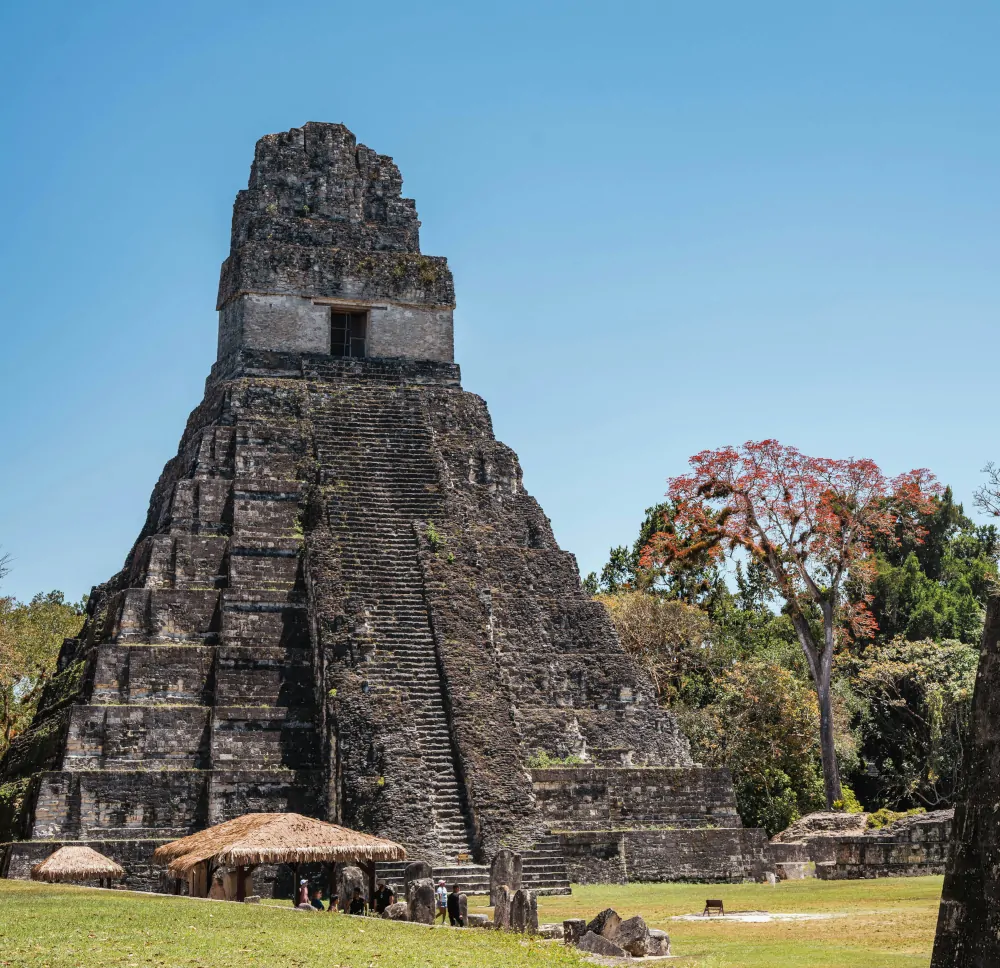
Archaeological Sites

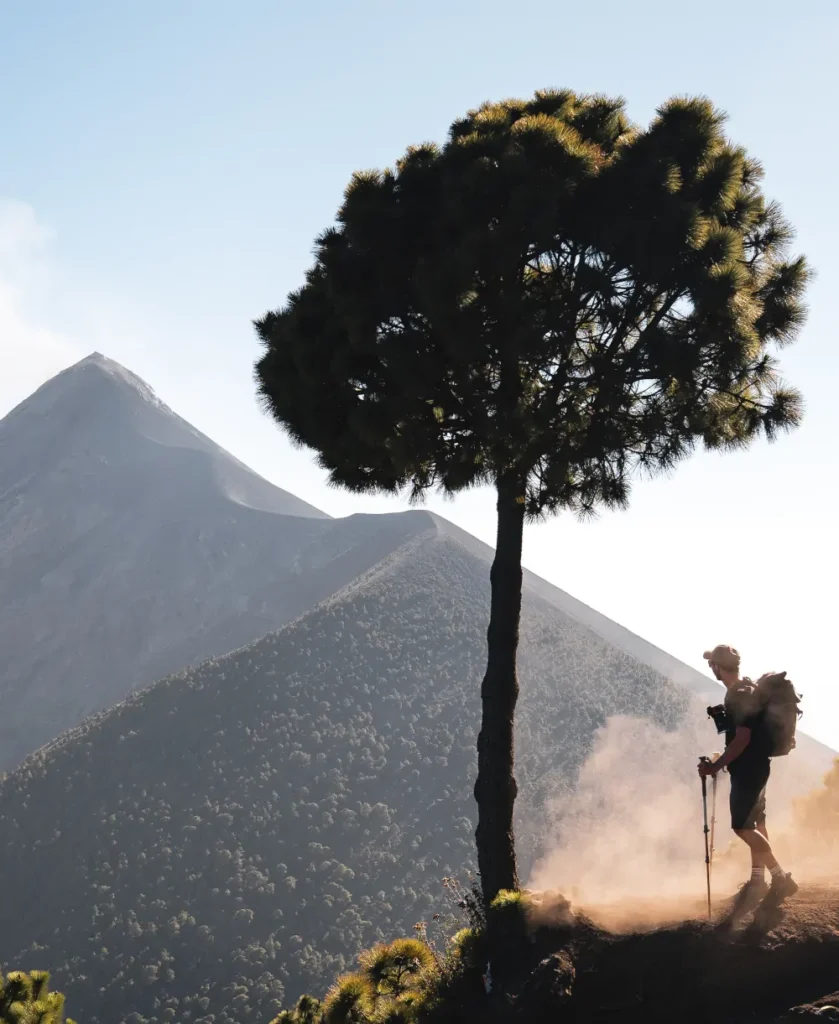
Natural Wonders

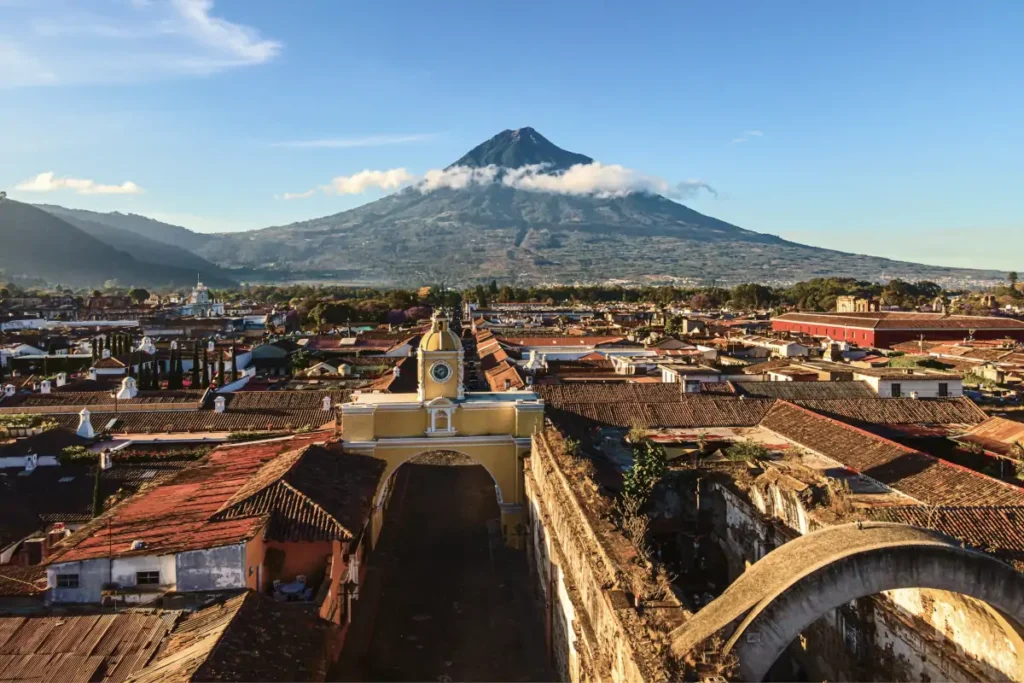
Cities

Frequently Asked Questions
Which is the best beach to visit in Guatemala?
It really depends on the sort of experience you’re looking for, as Guatemala’s beaches are all very different from one another. If you prefer a laid-back, surfer vibe, El Paredón has become the most popular destination amongst international travellers thanks to its waves and bohemian atmosphere. To unwind by the Pacific, Playa Monterrico stands out for its vast stretches of black volcanic sand and its sunsets. On the other hand, if you’re looking for calmer waters and Caribbean scenery, places like Playa Blanca or Punta de Manabique offer a much more tropical and authentic experience.
When is the best time to visit Guatemala’s beaches?
The best time to visit is usually between November and April, during the dry season, when there is less rain and the weather is more stable on both the Pacific and Caribbean coasts. However, Pacific beaches such as El Paredón or Playa Monterrico can be enjoyed practically all year round, especially for surfing. In the Guatemalan Caribbean, the weather is more unpredictable and it can rain at any time of year, although this also keeps the landscapes incredibly green and less crowded.
Can you swim at all the beaches?
Not always, and it’s important to bear this in mind. On many beaches along Guatemala’s Pacific coast, the waves and currents can be quite strong, particularly at El Paredón and in some parts of Playa Monterrico, so you should enter the water with caution. In contrast, Caribbean beaches such as Playa Blanca tend to have calmer waters that are more pleasant for swimming. In any case, many of Guatemala’s beaches are more notable for their scenery, atmosphere and natural surroundings than for being classic swimming destinations.
Is it better to visit the Caribbean or the Pacific?
They are completely different experiences. The Pacific offers wild black-sand beaches, a surfing vibe and spectacular sunsets, especially at El Paredón and Playa Monterrico. The Caribbean, on the other hand, has a more tropical and laid-back atmosphere, with calmer waters, lush vegetation and Garifuna culture in places such as Livingston. If you’re looking for surfing and a backpacker vibe, the Pacific is usually the more popular choice; if you prefer tropical nature and Caribbean scenery, the Caribbean has a very different charm.
Is it easy to get to the beaches from Antigua Guatemala or Guatemala City?
Yes, especially towards the Pacific coast. From Antigua Guatemala or Guatemala City, it’s relatively easy to reach destinations such as El Paredón or Playa Monterrico by tourist shuttle or private transport in just a few hours. The Caribbean requires a little more time and planning, particularly to reach places such as Livingston or Punta de Manabique, where part of the journey is usually by boat. It is precisely this more remote access that helps the Guatemalan Caribbean retain a much more authentic atmosphere, free from the crowds.