In central Guatemala, near the town of Lanquín, all eyes are on Semuc Champey, a nature reserve famous for its turquoise pools. But few people know that one of the country’s most unique natural sites lies just a short distance away: the Lanquín Caves.
This place offers a unique blend of geology and stories about Mayan rituals that are still practised there today. Stay with us, because below we’ll tell you how to make the most of this stone sanctuary, which has become an essential stop on any trip around the country.
What are the Lanquín Caves?
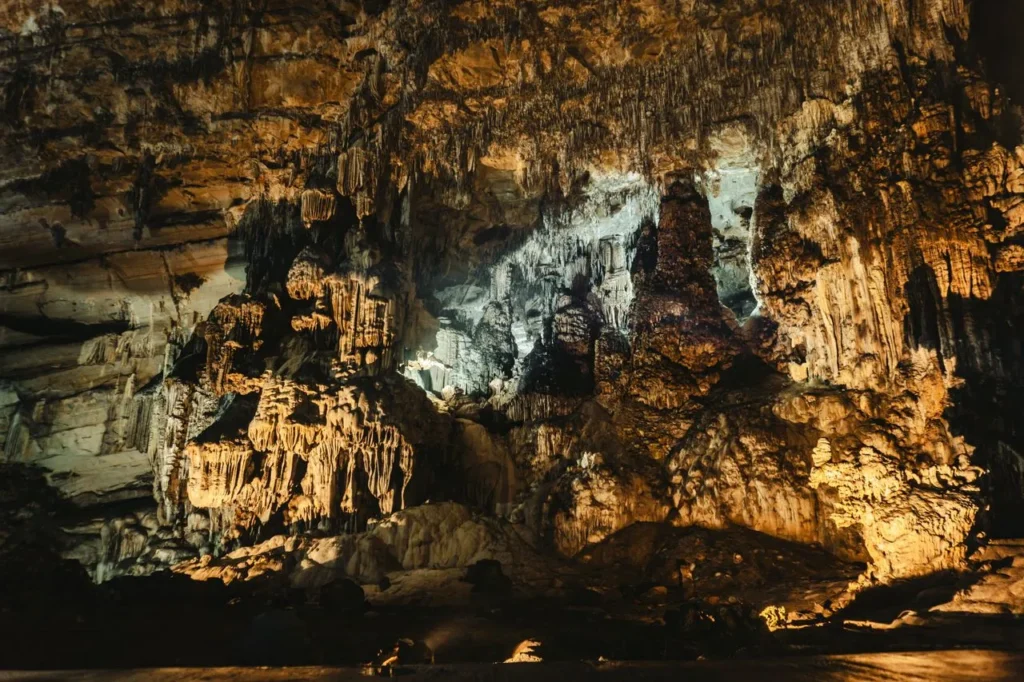
Officially designated as a National Park, the Lanquín Caves are a vast and majestic complex of limestone caves located in the department of Alta Verapaz. It's one of the most impressive and ancient underground complexes in the country and, for the Q’eqchi’ Maya people, it's a sacred site; in fact, ancient stone altars within the caves are still used for rituals and ceremonies.

- We invite you to read our article about the 12 villages of Lake Atitlán.
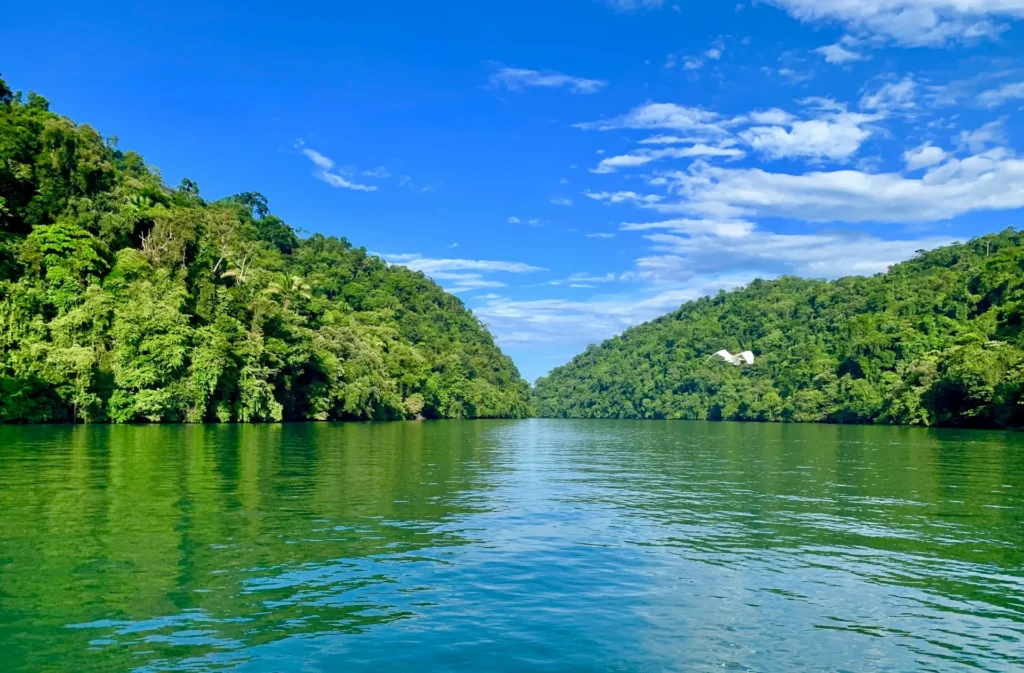
Exploring the caves in the Cahabón River area
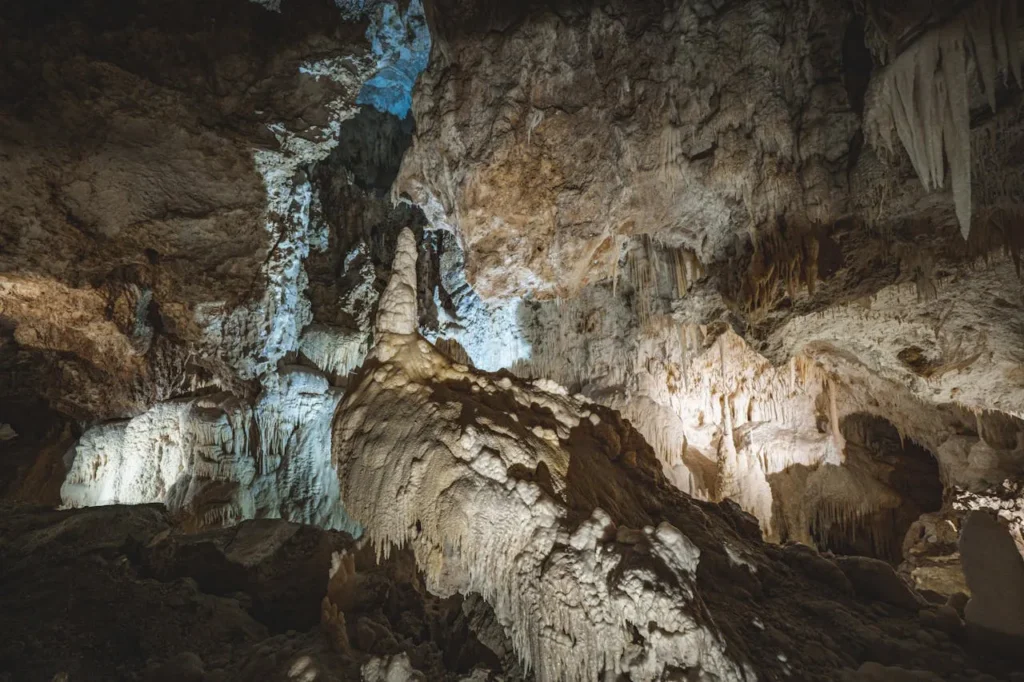
The formation and characteristics of caves
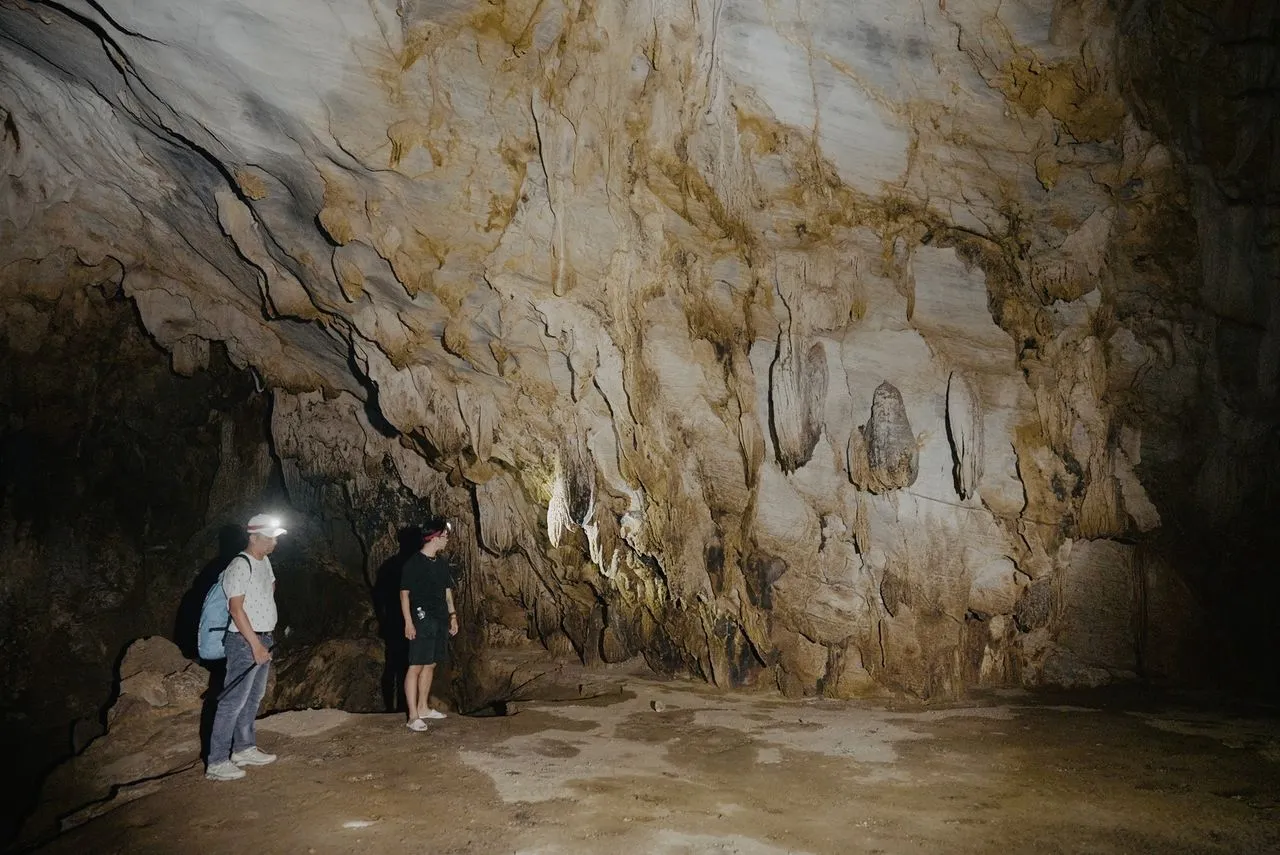
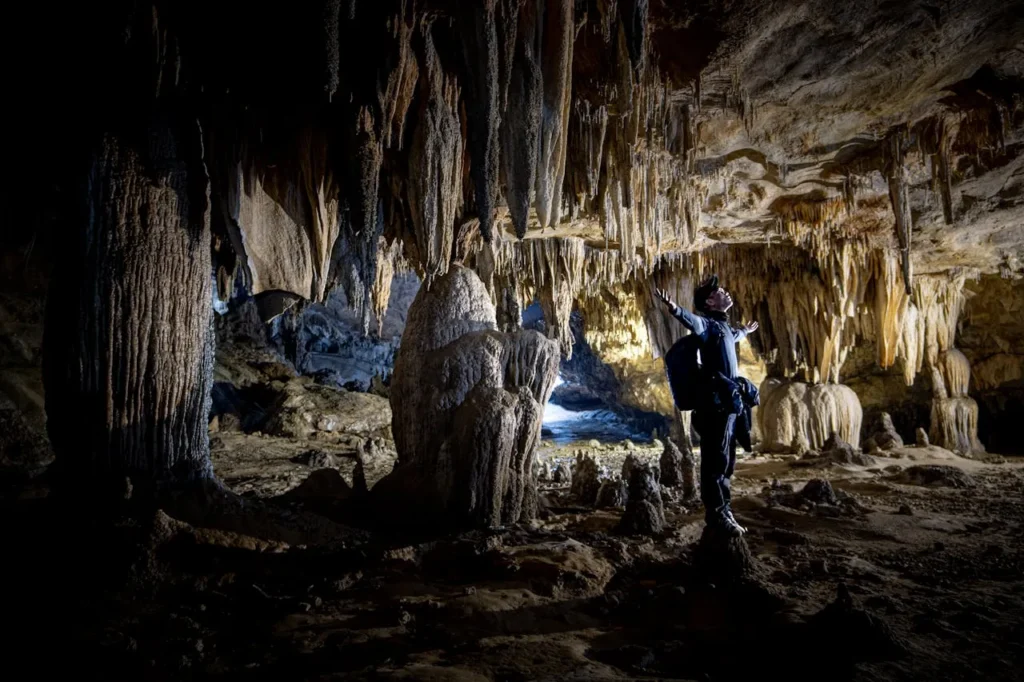
The interior of the Lanquín Cave is filled with glittering minerals, vast passageways and stalactite and stalagmite formations. There is also an internal cenote where certified expert divers can go diving with local guides.
Another of the most interesting features of the Lanquín National Park is that the River Lanquín rises from within it. And, right by the river’s source, at the entrance to the cave, visitors on the guided tours can see the thousands of bats that use the cave as a refuge. It is, in particular, at dusk when groups of hikers gather at the entrance to witness the departure of these flying creatures, which awaken in search of food.
Types of tours (guided or self-guided)
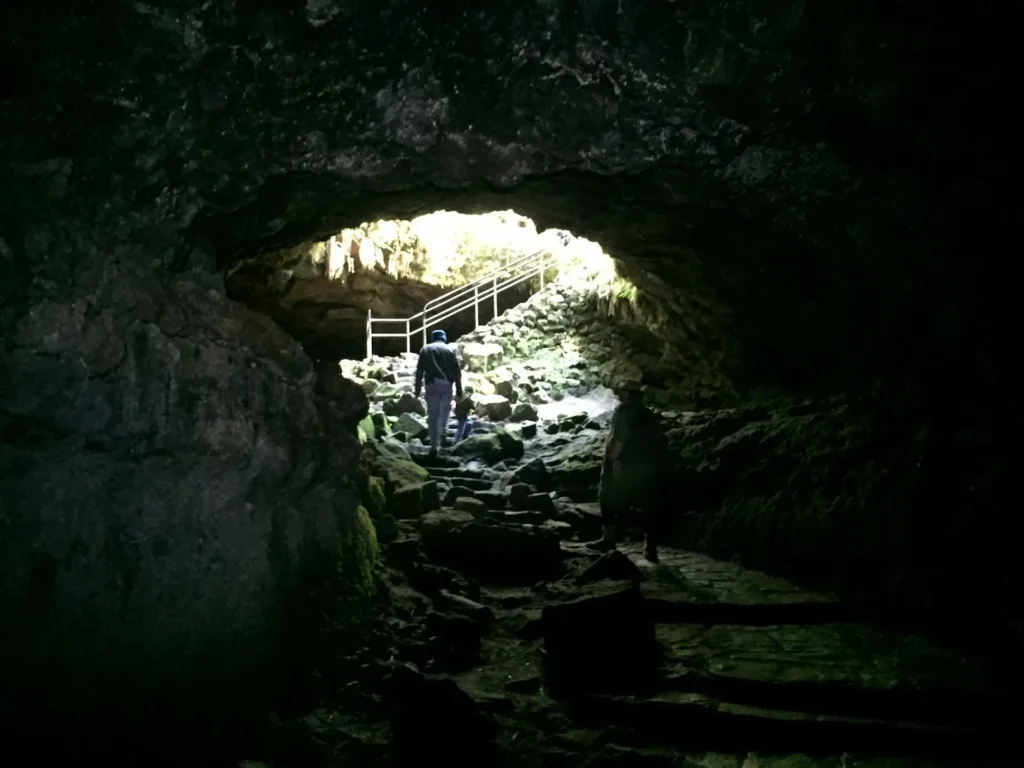
The Lanquín Caves are enormous (speleologists and researchers estimate that the unexplored network of tunnels may stretch for tens of kilometres), but the section open to the general public extends for around 600 metres from the entrance. The route is very easy to follow and is equipped with steps, artificial lighting and handrails so that people of all ages can enjoy the cave.
You can explore this 600-metre trail either on your own or as part of a guided tour. The latter option is led by certified local guides who will explain the local legends and the history behind the rock formations; it's therefore a much more enriching experience and the most highly recommended option. Remember that you’ll need to bring cash to buy your ticket, as credit cards aren’t accepted.
- This page about the Candelaria Cenotes may interest you.
Things to do around the Caves
- Hikes along jungle trails: the area around the Lanquín Caves is covered in subtropical rainforest, with trails you can follow to explore the area. The most special feature of this setting is the natural vantage points from which you can see the canyon through which the river winds.
- Boat and kayak trips on the Cahabón River: on the nearby Cahabón River, which is famous for its rapids, you can go kayaking, tubing or rafting, depending on how much of a thrill you’re after.
- Wildlife spotting: as you walk along the trails, you’ll be able to hear the monkeys that live in the area and the birdsong. It’s a great place for birdwatching, as there’s everything from toucans to hummingbirds; and if you’re lucky, you might even spot the majestic quetzal.
- Photographing stalactite and stalagmite formations: of course, inside the Lanquín Caves you can take photos and capture the endless shapes that have formed over time. We simply recommend that you protect your camera from the damp.
How to combine a visit to the Lanquín Caves and Semuc Champey
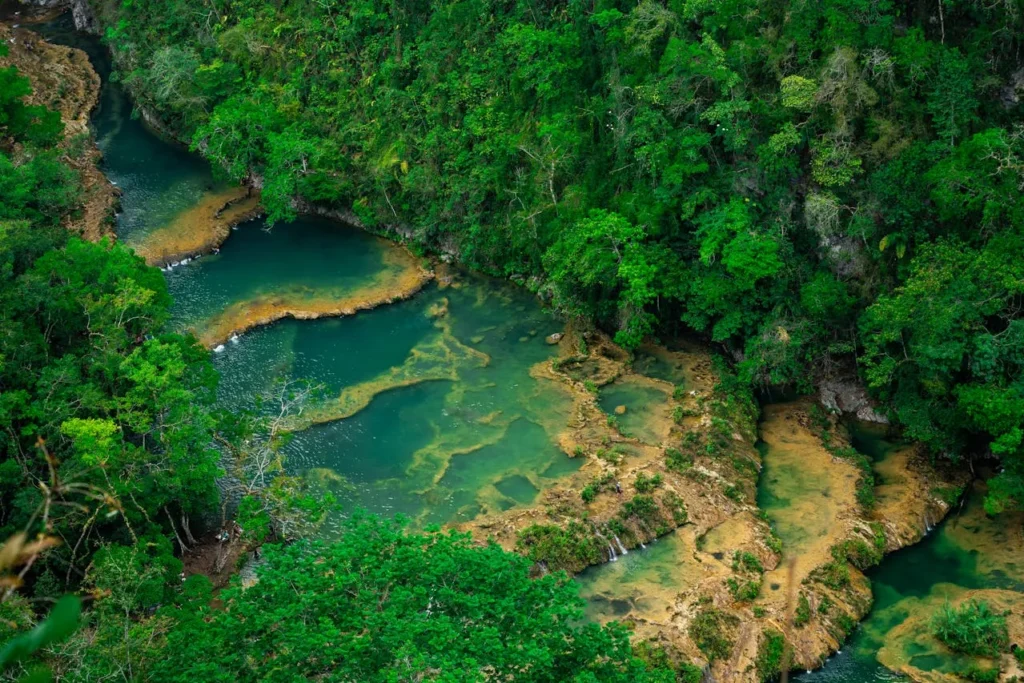
The Lanquín and Semuc Champey caves are both located in the same region of Guatemala: Alta Verapaz. This means they can easily be combined into a single day trip. If you’re short on time, you can visit both destinations in a single day on a whirlwind tour, but it’s best to set aside two days: one for the caves and their surroundings, and another for Semuc Champey.
To visit both destinations, the best option is to stay in Lanquín, from where tuk-tuks depart for the caves and 4x4s head to Semuc Champey. However, many travellers also choose to stay overnight at the entrance to Semuc Champey.
The best times to visit the Lanquín Caves and Semuc Champey
The best time to visit the Lanquín and Semuc Champey caves is from November to April (during the dry season). During these months, the weather is more stable and the caves are less likely to be closed due to rain. What’s more, the waters of Semuc Champey will be a perfect turquoise colour.
Furthermore, the roads leading to both locations are in good condition and clear at this time of year, making the journey easier and allowing you to drive without any problems. Specifically, February and March are the months with the lowest chance of rain all year.
- This page about Las Verapaces Nature Reserve may interest you.
Useful tips before entering the caves
Our main recommendation is that you wear light clothing, as it's very humid and hot inside the cave. Avoid coats as much as possible. It's also highly advisable to bring mosquito repellent, as these insects thrive due to the presence of the river and the surrounding vegetation, with their numbers increasing at dusk.
Also, try as far as possible to avoid carrying bulky rucksacks, as there are narrow passages with low ceilings inside the Lanquín Caves, so large bags can get in the way and make you lose your balance. Finally, as a personal recommendation, if you can visit the caves at dusk (between 5.30 pm and 6.00 pm), all the better. That way, you’ll be able to witness the bats emerging and taking flight.
Caving safety tips
Walk slowly and hold onto the handrails – these are the two most important safety tips for walking through the Grutas de Lanquín National Park, as the rock is very slippery. And, of course, always stick to the marked path; bear in mind that beyond the designated boundaries there are miles and miles of unexplored terrain and you could easily get lost.
Furthermore, it's essential that you do not touch the walls or any rock formations, as the oil from your hands can halt the growth of stalactites and stalagmites, as well as stain them black. Furthermore, for your own safety, it's essential that you keep your mouth closed when looking up, as there may be drips of urine and bat droppings.
Finally, it goes without saying that visitors are asked to avoid making loud noises that might disturb the local wildlife, and to refrain from touching the Mayan altars.
- We invite you to read our article about the Salto de Chilasco.
Top 3 tips for exploring the Lanquín Caves
- Bring a powerful torch: although the path inside the caves is lit by electric lighting, this can fail or be switched off at certain times. With a torch, you’ll avoid being left in the dark in the inner areas.
- Clothes and footwear that can get wet: the Lanquín caves are alive, and water drips constantly from the ceiling. So, if you can wear light, quick-drying clothes that can get wet, all the better. As for footwear, avoid sandals or flip-flops altogether; it’s best to wear hiking boots with good grip to prevent slipping.
- Check the weather and river levels: this is particularly important if you’re visiting the Lanquín Caves during the rainy season (June to November). A heavy storm can flood the cave passages and, in that case, the authorities close access to the park. Checking the weather forecast will save you from making the trip for nothing and will help you adapt your day’s activities to whatever the situation may be.