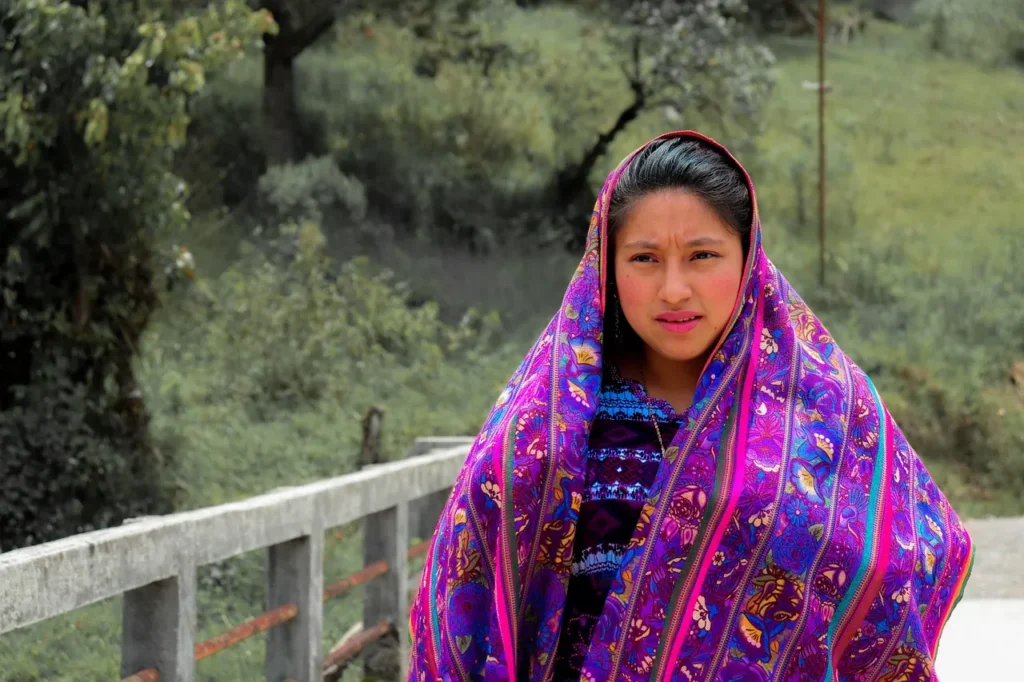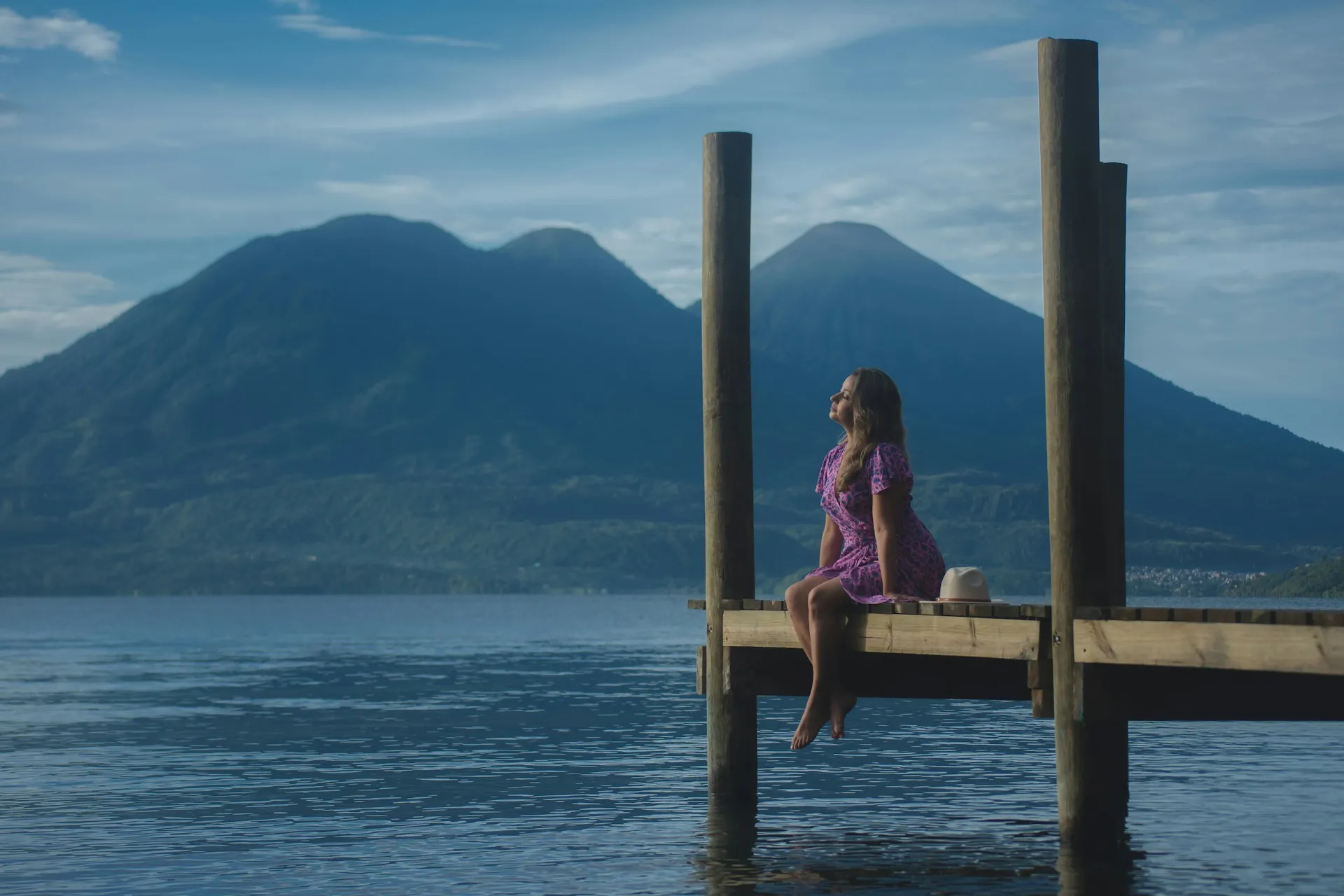
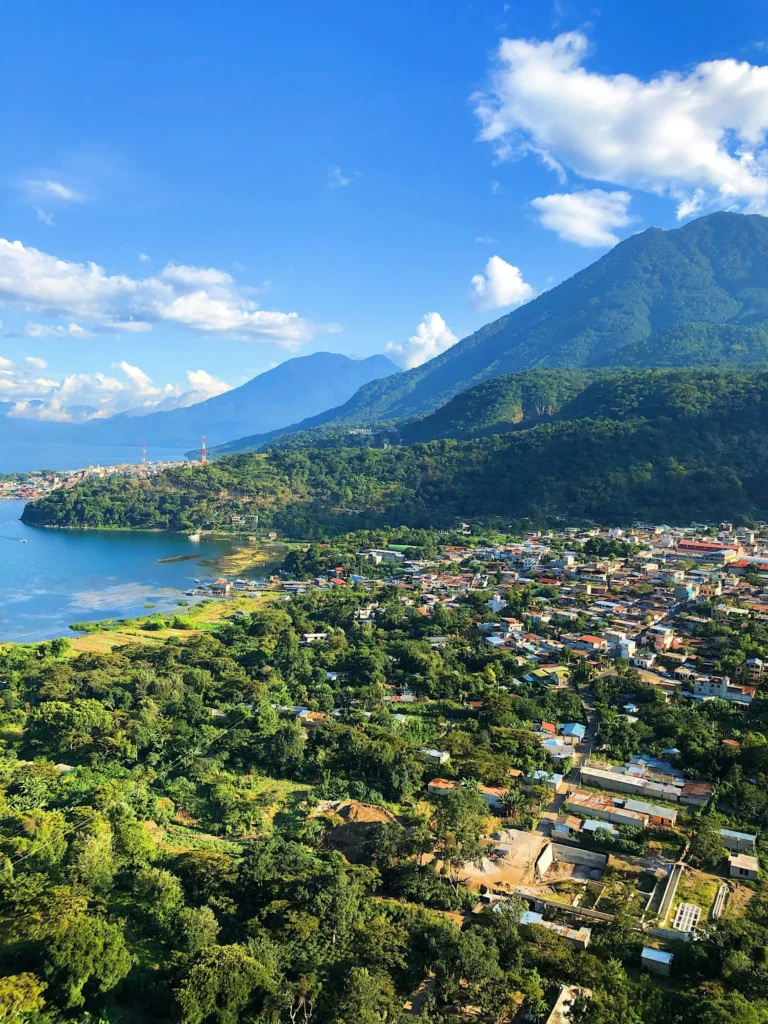
What are known as the 12 villages of Lake Atitlán are indigenous settlements and municipalities surrounding this famous lake, located in the department of Sololá. What makes these villages special is that they are inhabited mainly by three Mayan communities: Tz'utujil, Kaqchikel and K'iche'. Therefore, visiting them is a way of gaining an insight into the traditions and way of life of this culture, which is so important in Guatemala.
What’s more, the 12 villages around Lake Atitlán are all very different from one another, each with its own distinct atmosphere, so it certainly won’t be a monotonous experience. Although they share the same lake, each of the communities has its own unique identity. If you’re passionate about cultural travel, stick around as we tell you how to enjoy one of Guatemala’s most special areas.
San Juan La Laguna: Art and local cooperatives
Of the 12 villages on Lake Atitlán, this is the most artistic and colourful. In fact, it's considered the artistic and cultural heart of the lake. This is home to part of the Tz'utujil community, which has embraced a model of community-based and sustainable tourism free from large chains, as it's the locals themselves who manage the economy.
Painting and textile workshops
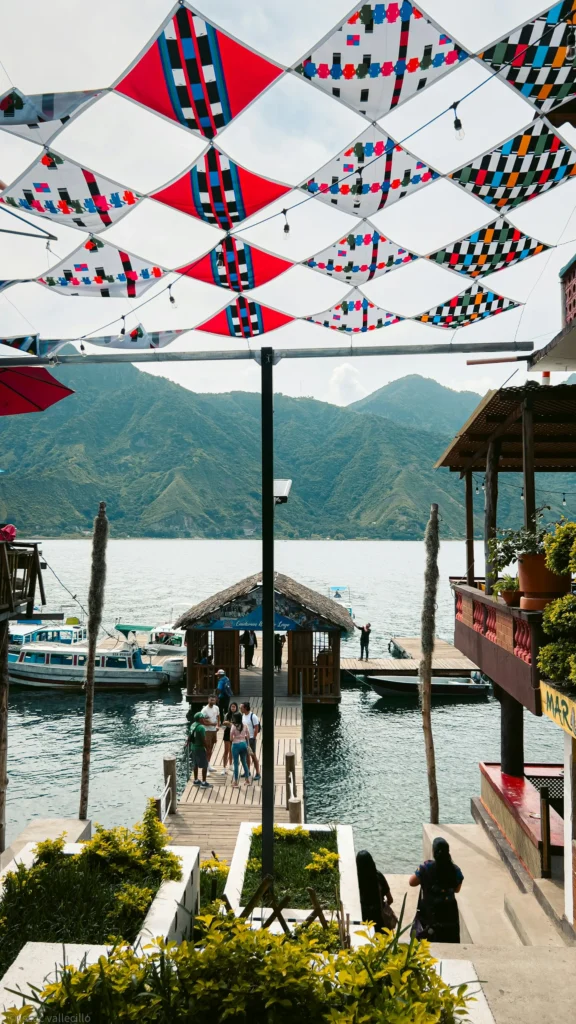

One of the highlights of San Juan La Laguna is the women’s weaving cooperatives. But we mustn’t forget its art galleries either. Both ensure that the profits go directly to the artisans’ families. In addition, there are also associations of certified local guides who organise tours and ensure that tourism has a positive impact on the village.
Of course, as well as visiting the cooperatives, workshops are also organised to give tourists an insight into the artisans’ craft. For example, there are workshops on spinning and natural dyes, backstrap weaving classes, Tz’utujil painting workshops and even demonstrations of medicinal plants. And all of this is led by local artisans and experts.
Cultural experiences with the community
If you visit San Juan La Laguna, don’t miss the monumental murals that adorn many of its streets. The façades of the houses serve as a canvas for artists to depict the history, legends and daily life of the Tz’utujil people.
Another experience you can enjoy in San Juan La Laguna is a homestay, as many local families open their homes to tourists so they can stay with them and experience everyday life in the village. I also highly recommend heading up to the Kaqasiiwaan viewpoint to see more of the town’s murals.
- This page about the cities of Guatemala may interest you.
Santiago Atitlán: History and traditions of one of the 12 villages on Lake Atitlán
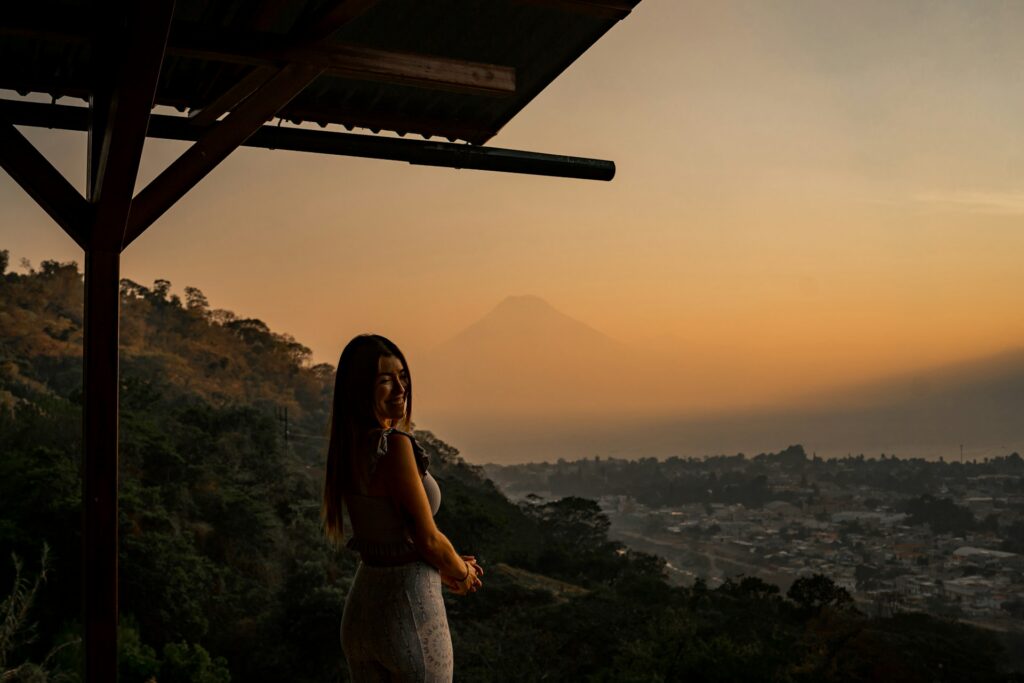
It's the largest of the 12 villages on Lake Atitlán and the heart of Tz'utujil culture. Unlike other villages on the lake, which are more focused on backpacker or spiritual tourism, Santiago Atitlán has a very mystical and religious atmosphere, and a form of religious syncretism unique in the world has developed here. In fact, you’ll see that many of its inhabitants still wear traditional dress.
The strong religious sentiment in Santiago Atitlán is reflected in the worship of Maximón, the village’s most famous tradition. The faithful offer this syncretic deity aguardiente, tobacco and candles in exchange for miracles, health or protection. And the most curious thing of all is that Maximón is depicted as a man carved from wood, dressed in local costume and smoking cigars. The images are truly curious.
Historic sites and temples
- Parish Church of St James the Apostle: it's one of the oldest colonial churches in the region and a clear example of how religious syncretism is reflected in architecture. The most curious thing of all is that inside you can see statues of Catholic saints dressed in traditional Tz’utujil attire. Another thing you mustn’t miss inside this church is the Father Stanley Rother Memorial, an altar dedicated to this American priest who translated the New Testament into Tz’utujil and defended the community during the Guatemalan Civil War. Because of this, he was murdered and is deeply revered by the locals; he was even beatified by the Catholic Church. As you can see, visiting the 12 villages around Lake Atitlán will be a truly memorable experience where you can witness Guatemalan cultural diversity at its finest.
- Maya Laundry: this is a historic spot on the lakeshore where women used to gather – and still do – to wash their clothes. It has been a key social hub for centuries and, as a visitor, you can witness a tradition that has been lost in many places.
Local markets and traditional cuisine
You simply must visit the Municipal Market; it’s one of the most authentic and least westernised markets in the whole of Guatemala. As you’ll see, tourism takes a back seat here. It’s a fully functioning, bustling market where you can buy vegetables harvested on the slopes of the surrounding volcanoes, fish from the lake and traditional clothing. As for the cuisine of Santiago Atitlán, the clear star of the show is patín, a fish or meat dish in a thick sauce that is served and cooked wrapped in the leaves of a local plant. It has a very unique smoky flavour and is served with corn tamales.
San Marcos La Laguna: Alternative living and wellbeing
San Marcos has a bohemian and laid-back atmosphere. Of the 12 villages on Lake Atitlán, it's a favourite among travellers seeking introspection and a direct connection with nature. This atmosphere is particularly evident in the lower part of the village, its most touristy area, where you’ll find vegan cafés, shops selling organic produce and alternative therapy centres.
Yoga and meditation centres
Yoga and meditation centres are a major draw for tourists visiting San Marcos in search of relaxation. What’s more, the venues are often designed to blend harmoniously with the natural surroundings, and many of them offer yoga sessions with spectacular views of the lake and the volcanoes.
Hiking and panoramic viewpoints
Aside from its culture of introspection and healing, this is one of the 12 villages on Lake Atitlán most highly regarded by hiking enthusiasts. And indeed, San Marcos enjoys a privileged geographical location.
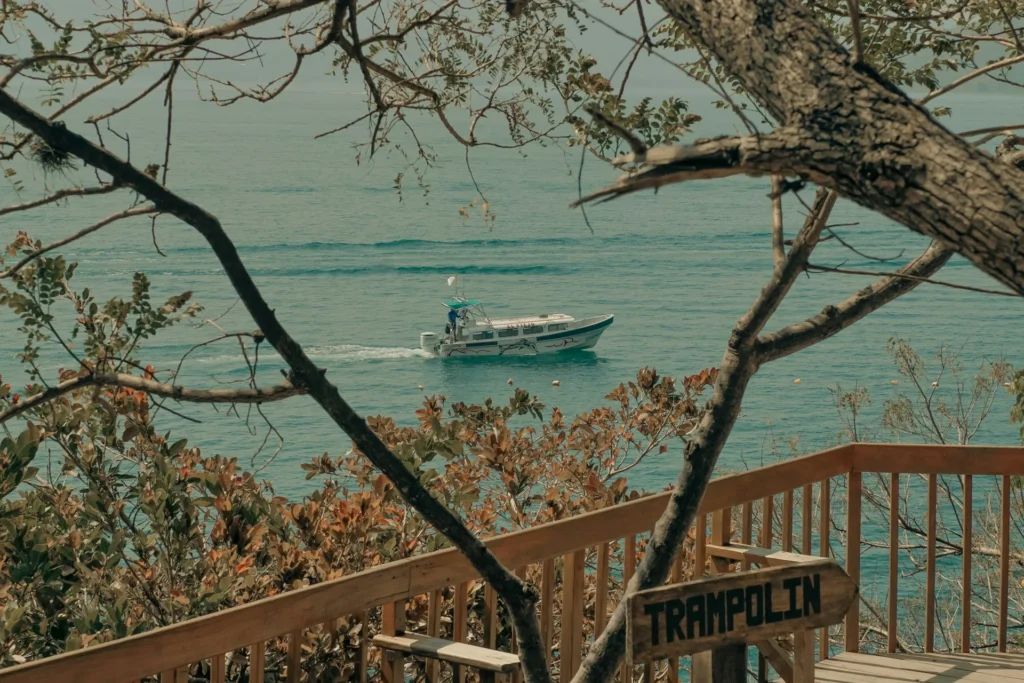
For example, it's home to the Cerro Tzankujil Nature Reserve, one of the most visited spots in the village. It's a nature reserve with a wide variety of trails surrounded by nature, viewing points and Mayan ruins. But one of its biggest attractions is the so-called ‘trampoline’, a wooden platform from which many visitors jump into the lake for a dip.
Another hiking option is the trail to the Cerro viewpoint, a steep path that climbs up into the surrounding mountains, offering spectacular views of the area. And if you’re a real hiking enthusiast, I’d also recommend taking the footpath that runs along the lake and leads to the neighbouring villages of Jaibalito and Santa Cruz; it’s one of the most incredible routes in the whole of Guatemala.
- We invite you to read our article about Laguna de Calderas.
Panajachel, Santa Catarina, Santa Cruz and the remaining 12 villages on Lake Atitlán
What to see in each village
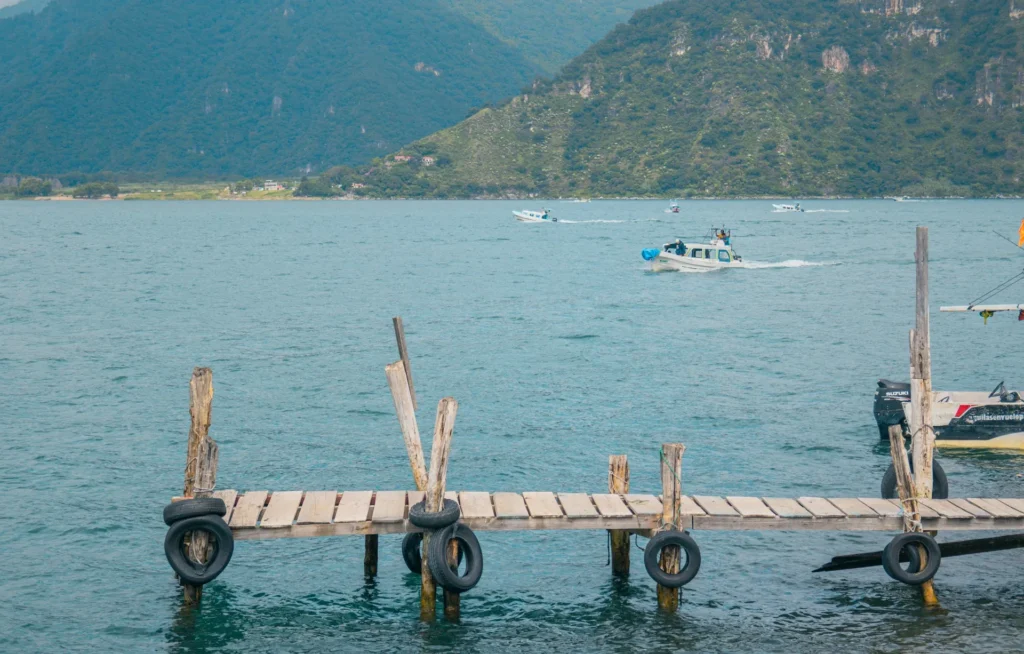
There are still a few of the 12 villages on Lake Atitlán left to mention. Panajachel is one of them. It's the main gateway to the lake and the area’s commercial and tourist hub. Unlike the other villages, it offers a vibrant and very cosmopolitan atmosphere, serving as the hub for exploring the rest of the communities. By this we mean that it's the only village directly connected to the main roads leading to Antigua and Guatemala City. Consequently, buses or minibuses drop travellers off here so they can explore the area.
I recommend you visit Santander Street; it’s the heart of the town and is full of life. There you’ll find the town’s main attractions, such as the open-air craft market, the best restaurants and a lively nightlife. I’d also suggest visiting the public beach at sunset for a lovely stroll, and heading to the jetties, where the boats depart for other villages on the lake. On the outskirts, you can explore the Atitlán Nature Reserve, but not before visiting the Atitlán Lake Museum and the Church of St Francis of Assisi.
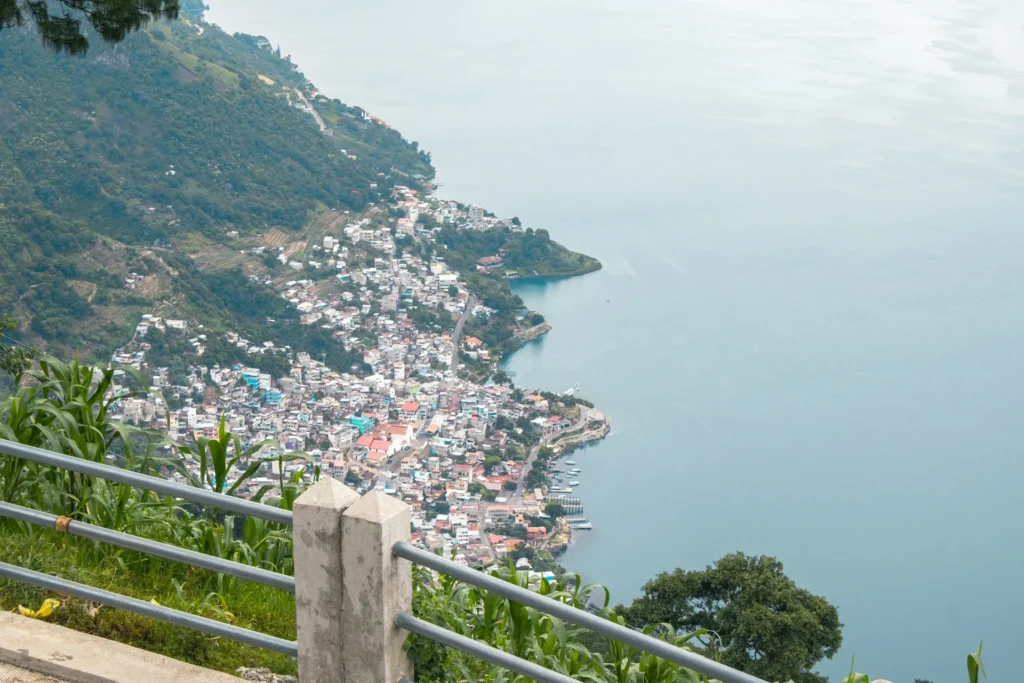
San Pedro La Laguna is another of the 12 villages on Lake Atitlán. It's very popular with backpackers for its lively atmosphere and nightlife, but also for being the main starting point for climbing the volcano of the same name. Santa Catarina Palopó, meanwhile, stands out above all for its houses painted with beautiful patterns that mimic the designs of traditional costumes. Next is San Antonio Palopó, another village famous for its handmade pottery and the wonderful views of its terraced landscapes.
Finally, Santa Cruz La Laguna is another of the municipalities and, in this case, stands out for its tranquillity and for offering travellers a peaceful spot that is ideal for hiking. San Pablo, Santa Clara, San Lucas Tolimán and San Andrés, for their part, are the least visited communities. However, I also recommend visiting them to get a complete overview of the area, particularly Santa Clara (home to the famous hill known as ‘the face of the Maya’) and San Lucas Tolimán (one of the main starting points for visiting the volcanoes, the Los Tarrales Nature Reserve and for coffee-tasting tours).
Practical tips for visiting the 12 villages around Lake Atitlán
Boat transport and timetables for the 12 villages around Lake Atitlán
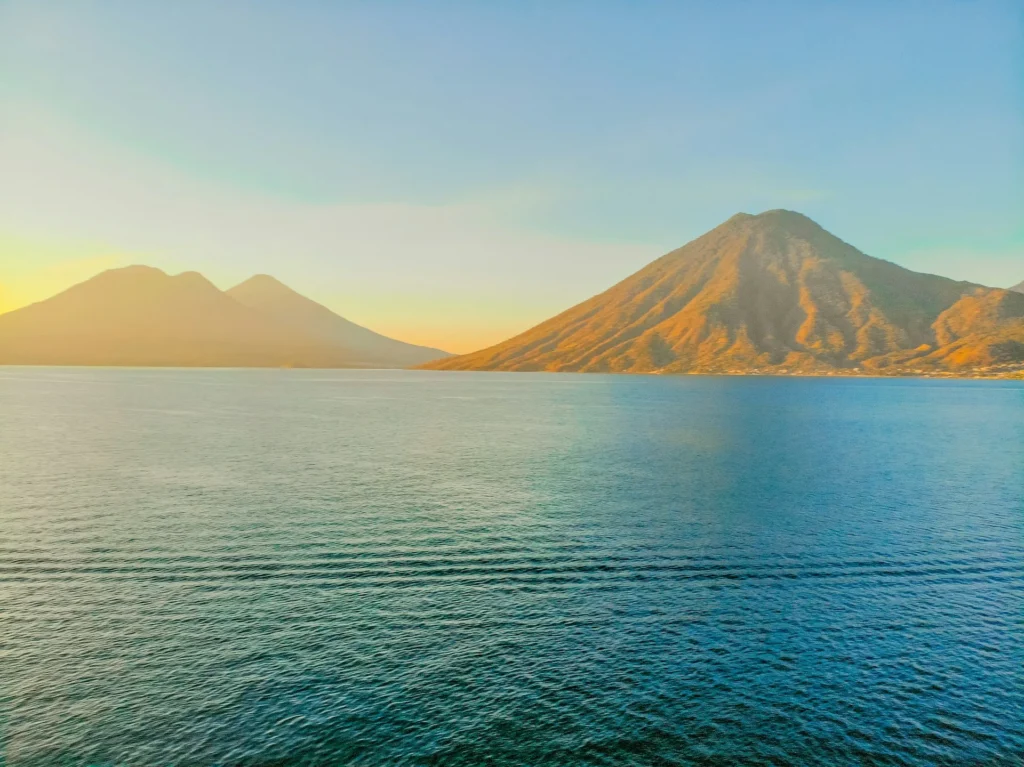
The public boat is the most popular, quickest and cheapest way to get around the 12 villages on Lake Atitlán, as not all of them have accessible or direct road links. The only villages that cannot be reached by water are Santa Catarina Palopó and San Antonio Palopó. To get there, you’ll need to take a tuk-tuk or hop on a shared minibus. Also, remember that there are some routes connecting different villages, so walking is also an option in some cases.
The boats do not run to a strict timetable, as they usually set off once they are full of passengers. However, as a general rule, they depart every 15 to 30 minutes. They start operating at around six in the morning and finish their shift at approximately half past six in the evening. Don’t forget that payment for the boat journey must always be made in cash before boarding.
It’s also a good idea to pay with small notes, as they don’t have much change. As for the price, long journeys usually cost around Q30, whilst short ones cost around Q20 per person. Alternatively, there are also private tours you can book for a more personalised tour of the 12 villages around Lake Atitlán.
The best time to visit the 12 villages around Lake Atitlán
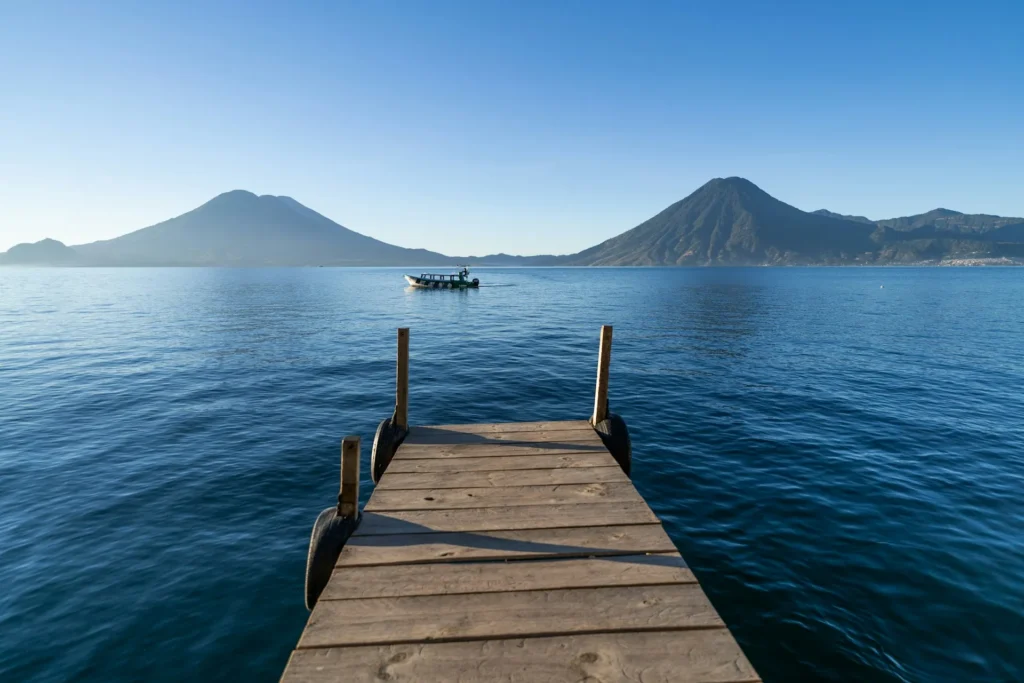
The dry season (November to April) is the best time to visit the 12 villages around Lake Atitlán. During this period, the weather is lovely, the skies are completely clear and the conditions for boating or hiking are unbeatable. What’s more, temperatures are usually mild throughout the day.
Specifically, the best months are usually December and January (when the skies are clearest) and February and March (when there are fewer international tourists).
Top 5 must-do experiences in the 12 villages around Lake Atitlán (list)
If you’re short on time and need to prioritise the most appealing and essential activities, here are the 5 experiences that travellers who venture out to explore the 12 villages around Lake Atitlán tend to enjoy the most.
- Art trail and women’s cooperatives in San Juan La Laguna: it's the best village in which to immerse yourself in Tz’utujil Mayan culture and learn about their art.
- Watching the sunrise from Nariz del Indio (Mayan Face): although it’s a challenging hike, the views are absolutely worth it. Remember that the main ascent starts from San Juan La Laguna or Santa Clara La Laguna.
- Searching for Maximón (San Simón) in Santiago Atitlán: a unique cultural experience that will immerse you in Guatemala’s religious syncretism. We recommend booking a guided tour, as this will help you better understand everything surrounding this figure and will be essential for finding him, as the saint changes location every year.
- A stroll through Santa Catarina Palopó: the highlight is admiring its façades, painted with geometric patterns.
- Relaxation and spiritual retreats in San Marcos La Laguna: if you enjoy relaxing and spiritual activities, you can join one of the yoga sessions held in the village or take part in traditional Mayan cacao ceremonies. And if you love nature, we encourage you to visit the nature reserve.