Did you know that Guatemala is one of the best places in the world for birdwatching? This is due to its rich biodiversity and the variety of microclimates found throughout the country.
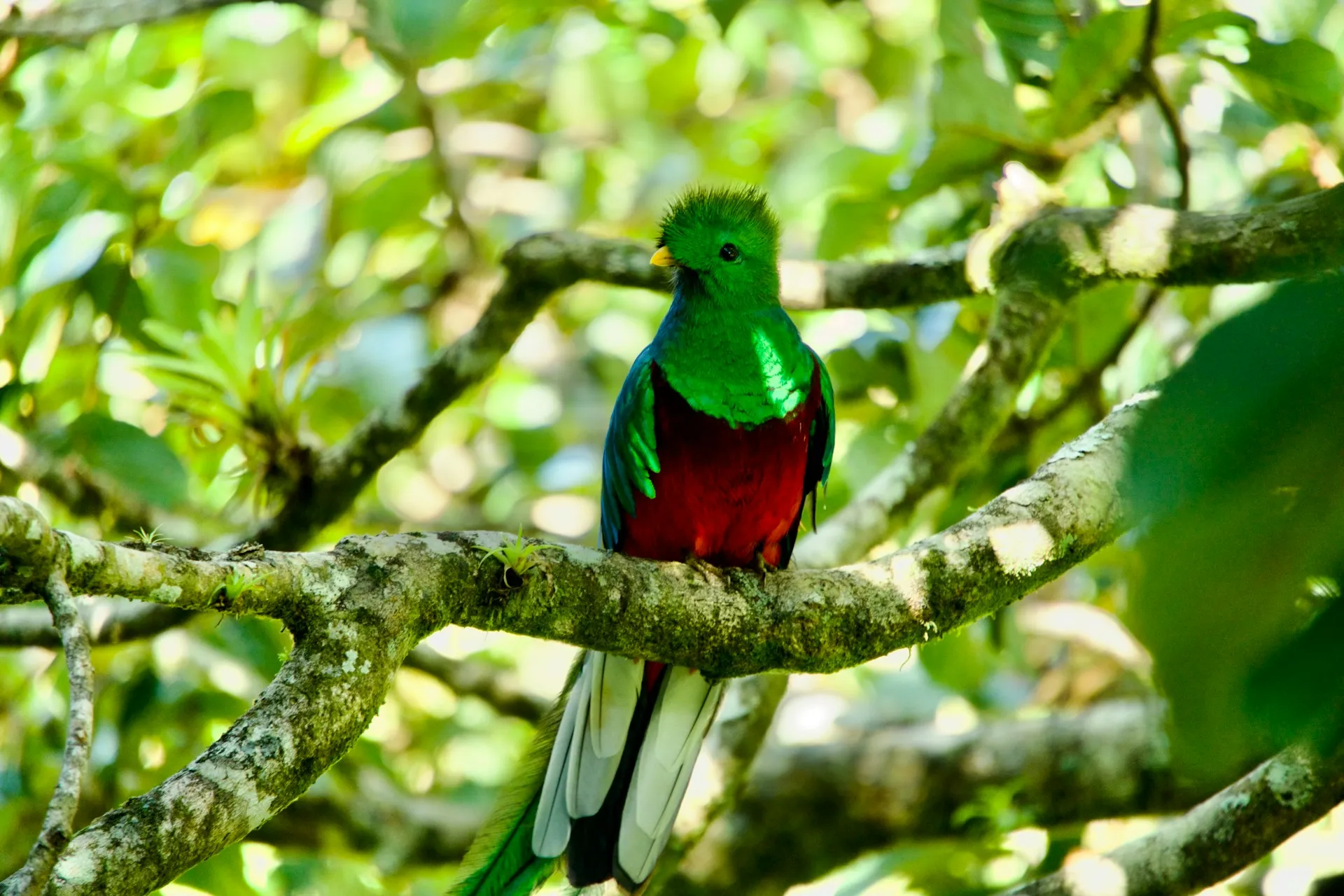
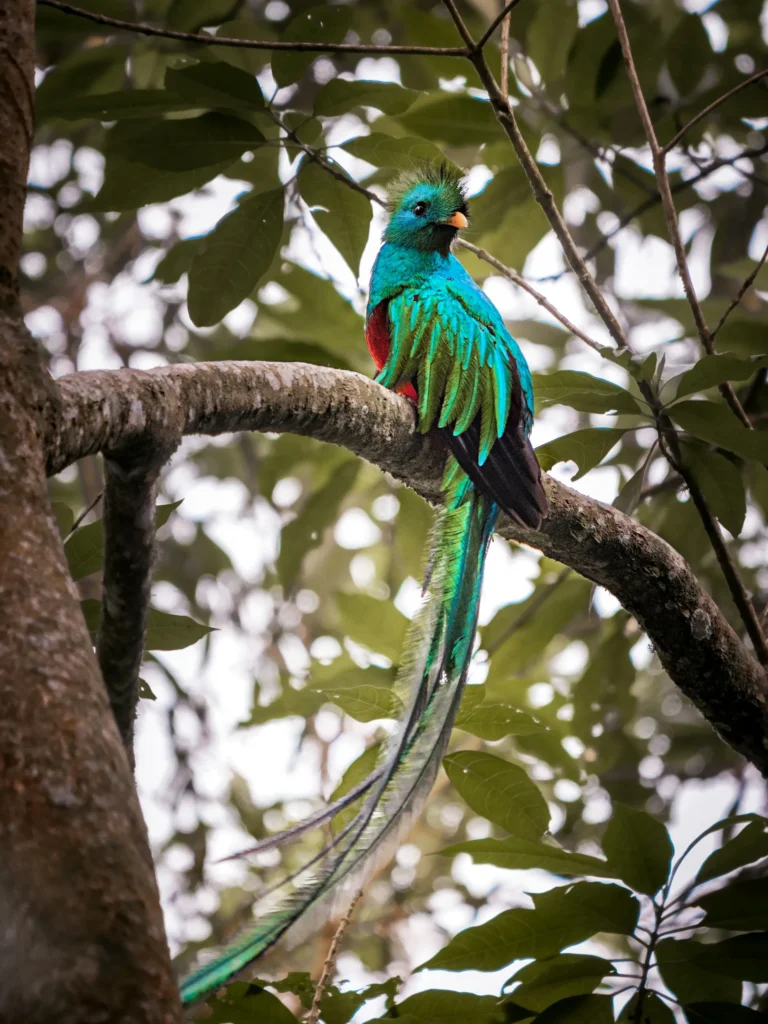
First of all, you should know that the quetzal is the bird most sought after by birdwatchers, and with good reason. Its majesty and colours have made it Guatemala’s national bird, featuring on its coat of arms and flag, and lending its name to the country’s official currency. Its significance is immense, and if you’re going birdwatching in Guatemala, you need to know about it.
But let’s start at the beginning. Our aim is for this article to serve as a basic guide to birdwatching in Guatemala, which you can use as a starting point for enjoying this wonderful activity during your trip.
- We invite you to read our article about La Ruidosa Waterfall.
An Introduction to Birdwatching in Guatemala
Guatemala is not just another destination on the birdwatching map. Although it's a relatively small country, it boasts an astonishing diversity of wildlife.

Why Guatemala is an ideal destination for birdwatching
The secret behind Guatemala being a true living sanctuary lies in its unique geography. This Central American country boasts mountain ranges, active volcanoes, coastlines bathed by two oceans, and tropical rainforest… This great variety of terrain means there are more than a dozen distinct ecological zones, allowing for the development of over 720 different species of birds.
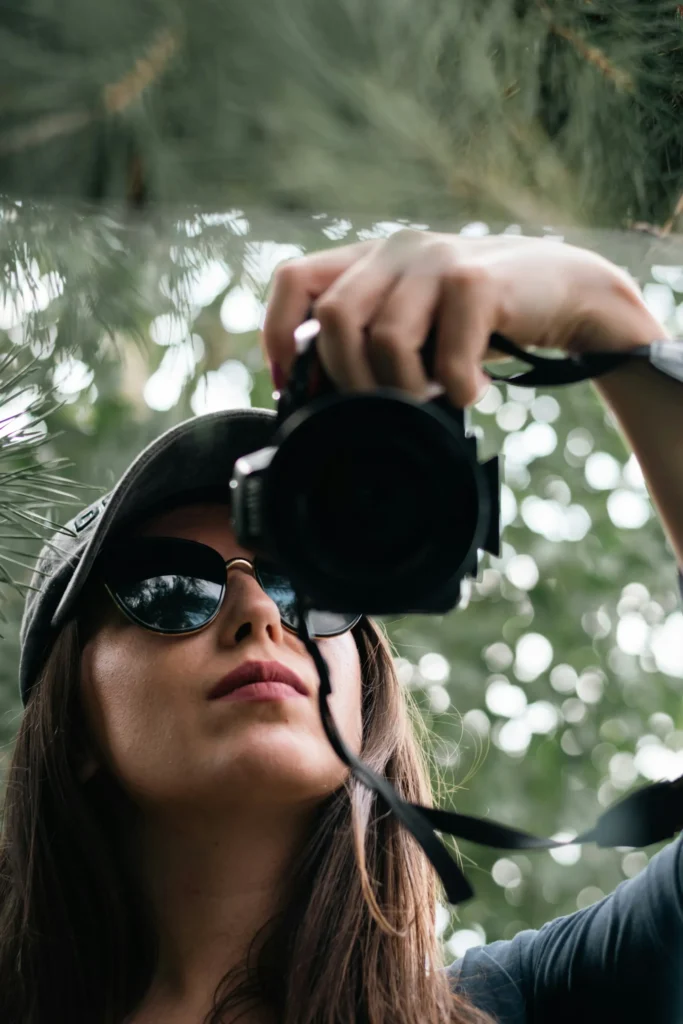
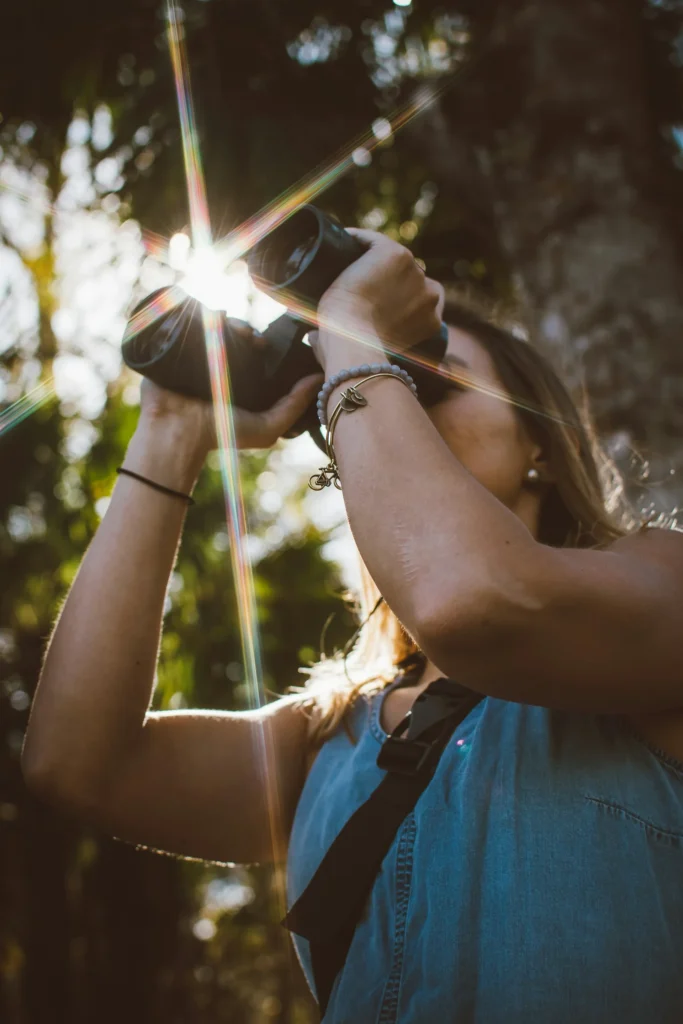
Whether you’re an experienced birdwatcher on the lookout for endemic rarities or an amateur keen to try out your new binoculars, the riot of colour offered by Guatemala’s birds is a unique experience for any birdwatching enthusiast.
Guatemala’s top regions and nature reserves for birdwatching
In the field of ornithology, Guatemala is usually divided into three regions, each with its own ecosystem, climate and species:
- The Altiplano and the Cloud Forests (Highlands). This region covers the centre, west and north of the country. It's home to the country’s mountains and volcanoes, as well as a cooler climate and the famous mist-shrouded forests. It's one of the most important regions for birdwatching, as it's home to the most iconic species, such as the quetzal, the horned guan, hummingbirds and the tanager.
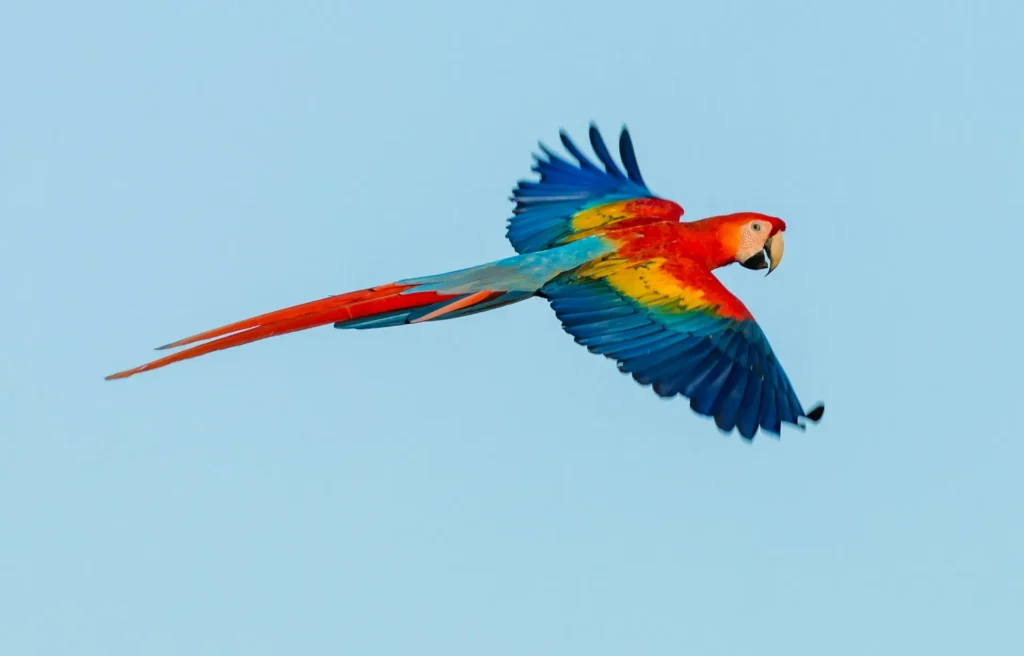
- The Petén Lowlands (The Rainforest). Guatemala’s rainforest is located in the north of the country and is the largest protected area of rainforest in the whole of Central America. In this area, birdwatching in Guatemala is intertwined with Mayan history, with the scarlet macaw being the region’s most iconic bird.
- The South Coast and Boca Costa (Pacific Lowlands). Located in the southern region, it's particularly famous for hosting thousands of migratory birds during the North American winter. It's an ecosystem dominated by mangroves, lagoons and beaches. It's therefore ideal for spotting herons, pelicans and storks, amongst other species.
- We invite you to read our article about the Pacaya Volcano hike.
Notable birds of Guatemala by region
Birds of Guatemala: endemic and iconic species of Alta Verapaces
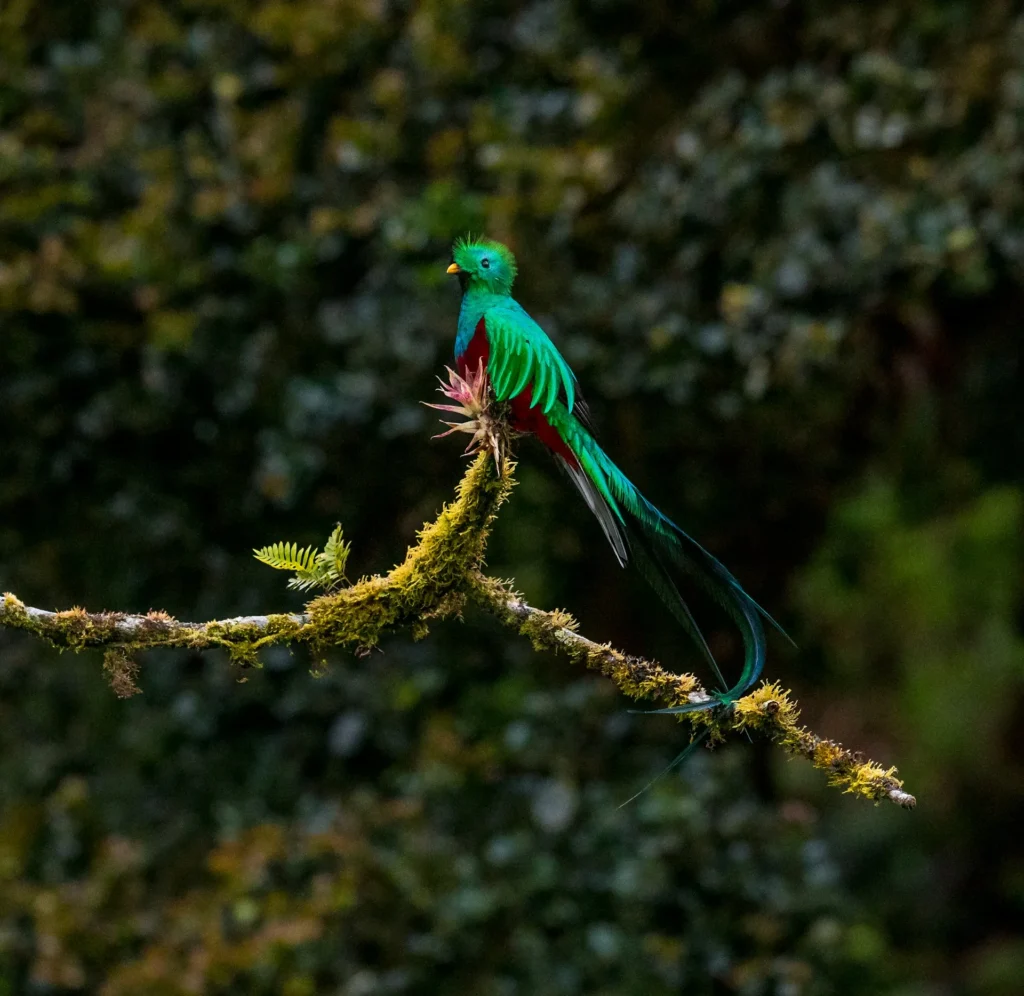
The Alta Verapaces region is the most special place of all for birdwatching in Guatemala, as it's home to some of Central America’s most unique ornithological treasures. We’ve already mentioned the quetzal, the country’s most special bird, but it's here that you can see it in its natural habitat. Although it can also be spotted in other areas, the cloud forests of Alta Verapaces are where it prefers to be.
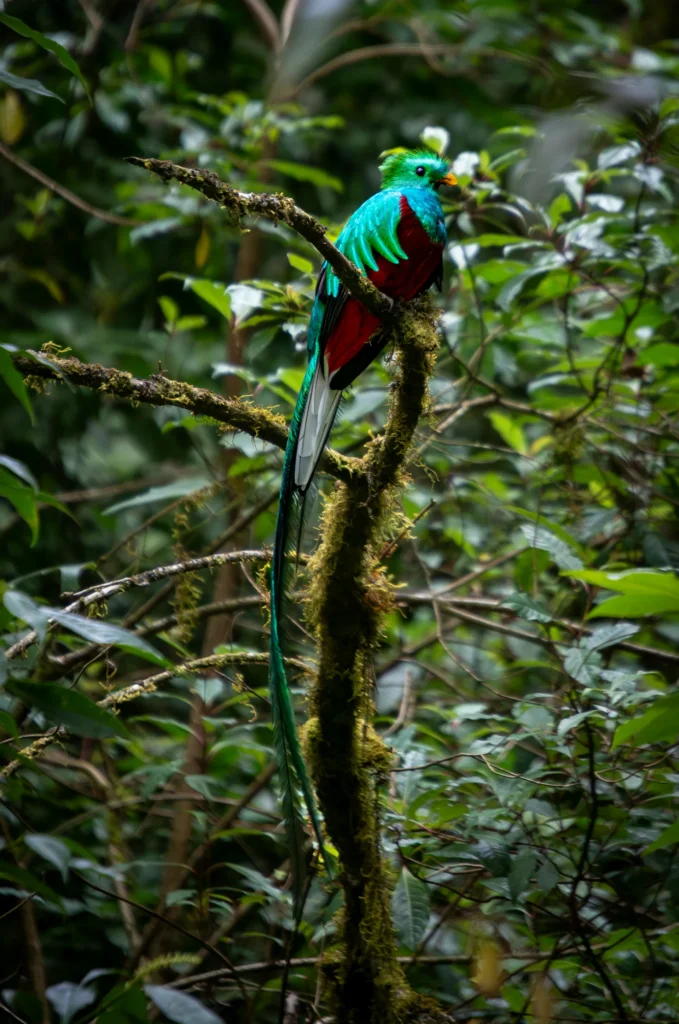
The quetzal is characterised by its striking green plumage and its extremely long tail feathers. Spotting one will be one of the most special highlights of your trip. But we mustn’t forget the horned guan, a species endemic to this region that is easily recognisable by the red horn on its head. It inhabits hard-to-reach forests and is an endangered species, so a guided tour and visiting specific areas are essential to spot it.
Another of Guatemala’s birds that will captivate you in this region is the blue-capped cliff-darter, characterised by the two long tail feathers and its electric blue head. It's one of Guatemala’s most photogenic birds, just like the rose-headed warbler (also known as the rose-breasted warbler due to its reddish colour), although the latter is harder to spot.
Migratory species that visit the country
Due to Guatemala’s geographical position, which acts as a biological bridge between the two major landmasses of the Americas, the country serves as a migratory corridor between October and April, when millions of birds from the north arrive to spend the winter or make a brief stopover on their journey south.
For all these reasons, as well as native birds, in Guatemala you can also spot a wide variety of birds endemic to other regions at the right time of year. This is the case with the Magnolia Warbler, with its distinctive yellow breast, and the Golden-cheeked Warbler, which is entirely yellow in colour.
You will also see migratory birds of prey, particularly during the autumn months and in the valleys of the southern coast and the highlands, such as Swainson’s hawks and Alianchos hawks. Then, in wetland areas such as Lake Izabal or the Sipacate lagoons, you can spot birds such as the western sandpiper and the osprey.
Types of birds found in Guatemala across different ecosystems
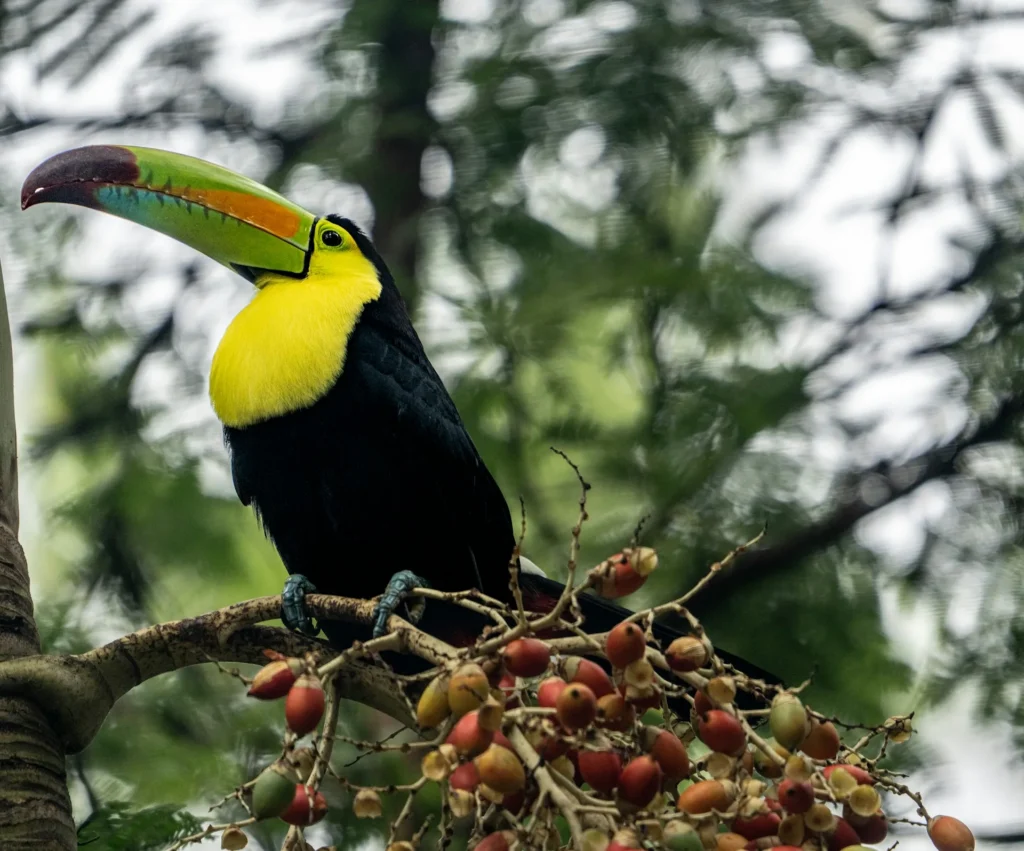
In addition to those already mentioned, in the mountainous and cloud forest areas, flycatchers ‒ with their distinctive crests ‒ and wrens are very common. Meanwhile, in the rainforest zone, don’t miss the toucans, parrots, macaws, woodpeckers and the majestic hawks.
Finally, in the mangroves and wetlands, you should also keep an eye out for kingfishers, pelicans and spoonbills.
A practical guide to birdwatching in Guatemala
- Bring a pair of binoculars, a camera and a good field guide so you can identify the birds you spot in Guatemala (name them, learn about their characteristics, etc.). This will make your experience much more rewarding. Alternatively, you can visit websites such as eBird, one of the world’s largest bird databases.
- In Guatemala, you can spot birds all year round, but if birdwatching is a key part of your trip, you should know that there are two key seasons for birdwatching: from November to April is the peak migration season, so as well as seeing endemic species, you’ll also be able to spot a wide variety of northern birds; and from March to June is the breeding and nesting season and the best time to see the quetzal, as it's more active and there is a greater chance of spotting it.
- To minimise disturbance to the birds living in the area, it's not advisable to imitate their calls to attract them, particularly during the breeding season and in areas with high levels of tourism. Of course, it's also advisable to keep a considerable distance, which is why binoculars and cameras are so important. Furthermore, we advise you to move stealthily and not to speak loudly with your fellow birdwatchers; this way, you will have a better chance of spotting Guatemala’s birds.
- As for clothing, it's advisable to wear subtle colours that blend in with the surroundings, such as green, grey or brown. This way, you won’t startle the more shy species.
- We invite you to read our article about Hun Nal Ye in Alta Verapaz.
Birdwatching experiences and tours in Guatemala
Birdwatching tourism in Guatemala has come a long way. Today, the country offers everything from scientific expeditions for experts to more family-friendly walks suitable for all ages.
Walking trails and guided tours in the Verapaces Reserve
The Verapaces region is the heart of birdwatching in the country. The private reserves in this area offer a network of well-designed trails for birdwatching in Guatemala. One of the most highly recommended routes is the 'Fern Trail', which runs through the Biotopo del Quetzal nature reserve. It's a trail of moderate difficulty that winds its way through a cloud forest, making it one of the best places to spot the incredible quetzal. In addition, there are several observation platforms to aid birdwatching.
The 'Hummingbird Trail', located in the Chelemhá private reserve, is famous for its night-time owl-watching tours and, of course, for its hummingbirds, which are drawn to the flower gardens.
Finally, in the Verapaces, don’t miss the community trails of Chicacnab, a protected area managed by the Q’eqchi’ community of Mayan origin. The best way to explore these trails is with a local guide, as they know the exact nesting sites of the quetzal and the turaco.
Birdwatching tours in other parks and reserves in Guatemala
If we leave the Verapaces region, we’ll also find plenty of interesting trails through a variety of ecosystems. One of the best-known is the 'Tikal Ocelot Tour' in Tikal National Park, in the department of Petén. I highly recommend joining the tour that takes place at dawn, as it’s the best chance to spot the ocellated turkey, toucans and even howler monkeys.
Another recommended route is the one that takes you past the San Pedro volcano, near Lake Atitlán. Although it's a challenging trail, as it's quite steep, it's one of the few places where you can spot the horned guan and the rose-headed manakin. What’s more, the views of Lake Atitlán are spectacular.
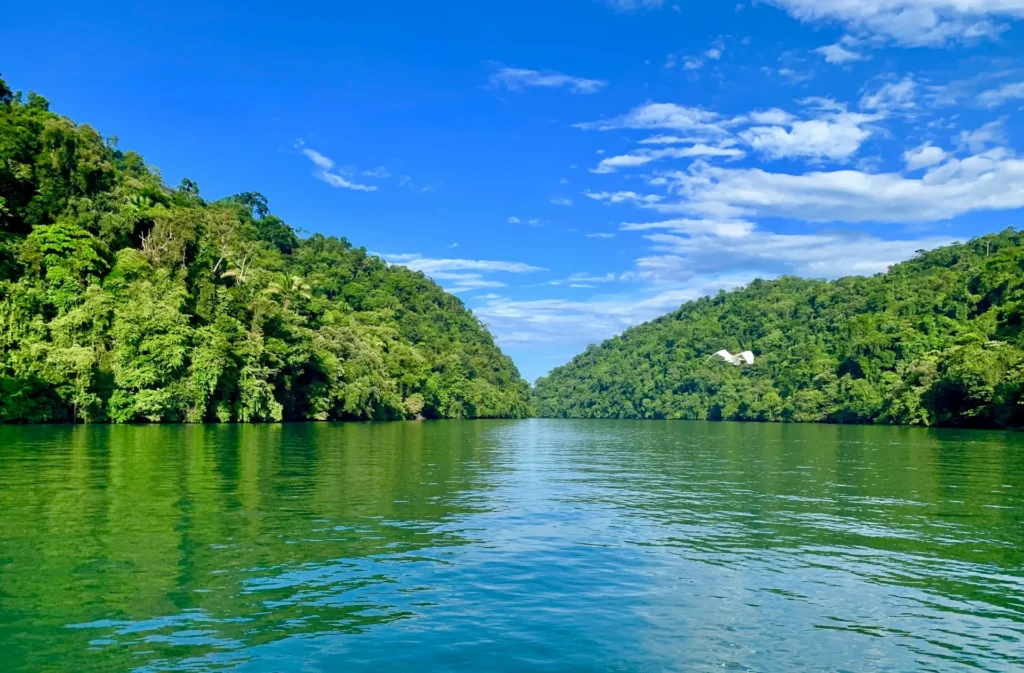
Finally, don’t miss the boat safari through the Río Dulce Canyon and Lake Izabal. This tour takes place on speedboats and is one of the best birdwatching activities in Guatemala, offering the chance to spot cormorants, kingfishers and tiger herons.
Other reserves I’d also highly recommend considering for your itinerary are: Los Tarrales Nature Reserve, the Maya Biosphere Reserve, Las Guacamayas Biological Station and Sipacate-Naranjo National Park.
- We invite you to read our article about the Lanquín Caves near Semuc Champey.
Top 10 birds in Guatemala that you shouldn’t miss
- The quetzal, Guatemala’s national bird.
- The Cacho Turkey, one of the rarest birds in the Americas.
- Spotted turkeys, roaming freely amongst the Mayan ruins.
- The scarlet macaw, the largest subspecies of its kind in the world.
- The pink-headed finch, whose colour will captivate you despite its small size.
- Iris-billed toucan, with a fascinating, colourful beak.
- The blue tit, with the most beautiful blue feathers in the forest.
- Magnificent hummingbird, one of the largest in the region.
- The jabiru stork, the largest flying bird in the Americas.
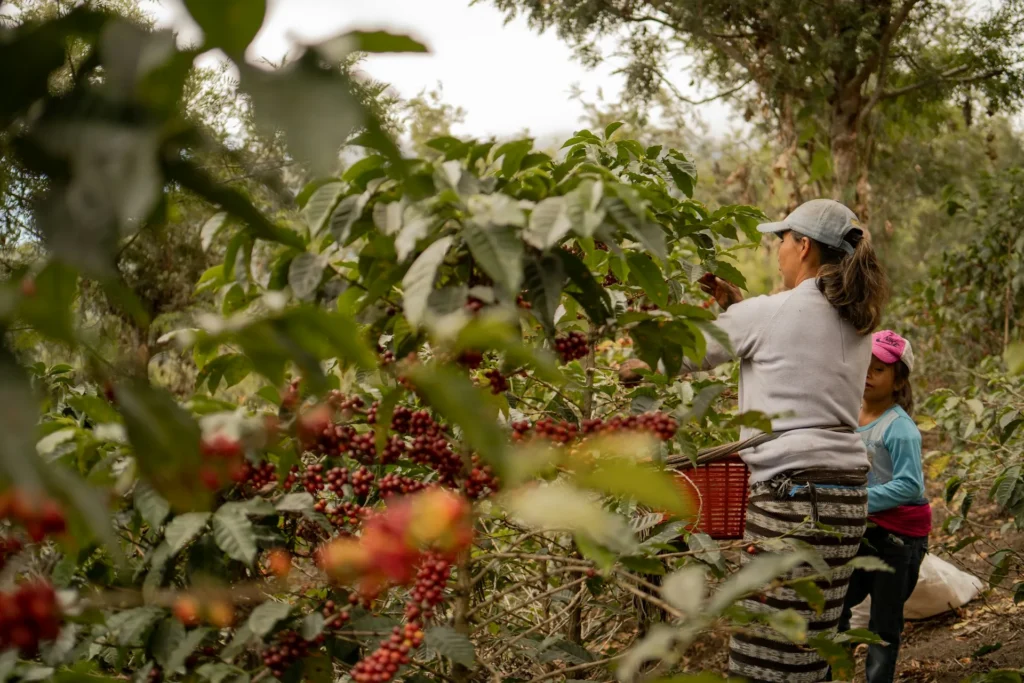
- Chestnut-headed Tanager, a very common sight in coffee plantations.
- We invite you to read our article about the flora of Guatemala.
Checklist of birdwatching routes in Guatemala
- Verapaces Region.
- Quetzal Biotope Trail
- Chicacnab Community Trail
- Chelemhá Private Reserve Trail
- Altiplano and Boca Costa region.
- Los Tarrales Nature Reserve Trail
- San Pedro Volcano Trail
- El Pilar Estate Route
- Northern Region.
- Tikal Archaeological and Birdwatching Trail
- Las Guacamayas Biological Station River Trail
- Yaxhá-Nakum-Naranjo National Park Route
- Coastal and wetland region.
- Sipacate-Naranjo Canal Route
- Chocón Machacas Biotope Trail (Izabal)