Thanks to the wide variety of microclimates and the different ecological regions found in the country, Guatemala’s flora is among the richest and most diverse in the world. It boasts no fewer than 10,000 recorded plant species. It also has a high level of endemism, with plants found only within its borders. In fact, this characteristic is reflected in the country’s very name. Guatemala, which in a language native to Mesoamerica is called Quauhtlemallan, means ‘land of many trees’.
This makes it clear that, from its very beginnings, the country has been defined by its rich vegetation, which was more than just a landscape: it represented sacred symbols, was used in traditional medicine, and was often at the heart of many of its rituals. In this article, we want to introduce you to this part of the country so that you can include it in your itinerary and get to know Guatemala in much greater depth as you explore its trails and nature reserves.
- We invite you to read our article about the Monterrico Mangroves.
An Introduction to Guatemalan Flora
The country’s biological diversity and ecosystems
Guatemala is a country with a unique and privileged, yet complex, geography. Not only does it act as a biological bridge between North and South America, but it's also situated in a mountainous region that is home to more than 30 volcanoes and two coastlines bordering different oceans. This diversity means that the territory is divided into different microclimates, each with its own unique flora:
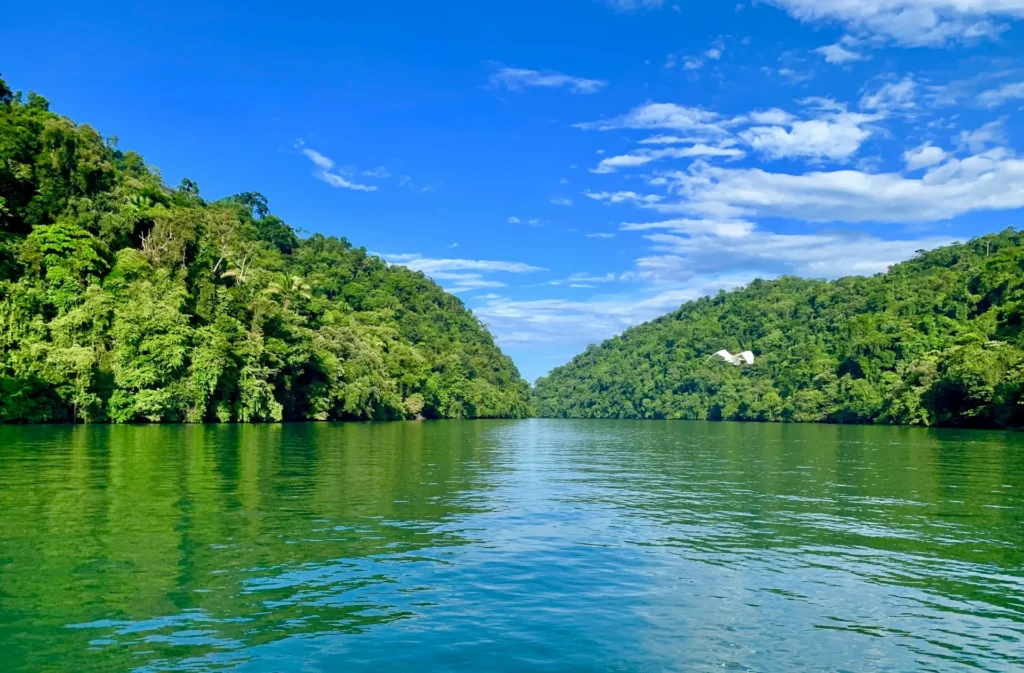
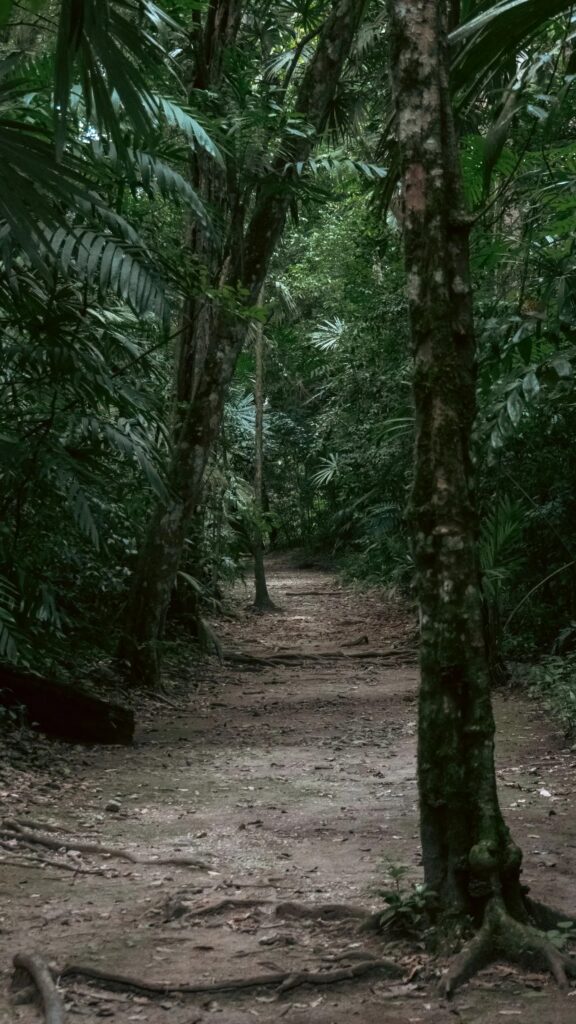
- Rainforest. It's home to giant trees, vines and dense vegetation that thrives under torrential rain. It's found in the north, mainly in the department of Petén.
- Cloud forest. It's found in the high mountain ranges of the Verapaces and in the Sierra de las Minas. The main characteristic of this ecosystem is the constant mist, which encourages the proliferation of moss, ferns and epiphytes.
- Pine-oak forest. It's located in the mountainous region of the west of the country, and conifers dominate the landscape.
- Thornbush scrub. Located in the eastern valleys, this semi-arid environment is dominated by cacti and succulents.
The ecological and cultural importance of plants
Guatemala is one of the planet’s key ecological hotspots. Its flora regulates the country’s water cycle, prevents erosion on steep volcanic slopes and purifies the region’s air. Furthermore, its natural areas provide an essential refuge for the vast array of wildlife that lives there, such as the quetzal and the jaguar, to name but a few of the most notable species.

Culturally speaking, the relationship between the local people and Guatemala’s flora runs deep. For the Mayan civilisation and modern indigenous communities, nature is sacred. The vegetation is not only useful, but also forms part of the history and memory of the land. This fusion of the scientific and mystical value of the vegetation has made Guatemala’s flora a heritage that is fascinating to explore.
- We invite you to read our article about the birds of Guatemala.
10 examples of Guatemala’s flora
Ceiba tree (Ceiba pentandra)
It's Guatemala’s national tree and the undisputed giant of the American rainforests. It can grow to a height of 50 metres and, for the Maya, it's a sacred tree capable of connecting the underworld (with its long roots) to the earth and the sky (through its branches). It's very common to see them, particularly monumental specimens, in the central squares of the highland towns (in the centre and western part of the country) and on the southern coast. They are the main source of shade in many local open-air markets.
Ocote pine tree (Pinus spp.)
Also found in the central and western parts of the country, it's a very important species within mountain ecosystems and also holds enormous cultural value. This is because Guatemalans use the wood (which is highly flammable) to light fires in traditional kitchens and during spiritual ceremonies in the highlands of Guatemala, in the form of small splinters or elongated pieces.
Endemic orchids
If you love orchids, Guatemala will be your paradise. The country is home to hundreds and hundreds of endemic species. The most famous is the White Nun, declared the country’s national flower. It's found in the Verapaces and grows on the branches of trees in the cloud forests, with shapes and colours that defy reality.
Giant ferns of the cloud forest
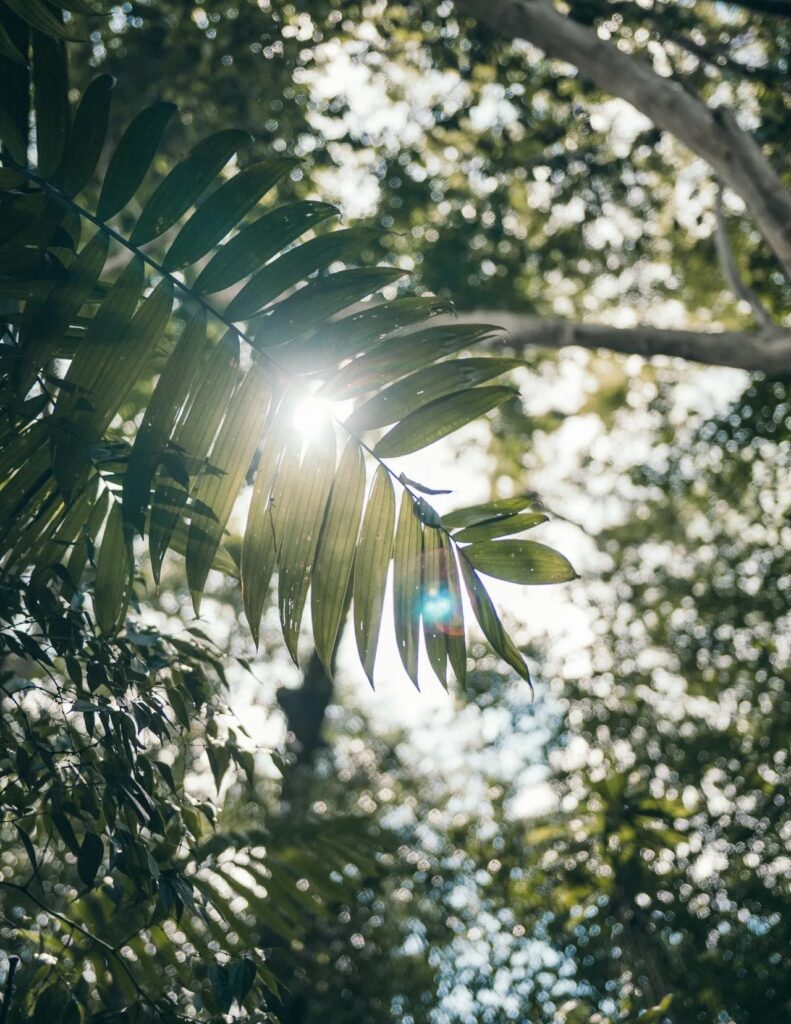
Ferns are found in areas with high humidity, such as the Quetzal Biotope and the Sierra de las Minas. Walking amongst them can give you the feeling of having travelled back to prehistoric times because of their enormous leaves. These capture the moisture from the constant mist, acting like sponges to absorb as much water as possible from the atmosphere.
The large leaves also prevent rain from hitting the ground with force, thereby preventing erosion. But that’s not all: when the leaves reach their water-holding capacity, they begin to drip and the water seeps into the subsoil, giving rise to springs and underground rivers that supply the local communities with clean water all year round, even outside the rainy season.
Quetzal flower (Erythrina americana)
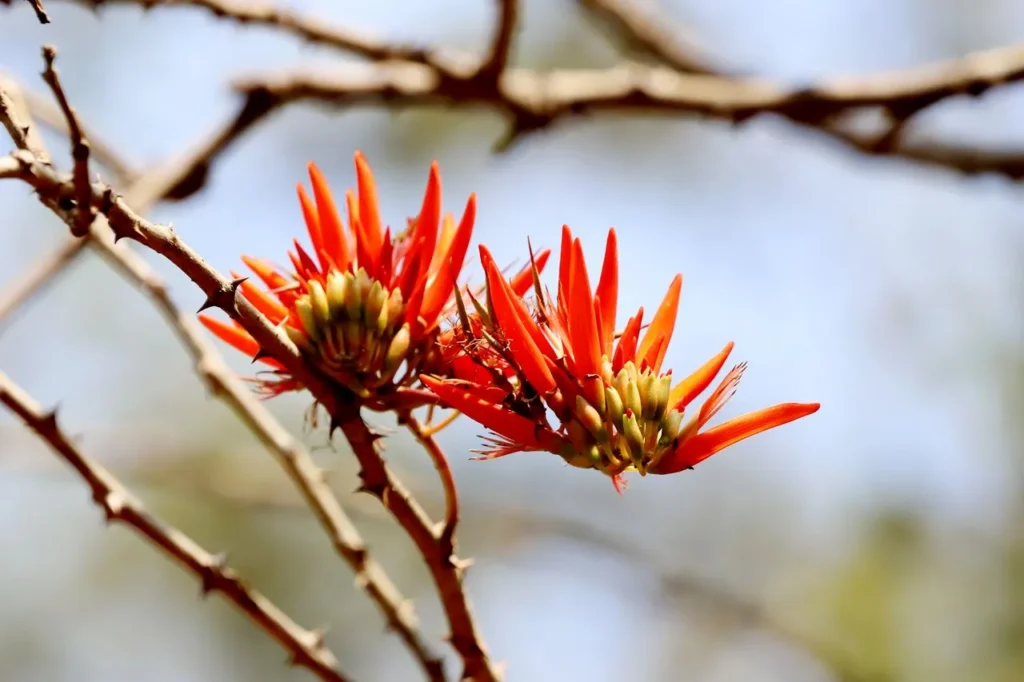
It's a very striking tree that stands out against the landscape thanks to its long, deep red flowers. These flowers are highly ornamental and also attract hummingbirds, making them invaluable for birdwatching. But that’s not all: in many regions of the country, these flowers are harvested to be used in traditional Guatemalan dishes.
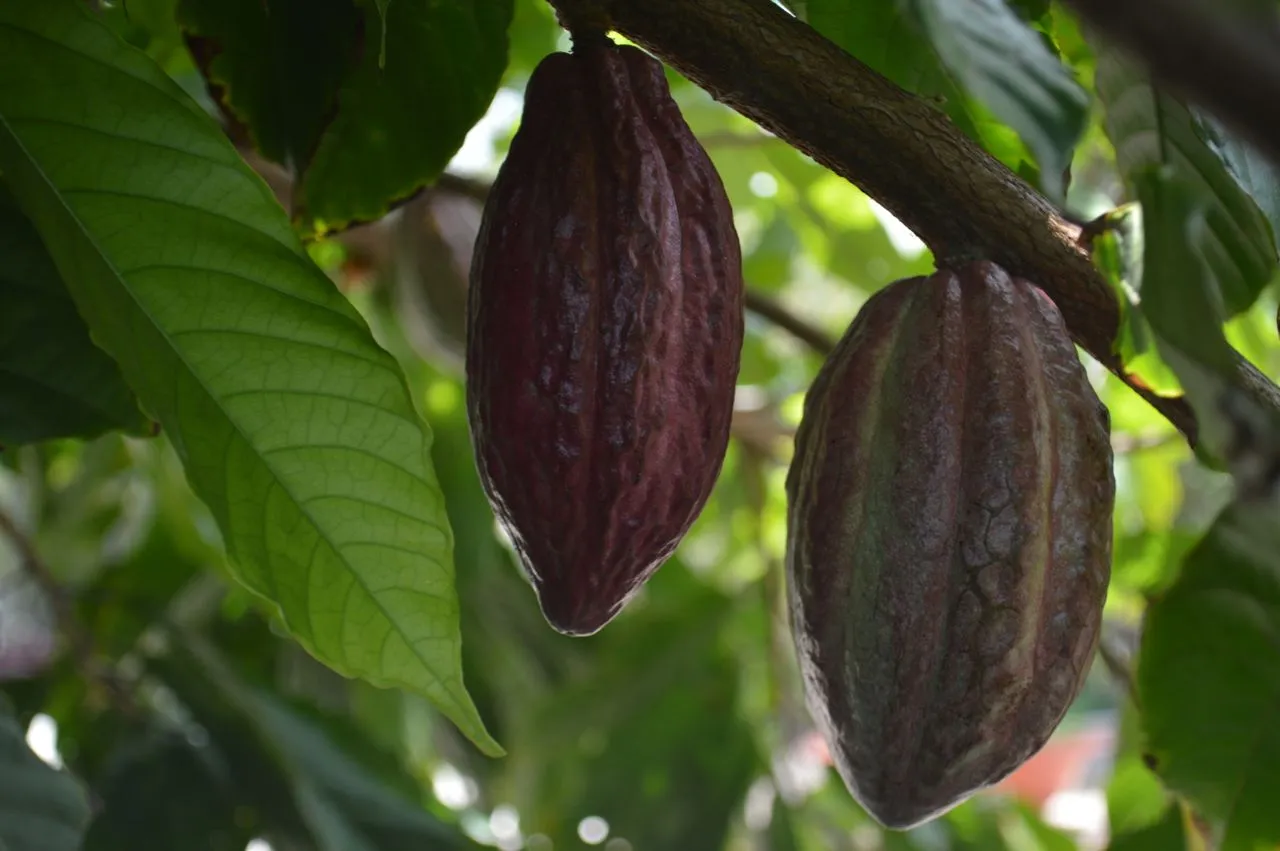
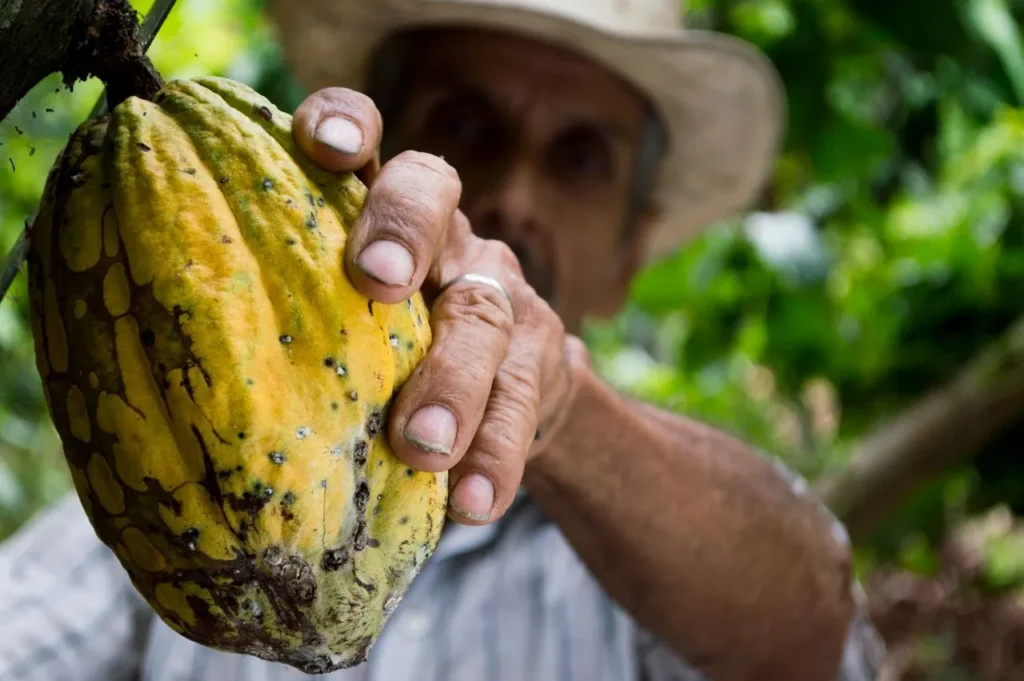
Cocoa tree (Theobroma cacao)
The Maya regarded cocoa as the ‘food of the gods’, and what many people do not realise is that the tree is native to Mesoamerica, a region that includes Guatemala. The cocoa tree grows in the warm, humid regions of the southern coast and Alta Verapaz. In Guatemala today, the fruits are transformed into one of the world’s most sought-after pure artisanal chocolates.
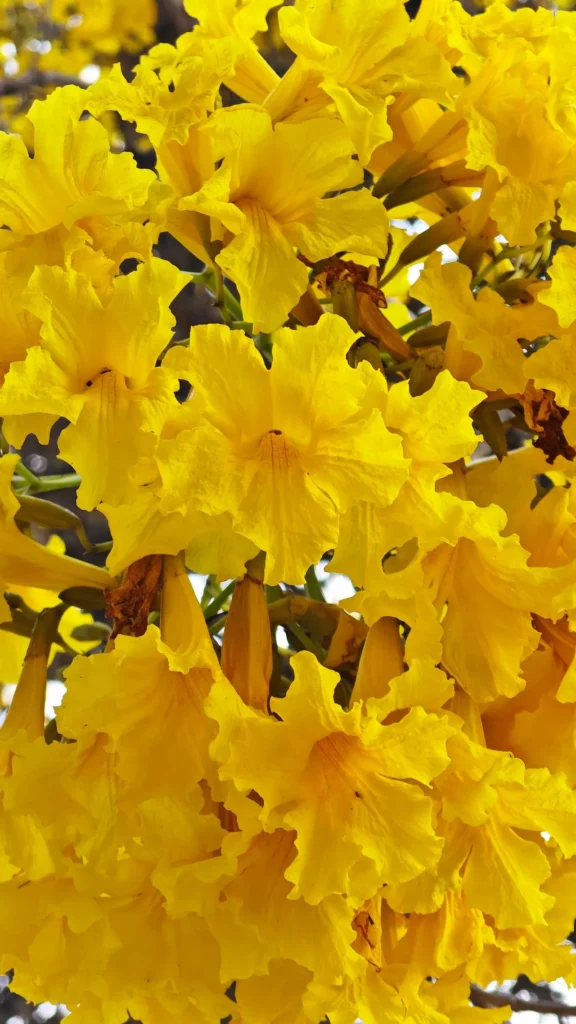
Yellow guayacan (Tabebuia guayacan)
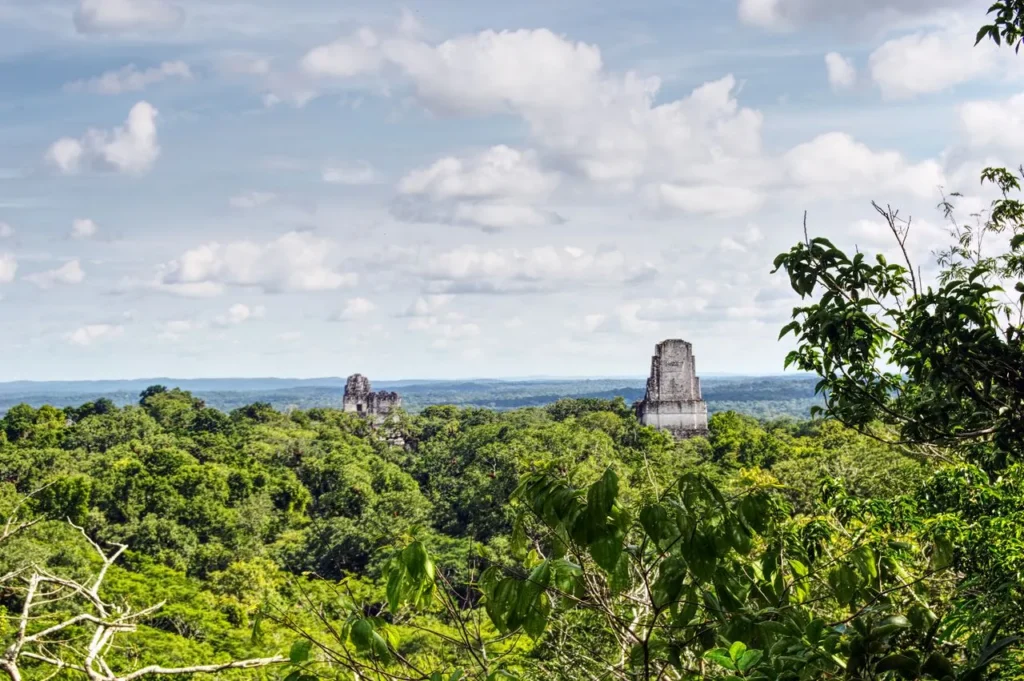
This is one of the most visually striking trees in Guatemala, but to see it at its best, you need to visit the country at the right time of year. It's found in the north of the country, in the jungles of Petén, and during the transition to the dry season, it sheds all its leaves to give way to a spectacular display of deep yellow flowers. They thus become golden trees that stand out against the green jungle backdrop. They are particularly popular subjects for photography at archaeological sites such as Tikal, creating an unforgettable postcard scene.
- We invite you to read our article about Fuentes Georginas.
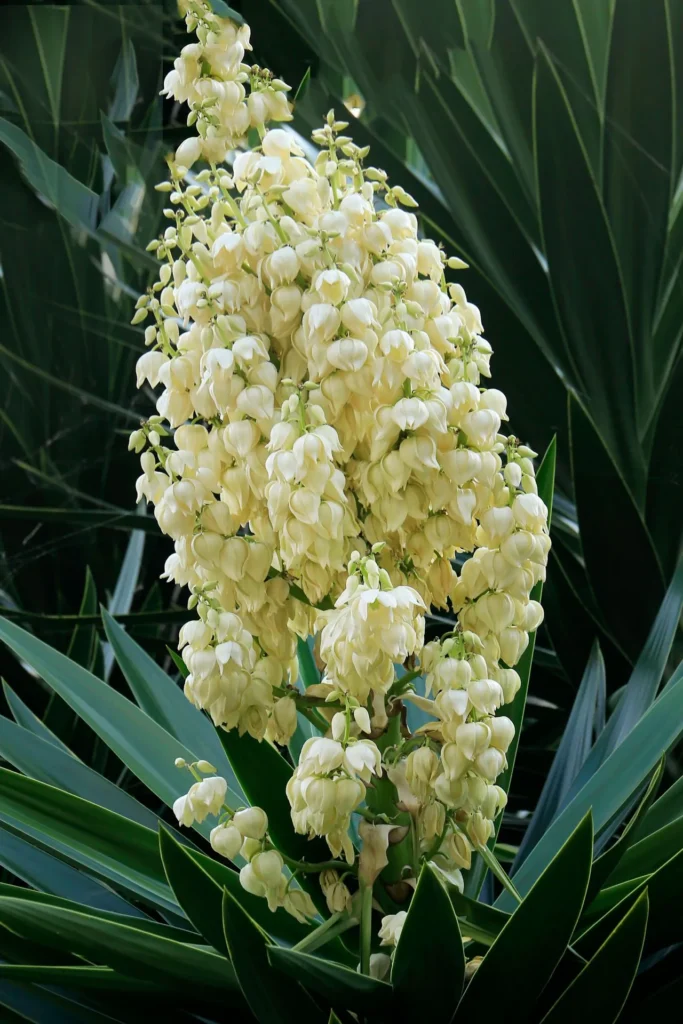
Izote flower (Yucca guatemalensis)
This plant, native to Mesoamerica, is very common in the landscapes of this region and is characterised by its high resilience to the environment. It has a very distinctive appearance, but its most striking feature is the white, bell-shaped flowers that grow in clusters at the top of its stems. Once again, the flower is a widely used culinary ingredient in Guatemalan cuisine, particularly in soups.
Corozo palm (Acrocomia mexicana)
This is a palm tree that grows in the country’s warm lowlands and plays a crucial role during Holy Week in Guatemala. Its flowers are yellow and are usually picked to decorate the altars and the streets through which the processions pass, filling the air with a unique and very characteristic scent that is synonymous with this festival.
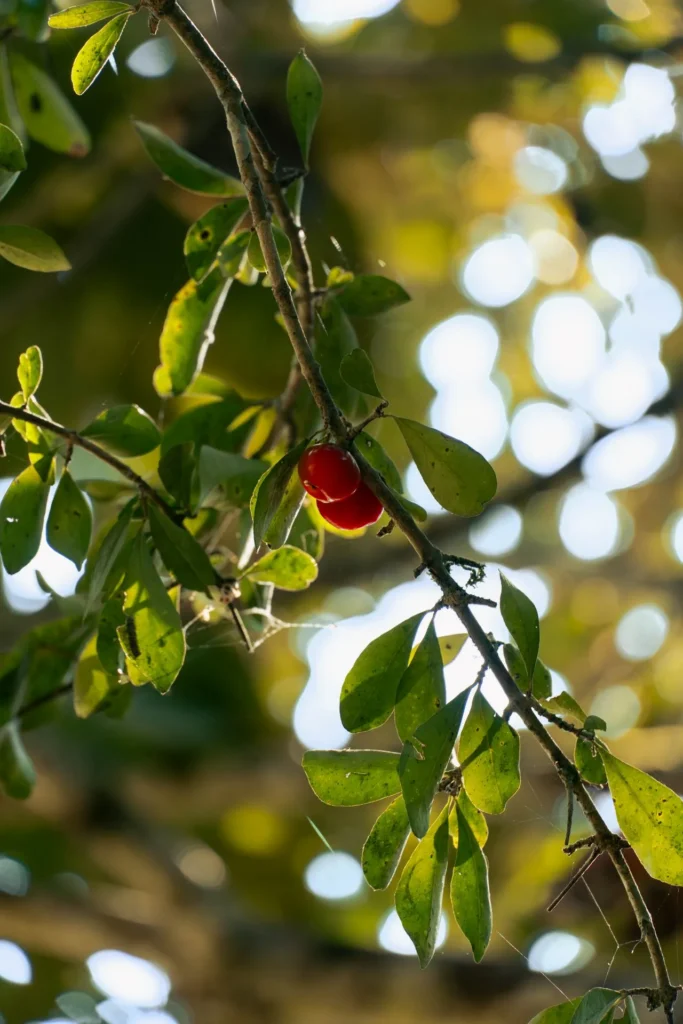
Jocote tree (Spondias purpurea)
We conclude this list of Guatemala’s flora with a fruit tree that is a common sight in the country’s agricultural landscapes and family orchards. It's highly drought-resistant and produces small, deep-red fruits with a sweet-and-sour flavour that is very popular. If you visit Lake Atitlán, you’ll see it a lot, just as you will in the eastern part of the country. In fact, many locals pick its fruits as a snack for the journey. They are known as jocote or ‘huesito’ plums.
- We invite you to read our article about Hun Nal Ye, Alta Verapaz.
Experiences for visitors
Hiking and plant-watching trails in Guatemala
If your aim is to see Guatemala’s flora in all its glory, there are two places you simply mustn’t miss:
- The Queztal Biotope Trail. You’ll walk amongst giant ferns and moss-covered trees in the heart of the country’s cloud forest.
- Climb up Acatenango Volcano or Pacaya Volcano. The contrast you will experience as you climb the trail is unique. You will start amongst farmland and pine-oak forests, before venturing into areas of vegetation that have had to adapt to volcanic ash.
Botanical gardens and nature reserves
In this section, I’d like to mention some other routes that are ideal for seeing Guatemala’s flora, but which are located in more controlled or easily accessible settings. The Botanical Garden of the University of San Carlos, in Guatemala City, is a must-visit for anyone wishing to explore the country’s vegetation at a leisurely pace. It's the oldest botanical garden in all of Central America and houses a priceless collection of Guatemalan flora. They even have a section dedicated specifically to orchids and medicinal plants.
Of course, you shouldn’t miss Tikal National Park (in Petén) either. As well as its great archaeological significance, the park is a vast nature reserve featuring centuries-old ceiba trees and yellow guayacan trees. A visit offers the perfect blend of culture and nature.
Guided ecotourism tours
In Alta Verapaz and on the southern coast of Guatemala, there are many guided cocoa tours organised to visit traditional cocoa plantations. The aim is for visitors to learn about the cultivation of the cocoa tree and its historical importance to the Mayan civilisation. The tour usually includes workshops where travellers are taught how to make their own chocolate.
Other interesting flora tours in Guatemala focus on orchid spotting. You’ll find these mainly in regions such as Cobán, where guides take tourists through private reserves to discover endemic orchids and show them the famous White Nun orchid.
- We invite you to read our article about Punta de Manabique Wildlife Refuge.
Practical tips
The best time of year to see Guatemala’s flora
October and November, marking the end of the rainy season in the country, is a great time to see Guatemala’s vegetation at its most spectacular. Everything is lush and green, and the flora is in full bloom. What’s more, the waterfalls are at their fullest. Between November and January is when the White Nun and other orchids flower, so although orchids can be found all year round, this may well be the most interesting time of year.
However, during part of the dry season (between February and April), certain trees also come into bloom, such as the yellow guayacán in Petén, the jacaranda and the mastilisguate. All in all, I would choose November if, as a traveller, it's very important to you to experience the vegetation at a unique time of year.
Transport and safety recommendations
The main biodiversity hotspots (such as Tikal or the Queztal Biotope) are linked by major, tarmac-surfaced roads, so the journey is safe. That said, we always recommend using tourist coaches or joining an organised tour, as hiring a car is not recommended in Guatemala. Furthermore, when visiting nature reserves or forests, it's essential not to stray from the marked paths and to visit them during the designated opening hours.
Local guides to Guatemala’s flora
We will always, always recommend that you choose certified local guides. Their knowledge of the terrain, the vegetation and Mayan legends will completely transform your experience of the natural world. Furthermore, as is the case everywhere, it's forbidden to remove plants, seeds, orchids or wood from protected areas. As for cocoa or handicrafts, we encourage you to buy them from authorised shops that support the local economy. In this way, your trip will have a positive impact on the region and you’ll be able to continue enjoying the country and its essence for a long time to come.