Río Dulce is one of Guatemala’s most incredible treasures. Unlike the colonial and mountainous landscapes of the rest of the country, this area offers a unique atmosphere and a distinctly aquatic, Caribbean feel. The waters originate in the country’s largest lake, Lake Izabal, and wind their way through a canyon in the tropical rainforest before finally flowing into the Caribbean Sea. Along this route, there are plenty of activities to enjoy and many stunning views to take in, allowing you to appreciate the vastness of the surroundings.
In this article, we invite you to discover this aquatic oasis and help you fit it into your itinerary, telling you everything you need to know to enjoy it to the full. If you’re passionate about nature travel, Río Dulce is an absolute must on your tour of Guatemala. Hot springs, hidden waterfalls, birdwatching… Get ready to discover a different side of Guatemala.
Where is Río Dulce?
Location of Río Dulce in Izabal
Río Dulce is situated in the east of Guatemala, in the department of Izabal; specifically, in the only part of the country that borders the Caribbean Sea. As a result, during your visit, you may feel as though you have travelled to a completely different country, very distinct from the rest of the country you have already visited. Río Dulce and its surroundings were designated a National Park in order to protect its rich aquatic and forest life.
The connection between Lake Izabal and the Caribbean Sea
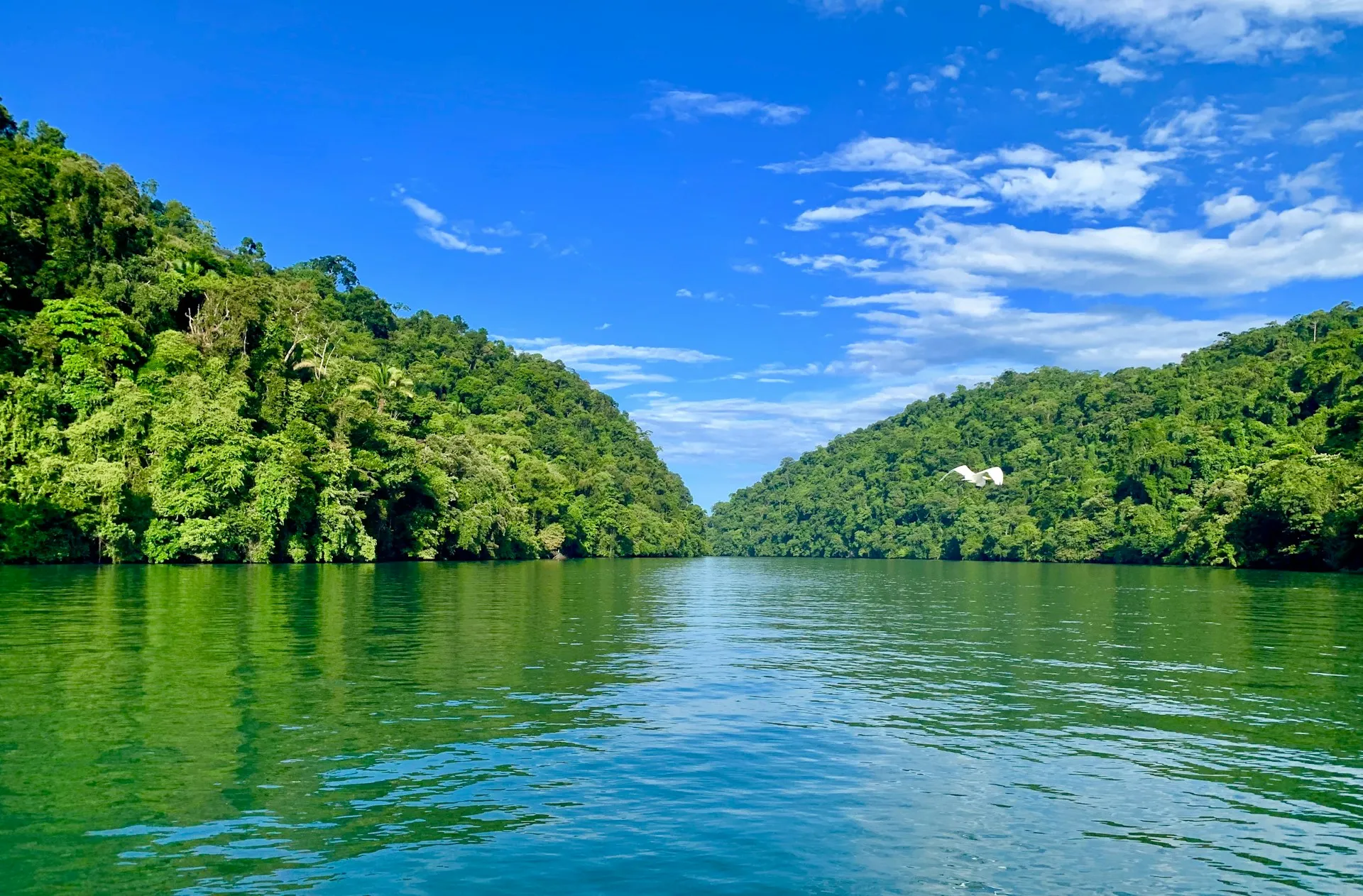
The Río Dulce is not just any river. It's actually a waterway connecting Lake Izabal with the Caribbean Sea, ending at Amatique Bay. It rises directly at the eastern end of the lake and, halfway along its course, the river widens abruptly to form a large lagoon called El Golfete. Beyond this, the Río Dulce continues its course, forming an impressive canyon over 100 metres high. It's here that you can experience the true Guatemalan jungle, before the river finally flows into the Caribbean Sea, right off the coast of the village of Livingston.

How to get to Río Dulce from Guatemala City
Guatemala City is the main overland departure point for Río Dulce. It offers a direct and accessible route, and the most recommended and economical way to get there is by using regular bus services, particularly those operated by the Litegua transport company. They depart from the central station in Zone 1 and are very comfortable, being equipped with air conditioning. The journey takes between 5 and 6 hours, and we recommend booking your ticket in advance to avoid being left without a seat.
Of course, you can also use shared minibuses with other tourists, which are usually arranged by travel agencies or tour operators. The advantage of these is that they not only connect the country’s capital with Río Dulce, but also operate from Antigua Guatemala.
Why visit Río Dulce?
Río Dulce isn’t usually included in itineraries for Guatemala, but I firmly believe that’s a mistake. Beyond the more touristy spots like Antigua, Lake Atitlán or the ruins of Tikal, exploring the eastern part of the country is an absolute must. You’ll get a completely different impression of Guatemala, with an atmosphere you won’t find anywhere else in the region. The Río Dulce area is a tropical retreat and a place that invites you to switch off completely.
One of Guatemala’s most spectacular natural landscapes
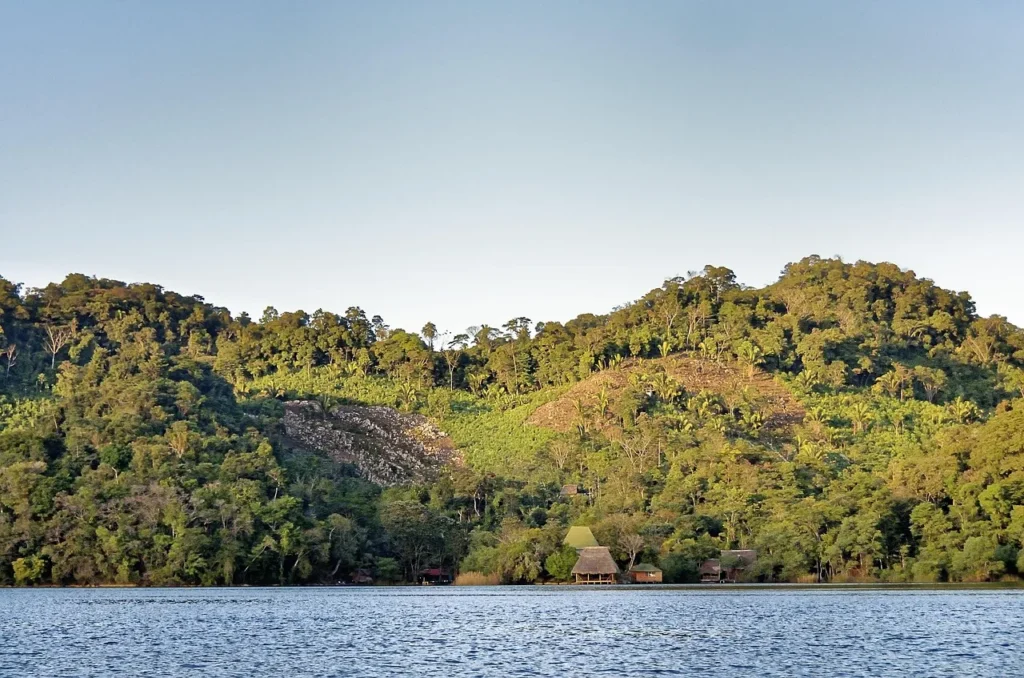
The Río Dulce area is pure jungle. What impresses travellers most is, without a doubt, the canyon through which the river flows. Metres upon metres of limestone intermingle with the forests, creating a landscape that is as photogenic as it's awe-inspiring.
An ideal destination for ecotourism and adventure
Río Dulce is a favourite with those looking to escape mass tourism and connect with Guatemala’s natural environment. Here, all the activities are nature-based, ranging from kayaking to taking a dip in the pools formed by the waterfalls.
The gateway to the Guatemalan Caribbean
Río Dulce is the waterway that connects the Guatemalan highlands with the Guatemalan Caribbean; indeed, it's the only way to reach its most important town: Livingston. There are no roads connecting this town to the interior of the country, so travelling along the Río Dulce is the main way to reach this picturesque spot, which is the finest example of the Guatemalan Caribbean.
However, many travellers returning from Honduras reach Livingston via the second and final possible route: Puerto Barrios. Ferries and boats depart from its quay, although the journey is, of course, far less spectacular.
Livingston is also home to the so-called Garifuna culture, a community of African descent that is entirely distinct from the Mayan culture found in the rest of the country. Consequently, in the Guatemalan Caribbean we find not only geographical and landscape differences, but also a drastic cultural shift that contrasts sharply with any other part of the country. Those belonging to this Garifuna culture have their own language, cuisine, music and dance. Their origins lie in the intermingling of African slaves with the indigenous peoples native to the Caribbean or South America. Learning about their traditions will be even more fascinating, if that is possible, than visiting Río Dulce.
History of Río Dulce
Although Río Dulce is now an idyllic spot with calm waters that have become the flagship of Guatemalan ecotourism, this was not always the case. During the colonial era, its waters were the scene of bloody battles and sieges. So, whilst you’re visiting, don’t forget that it was once one of the most coveted and dangerous trade routes in Central America between the 16th and 17th centuries.
The strategic importance of the waterway
During the Spanish colonial period, the Río Dulce became the main (and virtually only) route for goods from Guatemala to the Atlantic Ocean. Consequently, shipments of gold, silver, cocoa, indigo and cochineal produced in the country’s interior were transported in large holds down the river before being loaded onto large ships bound for the Iberian Peninsula.
But it was not only goods that left via Río Dulce; products and riches from ships sailing from Europe also entered the country. Consequently, there was heavy traffic on the river and a high concentration of ships laden with highly valuable supplies, which soon attracted the attention of the most feared seafarers of the time: pirates and privateers, mainly English, French and Dutch. In fact, they used what is now Livingston as the perfect hideout. From there, they would sail upriver and, by surprise, attack Spanish ships and also plunder the holds on Lake Izabal. A fascinating story, isn’t it? Well, there’s still much more to tell. We invite you to read on.
- We invite you to read our article about Hun Nal Ye, Alta Verapaz.
Things to do in Río Dulce
Boating through the Río Dulce Canyon
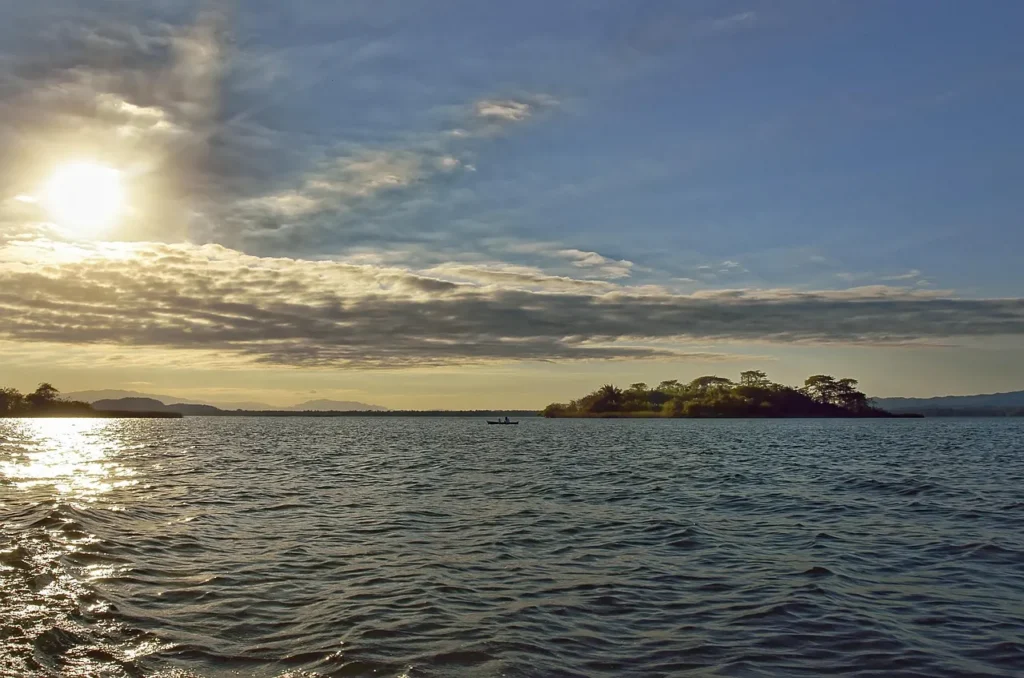
Of course, this is the main and most fascinating activity you can do on this river. Boating through the canyon is a fascinating and spectacular experience – indeed, the most incredible in the whole of the department of Izabal. Boats depart from the Fronteras jetty in Río Dulce and head (as we mentioned earlier) towards the village of Livingston.
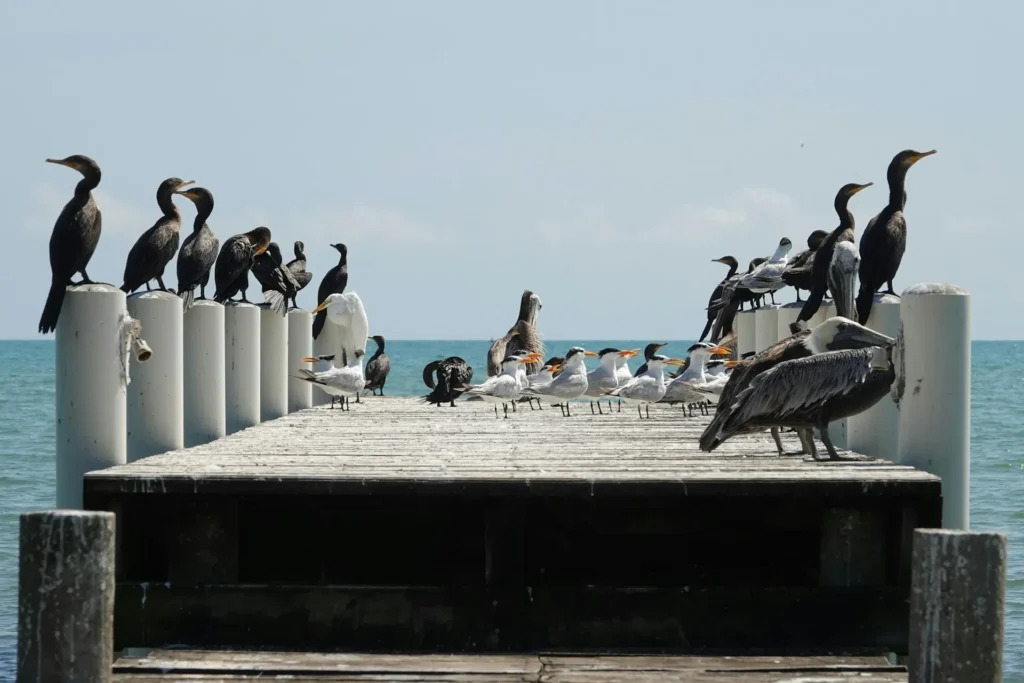
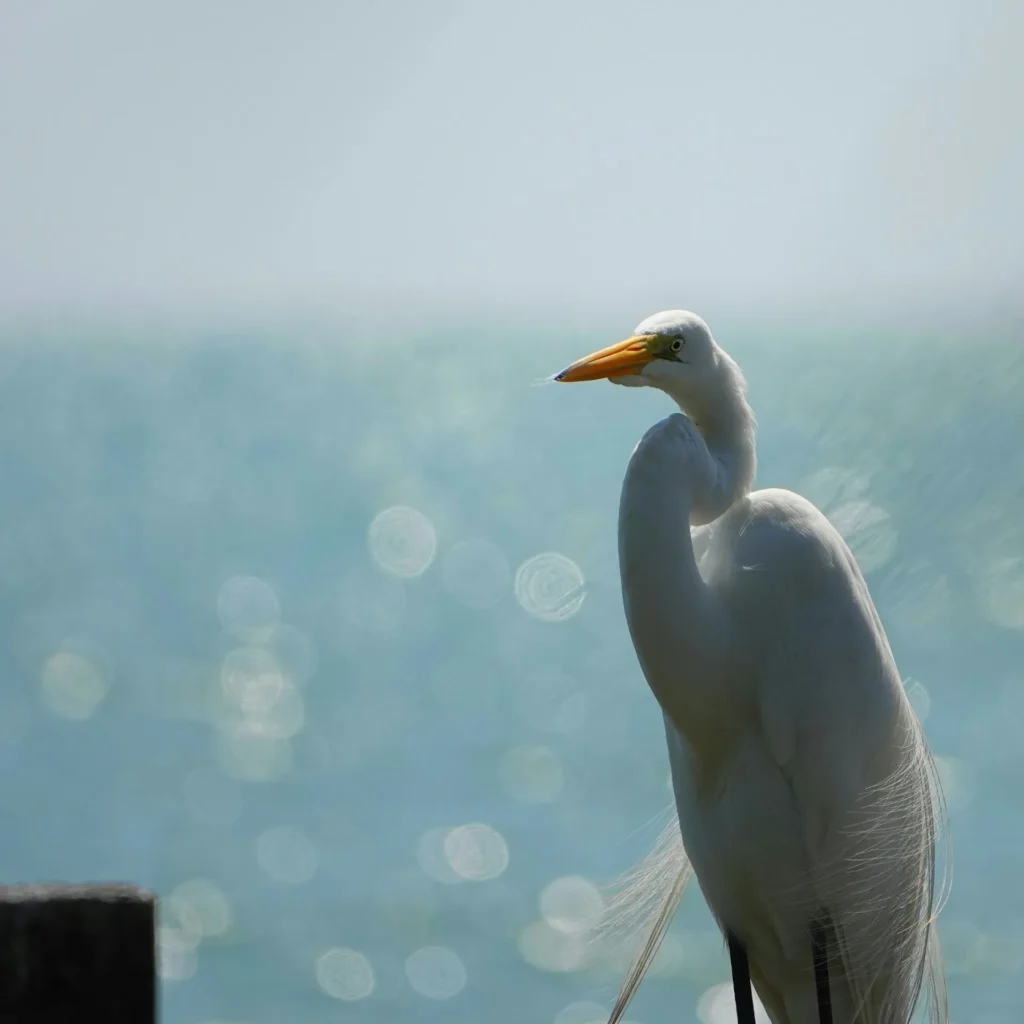
The boating experience is unforgettable, thanks both to the lush green landscape and the wildlife you can admire whilst out on the water, particularly herons, pelicans and cormorants. In the mangrove areas, you can even hear the splashing of manatees, a protected species in this National Park and one of their last refuges in Central America. You’ll also see incredible vegetation, such as water lilies and lotus flowers, as well as locals travelling in their small canoes.
Visit San Felipe de Lara Castle
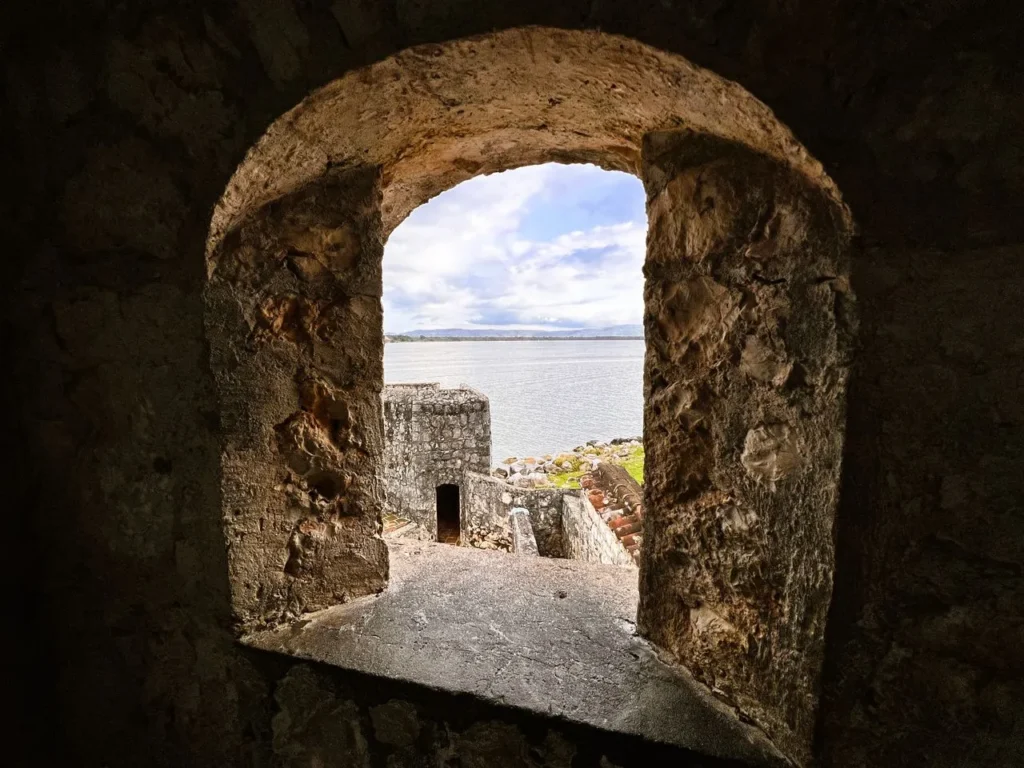
Do you remember what we’ve told you about pirate raids and attacks by privateers? Well, to put an end to these atrocities and protect the ships, King Philip II of Spain ordered the area to be fortified. After several attempts to build fortification towers, which were destroyed by the attackers, the iconic Castillo de San Felipe de Lara was built in 1651, right where the Río Dulce rises on the eastern side of Lake Izabal.
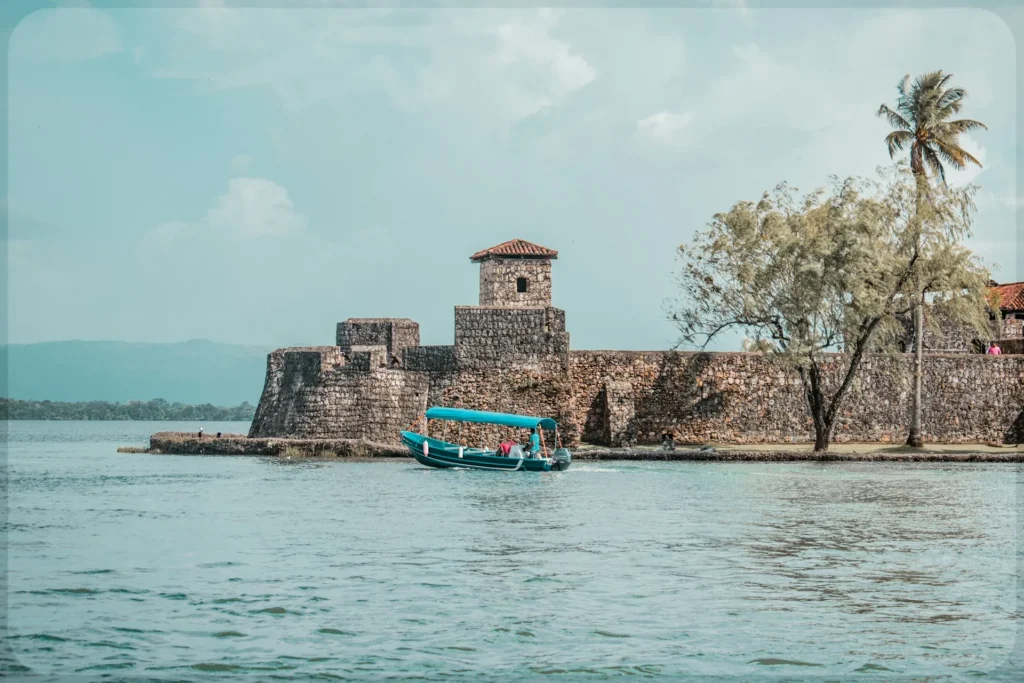
Thanks to this strategic location, the castle’s watchtower provided a perfect vantage point from which to monitor the arrival and departure of ships; furthermore, the structure was also equipped with defensive cannons that dealt lethal blows to invading vessels. Despite its great utility, in 1686 the English privateer Sharp managed to destroy its original roofs by setting them alight. Today, the castle is open to visitors, who can explore its passageways, medieval keep and cannons for themselves. You’ll also get a glimpse of the other side of its history, as it wasn’t always a defensive structure but also served as a dreaded colonial prison.
Discovering the river’s biodiversity
During your boat trip along the Río Dulce, you won’t be travelling straight to the mouth of the river; instead, you’ll usually make a few stops to explore the area. One of these is at the Chocón Machacas Biotope, a protected reserve situated at the eastern end of El Golfete and the best place to see the aforementioned Caribbean manatee. It's their home and, although spotting them requires patience, you can also see freshwater otters, turtles and a wide variety of orchids there.
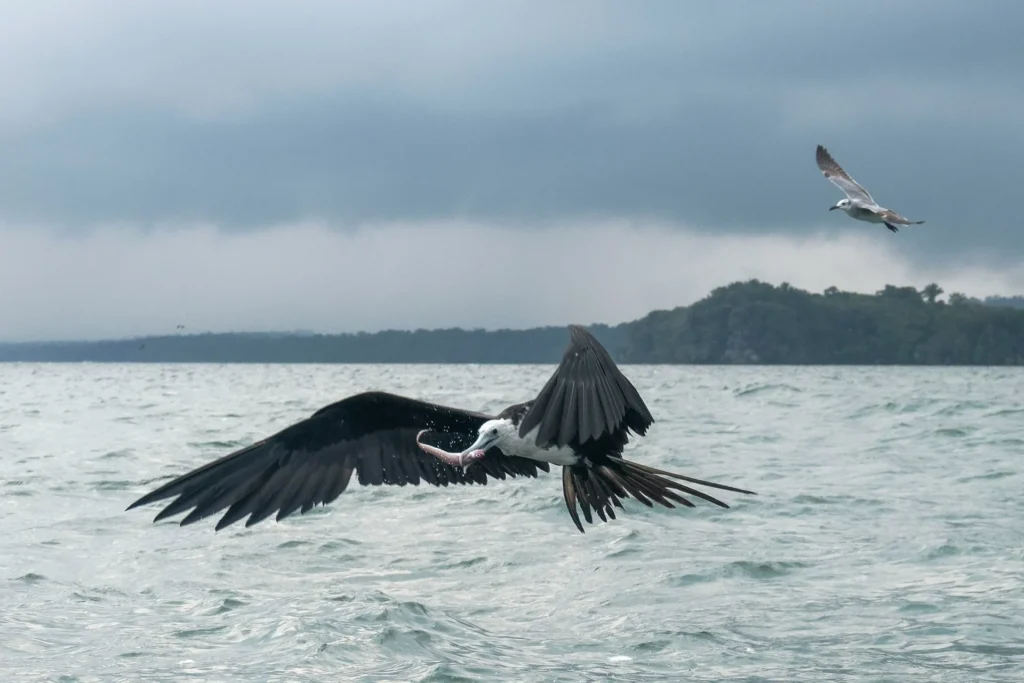
Right in Golfete itself, there’s another very special place you simply mustn’t miss. It’s known as Isla de Pájaros, which is a year-round nesting sanctuary. As you approach by boat (as visits on foot are not permitted), you’ll be able to see thousands of herons, pelicans, cormorants and frigatebirds.
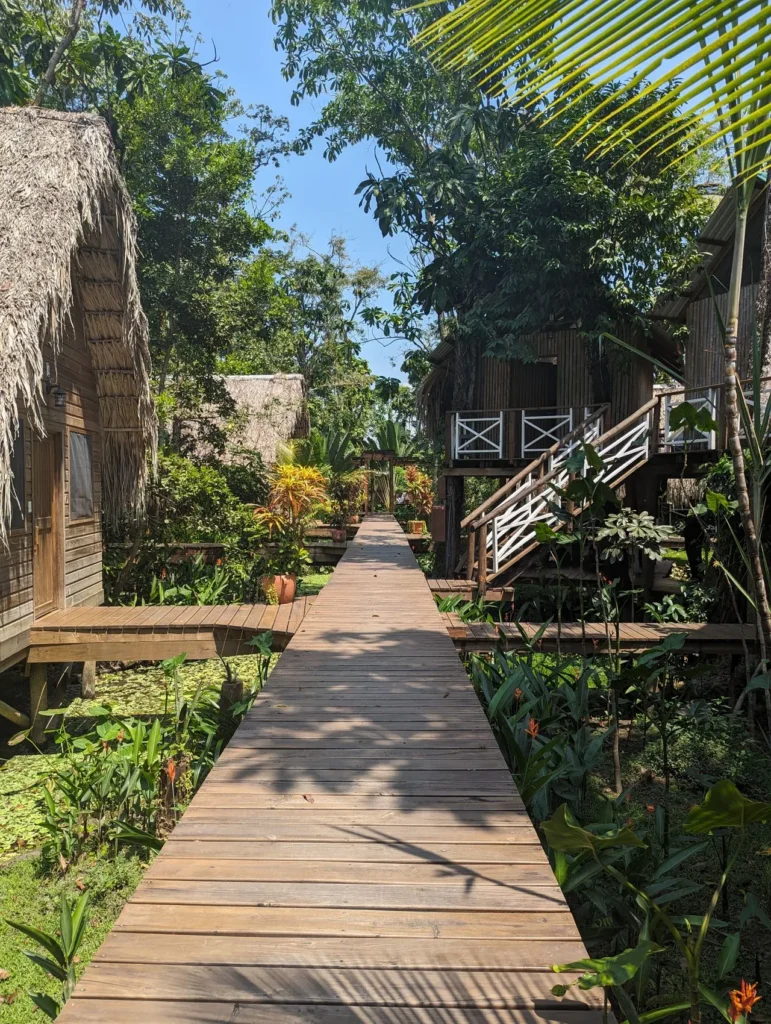
Finally, an excellent way to gain a deeper understanding of Río Dulce’s biodiversity is to stay at one of the eco-lodges nestled in the heart of nature. When you wake up, you’ll be able to hear the roar of the howler monkeys and watch the colourful toucans soaring through the skies.
Enjoy water sports and adventure activities
Adrenaline junkies will also find Río Dulce to be their best friend. For one thing, you can hire kayaks to explore areas for yourself that motorboats can’t reach. You can even go on paddleboarding tours.
We mustn’t forget to recommend another of the most special and unique experiences you can have in Río Dulce: a dip in the pool at Finca El Paraíso. You see, there’s a sulphur-rich hot spring in the area that cascades down as a hot waterfall (at around 40 ºC) into a deep pool of cold water. Swimming here is like soaking in a natural hot tub in the middle of the jungle.
Other must-see attractions in Río Dulce
Livingston
We’ve already told you about Livingston, but in this section we’ll take a closer look at it. It’s in this village that you’ll really start to feel the Caribbean atmosphere of Guatemala, characterised by a leisurely pace and steep streets lined with colourful houses. In Livingston, don’t miss the chance to try the delicious tapado – a dish of seafood and fish broth cooked with coconut milk and plantain – as well as the crispy local coconut bread. The local cuisine is the perfect way to start getting to know Garifuna culture.
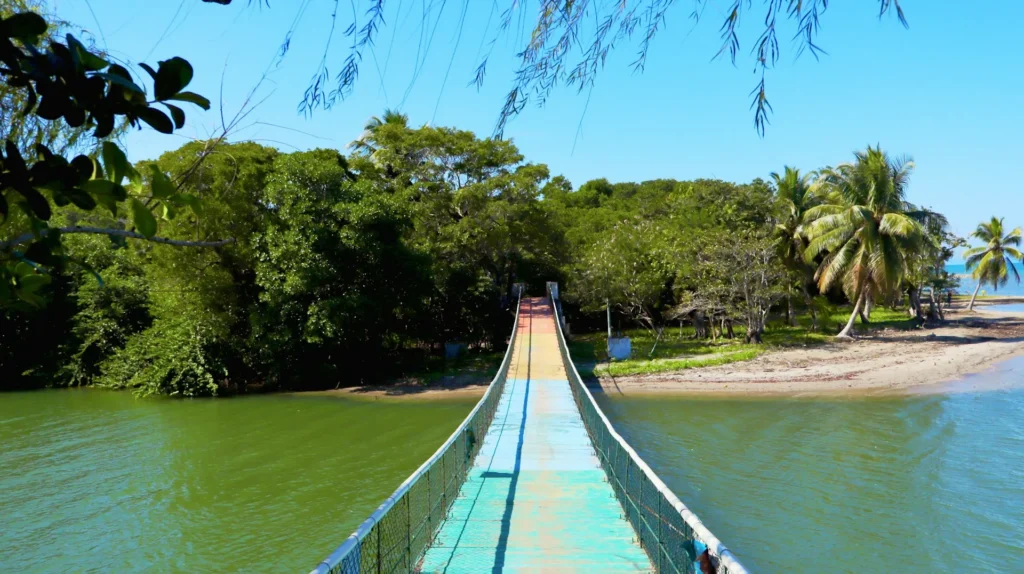
Of course, being in the Caribbean, we couldn’t miss out on the beaches. In Livingston, there’s one beach you simply must visit: Quehueche Beach, with a long stretch of golden sand that’s ideal for a stroll. Its palm trees and beautiful wooden suspension bridge over the river are also highlights. It also has several walking trails, and there are local restaurants nearby where you can try some of the traditional dishes.
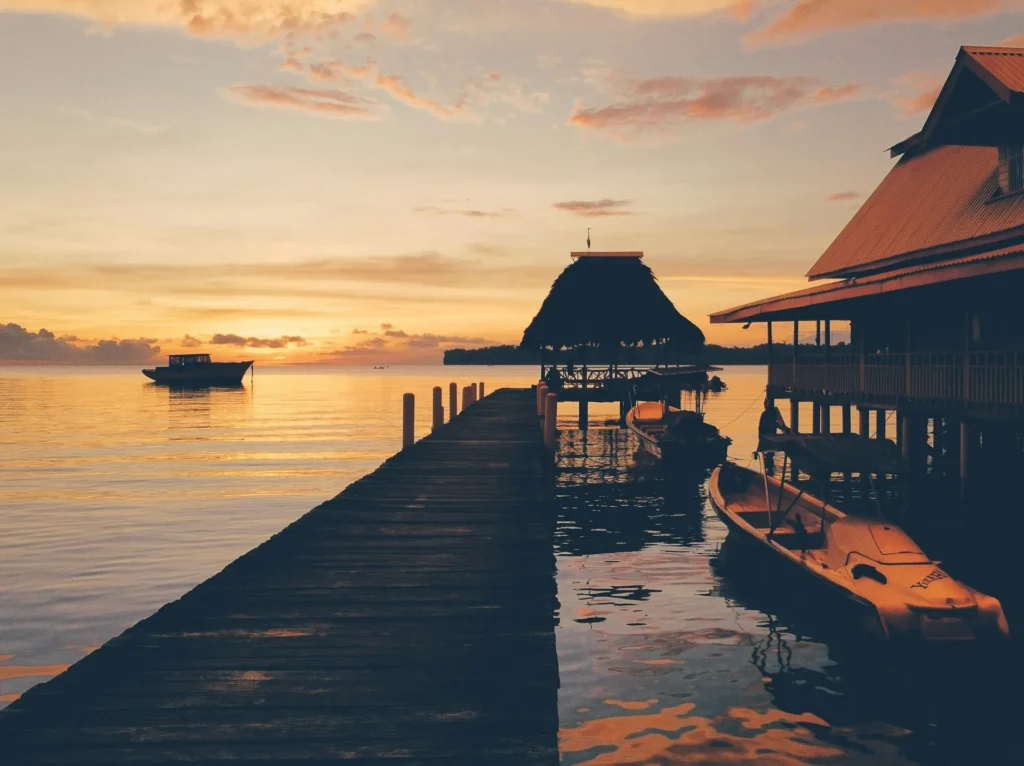
Seven Altars
Located 3 kilometres north of Livingston town centre, Seven Altars is a beautiful ecological sanctuary and an ancient Garifuna ceremonial centre, hidden away in the heart of the jungle. It consists of seven terraced pools of crystal-clear fresh water that eventually flow into the Caribbean Sea. To explore them, you’ll need to walk along the path through the dense vegetation, passing by all the pools until you reach the last one, which is the deepest and most spectacular. Once there, don’t hesitate to take a dip and venture under the waterfalls they form.
I’d recommend making sure you bring your water shoes to avoid slipping on the wet rocks. And to get to Seven Altars from Livingston, you can hop on one of the boats that leave from the town’s jetty; the journey takes no more than 10 or 15 minutes.
Playa Blanca
Playa Blanca is, without a doubt, the most beautiful coastal area in the Guatemalan Caribbean; indeed, many would go so far as to say it's the most beautiful in the whole country. It's the quintessential idyllic beach with fine sand and, like Livingston, can only be reached by water. From the village, the boat journey takes between 15 and 30 minutes, and the surroundings are exceptionally clean and dotted with coconut palms that provide the perfect shade for relaxing by the sea. What’s more, the setting offers a complete escape from the hustle and bustle, as there are no large hotels or major restaurants, given that it's situated within a private nature reserve.
As a result, there is an entrance fee, which includes a drink. Once on the beach, you’ll find sun loungers, picnic tables, changing rooms and a small restaurant. You really mustn’t miss this place and, of course, you can go for a swim without any problems. The waters at Playa Blanca are calm and very gentle, and they’re also quite shallow. As at Seven Altars, it’s highly recommended that you wear water shoes. Although the sand is fine and soft, you may occasionally (especially when entering the water) come across pieces of coral or bits of seaweed. Covering your feet will help you swim more comfortably and safely.
What to expect on the boat trip along the Río Dulce
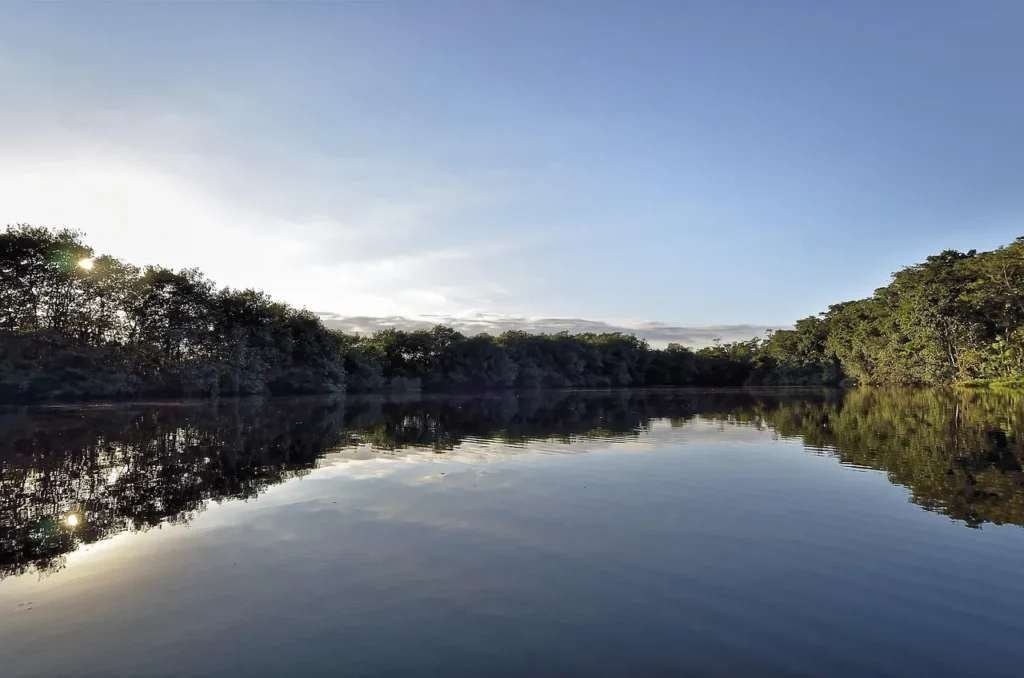
First of all, you should know that this is one of the most memorable excursions in the whole of Central America. From the Fronteras jetty to Livingston, the journey takes about 2 hours and, although you’ll start by sailing along the narrow river, you’ll soon make your way to El Golfete, a vast lagoon that offers a completely different view. Usually, upon reaching El Golfete, the boat slows down and makes strategic stops at Isla de los Pájaros and the Chocón Machacas Biotope, as well as at the Water Lily Gardens, amongst other places.
As you leave El Golfete, you’ll enter the narrow canyons – one of the most breathtaking parts of the journey – where you’ll feel tiny compared to the towering limestone walls and the dense jungle. In short, you’ll feel as though you’re in an adventure film. Before reaching the end of this route, there’s usually a stop at the edge of the canyon where thermal water gushes directly from the rock. The journey ends in Livingston, where the waters of the Río Dulce flow into Amatique Bay.
Best time to visit Río Dulce
The climate in Río Dulce is warm, tropical and humid all year round. Temperatures remain very consistent throughout the 365 days of the year, ranging between 29 and 33 ºC; although at night they can drop to as low as 19 ºC. In this respect, the best time to visit will depend on the rainfall. The best time to visit Río Dulce is therefore during the dry season, from November to April. Rainfall is very light and sporadic, the skies are clear and the humidity is slightly less oppressive.
When to go on boat trips
The best time of day to explore Río Dulce is early in the morning, between seven and eleven. That’s when the water is calmest and the heat is most bearable. What’s more, wildlife is most active at this time of day, so you’re more likely to spot birds and manatees, amongst other species. It’s best to avoid the afternoons, especially if you’re travelling during the wet season, as this is when it usually rains. In any case, I’d recommend setting off before 2 pm.
Tips for visiting Río Dulce, Izabal
What to bring for the visit
- Sun cream, sunglasses and a cap – the Caribbean sun really beats down when you come out of the canyons.
- Quick-drying clothing, as there’s a lot of moisture in the air and you might get splashed with a bit of water on the way.
- Swimwear, whether you’re heading to the beaches of Livingston or taking a dip in the natural pools.
- Mosquito repellent, as these insects are rife in the area.
- Cash in the form of coins or small notes to make it easier to get change, as in towns such as Livingston they do not usually accept card payments.
Tips for getting around the area
- The hub of Río Dulce is the village known as Fronteras Río Dulce (which is connected by the famous and photogenic Río Dulce bridge). This serves as the gateway to all the hotels and jetties in the area.
Frequently Asked Questions about Río Dulce
How many days do you need to visit Río Dulce?
A minimum of three days is a reasonable length of stay. But if you’re a fan of ecotourism and the great outdoors, you could extend your stay to four or five days, which will give you the chance to explore the various places we’ve mentioned in this article.