The Pacaya hike is one of the most accessible volcanic hikes in Guatemala. It allows you to walk on volcanic rock, see fumaroles and feel the energy of an active volcano without having to undertake an extreme expedition. It's close to Antigua Guatemala and Guatemala City. That’s why it’s ideal for short trips, independent tours or multi-day itineraries around the country.
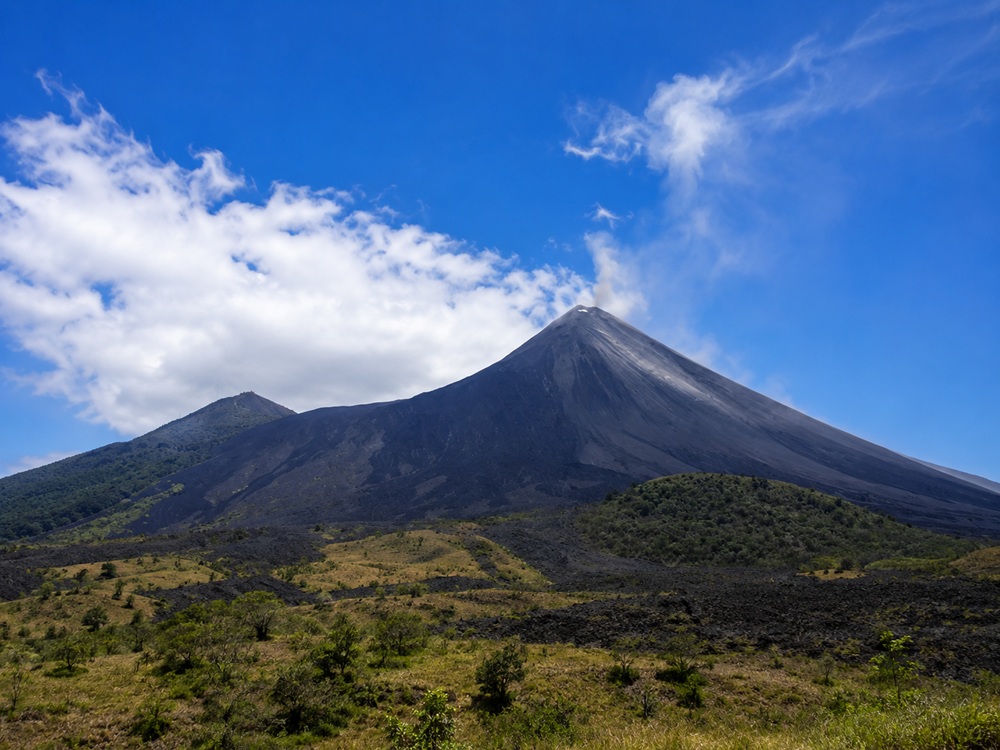
The Pacaya volcano rises to 2,552 metres above sea level. It forms part of the Pacaya Volcano and Calderas Lagoon National Park, situated between Guatemala and Escuintla. If you’re thinking of going on a Pacaya hike, don’t set your sights on reaching the summit. Because the most special part is walking through black landscapes, fields of solidified lava and along viewpoints overlooking other volcanoes on the high plateau.
Hike to Pacaya: What the hike involves
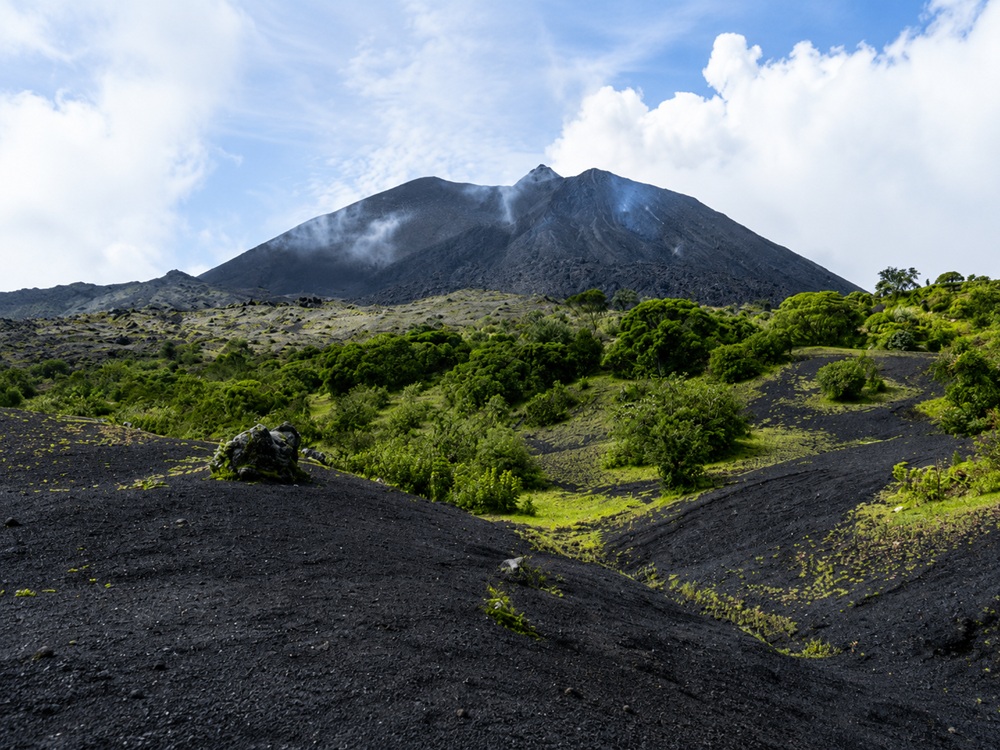
The Pacaya hike is a guided route along the slopes of the volcano. You don’t actually climb up to the crater, but you can visit other safe areas nearby where you can observe the lava fields.
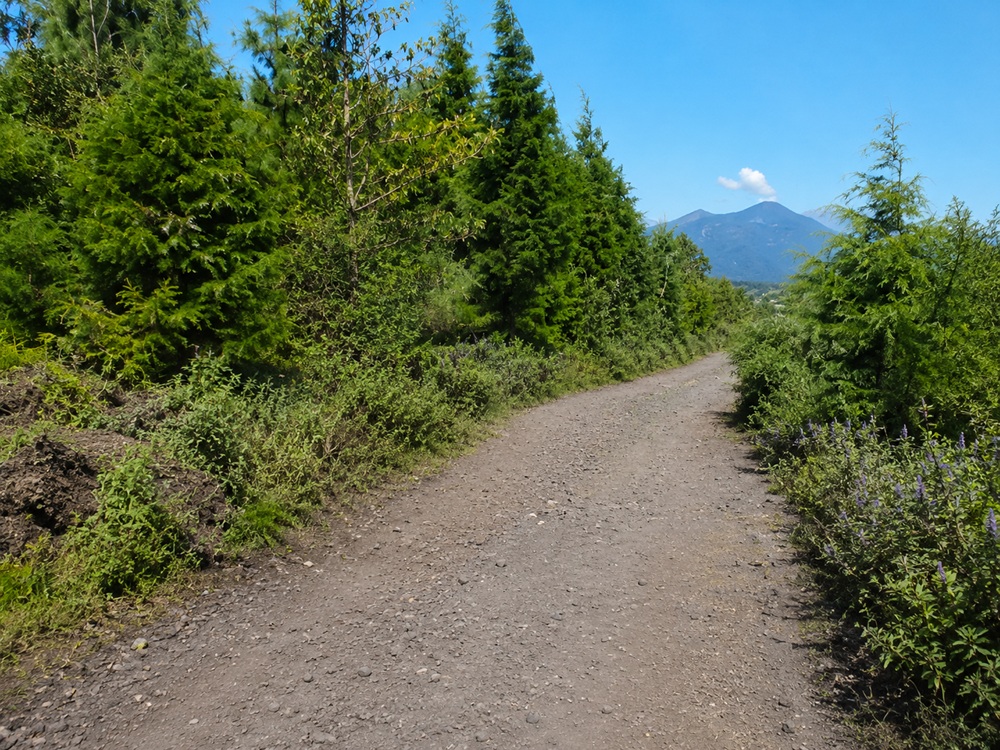
The hike therefore combines a dirt track, woodland, sections of volcanic ash and uneven terrain. The gradient is noticeable in places, but it's not a particularly demanding hike.
If you’d like to join this experience, you should know that most tours depart from Antigua Guatemala in the morning or afternoon. Of course, there are also options from Guatemala City, although the journey tends to be a bit longer.

During the Pacaya hike, the local guide sets the pace and decides how far you can go. Why? Because this depends on the weather, volcanic activity and the conditions in the park on the day.
Where does the Pacaya hike start and how do you get to the national park?
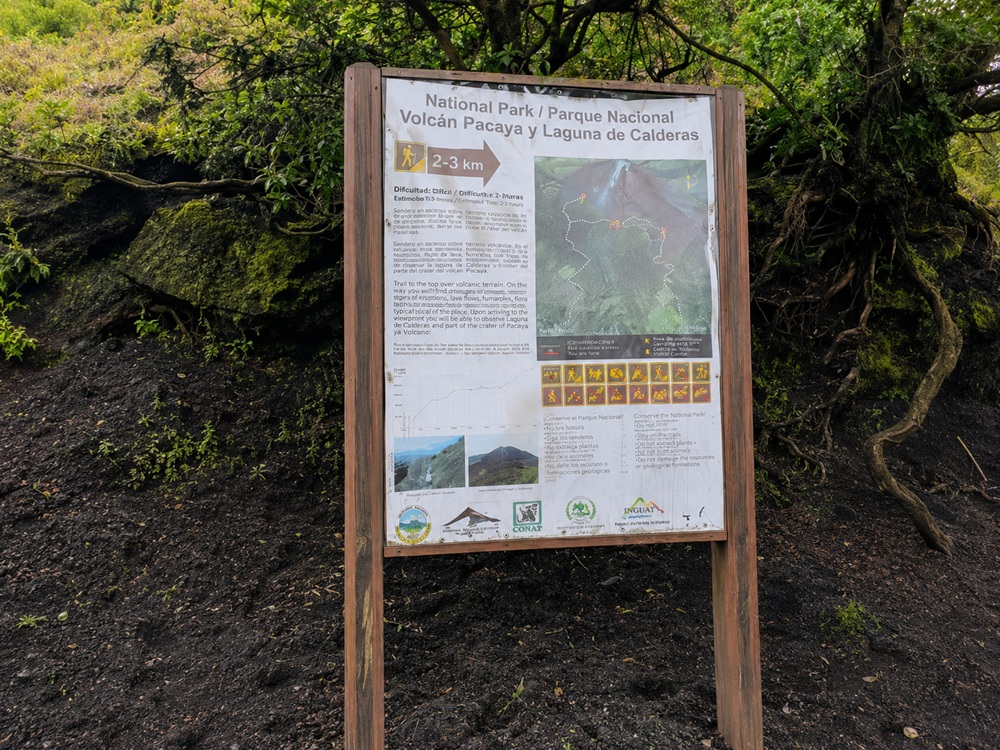
The most common starting point for the Pacaya hike is near San Francisco de Sales. From there, you enter the Pacaya Volcano and Calderas Lagoon National Park. San Francisco de Sales is located in the municipality of San Vicente Pacaya. The park entrance therefore serves as a checkpoint and meeting point for local guides.
Entry to the park costs 100 quetzales for foreign visitors and 30 quetzales for locals. Remember that it’s best to take cash in quetzales, as card payments may not be available. From Antigua Guatemala, the journey usually takes between 1 and 1.5 hours. From Guatemala City, it can take around an hour and a half, depending on traffic and your starting point.
Distance, elevation gain and approximate duration of the route to Pacaya
The length of the Pacaya hike varies depending on the exact route you take. However, to give you a rough idea, many guided tours cover between 5.5 and 6 kilometres in total.
The usual route therefore starts at an altitude of over 1,800 metres and reaches areas close to 2,300 metres. That gives us an elevation gain of approximately 400 to 500 metres. If you’re more concerned about the climb, it usually takes between 1.5 and 2 hours. The descent takes about an hour, although it all depends on the group’s pace. In total, allow between 3 and 4 hours for the full Pacaya hike. If you factor in transport, photos, stops and waiting time at the park, the excursion can take almost half a day.
- This page about Monterrico Beach may interest you.
Is the Pacaya hike suitable for everyone? Difficulty level and physical requirements
This hike is generally considered a moderate walk. However, it should be noted that it's neither a technical route nor a flat stroll through an urban park. The difficulty stems from the constant gradient, the altitude and the loose volcanic terrain. The ash, black stones and some sandy sections mean you have to walk carefully.
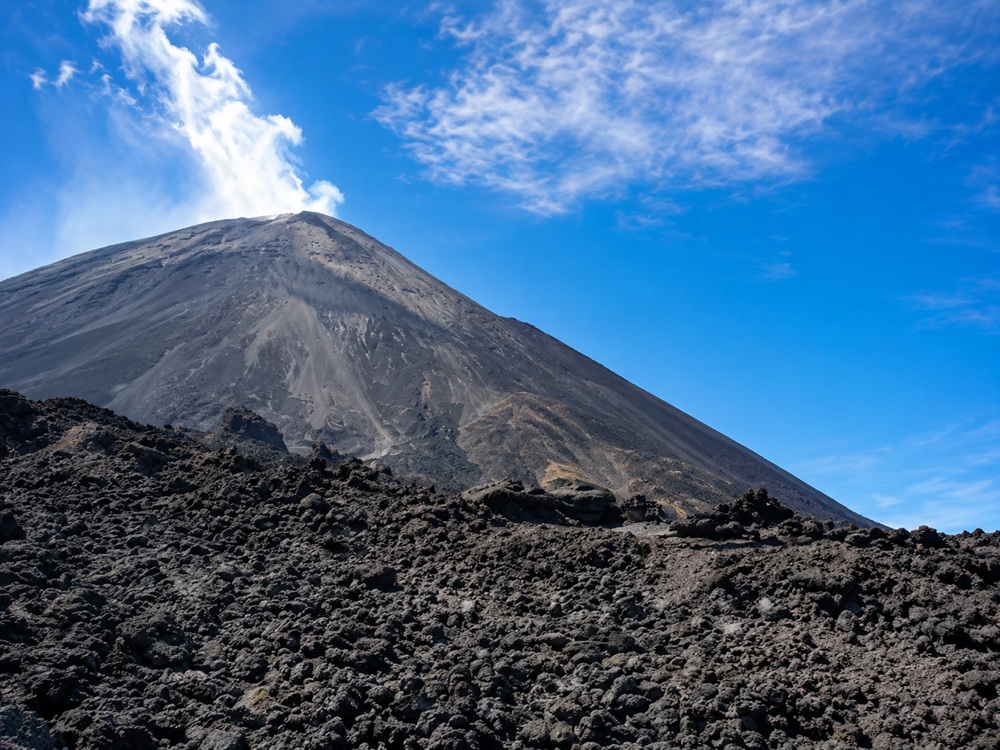
For someone who is used to going on day trips and hiking, the Pacaya hike is very easy to manage. But for someone who is not very active, it may seem a bit more challenging, especially on the sections with a steady climb. If it helps, you’ll enjoy the route more if you walk slowly, breathe deeply and take short breaks.
Pacaya: A hike for beginners and what to bear in mind
The Pacaya hike is the perfect choice for a great first volcanic experience in Guatemala. This is because, apart from the difficulty we’ve mentioned, it doesn’t require you to camp overnight or reach high altitudes, unlike other routes in the country. Even so, it’s a good idea to be in reasonably fit shape. If you can walk for two hours on a moderate incline, you’ll certainly be able to complete the route without any trouble.
Remember that walking poles are a great help on the descent. They make the walk more comfortable and safer. Don’t rely too much on the weather either. The sun can be intense at midday, but the wind can quickly cool things down in open areas.
Hike up Pacaya with children or those with little mountaineering experience
A hike like this is suitable for children who are used to walking. But it’s also suitable for adults with no prior experience, provided they’re in good physical shape. If you’re going with your family, it’s best to choose a tour that takes things at a leisurely pace. This is because smaller groups allow for more breaks and take the pressure off to rush ahead.
If you have young children, ask in advance about the option of riding a horse. Depending on their age, it may not always be necessary, but it can save the day if they start to tire on the climb. Always bear in mind that uneven ground, dust and wind can make the experience much more difficult.
How to fit the trip to Pacaya into your itinerary
We could say that this is one of the easiest day trips to fit into a holiday in Guatemala. After all, if you prefer, you don’t need to stay an extra night, and you can return to Antigua or Guatemala City to spend the night.
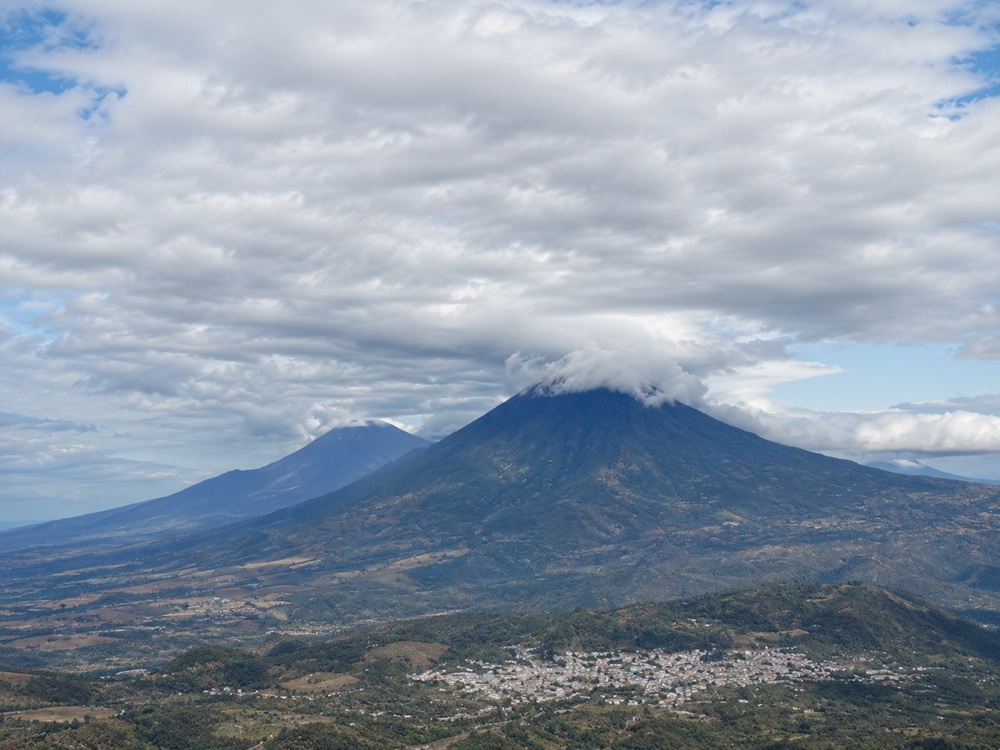
It also works well as a warm-up before tougher hikes. For example, many hikers do it before tackling Acatenango to test both their altitude tolerance and stamina. If your itinerary is short, Pacaya has a major advantage. Because in just half a day, you can enjoy a volcanic experience without having to disrupt your entire trip.
Day trip to Pacaya Volcano from Antigua Guatemala
To be honest, if we’re looking for a more convenient starting point, we’d go for Antigua Guatemala. That’s because there are organised trips from here in the morning and afternoon, with transport to the park included.
The morning tour allows you to return in time for lunch or a rest. The afternoon tour, on the other hand, usually takes advantage of better light, cooler temperatures and a more atmospheric setting as the day draws to a close. The journey from Antigua usually takes around 1.5 hours. Afterwards, you’ll go for a walk, visit the lava fields and return to the same pick-up point.
Even so, to make sure you can organise it properly, leave some room in your diary. After all, sometimes things beyond our control, such as rain or traffic, can make the experience take longer.
Excursion to Pacaya Volcano from Guatemala City
You can also do the Pacaya hike from Guatemala City. This is a practical option if you’re arriving at the airport, staying overnight in the capital, or won’t be passing through Antigua. The distance isn’t very great, but traffic can really affect your journey time. That’s why it’s best to set off early and avoid the rush-hour periods when people are entering or leaving the city.
From the capital, tours are usually organised as day trips. These include transport, a guide and enough time to complete the hike at a leisurely pace. If you’re going on your own, check the road conditions and the availability of guides beforehand. As this is an active volcano, we mustn’t take any chances.
Pacaya hike routes and types
Not all Pacaya hikes are the same. Although the core of the experience is similar, what can vary is the timetable, as well as the pace and the stops included on each route. This is because some routes focus on the main trail. Whilst others include the sunset, lava fields, viewpoints or an extension to Laguna Calderas.
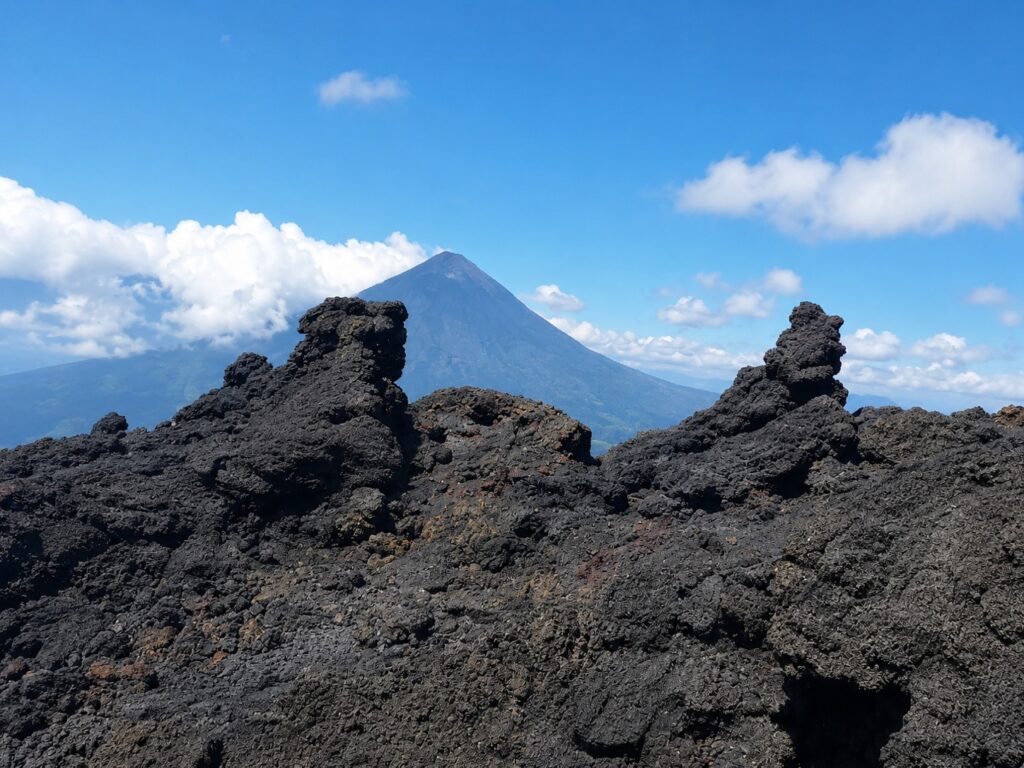
The good thing is that you have a choice, but your choice depends on how much time you have, your fitness level and the kind of trip you’re looking for. Pacaya can be a gentle adventure, a photo opportunity or a more immersive day out in nature.
Classic climb up Pacaya volcano: Main trail
The Classic Ascent is the most popular hike on Pacaya. It starts at the park’s entrance and follows marked trails up to scenic viewpoints.
First, you pass through stretches of vegetation. Then the landscape opens up, revealing black ash and volcanic rocks. Of course, most travellers choose this route for its balance. It offers adventure, views and contact with the volcanic terrain. If you’re visiting Pacaya for the first time, this is the most recommended option.
Pacaya at sunset: Hiking and exploring solidified lava
At dusk, this place takes on a different atmosphere. The fading light brings out the dark colour of the lava and makes the landscape even more photogenic. What’s more, many tours visit fields of solidified lava. Some guides point out geothermal spots where the ground retains heat. Of course, this depends on the conditions at the time.
Don’t expect to see flowing lava for sure. Although Pacaya is an active volcano, its activity varies and the areas open to visitors depend on safety considerations. For sunset, bring an extra layer. When the sun goes down, the wind can cause the temperature to drop rapidly.
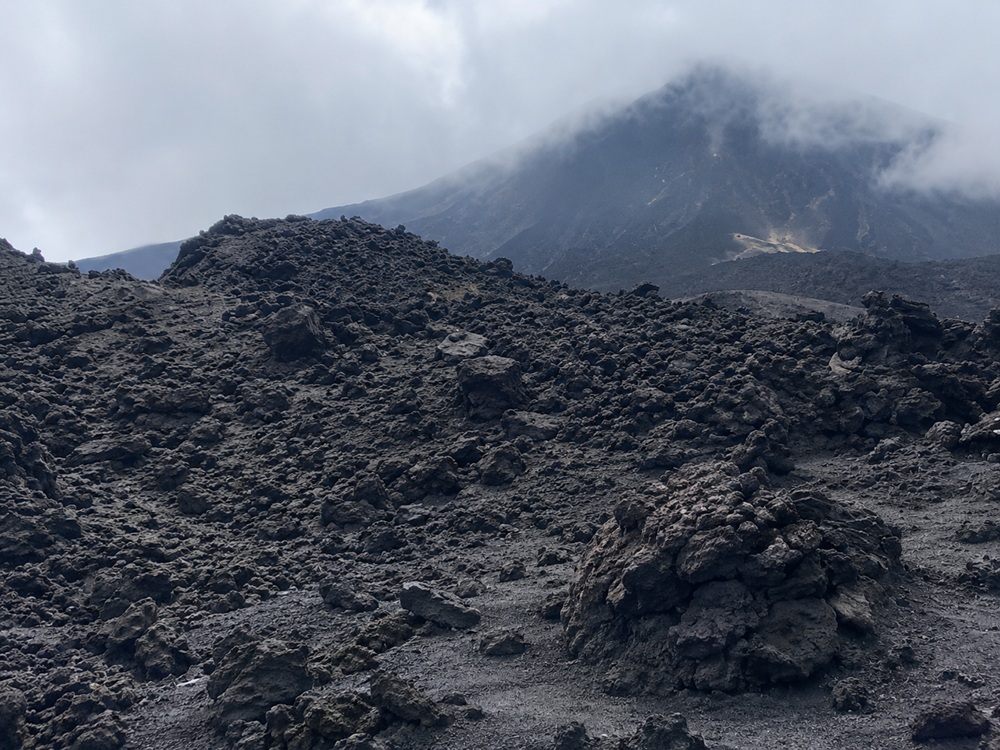
Combine the hike to Pacaya with a visit to Laguna Calderas on the same day
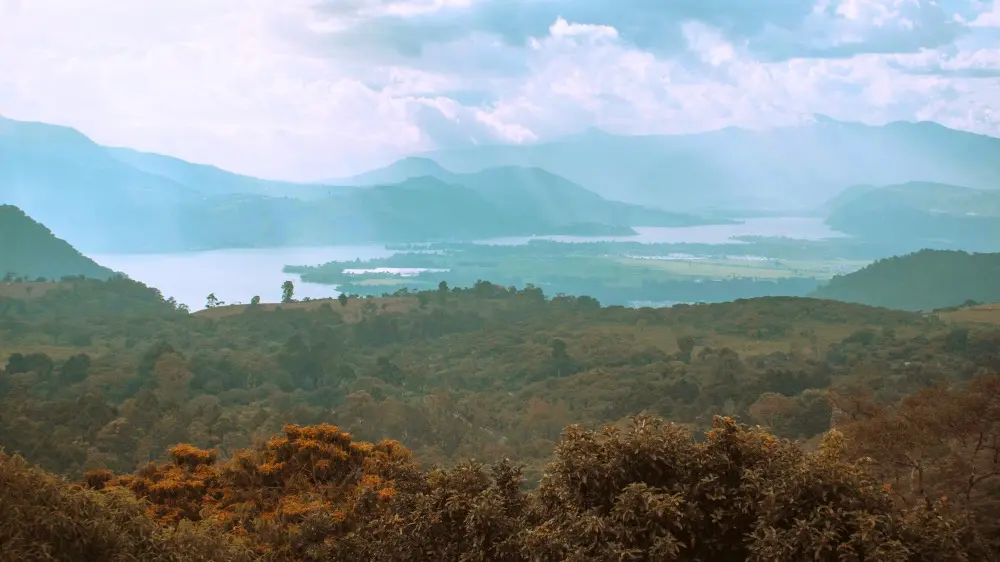
The park is known as Pacaya Volcano and Calderas Lagoon. That’s why some travellers combine the Pacaya hike with a stop at the lagoon. This is a truly special option, especially if you have private transport or a flexible tour. The lagoon offers a change of scenery from the volcanic landscape to a more peaceful, green setting.
It’s true that not all standard tours include it. It’s best to ask in advance about the times, the exact route and, of course, the additional cost. It’s a good option if you want a more full-day experience. But if you only have half a day, it’s better to prioritise the classic walk so you can enjoy it at a leisurely pace.
What to bring to Pacaya: Recommended equipment and clothing for the hike
It’s always important to make sure you’re well prepared for the Pacaya hike. Think of Pacaya as a short hike with changeable conditions. You might start out in the heat and end up feeling the chill at the viewpoints. It’s best to wear comfortable footwear, take plenty of water, apply sun cream and bring a windbreaker.
Footwear, warm coats and protection from the sun and wind
For the Pacaya hike, avoid sandals and flat trainers. It’s best to opt for lightweight hiking boots or trekking trainers with a good grip. This is because volcanic rock can be sharp and ash is slippery, so you need footwear that provides good stability.
You should also wear a breathable T-shirt and a windbreaker. It’s worth remembering that during the dry season, you should also bring a cap, sunglasses and sun cream. If you’re doing the hike at dusk, bring a head torch. Even if the guide has a torch, having your own improves safety and comfort.
Water, snacks and other essentials for the Pacaya volcano
Bring at least 1 litre of water per person. On hot days, it’s best to have 1.5 litres, especially if you’re not acclimatised. A simple snack helps on the climb. So don’t forget to pack fruit, nuts, energy bars or sweet bread – they work well and take up little space.
It’s also a good idea to bring some cash. You’ll need it for the entrance fee, the guide, the toilet, tips or small local expenses. Don’t forget to bring a bag for your rubbish either. In such a popular volcanic area, every little bit helps to keep the park clean.
Practical tips for the route
A route like this is best enjoyed when you go in with realistic expectations. There’s no need to rush; it’s best to make the most of the fact that you’re walking on an active volcano. That’s why you should always check the park’s status before you go. The reason is that Pacaya remains volcanically active and the authorities may restrict access for safety reasons.
The best time of year and the best time of day to go up
The dry season is usually the best time for the Pacaya hike. In Guatemala, this typically runs from November to April, with less rain and more stable trails. Of course, the rainy season doesn’t prevent you from doing the hike, but it does change the experience. This is because there may be mud, reduced visibility and a greater need for waterproof clothing.
If we consider the time of day, the morning and afternoon are the best options. At midday, the sun can be stronger, especially on open stretches with no shade. It’s true that sunset offers better photos and a more atmospheric feel. The morning, on the other hand, is usually more practical if you want to continue your journey afterwards.
National Park rules and safety recommendations
The Pacaya hike must be undertaken with a licensed guide. The truth is that this is one of the best options. This is because the terrain varies and the volcanic activity requires local expertise. Furthermore, you must not approach areas that are closed off, let alone the crater. At all times, you must follow the guide’s instructions. Of course, when you go to book, it’s worth checking whether any notices have been posted.
- This page about the natural wonders of Guatemala may interest you.
Frequently Asked Questions about the Pacaya hike
How long does the Pacaya hike take?
It usually takes between 3 and 4 hours to walk, including stops. The ascent can take 1½ to 2 hours, and the descent around an hour.
Is the Pacaya hike difficult?
It's of moderate difficulty. This is because it does not require advanced technical skills, but it does require the ability to walk uphill over uneven terrain. The volcanic ash and loose stones make it more tiring than a normal trail.
Is it possible to do the Pacaya hike without a guide?
It isn't advisable to undertake this tour without a guide. Guided tours are the usual and safest way to visit the park.
How much does it cost to visit Pacaya Volcano?
The current admission fee for foreign visitors is 100 quetzales. For Guatemalan nationals, the fee is 30 quetzales.