Few things connect you as viscerally with the culture of Quetzaltenango as its rich variety of textiles. Strolling through the streets of Xela, browsing its markets or popping into a local celebration is to discover that the colours and embroidery of the traditional dress are not just window-dressing: they are part of the everyday life of communities that have worn them with genuine pride for many years.
The traditional dress of Quetzaltenango is not merely an item of clothing. For the locals, it's a living memory. A way of ensuring they do not forget who their grandmothers were, what they believed in, and what they sowed. Every thread carries a story that no museum can explain as well as the artisan who wove it.
What surprises first-time visitors most is the realisation that many of the symbols featured on these textiles predate the Spanish conquest. The communities in the region have weathered centuries of social and cultural change without relinquishing the techniques and knowledge passed down from mothers to daughters as the family’s most precious treasure.If you’re planning a trip to Guatemala, understanding the traditional dress of Xela is not merely a cultural detail: it’s the key to understanding the region, its customs and the identity of one of the country’s richest regions. In this guide, we explain what the traditional dress of Quetzaltenango is like, where it comes from, what secrets its embroidery holds, and where you can see it up close.
What does the traditional dress of Quetzaltenango look like?
The first time you visit Quetzaltenango, the fabrics take your breath away. Not just because they’re beautiful – which they are – but because each community has its own: unique colours, distinct patterns, and a visual language all of its own which, once you begin to understand it, is a feast for the eyes.

There are certain features that set Quetzaltenango’s traditional dress apart from other regional clothing in Guatemala: the intensity of the colours, the density of the embroidery and the craftsmanship that makes each garment more like a work of art than a piece of clothing. These garments continue to form part of the daily lives of the local people and of the region’s most important celebrations.
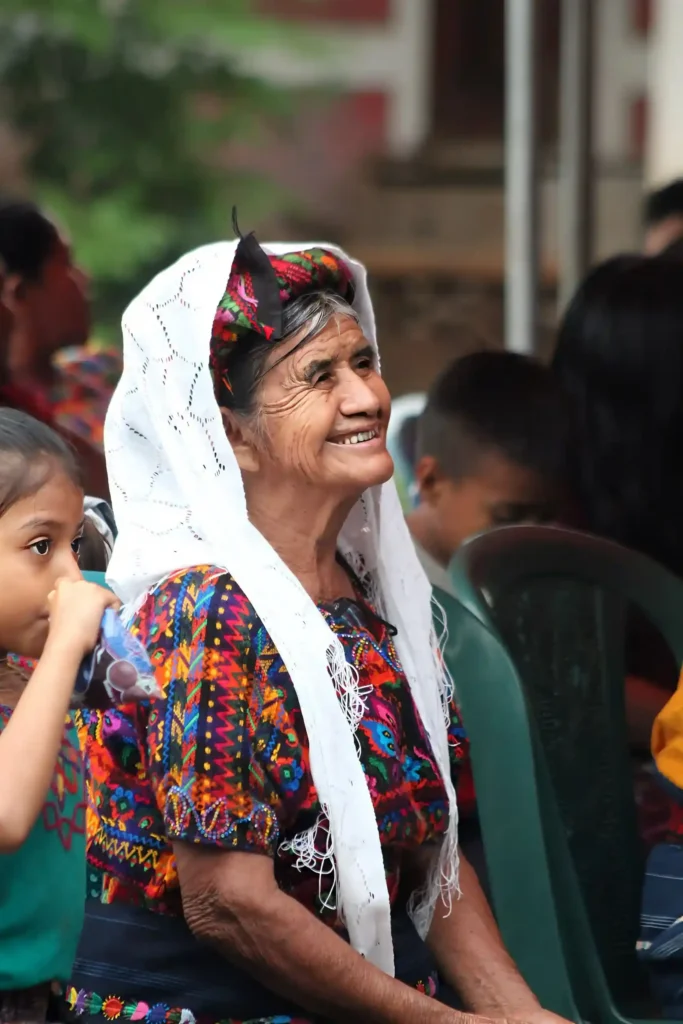
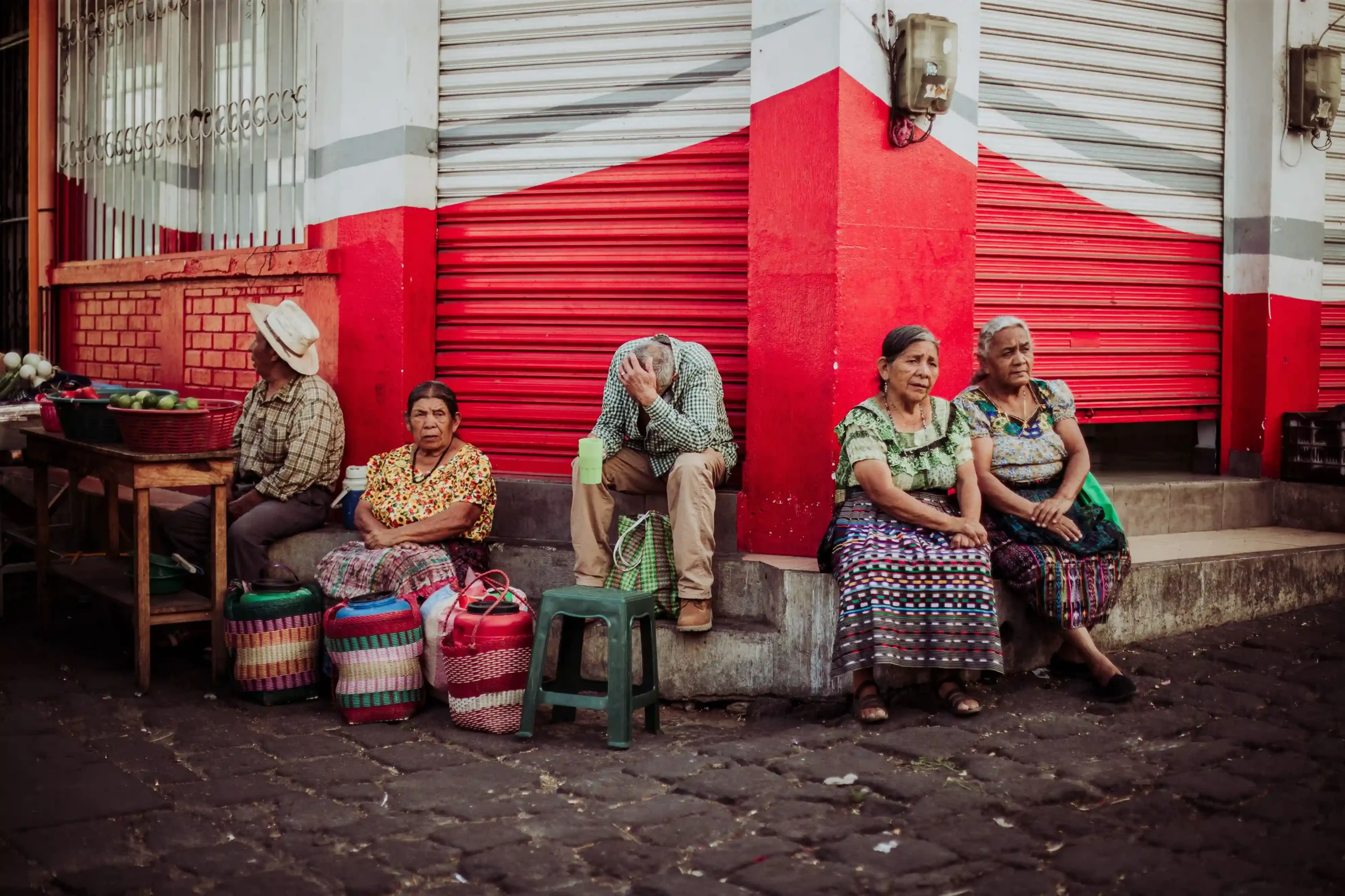
The traditional Quetzaltenango dress for women is probably the most visible and elaborate expression of the region’s textile tradition. It consists mainly of the huipil, the corte, the sash and various accessories that lend character and meaning to the ensemble.
If you look closely at one of the pieces of clothing, you’ll realise that no two are alike. Each craftswoman incorporates her own unique details, specific colours and patterns that reflect both her community’s identity and her personal creativity.
The huipil is usually the first thing to catch the eye. Depending on the design, it can take weeks or even months to make: many women still weave on a backstrap loom, a technique with centuries of history that no machine has yet managed to replicate with the same soul.
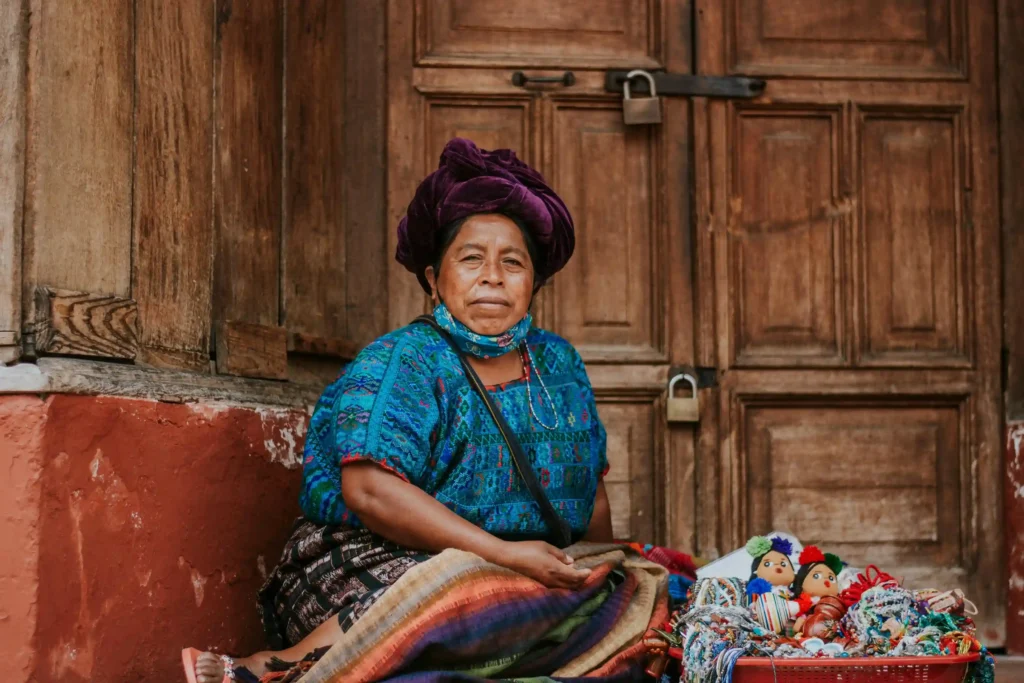
Beyond their aesthetic appeal, these garments fulfil a cultural function that goes beyond mere adornment. The colours, embroidery or certain details may indicate where the wearer is from or contain direct references to their local traditions.
And there is something else that surprises visitors: many families keep special huipiles for weddings, religious festivals or community celebrations. These garments are not for sale, as they are regarded as part of the family’s heritage.
Traditional elements of men’s traditional dress
It's true that it's less common to see a man wearing traditional dress in everyday life, but at celebrations and cultural events this attire continues to play a leading role. The traditional men’s dress of Quetzaltenango usually includes woven trousers, an embroidered shirt, a sash and a hat; depending on the community, jackets or garments decorated with handcrafted designs may also be worn.
This clothing has spent centuries absorbing indigenous and colonial influences without losing their essence. It is the result of that constant interplay between tradition and the passage of time: a form of dress that reflects the region’s entire cultural history.
If you’re lucky enough to attend a local festival, watch as the men bring out these traditional garments to take part in ceremonies, processions or community events. It’s one of those moments you won’t easily forget.
What sets the Xela traditional dress apart from other Guatemalan traditional clothing?
Guatemala is a country with such a rich textile heritage that it defies any attempt at generalisation. Each department and each community has its own designs, which tell their stories and traditions in different ways.
The traditional dress of Xela is notable for the quality of its fabrics and for the cultural significance that Quetzaltenango has historically held as the economic and social centre of the western highlands.
Unlike other, more uniform clothing, Quetzaltec textiles display a variety of designs, colours and decorative techniques that clearly reflect centuries of cultural exchange and a deeply-rooted tradition of craftsmanship.
If you have already visited places such as Chichicastenango, Sololá or Totonicapán, you will notice that the traditional dress of Quetzaltenango have a character all of their own, making them some of the country’s most renowned examples of textile art.
- We invite you to read our article about Cerro Quemado.
History of the traditional dress of Quetzaltenango
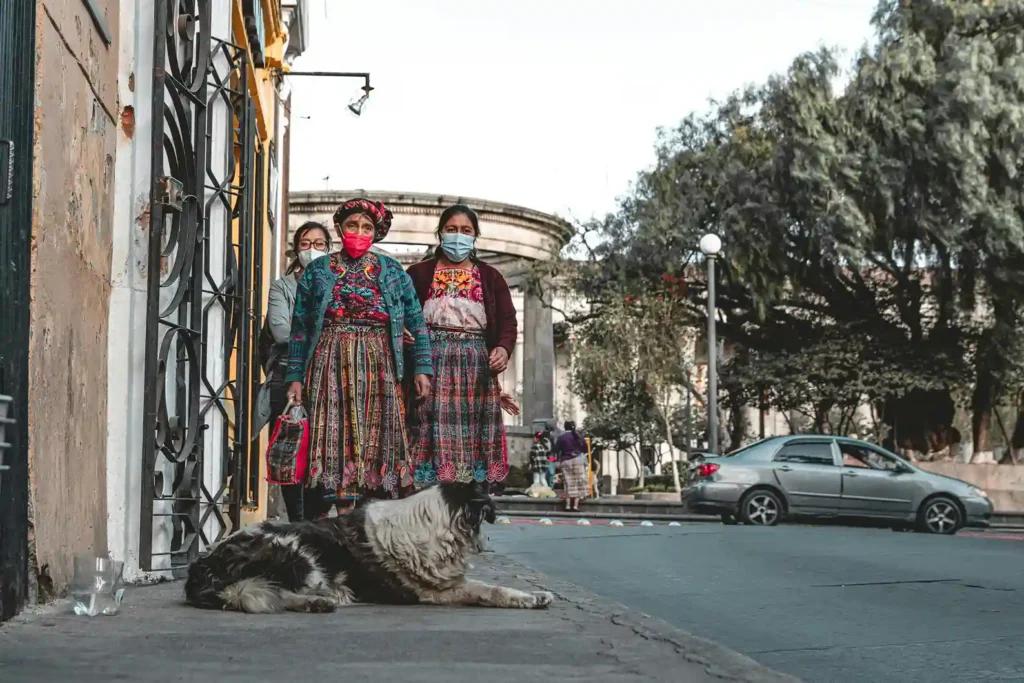
Behind every piece of fabric lies a story that links the present with the ancient Mayan civilisations that once inhabited this region. Understanding the origins of these garments allows us to appreciate much more fully the cultural value they retain today.
The origins of traditional dress in Xela
Long before the Spanish arrived, Mayan communities were already weaving with cotton, natural fibres and dyes obtained from plants, minerals and insects. Clothing was not just for covering the body: it was used as a form of communication. It served to indicate who you were, what place you held in the community and which group you belonged to.
Textiles were used in religious ceremonies, in trade and in celebrations. Today, when you wander through the markets of Xela, it's hard not to think that these techniques have been in use for centuries.
The influence of K’iche’ Maya culture
There’s something nobody tells you before you arrive in Xela: that the K’iche’ Maya culture is in the clothes of the woman selling you tomatoes at the market. It’s embroidered, stitch by stitch, symbol by symbol. The mountains, the animals, the plants, the natural phenomena that shape the Mayan worldview appear in the fabrics as they always have: a way of ensuring we never forget the connection between people and the world around them. Balance, fertility, the cycle of life. It’s all there, right at your fingertips.
If you’re genuinely interested in Mayan culture, don’t just walk past a huipil. Spend as much time looking at it as you would at a ruin. It deserves just as much attention.
- We invite you to read our article about the traditional dress of Cobán.
The evolution of the traditional dress of Quetzaltenango over time
The traditional dress of Quetzaltenango retains its connection to its Mayan roots, but has evolved considerably since then. From the colonial era, which introduced new materials and tailoring techniques, to the Industrial Revolution, which brought industrial dyes, colours that had not previously existed became available, and the craftswomen incorporated them without any fuss.
In recent decades, many have begun to experiment with new designs whilst keeping the techniques intact. Tradition and renewal in a single garment. Because a culture that stands still becomes fossilised, and what you see in Xela is anything but fossilised. Thanks to this balance between tradition and innovation, the Xela traditional clothing remains a living cultural expression with much to say.
The significance of the Xela dress
Beyond the beauty that this outfit clearly embodies, the traditional dress of Quetzaltenango is steeped in meanings that reflect the history and values of the communities that wear it.
The symbolism of colours and embroidery
One of the most fascinating aspects of this garment is the visual language conveyed by its colours and embroidery.
- Red is often associated with energy and vitality. Blue represents the sky and water.
- Green symbolises nature and fertility.
- The colour yellow evokes the importance of maize, one of the cornerstones of Mayan culture. The embroidery also tells a story: the birds represent freedom and a connection with nature.
- Flowers evoke a sense of abundance and renewal.
- The geometric patterns suggest mountains, paths or elements of the indigenous worldview. The next time you see a traditional huipil, pause for a moment to really look at it. Each design carries more meaning than meets the eye.
Elements that reflect local identity
Traditional textiles serve as symbols of belonging that require no translation. For centuries, communities have used specific patterns and colours to distinguish themselves and preserve their cultural identity. The traditional dress of Quetzaltenango is also a reflection of this.
There are people who can identify the origin of a garment from certain details in the fabric, which speaks volumes about the depth of this system of visual communication.
This ability to convey information makes traditional clothing living records of local history.
The importance of textiles in Quetzaltec culture
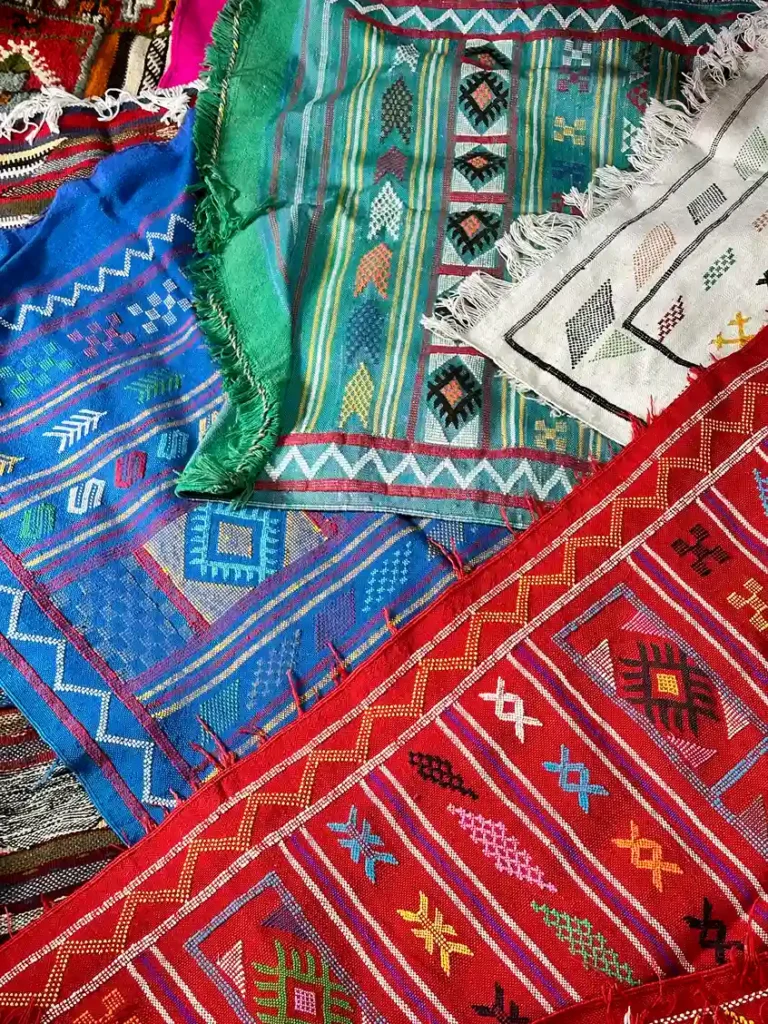
There is no doubt that textiles play a very significant role in the cultural and economic life of Quetzaltenango. Quetzaltenango’s textiles do indeed preserve ancestral knowledge. But they also pay the bills. They provide a livelihood for numerous families and craft cooperatives whose members have found in this craft something that few other professions offer: the chance to earn a living without having to give up what defines them. When you buy a handcrafted piece in Xela, you’re not just buying a souvenir. You are helping Guatemalan culture to endure over time.
The huipil and its traditional designs
If there is one garment that encapsulates the cultural richness of Quetzaltenango, it's the huipil. Crafting it requires patience, skill and a deep mastery of traditional tailoring techniques. Each piece is unique and features flowers, birds, geometric shapes and other symbols inspired by nature.
Many craftswomen spend months completing a single huipil. What you have in your hands when you hold one is not just a piece of clothing: it's the result of a tremendous amount of craftsmanship that deserves to be valued.
The cut and its preparation
The corte is the traditional skirt worn with the huipil and forms an essential part of women’s traditional dress. Each corte is made from long, hand-woven strips of fabric, with combinations of colours and patterns that serve as a visual counterpoint to the huipil. Together, they embody the coherence of Guatemalan folklore. On the surface, it may seem the most understated part of the ensemble. In reality, it's quite the opposite: crafting it requires specialist knowledge and a precision that cannot be improvised, and the artisan has spent years perfecting it without the effort being apparent. Precisely because the result speaks for itself.
Sashes, headdresses and traditional accessories
The sash holds the outfit together, yes. But it also adds a distinctive touch to the ensemble. In the traditional dress of Quetzaltenango, there are no decorative elements in the empty sense of the word: the headdresses, ribbons and traditional accessories are there because each one has a specific purpose and a precise place to occupy. These are customs passed down from generation to generation without the need to write them down, because there is knowledge that only survives if someone demonstrates it and someone else chooses to pay attention.
The most characteristic embroidery and motifs
The flowers, birds, stars and geometric patterns that recur in the embroidery are not there simply to look pretty. They are there because they mean something. Because they have meant something for centuries. They are the visual archive of communities who found in weaving the most enduring way of ensuring they would never forget who they are and where they come from.
Wearing traditional dress at celebrations and festivals
If you’re lucky enough to be there during a local festival, you’ll suddenly understand the full extent of what we mean. If you want to see Xela’s traditional dress at its finest, look out for a patron saint’s fair, a religious celebration or a community ceremony. That’s when you’ll see the huipiles that spend the rest of the year waiting for their moment, and the ceremonial accessories that aren’t brought out for just any occasion. What you see then is neither a re-enactment nor a performance: it's living cultural heritage that breathes, that moves, that has something to celebrate.
The role of fabrics in the transmission of knowledge
Weavings are much more than simply handcrafted objects. They are also a means of passing on culture. Learning to weave in Xela is not simply about learning a craft; it's about receiving a legacy.
Every time a young girl sits down at a backstrap loom for the first time, she is tapping into centuries of local history, traditional symbolism and community values that were never written down in any book because they always found another way to be passed on. This is how techniques and knowledge that emerged centuries ago continue to feature, essentially unchanged, in the daily lives of Quetzaltecan families today. Can you see why the traditional dress of Quetzaltenango is so significant and well worth seeing?
- We invite you to read our article about Guatemalan coffee.
Where can you see and learn about the traditional dress of Quetzaltenango?
If you’d like to experience this tradition first-hand, Xela offers plenty of places where you can explore its textile heritage.
Markets and cultural centres in Xela
The markets in Xela are the sort of places where it’s worth taking your time and losing yourself. Not necessarily to shop, but to look around. To stop in front of a fabric stall and let the seller explain what you’re looking at. The craftswomen selling their own work know every symbol, every colour choice and every technique behind the piece you’re holding in your hands.
If you ask – and you really should – you’ll hear stories that aren’t in any travel guide or online article. The city’s cultural centres add another layer of information: workshops, exhibitions and activities that help you place everything you’ve seen at the market within a broader context.
Museums and venues dedicated to textile heritage
If you get the chance (and have the time), one of the things I’d recommend doing in Xela is visiting its museums and cultural venues dedicated to textile heritage. They’re really well worth a visit.
You’ll find permanent and temporary exhibitions that document how these textiles have evolved, the techniques used by the craftswomen, and the meaning of the recurring symbols in the embroidery. It’s not a must-see, but if you leave without gaining a better understanding of why the Quetzaltenango dress is one of Guatemala’s most important cultural expressions, then you simply weren’t paying attention.
As well as venues dedicated to textile heritage, Xela boasts historic buildings that have played a key role in promoting local culture. One of the most notable is the Quetzaltenango Municipal Theatre, which since the late 19th century has been the venue for concerts, theatre performances and some of the city’s most important cultural events.
- We invite you to read our article about Cerro El Baúl.
A tradition that lives on
There are destinations you remember for their scenery. Others for their cuisine or a particular experience. And then there are places that leave you thinking about the people who live there and the way they see the world. Quetzaltenango belongs to that last group.
When you arrive in Xela, you’ll probably see the traditional dress of Quetzaltenango simply as something pretty at first. Just another detail of the trip. But the more time you spend in the city, the more you’ll realise that behind every piece of fabric there’s much more than just colours and embroidery. There are family stories, knowledge passed down through the generations, and a way of preserving an identity that remains very much a part of everyday life.
Perhaps in a few years’ time you won’t remember the exact meaning of each symbol or the names of all the garments that make up the traditional dress of Quetzaltenango. But you’ll surely remember the feeling of discovering a tradition that isn’t preserved for the sake of tourists, but because it still holds meaning for those who live it.
And in a world where so many traditions have fallen by the wayside, that is of immense value.
Frequently Asked Questions about the traditional dress of Quetzaltenango
What is the significance of the embroidery on the Xela clothing?
The short answer: there is nothing random about Xela embroidery. The birds, flowers, mountains and figures that at first glance appear to be purely decorative are there because they hold meaning within the Mayan worldview and the identity of the person weaving them. They’ve been saying this for generations. You just have to learn to listen with your eyes.
When is the traditional dress of Quetzaltenango worn?
It depends on the community. There are places where traditional dress is a completely natural part of everyday life, and places where it's reserved for the most important celebrations. But in no case is it a fancy dress costume or a relic: it's an expression of identity and cultural pride that people continue to choose, continue to wear, and which continues to mean something to those who wear it.