The traditional costume of Cobán is one of the most fascinating cultural expressions in Alta Verapaz. If you’re planning a trip to this part of Guatemala, we don’t want you to see it merely as a pretty outfit to take a photo of. In fact, there is a history behind it, a community, a fabric, a symbolism and a very strong connection to Q’eqchi’ culture. Would you like to find out a bit more about this textile gem? Join us and we’ll tell you all about it!
What makes the traditional dress of Cobán in Guatemala so special?
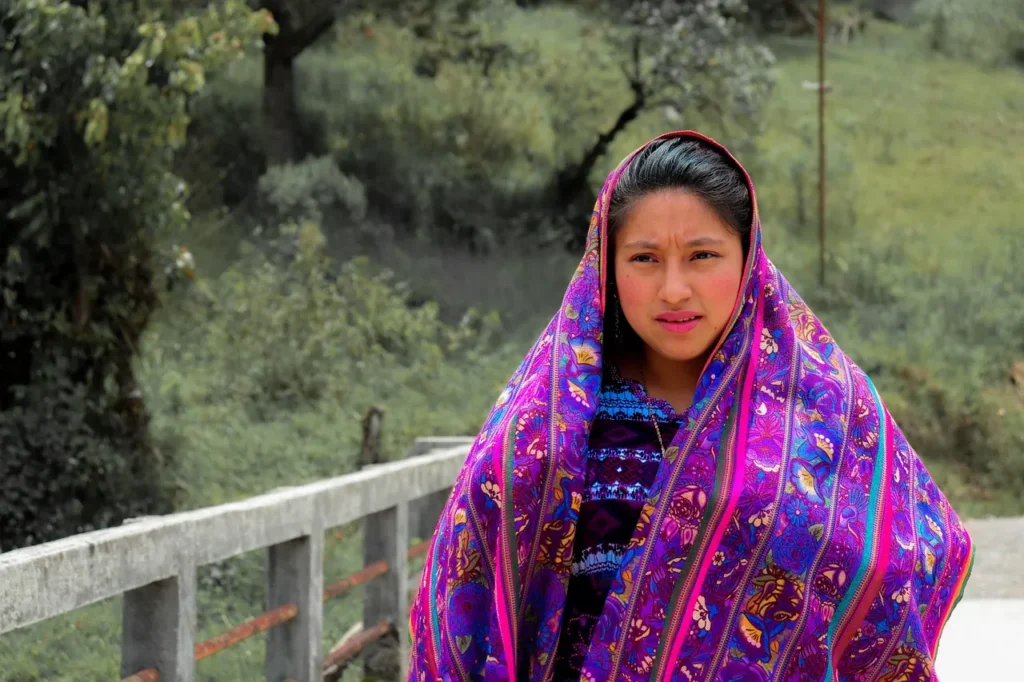
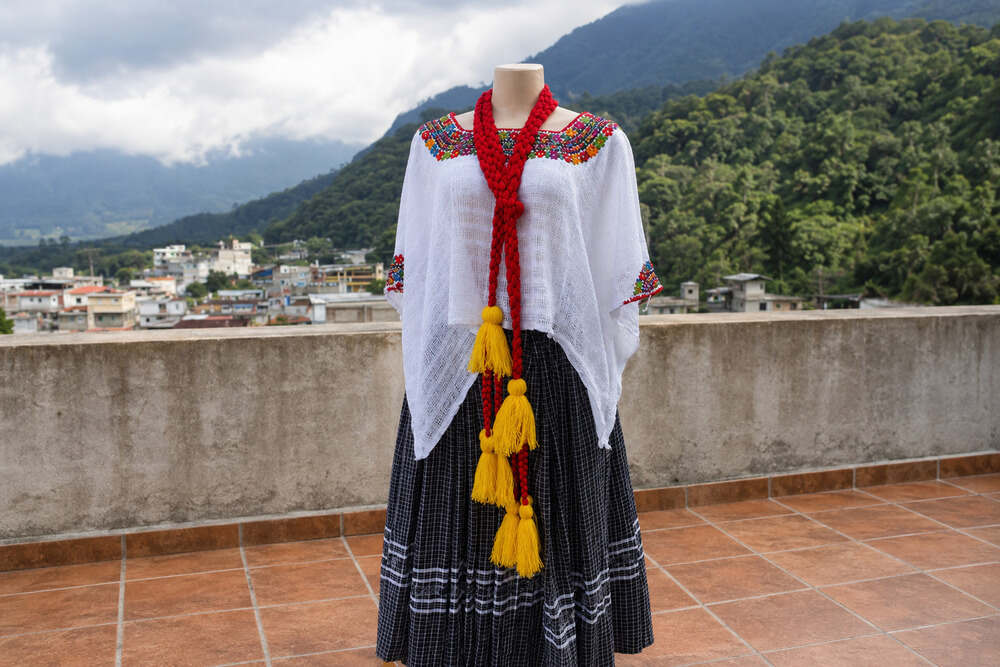
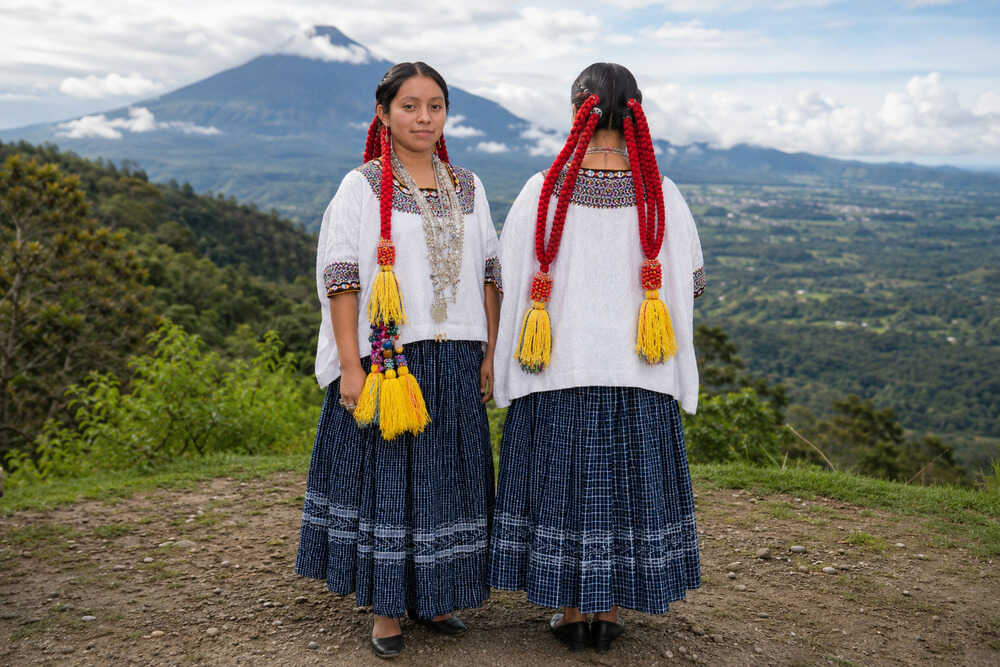
The traditional dress of Cobán stands out for its combination of a very understated look with highly distinctive details. The white huipil, the dark or blue skirt, the accessories and the hairstyle come together to form an ensemble that is instantly recognisable as being from the Cobán region and reflecting the Mayan textile tradition of Alta Verapaz.
What makes this costume special is not just its colour or shape. It's also in the way it's worn. In Guatemala, Mayan clothing is not simply a regional dress, but a form of collective memory. Textiles can express community, origin, marital status, belonging and a connection with nature. Furthermore, they form part of everyday and ceremonial life and encompass a wide range of meanings.
For all these reasons, when you visit Cobán, you should view the dress with the utmost respect. It's neither a fancy dress costume nor a decorative item designed to attract the attention of tourists. Rather, it's a living tradition, worn for ceremonial, family and community purposes. So, if you want to take a photo of someone wearing it, it’s best to ask their permission in a natural way.

- We invite you to read our article about the traditional dress of Chichicastenango.
The history and origins of the traditional dressof Cobán
The traditional dress of Cobán is a tradition linked to the Q’eqchi’ people and the historical development of Alta Verapaz. Cobán is the departmental capital and one of the region’s major cultural centres. Here, the Q’eqchi’ language, community life, and religious and civil celebrations continue to play a central role.
The origins of the dress cannot be pinned down to a specific date. As with other Mayan clothing in Guatemala, its current form is the result of centuries of history, adaptation and changes in materials, techniques and social customs. The huipil, the cut and the accessories have remained central elements, but the ways in which they are made and worn have changed over time.
How the traditional dress of Cobán has evolved over time
The traditional dress of Cobán has evolved without losing its most recognisable features. The white huipil remains a key element. However, today you can find differences in the fabrics, finishes, embroidery and other aspects depending on the occasion (everyday, ceremonial, festive, representative, etc.).
In the Mayan textile tradition, many garments have historically been woven on a backstrap loom. The Ixchel Museum of Indigenous Textiles and Clothing, in particular, features Guatemalan huipiles made using techniques such as hand weaving, brocade and embroidery, as well as materials such as mercerised cotton, natural cotton and silk.
The Cobán huipil, on the other hand, is woven on a backstrap loom using single-ply yarn and the pikb'il technique, incorporating white brocades created by a supplementary weft.
The role of traditional dress in the identity of Cobán and Alta Verapaz
The traditional dress of Cobán plays a vital role in local identity, as it connects people with their community, their history and their local area. This is something you’ll easily notice during celebrations, cultural events or any gathering where the locals wear the dress with pride.
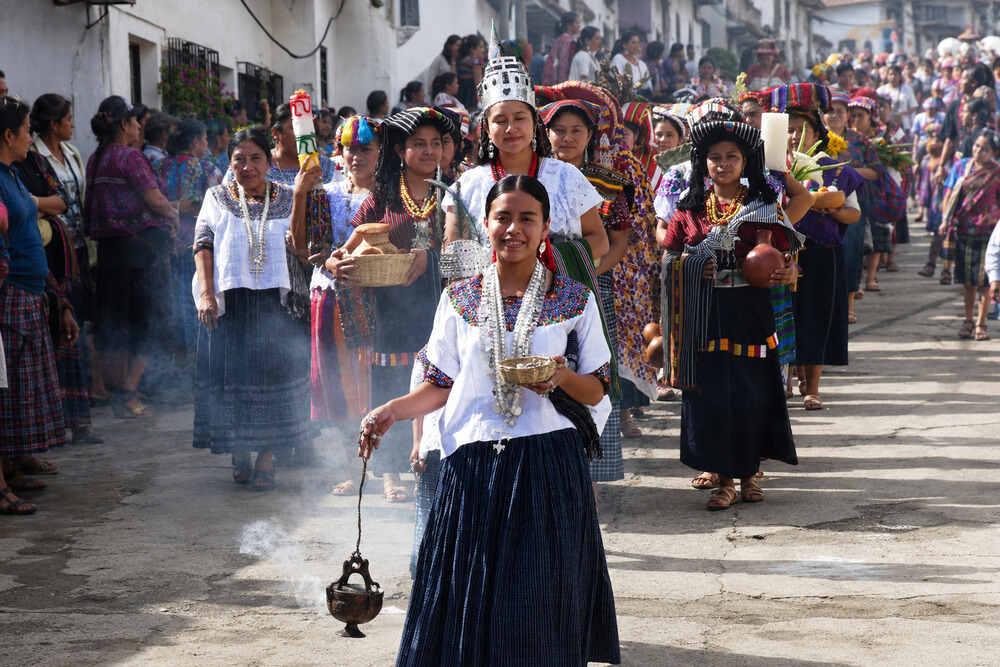
One of the most significant events is the Rab'in Ajaw Cultural Festival, regarded as the most important indigenous Mayan event in Guatemala and recognised as part of the nation’s Intangible Cultural Heritage. It takes place at the end of July and celebrates Mayan culture and the representation of indigenous women in Guatemala.
- This page about the Quetzal Biotope may interest you.
Elements and symbolism of the traditional dress of Cobán
The traditional Cobán dress for women features a white huipil, a dark or blue skirt, a tupuy (headdress), necklaces, earrings, rings and other accessories. Each item contributes to the overall look, both aesthetically and symbolically.
The white huipil is associated with purity, dignity and modesty. The blue or dark-coloured huipil, meanwhile, is associated with the sky, hope or depth, whilst the other accessories emphasise beauty, ceremonial status and symbolic protection.
The most characteristic colours, embroidery and shapes
White is the most characteristic colour of the Cobán huipil. It's a garment which, when viewed up close, is very delicate, particularly if it features brocade and other hand-crafted textile details. The cut wraps around the lower body and provides a contrast to the white of the huipil. The ceremonial dress is usually more elaborate and may feature silver accessories, necklaces and other headdresses.
Embroidery and brocade are not merely decorative elements. In fact, geometric, floral, plant and animal designs interact with the surrounding environment, family memories and the worldview of each community.
Differences between women’s and men’s clothing in the region
The women’s costume is the most distinctive feature whenever we talk about the traditional dress of Cobán. Indeed, it's the one most commonly seen at festivals, cultural events and traditional celebrations. The men’s costume, on the other hand, is less commonly seen in everyday life these days and is more often worn in ceremonial contexts.
This difference is common in Guatemala. There are regions where women have retained Mayan dress more visibly, whilst men’s clothing has become less common or has adapted more to modern tastes.
So, if you’re heading to Cobán, don’t expect to see just one traditional outfit in the whole town. Traditional dress can vary depending on age, context, occasion and personal choice. The traditional attire in Cobán won’t be the same at a ceremony as it is at a market or on a simple stroll down the street.
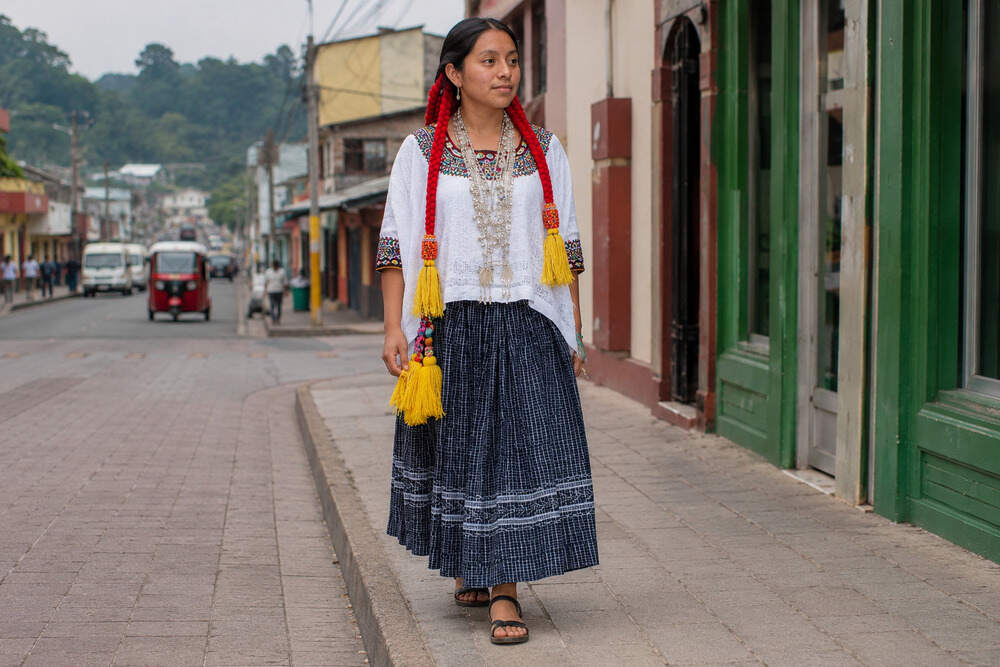
What do some of the most distinctive features of the traditional dress of Cobán signify?
Some elements of the traditional dress of Cobán are imbued with a very special symbolism:
- The tupuy is a long woolen headdress associated with the coral snake and with life, energy or femininity. Some also link it to the nine months of a woman’s pregnancy.
- Necklaces, earrings and rings are a symbol of respect and elegance, and represent the women of Cobán.
- The hairstyle, the ribbons and the way the dress is worn speak of care, a sense of belonging and tradition.
The meanings behind each costume can vary from family to family and from community to community. We recommend that you try to speak to a craftsperson from Cobán or someone wearing the dress to find out a little more about the special significance of the outfit.
- We invite you to read our article about traditional food from Cobán.
When can you see the traditional dress of Cobán in its most authentic setting?
The traditional dress of Cobán is best appreciated during an actual celebration. So, if at all possible, try to time your visit to the area to coincide with a local festival or an important ceremony for a much more authentic experience.
However, you will also see it in more everyday settings. In Cobán and some of the nearby towns in Alta Verapaz, women wear the traditional dress at markets, in the streets, in churches or during any other activity.
Festivals, celebrations and events where traditional dress really comes into its own
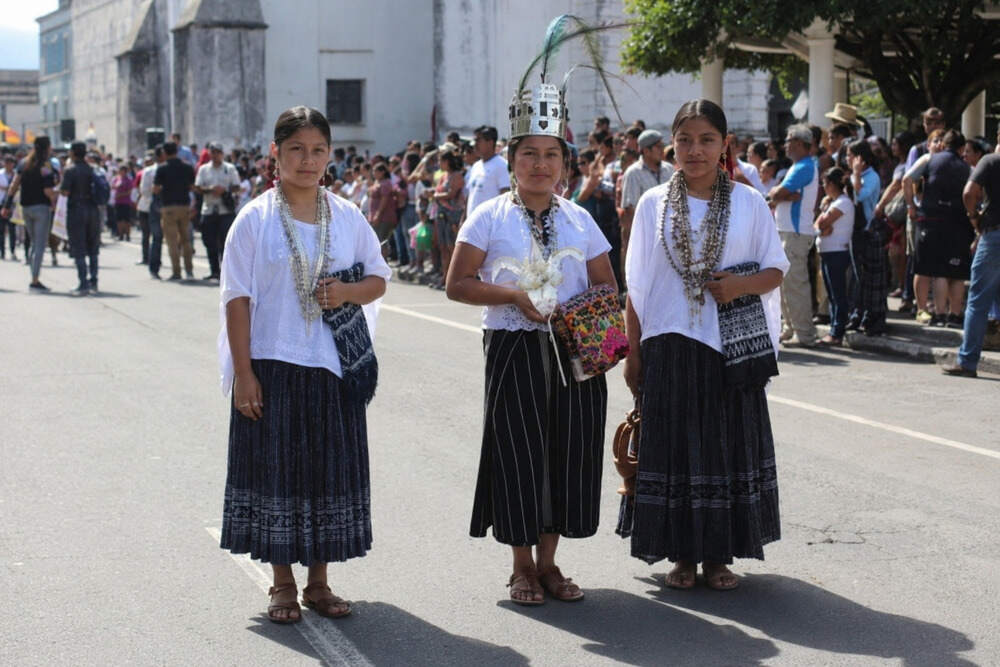
The best time to see the traditional dress of Cobán and other regional clothing is during the Rab'in Ajaw Cultural Festival. It takes place in Cobán at the end of July and brings together indigenous representatives from various regions of the country. They all wear the most distinctive traditional dress of their communities.
It can also be well worth visiting the patron saint’s festival in Cobán, held in honour of Saint Dominic of Guzmán. This festival takes place every 4 August and features religious activities, processions, ceremonies and rituals organised by the local brotherhoods.
Markets, streets and everyday scenes where the traditional dress can still be seen
The traditional dress of Cobán can also be seen, albeit less frequently, in everyday life. Women often wear the huipil, the corte and traditional accessories in the markets, on the streets of the town centre, in churches or in shopping areas.
That said, if you do go to the market, don’t behave like the typical tourist snapping photos without a second thought. Ask politely before taking a photo and take a good look at the details. It’s a way of showing respect for an ancient tradition.
- We invite you to read our article about Topoxté.
Traditional dress of Cobán and textile crafts
As we have already mentioned, the traditional dress of Cobán is not just any old outfit. The choice of threads, fabric, brocade, embroidery and stitching has been passed down from generation to generation within the same family.
We recommend that if you are planning to buy textiles in Cobán or anywhere else in Alta Verapaz, you do so at markets, workshops or official shops that can verify the genuine origin of the items.
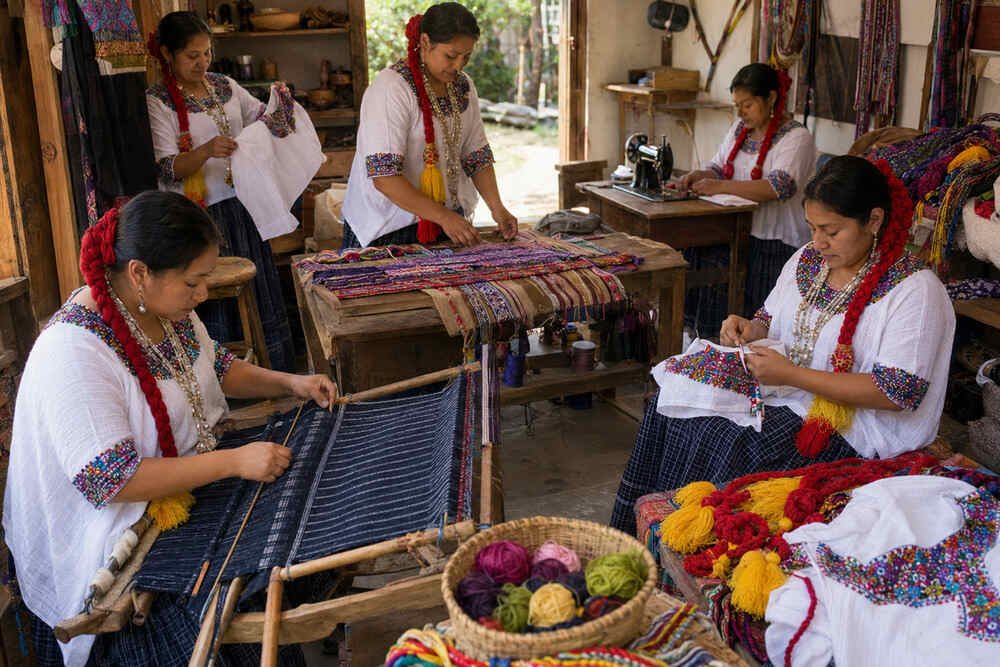
Weaving, embroidery and the passing on of knowledge in Alta Verapaz
The traditional dress of Cobán cannot be fully understood without the passing down of knowledge from one generation to the next. Many textile techniques are learnt at home, within the community or in workshops, and require time, practice and patience.
Loom weaving, brocade and embroidery are, in fact, techniques that form part of Guatemala’s textile tradition. Although machinery is now used to some extent in certain communities, this has not diminished the value of traditional craftsmanship or of handmade pieces.
Ideally, you should visit a textile workshop or a local market, or take part in a cultural event in Cobán. All you need to do is ask a few questions, listen, and understand that every garment represents many hours of work and a history stretching back centuries.
Frequently Asked Questions about the traditional dress of Cobán and the traditional costumes of Cobán
What is the most recognisable part of the traditional dress of Cobán?
The most recognisable item is the white huipil, which is paired with a dark or blue skirt and a range of traditional accessories. The outfit may vary depending on whether it's for everyday wear, ceremonial occasions or festive events, but the contrast between the light-coloured huipil and the skirt is one of its key features.
Where can I see the traditional dress of Cobán whilst on holiday?
You can see it in Cobán during a cultural celebration, the patron saint’s fair or the Rab’in Ajaw Festival. You’ll also find it in markets, on the streets, in churches and at community events, although this will always depend on the person wearing it.
Can you buy a traditional dress from Cobán?
Yes, you can buy it at markets, shops or workshops. It's best to ask about the garment’s origin, avoid lengthy haggling and always appreciate the craftsmanship, especially if it involves hand-woven fabric or embroidery.
Is the traditional dress of Cobán worn every day?
In some cases, yes, but not always. Many people save it for a special occasion, a cultural event or a ceremony. Its use depends on age, community, family, work and personal preferences.
Is it allowed to take photos of people wearing traditional Cobán dress?
Yes, but you must ask permission first. Traditional dress is part of many people’s identity, so it’s not just a tourist attraction. Some people may not want you to take their photo.