If you’re planning a trip to Alta Verapaz in Guatemala, one of the must-do experiences is sampling the traditional food of Cobán. Here, the culinary experience isn’t just about sampling local dishes, but also about getting a taste of Q’eqchi culture, ceremonial broths, vibrant and colourful markets, and traditional flavours such as maize, chilli, achiote and herbs.
How about we take a little culinary tour to find out what you should try on your trip to Cobán?
Is it worth trying the local cuisine in Cobán? What do travellers think?
The answer to this question is a resounding yes. It’s true that Cobán doesn’t have the culinary reputation of Antigua or Guatemala City, but this is actually one of its strengths. The experience here is much more authentic, less about taking photos and more in tune with everyday life.
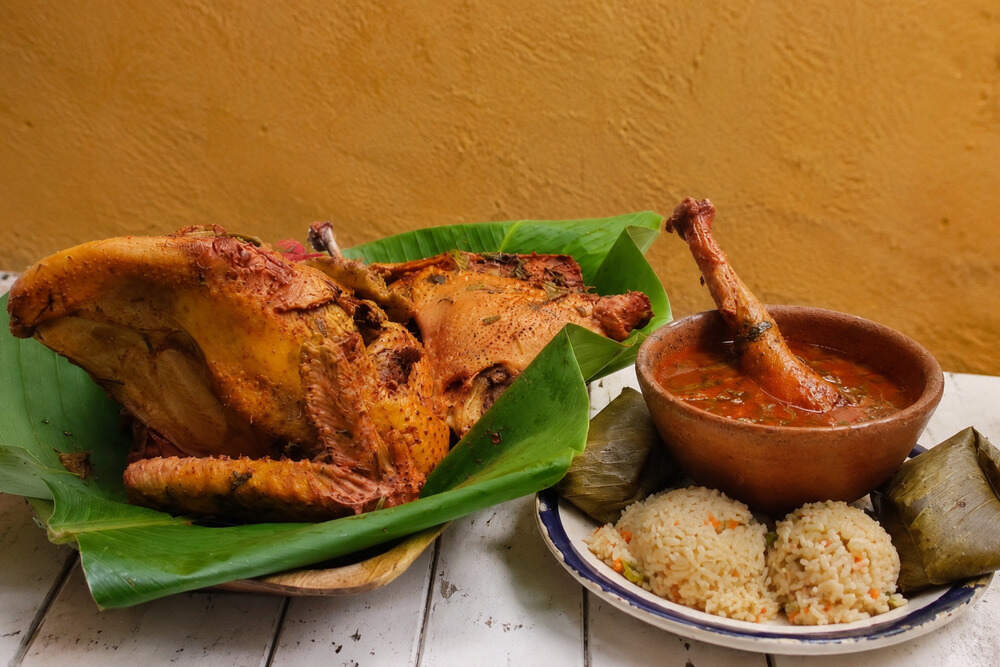
The region’s most iconic dish is kak’ik. It's a red broth made from chompipe or turkey and is recognised as part of the nation’s Intangible Cultural Heritage, alongside jocón, pepián and plantains in mole sauce.

For many travellers, Cobán’s traditional food goes far beyond mere tourist fare. It features hearty dishes, spicy broths, white tamales, simple breads, cocoa drinks and other specialities that are best understood when a local explains how they are served and when they are eaten.
That said, don’t expect to find any fancy restaurants in Cobán. Here, you’ll need to visit the local eateries, markets, food stalls and small traditional restaurants, where the flavours are much more authentic.
What kind of traveller would you recommend a tour focusing on Cobán’s traditional food to?
A tour focusing on Cobán’s traditional food is particularly recommended for the most curious travellers – those who are keen to discover more than just the scenery and monuments. If you like to ask what’s in a dish, how it’s prepared, or what people eat at a particular festival, Cobán is the place for you.
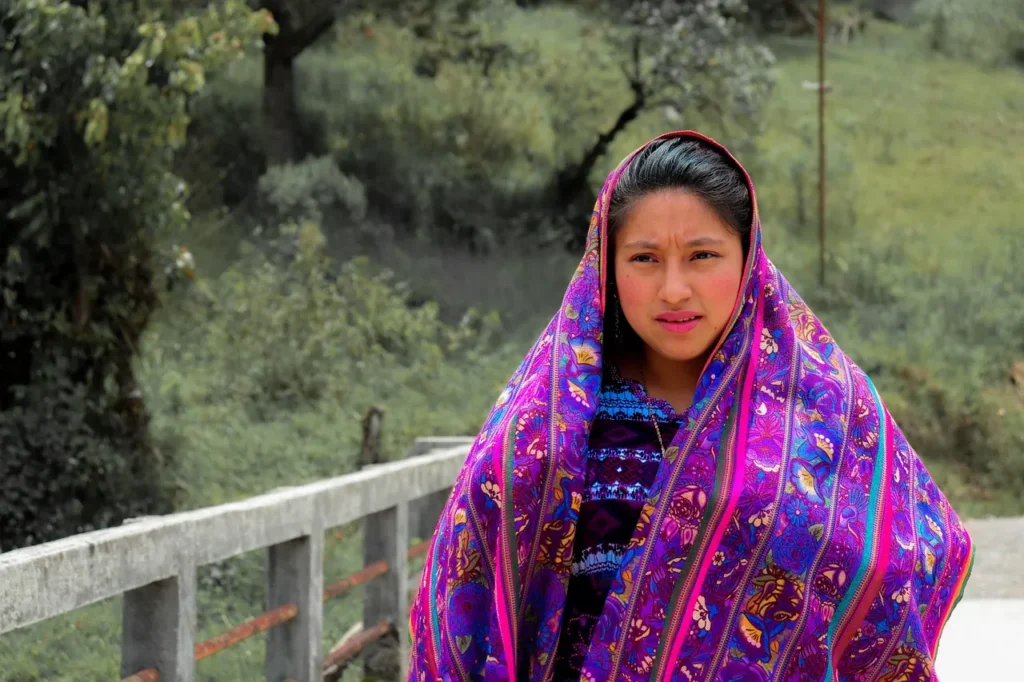
It's also perfect for those interested in cultural aspects. Alta Verapaz has a strong Q’eqchi’ presence, and this is evident in the language, traditional dress, celebrations and cuisine. To put it simply, Q’eqchi’ is a Mayan language widely spoken in Alta Verapaz.
Traditional dishes from Cobán for travellers who enjoy authentic local cuisine
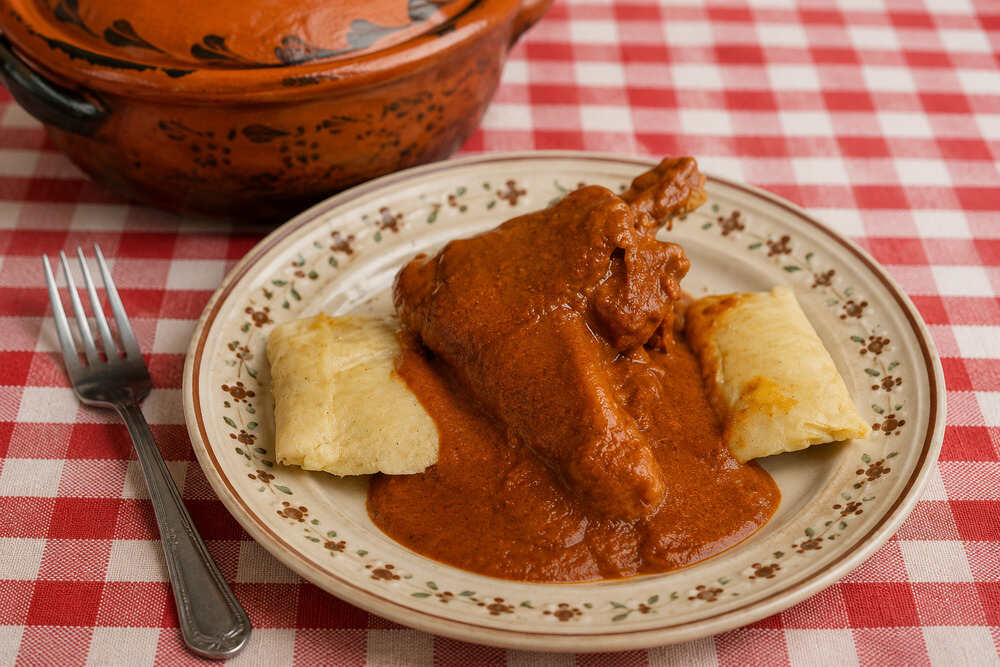
Cobán’s cuisine does not consist of dishes invented for visitors, but rather comprises recipes used in family, festive and community settings. Kak’ik, for example, is not just a turkey soup. Its name comes from the Q’eqchi language (kak = red; ik = chilli or spicy). The colour comes from achiote and chillies, and it's usually served with rice, small white tamales and, on some occasions, with extra chilli on the side to adjust the heat.
Traditional dishes from Cobán for those who want to discover Alta Verapaz through its flavours as well
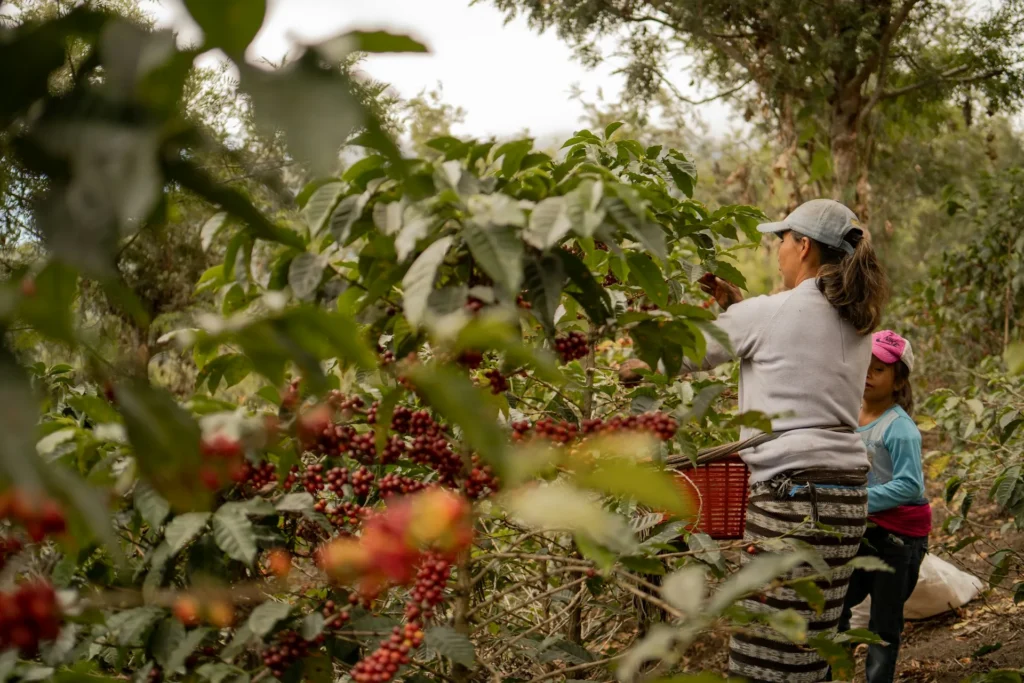
Alta Verapaz is a humid, green, mountainous region with strong ties to farming, markets and maize. In fact, when you eat in Cobán, you’ll notice that many dishes contain very simple ingredients: maize, tomatoes, miltomate, chillies, herbs, poultry, spice mixes or broths. It really is a simple cuisine that’s not at all complicated to prepare, but it has a distinct character.
- We invite you to read our article about tapado, Livingston’s most iconic dish.
What dishes are typical of Cobán’s cuisine?
We have already seen that the main staple of Cobán’s cuisine is kak’ik. However, there is much more to the area than that. Here you can find soups, tamales, recados, white tamalitos, local breads, hot drinks and dishes served exclusively during the patron saint’s festivities.
Essentially, we can divide Cobán’s typical cuisine into three main categories:
- Traditional broths.
- Dishes made with corn and seasonings.
- Sweets and drinks.
Kak’ik and other traditional soups from the region
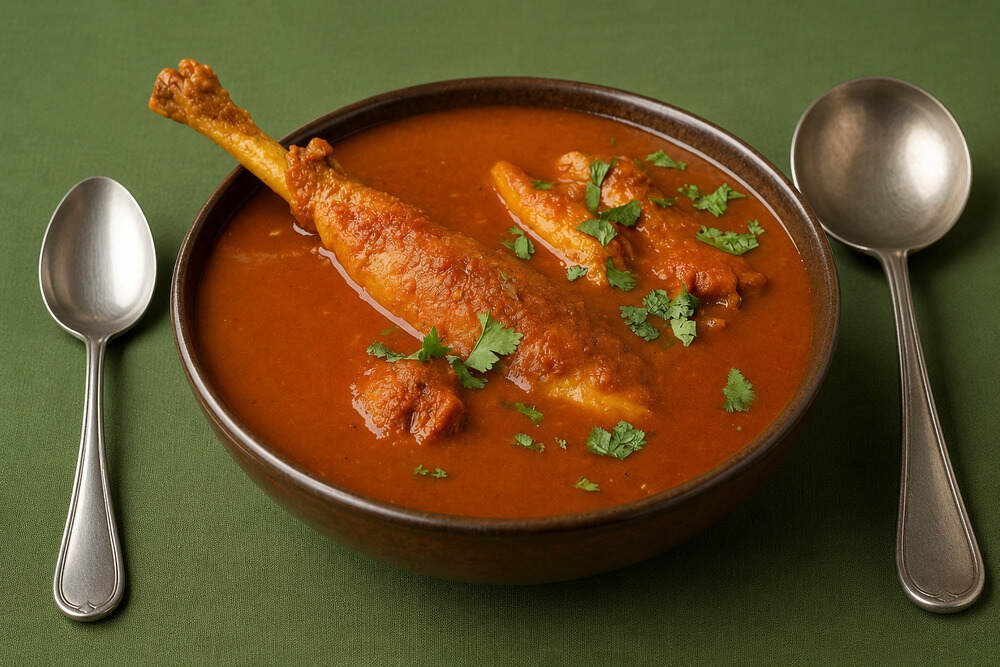
Kak'ik is the first dish you should try. It's made with chompipe or turkey, tomato, miltomate, garlic, onion, achiote, aromatic herbs and chilli. Some traditional recipes also include coriander, mint and zamat, a herb that gives it a very distinctive flavour.
It's usually served piping hot and has a very deep red colour and a strong aroma. One of its most interesting features is that it isn’t always equally spicy, as there are milder versions and others that are much hotter. If you can’t handle chilli, ask how spicy it is before ordering.
Kak'ik is of indigenous origin and is used in ceremonies. It's one of those local dishes that you eat slowly, savouring every bite. You can also find other broths made from poultry, beef or chicken, depending on the eatery or restaurant you visit.
Tamales, traditional dishes and dishes of indigenous origin that remain very much a part of our culture
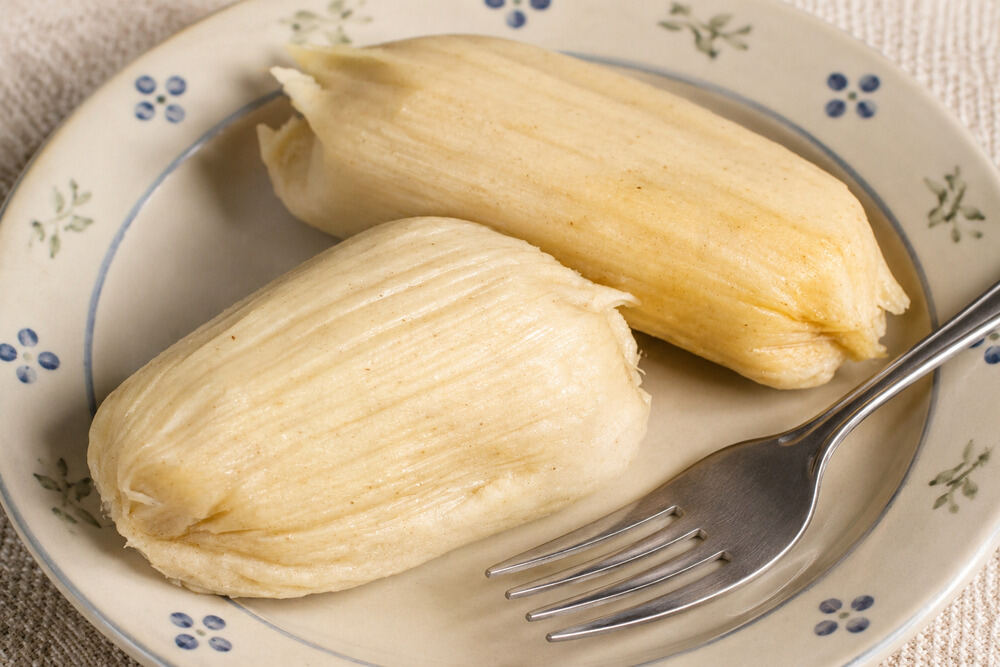
Maize is a staple ingredient in traditional Cobán cuisine. In fact, it features in white tamalitos, tortillas, boiled dough, or as a side dish to other meals. White tamalitos, for example, are served with kak'ik and help to soak up the broth without overpowering its flavour.
Recados, on the other hand, are thick sauces or preparations made from tomatoes, chillies, seeds, spices and other ground ingredients. Not all of them are unique to Cobán, but they do form part of the region’s culinary landscape.
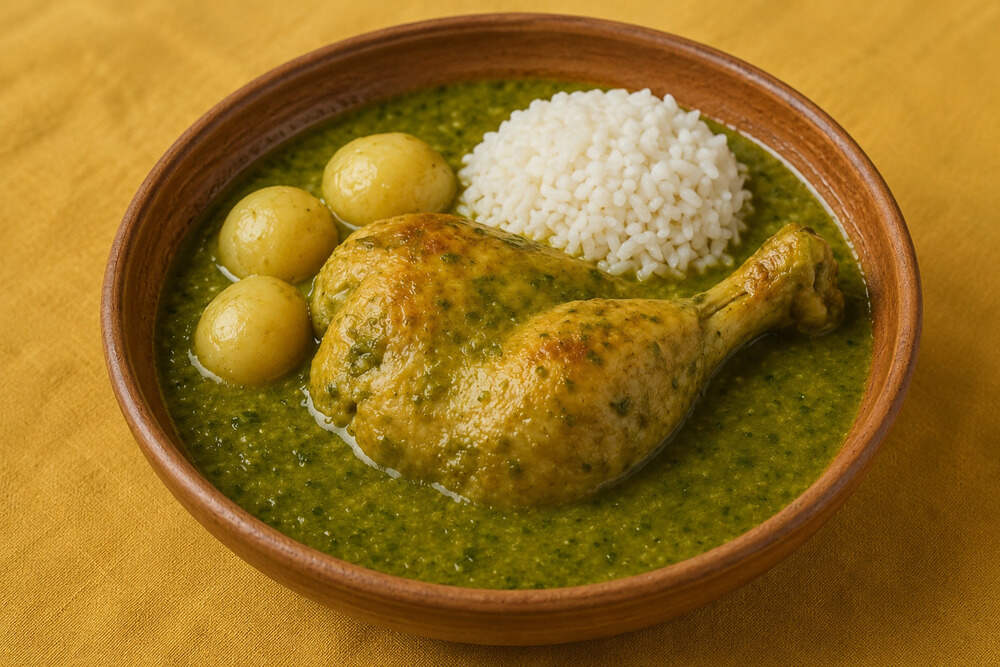
Dishes featuring pepián, jocón or local recados are also well worth trying. They aren’t very common, but you can find them in traditional eateries or on specific days. In fact, pepián and jocón have been declared part of Guatemala’s Intangible Cultural Heritage, alongside kak’ik.
Traditional sweets, breads and drinks that round off the culinary experience
In the bakeries and markets of Cobán, you can buy simple breads, sweet breads, atol, hot chocolate and homemade drinks. You won’t always find them listed as traditional dishes on a restaurant menu, but they are part of everyday life in the city.
We recommend trying a cocoa drink, an ingredient that features heavily in many Guatemalan traditions. It also goes very well with local breads. It might also be worth trying the seasonal fruit, handmade sweets or homemade desserts sold in the markets.
- We invite you to read our article about Topoxté.
Traditional food from Cobán and local culture
Cobán’s cuisine is closely linked to festivals, markets, family life and the Q’eqchi culture of Alta Verapaz. The Central Market, for example, is a hub of commerce and culture for any traveller. There, you can see just how proud the locals are of their food and their cuisine.
How does gastronomy relate to the identity of Alta Verapaz?
The cuisine of Alta Verapaz draws on local ingredients. It's therefore no surprise that kak'ik is a dish associated with gatherings, celebrations and respect for a culinary tradition so highly regarded in the region.
The Cobán patron saint festival, dedicated to Saint Dominic of Guzmán, takes place from 1 to 6 August. It features a range of civic, cultural, religious, commercial and entertainment activities. The fairground is located in the Talpetate area, near the market. At this fair, Cobán’s cuisine plays a central role and serves as a gathering point for everyone.
Ingredients, traditions and cooking methods that make Cobán unique
What sets Cobán apart is its unique blend of climate, culture and local produce. The humid climate of Alta Verapaz lends itself to a cuisine rich in broths, herbs, maize and hearty dishes that are perfectly suited to the local landscape.
The use of achiote, chilli, tomato, miltomate and local herbs adds depth and flavour to many dishes. In kak'ik, for example, the red colour and aroma are just as important as the meat itself.
It’s also fascinating to see how people in Cobán take their time over a meal. The food isn’t light; rather, eating it is a sort of ritual designed to be savoured properly.
- This page about the cities of Guatemala may interest you.
Where can you try traditional Cobán food during your trip?
The best thing to do is to visit the local markets and eateries. Afterwards, you can look for a traditional restaurant in the town centre or somewhere near your accommodation. You don’t need to choose the prettiest place, but rather one that’s busy, offers daily specials and attracts a local crowd.
Cobán Central Market is located near the Cathedral of Santo Domingo de Guzmán and La Paz Central Park, so you can easily pop in if you’re out and about in the town centre.
Markets, canteens and restaurants where you can try traditional dishes
The market is the first place to go if you want to see ingredients, bread, fruit, tortillas and ready-made meals. You can go in the morning or at midday, when it’s at its busiest, to see how the locals shop.
Once you’re in the dining rooms, it’s best to ask for kak’ik, chicken broth, tamalitos, recados or the daily specials. Bear in mind that not all of these are always available. In fact, there are times when there isn’t a written menu; instead, you arrive, sit down and are told what dishes are on offer that day.
Another option is to try out some of the restaurants in Cobán. Dieseldorf Bistro, Trattoria di Nicola or El Gordo Restaurant and Grill are good places to start. However, not all of them specialise in traditional Cobán cuisine, so you’ll need to ask first.
How to spot a menu featuring genuine local cuisine
A typical menu in Cobán usually features a selection of specific dishes: kak'ik, white tamales, chicken broth, recados, atol, hot chocolate, local breads, etc.
You’ll also need to pay attention to these details:
- There are daily specials, not an endless menu.
- The staff can explain how to serve kak'ik.
- You see locals eating there.
- Side dishes include rice, tamales or tortillas – not just chips.
- The chilli is served on the side, or the customer is asked if they would like some.
Please don’t hesitate to ask. The locals themselves are well aware that their cuisine isn’t particularly well-known, and they’re more than happy to answer any questions you might have about their food.

What to try first if it’s your first time trying Cobán’s traditional food
As we’ve been saying, you should start with the kak’ik. After all, it’s the most iconic dish and the one that will best connect you with the culinary identity of Alta Verapaz. You can order it with rice and small white tamales, and try the broth first without adding any extra chilli.
Next, you should try some local specialities, such as chicken broth, local bread or a hot drink. Don’t try to sample everything in a single meal; instead, enjoy it all over a few stops.
The best dishes to try on your first visit
The most logical order would be as follows:
- Kak'ik with rice and small white tamales.
- Chicken stock or beef stock.
- Takeaway available from a local restaurant.
- Sweet bread or plain bakery bread.
- Hot chocolate, atol or a hot drink if the weather permits.
If you're travelling with someone who can't handle spicy food, don't worry. Kak'ik is quite adaptable, and the hottest chilli is often served on the side. Just ask for it wherever you go.
What to ask for if you want a more authentic, less touristy experience
In these cases, it’s best to ask what’s on the menu that day in the dining room or to order the dish that’s usually served on special occasions. You can also look for places near the market or in the streets where there’s a lot of local activity, not just around the hotels.
Cobán’s traditional food really comes into its own in places that serve breakfast, lunch, freshly made tortillas, and dishes cooked in large pots, with communal tables.

Frequently Asked Questions about traditional food in Cobán
What is the most typical dish in Cobán?
The most typical dish in Cobán is kak'ik, a red broth made from chompipe or turkey, flavoured with achiote, chilli, tomato, miltomate, herbs and spices. It's served hot, usually with rice and small white tamales.
Where can I try traditional food in Cobán?
You can try them at the Central Market, local eateries and the city’s traditional restaurants. It’s always best to ask about the daily specials and check whether they serve kak’ik, broths, tamalitos or recados. The best places are usually those with a local clientele.
Is the traditional food in Cobán very spicy?
Not always. Kak'ik can be a bit spicy, but it depends on the recipe and the restaurant. In many places, the hot chilli is served on the side, so you can try the broth first and adjust the heat afterwards. If you can’t handle spicy food, let them know before you order.