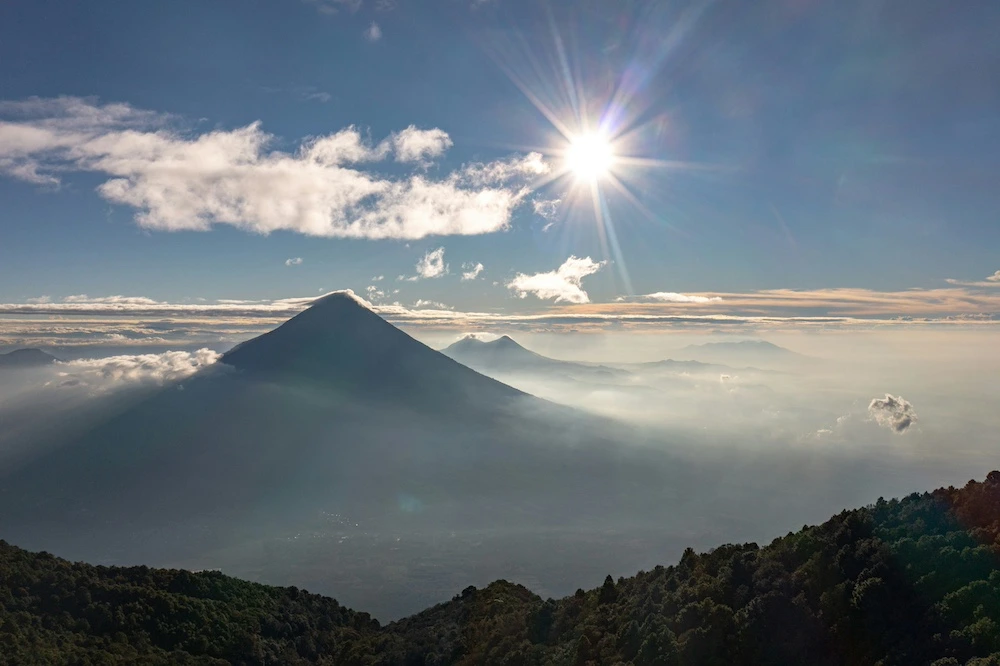
The Sierra de los Cuchumatanes is one of Guatemala’s most breathtaking landscapes. Situated in the west of the country, this vast mountain range is a blend of mountains, high-altitude plateaus, villages with deep Mayan roots and some of Central America’s most unique natural settings.
Unlike other Guatemalan mountain ranges dominated by volcanoes, the Cuchumatanes stand out for their vast plateaus, rock formations and high-mountain ecosystems. As you explore this region, you’ll discover a land where nature and culture have evolved side by side for centuries, creating an identity all of its own. Get ready for an unforgettable, enriching and deeply inspiring adventure.
What is the Sierra de los Cuchumatanes?
Geographical description and area
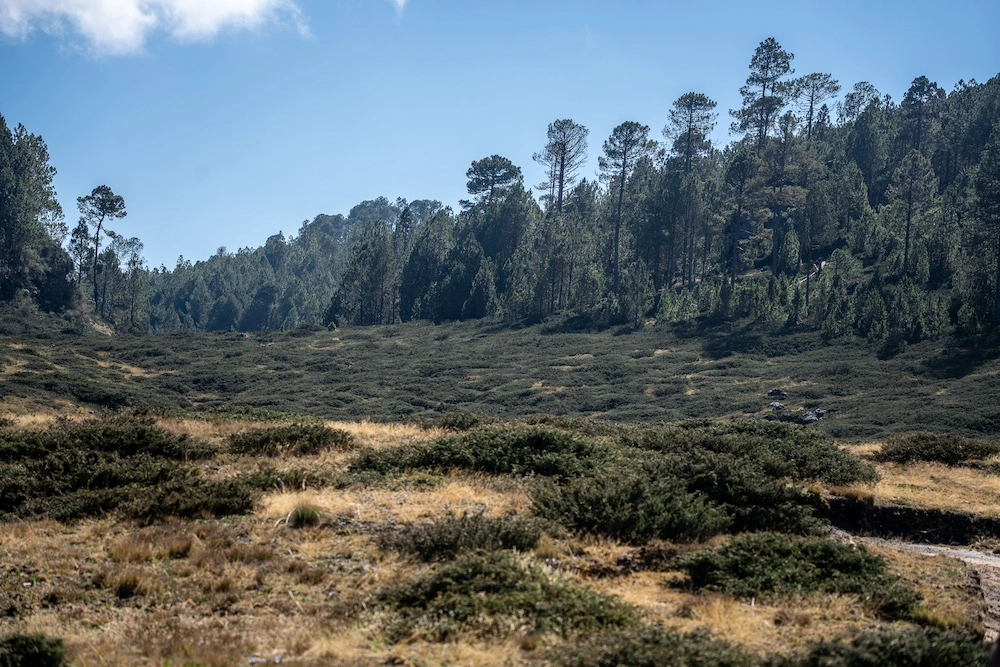
The Sierra de los Cuchumatanes is a vast mountain range situated in western Guatemala. It stretches mainly across the departments of Huehuetenango and El Quiché and is considered the highest non-volcanic mountain range in Central America.
One of its best-known landmarks is La Torre, which rises to an altitude of 3,837 metres. Its mountains, high plateaus and valleys form a landscape that is very different from that of other Guatemalan regions dominated by volcanoes. Here, the landscape is characterised by ancient rock formations and vast plains where the wind blows strongly.

The ecological importance of the mountain range
The Sierra de los Cuchumatanes is home to a remarkable diversity of ecosystems adapted to different altitudes and climatic conditions. Its slopes and high plateaus are home to pine and oak forests, humid mountain areas and extensive grasslands, which characterise much of the higher ground. This mountain range acts as a climate regulator and is one of Guatemala’s largest water reservoirs.
This variety of habitats supports a wide range of plant and animal species, making the mountain range one of the most valuable natural areas in western Guatemala. Protecting it means safeguarding the lives of thousands of species.
Why it is a top destination in Guatemala
Visiting these peaks offers a unique opportunity to experience the high mountains up close (no adventure tour of Guatemala is complete without tackling the high altitudes of this region). The mountain roads wind through ever-changing landscapes, allowing you to discover some of the country’s lesser-known corners.
During your trip, you’ll notice that the sense of vastness offered by the high-altitude plateaus makes a visit here a very different experience from that of other destinations in Guatemala.
Location of the Sierra de los Cuchumatanes
Departments through which the mountain range runs
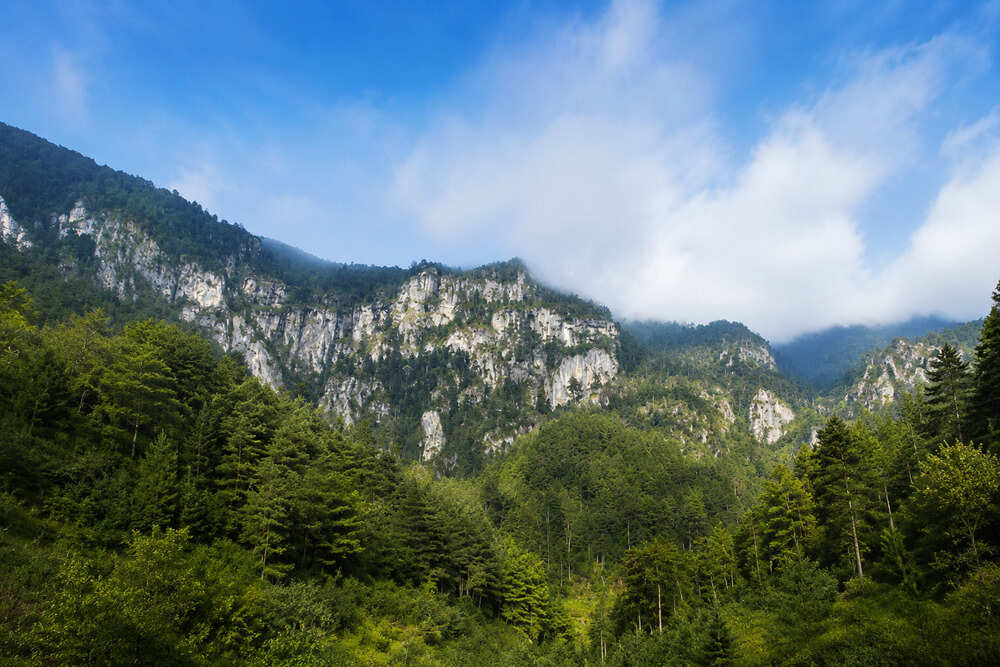
The main part of the Sierra de los Cuchumatanes is situated in the department of Huehuetenango, in western Guatemala. However, its vast expanse extends into significant parts of the departments of Quiché and Alta Verapaz.
The region is home to numerous rural communities that maintain close ties with the natural environment. As a result, exploring the mountain range offers the chance to discover both mountain landscapes and cultural traditions deeply rooted in the area.
How to get there from Huehuetenango
Huehuetenango is the main gateway for exploring the mountain range. Roads lead out from the city, climbing towards the highest parts of the Cuchumatanes and connecting with various mountain villages. There are also public transport options that run this route regularly throughout the day.
Connections to other destinations in the western highlands
The mountain range ties in perfectly with the tourist routes in Quetzaltenango, Totonicapán and San Marcos. There are secondary roads linking these mountainous regions through rural landscapes of great beauty.
Many travellers use the city of Huehuetenango as a base from which to explore nearby cenotes, lagoons and markets.
History and culture in the Sierra de los Cuchumatanes
Indigenous peoples and ancestral traditions
The Cuchumatanes Mountains have been inhabited for centuries by various indigenous peoples who developed ways of life adapted to the high-altitude and cold conditions, such as the Mam, Akateko and Chuj Maya groups.
This cultural heritage remains evident in the customs, indigenous languages and celebrations that form part of everyday life in the region.
The influence of Mayan culture on the region
Mayan culture has left a profound mark on the Sierra de los Cuchumatanes. Various communities in the area preserve traditions, cultural expressions and forms of organisation that are deeply rooted in a history stretching back centuries. The traditional costumes, with their intricate designs and colourful hand-woven fabrics, reflect the history of each community.
The ceremonial sites on the mountain peaks are still used to make requests of and give thanks to nature. The ancestral worldview defines the harmonious relationship between the inhabitants and the sacred mountains.
Local festivals and customs
The patron saint festivals in the mountain villages are a magnificent display of marimba music and folk dances. Of particular note is the traditional horse race in Todos Santos Cuchumatán, held every 1st November. It is a colourful and significant event that attracts travellers from all over the world, so don’t miss it if you’re lucky enough for the date to coincide with your trip.
We invite you to read our article about the Siete Orejas Volcano.
What to see in the Sierra de los Cuchumatanes
High-mountain landscapes and viewpoints
The landscapes are one of the main attractions of the Sierra de los Cuchumatanes. The vast high plateaus, the mountains covered in vegetation and the deep valleys create scenes of great beauty all year round.
The Juan Diéguez Olaverri Viewpoint is the most famous spot, and as you climb up, you’ll find yourself surrounded by a sea of low-lying clouds.
Traditional villages and typical architecture
Scattered along the mountain range are small villages, such as Todos Santos Cuchumatán and San Juan Atitán, where it is still possible to see examples of traditional Guatemalan rural architecture. The façades of the old houses reflect how they have been adapted to the region’s cold climate.
Endemic flora and fauna
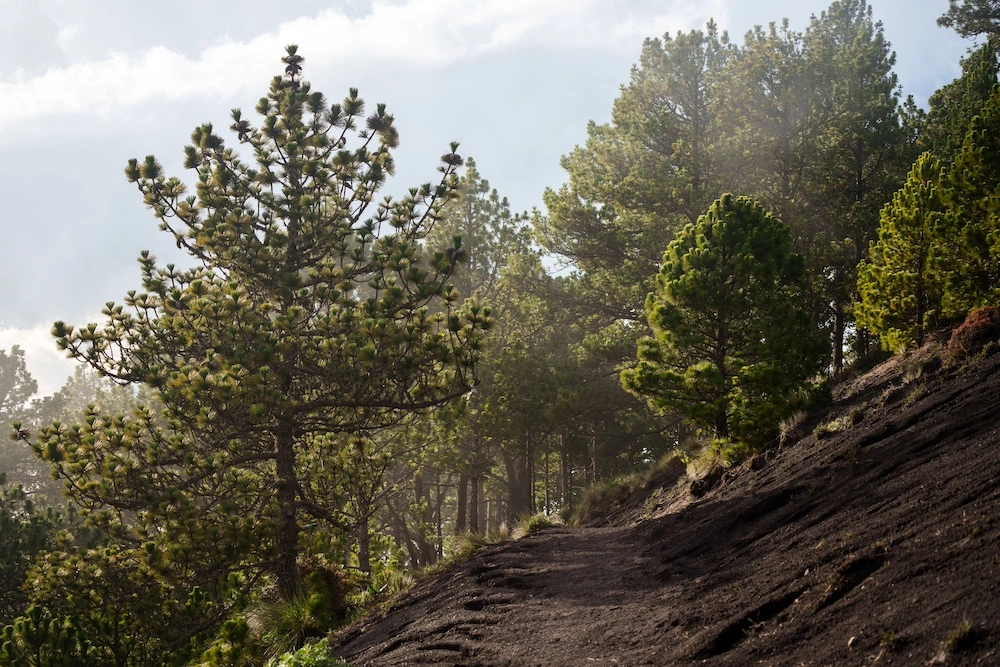
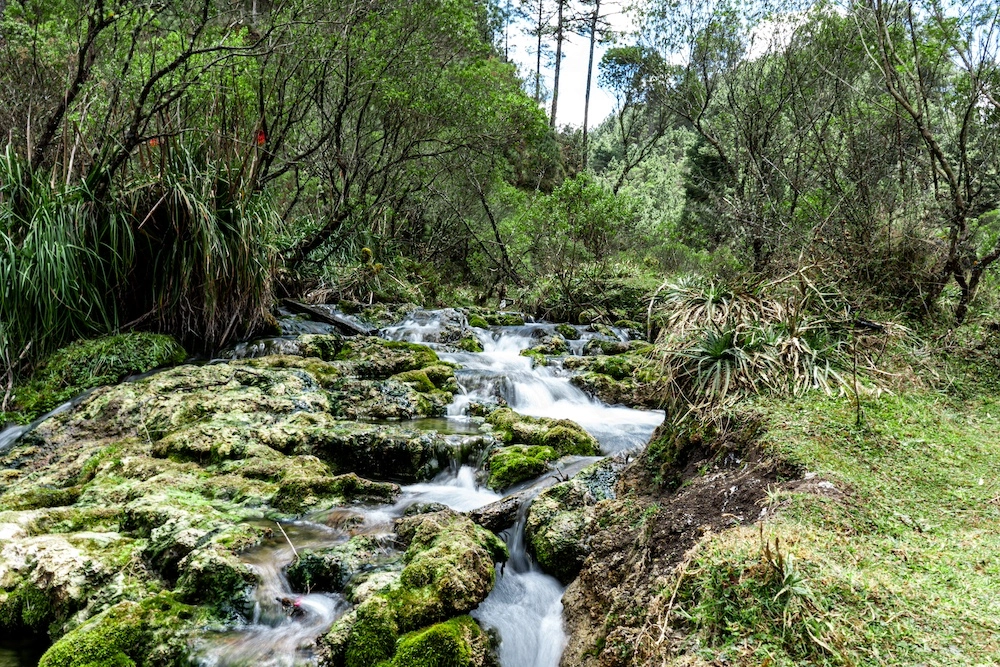
The variety of altitudes and microclimates has led to the development of very different ecosystems within the mountain range. Pine and fir forests predominate in the Cuchumatanes; and in the humid areas, lichens, mosses and a variety of wild mountain flowers abound.
These environments provide a refuge for numerous species of birds and other animals that have adapted to high-altitude conditions in order to survive the night-time frosts.
Nature trails and footpaths
The mountain range features numerous trails that wind through mountains, valleys and high plateaus. Some routes link rural communities, whilst others provide access to natural viewpoints and areas of particular scenic interest.
- We invite you to read our article about the hike up the Pacaya Volcano.
Things to do in the Sierra de los Cuchumatanes
Hiking and trekking in the mountains
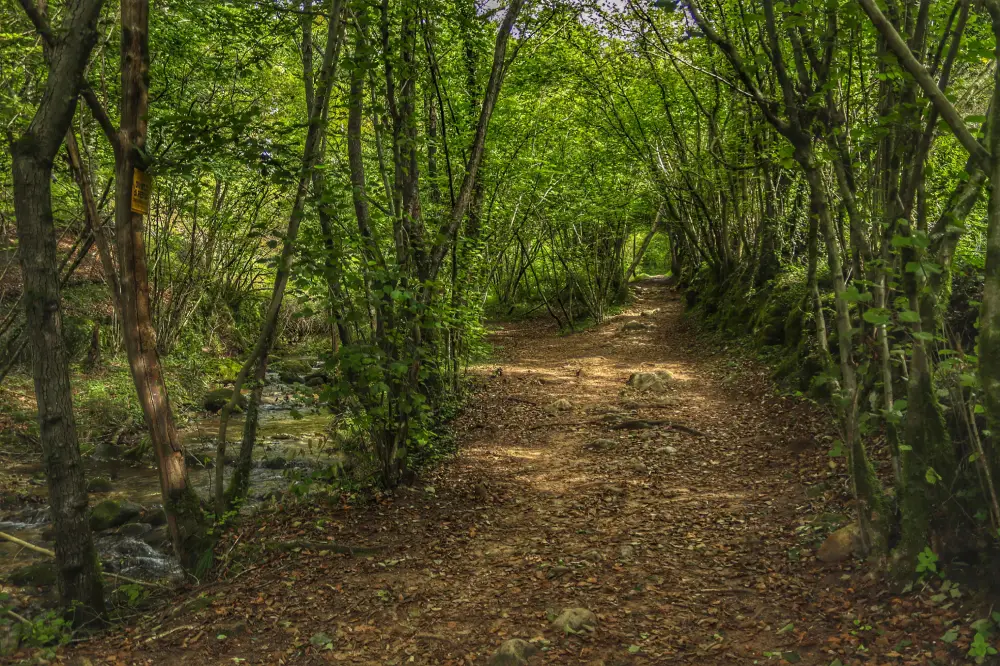
The Sierra de los Cuchumatanes is one of Guatemala’s best destinations for those who enjoy walking in mountainous terrain. The variety of trails means there are routes to suit different levels of experience and the time you have available. You can even go on multi-day treks.
Birdwatching and observing local wildlife
The diversity of ecosystems supports a wide range of animal species. If you enjoy birdwatching, you’ll find this region a particularly interesting place thanks to the variety of habitats on offer.
The early hours of the day are usually the best time to enjoy this activity and spot the local wildlife as it forages for food.
Landscape and rural life photography
The contrasts between mountains, villages and farmland make the Cuchumatanes a very attractive destination for photography. Each season brings different nuances to the landscape and alters the colours of the mountain range, so the experience and the memories captured in your photographs will never be the same.
As well as the natural world, everyday life in these communities also offers scenes that reflect the close relationship between people and their natural surroundings. The contrast between the colourful traditional dress and the austere limestone landscape is magnificent. Your photographs will tell a story of rural authenticity.
Cultural experiences with local communities
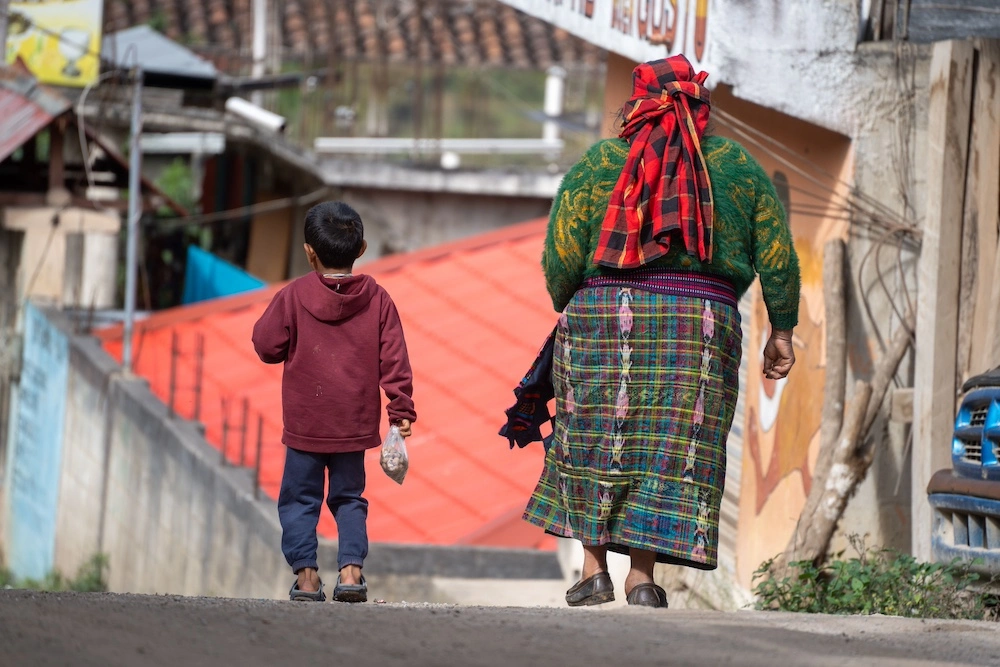
One of the most enriching aspects of the visit is discovering the traditions that continue to form part of daily life in many villages. Taking part in traditional weaving workshops or learning about potato cultivation allows you to connect with the most human aspect of the visit. Staying in community-run guesthouses will give you the chance to sample home-cooked food and listen to old stories by the fire. Now that’s a real treat.
- This page about natural wonders in Guatemala may interest you.
Climate in the Sierra de los Cuchumatanes
Temperatures by altitude
Altitude has a decisive influence on the climate of the mountain range. The highest areas experience considerably lower temperatures than those at lower altitudes.
Daytime temperatures are usually mild, but they drop sharply at night. Morning frosts are common, so it is essential to be aware of these fluctuations to avoid any unpleasant surprises.
Dry season and rainy season
The dry season (April to May) usually offers the best conditions for exploring the Sierra de los Cuchumatanes and enjoying the panoramic views. During these months, clear skies are more common and the tracks are generally in better condition.
However, the rainy season transforms the landscape and lends the vegetation a magical and particularly lush appearance. Every season has its own special charm.
Tips for planning your visit depending on the weather
Before organising your trip, it is a good idea to check the weather forecast and pack accordingly. Even during the dry season, temperatures can drop significantly at higher altitudes. Make sure you pack suitable technical clothing to protect you from both the blazing sun and the chilly evening breeze.
- We invite you to read our article about the Santa Maria Volcano.
Tips for exploring the Sierra de los Cuchumatanes
What to pack for a hike in the mountains
It is advisable to bring warm clothing, sun cream, plenty of water and suitable footwear for walking on uneven terrain. It may also be useful to bring waterproof clothing in case of sudden changes in the weather.
Safety and fitness recommendations
Many areas of the mountain range are at high altitude, so it is advisable to plan your routes according to each traveller’s fitness level. It is advisable to ascend at a leisurely pace to allow the body to acclimatise properly.
How to respect nature and local communities
The preservation of the landscapes and traditions of the Cuchumatanes depends to a large extent on the responsible behaviour of those visiting the region. Respecting the footpaths, avoiding leaving litter behind and showing consideration towards local communities are essential (always ask for explicit permission before taking photographs of local people).
What to see near the Sierra de los Cuchumatanes
Huehuetenango and its neighbouring villages
Huehuetenango is a popular stop for those travelling through the Sierra de los Cuchumatanes and offers historical attractions such as the archaeological site of Zaculeu, an ancient fortress of the Mam culture. It also boasts markets, colonial squares and nearby towns that provide a better insight into the cultural life of the department.
Tacaná Volcano
The Tacaná Volcano, situated on the border between Guatemala and Mexico, is one of the major natural landmarks in the west of the country. Although it is not part of the Sierra de los Cuchumatanes, it can be included as part of a wider itinerary through this mountainous region of Guatemala. From its summit, there are magnificent views of the Sierra Madre and the Pacific coast.
Lakes and rivers of the highlands
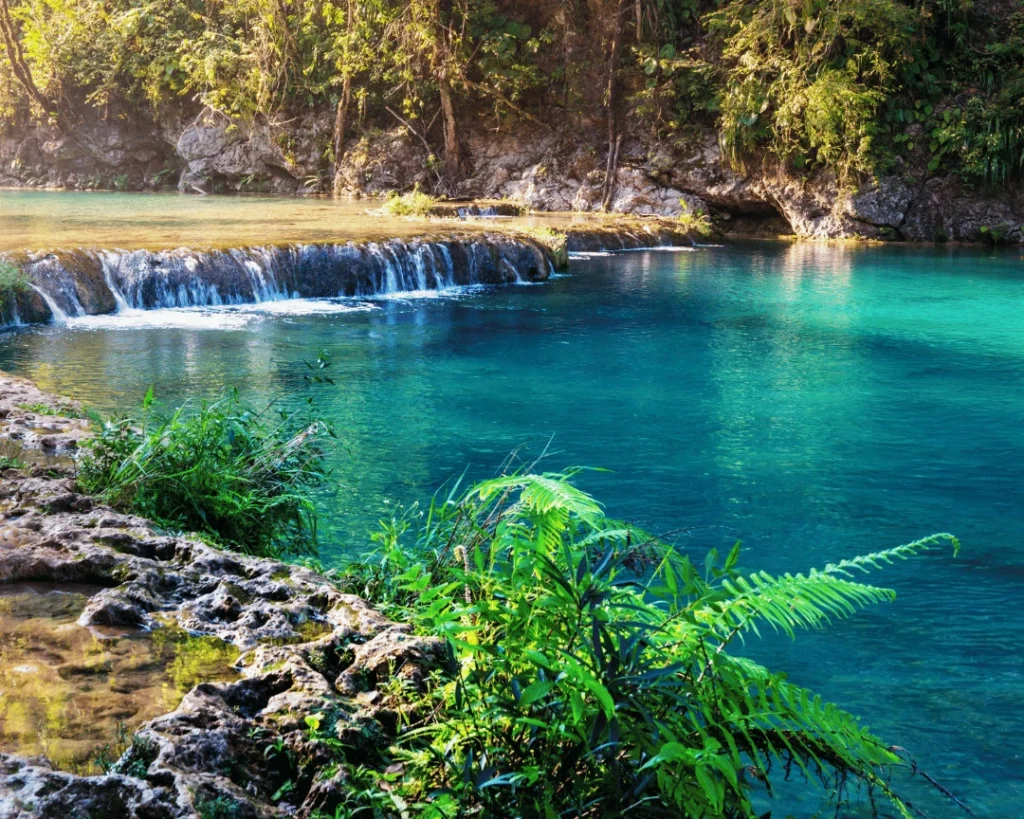
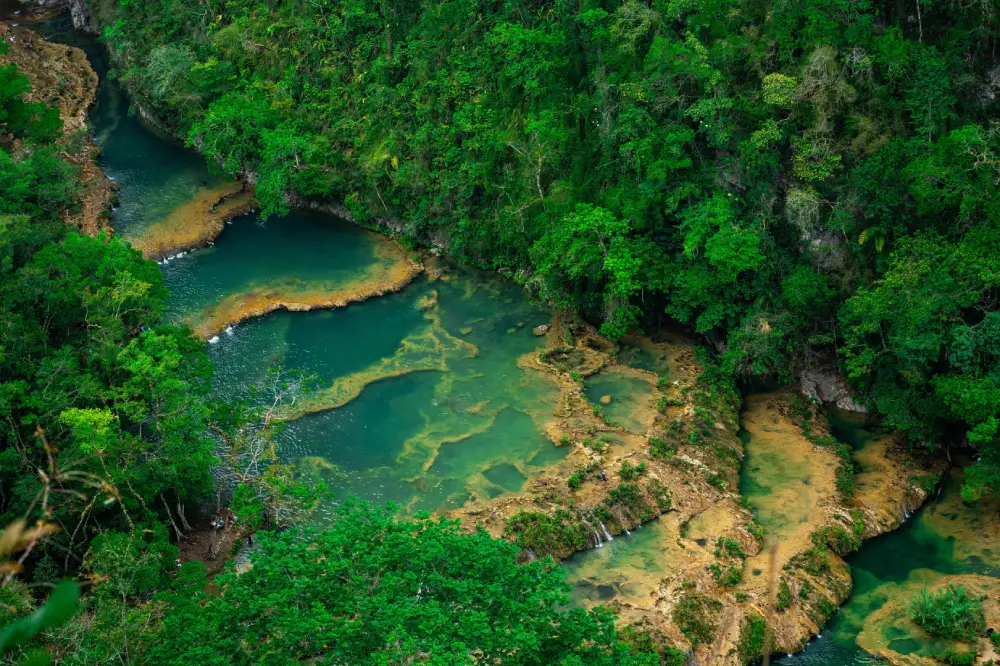
The area surrounding the mountain range is home to spectacular bodies of water fed by the abundant springs in the highlands. Of particular note is Laguna Magdalena, a crystal-clear lake surrounded by forests and green meadows.
Cultural itineraries and local traditions
Every nearby town has its own colonial history, traditional dances and culinary secrets passed down through generations. Markets, local festivals and mountain villages offer a glimpse into a way of life deeply rooted in the region’s cultural heritage.
Is the Sierra de los Cuchumatanes worth a visit?
What makes the high-mountain experience unique
The Sierra de los Cuchumatanes offers landscapes that are rare in Central America. Its high plateaus, sweeping panoramic views and the sense of isolation in some areas create an experience that is hard to find elsewhere in the country.
Who is this visit recommended for?
The mountain range is particularly appealing to enthusiasts of hiking, photography and nature-based travel. It may also appeal to those wishing to explore traditional communities and discover a lesser-known part of Guatemala.
How to include the mountain range in a tour of Guatemala
The Sierra de los Cuchumatanes can easily be included in a tour of the west of the country. Its proximity to Huehuetenango and its links to other destinations in the highlands make it easy to plan your trip. Set aside several days to explore the region at a leisurely pace.
Frequently Asked Questions about the Sierra de los Cuchumatanes
Where is the Sierra de los Cuchumatanes?
The Sierra de los Cuchumatanes mountain range stretches mainly across the departments of Huehuetenango and El Quiché, in western Guatemala.
What activities can you do in the mountains?
The main activities include hiking, birdwatching, landscape photography, tours of traditional villages and exploring nature trails.
When is the best time to visit the Sierra de los Cuchumatanes?
The dry season usually offers better conditions for exploring the mountain range and enjoying the panoramic views.
What villages and traditions can you discover in the area?
You can visit authentic villages such as Todos Santos Cuchumatán and San Juan Atitán, where the locals still speak their native Mayan languages and wear their unique traditional dress.