The Siete Orejas Volcano is one of the most interesting mountain routes near Quetzaltenango. It’s an ideal route if you want to combine hiking, volcanic scenery and an experience that’s less crowded than Guatemala’s other, more famous climbs. Its profile, made up of several peaks, can be easily seen from various points across the highlands. It’s a very challenging hike, but one you’re sure to love. Are you ready to enjoy this adventure? We’ll tell you how to go about it.
Where is the Siete Orejas Volcano, and why is it one of the most stunning sights in Quetzaltenango?
The Siete Orejas Volcano is situated in the department of Quetzaltenango, more specifically in the Sierra Madre of Guatemala. It covers areas belonging to municipalities such as Quetzaltenango, Concepción Chiquirichapa, La Esperanza and San Martín Sacatepéquez, so it's very close to Xela if you are staying in that city.
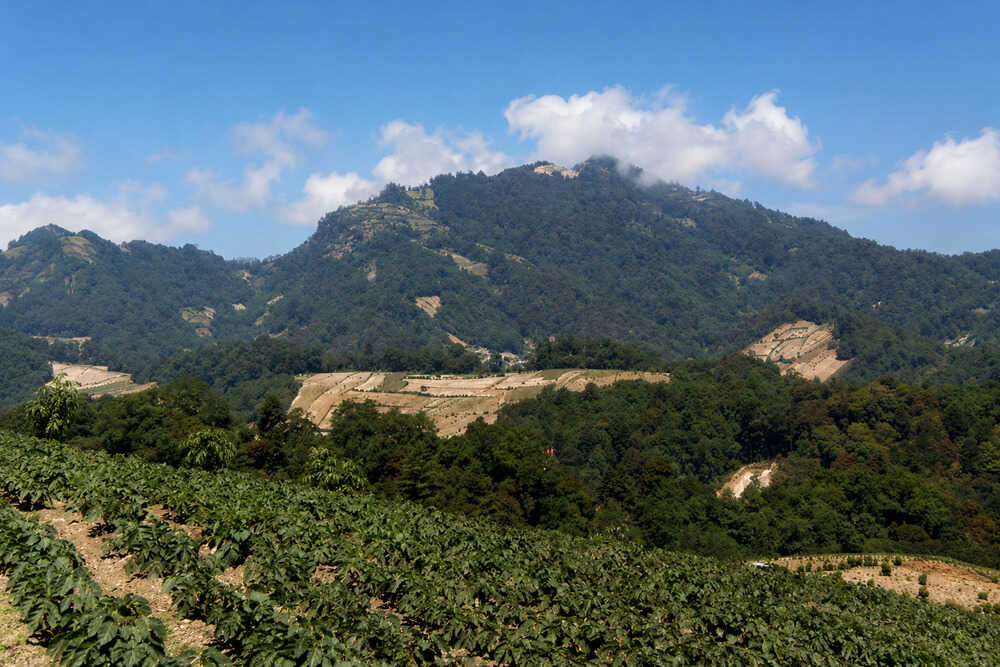
What is striking about this volcano is not just its height – some 3,370 metres above sea level – but its unusual shape. The massif has seven peaks surrounding a large crater, hence its easy-to-remember name. In short, it’s not your typical volcano with just a single summit and that’s it: here, the landscape has much more character.
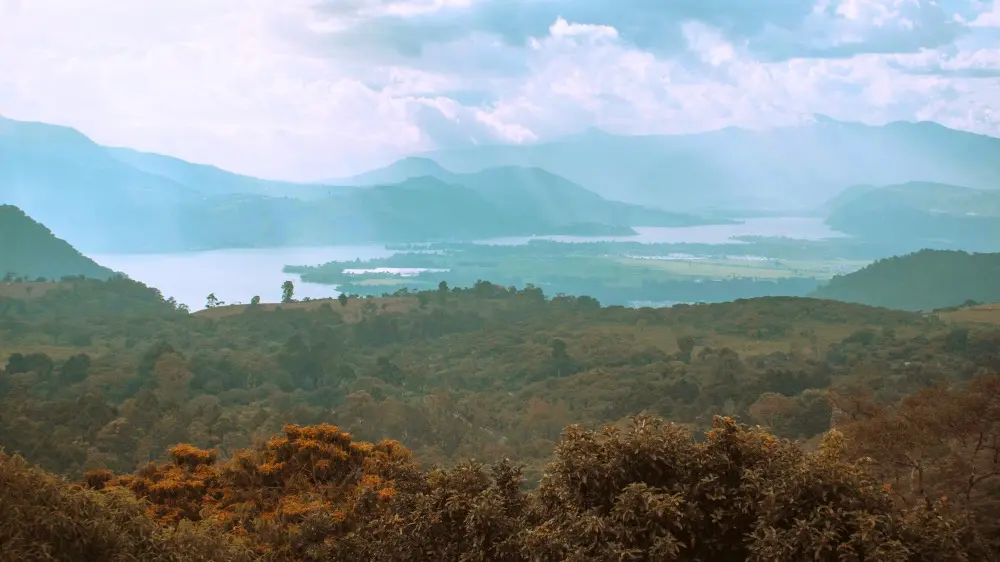
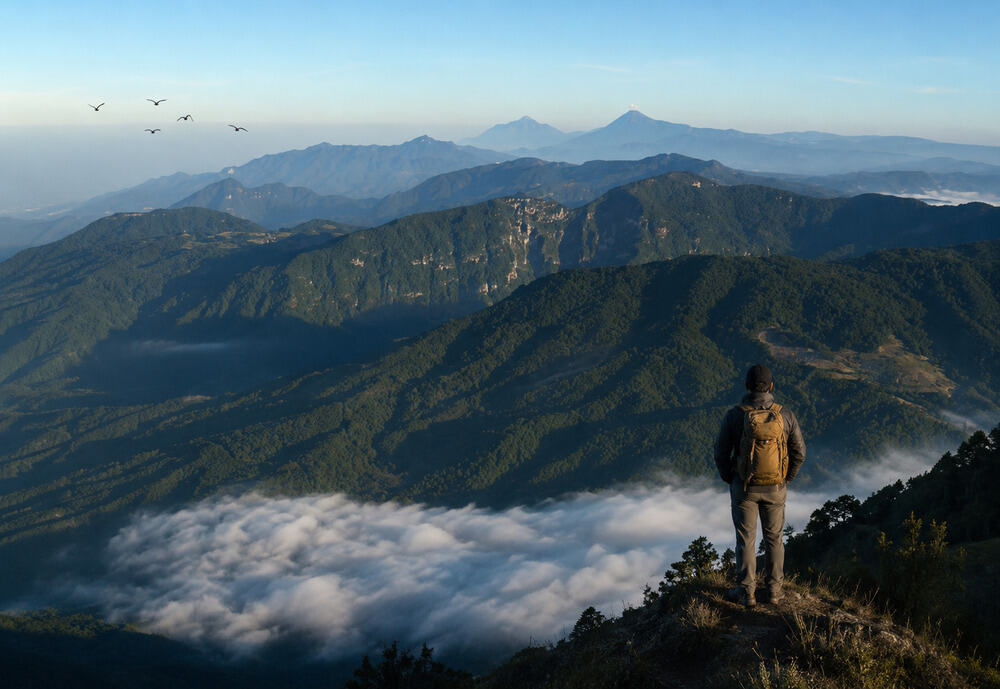
What’s more, the route is perfect for taking in forests, farmland and open ridges, and offers natural viewpoints overlooking other volcanoes in western Guatemala. The Siete Orejas Volcano isn’t as well known internationally as Santa María or Acatenango, but that’s actually one of its great attractions.

Is it worth climbing the Siete Orejas Volcano? What makes this experience special?
Yes, it’s well worth climbing the Siete Orejas Volcano, especially if you’re looking for a mountain hike with sweeping views and a more peaceful atmosphere. It’s not the sort of trip you’d go on just to ‘see what happens’, wearing flat trainers and carrying a small bottle of water, but you don’t need to be a professional mountaineer to climb it either.
A volcano that is less crowded and offers spectacular views of the Guatemalan highlands
The big advantage of this volcano is that it's much less crowded than other, more famous volcanoes. What’s more, on clear days, the views can stretch as far as Quetzaltenango, the Cuchumatanes, the coast and other volcanoes such as Santa María, Santiaguito, Chicabal, Tajumulco and Tacaná.
Hiking, nature and adventure on one of Guatemala’s most unique volcanoes
The walk will take you along mountain trails, through forests, up steep slopes and past some scenic stretches. The Siete Orejas Volcano therefore strikes that perfect balance between adventure and nature: it’s a tiring climb, yes, but the views it offers make the effort more than worth it.
It might not be the best option if you’re looking for an easy or short walk
This route isn’t the best choice if you’re looking for a short walk or a very gentle family activity. The altitude, the elevation gain and the direction the trail takes can make the day a little more challenging in this respect. Furthermore, during the rainy season, the path can be slippery and visibility is much poorer.
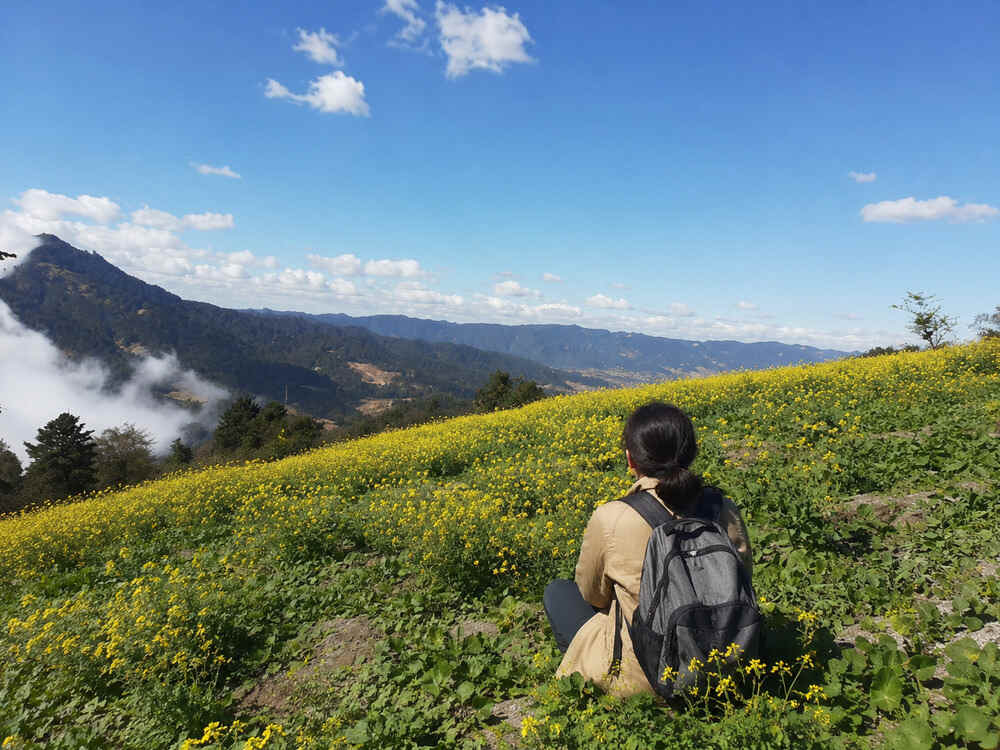
What sort of traveller is the Siete Orejas Volcano recommended for?
The Siete Orejas Volcano is recommended for those who are used to hiking, are in good physical shape and are keen to spend several hours on a proper mountain trek. You don’t actually need any technical experience, but you do need strong legs, patience and a well-thought-out and carefully packed rucksack.
Travellers looking for hiking trails and volcanoes in Guatemala
This route is ideal for you if you’ve already been on hikes lasting several hours and want to try a volcano that’s less touristy. From Xela, it’s fairly easy to get there compared to other, more remote destinations.
Lovers of natural landscapes and panoramic viewpoints
The viewpoints are one of the great rewards and reasons for making the climb. The Siete Orejas Volcano offers sweeping views of the high plateau and other volcanoes, especially if you set off early and the sky is still clear.
People interested in adventure tourism near Quetzaltenango
The area also attracts travellers who are looking for more than just walking. In Concepción Chiquirichapa, in the Kum Kum Wutz/Cacique Dormido park area, you can enjoy adventure activities such as zip-lining, and there are recreational areas and nature trails.
- We invite you to read our article about Huehuetenango.
Things to see and do at the Siete Orejas Volcano
A visit to the Siete Orejas Volcano focuses particularly on the walk, the viewpoints and experiencing the mountain landscape. It’s not a place where you simply ‘turn up, park, take a few photos and leave’. Here, the experience takes a little longer and unfolds step by step.
A walk and climb through woods and mountain trails
The route passes through wooded areas, steep paths and open spaces. Some recorded routes are around 7–12 kilometres long, although the distance varies depending on the starting point or whether you plan to do a shorter route or one covering several peaks.
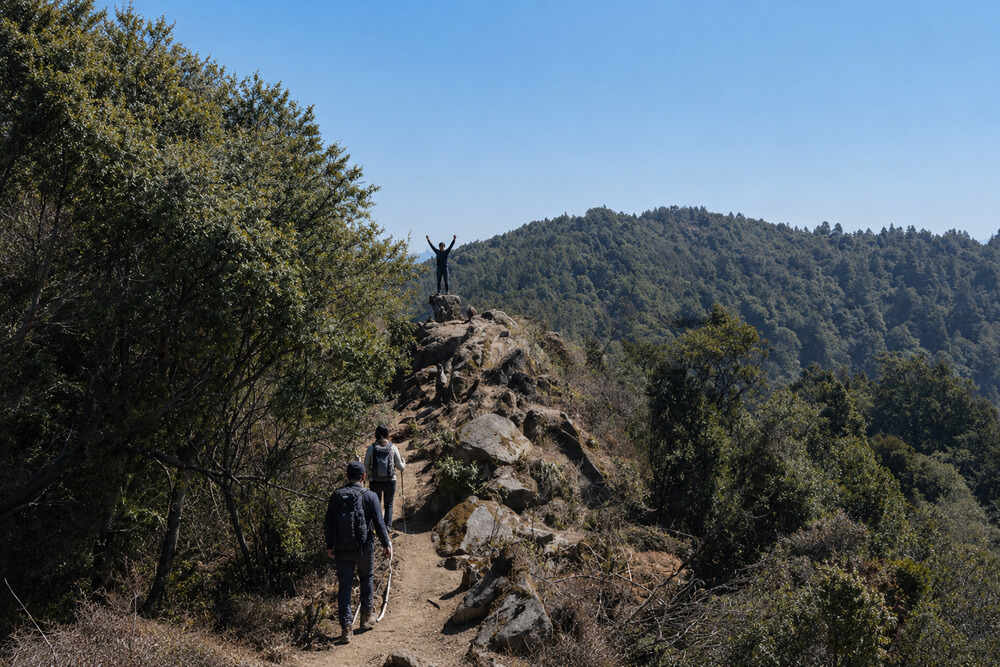
Natural viewpoints overlooking the Santa María and Santiaguito volcanoes
One of the most special moments of the climb comes when the views of Santa María and Santiaguito come into view on the horizon. If the weather is clear, you’ll probably be able to make out other volcanoes and villages in the area around Quetzaltenango as well.
Canopy and other adventure activities in the area
The Siete Orejas Volcano is also a popular route if you’re planning to take part in leisure activities in the Concepción Chiquirichapa area. The Kum Kum Wutz zipline is one of the most popular options, although you’ll need to check the opening times, prices and availability for that day in advance.
Photography of landscapes, volcanoes and sunrises
Photography is another great reason to make the climb. The sunrise, the low-hanging clouds, the forests and the volcanic ridges provide a magnificent backdrop for some brilliant photos. Bear in mind, though, that the light changes quickly, so don’t put your camera away too soon.
- This page about Guatemala's natural wonders may interest you.
What is the climb up the Siete Orejas Volcano like?
The climb up the Siete Orejas Volcano is considered to be of moderate or moderate-to-high difficulty, depending on the route chosen. The elevation gain can be significant and the altitude is noticeable, especially if you’ve only just arrived in Xela and haven’t yet acclimatised.
Level of difficulty, duration and height of the volcano
The volcano is around 3,370 metres high. Some recorded routes take around 4–5 hours in total to climb, whilst the most comprehensive ascents can take up to 6–8 hours, including the climb, rest breaks and descent. The difference depends on the approach, your pace and the number of peaks you wish to reach in total.
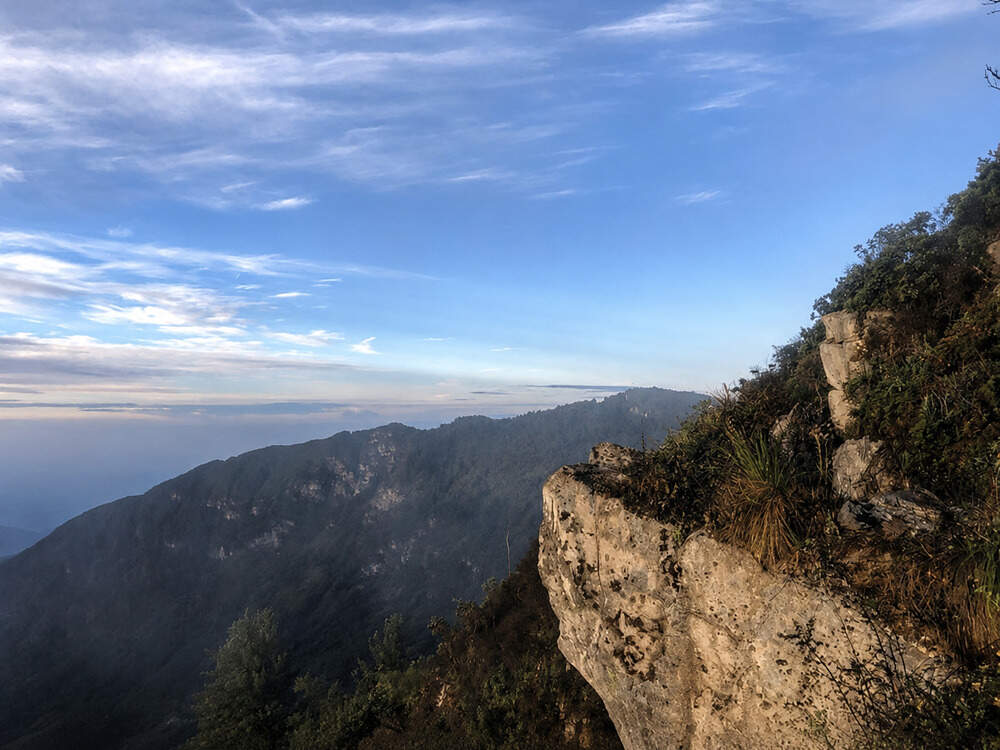
What to pack for the walk and practical advice
The most important and essential things you must take with you are:
- Enough water.
- Some snacks.
- A cap and sun cream.
- A lightweight raincoat.
- Coat.
- Hiking boots.
- A head torch if you’re setting off before dawn.
It’s very important to bear in mind that the weather at high altitudes can change quickly, and that the cold sets in just when you least want it to and least expect it.
The best time of year to climb the Siete Orejas Volcano
The dry season, between November and April, is usually the most comfortable time for walking and offers the best views. The rainy season, on the other hand, makes the landscape very green, but it often brings mud, clouds that reduce visibility and slower-going trails.
Safety advice and when to hire a local guide
A local guide is highly recommended if you’re unfamiliar with the route. The Siete Orejas Volcano has several access points, with paths that can be mistaken for farm tracks and areas where fog makes it difficult to find your way. In such cases, it’s certainly better to pay for a guide than to end up on an unintentional sightseeing trip in a place you know nothing about.
- This page about the Pacaya Volcano may interest you.
Nature, culture and landscapes around the Siete Orejas Volcano
The area surrounding the Siete Orejas Volcano is a mix of forest, biodiversity and agricultural land. Furthermore, it has a very significant cultural connection with the nearby communities. This clearly shows that the mountain is not just a place for walking, but also forms part of the local landscape and way of life.
Cloud forest, biodiversity and mountain climate
Throughout this area, you’ll find mountain woodland scenery, mist, damp conditions and cool temperatures. The weather can change from bright sunshine to thick cloud in the blink of an eye, so dressing in layers is almost essential.
The volcano’s connection with Mayan communities and traditions
The area is of great cultural significance to the Mayan communities. In fact, there are references to ceremonial sites within the Concepción Chiquirichapa Municipal Regional Park. We’re letting you know this so that you walk with respect, do not move any stones, do not enter ceremonial areas without permission, and ask before taking photographs of anyone.
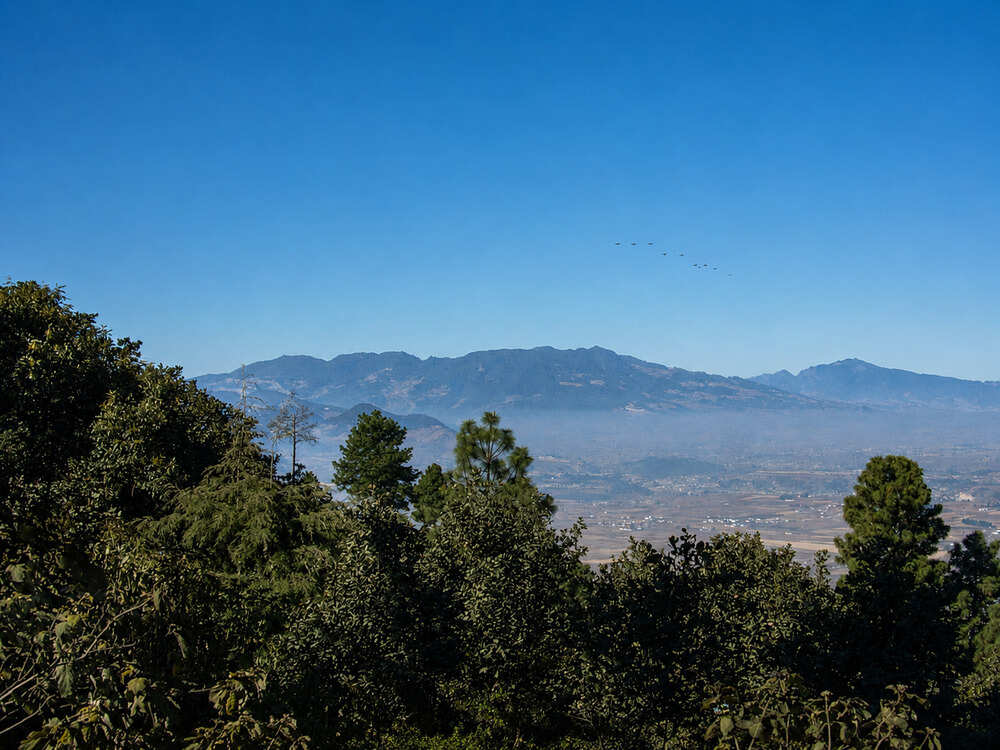
The origin of the name ‘Siete Orejas’ and its seven peaks
The name derives from its seven-peaked profile. In the Mam language, it's also known as Wuq Xinkan or by other similar local variants. That irregular silhouette is, in fact, one of the reasons why the Siete Orejas Volcano is so easily recognisable from anywhere in the Quetzaltenango Valley.
- This page about Cobán may interest you.
How to include the Siete Orejas Volcano in an itinerary around Quetzaltenango
The Siete Orejas Volcano fits very well into an itinerary around Quetzaltenango if you have at least two or three days in the area. Xela can serve as a base from which to organise transport, hire a guide and rest before or after the hike.
How to combine your visit with Xela, Fuentes Georginas or the Chicabal Volcano
It’s a good idea to set aside a day for the volcano and leave the next one for something a bit more low-key, such as a stroll around Xela or relaxing at Fuentes Georginas. The Chicabal Volcano is also in the region, but it’s best to set aside a whole day for it if you want to enjoy it at a leisurely pace.
How much time should you set aside for the Siete Orejas Volcano as part of a tour of western Guatemala?
It’s best to set aside a full day for the Siete Orejas Volcano, even though the hike itself won’t take up the whole day. But between the journey there and back, the ascent, the descent, lunch and rest breaks, the day really does fly by. It’s best not to pack too many other plans into this day.
How to organise your visit to the Siete Orejas Volcano, step by step
The whole planning process should start in Xela or Concepción Chiquirichapa. The first step is to work out the route, arrange transport and decide whether or not to take a guide. After that, you can start thinking about timings, meals and the equipment you’ll need to take with you.
How to get there from Quetzaltenango and other nearby areas
The route from Quetzaltenango usually takes you towards Concepción Chiquirichapa or the areas near the volcano, depending on which route you’ve chosen. The journey by road isn’t too long, but you’ll need to set off early to make the most of the morning and avoid the afternoon clouds.
Where the walk starts and how to get there
Some routes start near Concepción Chiquirichapa or other areas linked to the park. However, if you prefer, there are also more challenging access routes via other slopes. The exact starting point has a significant impact on the difficulty, so it's necessary to agree this in advance with the guide or transport provider.
Recommended times to start the climb
It’s best to set off very early, between 5.00 and 7.00 in the morning. That way, you’re more likely to enjoy unobstructed views and pleasant temperatures, and you’ll have more time to make your way back down whilst it’s still light.
Frequently Asked Questions about the Siete Orejas Volcano
How difficult is it to climb the Siete Orejas Volcano?
The Siete Orejas Volcano is of moderate or moderate-to-high difficulty, depending on the route. The altitude, the elevation gain and the duration mean that it isn't the best hike for a first mountain experience.
How long does the walk take?
The walk can take between 5 and 8 hours in total, depending on the starting point, the pace, the weather and the number of peaks or viewpoints included in the route.
Do you need a guide to get to the top?
It isn’t always compulsory, but it's highly recommended. A local guide can help you with navigation, safety, access routes and interpreting the weather, especially if you’re unfamiliar with the area.
Which volcanoes can be seen from the summit?
If the weather is clear, you can see Santa María, Santiaguito, Chicabal, Tajumulco, Tacaná and other views of the western highlands. Visibility will depend very much on the weather.
When is the best time to visit?
The dry season, between November and April, usually offers the best conditions for climbing the Siete Orejas Volcano. During the rainy season, on the other hand, the landscape is greener, but the trails can become more challenging.