Alotenango is one of those authentic places that many travellers discover on their way to Guatemala’s most famous volcanoes. Situated in the department of Sacatepéquez, just a few kilometres from Antigua Guatemala, this town stands out for its rural setting, its volcanic landscapes and its proximity to some of the country’s most impressive natural areas.
As well as its stunning location amongst the Agua, Fuego and Acatenango volcanoes, Alotenango is home to the Senderos Tres Volcanes, a paradise for hiking enthusiasts where you can enjoy walks in the great outdoors and take in some of the region’s most memorable panoramic views. If you’re looking to combine nature, local culture and a peaceful getaway away from the busier areas, be sure to include this destination in your itinerary.
Where is Alotenango?
Location of the municipality in Sacatepéquez
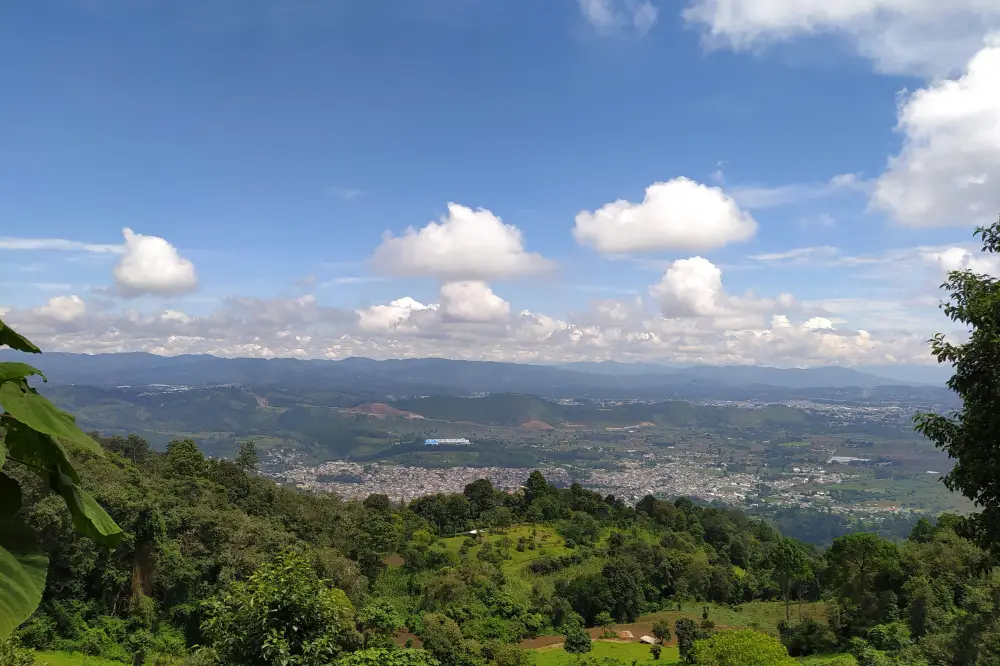
Alotenango is situated in the department of Sacatepéquez, in the central region of Guatemala. The municipality, with a population of 27,000, is situated in a fertile valley to the south-west of Antigua Guatemala.
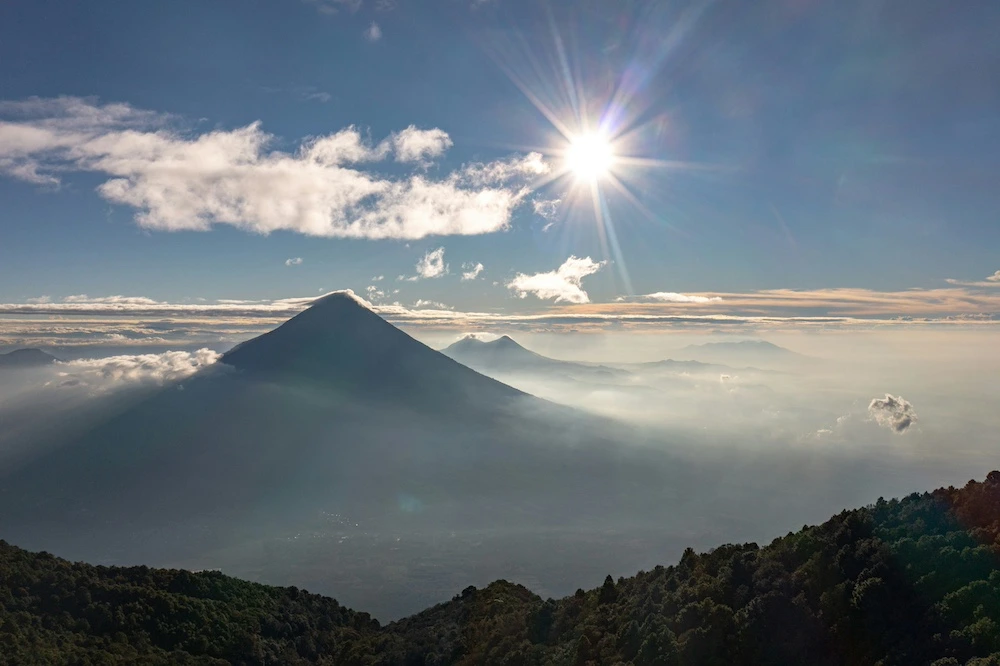
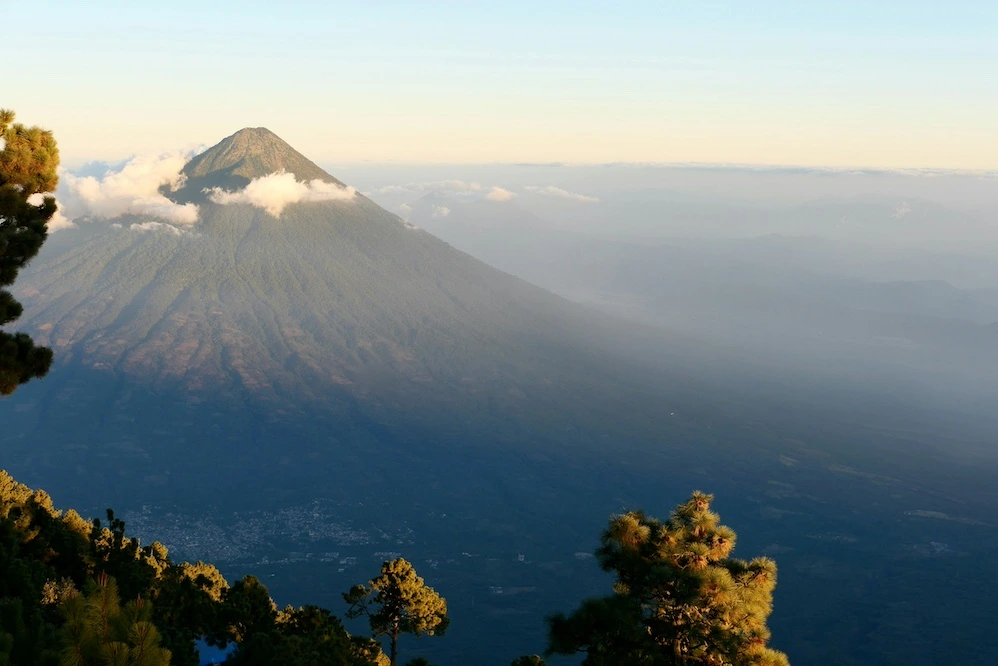
Its location offers frequent views of the Agua, Fuego and Acatenango volcanoes, which dominate the horizon and form one of the country’s most recognisable landscapes.

How to get there from Antigua Guatemala
Getting to Alotenango from the colonial city of Antigua Guatemala is very straightforward. The two towns are linked by road and the journey usually takes between 20 and 30 minutes, depending on the traffic, but they are only 13 kilometres apart.
You can get there by local transport, taxi or car if you’ve chosen to hire one for your trip. As it’s only a short distance away, you can visit the village on a half-day trip or include it in a wider tour of Sacatepéquez.
Connections to other destinations in the Altiplano
Alotenango is perfectly situated for visiting other places of interest in the region. From here, it's easy to travel to Antigua Guatemala, Ciudad Vieja, Escuintla and various nearby volcanic areas. It's also a good starting point for those wishing to explore the hiking trails, viewpoints and natural areas scattered across the Guatemalan highlands.
History of Alotenango
The origins of the village and its foundation
The history of Alotenango dates back to before the arrival of the Spanish. The area was inhabited by indigenous communities who made use of the fertile volcanic soil to carry out agricultural activities.
Following the conquest, the territory became part of the Spanish colonial administration (founded in 1565) and began to develop as one of the settlements in the region.
Developments during the colonial period
Its proximity to Santiago de los Caballeros de Guatemala (now Antigua Guatemala) contributed to the town’s growth. Agriculture played a key role in the local economy and helped to supply the nearby towns.
Over the centuries, Alotenango has retained its agricultural character, an identity that is still very much a part of everyday life in the municipality.
The cultural and economic importance of the municipality
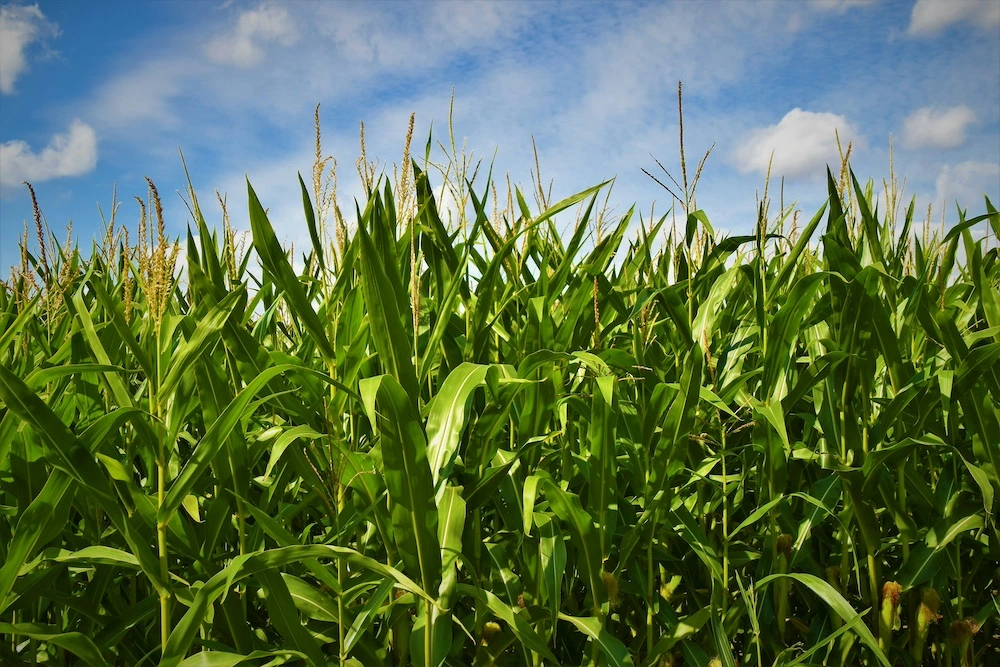
Agriculture remains one of Alotenango’s main economic activities. Coffee, maize and other agricultural crops, such as sweetcorn and jocotes, are a common sight in the area and have historically contributed to local development.
Culturally, it's a stronghold of ancestral traditions, where many residents proudly preserve their native Kakchiquel language.
Culture and traditions of Alotenango
Local festivals and celebrations
Local festivals continue to play a significant role in the cultural life of Alotenango and are a marvellous display of colour, faith, music and dance.
The main event is the festival on 24 June, held in honour of the patron saint, St John the Baptist, when people eat pepián, perform folk dances to the rhythm of the marimba and wear traditional dress. It’s quite a spectacle and well worth seeing.
Cuisine and traditional customs
The village’s cuisine shares many characteristics with traditional Guatemalan cooking. Typical dishes made with maize, beans, vegetables and various types of ‘recados’ (traditional spice mixes) form part of the region’s everyday diet. Do try peinan and jocón!
The coffee-growing culture also plays a prominent role, thanks to the favourable growing conditions on the nearby volcanic slopes.
Crafts and cultural expressions
The textiles from this municipality are renowned for their intricate designs and the use of bright colours that tell local stories. The best-known craft is the boxes made from jocotillo wood. Clay money boxes, decorative wind chimes and traditional weavings are also produced.
Senderos Tres Volcanes
What are the Senderos Tres Volcanes?
The Senderos Tres Volcanes are one of Alotenango’s main natural attractions. This recreational and ecological area offers a variety of trails and vantage points from which to admire the volcanic landscape that characterises the region. It's the ideal place for those who enjoy outdoor activities.
Its name refers to the Agua, Fuego and Acatenango volcanoes, which can be seen from various points along this network of paths.
Difficulty levels and route lengths
Within the Senderos Tres Volcanes park, there are trails of varying lengths and levels of physical difficulty. Some walks are suitable for visitors looking for a leisurely experience, whilst others require greater effort due to the gradients and nature of the terrain.
The duration depends on the route chosen and each person’s pace, so it's advisable to find out about the conditions of the route in advance. For example, the route taking in the three viewpoints is of moderate difficulty and takes less than three hours to complete.
What to expect during the walk
As you make your way along the trails, the views over the volcanoes become increasingly sweeping, offering a glimpse of the landscape that has shaped the history of this region of Guatemala. If you’re lucky enough to visit on a clear day, the views are particularly spectacular and offer a great opportunity for nature photography enthusiasts.
Things to do in Alotenango
Take a stroll through the town centre
One of the best ways to get to know Alotenango is to stroll through its streets and observe the town’s daily rhythm. The town centre is where much of the local activity takes place, and it offers a chance to discover a quieter side of Sacatepéquez. You’ll find that every corner is full of charm.
Enjoying the local culture
The visit is also an opportunity to get a feel for the local traditions. The markets are part of everyday life for the residents of this corner of Guatemala. There, you’ll see traditional dress being worn in everyday life and hear the local Mayan languages spoken.
Outdoor activities and nature
Nature is one of Alotenango’s main attractions. As well as the Senderos Tres Volcanes , the surrounding area boasts country lanes, agricultural landscapes and ideal spots for enjoying the great outdoors. The proximity of several volcanoes makes any trip to the area a very different experience from that of other destinations in the country.
Landscape and volcano photography
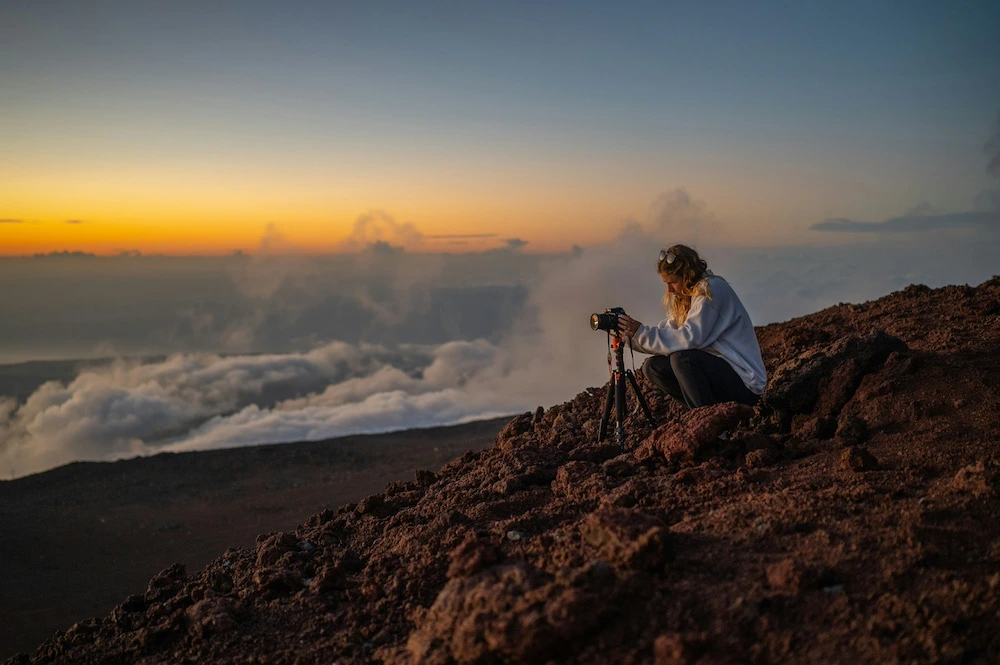
The early hours of the day usually offer particularly favourable light for capturing the silhouettes of the volcanoes and the contrasts of the landscape. You don’t need to be an expert to realise that the light at this time of day is magical: the panoramic views are among the best memories you can take away from this trip.
- This page about Semuc Champey may interest you.
What to see in Alotenango
Churches and main squares
The Church of St John the Baptist and the public spaces surrounding it are among the town’s most iconic landmarks. As is the case in many Guatemalan towns, the main square is a meeting place for locals and visitors alike.
Viewpoints of the high plateau and volcanoes
There are various vantage points from which to enjoy sweeping panoramic views of the valley and the volcanic landscape that characterises this part of Guatemala. Some viewpoints are accessible by car, whilst others can be reached after a short walk.
Cafés and craft workshops
There are workshops where weavers demonstrate how to use a traditional loom. You can also find small shops selling locally produced goods. It is said that, because of the village’s altitude, it has some of the best coffee in the world.
Nearby natural landscapes
The area surrounding Alotenango consists of a mix of farmland, wooded areas and volcanic slopes. These landscapes offer an interesting contrast to the town centre and provide an insight into the natural wealth of Sacatepéquez.
- This page about Lake Petén Itzá may interest you.
Best time to visit Alotenango
Climate throughout the year
Alotenango enjoys pleasant temperatures (between 20º and 27ºC) for much of the year thanks to its altitude, making it the perfect place for outdoor activities and exploring the local trails.
Dry season and rainy season
The dry season, which runs from November to April, usually offers better conditions for walking and enjoying the volcanic views. During these months, clear skies are more common and visibility is generally better. The good thing about the rainy season is that the region is blanketed in striking shades of green.
When to walk the Senderos Tres Volcanes Trail
Many visitors prefer to explore the Senderos Tres Volcanes trails during the driest months of the year. The terrain is usually more manageable and you’re more likely to enjoy unobstructed views. It’s also advisable to set off early to make the most of the best part of the day.
Tips for visiting Alotenango
What to take for the tour and the walk
If you’re planning to walk the Senderos Tres Volcanes trails, it’s a good idea to wear comfortable footwear, take plenty of water, use sun cream and wear clothing suitable for changing temperatures.
Safety recommendations
As with any hiking activity, it's important to stay on the designated paths and follow the signs along each route. It's also advisable to plan your route in advance, taking your fitness level into account, and to keep an eye on the weather conditions. It's best to go on these walks accompanied by a local guide.
How to make the most of your visit
A good way to explore Alotenango is to combine a tour of the town with a walk along the Senderos Tres Volcanes trails. This allows you to experience both the cultural side and the natural beauty of the municipality. A full day is usually enough to take in the main attractions.
- This page about natural wonders in Guatemala may interest you.
What to see near Alotenango
Antigua Guatemala
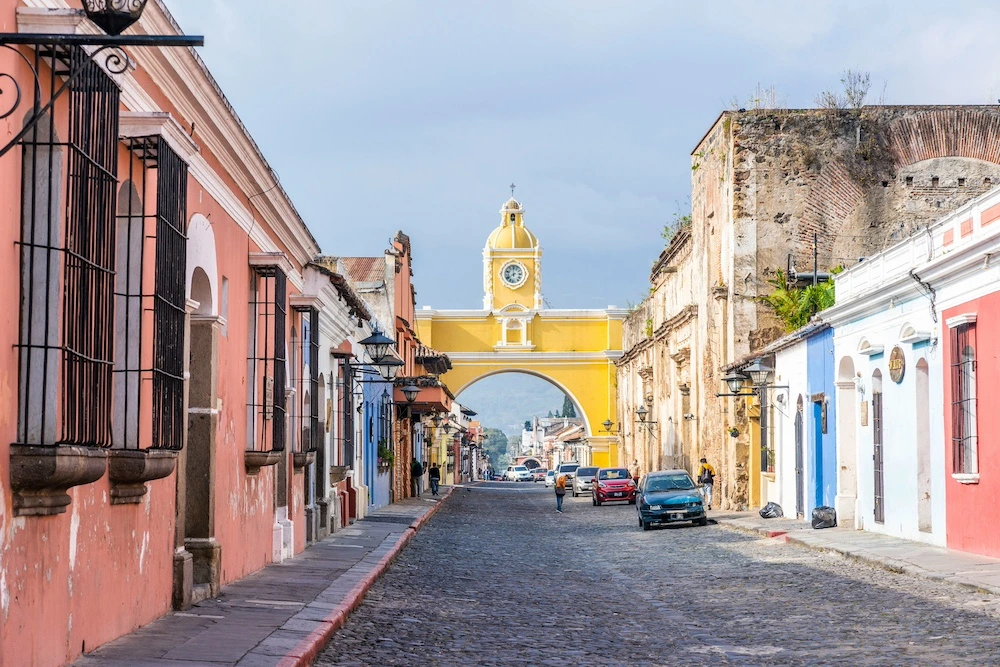
Just a few kilometres from Alotenango lies Antigua Guatemala, one of the country’s most important destinations. Its churches, historic buildings and cobbled streets make it an unmissable stop for any traveller exploring Sacatepéquez. As they are so close, it's easy to combine a visit to both places in the same trip.
Volcán de Fuego and Acatenango
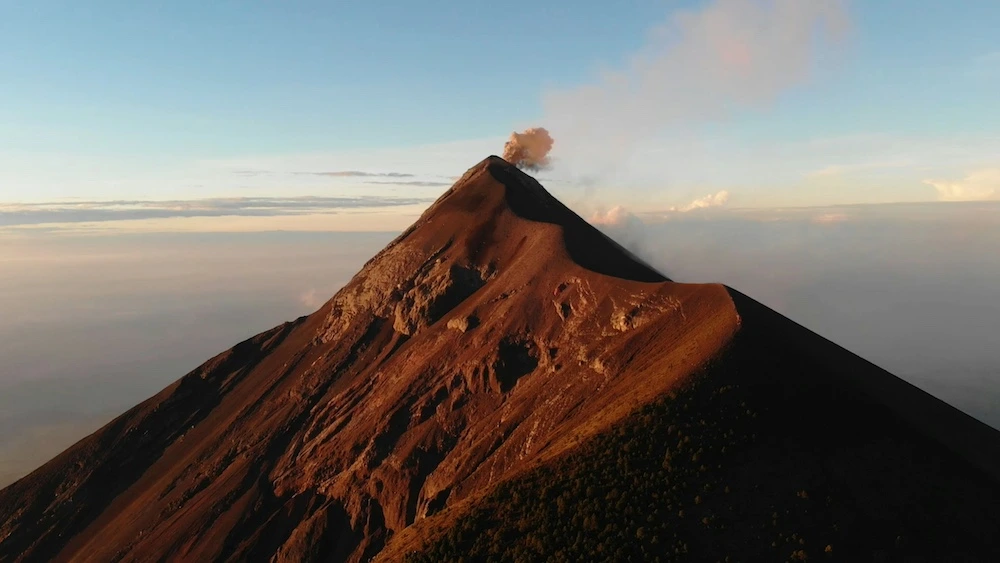
The area around the Fuego and Acatenango volcanoes is home to some of Guatemala’s best-known hiking trails. The views of the Fuego volcano – the country’s most active – attract thousands of hikers every year, hoping to see it in action.
Agua Volcano
The dormant Agua Volcano, also known as Hunahpú by the Maya, is another of the great landmarks of the Sacatepéquez landscape. Its distinctive silhouette dominates much of the horizon and has been a feature of the region’s communities for centuries.
Nearby nature trails and walks
As well as the Senderos Tres Volcanes trail, there are other paths and natural areas scattered around Alotenango. These routes allow you to continue exploring the volcanic and agricultural landscapes that characterise the region.
- This page about Tajumulco Volcano may interest you.
Is Alotenango worth a visit?
What makes the municipality and its footpaths unique
Alotenango offers a rare combination of rural surroundings, local tradition and volcanic landscapes. Its proximity to Antigua Guatemala makes it easy to visit, whilst the Senderos Tres Volcanes provides an added attraction for nature lovers. But, without a doubt, the views of the volcanoes are one of the main reasons to come here.
Who is this destination recommended for?
This municipality is particularly appealing to travellers seeking peaceful experiences, hiking and a chance to get close to nature. It’s also a good choice for those who want to discover a less touristy side of Sacatepéquez. If you enjoy photography, you’ll find plenty of spots from which to capture some of the region’s most spectacular landscapes.
How to include Alotenango in a tour of Sacatepéquez
The easiest way to visit Alotenango is as a day trip from Antigua Guatemala, but it can also be included in a wider itinerary focusing on volcanoes, hiking and traditional villages.
Frequently Asked Questions about Alotenango
Where is Alotenango located?
Alotenango is situated in the department of Sacatepéquez, in Guatemala, 13 kilometres from Antigua Guatemala and very close to the Agua, Fuego and Acatenango volcanoes.
What are the Senderos Tres Volcanes?
It's an ecological, nature and leisure park situated in Alotenango, offering footpaths, viewing points and panoramic views of some of Guatemala’s best-known volcanoes.
When is the best time to visit Alotenango?
The dry season is usually the best time to enjoy outdoor activities and the region’s panoramic views.
What is there to do in the village of Alotenango?
You can visit the historic colonial parish church, stroll through its traditional cobbled central squares, visit workshops producing handmade textiles, sample the local cuisine in restaurants, and go on guided walks along its trails.