San Pedro Soloma is one of those places where the journey is defined more by the experiences than by the sights. Nestled amongst the mountains of Huehuetenango, this municipality retains a strong Q’anjob’al identity, which is reflected in its language, traditional dress and customs. If you’re looking to discover a more authentic side of Guatemala, this municipality is an excellent gateway to the Huehuetenango highlands.
Where is San Pedro Soloma?
Location in the department of Huehuetenango
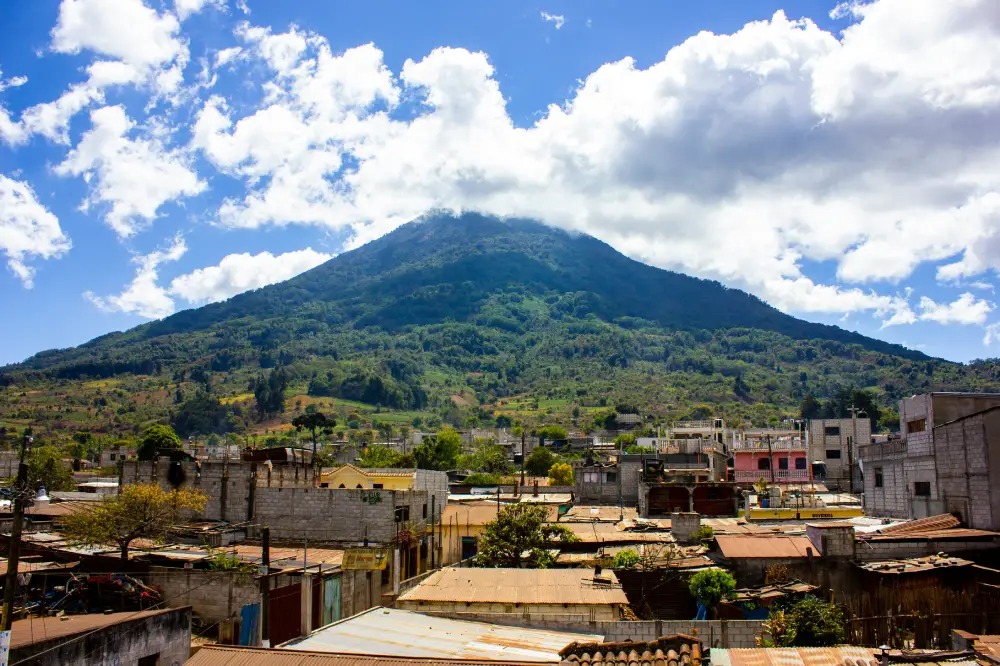
San Pedro Soloma is situated in the northern region of the department of Huehuetenango, at an altitude of over 2,200 metres. It forms part of the historic territory of the Q’anjob’al Maya people and is surrounded by mountains that act as a transition between the Sierra de los Cuchumatanes and the regions bordering Mexico.
How to get there from Guatemala City
The journey from Guatemala City usually takes around 8 hours by road, depending on traffic and weather conditions. The most common route follows the Inter-American Highway to Huehuetenango and then continues northwards through towns such as Chiantla and San Juan Ixcoy. The journey offers some of the country’s most spectacular mountain scenery, particularly as you approach the highlands of the Cuchumatanes.
Connections to nearby towns and destinations
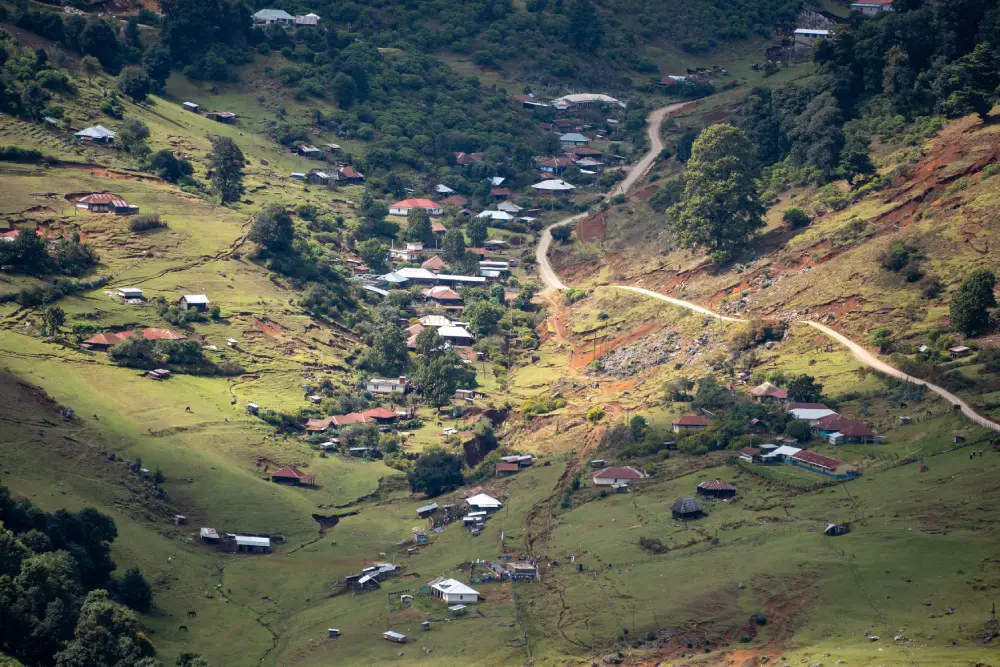
San Pedro Soloma maintains close ties with neighbouring municipalities such as Santa Eulalia, San Juan Ixcoy, San Miguel Acatán and Santa Cruz Barillas. Many travellers use the municipality as a starting point to explore various Q’anjob’al communities and discover one of Guatemala’s most culturally fascinating regions.

Its proximity to the Cuchumatanes Mountains also makes it easier to organise nature walks and hiking trails through some of the country’s most breathtaking landscapes.
- We invite you to read our article about Siete Orejas Volcano in Guatemala.
History of San Pedro Soloma
The history of San Pedro Soloma is deeply intertwined with that of the Q’anjob’al Maya people, whose settlements had been established in this region long before the arrival of the Spanish. Later, in 1559, the judge Alonso de Zurita ordered the consolidation of several nearby settlements into a single village, which became the origin of present-day San Pedro Soloma.
Over the centuries, San Pedro Soloma has had to contend with various events that have shaped its development. Fires, earthquakes and waves of migration have periodically affected the municipality. Despite this, San Pedro Soloma has managed to preserve much of its cultural identity and is now one of the municipalities in the department of Huehuetenango where Q’anjob’al traditions are best preserved.
Culture and traditions of San Pedro Soloma
Local festivals and celebrations
The town’s main celebration is the patron saint’s festival in honour of Saint Peter the Apostle, which takes place every June. Over the course of several days, religious activities, processions, traditional dances, sporting events and cultural gatherings are organised, bringing together residents from numerous neighbouring communities.
These celebrations offer an excellent opportunity to experience first-hand the rich Q’anjob’al culture and the strong sense of identity that characterises the municipality.
Crafts and traditional dress
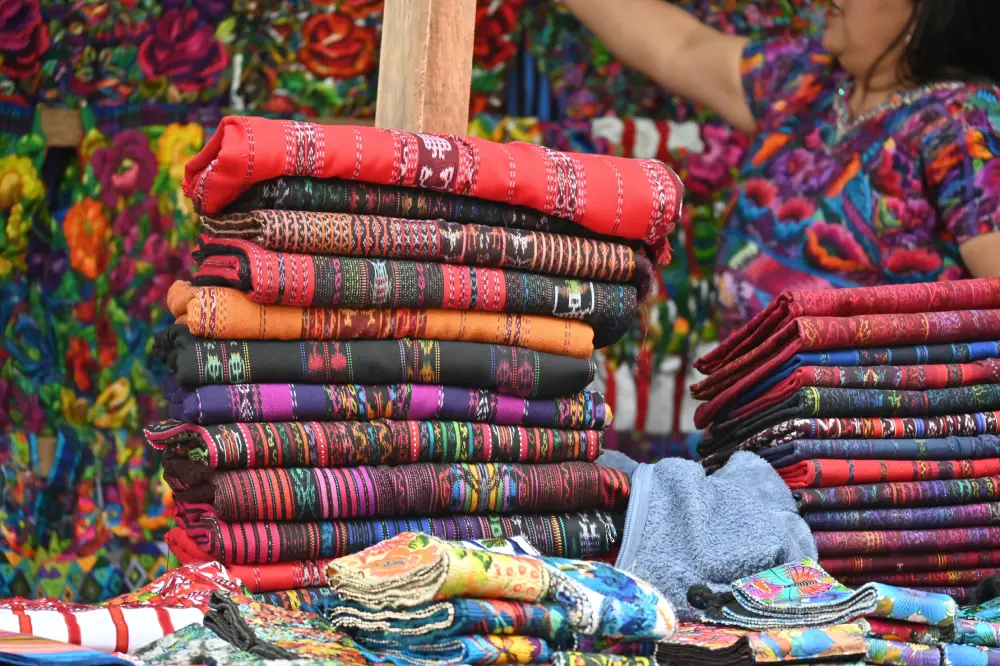
The cultural identity of San Pedro Soloma is particularly evident in its traditional textiles, which are regarded as some of the most distinctive in the Q’anjob’al region. The women’s traditional dress is characterised by its brightly coloured huipiles, featuring intricate geometric and floral designs.
The fact is that San Pedro Soloma has always kept this tradition alive, even though it has gradually disappeared in other places. Traditional hairstyles and headdresses are also part of this cultural heritage and continue to be worn in the daily lives of the people of Soloma.
Cuisine and cultural expressions
The local cuisine reflects the agricultural heritage of the highlands. Maize remains the main ingredient in many traditional dishes, accompanied by beans, local herbs and produce grown in nearby communities.
Beyond cuisine, Q’anjob’al culture is also expressed through music, the oral transmission of community stories and the everyday use of the indigenous language.
- This page about cities of Guatemala may interest you.
What to see in San Pedro Soloma
Church and main squares
The heart of the municipality lies around its central park and the parish church dedicated to Saint Peter the Apostle. Although the present church has undergone various alterations over the years, the origins of the church of San Pedro Soloma are linked to the process of evangelisation that took place in the north of Huehuetenango during the colonial era. Today, the church remains one of San Pedro Soloma’s main landmarks and plays a vital role in community life.
Just a few steps away is the central park, a place where you can experience the daily life of the town. Amidst traders, families and locals chatting in Q’anjob’al, visitors discover one of San Pedro Soloma’s most distinctive features: the coexistence of Mayan traditions and religious customs inherited from the colonial era.
Markets and craft workshops
If you want to learn more about Q’anjob’al culture, the market is your best bet. Here you can find traditional textiles, agricultural produce from nearby villages and a wide variety of items that reflect the local economy.
A stroll through the market in San Pedro Soloma means coming across women who still wear the traditional red and white huipil, farmers who have travelled from mountain villages, and market stalls where conversations in Q’anjob’al can be heard all morning long.
Viewpoints and natural landscapes
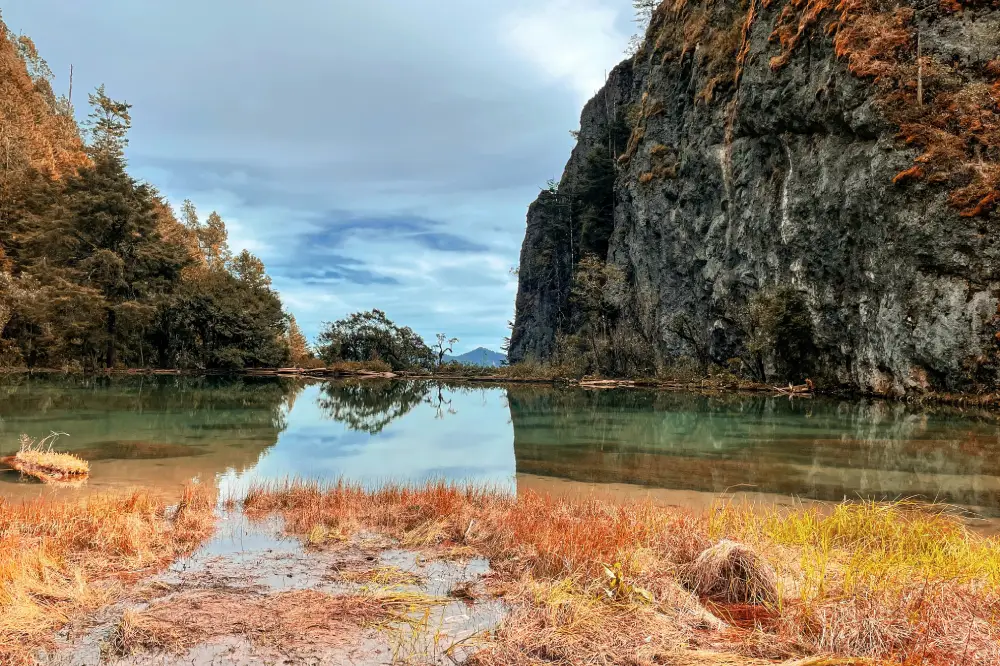
The area around San Pedro Soloma offers numerous vantage points from which to admire the valleys and mountains that characterise this region of Huehuetenango. The views are particularly spectacular in the early hours of the day, when mist partially shrouds the valleys, creating very photogenic landscapes.
Historic and heritage sites
Much of San Pedro Soloma’s cultural heritage lies outside the town centre, in the communities where the Q’anjob’al Maya people have kept their traditions alive for centuries. Here, the Q’anjob’al language is still widely spoken, forms of community organisation inherited from their ancestors are preserved, and many families continue to wear traditional dress in their daily lives.
Visiting these villages allows you to discover a lesser-known side of Guatemala: that of an indigenous culture which is still as vibrant as ever.
- This page about Las Verapaces Nature Reserve may interest you.
Things to do in San Pedro Soloma
Explore the market and discover Q’anjob’al culture
Visiting the San Pedro Soloma market is one of the best ways to get a feel for the town’s identity. People from various villages in the region gather here to sell agricultural produce, textiles, livestock and everyday items.
As well as offering a glimpse into the community’s daily life, the market provides an opportunity to appreciate the strong presence of Q’anjob’al culture. Through the language, the dress and even the way people interact, it is possible to gain a better understanding of the traditions that have defined this region for centuries. Many women continue to wear the traditional Soloma costume, considered one of the most recognisable in Guatemala. The market traders, meanwhile, sell produce grown in the nearby mountains, reflecting the close relationship between the community and its surroundings.
Explore the surrounding rural communities
The area around San Pedro Soloma is made up of numerous villages scattered amongst mountains, forests and farmland. Travelling through these communities offers a glimpse of a human and cultural landscape that is very different from that of Guatemala’s main tourist destinations.
One thing that characterises the surrounding communities is the widespread use of the Q’anjob’al language in markets, schools and community spaces. The Mayan heritage here remains alive and can be seen everywhere. As well as rediscovering some of Huehuetenango’s most authentic corners, it is a way of gaining a better understanding of the cultural richness of the western highlands.
Hiking in the mountains of northern Huehuetenango
The mountainous landscape surrounding San Pedro Soloma offers excellent opportunities for walking and exploring the typical scenery of northern Huehuetenango. One of the most interesting walks involves following the country lanes that link the town centre of Soloma with villages such as Yulaqhuitz, Yulhuitz or the communities situated towards Santa Eulalia. These routes offer views of maize and bean fields and pine forests.
For those looking for longer routes, the traditional trails linking San Pedro Soloma with neighbouring municipalities such as Santa Eulalia or San Juan Ixcoy offer an experience very different from that of the country’s better-known tourist destinations.
The early hours of the morning are usually the best time for a walk, when visibility is at its best and the mountains are not yet shrouded in the mist that appears for much of the year.
Tips for visiting San Pedro Soloma
Before travelling to San Pedro Soloma, bear in mind a few tips that will help you get the most out of your visit:
- Wear suitable footwear if you plan to explore footpaths, villages or country lanes.
- Wear comfortable clothes.
- Bring water, sun cream and some cash for shopping at markets or small local shops.
- If you’re travelling from Huehuetenango or Guatemala City, try to set off early to make the most of the day.
- Respect the customs and traditions of the Q’anjob’ale communities.
- Ask for permission before taking photographs of people, especially in markets or during religious celebrations.
- Please avoid leaving litter and help to preserve the natural landscapes surrounding the municipality.
What to see near San Pedro Soloma
Huehuetenango and neighbouring municipalities
San Pedro Soloma’s location makes it very easy to visit other municipalities in the north of Huehuetenango. One of the most popular is Santa Eulalia, situated just a few kilometres away, known for the Vista Hermosa viewpoint and its strong Q’anjob’al identity.
Another highlight is San Juan Ixcoy, surrounded by coniferous forests and high-altitude farmland. Its cool climate and views over the Cuchumatanes make it a recommended stop if you want to explore the western highlands beyond the well-trodden paths. San Miguel Acatán is also worth a mention as one of the main centres of Akateka culture.
Cuchumatanes Mountains
Very close to San Pedro Soloma lies the Sierra de los Cuchumatanes, considered the highest non-volcanic mountain range in Central America. Some of its peaks rise to over 3,800 metres in altitude, creating landscapes very different from those usually associated with Guatemala.
This region is dominated by high-mountain grasslands, known locally as ‘pajonales’, where sheep and cattle graze across open expanses that are more reminiscent of the Andes than of tropical Central America.
The highest point in the mountain range is La Torre, which rises to an altitude of approximately 3,837 metres. From its highest points, you can take in a landscape that is completely different from what many travellers expect to find in Guatemala. Here, vast open expanses covered in mountain grasslands predominate, along with rock formations shaped by erosion, and the feeling of being small whilst forming part of something so immense.
Beyond its natural wealth, the mountain range is of immense cultural value. For centuries, it has been home to the Q’anjob’al, Chuje, Akateka and Mam Mayan communities, whose villages are scattered amongst the mountains, ravines and high plateaus.
Indigenous peoples and cultural routes
If you’re looking for cultural diversity, the north of Huehuetenango is the perfect destination for you. Within just a few kilometres, you’ll find Q’anjob’al, Chuje, Akateko and Poptí communities living side by side, each with their own language, dress and traditions.
From San Pedro Soloma, it is possible to plan cultural itineraries that include towns such as Santa Eulalia, San Sebastián Coatán, San Rafael La Independencia and Nentón. Each of these places preserves unique cultural traditions, such as traditional weaving and religious celebrations that blend elements of the Mayan worldview with Christianity.
Rivers and natural landscapes of the Altiplano
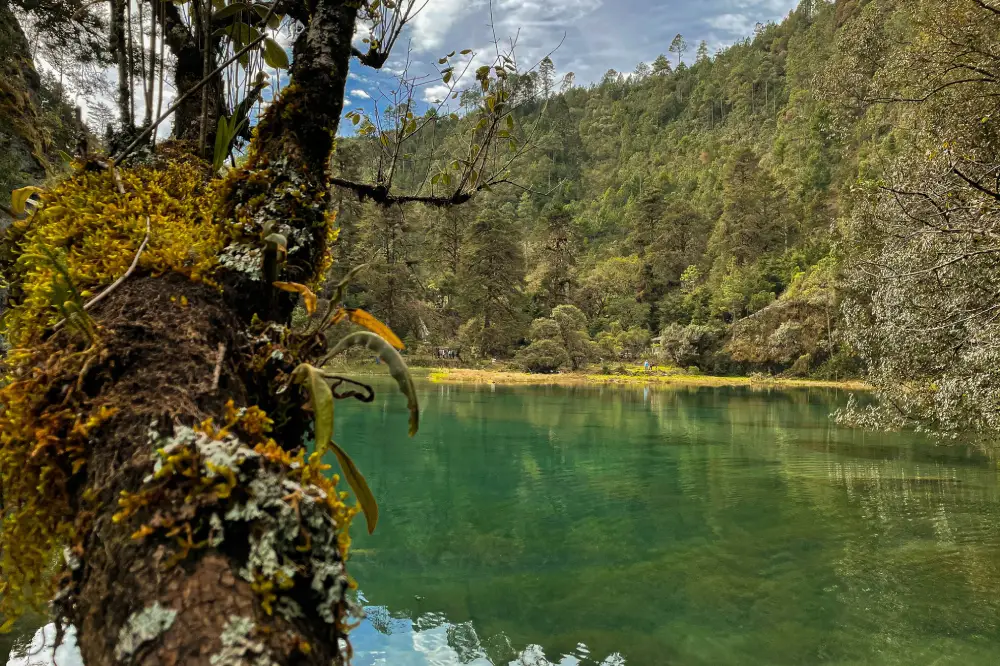
The mountains surrounding San Pedro Soloma are the source of numerous rivers that have shaped the landscape. Among these, the Azul River basin stands out, flowing through part of the region and creating gorges and valleys of great scenic beauty.
On the way to Nentón, you’ll also come across some of Huehuetenango’s most stunning natural landscapes, such as the turquoise waters of the Río Azul and the karst landscapes near the border with Mexico.