The Punta de Manabique Wildlife Refuge is one of those places in Guatemala that you simply have to experience for yourself. In this corner of Izabal, tranquil beaches sit alongside canals and marine areas, creating a landscape that is very different from that of other destinations in the country.
The Punta de Manabique Wildlife Refuge is perfect if you’re looking for nature and tranquillity. But if you also want to see birds and enjoy a peaceful adventure, you’ve come to the right place.
Punta de Manabique Wildlife Refuge: What it is and why it is a key protected area
The Punta de Manabique Wildlife Refuge is a marine and coastal protected area situated on the Guatemalan Caribbean coast. Its importance lies in the mix of habitats it contains: freshwater, brackish water, the open sea, beaches, river mouths, mangroves and flooded forest.
This area acts as a natural barrier against storms. It protects the breeding grounds of marine species and preserves habitats that are essential for migratory birds, as well as for sea turtles, fish, reptiles and endangered mammals.

It's also internationally recognised as a Ramsar wetland, a designation that recognises wetlands of great ecological importance. A visit is well worth it precisely for the experience of sailing amongst the water and vegetation, with the horizon of Amatique Bay on one side and the Gulf of Honduras on the other.
Where is the Punta de Manabique Wildlife Refuge?

The Punta de Manabique Wildlife Refuge is situated in the municipality of Puerto Barrios, in the department of Izabal, in north-eastern Guatemala. The peninsula separates Amatique Bay from the Gulf of Honduras, in an area close to the maritime border with Honduras.
As we’ve seen, it’s situated on a strip of land surrounded by water and coastal communities. It’s usually accessed from Puerto Barrios, so a visit here combines very well with a tour of the Guatemalan Caribbean and other parts of Izabal.
- We invite you to read our article about San Felipe Castle.
Ecosystems of the Punta de Manabique Wildlife Refuge
The greatest asset of the Punta de Manabique Wildlife Refuge lies in its diversity. Within just a few kilometres, you’ll find beaches, mangroves, inland waterways, lagoons, floodplain forest, seagrass beds and reef areas. This mix creates natural havens for species that need calm waters, as well as shade, food and breeding grounds.
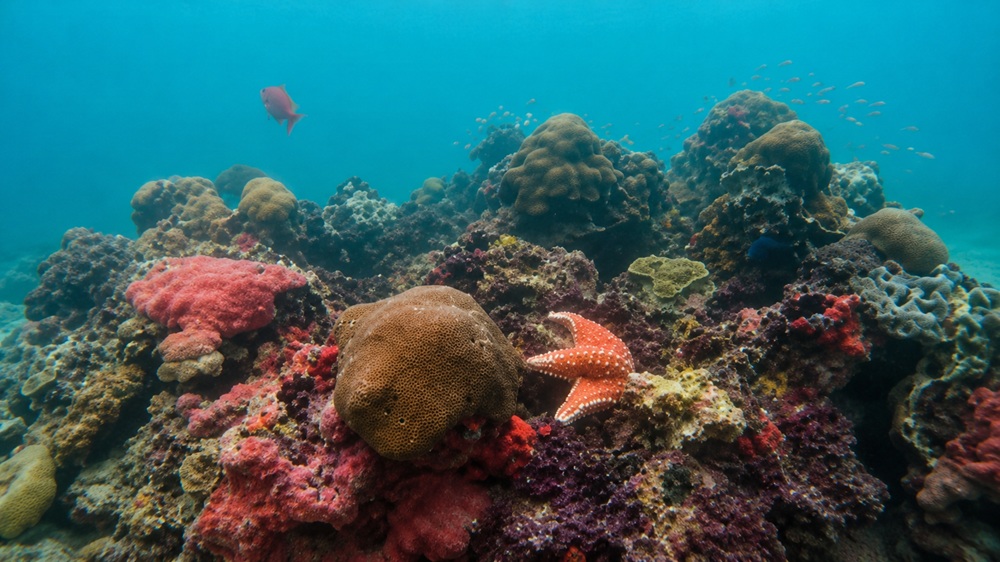
One of the most interesting aspects is that many of these ecosystems are interconnected. Consequently, what happens in the mangroves affects juvenile fish, and conservation efforts along the coast also help to protect the bay.
That is why a visit to the Wildlife Refuge is like stepping into a complex natural system, where every patch of vegetation and every watercourse plays an important role.
Mangroves, lagoons and beaches within the Punta de Manabique Wildlife Reserve
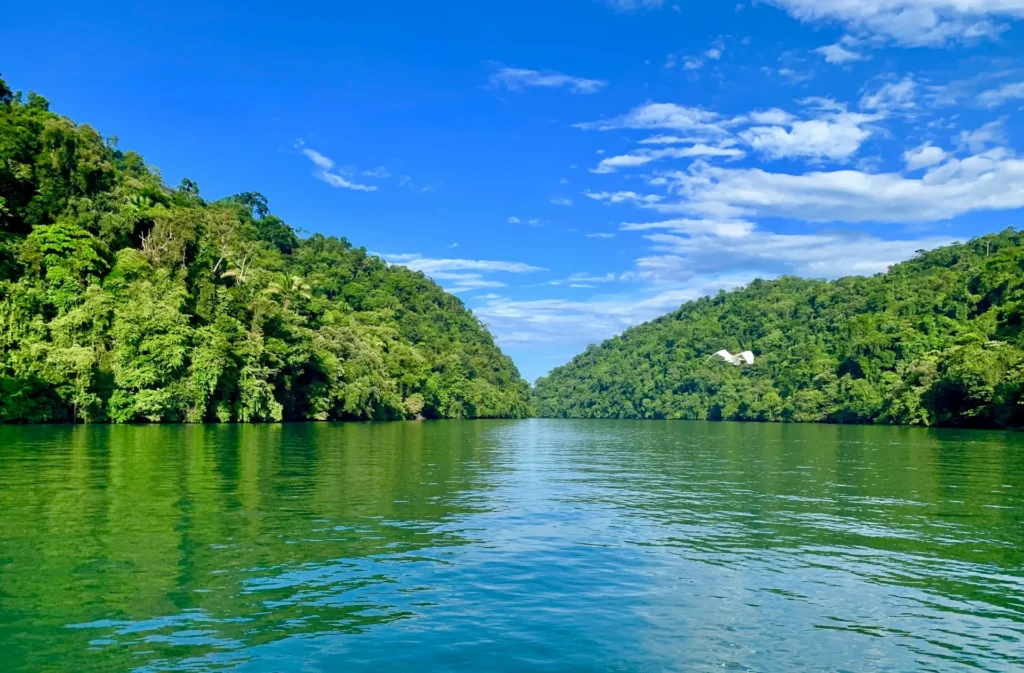
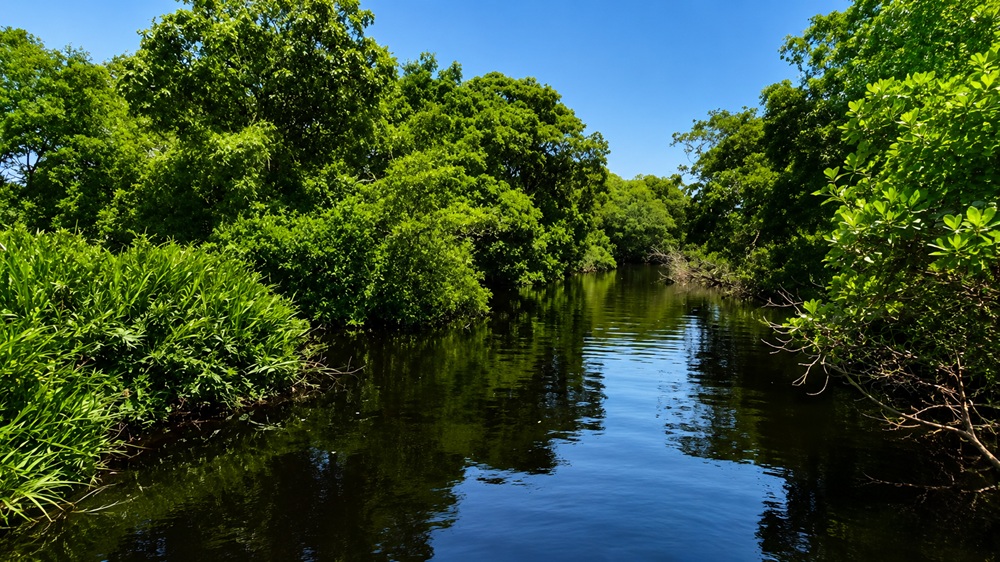
The mangroves are one of the most striking sights in this area. Their roots form green corridors through which the water flows slowly. It's the perfect place for birds to feed, and many small species find shelter there before venturing out into more open areas.
Places of interest include the Santa Isabel lagoon, the Jabalí lagoon and waterways such as the Canal Inglés. This is a historic waterway that connects inland areas with those near the coast. We’ve already mentioned that, if you go on a boat trip, this part is usually one of the most special.
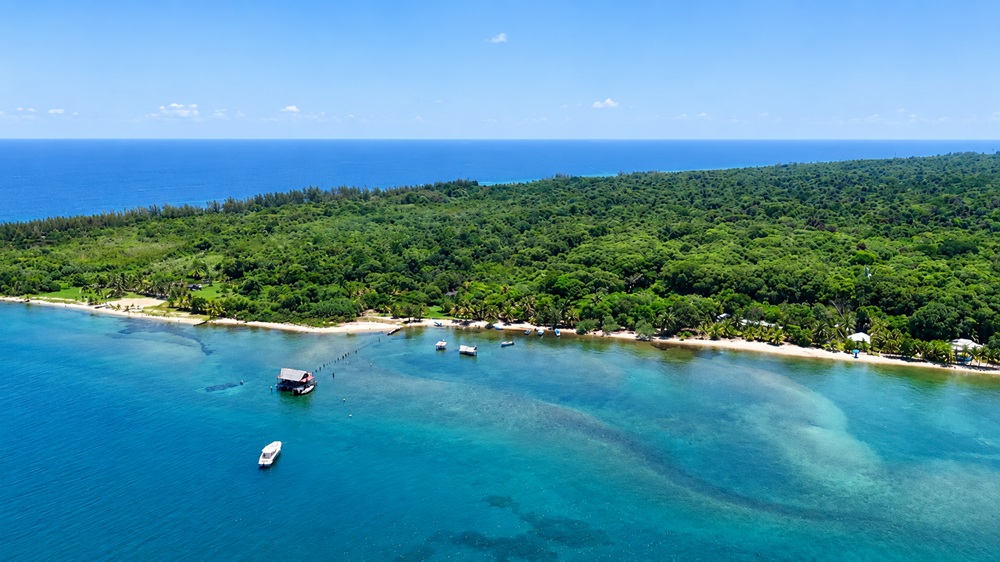
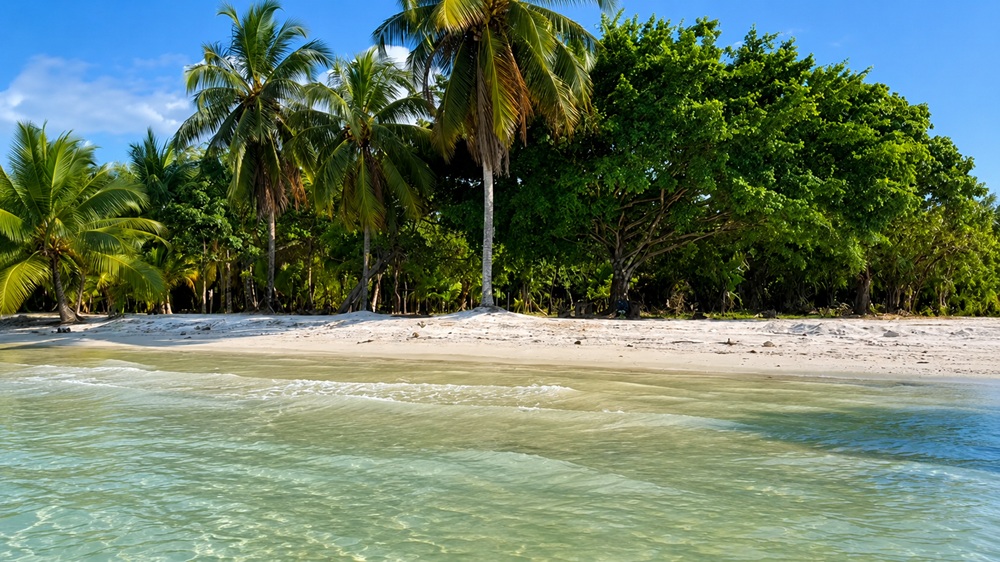
The beaches have a wild and unspoilt feel. The charm of the Punta de Manabique Wildlife Refuge is evident at every turn, thanks to its palm trees, which are surrounded by white sand and warm water.
Marine wildlife and birds at the Wildlife Refuge
The Punta de Manabique Wildlife Refuge is a key destination for birdwatching. More than 300 species have been recorded in the area, including resident birds, migratory birds, waders and seabirds. Herons, pelicans, sandpipers, parrots and other species also find food and a place to rest here.
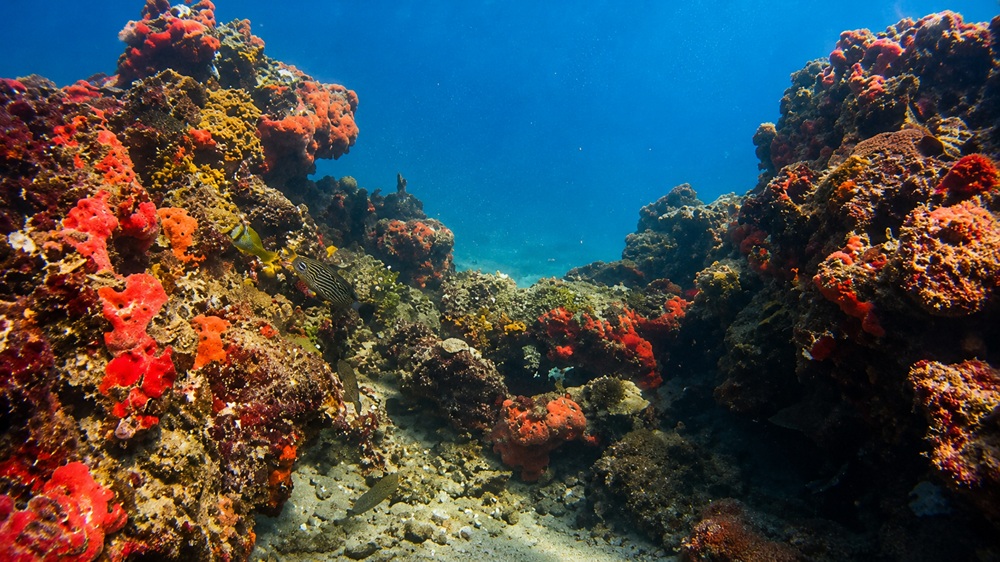
It's also an important area for marine and coastal wildlife. Species such as manatees, dolphins, sea turtles, reef fish, crustaceans and reptiles are found in the area. They are not always visible, but simply knowing they are there seems to change the way you view the landscape.
This area is also home to endangered mammals such as the tapir and the jaguar. However, in this case, it's very difficult to spot them during a sightseeing visit.
- This page about Guatemala's natural wonders may interest you.
How to get to the Punta de Manabique Wildlife Refuge
To get there, the usual route is to travel first to Puerto Barrios by road and then continue by boat. From Guatemala City, the route via the CA-9 North to Puerto Barrios is the most common option.
Once in Puerto Barrios, the tour is organised by boat. To give you an idea, the tour can last around an hour or more. This will depend on the exact departure point and the chosen itinerary.
You can also get there from Livingston if you’re travelling along the Río Dulce route. In that case, the Punta de Manabique Wildlife Refuge is usually a day trip.
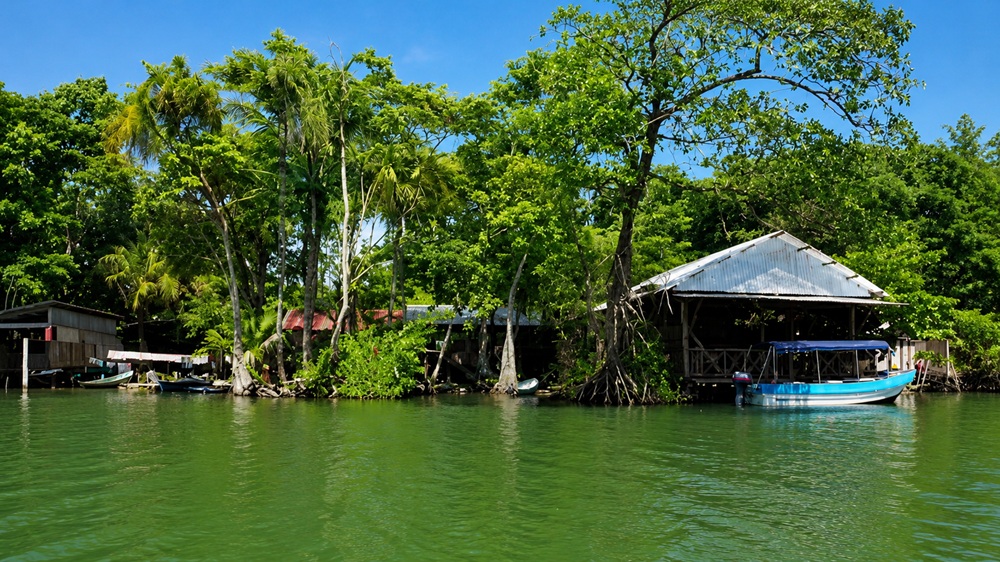
Boat trips around Amatique Bay
Amatique Bay is a key part of the experience. Sailing towards the Punta de Manabique Wildlife Refuge allows you to appreciate all the different aspects of the landscape, of which there are many:
- The Lower Coast
- Water ingress
- Mangrove areas
- The transition between the bay, the canals and the Caribbean Sea.
To make the most of it, before the heat sets in, it’s best to set off early. Also, before boarding the boat, check the duration of the trip and the return time.
Recommendations for local tours to visit the refuge
The best option is to hire a boat or book a local tour from Puerto Barrios or Livingston. Look for operators who know the area, respect sensitive areas and explain what you can and cannot do within the Punta de Manabique Wildlife Refuge.
A good tour is one that takes you on a boat trip through mangrove channels, brings you close to a coastal lagoon, takes you to a quiet beach and also gives you time to go birdwatching at your own pace.
What to see at the Punta de Manabique Wildlife Refuge
A visit to the Punta de Manabique Wildlife Refuge revolves around water. In this case, there is no single ‘centre’ where everything converges; instead, there are trails that link mangroves, beaches and lagoons.
If you’re short on time, you could opt for a boat trip through the mangroves and a stop at the beach. If you can take your time, then add in some birdwatching, visits to the lagoon areas and a simple meal in a local community or at an authorised spot, always following local guidelines.
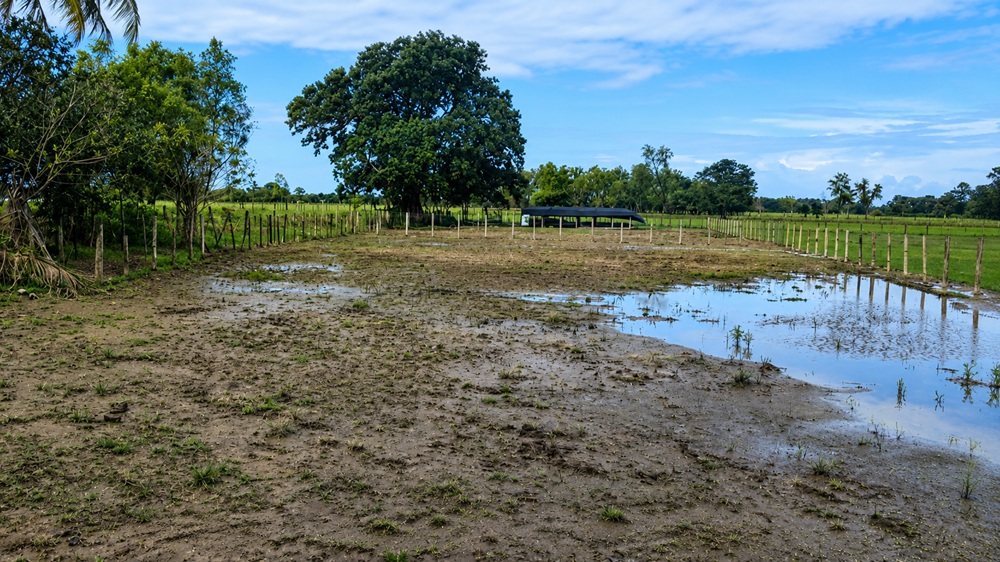
Boat trips through mangrove channels and coastal lagoons
The mangrove channels are one of the best ways to explore the Punta de Manabique Wildlife Refuge. The boat glides slowly through the shadows and reflections, whilst the local guide points out birds, water inlets and changes in the vegetation.
In areas such as the Canal Inglés and the bodies of water near the Santa Isabel lagoon, the landscape takes on a more intimate feel. Here, it's not so much speed that matters as attentiveness. It's always best to keep your eyes peeled and your ears pricked to get the most out of an area like this.
These walks also help us understand why the mangrove forest is so important. Because at the nature reserve, the mangrove forest protects the coastline, filters the water and serves as a natural nursery for many species.
Unspoilt beaches and quiet spots for swimming
The beaches at the Punta de Manabique Wildlife Refuge have a very special Caribbean feel to them. They are more natural beaches, with limited facilities, and their beauty depends largely on the weather and the cleanliness of the sea.
When the water is calm, some areas are good for swimming. Even so, always ask your guide where it's safe to go in, as there may be currents or changing depths that you should avoid.
A swim here is best enjoyed as a break during the trip. Just imagine, for a moment, a lovely soak in the warm water, a bite to eat, and then back to the boat.
A gentle adventure and wildlife spotting at Punta de Manabique
The Punta de Manabique Wildlife Refuge is the perfect choice for travellers seeking to experience nature without the need for strenuous physical activity. The adventure lies in the boat trip, the remote location, patient observation and the feeling of being far off the beaten track.
Here, the light over the mangroves, the reflections on the lagoons and the sunsets over the bay can be just as memorable as any wildlife sighting. So, if you enjoy photography or simply want to take home a lovely souvenir, you’ve come to the right place.
Birdwatching at the Punta de Manabique Wildlife Refuge
Birdwatching is one of the most highly recommended activities at the Punta de Manabique Wildlife Refuge. This is because the combination of beaches, bodies of water, mangroves and forest creates opportunities to spot birds in very different habitats during a single outing.
The best times are usually early in the morning and late in the afternoon. Remember to bring binoculars, if you can, because you’ll be using them a lot.
If birds are your main interest, please let the tour operator know before booking. That way, they can adjust the pace, choose the stops more carefully and spend more time at bird-watching spots.
Kayaking, stand-up paddleboarding and other low-impact activities in Amatique Bay
Kayaking or stand-up paddleboarding can be good options in the calm areas of Amatique Bay, provided the conditions are safe.
As is often the case in such an environment, not all spots are suitable for paddling. It always depends on the wind or the tide, but also on boat traffic and the fragility of certain areas. So much so that the priority must be not to disturb the wildlife or damage mangroves or sensitive seabeds.
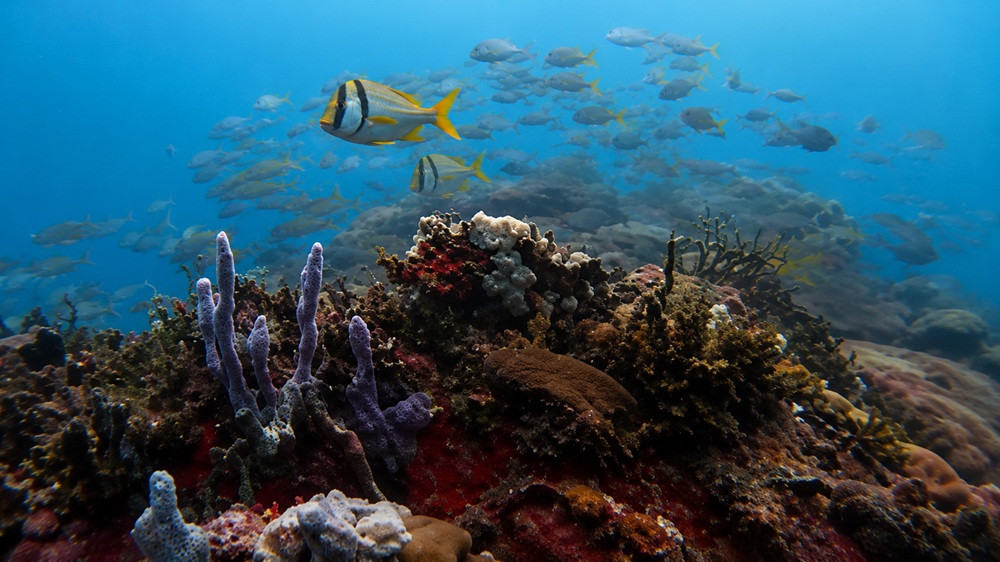
If you fancy exploring the underwater world, snorkelling is highly recommended thanks to the clear, calm waters. Just make sure you check which areas are designated for this activity before you go.
How to include the Punta de Manabique Wildlife Refuge in your itinerary around Izabal
It's best to include the Punta de Manabique Wildlife Refuge as part of a wider itinerary around Izabal. It's best not to rush, but to plan well in advance and be prepared to enjoy the surroundings at a leisurely pace.
- If you’re setting off from Río Dulce, you could spend a day exploring the canyon, Livingston and the nearby coast. After that, set aside another day for the Punta de Manabique Wildlife Refuge, either setting off from Livingston or heading towards Puerto Barrios, whichever suits you best.
- If you’re coming from Guatemala City, a convenient option is to stay overnight in Puerto Barrios the night before. That way, you can set off early for the refuge, avoid rushing and allow for some leeway in case the weather forces you to adjust your route.
Itineraries combining Punta de Manabique, Playa Blanca and Río Dulce
A well-balanced itinerary through Izabal could start in Río Dulce, with a boat trip through the canyon, a visit to Livingston and a stop at Playa Blanca. You could then set aside a specific day for the Punta de Manabique Wildlife Refuge, without trying to cram too many activities into a single day.
Playa Blanca is the obvious choice for anyone looking for a picture-postcard Caribbean beach. The Punta de Manabique Wildlife Refuge, on the other hand, offers a more natural experience with a greater focus on coastal ecosystems.
If you’ve got three or four days, you can combine both approaches. In other words, one day for Río Dulce and Livingston, another for Playa Blanca, and another for the refuge. That way, you won’t end up spending more time on the boat than actually enjoying the trip.
Practical tips for visiting the Punta de Manabique Wildlife Refuge
Visiting the Punta de Manabique Wildlife Refuge requires more planning than other destinations in Izabal. That’s why it’s important to organise the trip properly and make sure everything is sorted out.
Coverage may be patchy, facilities are limited and the humid heat is very noticeable. So, we advise you to take what you need, but avoid carrying too much. For example, a rucksack with water, sun cream, a few snacks and comfortable clothes is usually enough to get you through the day.
Please remember that you are entering a protected area. Therefore, when visiting the Punta de Manabique Wildlife Refuge, you must take particular care, bearing in mind that this is a sensitive environment where every visitor’s behaviour plays a part in its conservation.
Best time to visit, weather and tides
Guatemala’s Caribbean coast is warm and humid all year round. To visit the Punta de Manabique Wildlife Refuge, the months with the least rainfall are generally the most comfortable, particularly towards the end of the dry season and during periods when the sea is calmer.
Even so, it can rain at any time in Izabal. Bear in mind that the wettest season is usually between May and November, with the wettest months towards the end of this period.
The tides and the wind also play a part. It’s fine to change the plan if the guide recommends it. Without a doubt, safety and conservation must always be the top priorities.
What to bring: Sun cream, insect repellent and a commitment to following the rules of the protected area
For the Punta de Manabique Wildlife Refuge, it’s best to take a rucksack containing sun protection, plenty of water, comfortable swimwear and footwear suitable for getting wet. Also pack a bag to collect your rubbish and ensure you leave no trace behind.
It’s also a good idea to take some food and cash with you. Don’t forget waterproof cases for your mobile, camera and even your personal documents.
The most important rule is that you must not feed the animals, pick plants or collect shells. It's always best to ask the guide and follow their instructions.
Frequently Asked Questions about the Punta de Manabique Wildlife Refuge
Where is the Punta de Manabique Wildlife Refuge?
It's in the department of Izabal, on the Guatemalan Caribbean coast, near the border with Belize.
How do you get to Punta de Manabique?
The usual route is to travel from Puerto Barrios and then continue by boat, so it's advisable to arrange your transport in advance.
How long do I need to visit it?
It's advisable to set aside a full day for this, as the journeys and the boat trip take some time.
Can you go for a swim at Punta de Manabique?
Yes, in some areas it's possible to go for a swim, although you should always follow the instructions and stick to the designated areas.