The Gulf of Honduras is one of the greenest and most vibrant gateways to the Guatemalan Caribbean. It lies opposite Punta de Manabique. As such, it combines the open sea with tranquil bays, beaches and communities that depend on the water.
It’s one of those destinations that we really ought to take our time exploring. Because that’s the only way we’ll be able to enjoy everything it has to offer. The surroundings are, without a doubt, one of its main attractions, as they offer stunning views in every direction.
Gulf of Honduras: Where it is and which countries share it
The Gulf of Honduras lies at the western end of the Caribbean Sea, hugging the coasts of Guatemala, Belize and Honduras. In Guatemala, its most prominent feature is Izabal, where Puerto Barrios, Santo Tomás de Castilla, Livingston and Punta de Manabique link the port, the jungle and the sea.
Although the map may seem simple, the Gulf of Honduras functions as a shared space. This is because it's fed by rivers and connects the ecosystems of three countries. Therefore, talking about this gulf is not simply a matter of pinpointing a bay.

Punta de Manabique is the key point. This peninsula separates Amatique Bay from the Gulf of Honduras and acts as a sort of natural boundary. From Puerto Barrios, the journey usually continues by boat. As you leave the town behind, the mangroves, waterways and beaches begin.
Why is the Gulf of Honduras so important to Punta de Manabique?
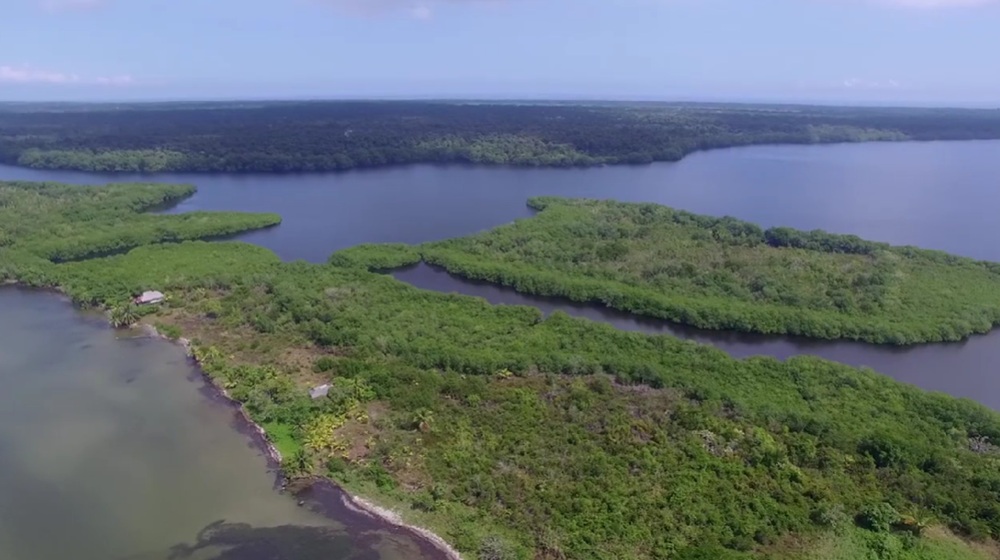
The Gulf of Honduras is of great ecological importance to Punta de Manabique. Its waters nourish the seagrass beds, as well as the nearby reefs and species refuges. What happens in the Gulf of Honduras has a direct impact on the health of the beaches and coastal communities.
Punta de Manabique, as we might imagine, is a place rich in wildlife and freshwater ecosystems. This combination makes the Gulf of Honduras a valuable habitat for fish, as well as birds, crustaceans, turtles and mammals, which utilise different environments throughout their life cycles.
- We invite you to read our article about San Felipe Castle.
Characteristics of the Gulf of Honduras
The Gulf of Honduras combines the open waters of the Caribbean with sheltered bays, such as Amatique. It stretches between the eastern coast of Guatemala and the south of Belize. It's also influenced by rivers such as the Dulce, the Sarstún and the Moho. Needless to say, the freshwater alters the colour and nutrient levels of the water.
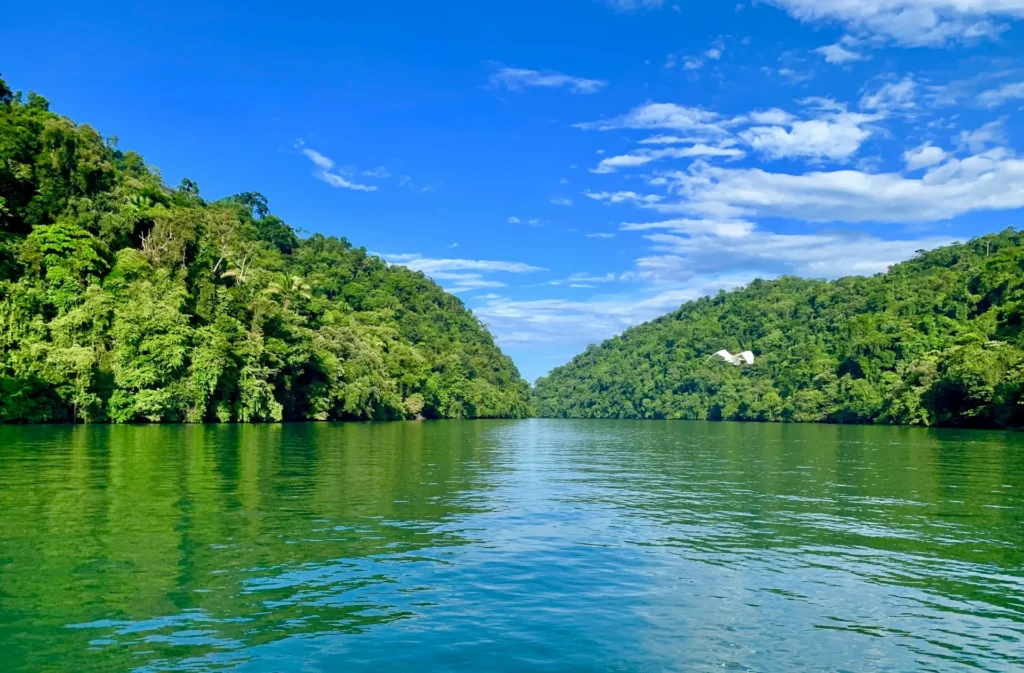
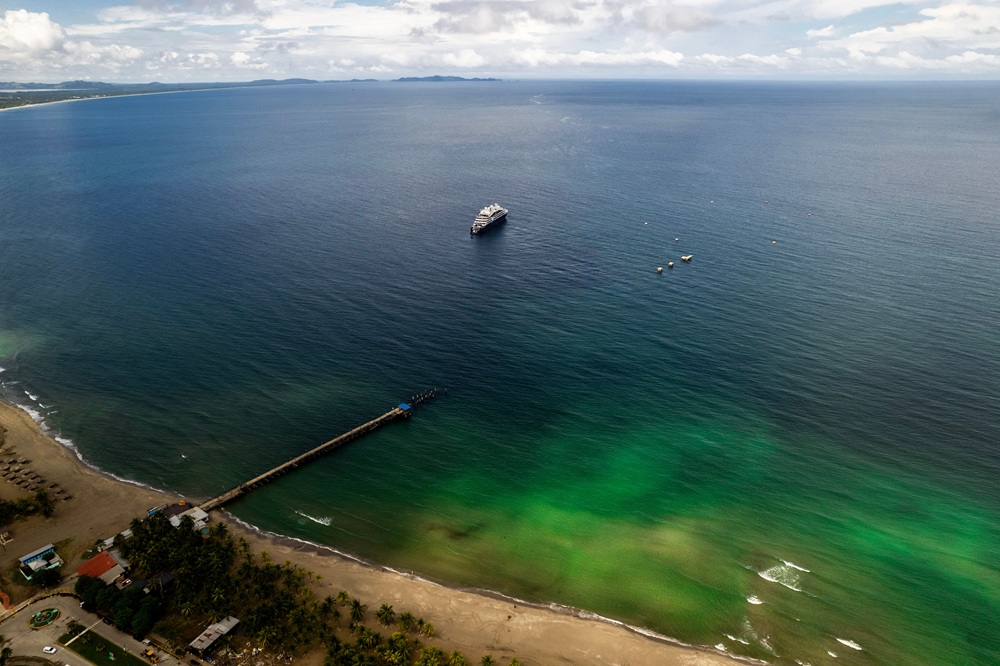
That is why, for travellers, the Gulf of Honduras does not always display its perfect turquoise blue. It can also appear green, brown or clear, depending on the rainy season and the sediment levels. This variation serves as a reminder that it's an active ecosystem, connected to mountains and rivers.
In this coastal area, the heat is noticeable all year round, and rain can fall even in the driest months. But we don’t see this as a negative; rather, we realise that we have to accept that the weather is part of the experience.
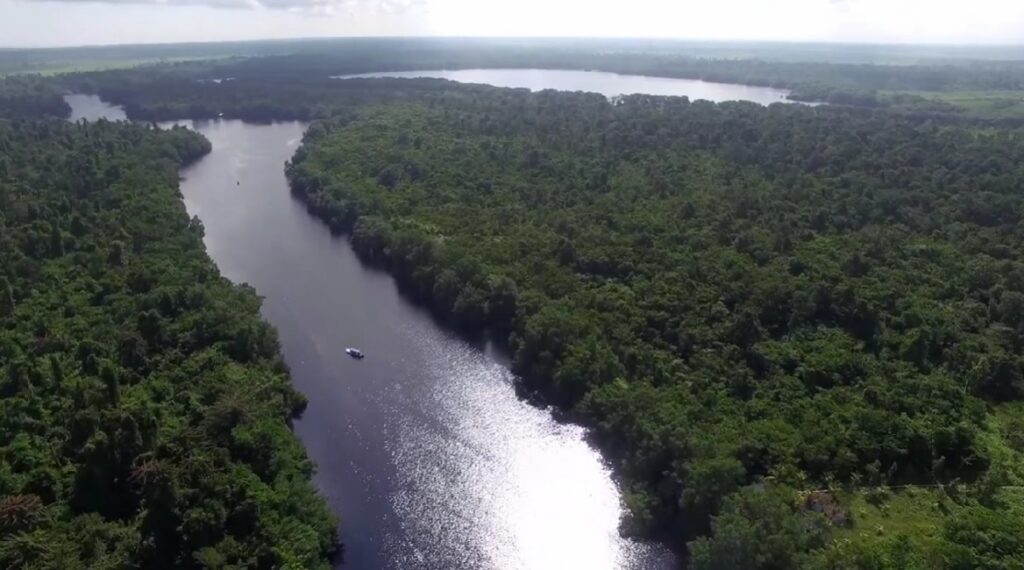
Ocean currents, climate and the hurricane season
The currents in the Gulf of Honduras are influenced by the winds, as well as by the tides and the movements of the Caribbean Sea. In Amatique Bay, fresh water and sediments can generate currents due to differences in density.
Furthermore, the Gulf lies within the Atlantic hurricane basin. The official season runs from 1 June to 30 November. This doesn’t mean there will be storms on every trip, but it does mean we should keep a close eye on the forecasts, just in case.
If your priority is sailing in calmer seas with good visibility, the dry months are usually more pleasant. Even so, in the Caribbean, showers can be very sudden and take us completely by surprise.
Mangroves, reefs and seabeds of the Gulf of Honduras
One of the great attractions of this area, alongside Punta de Manabique, is the coexistence of mangroves, seagrass beds and reefs. The mangroves protect the coastline, serve as a nursery for fish and reduce the impact of the waves.
Furthermore, the seagrass beds in the Gulf of Honduras provide food and shelter. But they also stabilise sediments and help to keep the waters healthier.
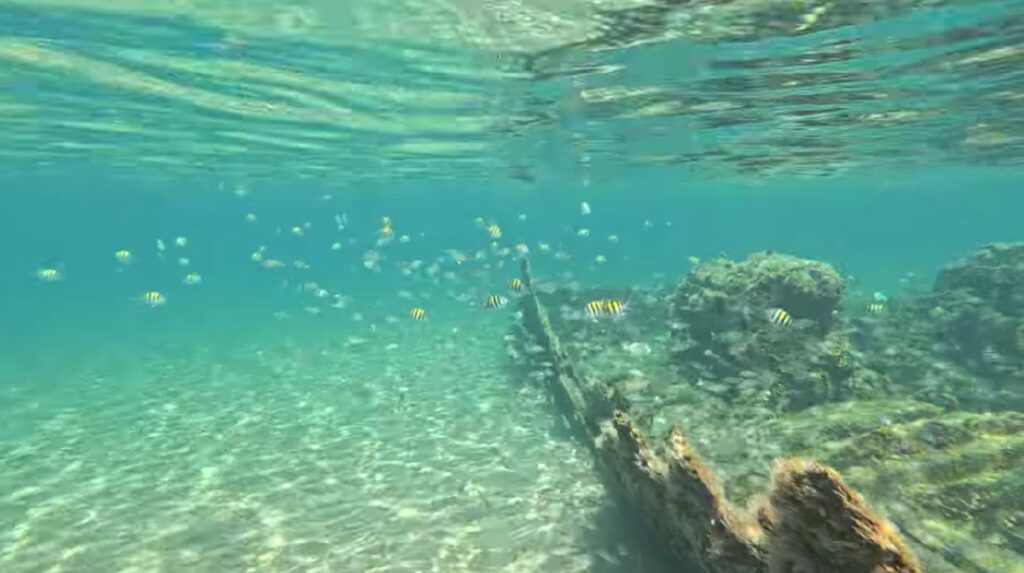
The reefs near Punta de Manabique are very fragile. They form part of the Mesoamerican Reef System, a marine region of enormous importance. So, if you’re thinking of going snorkelling, you must avoid touching the coral, feeding the marine life or taking shells.
Biodiversity in the Gulf of Honduras
The area’s biodiversity is best appreciated when you take your time. In the course of a single day, you can spot herons in the mangroves, fish in the clear waters, seabirds flying over the coast and, with a bit of luck, dolphins in the open waters. Although this will always depend on the conditions at the time.
At Punta de Manabique, the Gulf of Honduras is linked to lagoons, floodplain forests, nesting beaches and river mouths, where resident and migratory species coexist. For this reason, a well-guided tour usually focuses both on observing and on understanding how these environments are connected.
The most common marine and bird species in the area
Notable species associated with the Gulf of Honduras include:
- coastal fish
- crustaceans
- molluscs
- sea turtles
- manatees
- dolphins
Birds are one of the main attractions. At Punta de Manabique, you can spot herons, pelicans, parrots and other species associated with wetlands. To enjoy the Gulf of Honduras from this vantage point, bring your binoculars, keep quiet and ask about the times when bird activity is at its peak. Although we can tell you right now that dawn is one of the best times to visit.
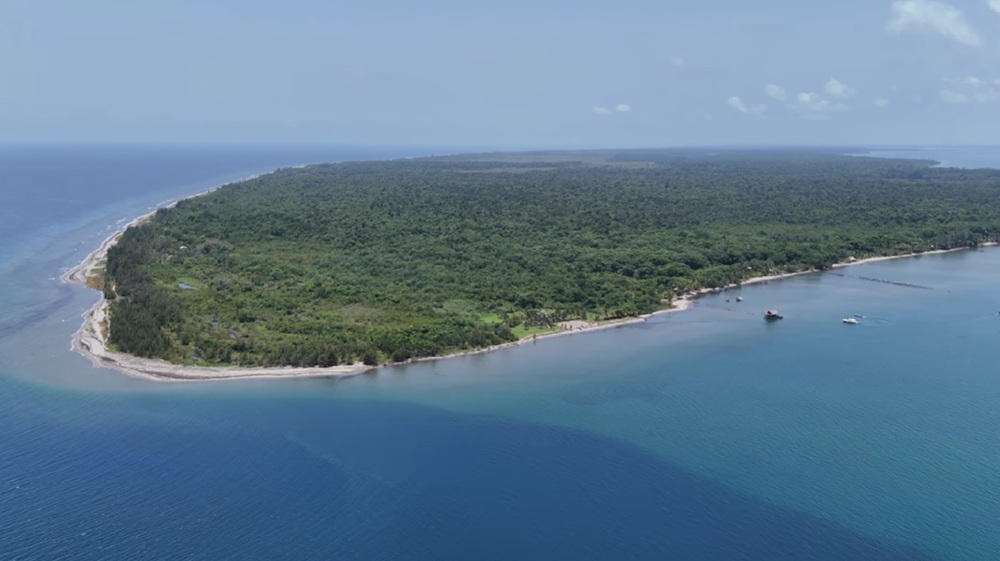
There is also terrestrial wildlife associated with the reserve, such as reptiles, medium-sized mammals and species that are difficult to spot, including jaguars and tapirs.
Protected areas and conservation projects in the Gulf of Honduras
The Punta de Manabique Wildlife Refuge is Guatemala’s leading conservation site in this part of the Gulf of Honduras. This is because it protects marine and coastal habitats. It is, of course, also a wetland of international importance.
At the same time, the Gulf of Honduras faces a range of environmental pressures, arising both from human activity and from the effects of climate change. This is why there are regional projects linked to the Mesoamerican Barrier Reef, such as ecosystem restoration and the strengthening of coastal communities.
For travellers, supporting conservation in the Gulf of Honduras starts with simple choices such as hiring responsible local guides, not leaving rubbish behind, respecting closed seasons and avoiding tours that promise direct contact with wildlife.
The Gulf of Honduras and nature tourism on the Guatemalan coast
That is why protecting the Gulf of Honduras is key to conserving one of the most valuable marine ecosystems in the Guatemalan Caribbean. Here, the experience is peaceful and weather-dependent.
The truth is that the Guatemalan coast is perfect for sailing and wildlife spotting. But it’s also a great place to stroll along the beaches and discover why the Caribbean can also be home to mangroves and wetlands. The Gulf of Honduras is ideal for those who enjoy natural landscapes, as well as boat trips and authentic experiences.
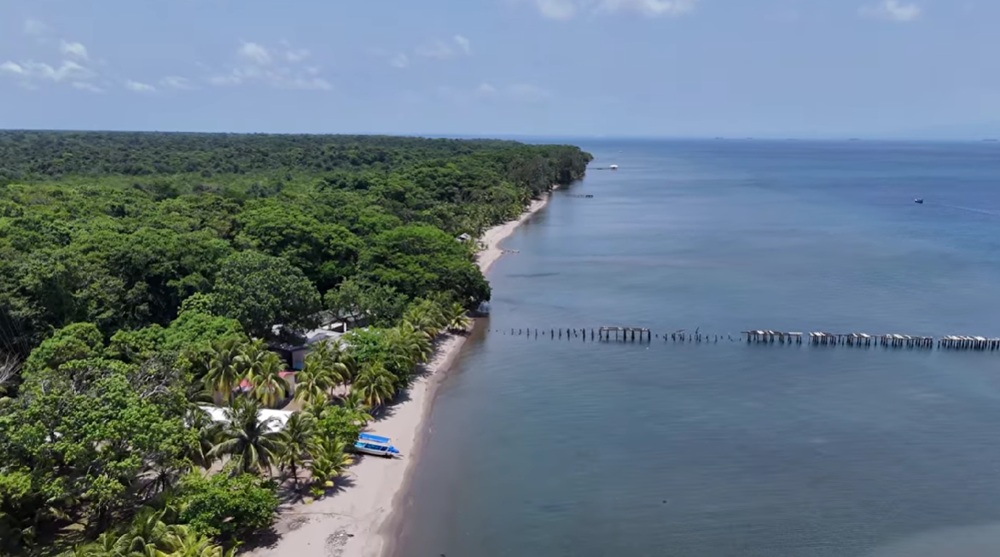
Sailing through Amatique Bay and heading towards Punta de Manabique
Amatique Bay is one of the best ways to reach the Gulf of Honduras. From Puerto Barrios or Livingston, small boats take you close to the mangroves and beaches of Punta de Manabique. The journey is part of the experience, as it shows how the landscape changes from the port to the nature reserve.
Before setting off, always check the route and sea conditions. It’s true that some trips focus on beaches, whilst others combine mangroves with the well-known Canal Inglés, the inner bays or snorkelling spots.
- This page about Guatemala's natural wonders may interest you.
Wildlife spotting, snorkelling and other low-impact activities in the Gulf of Honduras
The best activities in the Gulf of Honduras are low-impact. After all, there’s nothing better than birdwatching or snorkelling in designated areas. Not to mention taking some great photos and going for the odd walk.
When going snorkelling, always ask about visibility and currents. After heavy rain, the water can be murky due to sediment. If conditions aren’t good, switch to the mangroves or the beach instead. It’s a perfect way to get to know the ecosystem!
The Gulf of Honduras on your route to Punta de Manabique
Including the Gulf of Honduras in an itinerary that takes in Punta de Manabique is a good option if you’re already heading to Izabal and want to broaden your horizons beyond Río Dulce or Livingston. It’s a trip for those who enjoy the journey itself and, moreover, want to experience the coastal communities and landscapes where fresh water and the sea meet.
You don’t need to spend many days in the Gulf of Honduras. But it’s definitely best to set aside a full day. That way, you’ll have time to go sailing, stop off at a beach and be back before nightfall.
How to fit in a visit to the Gulf of Honduras from Puerto Barrios and Livingston
Puerto Barrios is the most convenient base from which to visit the Gulf of Honduras and Punta de Manabique. This trip can take around an hour or more, depending on the exact destination and sea conditions.
On the other hand, Livingston offers a more Caribbean and cultural experience. Excursions to the Gulf of Honduras are also organised from there, often combining mangroves, beaches and stops at Amatique Bay. It’s a good option if you want to combine Garifuna culture with sailing and nature.
Combined excursions: Beaches, mangroves and protected areas
A good day trip around the Gulf of Honduras can combine three different experiences. The first is sailing around the bay. The second is venturing into the mangroves and, of course, the third is relaxing on the beach. This combination helps you to get to know Punta de Manabique by making the most of each of its different areas.
You can also combine a visit to the Gulf of Honduras with a trip to Livingston, Río Dulce, Siete Altares or the beaches near Puerto Barrios. But it’s true that you shouldn’t be in a hurry, because sometimes it’s the water rather than people that sets the timetable.
Practical tips for visiting the Gulf of Honduras
To make your visit as comfortable as possible, bring everything you need to stay comfortable throughout the day. This includes light clothing and footwear that will allow you to explore the different areas. Make sure you take enough water and some cash, as not all facilities accept cards. On long trips, a power bank is very useful. Don’t forget to protect yourself from the sun with sun cream and to take insect repellent.
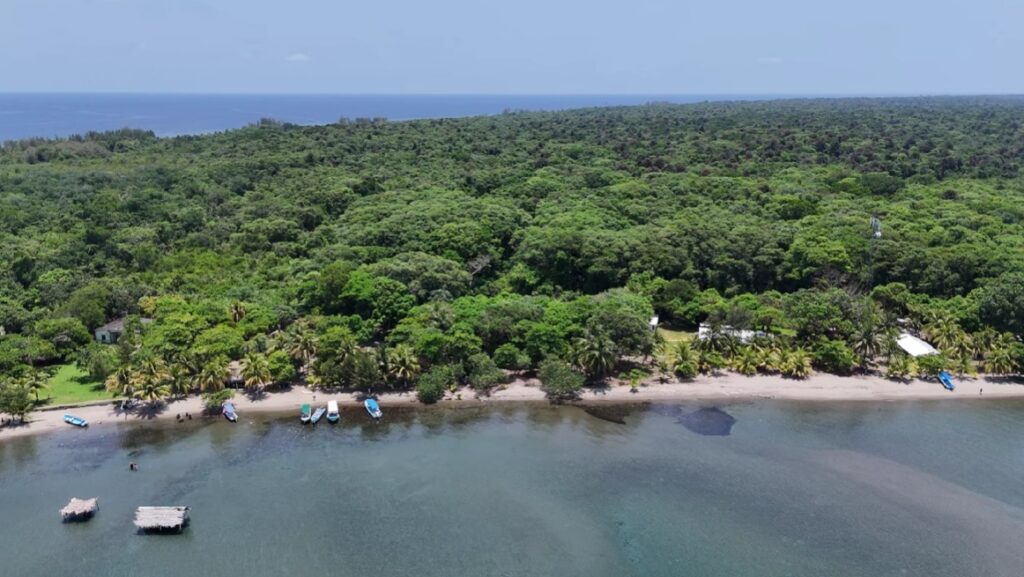
Don’t travel to the Gulf of Honduras expecting a well-developed infrastructure. Part of the charm of Punta de Manabique lies in its remote location, but this does require some preparation. Always make sure you know where to stop for food, as well as the best spots for swimming and other stops along the way. If you’re travelling with children or elderly people, check the duration and comfort level of each leg of the journey.
The best time of year to enjoy the Gulf of Honduras
The best time to visit the Gulf of Honduras is usually during the driest months, from December to April. You’re more likely to have clear skies and calm seas. However, it can rain at any time. In this case, checking the forecast is one of the most important things to do.
From June to November, the Gulf of Honduras enters the Atlantic hurricane season, with heavier rainfall. It's possible to travel, but you’ll need to be flexible. It’s therefore a good idea to have several days to spare, in case it’s not safe to set out on any given day.
Safety recommendations and respect for the marine environment
Before heading out onto the Gulf of Honduras, check that the boat is equipped with life jackets, basic communication equipment and a skipper with local experience. Keep your documents safe, inform your accommodation of your route and make sure you return before dark if you are unfamiliar with the area.
You must strictly adhere to environmental guidelines in the Gulf of Honduras. Use biodegradable sun cream if you’re going in the water and keep your distance from nests or sensitive areas.
This is an area that acts as a living border between countries, species and journeys. If you visit when you have time, the Gulf of Honduras reveals a deeper, more natural side to the Caribbean.