Set amongst volcanoes, cattle ranches and landscapes that hint at the proximity of the border with El Salvador, Jalpatagua is one of the most interesting municipalities in south-eastern Guatemala. Although it's often overlooked by the more well-known tourist routes, this corner of the department of Jutiapa retains its own distinct identity, shaped by agriculture, local traditions and a strategic location between the highlands and the warm Pacific lowlands.
Local markets, traditional festivals and rural landscapes. Jalpatagua lets you discover a lesser-known side of Guatemala.
Where is Jalpatagua?
How to get there from Guatemala City
Jalpatagua is situated at the southern tip of the department of Jutiapa, some 125 kilometres from Guatemala City. The most common route is to take the Inter-American Highway CA-1 towards Cuilapa and Santa Rosa. From there, continue along the CA-8 towards Jutiapa until you reach the turn-off leading to the town.
The journey usually takes between two and a half and three hours, depending on traffic and road conditions. The route passes through agricultural areas, small villages and the mountainous landscapes characteristic of south-eastern Guatemala. There are also intercity transport services connecting Jalpatagua with the capital and other major towns in Jutiapa.

Connections to nearby towns and destinations
Jalpatagua’s strategic location makes it possible to combine a visit there with trips to other towns of interest in the department. These include Asunción Mita, El Progreso, Moyuta and Jerez, the latter being situated very close to the Salvadoran border.
The region also offers relatively easy access to natural areas such as the Suchitán Volcano, the Atescatempa Lagoon and several mountainous areas that form part of the characteristic landscape of south-eastern Guatemala. For those wishing to explore the border, Jalpatagua is also a common crossing point to various communities near El Salvador.
- We invite you to read our article about El Paredón.
History of Jalpatagua
The history of Jalpatagua is closely linked to the development of agriculture and livestock farming in south-eastern Guatemala. Its strategic location between the highlands of Jutiapa and the routes leading to the Pacific coast encouraged the growth of small communities dedicated to growing maize, beans and sugar cane, and to rearing livestock.
Over the centuries, the municipality established itself as an important trading centre for the nearby villages. Today, it retains an identity deeply rooted in rural life and its traditions.
Historical evolution and cultural development
The area where Jalpatagua stands today was inhabited by indigenous peoples long before the arrival of the Spanish. Following the conquest, the region was incorporated into the colonial system and began to develop around agriculture and livestock farming.
During the 18th and 19th centuries, the municipality established itself as a trading centre for the rural communities in the area. Its growth was closely linked to the development of estates dedicated to the cultivation of maize, beans and sugar cane, and to livestock farming.
The social and economic importance of the town
Jalpatagua’s economy remains closely linked to agriculture and livestock farming. Maize, beans and coffee form a significant part of local economic activity, alongside livestock farming, which is a defining feature of much of south-eastern Guatemala.
The municipality also plays an important role as a service centre for numerous nearby villages and communities. Its markets, shops and administrative services attract people from across the region on a daily basis.
- This page about cities of Guatemala may interest you.
Culture and traditions of Jalpatagua
Local festivals and celebrations
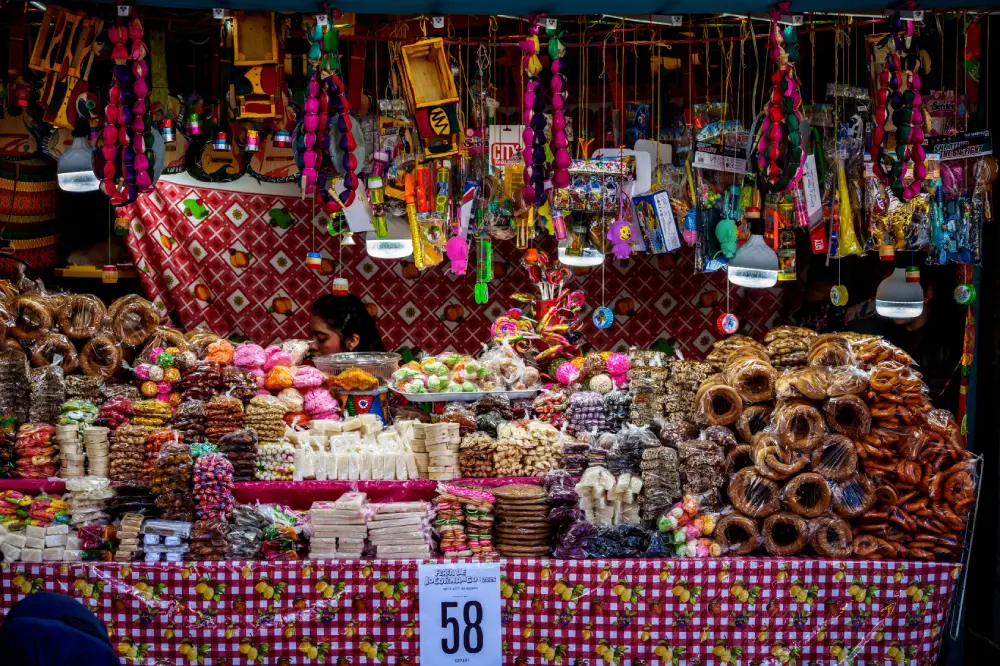
There is one festival that stands out above all others: the patron saint’s festival of Jalpatagua, held on 21 December in honour of Saint Thomas the Apostle, the patron saint of Jalpatagua. And to mark the occasion, the number of activities taking place in the streets is far greater than you might imagine. Horse parades, concerts, folk dances, rodeos, fireworks and fairground rides. All of this is accompanied, of course, by stalls selling the region’s most iconic dishes.
During this festival, a range of sporting activities also take place, such as basketball and football matches, as well as various competitions to crown Miss Jalpatagua or to award a prize to the best writer in its renowned literary competition. The streets are filled with colour, music and stalls selling traditional food, all of which demonstrate the deep cultural roots that these celebrations still have in Jalpatagua society.
In addition to the patron saint’s day celebrations, Holy Week continues to play a significant role in community life, with religious services and activities organised by the various local parishes.
Traditional cuisine of the municipality
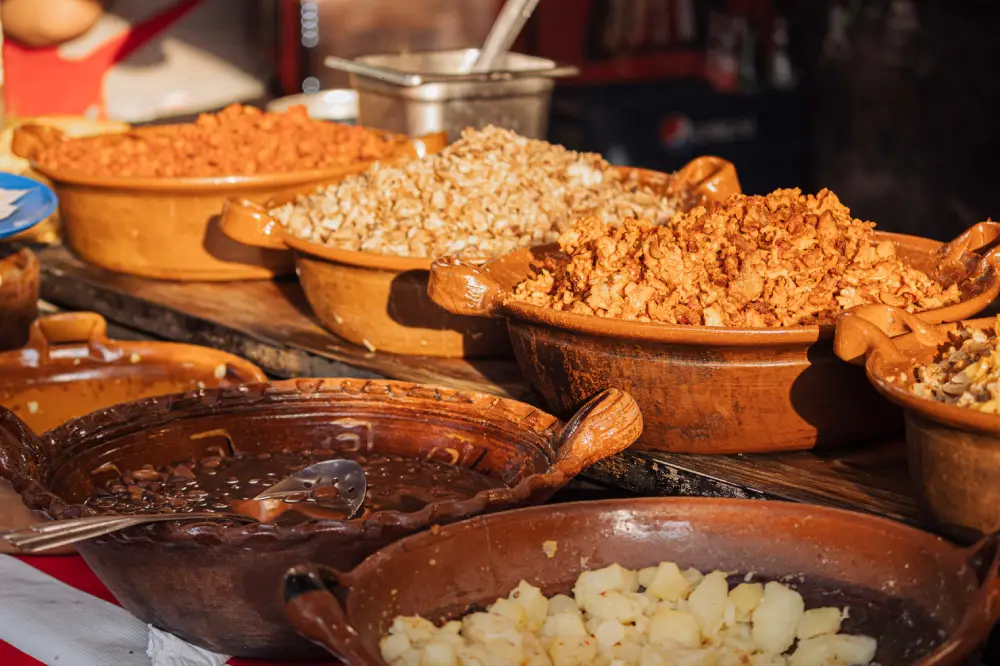
Jalpatagua’s cuisine reflects the culinary traditions of south-eastern Guatemala. Among the most common dishes are maize tamales, chuchitos, handmade tortillas and various beef and pork dishes. Traditional soups, beans prepared in different ways and drinks such as maize atol or corn atol are also common.
Crafts and cultural expressions
Although Jalpatagua is not one of Guatemala’s major centres for handicrafts, it still preserves cultural expressions linked to manual labour and rural traditions. In various communities, one can find leather goods, traditional weavings and objects related to the farming and livestock activities that have historically shaped local life.
Folk music, religious celebrations and community gatherings remain fundamental elements of the municipality’s cultural identity.
- This page about Monterrico Beach may interest you.
What to see in Jalpatagua
Central Park and everyday life in the town
Jalpatagua’s central park serves as a hub where locals, shopkeepers and visitors come together. We recommend taking a moment to sit in the area and simply watch the town’s daily goings-on to get a better sense of the pace of life in south-eastern Guatemala. If you’re lucky enough to visit Jalpatagua during the festivities, the park will become one of the liveliest spots in town.
Church of St Thomas the Apostle
The parish church dedicated to Saint Thomas the Apostle is one of Jalpatagua’s most notable architectural landmarks. According to Catholic tradition, Saint Thomas stood out amongst the other apostles for initially not believing in the resurrection of Jesus Christ. However, he is now regarded as the foremost symbol of the Christian faith and is venerated as the patron saint of judges, architects and theologians.
During the patron saint’s festivities, the church becomes the main venue for processions, liturgical services and community gatherings.
Municipal market
The local market is one of the best places to experience the town’s culture. Farmers and traders from various villages come here to sell fruit, vegetables, staple grains, livestock products and everyday goods. A visit offers the chance to discover regional produce and observe the bustling commercial activity that continues to drive the economic life of Jalpatagua.
Rural landscapes and natural viewpoints
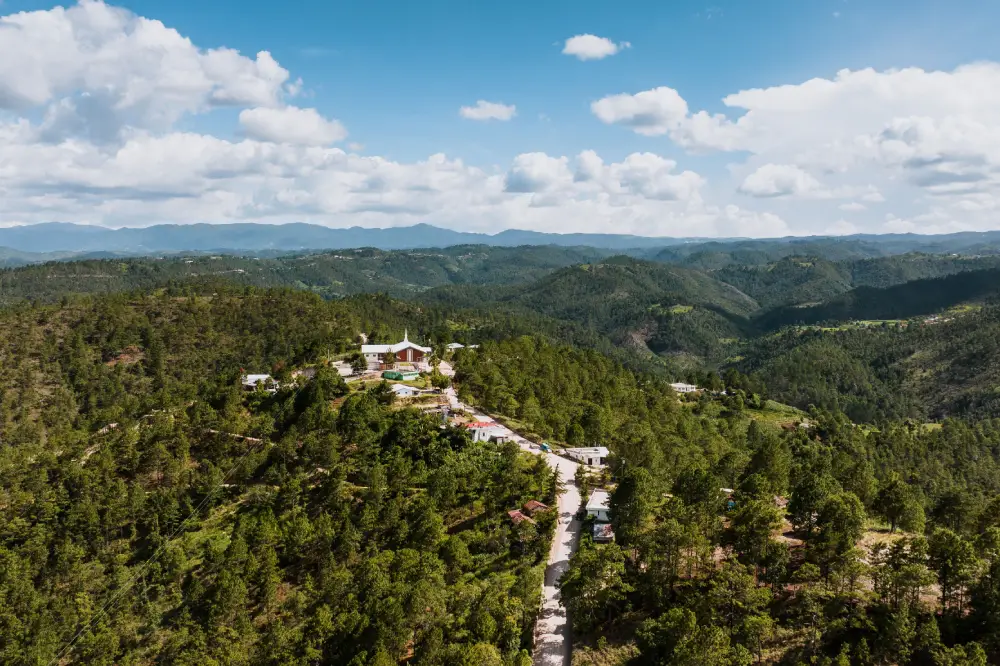
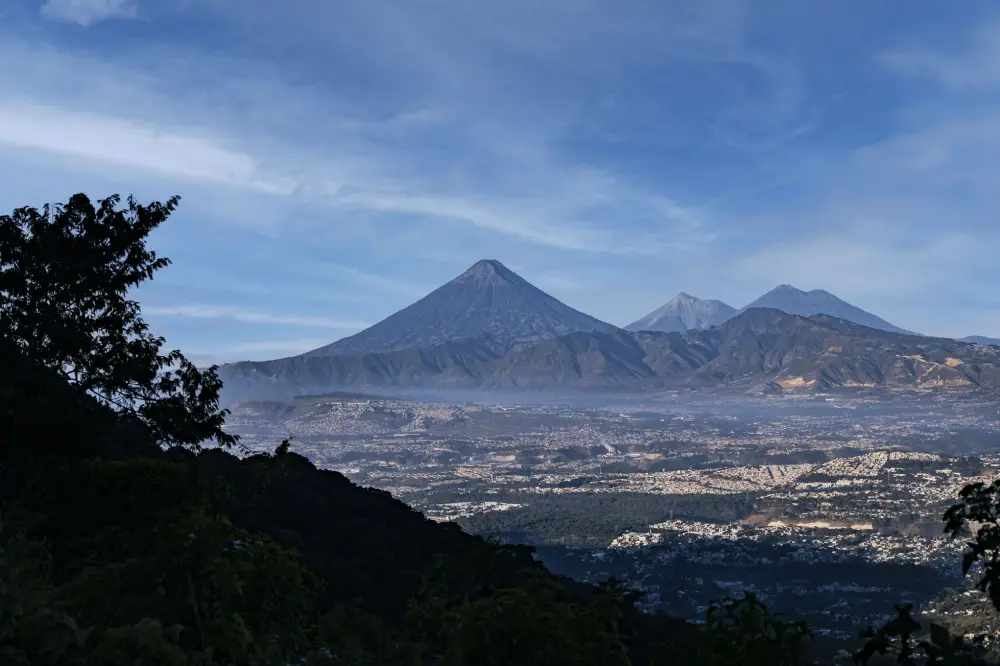
The area surrounding the municipality offers vast agricultural landscapes dotted with hills, livestock farms and small woodlands. From certain high vantage points, it's possible to enjoy panoramic views over much of south-eastern Guatemala, particularly during the dry season, when the skies are usually clearer.
- We invite you to read our article about Lake Amatitlán.
Things to do in Jalpatagua
Discover the municipality’s rural routes
One of the best ways to get to know Jalpatagua is to head out of the town centre and explore the country lanes to get a close-up view of the characteristic landscape of south-eastern Guatemala. Gently rolling hills, cattle farmers, maize fields, dry tropical forests… all of these will welcome you as you make your way through the countryside.
When discussing exploring the landscape, we must not forget to mention the Jalpatagua Fault, a major tectonic structure that runs through southern Guatemala from the border with El Salvador. Whilst this geological feature cannot be visited as such, exploring the area around the municipality allows you to appreciate part of the landscape it has created.
Photography of landscapes and traditions
Jalpatagua offers excellent opportunities for documentary and nature photography. The local markets, patron saint festivals, agricultural work and religious traditions provide authentic scenes of south-eastern Guatemala.
The landscapes are also a major attraction for photographers. During the dry season, the hills take on golden hues that contrast with the forests and cultivated areas. Green predominates during the rainy season, transforming Jalpatagua into a vibrant mosaic of greens.
Explore the natural environment of the south-east
Many travellers use Jalpatagua as a starting point for exploring the region bordering El Salvador or for visiting natural sites such as the Atescatempa Lagoon and the Suchitán Volcano. This is an excellent opportunity to discover an area that remains relatively off the beaten track. It's particularly recommended for nature lovers keen to ‘get away from it all’.
Tips for visiting Jalpatagua
Every trip is better when you plan it a little in advance. Here we explain the key points for visiting Jalpatagua in comfort and with proper preparation:
- Wear light, breathable clothing, especially if you’re travelling during the dry season, as temperatures are usually high.
- Wear sun cream, sunglasses and a hat when out walking.
- Make sure you take enough water with you, especially if you’re planning to travel through rural areas or go hiking.
- Wear comfortable shoes with good soles.
- Check road conditions before travelling, especially during the rainy season.
- Get up early if you want to enjoy better conditions for photography and more pleasant temperatures.
- Please respect private property and farmland when travelling through rural areas.
Nearby parks and nature reserves
One of the most notable nearby attractions is the Atescatempa Lagoon, situated some 20 kilometres from the town. This volcanic lake is surrounded by hills and serves as an important refuge for waterbirds and species native to the lake ecosystems of south-eastern Guatemala.
Another highlight is the Suchitán Volcano, one of Jutiapa’s most iconic peaks. Its slopes are home to forests and footpaths that offer spectacular panoramic views over the region’s valleys.
Hiking trails and viewpoints
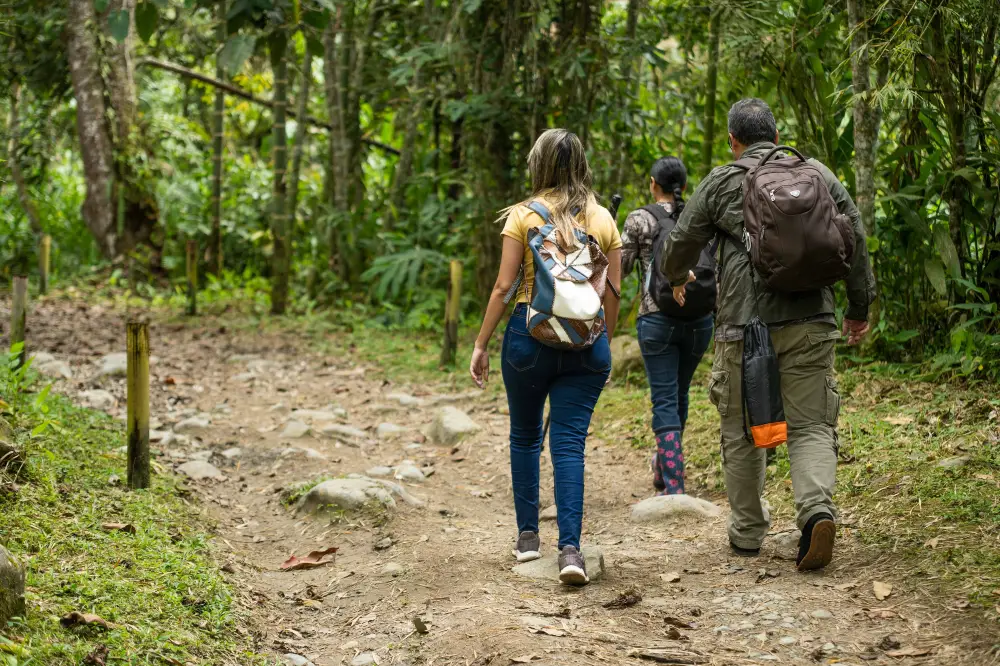
If you enjoy walking, the area around Jalpatagua has plenty of surprises in store for you. There are country lanes that wind through farmland and over small hills, offering excellent views of the countryside. For those looking for more challenging hikes, the climb up Suchitán Volcano is one of the most interesting routes in the department. From its highest points, you can see much of Jutiapa, Atescatempa Lagoon and the mountains that form the natural border with El Salvador.
How to include it in an itinerary around Jutiapa and Guatemala
Jalpatagua fits perfectly into an itinerary through south-eastern Guatemala. A comprehensive itinerary could start in Guatemala City and continue on to Santa Rosa, stopping off at Laguna de Ayarza before reaching Jutiapa.
From Jalpatagua, you can visit the Atescatempa Lagoon, explore the Suchitán Volcano and visit nearby towns such as Asunción Mita, Moyuta or Jerez. Travellers interested in geography and volcanic landscapes can also combine this route with a visit to Ipala Volcano and its spectacular crater lake.
- We invite you to read our article about San Pedro Soloma.
Frequently Asked Questions about Jalpatagua
In which department is Jalpatagua?
Jalpatagua is part of the department of Jutiapa, in south-eastern Guatemala. It's situated near the border with El Salvador and forms part of a region characterised by its agricultural activity, rural landscapes and local traditions.
Who is it recommended for?
Jalpatagua is particularly recommended for travellers who wish to discover a more authentic, less touristy side of Guatemala. It's an interesting destination for those who enjoy local culture, travel photography, rural landscapes and routes off the beaten track.
However, if you’re looking for more touristy spots, large establishments and a lively atmosphere, you might find it a bit too small.
When is the best time to visit Jalpatagua?
The best time to visit is usually during the dry season, between November and April.
During these months, the paths are in better condition and outdoor activities are more enjoyable. What’s more, the panoramic views are usually clearer, allowing you to enjoy the scenery surrounding the town to the full.