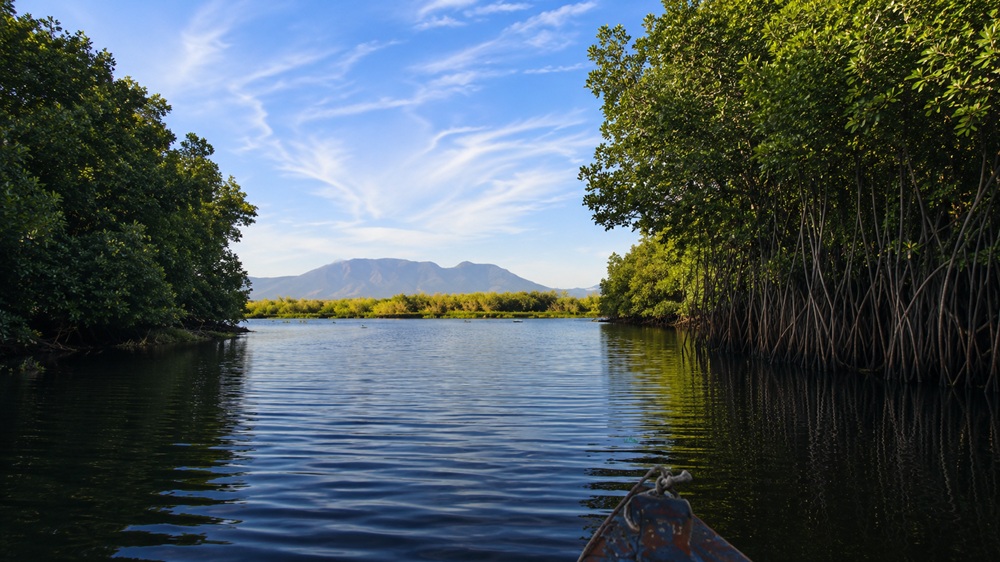
The Monterrico mangroves are one of those places that change the way you look at Guatemala’s Pacific coast. Because everything unfolds amongst tranquil waterways, tangled roots and birds that appear at dawn. This place reveals a quieter, wilder side to a destination best known for its volcanic beach.
Are you planning a trip to Monterrico? If so, make sure you set aside at least a few hours to explore them by boat. It’s the perfect way to understand why this wetland is so much more than just a pretty landscape.
What are the Monterrico Mangroves?
The Monterrico mangroves form part of the Monterrico Multi-purpose Nature Reserve. It's a protected area situated on the Pacific coast, between Taxisco and Chiquimulilla, in the department of Santa Rosa. This landscape combines beaches with lagoons, tulars and channels connected to the Chiquimulilla Canal.
When you explore the mangroves of Monterrico, you’re not just entering any old forest. As mangroves thrive in both fresh and salt water, they change with the tides and provide a refuge for many species. Their roots protect the coastline and create little worlds where birds, fish and reptiles feed.

The reserve covers 2,800 hectares and comprises two major habitats: the estuarine ecosystem and the coastal-marine ecosystem. Approximately 65 per cent of the area consists of bodies of water and natural lagoons. This is why the Monterrico mangroves are the aquatic heart of the area.
Unlike other excursions, mangroves are best enjoyed to the full without keeping an eye on the clock. The appeal here lies in letting the boat drift slowly along the channel, listening to the sounds of the wetland and watching how the landscape changes with the light.
Why are the Monterrico mangroves an unmissable stop on your trip to Monterrico?
The Monterrico mangroves are a must-see because they round off the Monterrico experience beyond the beach. The black sand and the Pacific Ocean tend to steal the limelight, but the wetland offers a much better insight into biodiversity and the communities’ relationship with water.
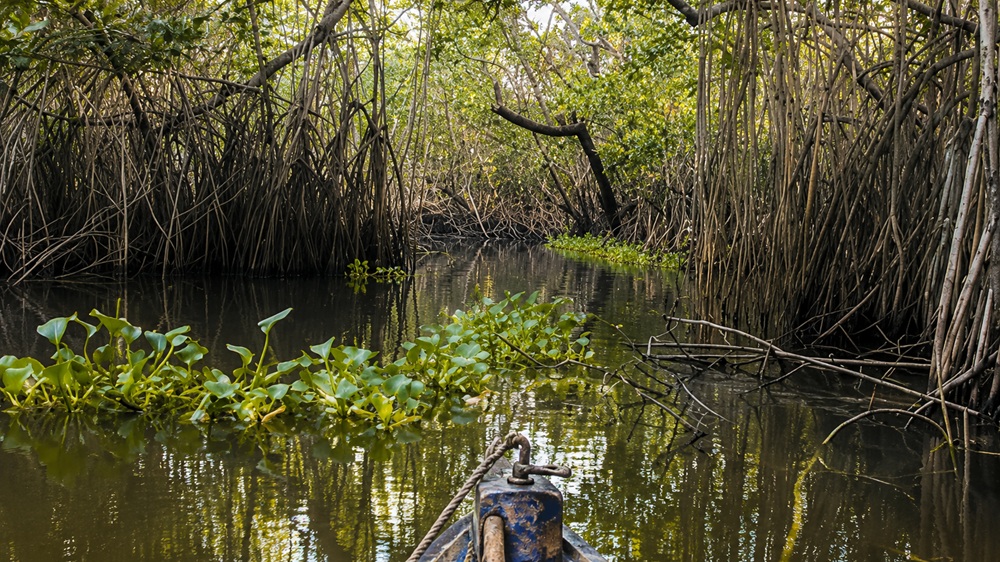
What’s more, you’ll see a landscape that’s very different from that of the open coast, as the mangrove forest is a cosy, intimate place. You can experience first-hand how the boat makes its way between the green banks, and every bend in the channel may reveal a heron, an iguana or a flock of birds.
Furthermore, mangroves help to protect the coastline from erosion, but they also serve as a breeding ground for various species and support local activities such as small-scale fishing, guided tours and community-based tourism.
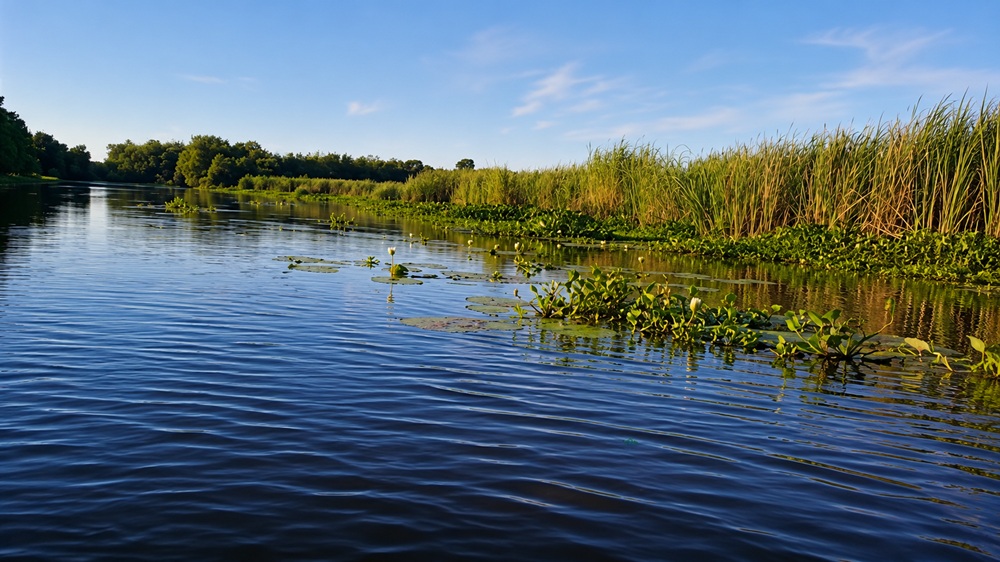
Another reason to visit the Monterrico mangroves is how easy they are to get to. You don’t need to tackle a challenging route or have any previous experience of the outdoors. All you need to do is hire a boat or a local guide, choose the right time of day, and let yourself be carried along on a tour that is usually peaceful and suitable for almost all travellers.
- This page about the natural wonders of Guatemala may interest you.
How to visit the Monterrico mangroves
The most common way to visit the Monterrico mangroves is by boat or cayuco, accompanied by a local guide. Tours depart from points near the village or from the jetties in the area. There are also accommodation providers that organise the experience directly with local boatmen.
Before booking, ask how long the trip lasts, what’s included and which part of the canal you’ll be travelling through. It’s true that some tours of the Monterrico mangroves focus more on the scenery, whilst others concentrate more on birdwatching or traditional fishing.
There are also organised tours from Antigua or Guatemala City that combine a visit to the Monterrico mangroves with the black-sand beach and, depending on the season, a visit to the turtle sanctuary or a turtle release.
Sunrise and sunset boat tours
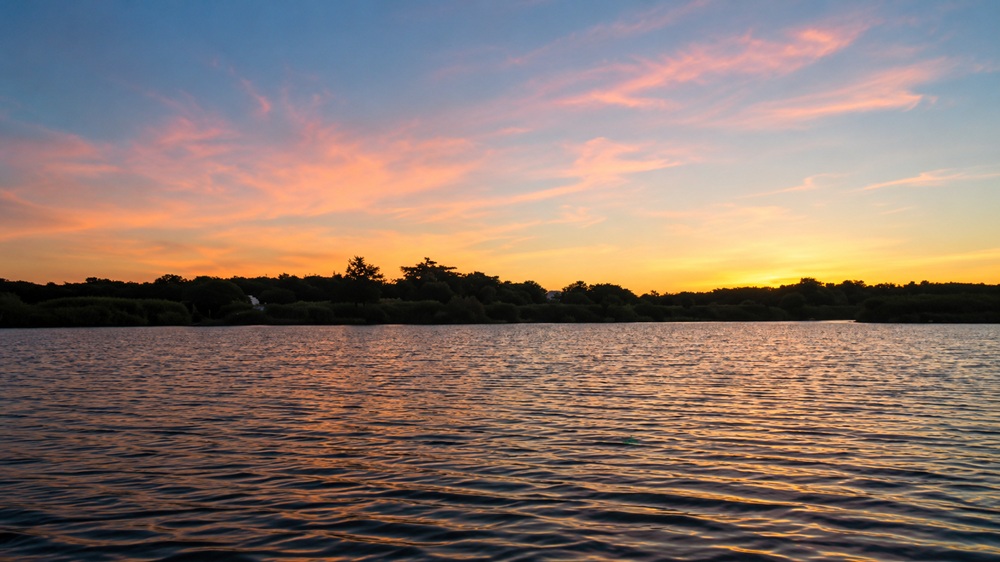
Sunrise tours are the best way to visit the Monterrico mangroves. This is because it’s usually cooler first thing in the morning, the water is calmer and many birds are active. What’s more, the soft light of early morning casts beautiful reflections across the canal.
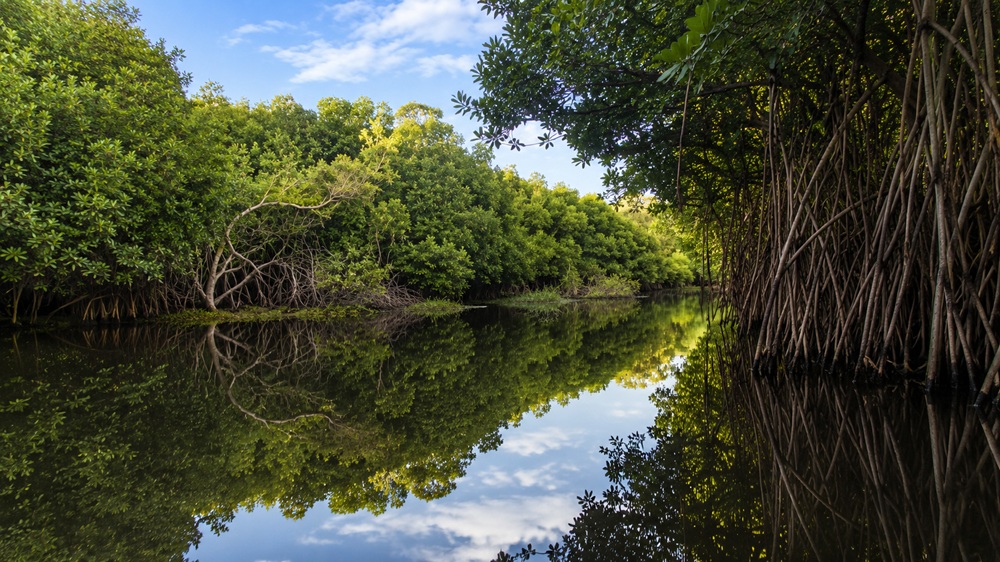
Sunset is also very charming. At this time of day, the mangroves at Monterrico take on a golden hue, and the walk is perfect after spending a few hours on the beach. Just make sure you take some insect repellent, as the mosquitoes tend to be more of a nuisance as evening falls.
If you want to take photos of the Monterrico mangroves, avoid the middle of the day. We don’t recommend it because the harsh light flattens the landscape and the heat can make the walk rather uncomfortable. Dawn and dusk are better times for observing, enjoying the scenery and taking natural-looking photos.
Guided tours of the mangrove canals
A good guide is a great option for your trip because they help you identify birds, distinguish between different types of vegetation, understand how the tides work and spot details that would go unnoticed from the boat.
During the tour, you’ll usually sail through calm canals, mangrove areas and open stretches where the landscape opens up. However, in some sections, tree roots are more visible. In others, the water opens out into lagoons or waterways where you can see birds resting or foraging.
Always ask whether the tour of the Monterrico mangroves is by motorboat or a quieter vessel. A cayuco or small motorboat offers a more peaceful experience. However, if a motor is used, the guide should ideally keep the speed low to ensure the area is respected at all times.
- This page about Monterrico beach may interest you.
Nature and wildlife in the Monterrico mangroves
The Monterrico mangroves are one of the best places in the area for wildlife watching without having to walk long distances. The reserve is home to more than 110 species of resident and migratory birds, and the network of channels provides a habitat for reptiles, fish, crustaceans and small wetland animals.
Nature in the mangroves works at its own pace, and that’s something you need to learn. Whilst it’s true that sometimes you’ll see lots of birds in just a few minutes, at other times the most beautiful thing will be the silence and the sound of the canal.
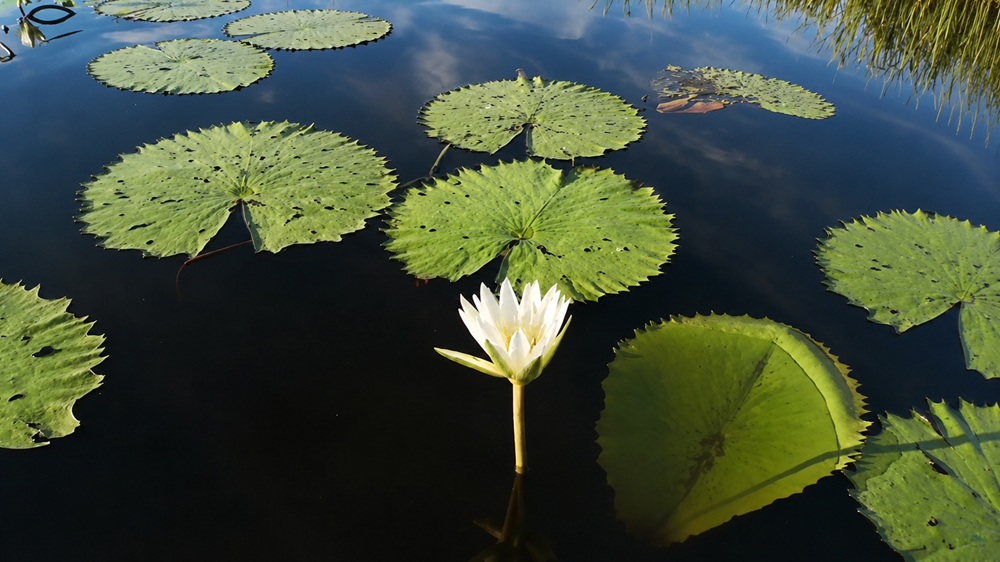
Among the species most closely associated with the reserve are iguanas, caimans, tortoises and sea turtles in the coastal area. Some of these are involved in conservation and environmental education projects in the area. This is why the Monterrico mangroves are also valuable as an educational space.
Birdwatching, and observing reptiles and other animals in the wetland
Birdwatching is one of the main reasons to visit the Monterrico mangroves. Herons, waterbirds and migratory species can all be spotted along the banks or in the open areas of the channel. The best advice here is to always carry a pair of binoculars with you.
Reptiles are also part of the landscape. You may spot iguanas basking in the sun or, with a bit of luck, the odd caiman in quiet areas. In such cases, keep your distance and avoid asking the guide to get too close.
Remember that wildlife varies depending on the time of day, the tide and the season. So don’t go in with a fixed list of animals you ‘must see’. Instead, in the Monterrico mangroves, the best thing is to leave room for surprises.
Mangroves, lagoons and ecosystems surrounding Monterrico
The Monterrico mangroves are connected to natural lagoons and bodies of water in the Chiquimulilla Canal. This combination creates an estuarine system where salinity fluctuates with the tides and where many species find food or breeding grounds.
Erosion, pollution, the loss of mangroves and changes in water flow affect the wetland and the communities living nearby. That is why the mangroves of Monterrico are so vital to local life.
When you explore the mangroves of Monterrico with a guide, you gain a better understanding of that connection. Water is a means of transport, but it also means fishing, biodiversity and a livelihood. If you keep that perspective in mind at all times, it will make the trip a much more fulfilling experience.
Monterrico Mangroves – add them to your itinerary
The Monterrico mangroves are the perfect choice for a one- or two-day getaway. If you’re just heading there from Antigua or Guatemala City on a day trip, try to set off very early. The distance and the heat can make for an exhausting day if you don’t plan properly.
Ideally, you should spend at least one night in Monterrico. That way, you can explore the Monterrico mangroves at dawn, have a rest afterwards, spend some time on the beach, and save the afternoon for a visit to the turtle sanctuary or to watch the sunset by the sea.
If you’re on a wider tour of Guatemala, Monterrico can serve as a coastal break after Antigua, Lake Atitlán or the volcano region. The mangroves of Monterrico offer a peaceful natural setting and a very different travel experience to that of the highlands.
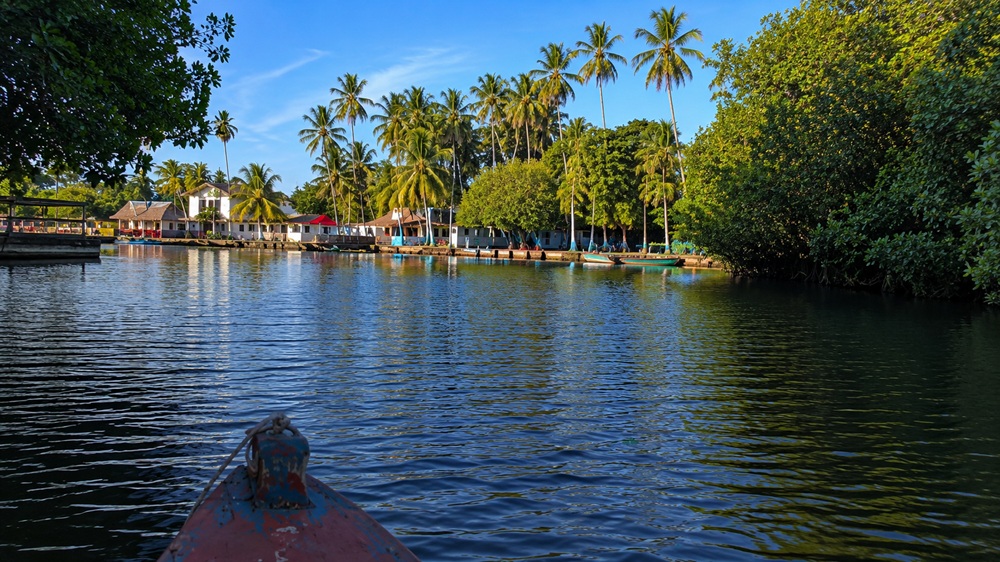
Combine a visit to the mangroves, the beach and the turtle sanctuary all in one day
Yes, you can visit the Monterrico mangroves, the beach and the turtle sanctuary all in one day. The key is to plan your schedule carefully, but without any stress.
- Start with the mangrove tour at dawn, when the weather is at its most pleasant and the wildlife is usually at its most active.
- Afterwards, you can have breakfast, relax and spend a few hours on the beach. Be careful of the waves, as the Pacific off Monterrico can be rough. The beach is lovely for a walk and taking in the scenery, but it isn’t always suitable for swimming.
- In the afternoon, visit the turtle sanctuary and ask if there’s a turtle release taking place. In this way, the mangrove area shows you the aquatic side of the destination, the beach connects you with the Pacific, and the turtle sanctuary adds a very special conservation element.
How many hours should you spend exploring the Monterrico mangroves?
For a first visit, allow between one and two hours to explore the Monterrico mangroves. Some local tours last around an hour, whilst more comprehensive tours can take up to an hour and a half or two hours, particularly if they include birdwatching or stops along the way.
If you enjoy photography and travelling at a leisurely pace, allow a bit more time. Not because the Monterrico mangroves are particularly vast for visitors, but because the pace of life here calls for you to leave your stress behind. Only then will you be able to enjoy your visit twice as much.
If you’re short on time, try to make the most of the sunrise. A short walk through the Monterrico mangroves first thing in the morning can give you a very clear impression of the wetland, even if you then carry on to the beach or head back to Antigua.
Practical tips for visiting the Monterrico mangroves
- Before visiting the Monterrico mangroves, check the departure point, the duration of the tour and the price. Costs may vary, and you won’t want any surprises in this regard.
- It’s also a good idea to carry some cash in quetzales. In Monterrico, you won’t always be able to pay by card, especially if you’re booking directly with local guides.
- It's also best to book in advance at weekends, on public holidays or during the high season, when there are more visitors in the area.
- Please follow the guide’s instructions. Do not feed the animals, do not touch the roots, do not litter, and avoid playing loud music during the walk. Mangroves are a living environment, so the less noticeable your presence, the better the experience will be.
- It's also important to listen to local communities. Many people live around the canal and depend on the wetland’s ecological balance.
The best time of year and the best time of day to go on the tour
The Monterrico mangroves can be visited all year round, but it's worth noting that the experience varies depending on the time of year. During the dry season, there is usually less rain and getting around can be more comfortable. During the wet season, however, the landscape looks greener and more vibrant, although the weather can be less predictable.
The best time of day is usually dawn. It’s cooler, quieter and offers better opportunities for birdwatching. If you can’t get up early, dusk is a good alternative, but it’s best to avoid midday.
Ask about the tide and the condition of the channel as well. On some tours, the water level can affect which sections are accessible. That’s why the guides in the Monterrico mangroves are familiar with these changes and will be able to advise you on the best time to go.
What to bring: insect repellent, comfortable clothing and respect for the ecosystem
If you’re visiting the Monterrico mangroves, wear light, comfortable clothing. A thin, long-sleeved shirt can protect you from the sun and mosquitoes without making you too hot. Do remember to bring a cap, sunglasses and sun cream.
Insect repellent is highly recommended, especially at dawn and dusk. It’s also a good idea to bring water, a bag for rubbish and comfortable footwear to walk to the jetty. If you’re taking a camera, make sure to protect it from splashes and damp.
You don’t need much kit to enjoy the mangroves at Monterrico. A pair of compact binoculars, a fully charged mobile phone and a positive attitude are all you need. The most important thing is not to leave any rubbish behind, not to disturb the wildlife, and to remember that every root plays a role in the ecosystem.
- This page about the best beaches in Santa Rosa may interest you.
Frequently Asked Questions about the Monterrico mangroves
Where are the mangroves in Monterrico?
They are located in the Monterrico Multi-purpose Nature Reserve, on Guatemala’s Pacific coast, within the department of Santa Rosa.
What is the best time to visit the Monterrico mangroves?
The best time to visit the Monterrico mangroves is usually at dawn. It’s cooler then, the landscape is more peaceful, and it’s easier to spot birds.
How long does a tour of the Monterrico mangroves last?
The duration depends on the type of tour. Many mangrove walks last between one hour and an hour and a half.
Is it necessary to hire a guide to visit the Monterrico mangroves?
It's not compulsory in all cases, but it's highly recommended. This is because a local guide can help you interpret the landscape and knows the best times, canals and viewing spots.