The Motagua River is one of Guatemala’s major natural and geographical features. It flows through much of the country and forms a landscape very different from that of other, better-known areas: here, the focus is on the valleys, the scenic roads, the villages, the bridges, the dry vegetation in some sections and the feeling of travelling along a historic artery of Guatemalan territory.
Although it doesn’t always feature on the most popular tourist itineraries, the Motagua River can be a fascinating stop if you enjoy riverside scenery, countryside getaways and places that help you better understand how the country is organised beyond its major cities and archaeological sites. In this guide, we’ll tell you what to see and do along the Motagua River, how to include it in a tour of Guatemala, and what tips to bear in mind to enjoy it at a leisurely pace. To fit the country into your itinerary, you can refer to Guatemala’s official tourism website.
Where is the Motagua River, and why is it one of the most important rivers in Guatemala?
The Motagua River rises in the western highlands of Guatemala and flows through the country towards the Caribbean, making it one of the longest and most important rivers in the country. Its catchment area passes through a wide variety of landscapes: mountainous regions, valleys, agricultural areas, villages, major roads and areas of great natural and historical value.
Its importance is not solely due to its length. For centuries, the Motagua has served as a geographical landmark, a natural link and a key element in understanding the relationship between communities, trade routes, rural landscapes and the country’s regions. Towns, roads, agricultural activities and historic sites have developed around its valley.

Furthermore, the river is linked to areas of great archaeological and heritage interest. If you’re planning a tour of eastern Guatemala or areas near Mayan sites, the Motagua can help you gain a better understanding of the region: not as an isolated feature, but as a natural corridor linking landscapes, history and local life.
Is the Motagua River worth a visit? What do travellers think?
Yes, the Motagua River is well worth a visit if you’re interested in the less obvious routes, the scenery along the road and the places that reveal a more authentic side of Guatemala, rather than just the typical photo opportunities. It’s not the sort of destination where you just pop in to see a single viewpoint, spend half an hour there and then leave. It’s more of a journey – one of stops along the way and understanding the context.
The travellers who enjoy this area the most are usually those who appreciate the scenery along the way: open valleys, bridges, villages, winding roads and changes in the vegetation. They also include those who are planning an itinerary featuring archaeological, natural or rural stops and want to understand how these are connected.
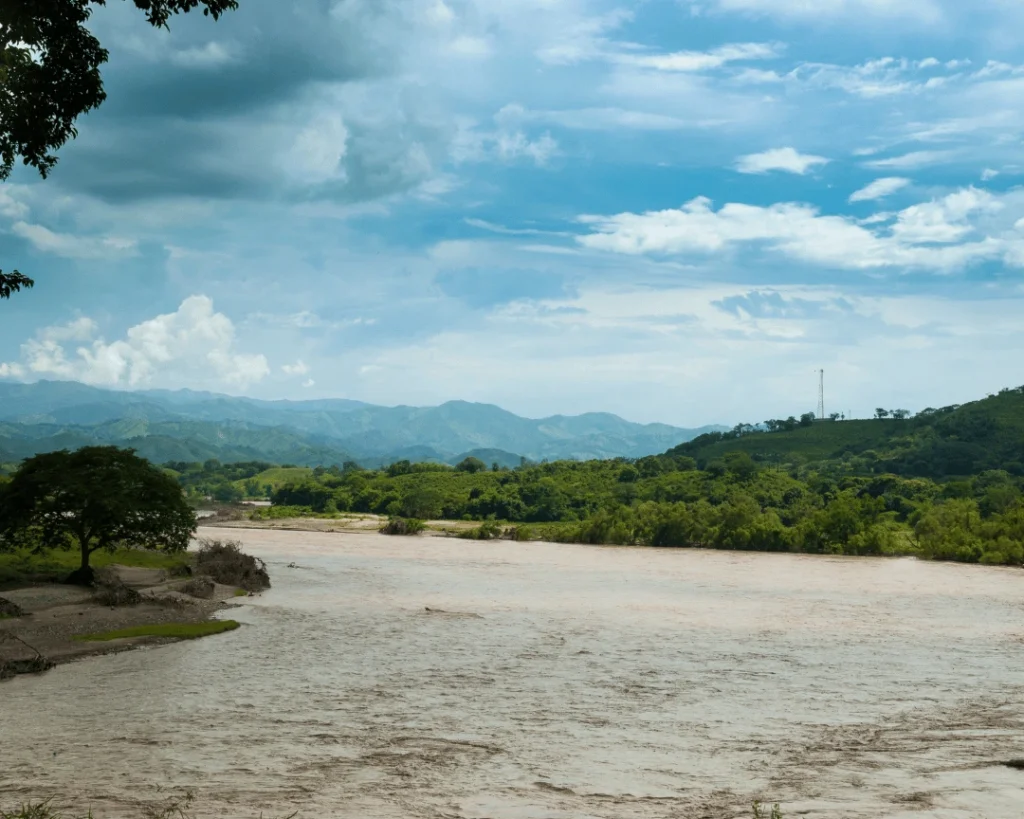
Motagua doesn’t compete with a waterfall, a volcano or a colonial town. Its charm lies elsewhere: in exploring, observing and understanding. That’s why it works so well as a complement to a wider itinerary through Guatemala, especially if you’re already passing through nearby areas or want to get off the beaten track.
Remember that you can extend your itinerary to include other lesser-known Mayan sites, such as Río Azul or El Tintal, particularly if you’re looking to create an itinerary centred on history, landscape and heritage.
What sort of traveller would benefit from a visit to the Motagua River?
The Motagua River is recommended for travellers who enjoy scenic routes, road trips and stops with a bit of history. It is not a place for those looking for a self-contained, well-signposted attraction, but rather for those who enjoy the journey between destinations.
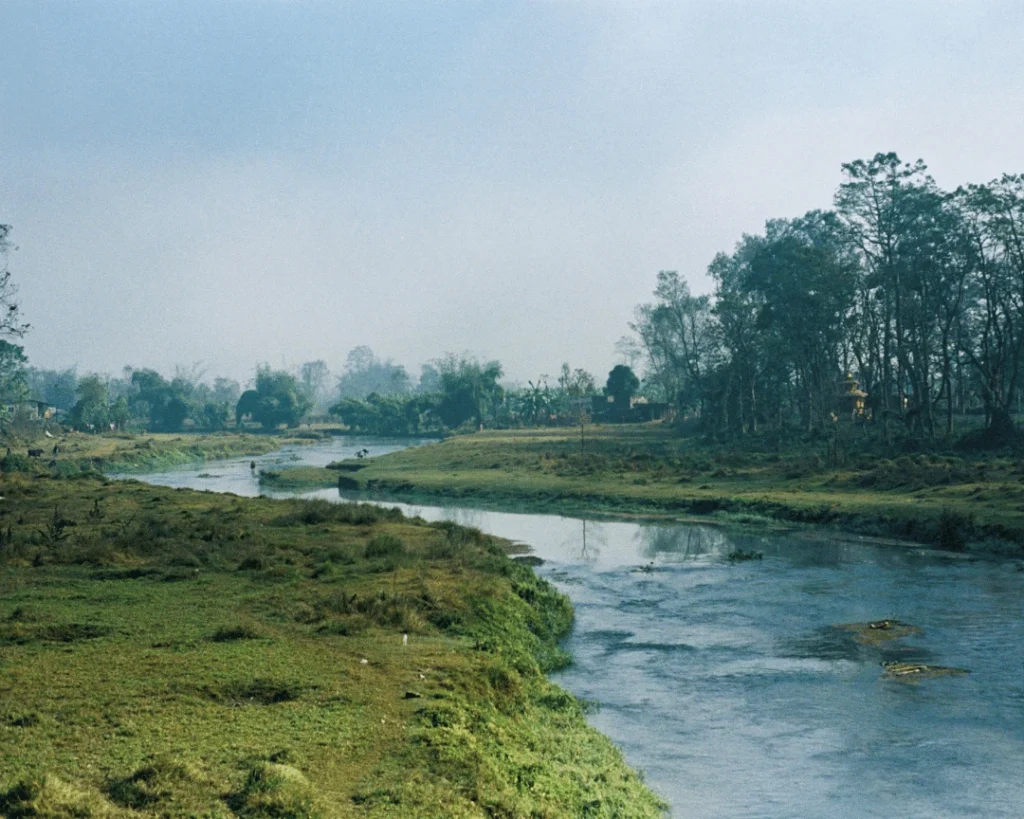
The Motagua River: For travellers seeking nature, riverside scenery and lesser-known routes
If you enjoy riverside scenery and destinations that aren’t overrun with tourists, the Motagua River could be a very interesting place to visit. Along its course, there are stretches where the water, the valley and the vegetation create a scene that is very different from that of other regions in Guatemala.
It’s also a good option if you like to travel at a more leisurely pace. You don’t discover the Motagua by rushing along, but by taking in your surroundings: how the vegetation changes, how the valleys open up, how bridges appear, and how the river runs alongside some of the roads.
The Motagua River: For those who want to combine history, geography and countryside getaways
The Motagua is also ideal for travellers interested in the relationship between history and the local area. Its valley has been an important natural corridor and is linked to routes, settlements, villages and areas of great heritage value.
If you want to combine nature with a more cultural perspective on your trip, this area has a lot to offer. You can combine it with a visit to Quirigua or with a wider archaeological tour including La Danta, the great pyramid of El Mirador.
What does the Motagua River have to offer?
The Motagua River offers scenery, roads, villages, scenic viewpoints and a different way of experiencing Guatemala’s geography. It’s not a set itinerary, but rather an area best explored in stages.
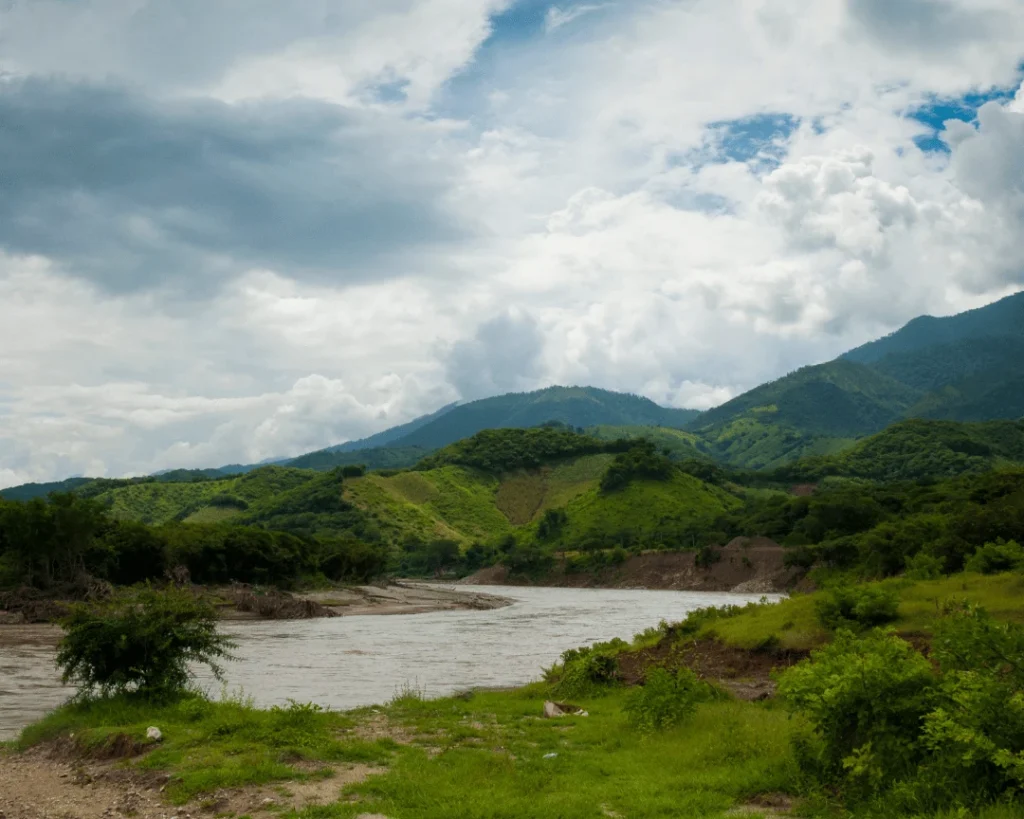
Viewpoints, bridges and landscapes of the Motagua Valley
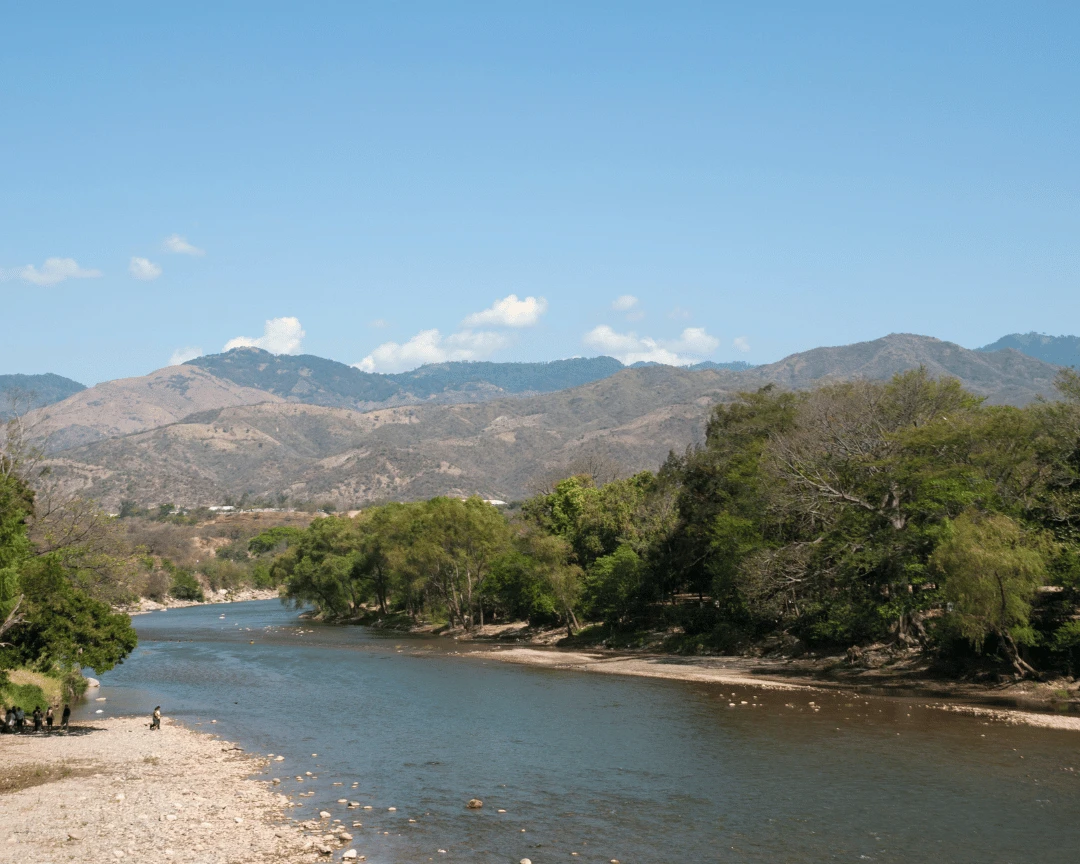
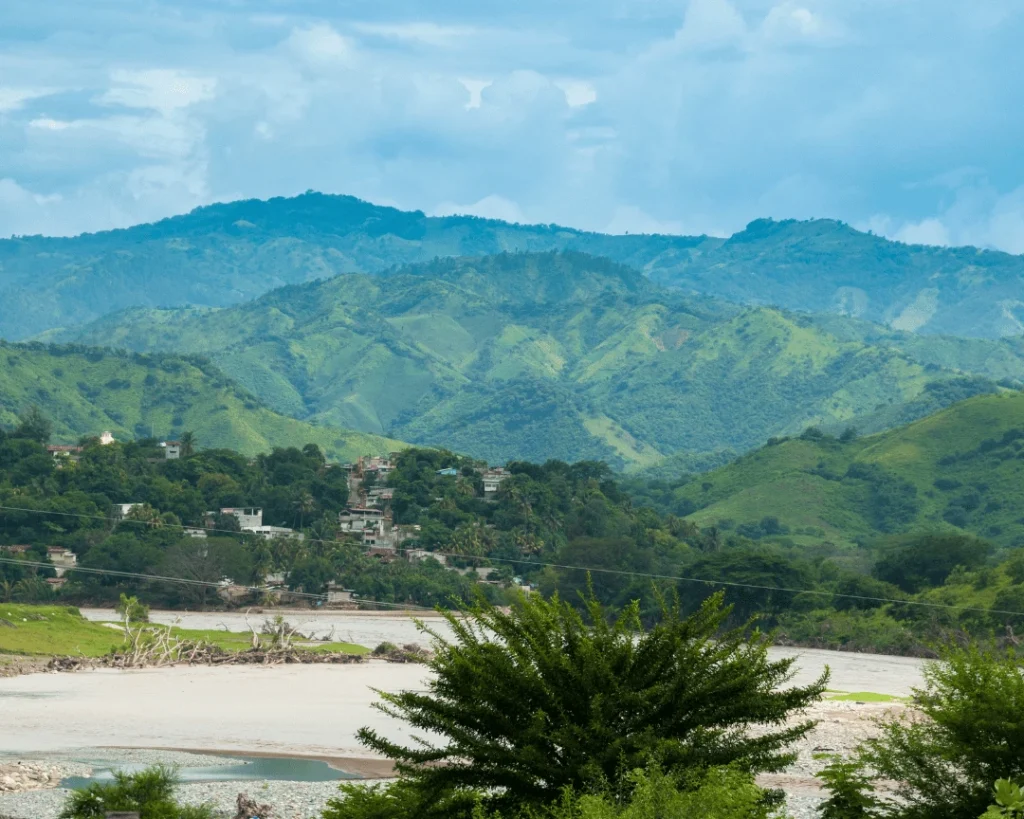
One of the main attractions of the Motagua Valley is its open landscapes. In several places, the river is flanked by mountains, arid areas, low-lying vegetation or farmland. This contrast makes for a visually striking journey, especially if you’re coming from the country’s more humid or green regions.
Bridges and natural vantage points along the road are good places to stop, take a break and look out over the valley. You don’t always need to look for an official viewpoint: often, the best spot is simply a stretch of road where the landscape opens up and you can see the river.
Sections of the river where you can best appreciate its natural surroundings
The Motagua varies greatly depending on the area. In some sections it feels more like a valley river, in others like a landscape you pass through, and in others as part of an agricultural or rural setting. It's precisely this variety that makes it so interesting.
To get the most out of it, it’s best to choose a specific section of your route rather than trying to cover it all. If you’re heading to heritage or archaeological sites, you can make the most of your journeys by stopping off briefly to take a closer look at your surroundings.
Villages, roads and scenic viewpoints linked to the River Motagua
The villages near the Motagua River help us to understand its role in local life. Here, the experience is not just about the water, but about what goes on around it: roads, markets, agriculture, country lanes and everyday life.
If you enjoy country drives, this area is perfect for making spontaneous stops: having a drink, going for a short walk, taking in the scenery and then carrying on. It’s the sort of plan that works best when you’re not tied to a schedule that’s planned down to the minute.
- This page about El Mirador may interest you.
The Motagua River and nature in Guatemala
The Motagua River reveals a side of Guatemalan nature that sometimes goes unnoticed: that of the valleys, the arid landscapes, the river corridors and the transitional areas between regions.
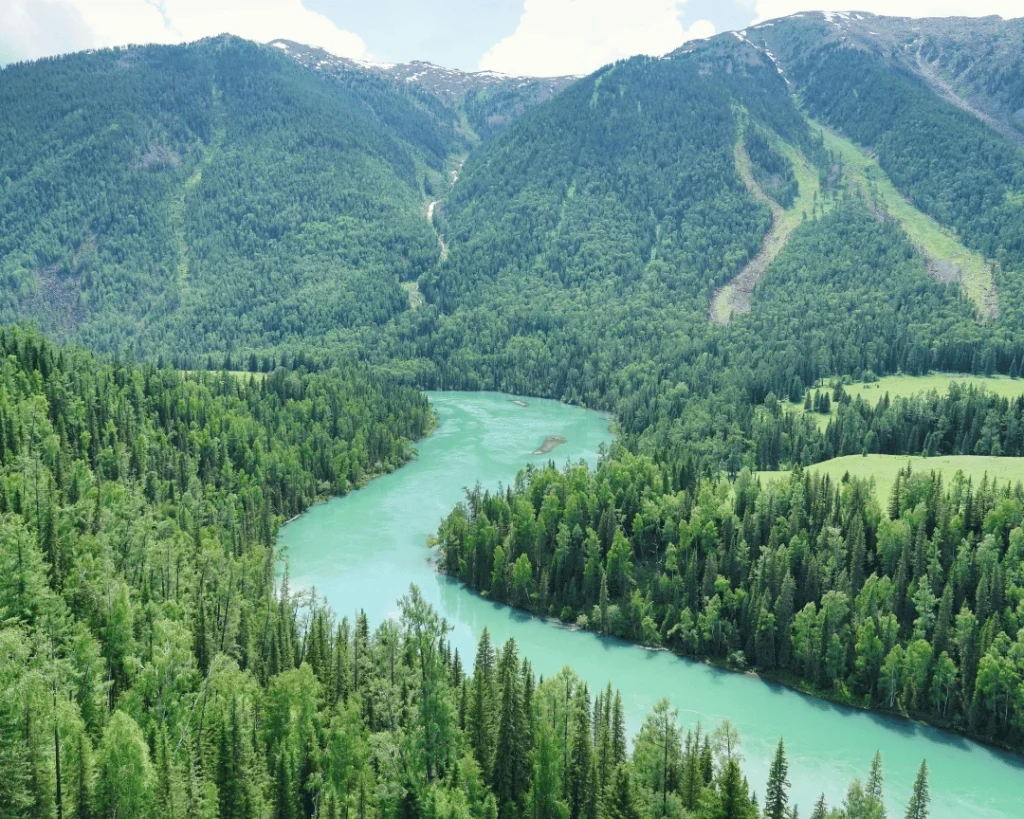
What makes the Motagua landscape special compared to other regions of the country?
What makes Motagua special is that it doesn’t fit the classic image of Guatemala. It’s not just jungle, volcanoes or picture-postcard lakes. It’s a valley landscape, with wide open spaces, a road, mountains in the background and very distinct changes in vegetation.
This contrast makes it appealing to those who want to understand the country’s natural diversity. Guatemala varies greatly from one region to another, and the Motagua Valley is a good example of this: drier in some places, more open and with a very different visual character.
Fauna, vegetation and environmental changes in the area
Along the Motagua River, the vegetation changes depending on altitude, climate and land use. You can find drier areas, agricultural land, scattered trees, riverside vegetation and stretches where the landscape becomes greener.
It's also an interesting area in which to observe how nature coexists with human activity. The river does not appear as an isolated space, but is integrated with roads, villages and productive areas. That blend is part of its identity.
The role of the river in local life and across Guatemala
The Motagua River has been, and continues to be, a key feature of the region. Rivers shape the landscape: they define valleys, determine the course of roads, influence crop cultivation and help to link different areas. In the case of the Motagua, this role is particularly evident given the length of its course.
Visiting the area with this in mind changes the experience. You’re not just looking at a river, but at a natural feature that has shaped part of the country and helps you to better understand Guatemala’s geography.
How to include the Motagua River in a tour of Guatemala
The best way to include the Motagua River in an itinerary is to treat it as part of a journey, rather than as a destination in its own right. In other words: make the most of the journey itself, choose good places to stop and combine it with other nearby points of interest.
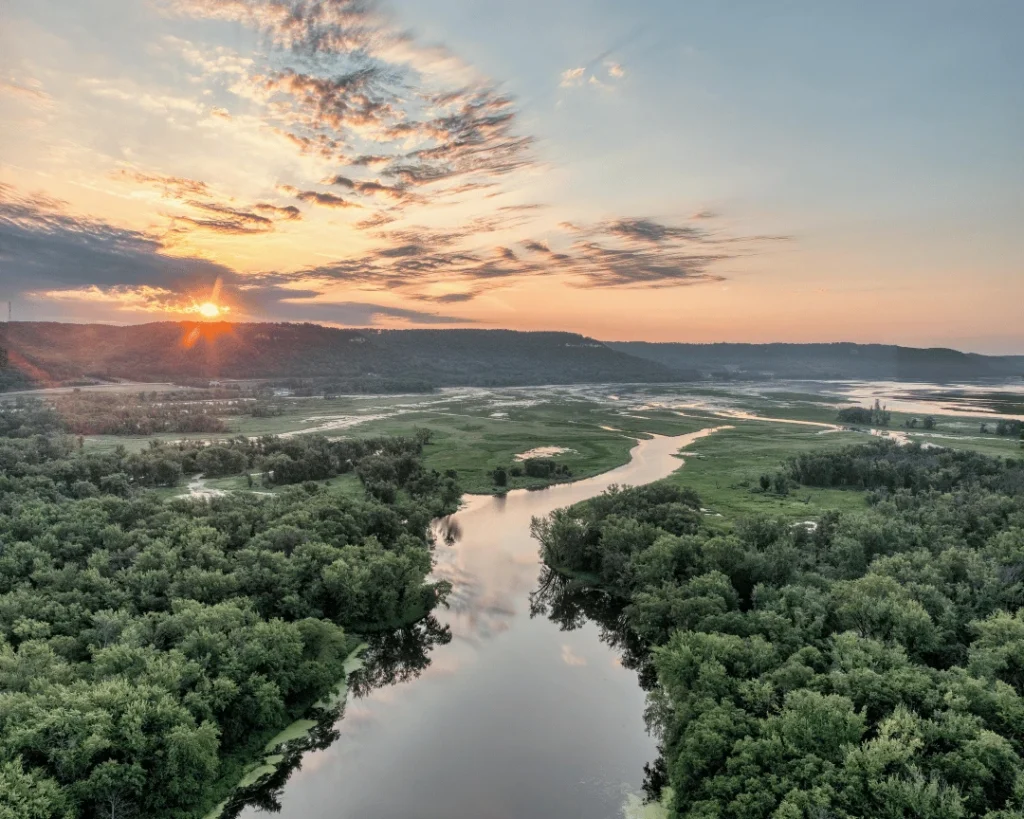
Which areas to visit if you’re looking for a more scenic experience
If you’re looking for a more scenic experience, choose stretches where the valley opens out and where you can stop and take your time. The roads near the Motagua offer views of mountains, bridges, villages and rural areas, giving you a truly authentic experience.
You can also combine it with visits to nearby cultural or archaeological sites. That way, the Motagua isn’t just a river you pass through, but becomes part of the context of your journey. It’s a good option if you like to plan itineraries that blend nature, history and the local area.
How to organise your visit to the Motagua River, step by step
Organising a trip to the Motagua River depends very much on the section you want to explore and which other places you plan to include on your route. It's best to incorporate it into a wider road trip itinerary.
How to get to the best stretches of the Motagua River
To reach the best stretches of the Motagua River, it’s best to review your general route through Guatemala and see where the river naturally fits in. If you’re heading to areas in the east of the country or to places linked to the Motagua Valley, you can include scenic stops without straying too far from your itinerary.
The most practical option is usually to travel by car, private transfer or organised transport, especially if you want to stop at several places. Public transport can be useful for the main journeys, but it offers less flexibility when it comes to stopping at viewpoints, bridges or small villages.
The best time of year to visit the area
Motagua can be visited all year round, but the experience varies depending on the season. During the dry season, the roads are generally in better condition and the landscape takes on more arid hues. During the rainy season, some areas look greener, although it's advisable to allow extra time due to road conditions and journey times.
If your itinerary involves driving and stopping at scenic viewpoints, check the weather before you set off and avoid rushing through the day. The light at dawn and in the late afternoon tends to really bring out the best in this sort of landscape.
Practical tips for visiting the Motagua River
Visiting the Motagua River is a straightforward plan if you think of it as a road trip and a chance to enjoy nature. The key is to pack the essentials, time your journey carefully and not overfill your day.
What to pack for a road trip and a nature break
If you’re planning a trip along the Motagua, make sure you take plenty of water, some light snacks, sun cream, a cap or hat, and comfortable clothing. If you’re going to be stopping off outdoors, it’s best to wear closed-toe shoes or trainers with good soles, even if you don’t plan on doing any strenuous hiking.
It’s also a good idea to take a power bank, downloaded maps and a small rucksack with the essentials. If you’re going to stop in villages or buy something along the way, take cash in small notes. And if you want to take photos, make the most of the stretches where the valley opens out: these are usually the most visually rewarding.
Safety, weather and real-time journey times
When travelling by road in Guatemala, the most important thing is to allow plenty of time. Distances may seem short on the map, but with bends, traffic, stops and changes in the weather, the journey can take longer than expected. It's therefore a good idea to set off early and avoid planning too many stops in a single day.
When it comes to safety, it’s best to stick to well-travelled routes, stop at visible locations and keep things simple: keep your documents to hand, ensure your mobile is charged and plan your journeys clearly. If you’re travelling with a local driver or guide, make the most of the opportunity to ask them about the best places to stop along the route you’re taking.
Frequently Asked Questions about the Motagua River
Where is the Motagua River?
The Motagua River flows through Guatemala from the highlands towards the Caribbean, passing through various landscapes and valleys across the country.
Where is the Motagua River?
The Motagua River flows through Guatemala from the highlands towards the Caribbean, passing through various landscapes and valleys across the country.
What is there to see on the Motagua River?
You can see valley landscapes, bridges, villages, stretches of river, scenic roads and rural areas linked to the river.
What’s the best way to visit it?
The best way to do this is to include it in a road trip, with stops at viewpoints, villages or areas close to other cultural and natural attractions.
How much time should I set aside for the Motagua River?
It depends on the section. You can make short stops along the route, or spend half a day if you want to explore the area at a more leisurely pace and make several stops.