Huehuetenango is one of the most diverse departments in western Guatemala from a tourist’s perspective: huge mountains, villages with their own distinct character, viewpoints overlooking the Cuchumatanes, turquoise lagoons, scenic routes and a local way of life that feels very different from that of the country’s most popular destinations. It’s a place to explore at a leisurely pace, study the map carefully and accept that distances can be a little deceptive here. Are you up for discovering it with us?
Where is Huehuetenango, and why is it one of Guatemala’s most diverse departments?
Huehuetenango is situated in north-western Guatemala, near the border with Mexico and within the western highlands. The department is incredibly diverse, featuring mountainous landscapes, indigenous villages, agricultural areas, scenic roads, archaeological sites and unspoilt natural spots off the beaten track. On a single route, you can travel from the city to the Cuchumatanes, or from a cold, windy viewpoint to a lake hidden amongst the mountains.
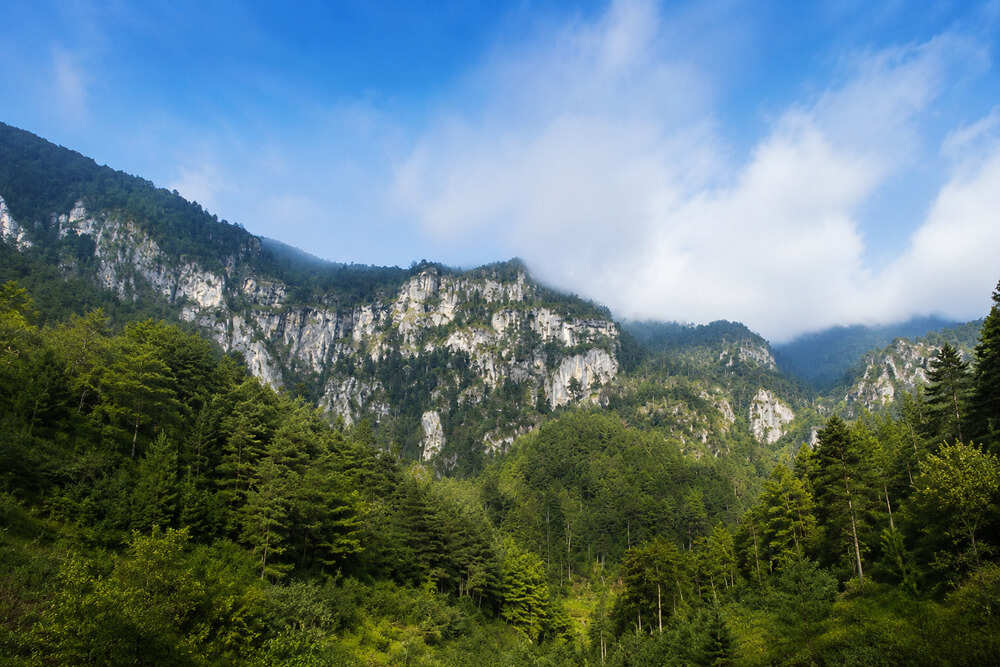
The Sierra de los Cuchumatanes is a mountain range that boasts some of Guatemala’s most spectacular landscapes, with high-altitude roads, mist, pastures, scattered villages and breathtaking views.
Huehuetenango is therefore not a destination for a quick visit. The roads, the altitude and the fact that the places of interest are spread out mean that you need to plan your days carefully.

Is Huehuetenango worth a visit? What do travellers think?
Yes, Huehuetenango is well worth a visit if you’re looking for nature, local culture and landscapes that are different from the rest of the country. Travellers tend to rate places such as the Juan Diéguez Olaverri Viewpoint, Laguna Brava, Laguna Magdalena, Todos Santos Cuchumatán and the Zaculeu archaeological site very highly – each offering a very different experience.
The biggest drawback is the logistics. Some routes involve several hours’ drive, and journey times can vary due to rain, traffic, roadworks or the condition of the road.
What sort of traveller would you recommend a visit to Huehuetenango for?
Huehuetenango is recommended for those who want to venture off the beaten track in Guatemala. In short, it's an ideal department for travellers looking for mountains, culture, road trips and destinations with fewer international tourists.
It’s also perfect if you’ve already visited Antigua, Atitlán or Quetzaltenango and want to explore a more remote part of the western highlands.
Huehuetenango for travellers seeking mountains, culture and destinations off the beaten track
Huehuetenango is a great choice if you’re drawn to high-altitude landscapes. The Cuchumatanes, for example, offer sweeping views, crisp air, scattered villages and a sense of vastness that isn’t found in every region of the country.
Furthermore, the department retains very strong cultural traditions. Towns such as Todos Santos Cuchumatán are known for their traditional dress, their festivals and a very distinct local identity.
Huehuetenango: For those who want to combine villages, nature and scenic routes
Huehuetenango also offers the chance to combine city, villages and nature all in one itinerary. You can stay overnight in the county town, head up to Chiantla, visit the Juan Diéguez Olaverri viewpoint, carry on to Todos Santos or plan a longer trip to Laguna Brava.
The roads are part of the journey, as many of them wind through mountainous areas with stunning views.
When Huehuetenango might not be the best choice if you’re looking for a quick getaway or a very touristy destination
Huehuetenango isn’t the best choice if you’re looking for a comfortable, well-organised getaway with tourist facilities on every corner.
The distances within the region are quite significant. Laguna Brava, for example, is a long way from the main town and requires a longer journey. Reaching the mountain villages also takes time, especially when the weather changes or the road becomes slow and winding.
The must-sees in Huehuetenango
The must-see attractions in Huehuetenango combine city life, archaeology, villages and mountains. The departmental capital serves as a starting point, Zaculeu offers the historical aspect, and the Cuchumatanes Mountains are home to some of the most memorable landscapes.
The city of Huehuetenango: Squares, streets and local atmosphere
The city of Huehuetenango is a handy base. Here you’ll find accommodation, transport, simple restaurants, markets, banks and other services before heading out to the more rural areas.
The town centre is ideal for a leisurely stroll through its squares, shopping streets and areas brimming with local life. It isn’t a city full of historic monuments like Antigua, but it’s a good place to get a feel for the department.
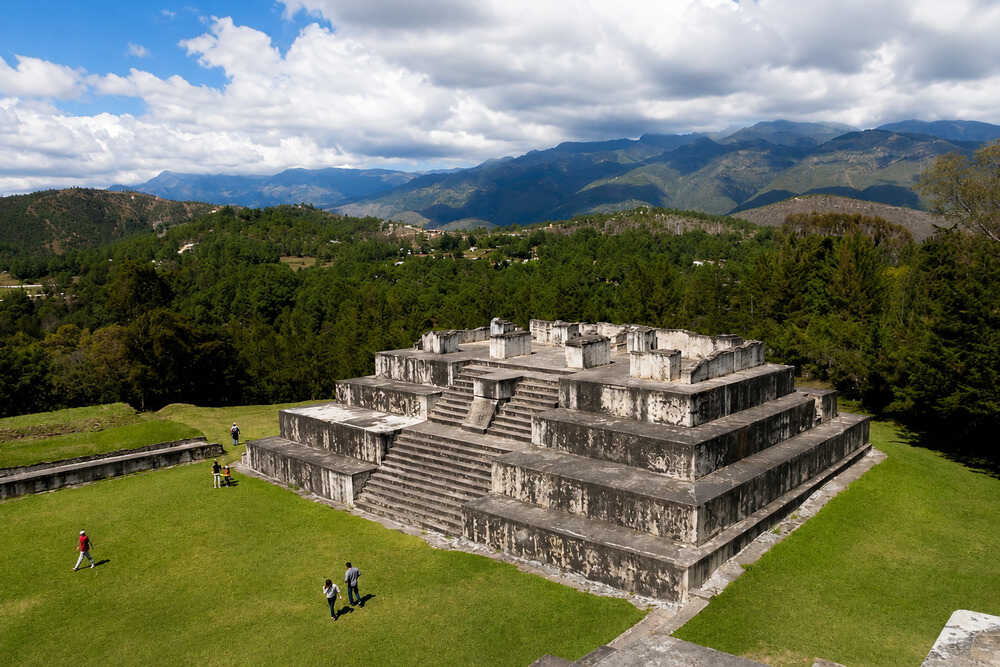
It’s also a good base from which to visit Zaculeu, an archaeological site situated a short distance away. Its restored white structures help you understand the historical significance of the area before you head off into the mountains.
Charming villages steeped in tradition in the department of Huehuetenango
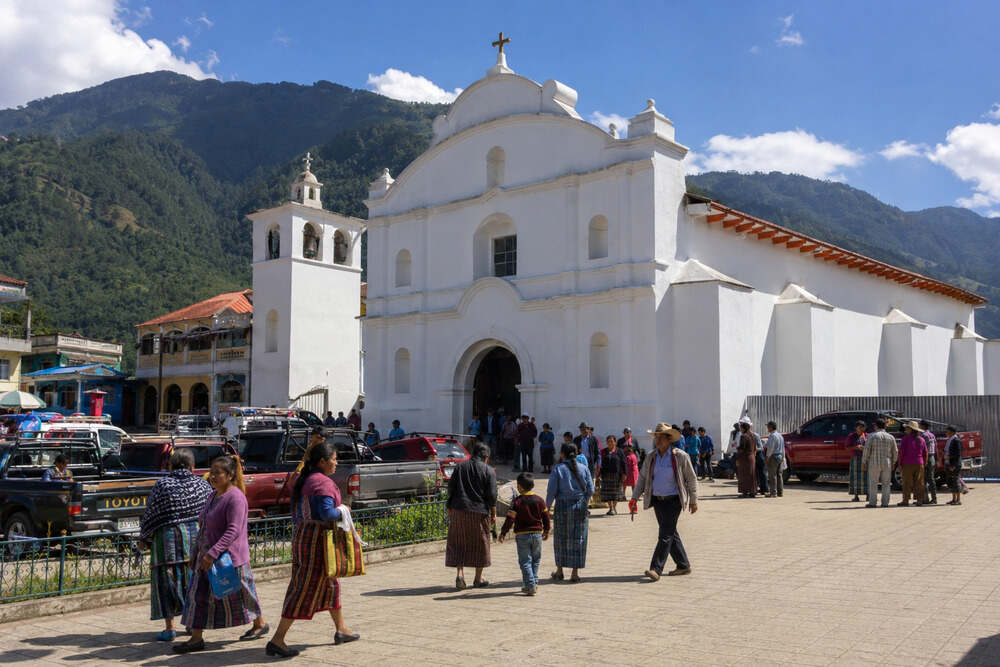
The department is home to villages with a strong sense of identity. Todos Santos Cuchumatán, for example, is one of the best known for its Mam culture, traditional dress and local celebrations.
Chiantla also features on many itineraries due to its proximity to the Cuchumatanes and the Juan Diéguez Olaverri viewpoint. Visiting other municipalities will take a little longer, but they offer a fascinating insight into the cultural diversity of the department.
Viewpoints, scenic roads and landscapes of the western highlands
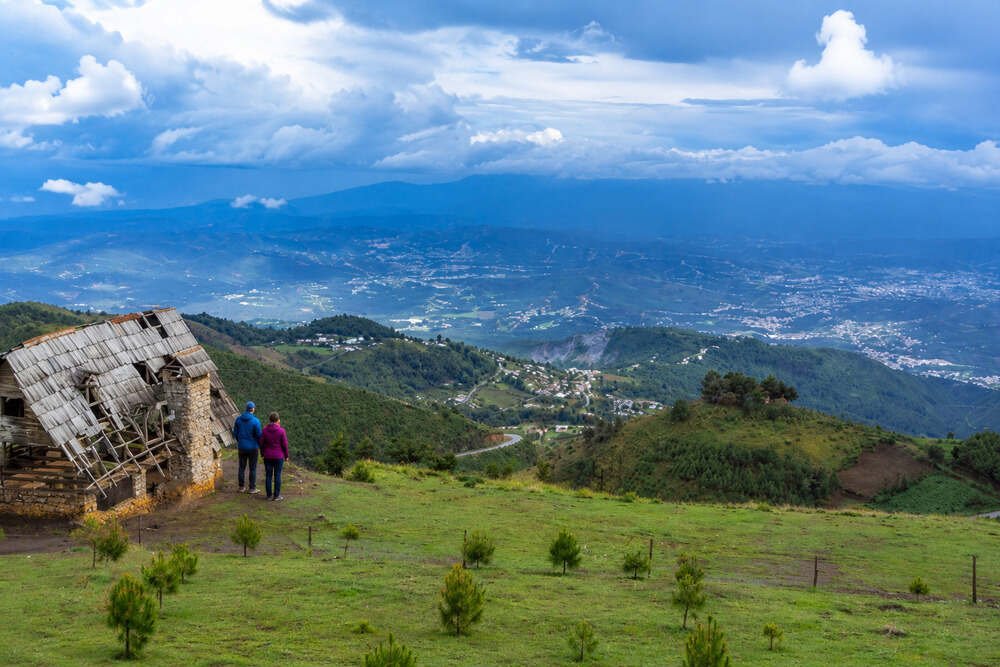
The Juan Diéguez Olaverri Viewpoint is one of the best-known spots in the department. Situated in the Chiantla area, on the road to Todos Santos Cuchumatán, it offers sweeping views of the Cuchumatanes.
The road to the viewpoint is part of the experience. As you climb, the weather gets colder and the landscape changes completely. On clear days, the views are breathtaking; whilst on foggy days, the atmosphere has that mountain feel that’s so captivating.
Nature and landscapes in Huehuetenango
Nature is one of the main reasons to visit Huehuetenango. The department boasts lagoons, mountains, cenotes, rivers, waterfalls and trails that still retain a sense of unspoilt beauty.
That said, not all places are equally accessible. Some require a high-clearance vehicle, a local guide or a full day’s trip. You’ll therefore need to choose based on the time you have, your budget and how keen you really are to hit the road.
Lakes, mountains and scenic routes that make Huehuetenango so special
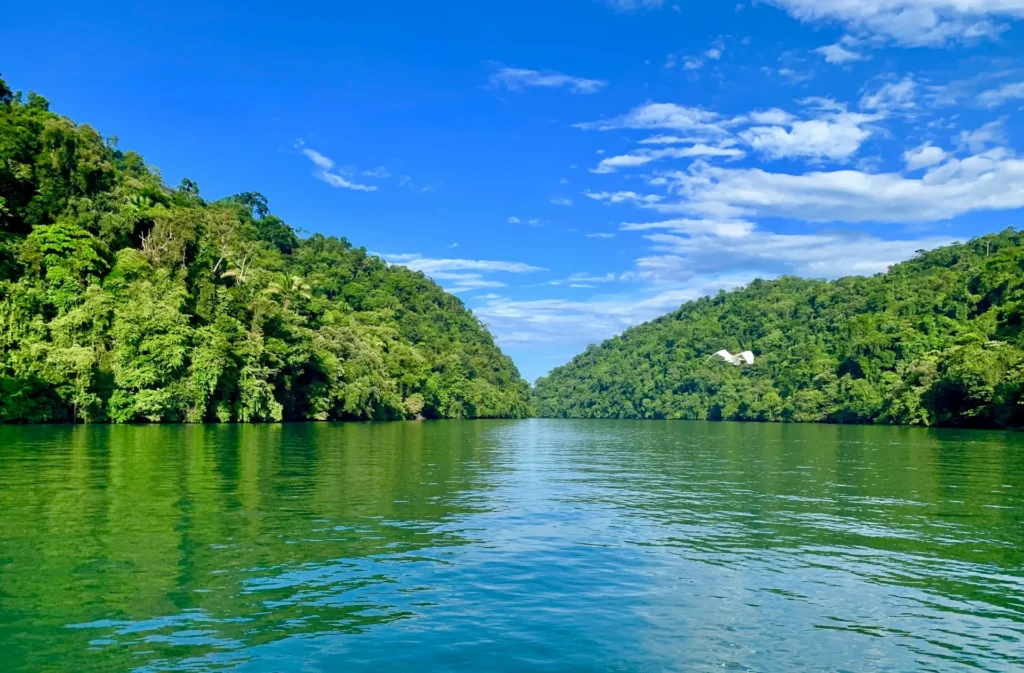
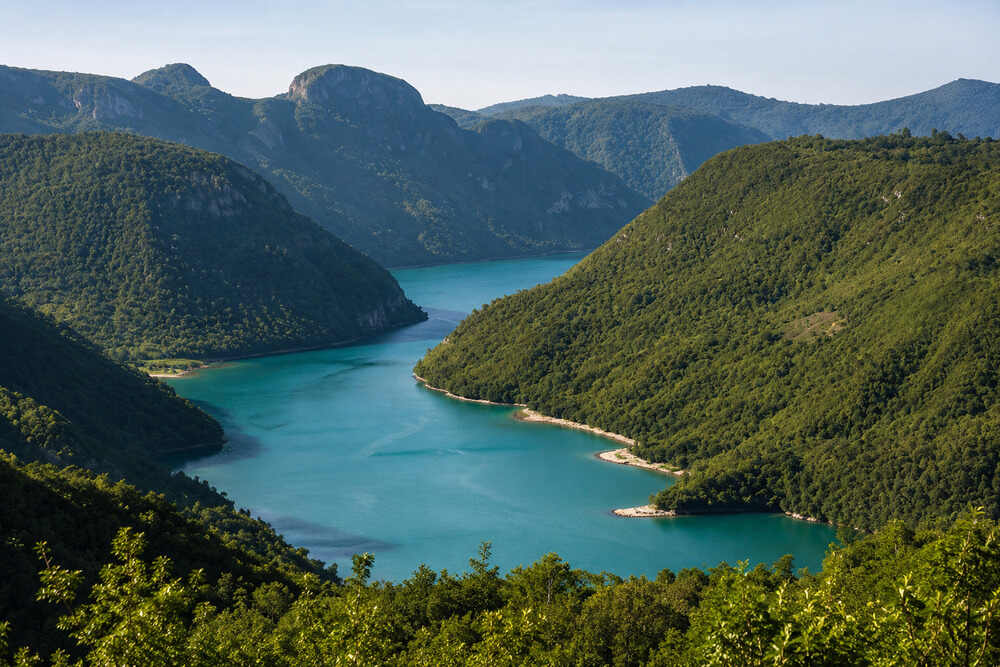
Laguna Brava is one of the region’s major natural attractions. It's situated in a remote area and is renowned for its clear waters, its forest setting and the opportunity to explore part of the area by motorboat or local canoe.
Laguna Magdalena, in Chiantla, is another popular tourist attraction thanks to its colour and mountainous surroundings. The scenery is very photogenic, but the weather can be cold and damp, so don’t turn up dressed for the beach – the highlands are unforgiving.
Waterfalls, footpaths and lesser-known natural spots
The region has some lesser-known natural spots, such as waterfalls, natural pools and footpaths in various areas. Some of these are included in local walking routes or organised excursions, but others depend very much on accessibility and the time of year.
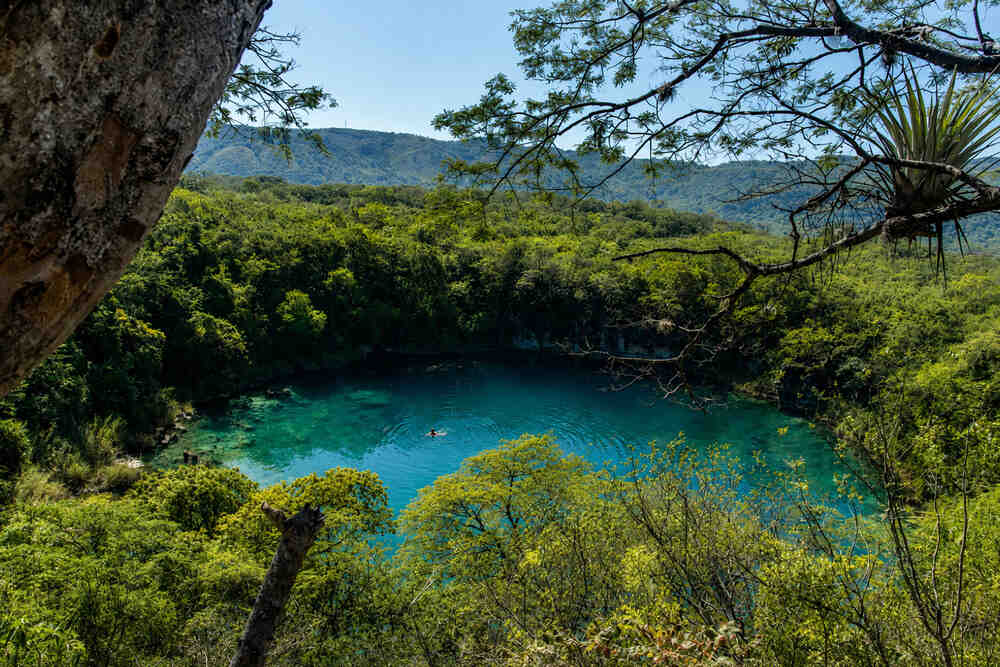
Río Azul, the Candelaria Cenotes and Laguna Maxbal, for example, are among the department’s most striking natural attractions. They are ideal for travellers who have more time and are keen to explore less accessible areas.
However, before setting off for these places, always enquire about the condition of the track, the safety of the access route and whether a guide is required.
What makes Huehuetenango different from other regions of the Guatemalan highlands?
Huehuetenango is particularly notable for its rugged mountains and the cultural diversity of the department. The landscape is more expansive, cooler and more remote than in other popular areas of the highlands.
It's also far less geared towards mass tourism, which can be an advantage if you’re looking for something more authentic. Although it’s also true that this is something that will require a great deal of patience and greater flexibility.
Huehuetenango for lovers of low-key adventure
Huehuetenango is ideal for a gentle adventure: walks, viewpoints, road trips, lakes and mountain villages, without the need for a long trek. The challenge lies more in the logistics than in the technical difficulty.
Walks, viewpoints and mountain hikes without the need for an extreme expedition
The Juan Diéguez Olaverri Viewpoint offers you the chance to enjoy a mountain experience without having to go on a difficult hike. You can get there by road, take a short walk around the area and enjoy the views with ease.
Laguna Magdalena and other natural attractions are now a bit further afield. However, the key is to find out the details in advance and tailor the route to your fitness level.
Road trips and scenic routes through some of the department’s most beautiful landscapes
A road trip through Huehuetenango is one of the best ways to explore the department. The route to Chiantla, the Cuchumatanes and Todos Santos already offers a truly stunning combination of scenery and culture.
On the other hand, a private car or a chauffeur-driven car gives you more freedom to stop at viewpoints, villages and bends with scenic views. Finally, public transport reaches many areas, but you’ll need more time and flexibility.
How to enjoy Huehuetenango at a leisurely pace without trying to do too much
In Huehuetenango, two or three well-chosen places yield better results than a huge list of stops.
You could spend one day exploring the town, Zaculeu and the surrounding area. You could spend another day heading to Chiantla and the viewpoint; and a third day could be spent visiting Laguna Brava or going on a longer hike.
- We invite you to read our article about La Danta, the great pyramid of El Mirador.
Culture, history and local life in Huehuetenango
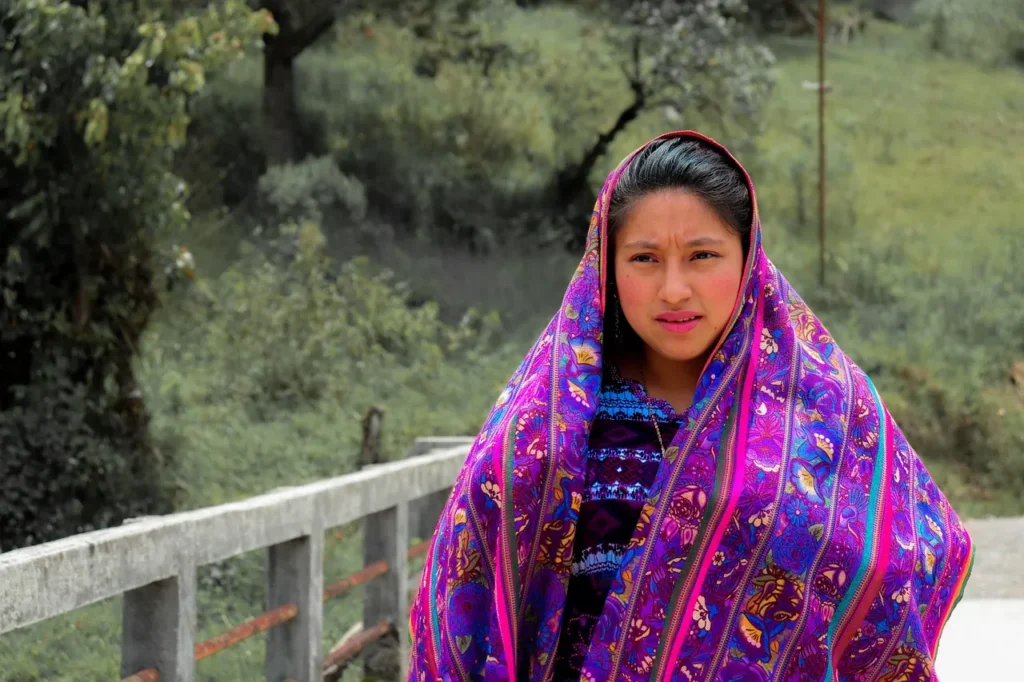
In addition to all of the above, Huehuetenango boasts a wealth of culture. The department is home to Mayan communities, each with their own languages, textiles, markets and traditions. This diversity is evident in its villages, festivals and traditional dress.
History is also evident in Zaculeu, an ancient Mam city and one of the region’s best-known archaeological sites.
Markets, traditions and festivals that help you understand the region
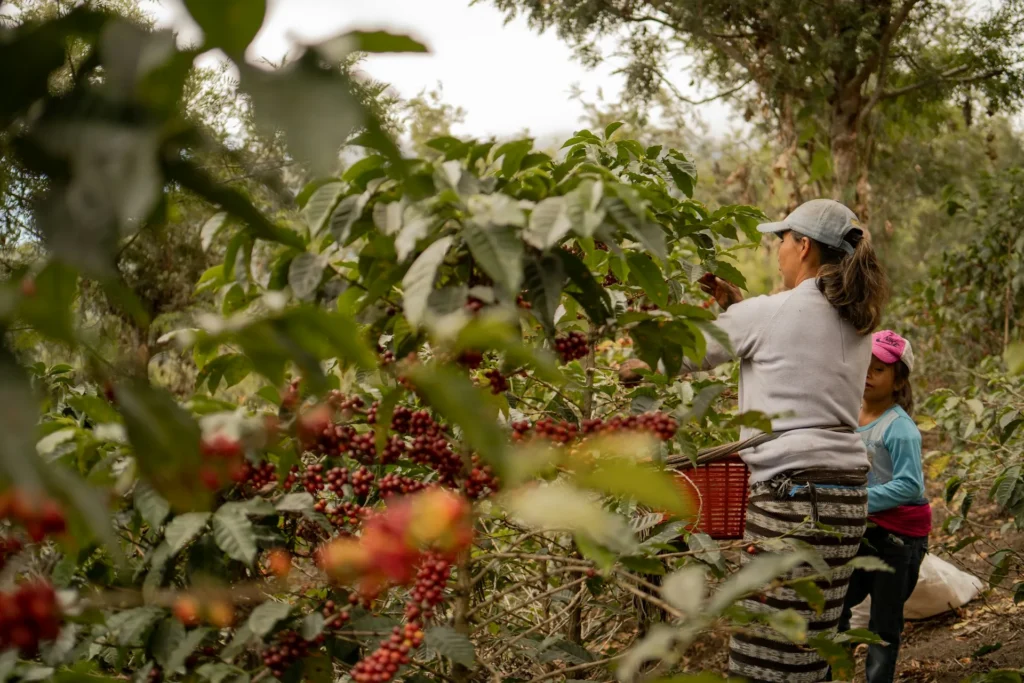
Markets are a great way to get a feel for local life. There you’ll find agricultural produce, textiles and food, as well as a mix of languages and traditional dress that says a lot about the department.
Local festivals vary from one municipality to another. Todos Santos Cuchumatán is particularly well known for its celebrations on 1 November, although you should always bear in mind that these are not events staged specifically for visitors.
Indigenous peoples, textiles and cultural expressions specific to the department
Textiles are a defining feature of Huehuetenango’s identity. In several municipalities, traditional dress retains its own distinctive designs, colours and styles.
In fact, every village has its own unique character. You can gain a better understanding of the local culture by taking your time to explore, shopping with respect and asking before taking photographs of people.
- This page about the cities of Guatemala may interest you.
How to organise your visit to Huehuetenango, step by step
Huehuetenango isn’t a place where you can be as spontaneous as you might be in other, more touristy destinations in Guatemala. The distances, the altitude and the condition of the roads mean you need to plan your itinerary carefully before setting off.
The city of Huehuetenango is usually the most convenient base from which to start. From there, you can organise trips to Zaculeu, Chiantla, the Juan Diéguez Olaverri viewpoint or longer routes.
How to get to Huehuetenango from Guatemala City, Quetzaltenango and other areas
Huehuetenango is just over 200 kilometres by road from Guatemala City. The journey usually takes around 4 or 5 hours under normal conditions, although traffic and rain can make it take longer.
From Quetzaltenango, the distance by road is around 85 kilometres. The journey can take between one and a half and two hours, depending on the route, traffic and any stops.
There are also buses and minibuses, although you’ll need to check the timetables when you’re travelling.

How many days to spend in Huehuetenango, depending on the type of trip
If you only have one day, it’s best to focus on the town, Zaculeu and a nearby spot. If you have two days, you can add Chiantla and the Juan Diéguez Olaverri viewpoint to your itinerary.
Once you’ve been there for three or four days, you can plan a more ambitious route to Laguna Brava, Todos Santos Cuchumatán or more remote natural areas.
Best time to visit Huehuetenango in terms of weather, roads and scenery
The dry season, from November to April, is the best time for road trips, viewpoints and mountain trails. Clear days, in particular, are a great help in the Cuchumatanes.
The rainy season, on the other hand, leaves the countryside very green, but can make secondary roads and natural paths difficult to navigate. However, bear in mind that warm clothing is advisable all year round in the higher areas.
- We invite you to read our article about El Tintal.
Where to stay in Huehuetenango
The city of Huehuetenango is the most convenient base for most routes. There you’ll find a wider range of accommodation, food, transport and services.
Staying in the city of Huehuetenango as a base
The departmental capital is the most convenient place to start your first visit. From there, you can travel to Zaculeu, arrange transport and organise your trips to Chiantla or the Cuchumatanes. It’s also the easiest option if you arrive late from Guatemala City or Quetzaltenango.
Accommodation in villages or rural areas for a more leisurely experience
Villages and rural areas offer a much more peaceful experience. This option might appeal to you if you’re looking for mountains, peace and quiet, and a closer connection with nature.
The least convenient aspect, however, is the range of services on offer. There may be fewer restaurants, fewer transport options and less scope for last-minute changes.
How to choose a base depending on the route you want to take through the department
Your base will always depend on your itinerary. The city, for example, is best for a general tour. Chiantla or the surrounding area are ideal if you’re heading for the Cuchumatanes, whilst more remote areas require more specific planning.
Practical tips for visiting Huehuetenango
To visit Huehuetenango, you should pack layers of clothing, sturdy footwear and cash, and allow for some flexibility in your itinerary. The weather changes quickly, especially at higher altitudes.
You should also take water, some food for long walks and a power bank. On some stretches, facilities are few and far between. Yes, it sounds a bit unglamorous, but it can actually save the day.
What to pack to cope with altitude, changeable weather and road conditions
Bring a coat, a light raincoat, comfortable footwear, sun cream and a small rucksack for the excursions. Bear in mind that it can get cold in the Cuchumatanes even when the sun is shining.
Don’t forget to have some cash in quetzales to hand for markets, eateries, local entrance fees or transport. A card isn’t always the best option outside the city.
What should we expect in terms of distances and actual journey times in the region?
Distances in Huehuetenango seem manageable on the map, but the road gives you a different impression. The bends, the mountains and the rain will make any journey take longer.
So, plan fewer stops and leave yourself some leeway. You’ll enjoy the trip much more if you’re not constantly checking the time every five minutes.
Frequently Asked Questions about Huehuetenango
How many days do I need to visit Huehuetenango?
Two days are enough to see the city, Zaculeu, Chiantla and the Juan Diéguez Olaverri viewpoint. Three or four days give you time to add Todos Santos Cuchumatán, Laguna Brava or more remote nature trails.
What is the most famous place in Huehuetenango?
The Juan Diéguez Olaverri Viewpoint is one of the best-known spots for its views over the Cuchumatanes. Zaculeu, Laguna Brava and Todos Santos Cuchumatán are also among the most highly recommended places to visit.
Is it easy to get around Huehuetenango?
Getting around Huehuetenango requires some planning. The city has amenities, but many of the attractions are scattered across the mountains and along long roads. Private transport or a chauffeur makes the journey much easier.
When is the best time to visit Huehuetenango?
The dry season, between November and April, is generally the best time for visiting viewpoints, driving along roads and going on excursions. The rainy season brings lush green landscapes, but can make travelling on secondary roads more difficult.
Is it worth visiting Huehuetenango from Quetzaltenango?
Yes, it’s well worth it if you have at least two days. From Quetzaltenango, the journey by road is around 85 kilometres, so it’s a feasible route, but it’s best not to rush it.