Alotenango is one of those villages that often feature as a stop-off point on a trip, but which prove to be more worthwhile than they first appear when you’re planning a route around the volcanoes near Antigua. It is surrounded by countryside, farms, views of the volcanoes and tracks that link up with some of Guatemala’s best-known mountain trails.
In this guide, we’ll tell you what to see and do in Alotenango, why it can be a handy stop-off if you’re heading to Acatenango or El Fuego, how to organise your visit, how much time to set aside, and what to bear in mind if you’re combining it with mountain routes. To fit it into your itinerary, you can refer to the Cities section and Guatemala’s official tourism website.
Where is Alotenango, and why is this village a key stop on the volcano tours near Antigua?
Alotenango is situated in the department of Sacatepéquez, in an area closely linked to the volcanic landscape of southern Guatemala. Its location makes it a strategic base for travellers wishing to explore Antigua, country estates, viewpoints and routes linked to volcanoes such as Acatenango and Fuego.
The most interesting thing about Alotenango is precisely its role within the region. It is not a town that rivals Antigua in terms of colonial architecture, nor Acatenango in terms of the intensity of its adventure activities. Its value lies in being a nearby, rural and well-situated base from which to understand how the landscape changes as you leave the tourist centre behind and head towards the mountains.

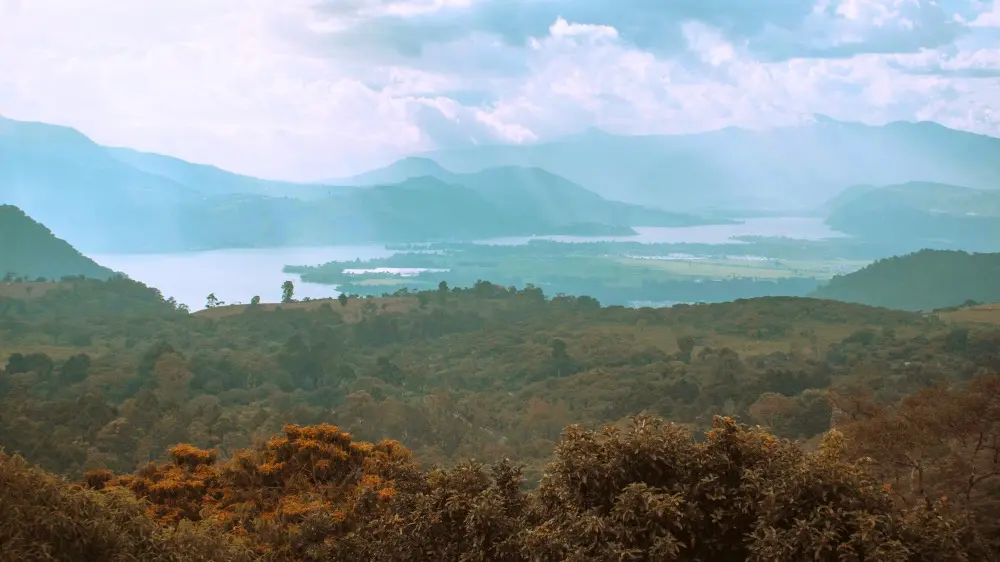
Furthermore, from this area, one can clearly sense the constant presence of the volcanoes that characterise much of Guatemala. The landscape becomes more open, more agricultural and more closely linked to the daily lives of the communities near the mountain.
Is Alotenango worth a visit? What do travellers think?
Yes, Alotenango is well worth a visit if you see it as a convenient stop offering scenic views as part of a tour of Sacatepéquez or the volcanoes. It isn’t a destination where you’d spend several days looking for major monuments, but it can be a great addition to your itinerary if you want to get away from Antigua, experience a different pace of life and get a taste of the countryside.
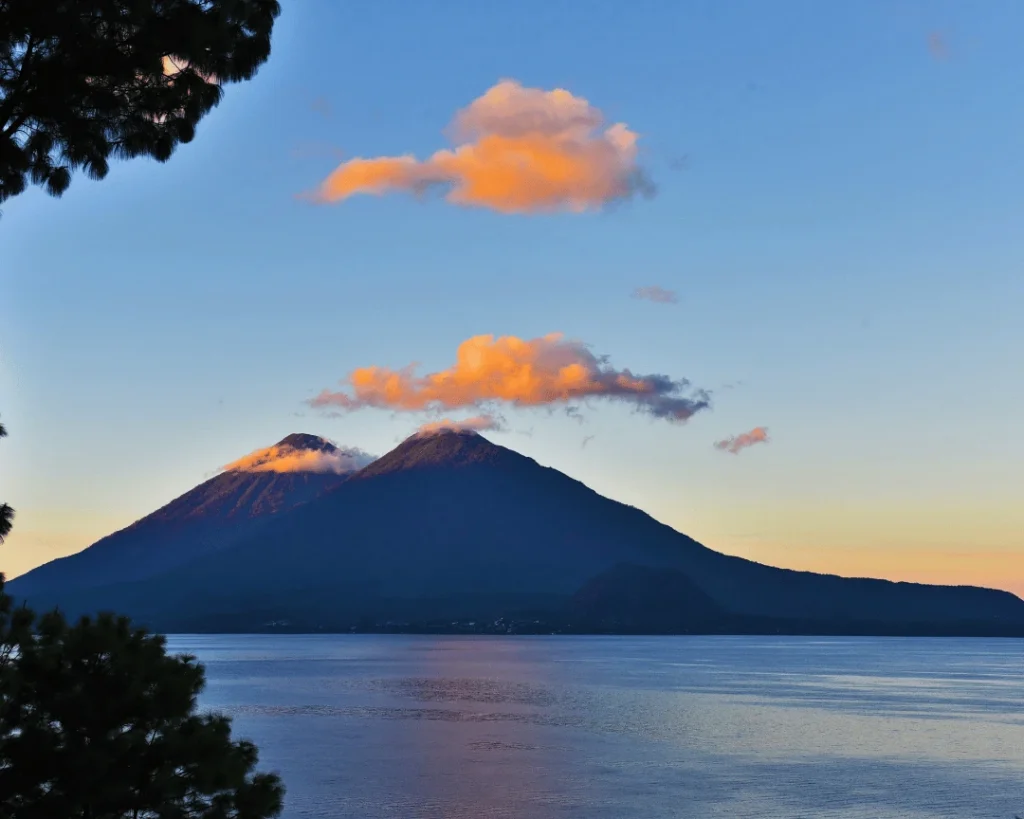
The travellers who enjoy it most are usually those who already have a mountain route in mind. For them, Alotenango serves as a hub, a place to rest or a brief stopover before or after a hike. It may also be of interest to those who want to take landscape photographs, visit a nearby farm or drive along roads with scenic views.
The key is to go with realistic expectations. Alotenango isn’t a town full of tourist attractions, but rather a place that provides context: it helps you to better understand the volcanic region, the country lanes and the relationship between villages, farms and mountains.
What sort of traveller would benefit from a visit to Alotenango?
Alotenango is recommended for travellers looking for scenery, volcanoes and a convenient stopover near Antigua. It’s ideal if you want to extend your itinerary without straying too far from the main attractions in Sacatepéquez.

Alotenango: For travellers looking for volcanoes, scenery and a base for excursions
If your trip centres on volcanoes, Alotenango could be the perfect choice. From this area, you can get a better sense of the landscape surrounding Acatenango and Fuego, and you can also experience the rural way of life that characterises these routes.
There’s no need to make Alotenango the main focus of your trip. It can serve as a stopover, a place to stay near an excursion, or a base from which to explore mountain trails. If you’re planning a climb, you can use the Acatenango Volcano guide or the Hike guide to climb Acatenango volcano step by step to better organise the hiking part of your trip.
Alotenango, for those looking for a convenient stopover near Antigua
If you’re in Antigua and want to get away from the more touristy atmosphere for a bit, Alotenango could be an easy stop. It’s close enough to include in a day trip, but different enough to give you a sense of a different pace of life.
It’s also useful if you’re organising transfers, farm tours or trips around volcanoes. In that sense, Alotenango isn’t seen as a must-see landmark, but rather as a practical feature on the map.
What you mustn’t miss on your visit to Alotenango
In Alotenango, the main attractions are the landscape, the views, the rural atmosphere and its role as a gateway to the volcanic regions. You’ll get the most out of your visit if you take your time and explore the area at a leisurely pace.
Views of the volcanoes and the countryside around Alotenango
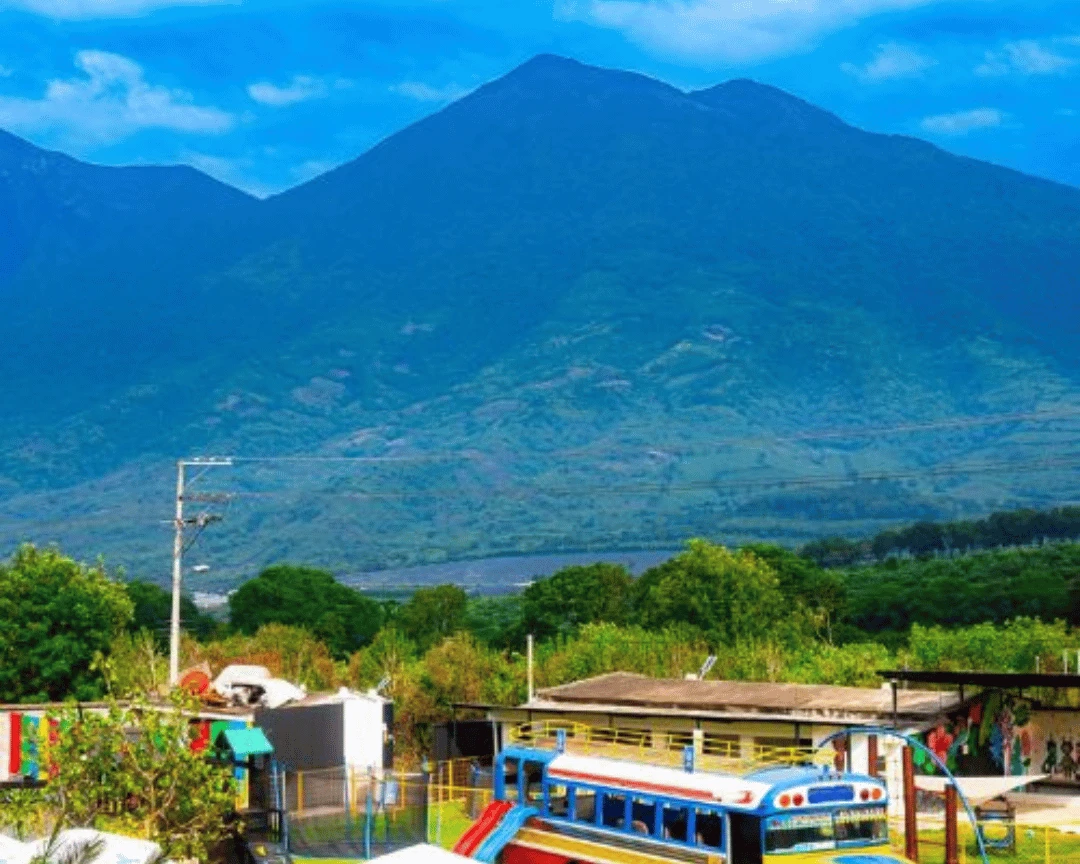
One of Alotenango’s main attractions is the views of the volcanoes and the surrounding countryside. Depending on where you stand and the light, you can enjoy some beautiful panoramic views featuring mountains, farmland, paths and volcanoes in the background.
The best way to enjoy it is to take your time and pay attention to your surroundings. Sometimes, the best moment isn’t at a specific viewpoint, but on a road, a farm or a path where the landscape suddenly opens up.
The village, its atmosphere and its role as a stopover
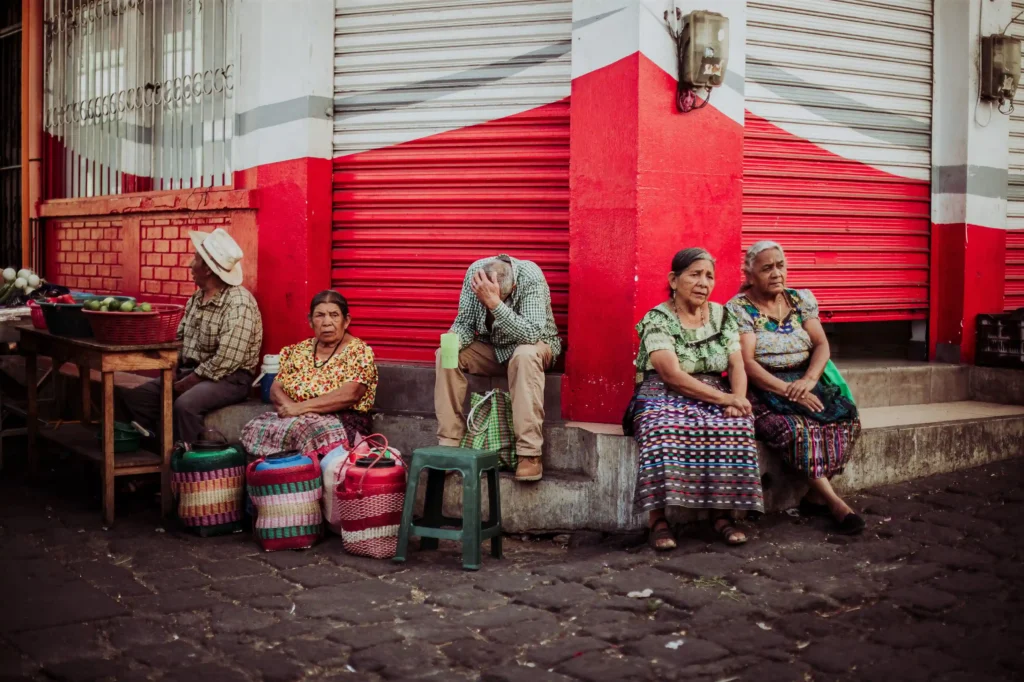
The village of Alotenango has a quieter, more local feel than other nearby destinations. It’s a place where you can stop off, have a short walk, grab a drink or simply get your bearings before continuing on your way.
Its role as a stopover is important. Many travellers do not visit it as their main destination, but rather as part of a wider itinerary centred on the volcanoes. And that is precisely why it is best to view it in this light: as a practical stopover, rather than a destination requiring a long list of things to do.

Viewpoints, country estates and peaceful spots near Alotenango
Around Alotenango, you’ll find farms, country lanes and quiet spots with lovely views. If you enjoy photography or rural landscapes, it’s well worth setting aside a little time to seek out these more peaceful spots.
You can also combine this area with other nearby places in Sacatepéquez. If you’re putting together a more comprehensive itinerary, you can check out Sacatepéquez: What to see and do or Chimaltenango: What to see and do to provide a broader regional context.
Alotenango and the volcano trails
Alotenango is closely linked to the volcano trails, both in terms of its location and its landscape. Its proximity to some of the major mountain ranges means it naturally features in active itineraries in the area.
How does Alotenango fit into the plans for Acatenango and Fuego?
Alotenango is ideally situated as a base for exploring routes and experiences linked to the Acatenango and Fuego volcanoes. If you’re planning a mountain hike, it can serve as a useful reference point for understanding distances, access routes and journey times.
Although many travellers set off from Antigua, passing through or staying near Alotenango may be a sensible option depending on the package booked, the departure time or the type of route. The important thing is to coordinate well with the tour operator or guide, especially if the excursion involves an early start or requires specific equipment.
What sort of stop is worth making in Alotenango?
The ideal stop in Alotenango is short, convenient and scenic. You can spend a little time taking in the surroundings, snapping a few photos, having a drink or a rest before heading off to another area. If you’re coming from a mountain route, it can also serve as a stopping point before returning to Antigua or continuing your journey.
There’s no need to pack the visit full of activities. In this case, less is more: scenery, tranquillity and context.
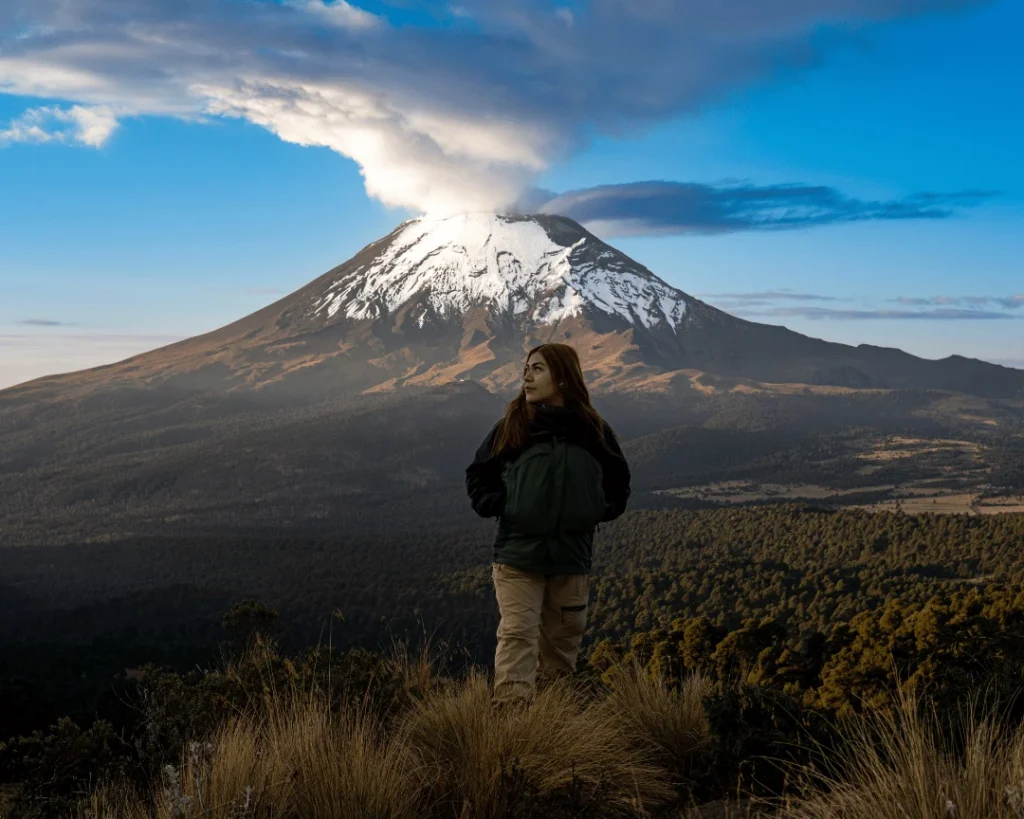
How much time should you spend in the village as part of a tour of Sacatepéquez?
For a casual visit, 1 or 2 hours may be enough if you just want to soak up the atmosphere, stop off for a while and enjoy some of the scenery. If you’re using it as a base or a place to stay, you can spend more time there, especially if you’re planning to combine it with nearby country estates, viewpoints or walking routes.
As part of a tour of Sacatepéquez, Alotenango works best as a stop-off. I wouldn’t include it as a stand-alone destination if you’re short on time, but it’s well worth visiting as part of a wider tour of the volcanic region.
How to organise your visit to Alotenango, step by step
Organising a trip to Alotenango is straightforward if you know exactly where you’re setting off from and what the purpose of your stop is: scenery, logistics, volcanoes or simply to relax.
How to get to Alotenango from Antigua and Guatemala City
From Antigua, getting to Alotenango is usually relatively straightforward by road. The most convenient way is by car, private transfer or organised transport, especially if you’re planning to combine it with mountain trails or visits to nearby estates.
From Guatemala City, the journey requires more planning, particularly due to traffic and connections. If you’re planning a volcano tour, it’s best to check in advance whether it’s better to set off from the capital, from Antigua or from somewhere closer.
The best time of year to visit Alotenango
Alotenango can be visited all year round, although the dry season is usually more comfortable if you want to explore the trails, enjoy the views and combine your visit with mountain activities. During the rainy season, the landscape may be greener, but it’s a good idea to allow for more flexibility in case of sudden changes in the weather.
If you’re looking for good views of the volcanoes, the morning is usually a good time. You’re more likely to find clear skies, and the light tends to show the landscape off to its best advantage.
Practical tips for visiting Alotenango
Alotenango is a straightforward destination, but if you’re combining it with a visit to volcanoes or the mountains, it’s worth making sure you’ve got the basics sorted. The weather can change, journey times can vary, and your comfort depends very much on how you organise your day.
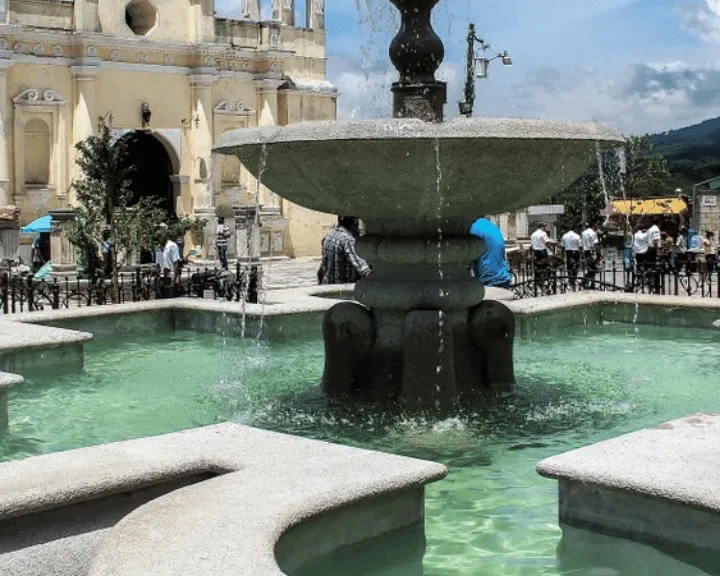
What to pack if you’re combining it with mountain or volcano treks
If you’re planning to combine a visit to Alotenango with hikes in the mountains or to volcanoes, make sure you pack comfortable clothing, sturdy footwear, water, some light snacks, sun cream and a jacket. Although it may be hot during the day, higher-altitude areas can be cool, especially in the morning or late afternoon.
If you’re planning a trip to Acatenango or the surrounding area, make sure you check carefully what kit you’ll need: warm layers, a torch, a hat, gloves and a suitable rucksack, depending on the route. Passing through Alotenango is not the same as using it as a base before a mountain activity.
How to adapt to the climate and the pace of village life
The pace of life in Alotenango is more relaxed than in Antigua, so it’s best to arrive without rushing and allow yourself plenty of time to explore. It’s not a place to explore with a fixed list of ‘must-sees’, but rather to be seen as a stop-off with a local character of its own: simple streets, a rural atmosphere, views of the volcanoes and that more leisurely pace that emerges when you move away from the more touristy areas. If you’re visiting before or after a mountain hike, it can be a good spot to rest, have a drink and reorganise your day.
It’s also important to bear in mind that the weather can change quickly, especially when you’re near volcanic and mountainous areas. Even if you start the day in sunshine, the wind may pick up, the sky may cloud over or the temperature may drop in no time at all. That’s why it’s a good idea to take a light jacket, sun cream and something to keep you warm. Also, check timetables, routes and journey times before you set off, particularly if you’re planning to combine a visit to Alotenango with Antigua, nearby fincas or a trip to the volcanoes. This way, you’ll avoid having to improvise if you’re short on time and can enjoy your visit at a more leisurely pace.
Frequently Asked Questions about Alotenango
Where is Alotenango?
Alotenango is in Sacatepéquez, near Antigua Guatemala, in an area closely linked to volcanic routes such as those leading to the Acatenango and Fuego volcanoes.
Is Alotenango worth a visit?
Yes, if you include it as a stop to admire the scenery as part of a tour of the volcanoes or of Sacatepéquez. It isn’t a destination with any major monuments, but it does help you understand the area.
How much time should I spend in Alotenango?
For a short visit, 1 or 2 hours may be enough. If you use it as a base or combine it with nearby estates and routes, you can spend more time there.
Is Alotenango a good base from which to climb Acatenango?
It may be useful depending on the logistics of your trip, although many travellers set off from Antigua. It’s best to check with your guide or tour operator before booking your accommodation.
When is the best time to visit Alotenango?
Mornings are usually a good time to enjoy clearer views of the volcanoes and to have more freedom to explore the area.