Antigua Guatemala’s traditional sweets are a must-try if you want to experience the city through your taste buds. Canillitas de leche, cocadas, candied figs, nuégados, guava colochos and fruit preserves. Antigua preserves a confectionery tradition closely linked to family homes, convents and recipes passed down through the generations. Shall we go for a stroll to work up an appetite?
Why are the traditional sweets of Antigua Guatemala part of the region’s culinary identity?
Antigua’s sweets are not just a mid-afternoon treat. In fact, they form part of a culinary heritage that blends colonial legacy, local produce, home cooking and artisanal production. That’s why, when you step into a traditional sweet shop, you’re not buying ‘sweets’, but little morsels of history.
The city has a strong connection with traditional confectionery. In Antigua, people still talk about handmade sweets, made using family recipes, and display cases bursting with colour: milky white, guava red, golden coconut, candied orange and glossy fruit in syrup.
Traditional sweets from Antigua Guatemala also make an excellent souvenir of your trip. They’re easy to share, tell a story about the place, and let you take a little piece of the city home without taking up too much space in your suitcase.

What’s more, you can try them after a stroll through the town centre, on your way out of a market, between a sightseeing trip and a coffee, or before heading back to the hotel after a day spent exploring its cobbled streets.
Which traditional sweets from Antigua Guatemala should you try?
If it’s your first time in the city, there’s no need to try everything at once. It’s best to start with the classics and then see what catches your eye in the shop windows. Many sweets are sold individually or by weight, so you can pick out a small selection.
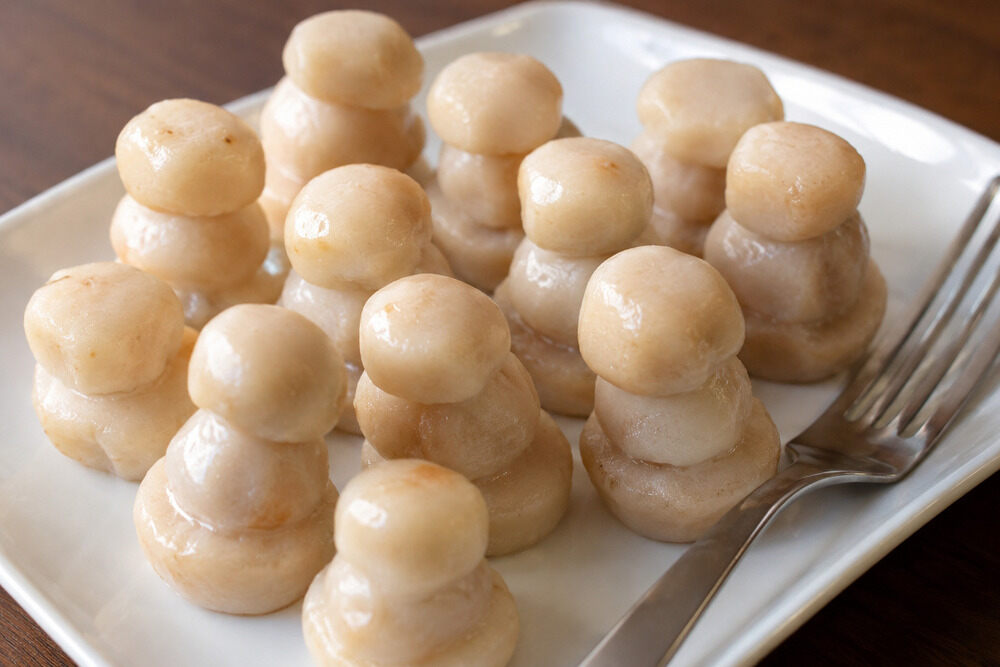
Some of the most common names you’ll come across include milk sweets, guava sweets, coconut sweets, tamarind sweets, pepitorias, nuégados, candied figs, candied oranges, espumillas and polvorosas.
Traditional sweets from Antigua Guatemala have one thing going for them: there’s something to suit almost every taste. Some are very creamy, others drier, some fruity, others crunchy, and some are quite sweet. If you don’t know where to start, why not ask for an assortment box?
Monastic sweets, preserves and traditional recipes
The monastic tradition has had a profound influence on the confectionery of Antigua. During the colonial era, convents were major centres for cooking, preserving recipes and making sweets. This influence is evident in dishes made with milk, sugar, fruit, spices and syrups.
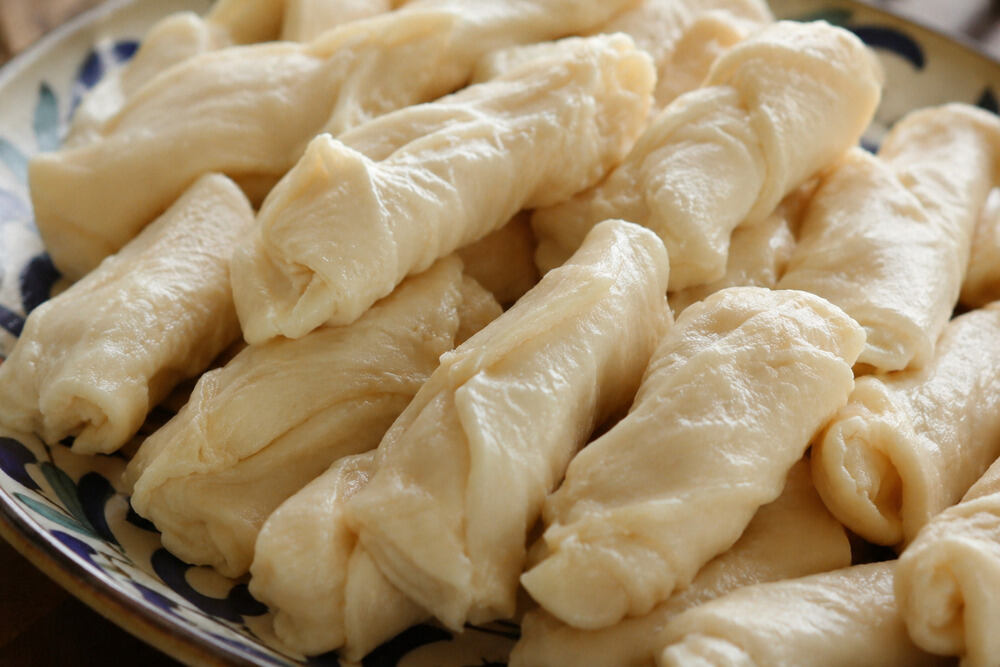
Milk cakes are, in fact, a good place to start. They are made with milk and sugar and have a soft, dense and very sweet texture. Bear in mind that they aren’t exactly a light dessert, but they are one of those treats that really capture the essence of traditional Guatemalan pastries.
It’s also worth trying the tinned fruit, such as figs in syrup, candied oranges or chilacayote. These are juicier sweets and are ideal if you like intense flavours, with that combination of cooked fruit and thick syrup that travellers love so much.
Sandwiches, fruit in syrup and other city classics
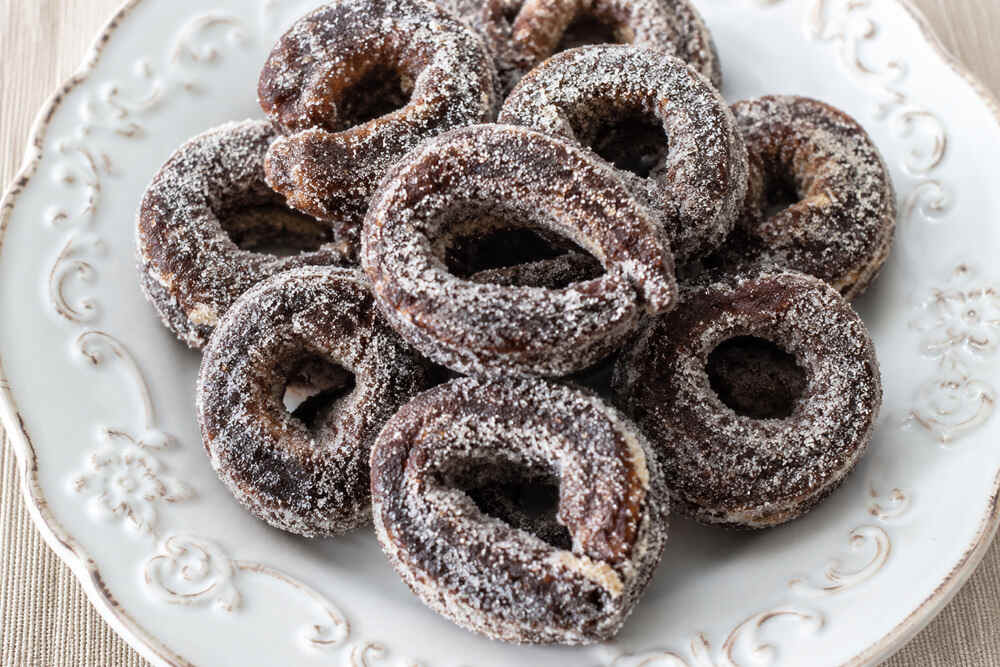
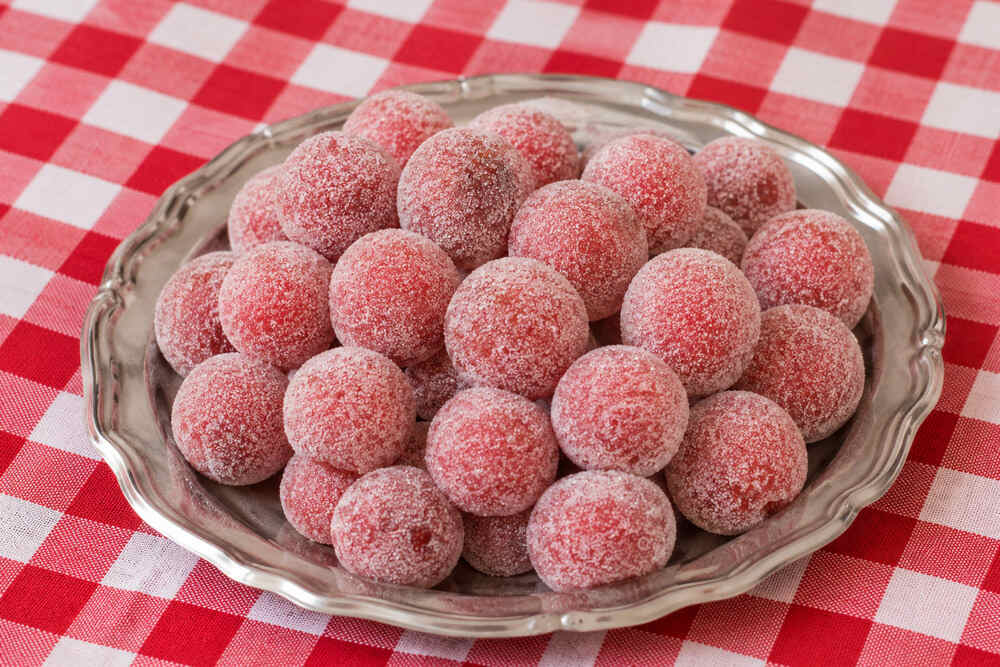
Guava sweets are another classic. You’ll recognise them easily by their curly shape and sugary texture. They have a distinct fruity flavour and are usually very popular with those looking for something different from milk sweets.
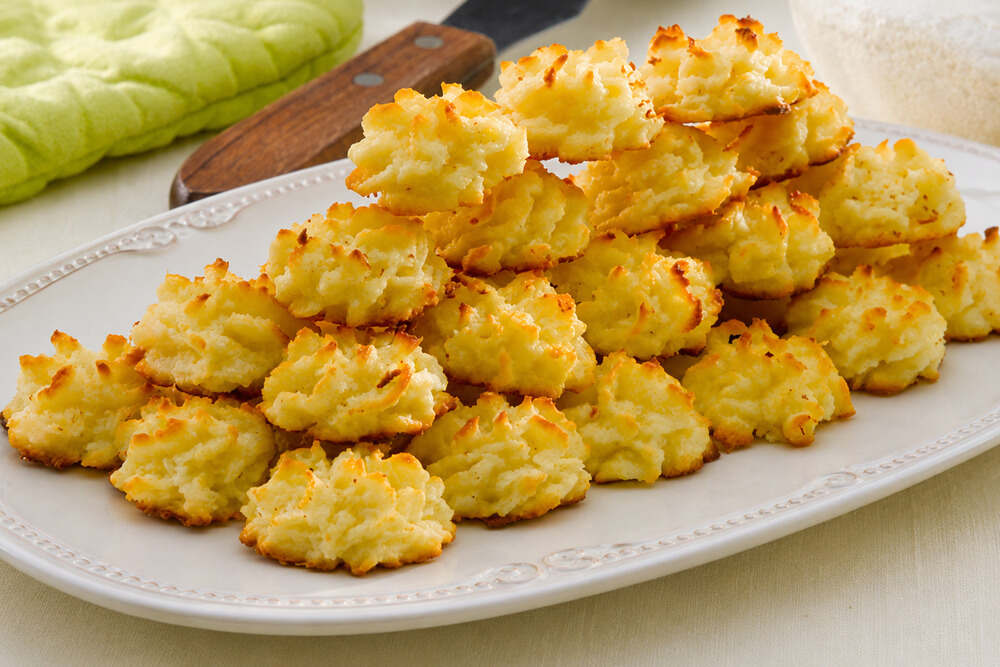
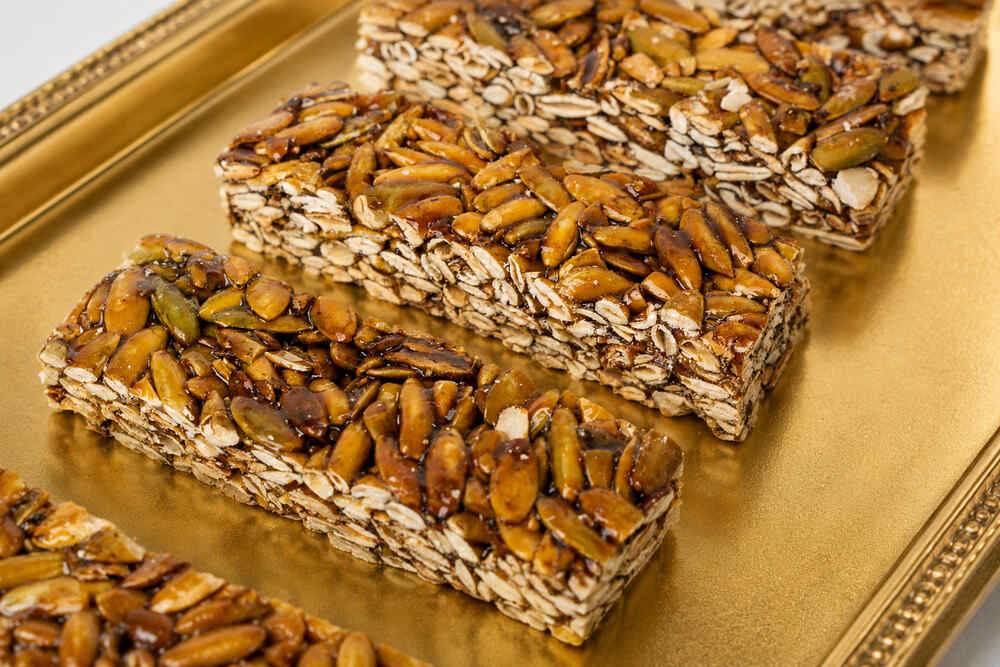
Cocadas, on the other hand, made with coconut and sugar, are simpler. Pepitorias, however, are perfect if you prefer something crunchy, with seeds and caramel. Finally, tamarinds have a tangy flavour that offers a bit of a break from the usual sweetness.
When putting together a box of traditional sweets from Antigua Guatemala, it’s best to mix up the textures: canillitas, colochos, cocadas, figs, tamarinds and a few preserves. That way, you can sample the full range without sticking to just one flavour.
Desserts and sweets associated with specific celebrations and times of the year
Some sweets are eaten all year round, but others are more commonly found at fairs, religious festivals or on specific dates. In Guatemala, sweet treats and popular traditions are often closely linked, particularly at markets, patron saint festivals and during Holy Week.
In Antigua, busy periods also mean the shop windows are full. During the peak tourist season, sweet shops stock a wider range of products, and it’s easier to find gift boxes, assorted platters or ready-to-take sweets.
If you’re travelling at a particular time of year, ask what’s most commonly served during that period. Often, the best sweet treat isn’t the most famous one, but the one that’s just come out of the kitchen.
- We invite you to read our article about museums in Guatemala.
Traditional sweets from Antigua Guatemala and local traditions
The traditional sweets of Antigua Guatemala are steeped in family tradition. Many recipes have been passed down through the generations, from mothers to daughters, from small workshops to shops, and from home kitchens to well-known sweet shops. That continuity is undoubtedly part of their charm.
So don’t expect to find a designer patisserie here. What reigns supreme here is the artisanal, the colourful and the familiar. Some of the sweets may look simple, but they require a great deal of patience: the fruit must be cooked, the milk and sugar carefully blended, the syrups monitored, the small pieces shaped, and the traditional flavour preserved.
The link between convents, cuisine and confectionery in Antigua
The connection between convents and sweets goes back a long way. In many colonial cities across the Americas, convents were places where Spanish techniques, local ingredients and recipes adapted to the local environment came together. Antigua was no exception in this regard.
This influence is evident in dulce de leche, candied fruit, preserves and other products designed to keep for longer. Before modern preservation methods were available, sugar helped to make the most of the fruit and keep the products fresh for longer.
That’s why, when you try the traditional sweets of Antigua Guatemala, you’re also sampling a part of that culinary tradition designed to preserve, share and sell in small quantities.
How have these recipes been preserved over time?
The recipes have been preserved because, quite simply, they have remained relevant. Travellers buy them, families give them as gifts, sweet shops display them, and Guatemalans recognise them as part of their everyday heritage.
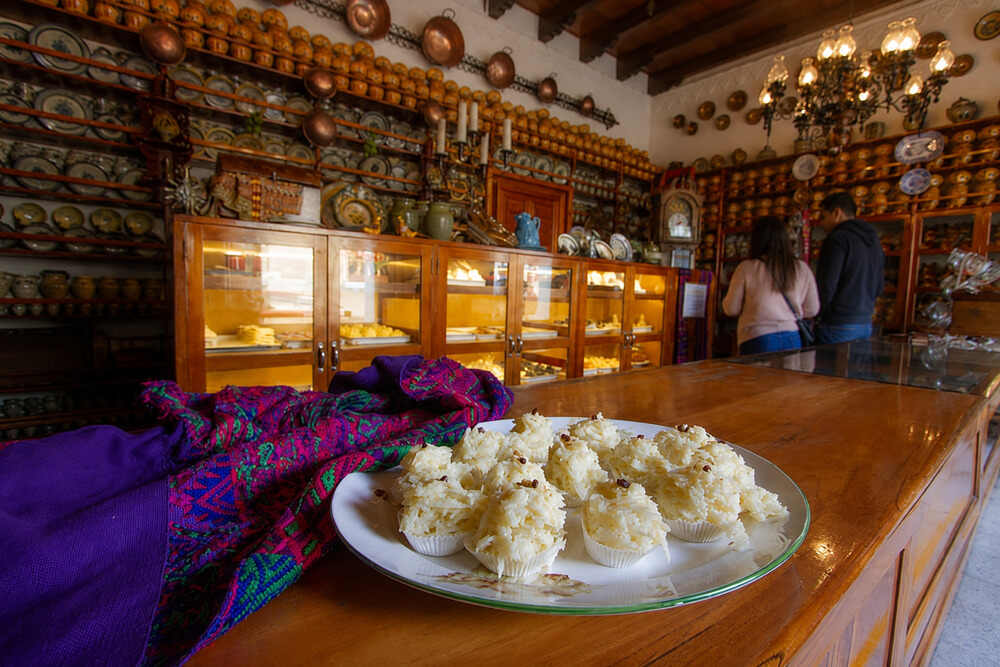
A well-known example is Doña María Gordillo, a traditional sweet shop in Antigua that has been making traditional sweets since 1872. Its history is linked to Dolores Ortiz and a family tradition that has made the shop a benchmark for Guatemalan sweets.
Places like that help you understand why these sweets are still around. They’re not just sticking around because they’re old, but because people still buy them, try them and recommend them.
- We invite you to read our article about the Flower Festival in Antigua Guatemala.
Where can I try traditional sweets from Antigua Guatemala?
If you’d like to try some traditional sweets from Antigua Guatemala, you could start with the traditional sweet shops in the city centre. Doña María Gordillo is one of the best known, so much so that it’s often cited as one of the top culinary recommendations thanks to its long history, wide selection and central location.
You can also look in craft shops, markets and small stalls near the main tourist areas. Some sweet shops put together gift boxes, whilst others sell individual items so you can try them without having to buy too much.
Shops, markets and spots in the city centre where you can find them
A great sweet-tasting tour of Antigua can start in the historic centre. The best thing to do is to stroll through the streets near Central Park, Calle del Arco and the areas with the most souvenir shops. You’ll often find sweets alongside coffee, chocolate, handicrafts and local produce.
Doña María Gordillo is a classic stop. There are also other very interesting options, such as El Convento Dulcería, located on Calle de Los Pasos, which sells traditional handmade sweets.
If you prefer something a bit more casual, pop into the markets or small shops and ask which sweets are homemade. Sometimes, the best finds come from a quick chat with the shop assistant.
How to find places selling more traditional products
To spot a shop selling traditional products, you should look out for the variety on offer and how the goods are displayed. Traditional sweet shops usually have trays filled with canillitas, cocadas, colochos, figs, oranges, nuégados and tamarinds.
It also helps to ask. If the staff can tell you what’s in each sweet, which ones keep best and which ones are the freshest, you’re on the right track. With traditional sweets from Antigua Guatemala, freshness matters a great deal, especially in those containing milk or fruit.
That said, be a bit wary of boxes that look too generic if they don’t specify the origin, production date or ingredients. And when taking them on a trip, there’s nothing better than buying from places with a high turnover where the product is well protected.
- We invite you to read our article about Antigua Guatemala Fútbol Club.
How to include traditional Antigua Guatemala sweets during your visit to the city
The best way to fit Antigua Guatemala’s traditional sweets into your visit is to treat them as a break, rather than a quick purchase at the end. Antigua is a place to explore on foot, so a sweet stop can give you a chance to rest, try something local and then continue on your way with renewed energy.
In fact, you can easily organise it all: a stroll through the town centre, a cultural visit, a coffee and a trip to a sweet shop. Or you could do it the other way round: buy a small box in the morning and try some sweets throughout the day.
What to pair with markets, cafés and strolls through the historic centre
Sweets go very well with Guatemalan coffee. If you buy canillitas, polvorosas or cocadas, you can save them to enjoy later with a coffee on a terrace or back at your accommodation.
You could also combine your sweet treat with a stroll through the market. There you’ll find fruit, spices, bread, tortillas and everyday goods. This mix will help you realise that Antigua’s cuisine isn’t confined to fancy restaurants.
If, for example, you’re near Central Park, you can pop in to buy some sweets before or after heading to the Santa Catalina Arch. It’s a very convenient area to get around without wasting time.
When is it worth stopping for a sweet treat along the way?
It’s best to stop for a sweet treat in the middle of the afternoon, when you’ve been walking for several hours and fancy a little something. It’s also a good idea at the end of the day to buy a box and take it back to the hotel.
As far as possible, avoid buying delicate sweets just before a long walk in the sun. Those made with milk, fruit or syrup are more likely to spoil in the heat. However, if you’re going on a hike, ask for them to be wrapped up properly.
The traditional sweets of Antigua Guatemala are perfect for a quiet break. You don’t need to eat many; with just two or three well-chosen pieces, you’ll get a good taste of the local tradition.
Traditional sweets from Antigua Guatemala to take home as a souvenir
If you want to take some traditional sweets from Antigua Guatemala back as a souvenir, think about transport first. It’s not the same thing to walk back to the hotel in ten minutes as it is to carry a box in your rucksack all day long.
Dry or firm sweets tend to keep better. Pastries, crumbly sweets, coconut sweets, pepitorias and some colochos travel better than very juicy fruits in syrup, although it all depends on the packaging and the journey time.
Which options do visitors to the city tend to prefer?
Assorted boxes make the perfect gift, as they allow you to try different flavours and look lovely without having to choose each one individually. If the recipient isn’t familiar with Guatemalan confectionery, it’s best to include sweets made with milk, coconut, guava and tamarind.
Milk sweets are usually popular because of their smooth texture. Guava sweets are eye-catching and easy to remember. Coconut sweets are perfect for anyone who enjoys coconut, and pepitorias are a good choice if you prefer something crunchy.
If you’re not sure, ask the shop assistant for a mixed selection and explain that you’re going on a trip. In traditional sweet shops, they’re used to making recommendations based on the distance, the climate and when you plan to eat them.
Which sweets are best for taking on a trip?
If you’re going on a trip, choose firm, wrapped or less moist sweets. Canillitas, cocadas, pepitorias, polvorosas and some guava sweets are usually more practical than figs in syrup or very juicy fruits.
If you’re taking a long-distance bus, a hot transfer or a flight, avoid taking boxes that might get squashed. Ask the shop assistant to pack them in a rigid box or buy a small amount. The traditional sweets of Antigua Guatemala are best enjoyed when they arrive in one piece.
You should also check the restrictions if you are travelling abroad, particularly regarding artisanal products without a clear commercial label. If you plan to consume them whilst travelling in Guatemala, you won’t have any problems as long as you keep them in a cool, dry place.
Frequently Asked Questions about traditional sweets from Antigua Guatemala
What are the best-known traditional sweets from Antigua Guatemala?
Among the best known are milk-filled pastries, coconut sweets, guava sweets, candied figs, candied oranges, nougat, tamarind sweets, pepitorias, espumillas and polvorosas. Ideally, you should try an assortment box to compare the flavours and textures.
Where can I buy traditional sweets from Antigua Guatemala?
You can buy them in the traditional sweet shops in the city centre, at markets and in craft shops. Doña María Gordillo is one of the best-known spots, thanks to its history dating back to 1872. There are also craft stalls in areas such as Calle de Los Pasos and in the streets near the city centre.
Which traditional sweets from Antigua Guatemala are best suited for taking away?
For travelling, the best options are milk sweets, coconut sweets, pepitorias, polvorosas and guava sweets, as these are firmer. Fruit in syrup or very moist sweets are more delicate, so they should be eaten beforehand or transported with good protection.