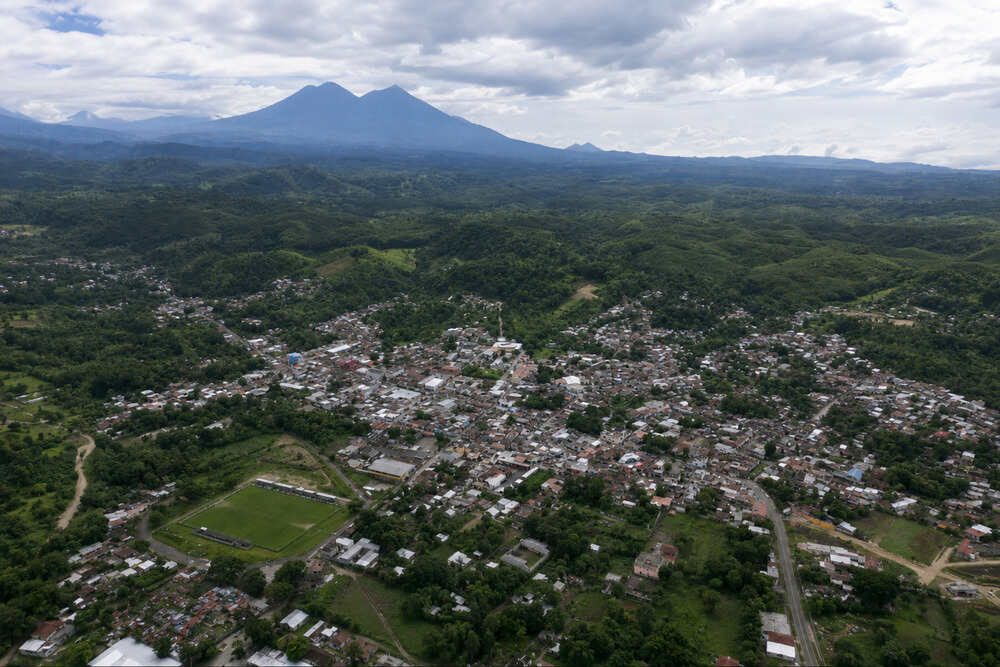
Patulul is one of those municipalities in Guatemala that is often seen as merely a stop-off point. However, it also offers a number of fascinating attractions that give an insight into local life in Suchitepéquez. The town is situated in a warm region, along the routes connecting the south coast, the highlands and other nearby destinations such as Escuintla, Sololá and Mazatenango. You won’t find a wide variety of monuments here, but rather a town steeped in history, with local shops, a tropical climate, rich traditions and a pace of life very different from that of the country’s more touristy destinations. If you fancy exploring it, now is the perfect time. Are you coming along?
Where is Patulul?
Patulul is situated in south-western Guatemala, more specifically within the department of Suchitepéquez. Its location makes it an ideal base for those wishing to explore the routes leading down from the highlands to the southern coast.
The town has a warm atmosphere, a fair amount of commercial activity and strong links to agriculture, the roads and the nearby villages. When travelling through Guatemala, it can serve as a brief stopover or as a base from which to explore an area that is less commonly included in standard itineraries.
Location in the department of Suchitepéquez
Patulul is part of Suchitepéquez, a department situated in the south-western region of the country. The departmental capital is Mazatenango, which is just over 50 kilometres away.

The municipality covers an area of approximately 332 km², so it's by no means a small place. Its territory comprises the town centre, hamlets, agricultural areas and areas bordering the Guatemalan coast.
The altitude is around 336 metres above sea level. It's precisely this altitude that explains its climate quite well: it's hot for much of the year and the humidity is noticeable, particularly during the rainy season.
How to get there from Guatemala City
Patulul is about 110 kilometres by road from Guatemala City. The journey can take around 2.5 to 3 hours, although the actual time will depend on traffic, roadworks, buses and that very Guatemalan factor of ‘today the road decided to go at its own pace’.
The most common route is the one that follows the roads linking the capital with the south and south-west. It’s best to set off early, especially if you’re travelling at the weekend or during the rainy season.
If you’re travelling by public transport, you’ll usually take a bus or minibus to the Suchitepéquez area and check the connections based on your exact departure point. In Guatemala, it’s always best to ask at the bus station or at your accommodation before setting off.
Connections to nearby towns and destinations
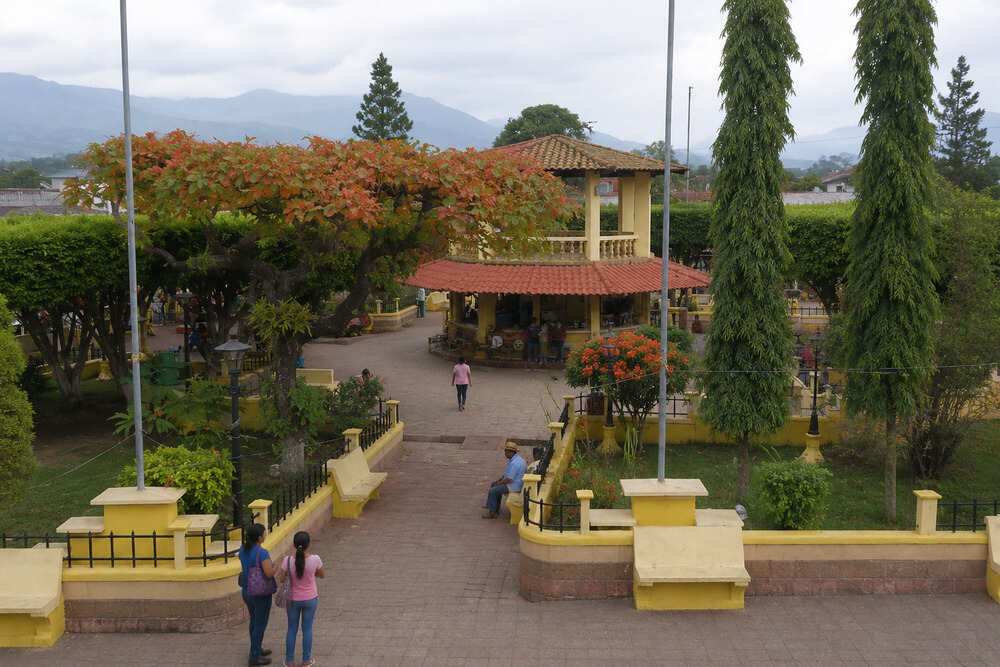
Patulul is very well connected to the municipalities of Suchitepéquez and other nearby areas in Escuintla and Sololá. This location may be of interest to you if you’re planning a route between the south coast, Lake Atitlán, Antigua Guatemala or Mazatenango.
At the same time, from Patulul you can also organise trips to other places of interest in the region, although you’ll always need to check the travel times carefully beforehand. Everything looks close on the map, but the roads, traffic and rain can throw a spanner in the works.
History and heritage of Patulul
The history of Patulul is linked to its name, its location and its role within the territory of Suchitepéquez. The name is often associated with terms of Quiché origin relating to the sapote fruit, which is why many sources refer to it as ‘Land of the Sapote’.
The municipality was founded on 27 August 1836. It's also linked to significant periods in regional history, such as the territorial reorganisation following independence and the administrative changes that affected south-western Guatemala.
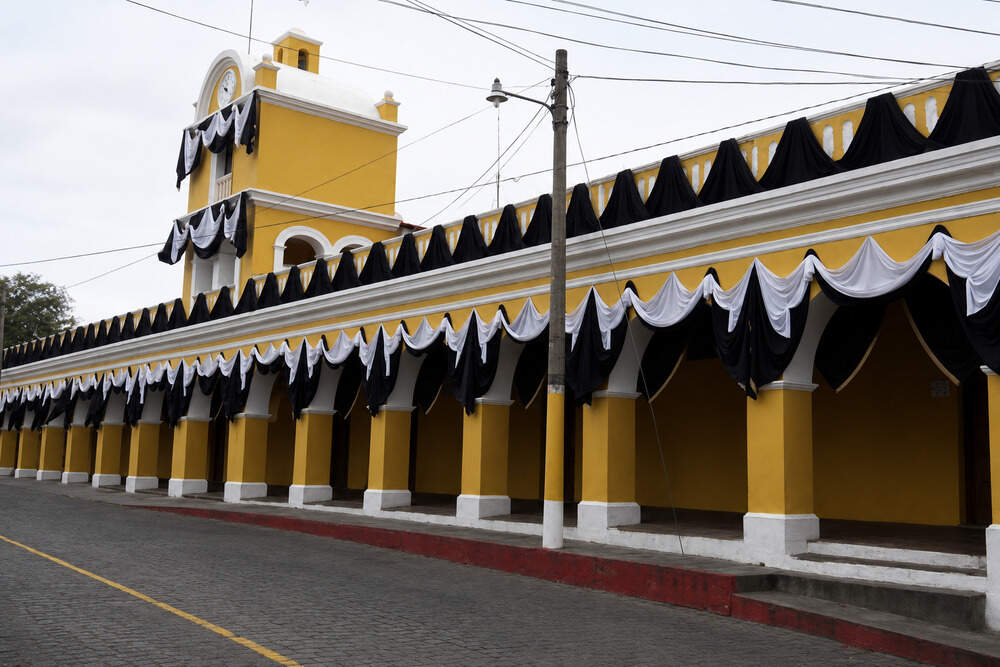
Patulul’s heritage is by no means on a par with that of a historic city, but you can certainly sense it in its town centre, its church, its streets, its park, its shops and its festivals. It's a more everyday kind of heritage, the sort that comes into view as you stroll along at a leisurely pace.
For a short visit, the town centre is the best place to start. That’s where you can take in the local atmosphere, locate the main buildings and get a general sense of the town’s pace of life.
- We invite you to read our article about Momostenango.
Culture and traditions of Patulul
The culture of Patulul blends religious traditions, agricultural life, local trade and the customs typical of Suchitepéquez. In fact, this is a municipality whose identity is not designed solely for visitors, but also for the people who live there.
We must also bear in mind the area’s cultural diversity. Within the municipality, there are communities that speak languages such as Spanish, Kaqchikel and Quiché, although Spanish is the most widely spoken language for visitors getting around.
Local festivals and celebrations
The patron saint festivals play a very important role in local life. In fact, religious celebrations are held throughout the year in honour of figures such as Saint Mary Magdalene, Our Lady of Mercy and the Immaculate Conception.
That’s why, before you travel, it’s highly recommended that you check the local events calendar. There may be church services, processions, music, food stalls, games, traditional festivities and a lively atmosphere in the streets, which will make your visit a completely different experience to what you had in mind.
Without going any further, Patulul changes quite a lot during a festival. The town becomes much livelier, noisier and more colourful. In short, it’s the exact opposite of a getaway in complete silence, which is what usually happens at other times of the year.
Traditional cuisine of the municipality
Patulul’s cuisine is closely linked to the everyday fare of Suchitepéquez and the south coast. Here you’ll find simple eateries, snacks, tortillas, meat dishes, soups, tropical fruit and refreshing drinks.
The heat will be a key factor in what you feel like eating. Stopping for some fruit, fresh juice or a home-cooked meal can be more satisfying than looking for a fancy restaurant. Simplicity is what takes centre stage here.
One final tip: at local markets and stalls, it’s best to ask what’s fresh today. Often, the tastiest dishes aren’t the ones on a fancy menu, but those that have been simmering on the hob for hours.
Crafts and cultural expressions
Patulul is not as well-known a craft destination as other villages in Guatemala, but it does preserve cultural traditions in its festivals, local trade and everyday life.
You can find local produce, textile items and everyday goods in its markets and shops. The key is to browse without expecting to find a major tourist shopping area, as this town has a different pace when it comes to shopping and tourism.
- We invite you to read our article about San Juan La Laguna.
What to see in Patulul
Patulul is an ideal destination for a casual visit: the town centre, the park, the church, the market and local life. You don’t need a long list of monuments or attractions to justify stopping off here.
Central Park could be a good place to start your walk. From there, you can explore the nearby streets, soak up the atmosphere of the town and find the shops, food stalls and public buildings.
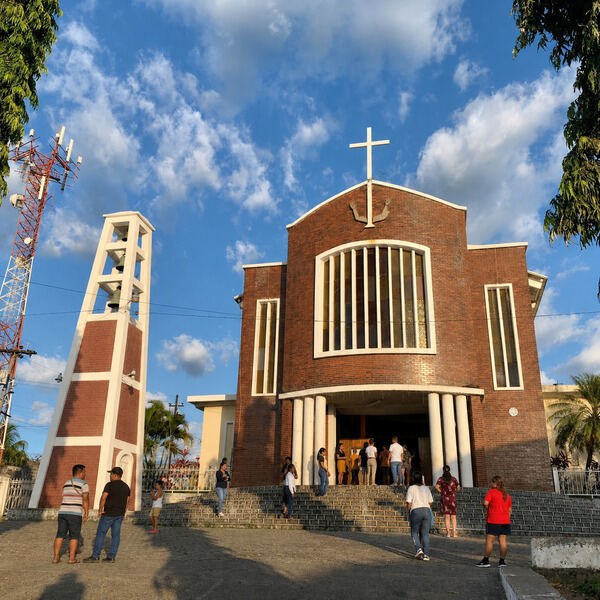
The church and the area around the town centre are also well worth a visit. In villages such as Patulul, these places tend to be the focal point for much of social life, particularly on market days or during celebrations.
You could also head to other areas with more commercial activity. There, you’ll get a much better sense of how the town comes to life, what products are on sale, and how local life blends with the comings and goings of travellers and public transport.
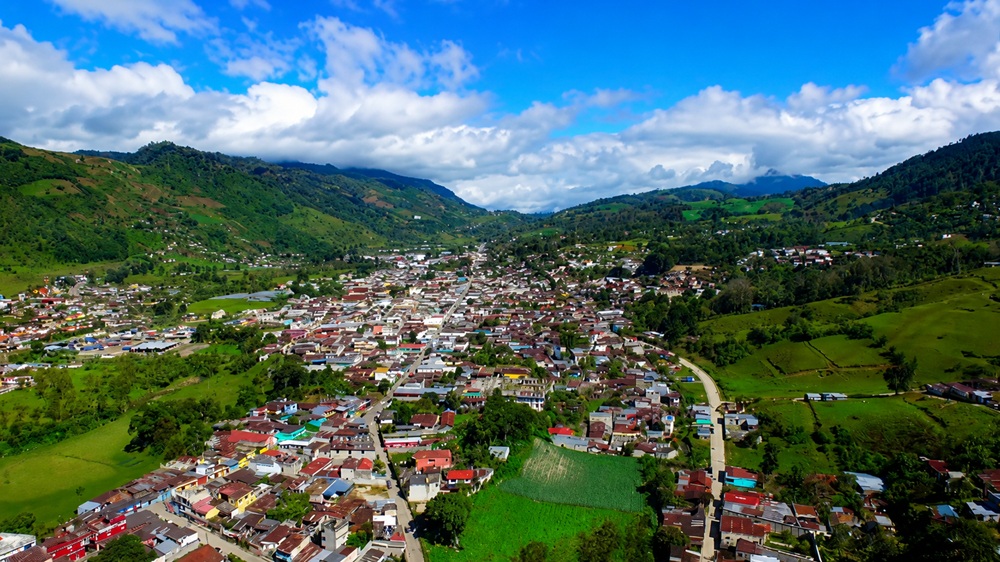
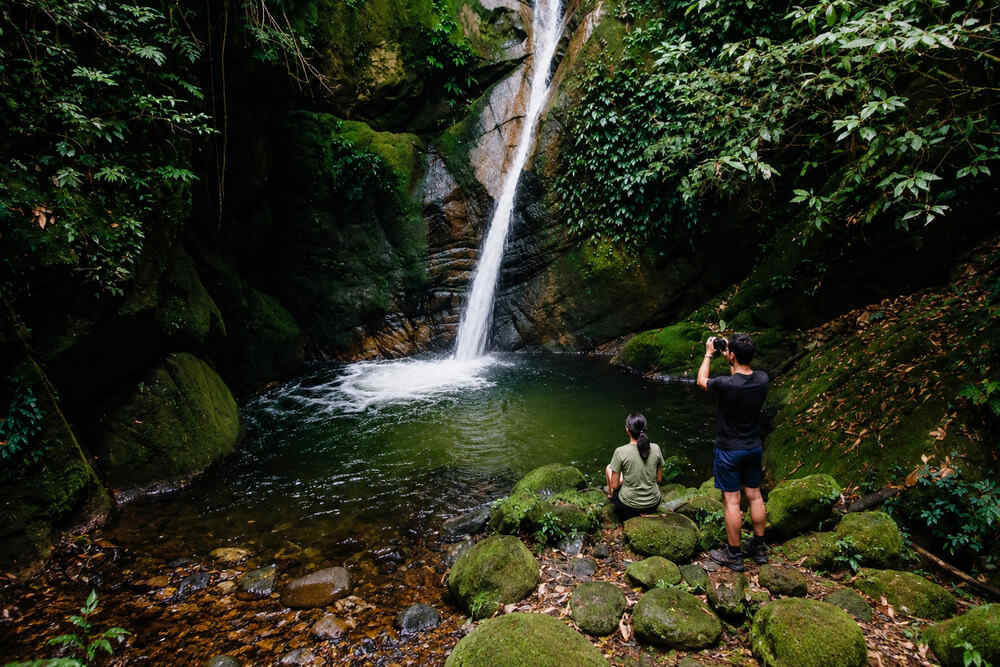
Another option is to venture a little way into the countryside. Patulul is surrounded by picturesque countryside, farmland and roads linking it to other towns. You don’t need to go on a long trip; just head a little way out of the village to see a completely different landscape.
To summarise, some of the simplest plans might include:
- Take a stroll through the park and the nearby streets.
- Take a look at the church and the atmosphere in the town centre.
- Buy local fruit or food.
- Stop off on your way to Suchitepéquez, Escuintla or Sololá.
- Take a leisurely look at everyday life in the town.
Things to do in Patulul
Patulul is a very peaceful stop on a route through south-western Guatemala. Essentially, it’s not a destination with a list of must-see attractions. What you’ll experience here is the down-to-earth, small-town atmosphere of the area.
A good way to start, as we’ve just mentioned, is to take a stroll through the town centre. The walk helps you get a feel for the local pace of life, check out the shops, find the park and spot somewhere to grab a quick bite to eat.
You can also make the most of your visit to try the local food. In a warm town like Patulul, a refreshing drink, some seasonal fruit or a home-cooked meal are just the ticket. It doesn’t sound spectacular, but often that’s exactly what you need when you’re on the road, isn’t it?
Another idea is to use Patulul as a rest stop between the legs of your journey. If you’re travelling from Guatemala City to Suchitepéquez or to areas near Lake Atitlán, a well-planned stop like this will prevent you from arriving at your final destination feeling exhausted.
The area is also perfect for taking in the agricultural scenery and learning a little more about rural life in the region. You don’t always need to look for a great viewpoint, because there isn’t actually one. The road itself can offer a variety of interesting scenes of farmland, roads, small shops and local life.
That said, things are quite different during the festive season. At that time of year, you’ll generally find religious events, street markets, music and a great atmosphere amongst the crowds. So, don’t forget to check the timetables and be patient when travelling, as the traffic and the hustle and bustle of the crowded streets can make any journey take longer.
- We invite you to read our article about Tiquisate.
Climate and weather in Patulul
Patulul has a warm, tropical climate. Throughout the year, temperatures usually range between 17 °C and 33 °C, with highs rarely exceeding 35 °C. It can feel quite humid, particularly during the rainy season.
The dry season (from November to April) is usually clearer and more comfortable for getting about. The rainy season (between May and October), on the other hand, is cloudier, more humid and oppressive, especially in the afternoon. You should therefore check the weather in Patulul carefully before travelling, particularly if you’re going to be driving or relying on buses to get around.
Bear in mind, however, that the heat doesn’t mean you can forget about the rain. In this area, a day can start with bright sunshine and end with a storm. Therefore, the ideal rucksack for a visit here should include water, sun cream and something light to cover up in should a heavy downpour hit.
The weather in Patulul also affects the sort of visit you’ll have. If you’re planning to walk around the town centre, the mornings are always best. At midday, the heat can be quite intense, so it’s a good idea to take a break for lunch or to rest.
One final point to bear in mind if you’re travelling by car or on public transport: during the rainy season, journeys on the roads tend to take longer.
Transport and safety recommendations
You can get around Patulul at a leisurely pace in the central area, but travelling between neighbouring towns requires a bit more planning. Public transport is available, although timetables and stops may vary depending on the route.
If you’re travelling from Guatemala City, Antigua, Escuintla or Mazatenango, you should check your departure time carefully. The morning is usually the best time of day to avoid heavy traffic and, above all, to arrive at your destination whilst it’s still light.
On the other hand, when it comes to safety, you just need to use common sense: don’t carry too much cash on you, keep your mobile phone safe, avoid walking alone on the streets at night, and ask the locals before heading out into rural areas. Patulul doesn’t involve any complicated logistics, as you’ve probably already realised, but it does require a cautious approach.
The weather in Patulul is also a factor when it comes to safety. During the heavy rainy season, some roads can become treacherous and traffic slows down. So, it’s better to allow plenty of time than to end up glancing at your watch with a worried look on your face.
Frequently Asked Questions about Patulul
How many kilometres is it from the capital to Patulul?
The distance by road from Guatemala City to Patulul is around 113 kilometres. The journey usually takes between 2.5 and 3 hours, although traffic and weather conditions can significantly affect the actual journey time.
What language is spoken in Patulul?
The most commonly used language for travelling and communicating is Spanish. You will also hear many people speaking Mayan languages such as Kaqchikel and Quiché in the municipality and its surrounding cultural area.
What do you call the people from Patulul?
People from Patulul are usually referred to as Patulultecos or Patulultecas. You may also hear references to the town’s nickname, ‘Tierra del Zapote’.
When is the best time to visit Patulul?
The dry season is generally the best time for walking and travelling by road. That said, Patulul can be visited all year round if you check the weather and allow plenty of time for your journeys.
Is it worth stopping off at Patulul on a trip around Guatemala?
Yes, it’s well worth a visit if you want to explore a local town in Suchitepéquez, take a break from your road trip or discover what everyday life is like in south-western Guatemala.