Set amidst the endless green of the farmland and the tropical heat of the South Coast, Tiquisate offers a different side to Guatemala, far from the well-trodden paths. Here, the agricultural landscapes blend with rivers, country lanes and communities that have grown in step with this extraordinarily fertile land.
If you visit Tiquisate, you won’t find any grand monuments or crowded cities, but you will discover the purest essence of Escuintla. Through its natural surroundings, its history rooted in the countryside and its proximity to several beaches, you’ll discover the true character of the Guatemalan Pacific coast.
Where is Tiquisate?
Tiquisate is situated in the department of Escuintla, in the southern region of Guatemala. It forms part of the vast Pacific coastal plain and is surrounded by some of the country’s most productive agricultural land.
How to get there from Guatemala City
The distance between Guatemala City and Tiquisate is approximately 145 kilometres. The journey is usually made by road via the CA-9 Sur, before joining the roads that pass through Escuintla towards the coastal region.

Depending on the traffic, the journey can take between three and four hours. As you leave the highlands behind, the landscape changes markedly: the mountains give way to vast plantations of sugar cane, African palm and other crops typical of the South Coast.
Connections to nearby towns and destinations
Tiquisate has good transport links with municipalities such as La Gomera, Nueva Concepción, Sipacate, Masagua and Santa Lucía Cotzumalguapa. It also offers relatively quick access to the Pacific beaches and various natural areas along the Escuintla coastline. For this very reason, many travellers use the municipality as a stopover when exploring different parts of the South Coast.
History of Tiquisate
Although the area had been inhabited since pre-Hispanic times, the modern development of Tiquisate is closely linked to the agricultural expansion of the Southern Coast during the 19th and 20th centuries. The emergence of large estates, the cultivation of crops for export and the construction of railway infrastructure profoundly transformed the region.
In fact, for much of the last century, Tiquisate played a significant role in Escuintla’s economic growth thanks to its agricultural production.
Culture and traditions of Tiquisate
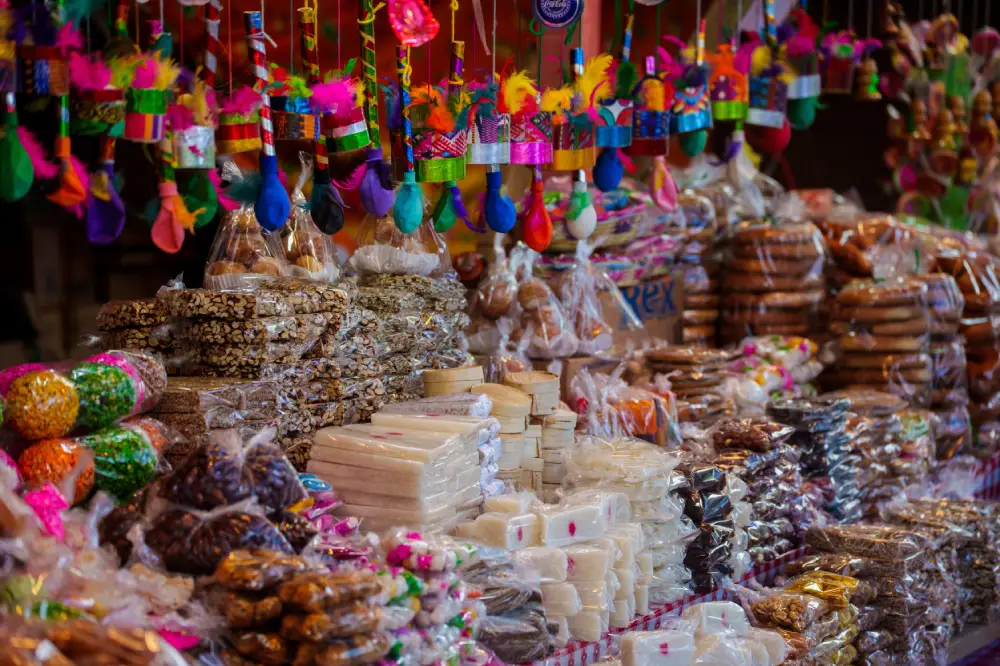
The local culture reflects the blend of traditions characteristic of Guatemala’s southern coast, where indigenous, mestizo and agricultural influences come together. Here we explain the key points.
Local festivals and celebrations
The patron saint’s festival in the municipality of Tiquisate is one of the most important events of the year for the municipality. It brings together religious, cultural, recreational and sporting activities that foster social interaction and strengthen the municipality’s cultural traditions.
Throughout the festival, religious events such as solemn masses and processions featuring the image of the patron saint take place. Cultural and recreational activities are also organised, such as the election of the festival queens, parades, artistic performances and traditional dances. Of course, there are also the inevitable fairground rides and stalls selling traditional food for those feeling peckish.
The fair’s official programme includes religious events, such as solemn masses, prayers and processions featuring the image of the patron saint, as a demonstration of the local people’s deep devotion and faith.
At the same time, cultural and recreational activities take place, including beauty pageants, parades, artistic performances, traditional dances, feasts, fairground rides, markets selling traditional food and sporting events.
Traditional cuisine of the municipality
The cuisine of Tiquisate is characterised by the region’s agricultural and livestock produce. Among the most common dishes are tamales, chuchitos, traditional soups and various dishes made with meat, maize and fresh vegetables.
Tropical fruits grown in the region are also popular, particularly at certain times of the year, when the markets are filled with mangoes, papayas, coconuts and other produce typical of the South Coast.
Crafts and cultural expressions
Although the municipality is not known for any iconic handicrafts, as is the case in other regions of Guatemala, it's still possible to find small family-run workshops specialising in handicrafts.
The most visible cultural expressions take place during community fairs and celebrations, where folk music, feasts, parades and sporting events bring together residents from the municipality’s various villages. These festivities remain one of the main opportunities for social interaction and a testament to the strong local identity that characterises Tiquisate.
The salt-making tradition found in some communities within the municipality is also of interest. Tiquisate is one of Guatemala’s leading salt producers, an activity that has been part of the region’s history and economic culture for generations.
- We invite you to read our article about Champerico.
What to see in Tiquisate
Church and Central Park
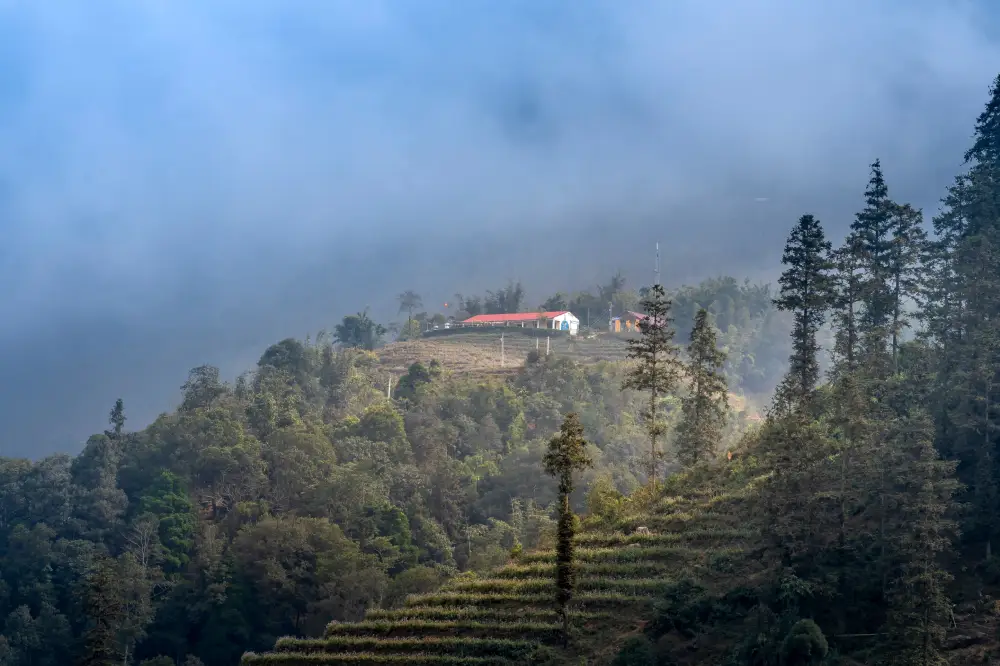
Tiquisate’s Central Park is the best place to understand how the municipality works. All around it are small shops, public institutions, food stalls and spaces where local residents and farmers gather every day. Sitting for a few minutes in the shade of its trees and simply observing gives you a better understanding of daily life in one of the most productive regions of the South Coast.
Next to the central park stands the parish church, one of Tiquisate’s main landmarks. Although its architecture is simple compared to the grand colonial churches of Guatemala, it's an important religious and social centre for the community.
Agricultural landscapes of the South Coast
One of Tiquisate’s main attractions lies beyond the town centre. The municipality is surrounded by some of the most fertile land in Guatemala, where vast plantations of sugar cane, African palm, banana, maize and rubber stretch out. Travelling along the country roads offers views of kilometres of cultivated fields stretching as far as the eye can see, criss-crossed by irrigation channels and farm tracks.
Rivers and nearby natural surroundings
The abundance of water has been key to Tiquisate’s agricultural growth. Various rivers and tributaries flow through the area surrounding the municipality, forming part of the catchment areas that run down from the mountains towards the Pacific. These river corridors provide habitats where waterbirds, tropical vegetation and the rich biodiversity characteristic of the coastal lowlands thrive.
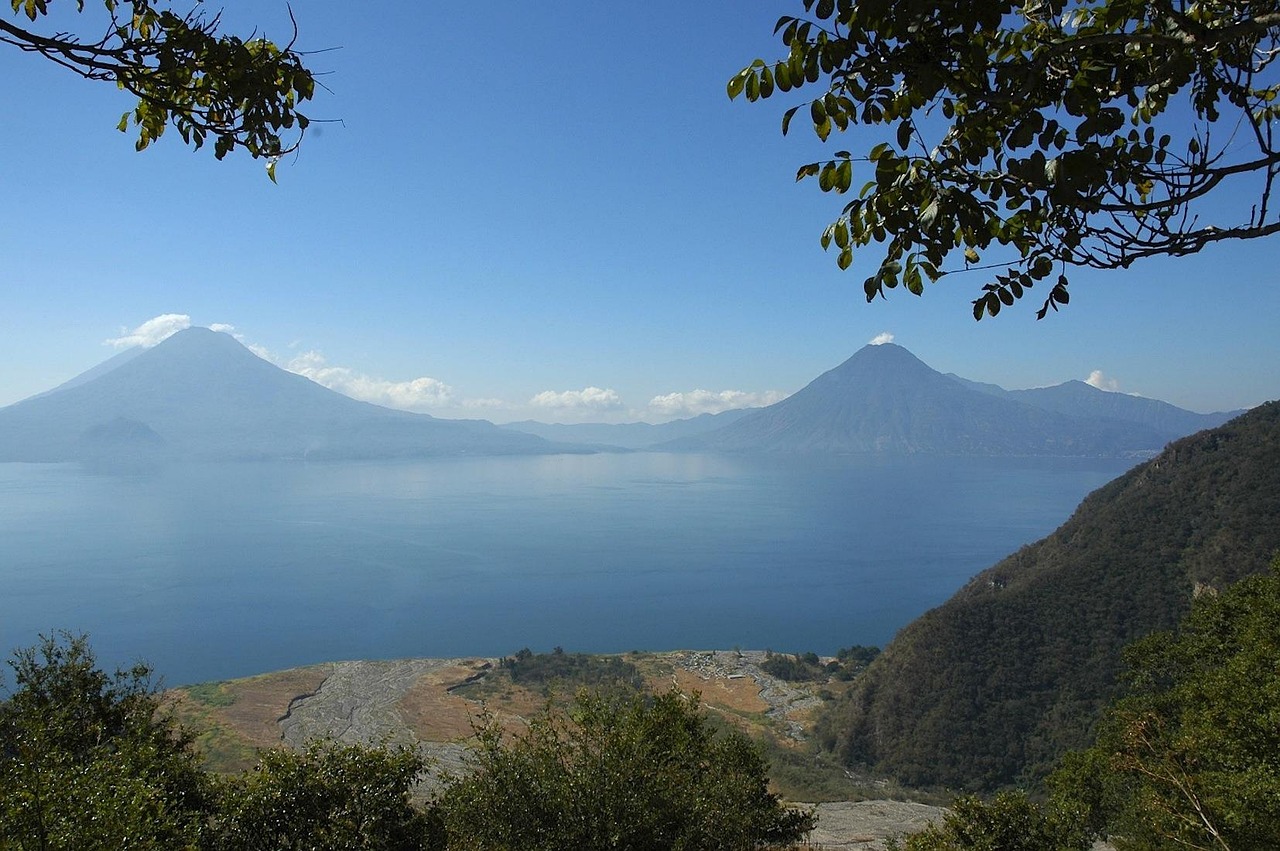
- This page about Lake Atitlán may interest you.
Things to do in Tiquisate
Explore the rural landscapes of the municipality
The best way to discover Tiquisate is to leave the town centre and head out onto the roads that wind through its vast agricultural areas. These rural routes offer a close-up view of the crops that have shaped the economic history of the South Coast, from the vast sugarcane fields to the African palm and rubber plantations that dominate much of the landscape.
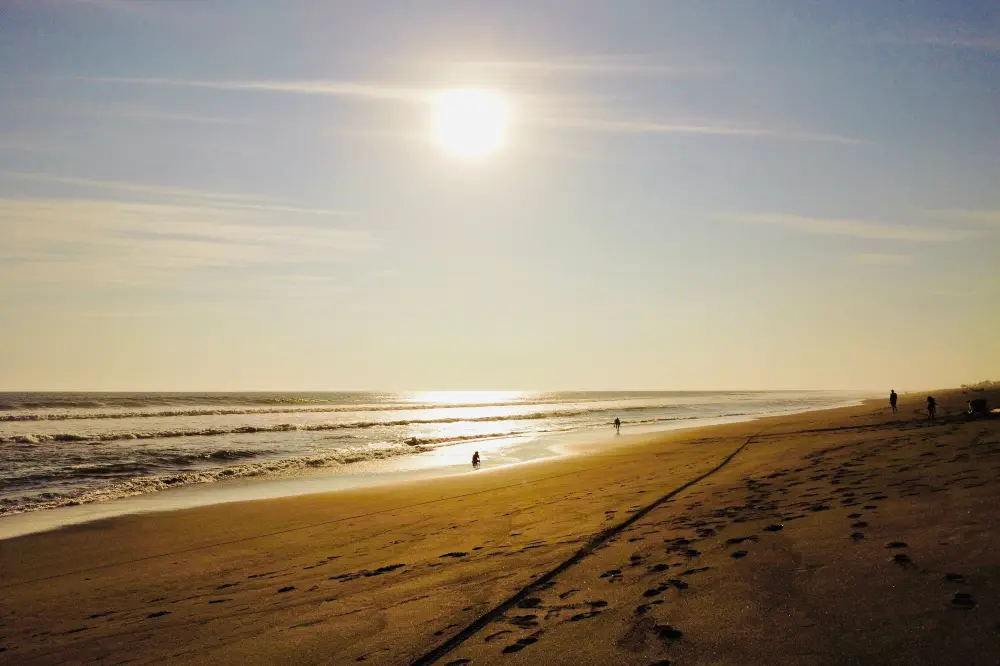
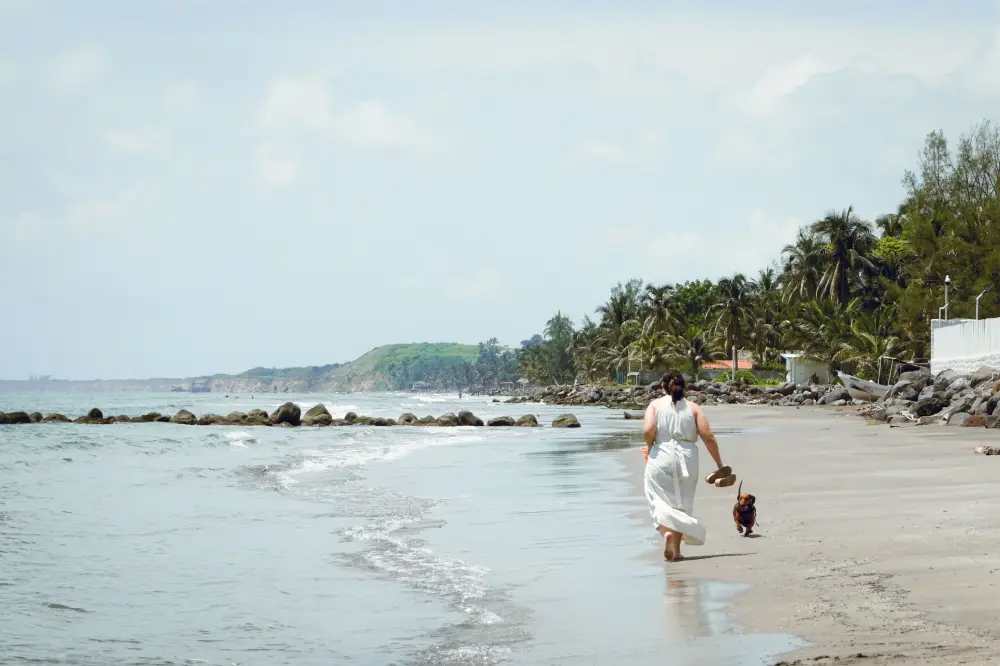
Very close to these agricultural areas lies El Semillero Beach, one of the municipality’s best-known coastal destinations. Combining the rural landscapes of Tiquisate with a visit to this long beach of volcanic sand allows you to discover two of the most characteristic aspects of Guatemala’s southern coast.
Nature and agricultural photography
If you love photography and want to take a little piece of rural Guatemala home with you, Tiquisate offers endless possibilities. The vast plantations in this municipality create geometric patterns that contrast with the lush vegetation typical of this region.
During the harvest season, when the sugarcane is in full growth, the landscape takes on a particularly striking character. Sunrises are often accompanied by banks of mist that partially shroud the crops, whilst sunsets bathe the fields in shades of gold and orange. The rivers, the birds and the everyday scenes of farm work also add an interesting documentary element for lovers of travel photography.
Explore routes to the Pacific coast
Thanks to its location, Tiquisate is a good base from which to explore some of Escuintla’s most interesting coastal landscapes. From here, you can reach Sipacate relatively quickly – one of the best-known areas on the Guatemalan Pacific coast for its volcanic beaches and excellent surfing conditions.
It's also well worth visiting the Sipacate-Naranjo protected area, where mangroves, canals and estuaries are home to a wealth of biodiversity. Boat trips offer the chance to spot waterbirds, reptiles and coastal ecosystems that stand in stark contrast to the agricultural landscapes of the interior.
- This page about Monterrico Beach may interest you.
Best time to visit Tiquisate
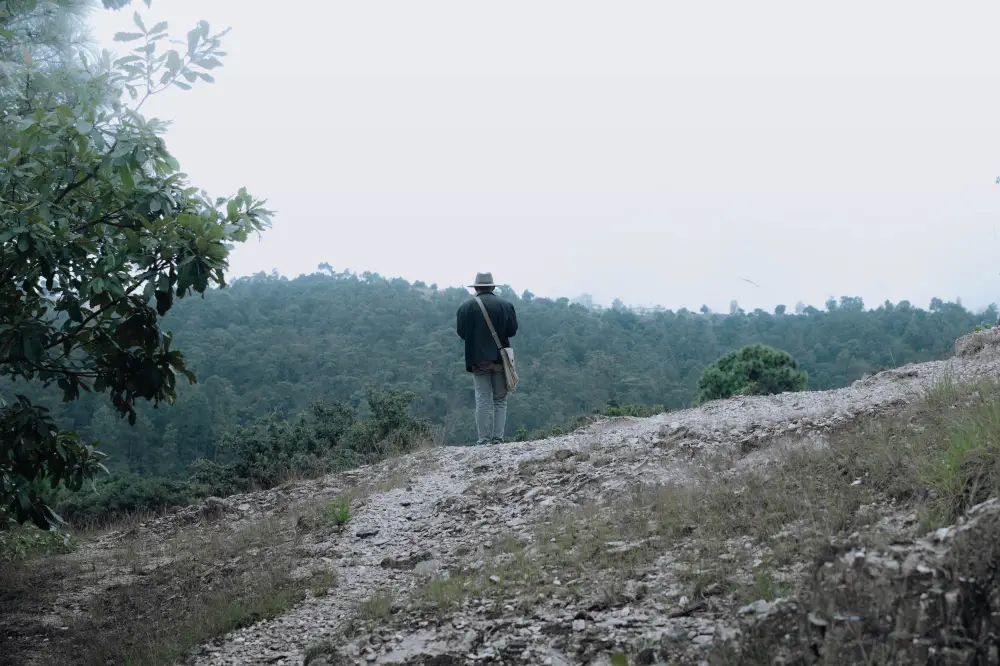
Tiquisate can be visited all year round thanks to its warm climate and the stable temperatures typical of Guatemala’s southern coast. However, the dry season, which generally runs from November to April, usually offers the best conditions for touring the municipality and exploring the surrounding area. The rainy season, which usually runs from May to October, completely transforms the landscape into a rich tapestry of greens.
For those who enjoy photography and natural landscapes, both seasons have their own appeal. However, if you’re looking for outdoor activities and hiking, we recommend visiting during the dry season.
Safety recommendations
- Make sure you take enough water and sun cream with you.
- Wear light, breathable clothing because of the high temperatures.
- Check road conditions if you’re planning to travel through rural areas.
- Avoid travelling at night on quiet roads.
- Respect private agricultural land and ask for permission where necessary.
How to make the most of the cultural and natural experience
- Make the most of your visit to explore Sipacate, Puerto San José or the Sipacate-Naranjo protected area as well – some of the most interesting natural sites on the Escuintla coast.
- Take a drive along the country roads around Tiquisate to get a close-up view of the vast fields of sugar cane, African palm and rubber that characterise the economy of the South Coast.
- Plan your outdoor activities for the early morning or late afternoon, when the temperatures are most pleasant.
- Visit the local market to discover agricultural produce grown in the region.
- Take sun cream, water and light clothing with you. If you’re visiting during the rainy season, consider taking a raincoat.
- Set aside some time simply to observe everyday life in the town.
What to see near Tiquisate
The Port of San José and the Pacific beaches
Just over an hour’s drive away lies Puerto San José, one of Guatemala’s best-known coastal destinations. With the Pacific Ocean watching over you and your feet on the volcanic sand beach, this destination makes for a highly recommended day trip to experience the hustle and bustle of a fishing port first-hand. What’s more, it’s one of the best places in the country to watch fishing boats and enjoy cuisine based on fresh fish and seafood.
Also nearby is Sipacate, one of the natural gems of the Guatemalan coast. This town forms part of the Sipacate-Naranjo protected area, an ecosystem of mangroves, estuaries and waterways where you can go on boat trips.
Other municipalities in Escuintla
One of the most interesting destinations in the surrounding area is Santa Lucía Cotzumalguapa, known for being home to some of the most important archaeological remains on Guatemala’s southern coast. The complex comprising El Baúl, Bilbao and El Castillo preserves monumental sculptures, stelae and reliefs that demonstrate the importance of this region during the pre-Hispanic period.
- This page about El Paredón Beach may interest you.
Frequently Asked Questions about Tiquisate
Where is Tiquisate, Escuintla, located?
Tiquisate is situated in the southern part of the department of Escuintla, right in the heart of Guatemala’s Pacific coastal plain. In fact, thanks to its strategic location, the municipality has good connections both to the coast and to other major destinations in Escuintla, making it an attractive gateway for exploring Guatemala’s southern coast.
What does the word ‘Tiquisate’ mean?
Although there is no definitive explanation of the meaning of Tiquisate, several studies link it to indigenous terms associated with water and the fertility of the land – elements that have shaped the municipality’s identity since its earliest days.
How many kilometres is it from Tiquisate to the capital?
The distance between Guatemala City and Tiquisate is approximately 145 kilometres, although the journey time is usually between three and four hours, depending on traffic and road conditions.
What is the name of the beach in Tiquisate?
The best-known beach in the municipality of Tiquisate is Playa El Semillero, situated on the Pacific coast of Escuintla. It's one of the region’s most popular coastal destinations thanks to its long stretch of dark volcanic sand, its wide open landscapes and its much more peaceful atmosphere compared to other seaside resorts in the country.