Escuintla is often just one of those places that many travellers pass through on their way to other destinations in Guatemala. However, if you spend a little time there, you’ll discover a city steeped in history, a strategic base for the rest of your trip and direct access to some of the most fascinating landscapes in the south of the country.
Situated between Guatemala City and the Pacific coast, Escuintla serves as a gateway to volcanoes, beaches, nature reserves and cultural trails. What’s more, the city offers a great opportunity to experience a more everyday side of Guatemala, away from the busiest tourist spots.
Where is Escuintla?
Location of Escuintla in Guatemala
Escuintla is situated in southern Guatemala and is the capital of the department of the same name. Its location places it between the inland highlands and the plains that stretch towards the Pacific coast. Thanks to this strategic position, the city has become one of the main hubs connecting different regions of the country.
How to get there from Guatemala City
Getting to Escuintla from Guatemala City is relatively straightforward thanks to the road network linking the two cities. The journey takes you along one of the country’s main transport routes, the Palín–Escuintla motorway, and takes less than 2 hours.

Connections to other destinations in the south of the country
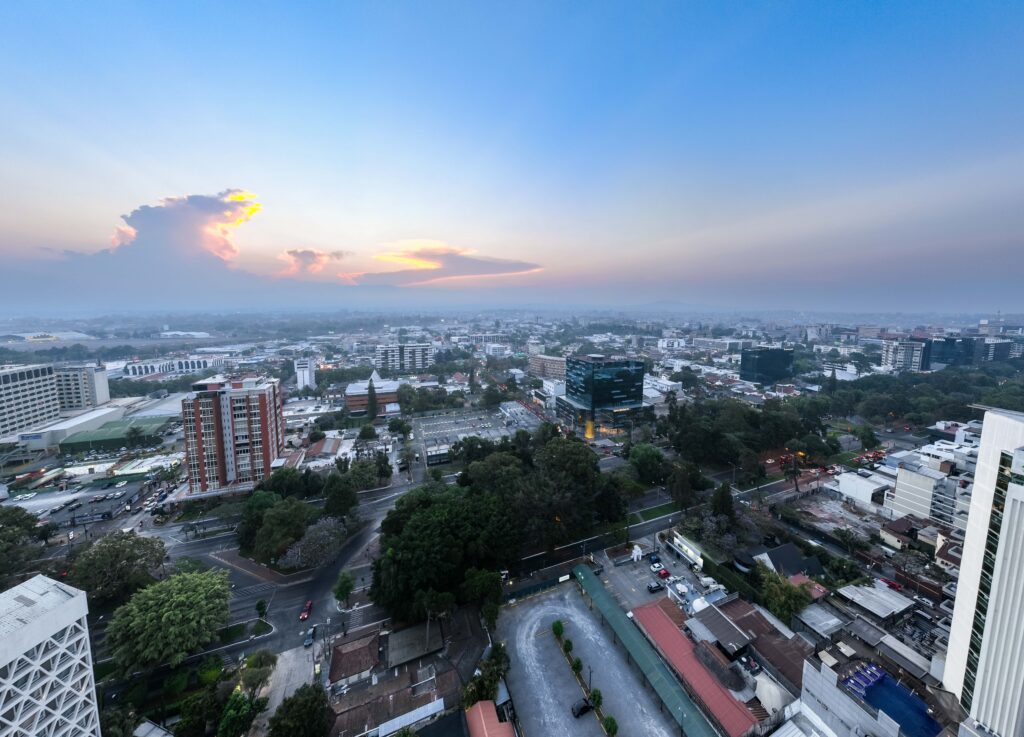
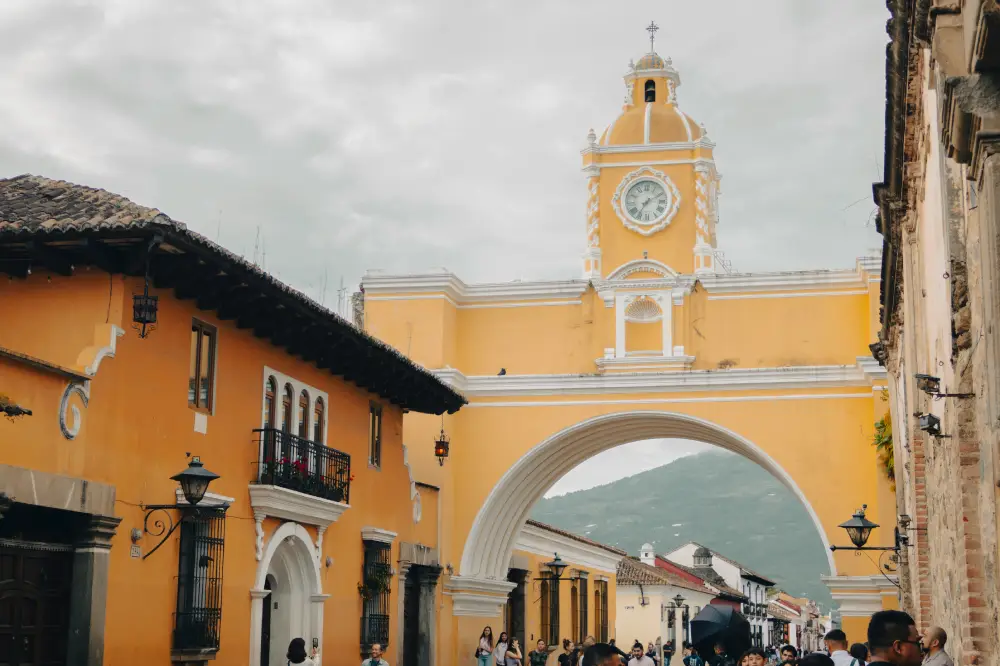
Escuintla’s location makes it easy to travel to beaches, volcanoes and natural areas scattered throughout the south of Guatemala. Direct routes lead from here to the departments of Santa Rosa, Suchitepéquez, Retalhuleu and the Tecún Umán border with Mexico. It also offers quick connections to the historic city of Antigua Guatemala via National Route 14.
History of Escuintla
The origins of the city and the department
The Escuintla region has been inhabited since pre-Hispanic times by various indigenous peoples who took advantage of the area’s favourable conditions to develop agriculture based on the cultivation of cocoa and native tropical fruits.
The area was originally inhabited by the Pipil people, who called the region Izcuintepeque.
Developments during the colonial period
Following the arrival of the Spanish, the indigenous population underwent drastic changes in its territorial organisation. Escuintla became part of the colonial administrative structures and was re-founded under the name of Concepción Escuintla. During this colonial period, the first Catholic churches were built and the foundations were laid for the large cattle ranches.
Economic and cultural development over time
Over the centuries, Escuintla has established itself as one of the country’s most important agricultural regions. Its economy has traditionally been linked to the cultivation of crops such as sugar cane and other agricultural produce.
In the late 19th century, the arrival of the South Coast Railway spurred unprecedented economic and industrial growth. Today, it's an agro-industrial economic powerhouse that proudly preserves its colonial heritage and is synonymous with development and vitality.
- We invite you to read our article about Alotenango.
Culture and traditions of Escuintla
Local festivals and celebrations
Religious and community celebrations continue to form part of Escuintla’s cultural life. The most important patron saint’s festival in the county town is held in December in honour of the Virgin of the Immaculate Conception. The town’s streets are filled with music, parades, traditional ‘moros’ dances and popular games.
Traditional cuisine of the region
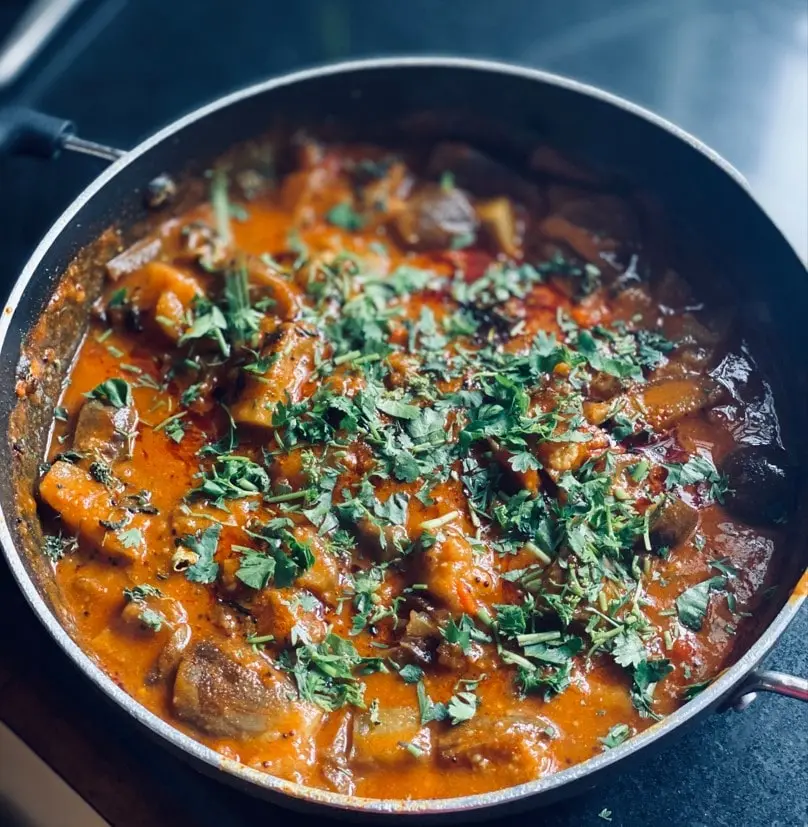
The local cuisine is renowned for its delicious use of fresh seafood, beef and tropical fruits. The signature dish is seafood broth, made with coconut, local herbs and the catch of the day. Corn tamales and horchata are also famous.
At traditional markets, you simply must try the beef empanadas, coastal-style ceviche and fried plantains with cream.
Crafts and cultural expressions
Escuintla’s cultural identity is also reflected in everyday life, the markets and the artistic expressions found in the department’s various communities.
Artisans in the region are renowned for their leatherwork and produce saddles, boots, belts and ranch-style accessories. They also craft practical and decorative items using balsa wood, bamboo and seashells collected along the coast.
- This page about cities in Guatemala may interest you.
What to see in Escuintla
Escuintla Central Park
Central Park is one of the city’s main meeting places. Much of the city’s daily life takes place here, making it a good place to get a first taste of the local atmosphere.
The cathedral and the city’s historic quarter
Although the city is not particularly renowned for its grand monuments, it does have a number of sites that help visitors to understand its historical development. Its cathedral is a beautiful and historic colonial church situated in the heart of the city’s central park.
Museums and cultural venues in the region
Depending on the programme, it's possible to find venues dedicated to historical and cultural outreach. The department is home to the Museum of Archaeology of Democracia, which houses the famous and impressive colossal stone heads from the Pre-Classical Monte Alto culture.
Things to do in Escuintla
Explore the town centre and its markets
As you stroll through the centre of Escuintla, you’ll discover a vibrant city where commercial activity is part of everyday life. Explore the bustling aisles of the local markets to buy fresh exotic fruit and traditional sweets.
Discover the local cuisine
The visit is also a great opportunity to sample traditional dishes and local specialities. Spend an afternoon sampling the different varieties of seafood ceviche at the city’s popular restaurants.
Explore the department’s natural landscapes
Beyond the city, the department of Escuintla is home to volcanoes, beaches, nature reserves and rural areas that are well worth a visit. Cool off from the coastal heat in the crystal-clear pools of El Texcuaco or Las Ninfas.
Escuintla as a starting point
Access to the Pacific coast

One of Escuintla’s main attractions is its proximity to the Pacific coast. From the city, you can reach various beaches dotted along the country’s southern coastline, such as El Paredón or Monterrico Beach. Via direct roads, you can reach iconic tourist ports such as Puerto de San José and Iztapa in just a few minutes.
Trips to volcanoes and nature reserves
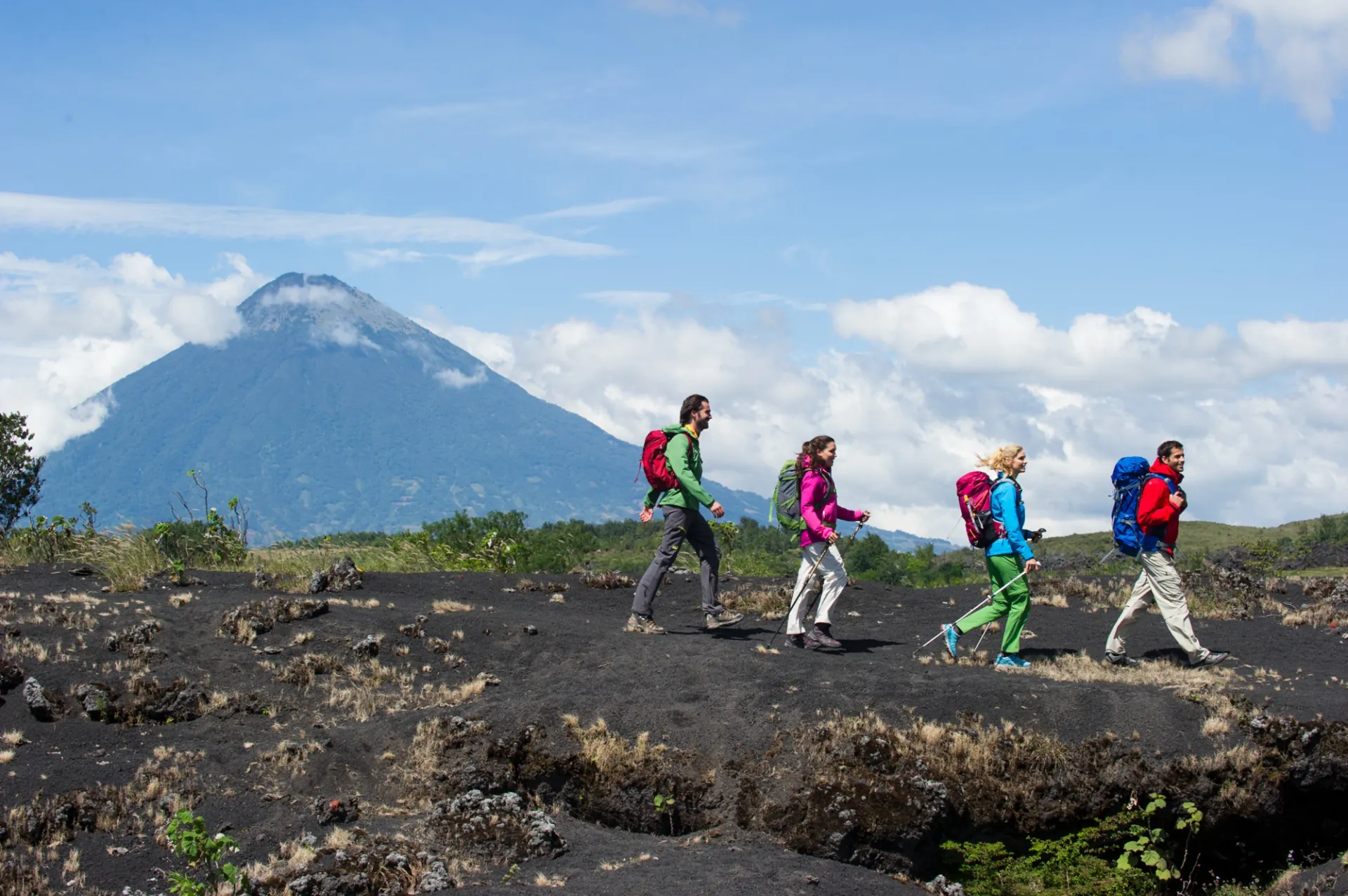
The region offers access to several natural areas of great interest. You can climb the active Pacaya Volcano or the imposing Agua Volcano via their southern slopes.
It also facilitates access to small private nature reserves dedicated to the conservation of the tropical dry forest on the south coast.
Routes to nearby villages and tourist attractions
From Escuintla, it's also possible to organise trips to various destinations in southern Guatemala. The town’s central location allows you to plan short, one-day cultural excursions to picturesque neighbouring towns such as La Democracia. You can also easily visit the theme parks in the neighbouring department of Retalhuleu.
- This page about Lake Atitlán may interest you.
Best time to visit Escuintla
Climate throughout the year
The climate in Escuintla is warm, tropical and very hot all year round. Daytime temperatures tend to easily exceed 30ºC, whilst at night they cool down only very slightly. Humidity is constant due to the proximity to the ocean.
Dry season and rainy season
The dry season, from November to April, generally offers more favourable conditions for travelling and going on excursions in the region. During this period, outdoor activities and road travel take place as normal and in complete comfort. During the rainy season, rainfall usually takes the form of heavy tropical storms in the late afternoon.
When are the best times to explore the city?
Many travellers prefer to visit Escuintla during the driest months to make the most of outdoor activities and road trips. What’s more, the northerly winds provide some relief from the intense heat and the skies are a brilliant blue.
Tips for visiting Escuintla
Transport and mobility in the city
The city has transport services that allow you to travel between different neighbourhoods and nearby areas, such as the popular motorbike taxis or ‘tuk-tuks’. If you’re travelling in your own car, it’s advisable to use navigation apps to avoid rush-hour traffic.
What to bring on your visit
Given the region’s typical temperatures, it's advisable to wear light clothing, use sun cream and carry plenty of water. Always carry effective insect repellent with you, especially if you plan to visit the natural hot springs or woodland reserves in the afternoon.
It's also advisable to wear comfortable footwear for exploring both the city and the nearby natural areas.
Safety and comfort recommendations
As with any destination, it's advisable to keep up to date with local conditions and follow standard travel advice. Due to the intensity of the tropical sun, avoid long walks in the midday sun without adequate protection. Keep your belongings safe and secure whilst wandering through the bustling aisles of the local traditional markets.
What to see near Escuintla
Pacaya Volcano
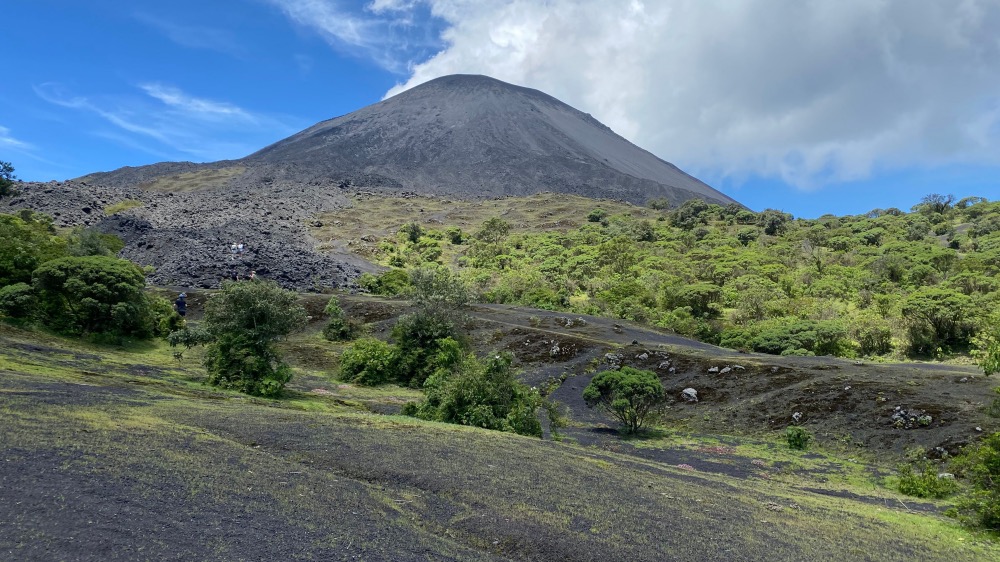
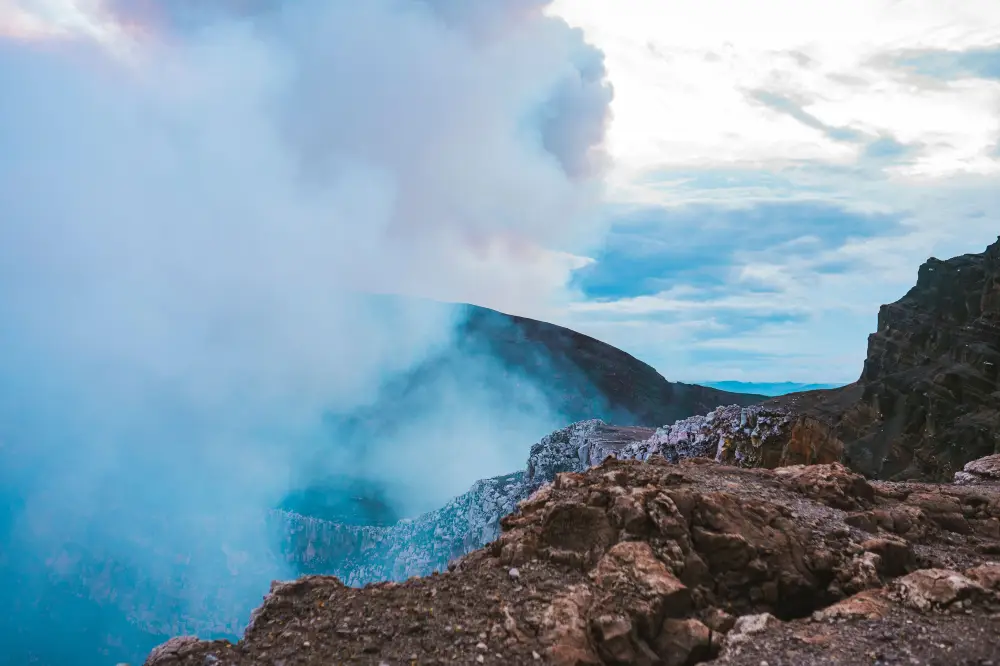
Pacaya Volcano is one of Guatemala’s best-known destinations. This famous, active volcano is situated a short drive from the capital and is one of the most popular mountain hikes. The climb is of low to moderate difficulty, making it an ideal adventure for the whole family.
Pacific beaches
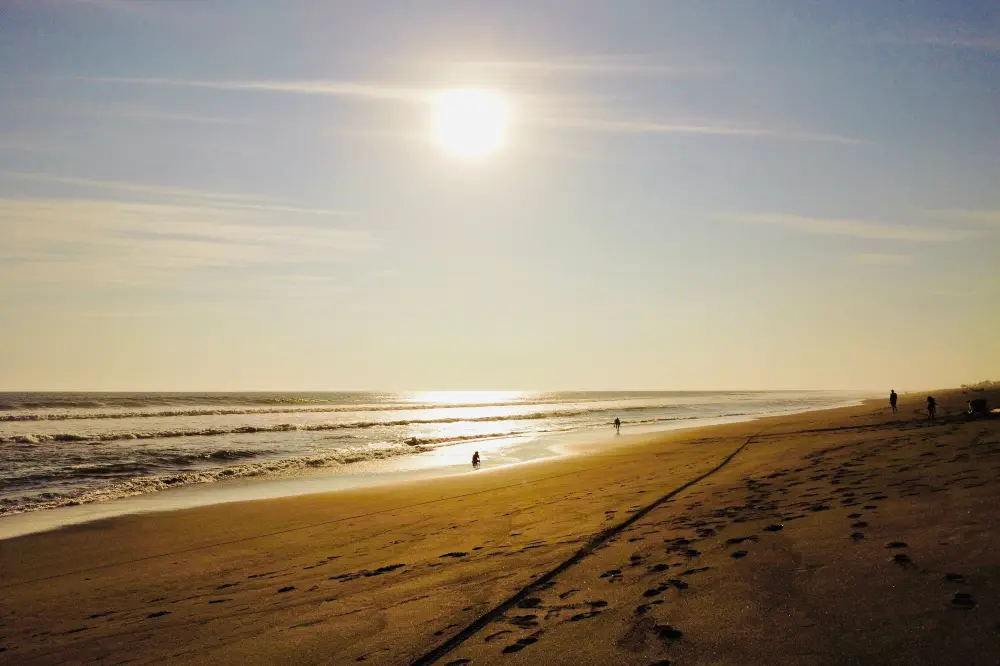
A few kilometres to the south lie the vast black-sand beaches of volcanic origin that are characteristic of the coastline. Of particular note are Sipacate, the Port of San José and the calm waters of the Chiquimulilla Channel near Iztapa.
Nearby nature parks and reserves
The area around Escuintla offers access to a variety of natural spaces characterised by biodiversity and the landscapes typical of the south of the country. The region is home to Sipacate-Naranjo National Park, a marine ecological sanctuary featuring extensive and impressive tropical mangrove forests and navigable waterways.
Traditional villages and cultural trails
The small surrounding villages, such as Palín, proudly preserve their rich Poqomam Mayan heritage and traditional markets. On market days, the women wear their hand-woven huipiles, steeped in historical symbolism, and sell fresh produce from the countryside.
Is Escuintla worth a visit?
What makes the city unique
Escuintla’s main strength is its strategic location. Few cities offer such easy access to beaches, volcanoes and such a diverse range of natural landscapes. Added to this is its commercial vitality, free from the trappings of mass tourism.
Who is this visit recommended for?
Escuintla is particularly appealing to travellers looking to explore less touristy regions and use the town as a base for various excursions. It's the ideal destination for those who enjoy warm climates and appreciate locations that are well-suited to planning their own personalised adventure itineraries.
How to include Escuintla in a tour of Guatemala
You can plan a two-day itinerary that seamlessly connects the central highlands with the Pacific Ocean beaches. Stop off in the regional capital to organise your trip and spend the first day exploring the historic centre and its markets. The following day, go on a morning excursion to the Pacaya Volcano or soak up the sun at Puerto de San José.
Frequently Asked Questions about Escuintla
How many hours is it from Guatemala City?
The journey by car between Guatemala City and Escuintla usually takes less than 2 hours via the Palín-Escuintla motorway.
When is the best time to visit Escuintla?
The dry season generally offers better conditions for exploring the city and going on excursions around the department, although Escuintla can be visited all year round.