The Monterrico Turtle Sanctuary is one of the most special places to visit on Guatemala’s Pacific coast. As well as seeing sea turtles up close, you’ll also gain an insight into how local conservation efforts work and what role you can play as a responsible traveller whilst you’re in Monterrico.
What’s more, the experience fits in perfectly with the natural rhythm of the destination. After all, this is a place where we’ll be able to enjoy the volcanic sand beaches, the Monterrico mangroves and the wildlife that forms part of the area’s identity. We know that the release of the Monterrico turtles is the most eagerly awaited moment, but the significance of the visit lies in understanding everything that happens before those little hatchlings reach the sea.
Monterrico Turtle Sanctuary: What it is and the conservation work it carries out
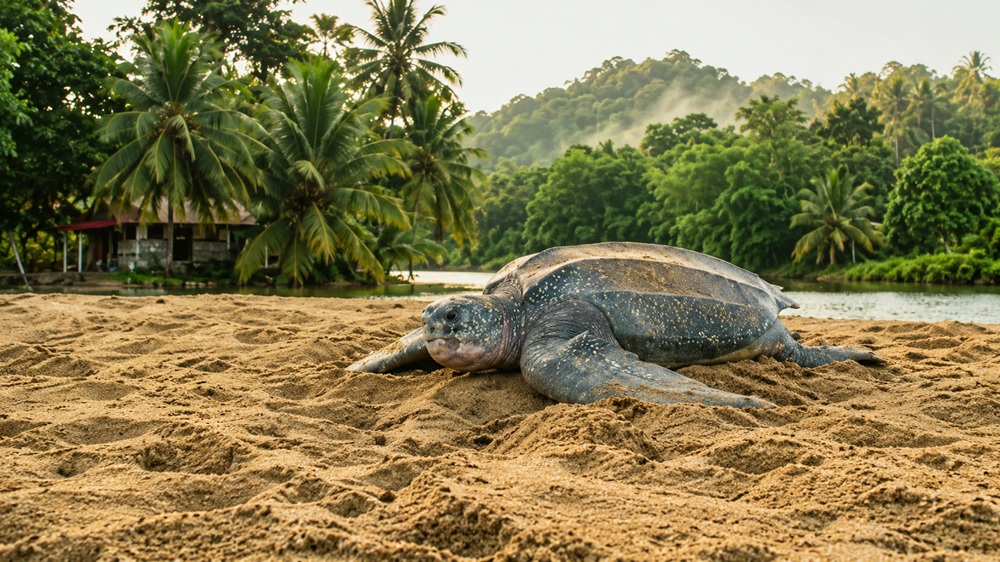
The Monterrico Turtle Sanctuary forms part of the Monterrico Multi-purpose Nature Reserve, which is managed by CECON, the Centre for Conservation Studies at the University of San Carlos de Guatemala. Its work combines research, environmental education and the protection of species that depend on the beach and the Chiquimulilla Canal.
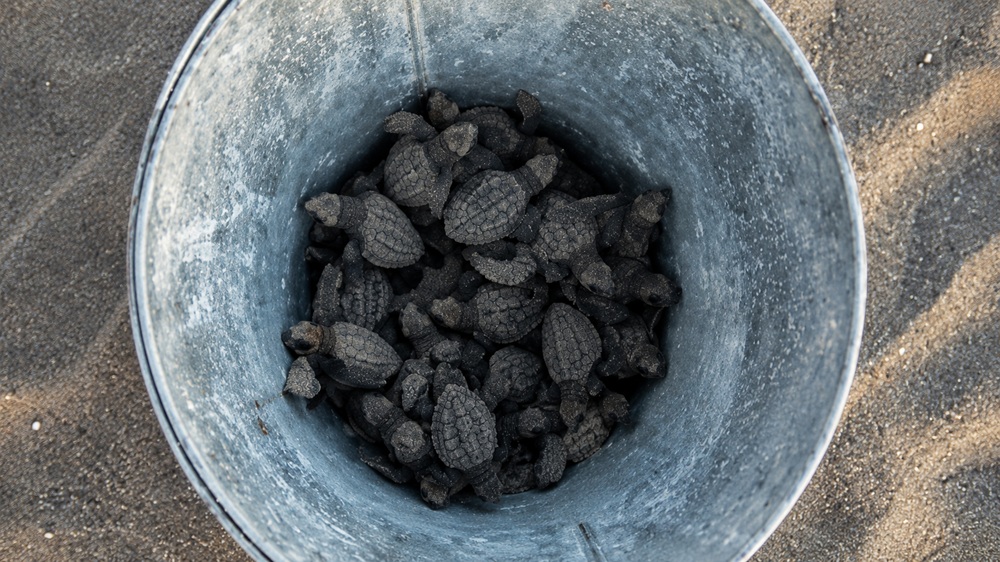
The best-known activity at the Monterrico Turtle Sanctuary is the artificial incubation of sea turtle eggs. During the nesting season, some of the nests are moved to controlled areas to reduce predation or losses caused by changes to the beach. Once the hatchlings are born, releases into the sea are organised.

The Monterrico Turtle Sanctuary also helps to illustrate a local conservation model. In Guatemala, collectors of loggerhead turtle eggs are required to hand over a percentage of their haul to registered turtle sanctuaries. This arrangement ensures that many eggs are channelled into incubation programmes, giving them a better chance of reaching the ocean.
That is why the Monterrico Turtle Sanctuary is a learning centre that showcases community-led work and a simple way to support conservation.
Where is the Monterrico Turtle Sanctuary and how can you visit it during your trip to Monterrico?
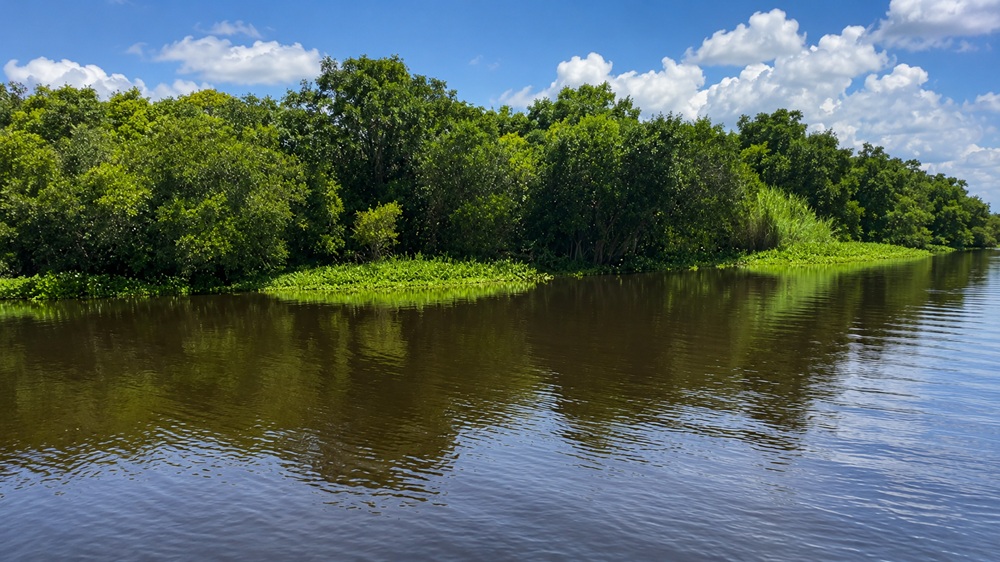
The Monterrico Turtle Sanctuary is situated in the village of Monterrico, in Taxisco, in the department of Santa Rosa. The area lies next to a beach of dark volcanic sand and very close to the reserve’s mangroves, which form one of the great natural landscapes of Guatemala’s southern coast.
From Guatemala City or Antigua, the usual route is to head towards the Pacific coast by road. However, you can also go by private transport, shuttle or organised tour. If you’re travelling independently, set off early and allow plenty of time, as journey times can vary considerably.
The general opening hours for bookings are Monday to Sunday, from 7.00 am to 5.00 pm. However, before visiting the Monterrico Turtle Sanctuary, it is advisable to check opening times and the availability of release events. As you might imagine, these activities depend on hatchings, the weather and, of course, the decisions of the team in charge.
Turtle release in Monterrico: What this experience involves
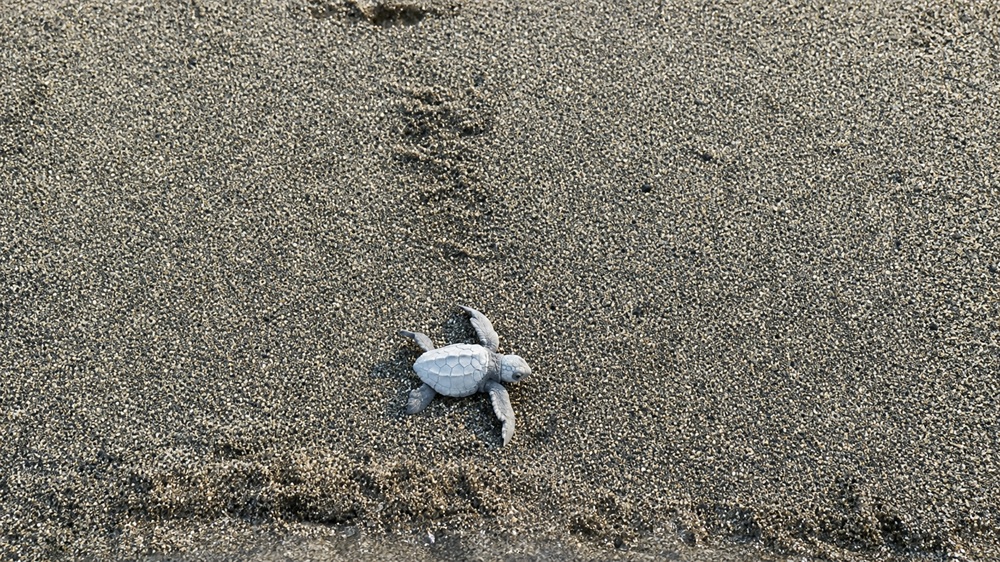
The release of the Monterrico turtles is the most exciting moment for many travellers. First, the hatchlings are born in the incubation area and, when the team at the Monterrico Turtle Sanctuary determines the time is right, they are taken to the beach where they make their own way to the sea.
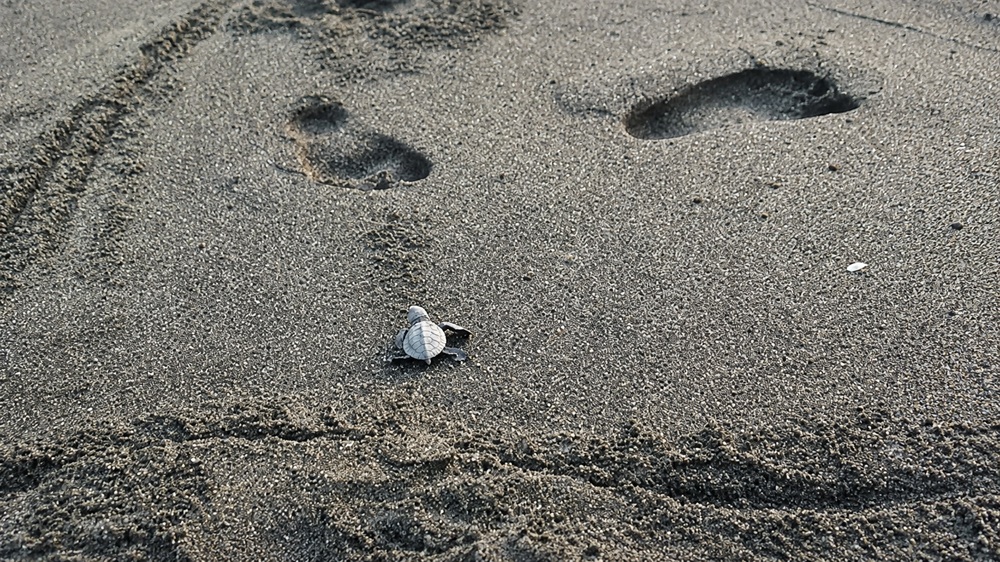
But don’t think this experience is simply about throwing turtles into the water. Nothing could be further from the truth, because it is actually a responsible release. In other words, each little turtle makes its way across the sand and heads towards the sea. As this journey is part of their natural process, you watch from a distance and follow the instructions.
Taking part in the release of Monterrico turtles helps us to understand the fragility of this cycle. Because a hatchling may seem strong when it first starts to move, but birds, fish, or even pollution and human activity can disrupt its journey from the very first moment.
Turtle release season in Monterrico: Usual months and times
The nesting season in Monterrico usually runs from July to December. As incubation takes several weeks, the release of Monterrico turtles is mainly concentrated between September and January. As hatchlings are not born every day, it is not advisable to expect a release to take place on a specific date.
The times are usually chosen to ensure the sand is cool and the heat is at its lowest. This is why many releases are organised around sunset. Of course, some projects in the area also take place early in the morning. It’s best to enquire on the day itself and make sure you’ve booked a slot to see the turtles.
Basic guidelines for taking part in the Monterrico turtle release programme
At the Monterrico Turtle Sanctuary, the main rule is to follow the team. You may be asked to stay within a marked line in the sand, not to use a flash, or to remain silent. These guidelines help to prevent stress, disorientation and accidentally stepping on the hatchlings.
Do not touch the turtles unless instructed to do so by staff. Do not use white torches, run around the hatchlings or block their path. The truth is that you can only enjoy the release if you follow every rule.
What to see and do at the Monterrico Turtle Sanctuary
It’s worth noting that the Monterrico Turtle Sanctuary isn’t just a place for releasing turtles. At the visitor centre, you can learn about the incubation process, observe the local wildlife and hear about the reserve. As we can see, it’s a very straightforward visit, but one of the most rewarding you’ll find.
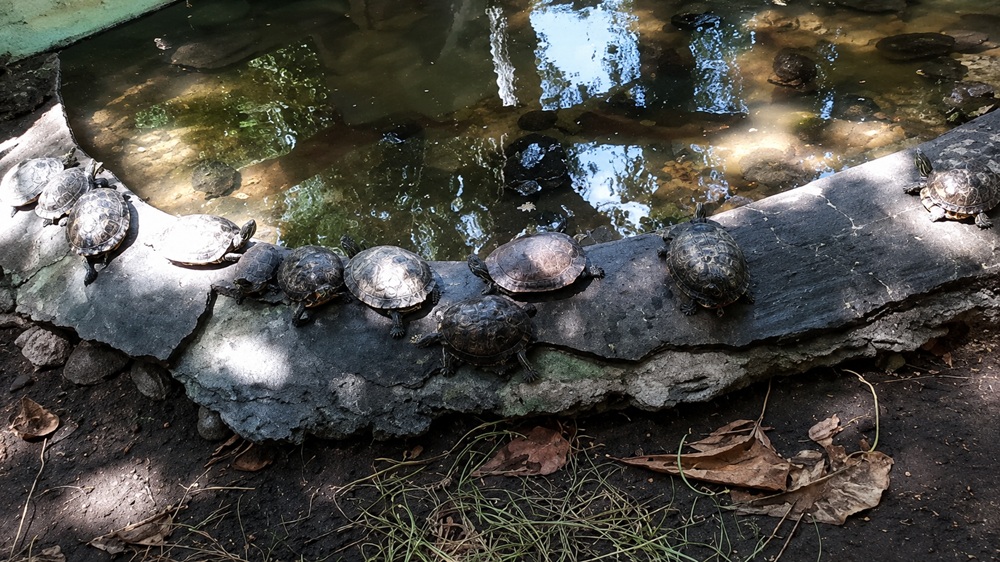
During the tour of the Monterrico Turtle Sanctuary, you’ll learn how the eggs are collected, how they’re placed in the incubation area, and why the sand is monitored. You’ll also see that each season requires vigilance and local cooperation.
Some of the facilities may be basic, but their value lies in the message they convey. This is not a theme park, but rather a living environment where the beach, the mangrove swamp, the animals and the local community are interconnected and depend on one another.
Tours of the footpaths, viewing points and exhibition areas
Within the Monterrico Turtle Sanctuary and the reserve, you can explore visitor areas that explain the local biodiversity. These trails help visitors understand that Monterrico is not just about the beach; its estuarine ecosystem is just as important as the coastline.
If you come across local guides, it’s well worth listening to them. Mainly because they know the area inside out and can tell you stories about conservation that aren’t always mentioned on the information boards.
Other species protected by the turtle sanctuary: caimans, iguanas and birds
Although sea turtles take centre stage, the Monterrico Turtle Sanctuary is situated within a reserve that also protects caimans, green iguanas, tortoises and birds. To give you an idea, the area is home to more than 110 species of resident and migratory birds.
The green iguana and caiman breeding projects are aimed at environmental education, restocking and reintroduction. For every visitor, this conveys a clear message: conservation is a network of interconnected efforts within the same landscape.
Monterrico Turtle Sanctuary as part of your trip: beaches, mangroves and nature
A visit to the Monterrico Turtle Sanctuary can be seen as the highlight of a getaway to the Pacific. Monterrico has wide beaches, stunning sunsets and a peaceful atmosphere that is best enjoyed at a leisurely pace.
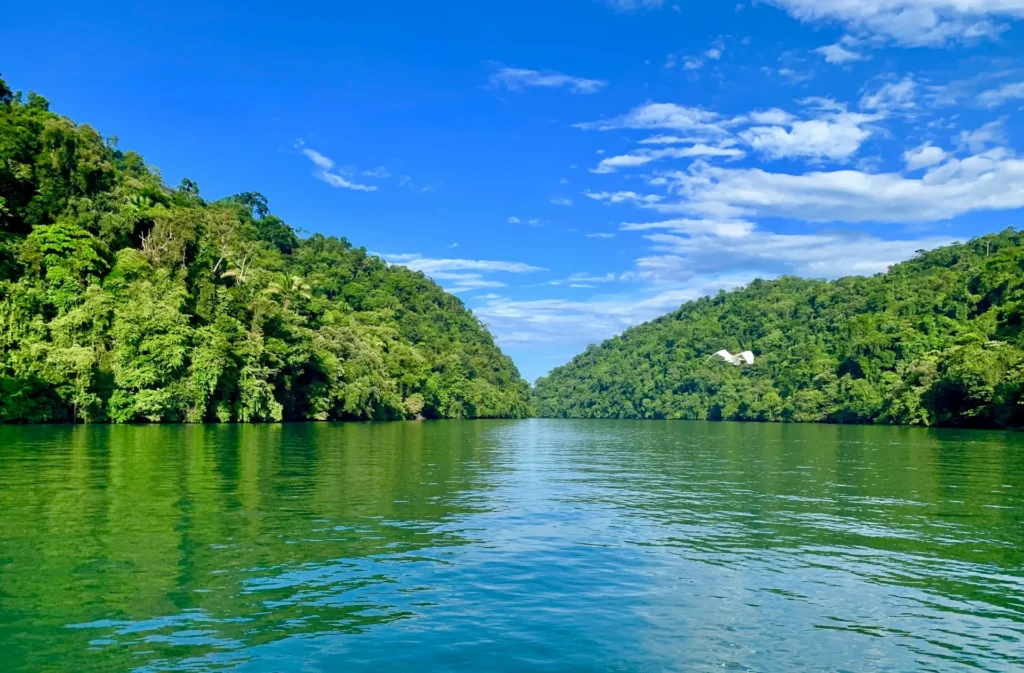
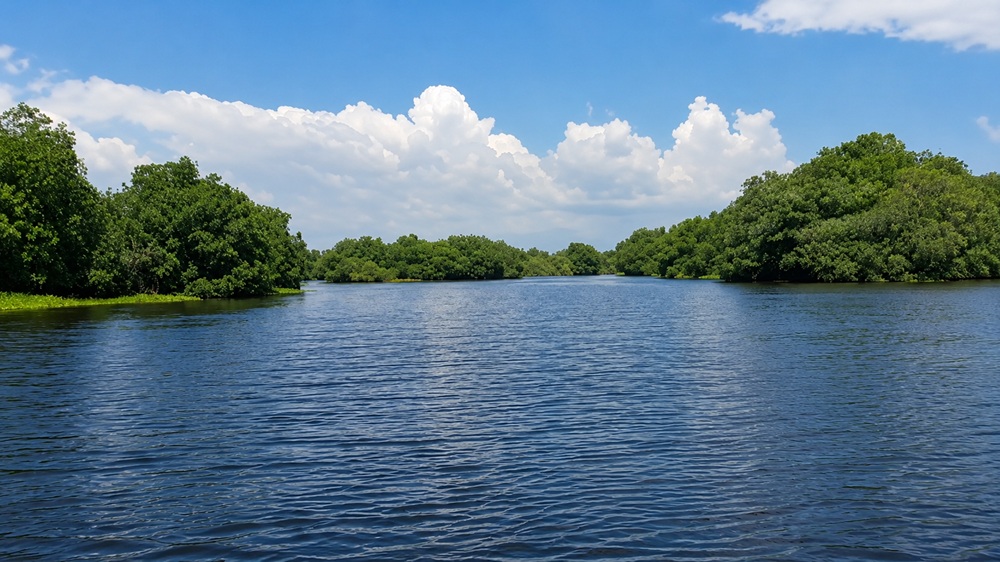
The Monterrico Multi-purpose Nature Reserve covers 2,800 hectares and combines coastal-marine and estuarine ecosystems. Much of the area consists of bodies of water linked to the Chiquimulilla Canal. That is why the mangroves, lagoons and birds are such a highlight of the trip.
Combine a visit to the turtle sanctuary with a trip to Monterrico beach
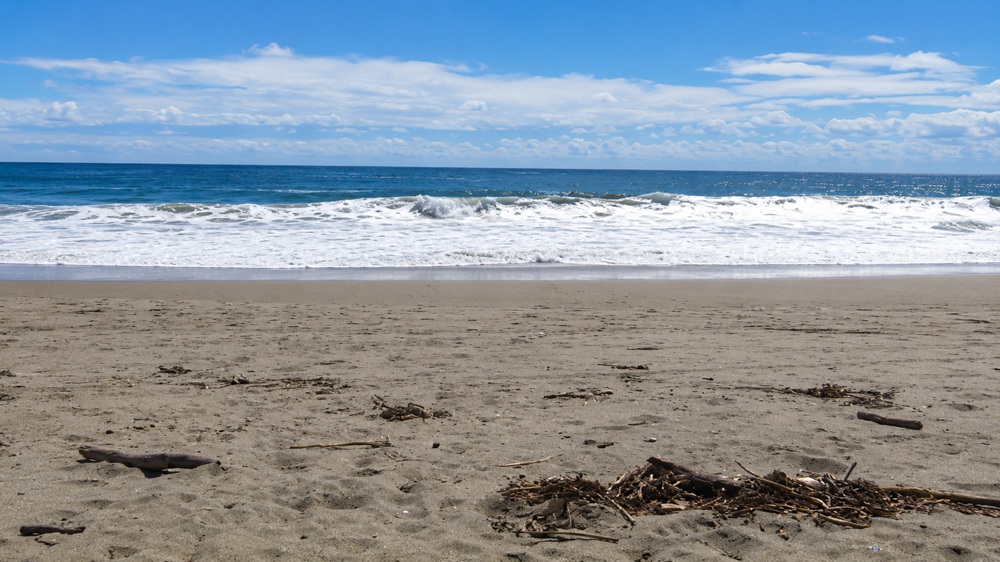
Monterrico beach is famous for its dark volcanic sand and for its waves, which can be strong. It’s a lovely place to go for a walk and watch the sunset, but you should take care when going for a swim. Because, as you know, if the sea is rough, it’s best to stay on the shore.
It’s easy to combine a trip to the beach with a visit to the Monterrico Turtle Sanctuary. You can visit the centre in the afternoon and stay nearby in case there’s a release. In between, make sure you stay hydrated, protect yourself from the sun and avoid walking barefoot when the sand is hot.
Walks through the mangroves at dawn or dusk
Trips through the mangroves are one of the top things to do in Monterrico. They’re done by motorboat or cayuco, and always with local guides. A sunrise trip is recommended because it’s cooler, there are more birds about, and the light on the water is very soft.
At dusk, the mangrove forest offers a different experience. That’s because the sounds change and the pace of life along the canal slows down. So, if your trip includes a visit here, the mangroves round off the nature side of the destination.
Monterrico Turtle Sanctuary with family or friends: Tips for making the most of your visit
The Monterrico Turtle Sanctuary is a brilliant activity for families, couples and groups of friends looking for more than just a day at the beach. It’s a truly special experience and suitable for all ages.
Even so, it’s worth planning the experience properly, whether you’re going with children or with friends. First, you need to discuss and fully understand the rules, and then make sure the release doesn’t turn into an intrusive photo shoot.
Educational activity for children and groups of friends
For children, the Monterrico Turtle Sanctuary can be a real-life first lesson in biodiversity. They see eggs, hatchlings, sand, predators and human endeavour all in one place. That’s much easier to remember than any explanation about endangered species.
Of course, when you’re with friends, the visit also becomes something a bit different. You can combine it with a trip to the mangroves, local food and an afternoon on the beach. The turtle release at Monterrico adds a shared experience that often stays with you as a lasting memory of your trip.
Should I book a tour or go on my own to the Monterrico Turtle Sanctuary?
Going it alone to the Monterrico Turtle Sanctuary gives you flexibility. You can choose your own accommodation, explore at your own pace and decide whether to visit the mangroves at dawn or the beach in the afternoon. It’s certainly a good option if you’ve already travelled around Guatemala or want to spend a night in Monterrico.
Of course, a tour can be handy if you’re setting off from Guatemala City or Antigua and don’t want to worry about transport. Before booking, ask whether the tour includes the release of turtles at Monterrico and whether this is subject to natural conditions.
- This page about Guatemala's natural wonders may interest you.
Practical tips for visiting the Monterrico Turtle Sanctuary
Before visiting the Monterrico Turtle Sanctuary, check the latest opening times, take cash in quetzales with you, and confirm whether there will be a release that day. It’s also a good idea to ask at your accommodation, as they usually have up-to-date information on hatchlings, tide times, access routes and available local guides.
Remember that, however much you’re looking forward to it, you can’t treat this visit as a guaranteed activity. There may be days when there are lots of hatchlings and others when there are no releases. Even if you don’t get to see the Monterrico turtle releases, the tour still helps you understand coastal conservation in Guatemala.
Best time to see turtles laying their eggs and being released
The best time to have a chance of seeing turtle activity is from September to December, when hatchings and releases usually take place. Nesting begins earlier, in July, but the releases depend on the incubation period. That is why the final months of the year are usually the most popular.
January may also see some late releases, depending on how the season has gone. If you’re travelling outside these dates, the Monterrico Turtle Sanctuary is still open to visitors, but you’ll have less chance of witnessing a release.
What to bring: clothing, footwear and advice on respecting the environment
Wear light clothing, a cap and sunglasses. Also, remember to use eco-friendly sun cream. In this area, the heat in Monterrico can be intense. For walking along the beach or getting around the Monterrico Turtle Sanctuary, comfortable sandals or breathable trainers are your best choice.
It’s also a good idea to take some water, insect repellent and a small bag for your rubbish. As you can imagine, in an area like this, you mustn’t leave any rubbish behind, as it can become a major problem.
Also remember that, when releasing turtles at Monterrico, you should avoid using a flash, direct lights and sudden movements. Always keep your distance and speak quietly. Because the best way to help is to cause as little disturbance as possible and support those who work there all year round.
- This page about the best beaches in Santa Rosa may interest you.
Frequently Asked Questions about the Monterrico Turtle Sanctuary and the release of turtles
When is the best time to visit the Monterrico Turtle Sanctuary?
The best time to visit is usually from September to December, when there are more opportunities to see animals being released. If you travel between July and January, you may also come across activities related to spawning, incubation or births.
Does the release of Monterrico turtles take place every day?
Not always. It depends on whether any young have been born and whether the team considers it appropriate to release them. During the high season, there may be frequent releases, but this is not guaranteed.
Can I touch the turtles during the release?
It is best not to touch them. If staff authorise a specific interaction, follow their instructions. In general, the hatchlings should make their way to the sea on their own.
Is it a good place to visit with children?
Yes, the Monterrico Turtle Sanctuary is a very educational place for children to visit. It helps them understand conservation in a visual way.