Amidst the mountains of southern Quiché, where the echoes of the K’iche’ language still ring out loud and clear, stands a municipality with one of the strongest cultural identities in the department: Joyabaj. Situated in the south of this region of the Guatemalan highlands, the municipality combines ancestral traditions, rural landscapes and a history deeply linked to the Mayan peoples who have inhabited these lands for centuries.
Those who choose to visit Joyabaj discover a different reality, a far cry from that evoked by Guatemala’s best-known tourist routes. Here, you will experience Mayan customs, culture and worldview in a natural setting that invites you to explore its roots.
Where is Joyabaj?
Location of the municipality within the department of Quiché
Joyabaj is situated in the southern part of the department of Quiché, in the western highlands of Guatemala. It occupies a strategic position between the Quiché mountains and the roads linking it to Baja Verapaz, Chimaltenango and Guatemala City.
The municipality is situated at an average altitude of around 1,400 metres above sea level, which gives it a more temperate climate than other parts of the country. It's mainly home to K’iche’ Maya communities, whose presence remains one of the most important features of Joyabaj’s local identity.

How to get there from Guatemala City
Joyabaj is about 100 kilometres from Guatemala City, depending on your route. The most common way to get there is to take the road towards Chimaltenango and continue towards Santa Cruz del Quiché, then follow the signposts leading to the town.
There are also intercity transport services linking Joyabaj with the capital and other major towns in the department.
Links with other municipalities in the western highlands
Joyabaj’s location makes it easy to reach several municipalities in southern Quiché and neighbouring regions. These include Zacualpa, Chinique, Chiché and Santa Cruz del Quiché, as well as various municipalities in Baja Verapaz.
This location makes the municipality an important hub for trade and cultural exchange for numerous rural communities in the area.
History of Joyabaj
Joyabaj has a history closely linked to the K’iche’ Maya people, one of the most important civilisations of the Guatemalan highlands. For centuries, this territory formed part of the sphere of influence of the K’iche’ Kingdom, which came to extend across several regions in the west.
Following the Spanish conquest, Joyabaj became part of the colonial administration and began to develop around agriculture and local trade. This blend of Mayan heritage and colonial legacy remains evident in the culture, language and customs of Joyabaj.
- This page about Iximché may interest you.
Culture and traditions of Joyabaj
Local festivals and celebrations
The Joyabaj patron saint festivities are one of the most important events in the town’s cultural calendar. They are held every year around 15 August in honour of the Virgen del Tránsito or Virgen de la Asunción, the local patron saint, a devotion that dates back to colonial times.
For several days, the streets are filled with religious, cultural and popular activities. The celebrations begin with a civic parade in which local authorities, schools, religious brotherhoods and the indigenous mayor’s office take part. From that moment on, Joyabaj enjoys a series of festival days featuring marimba concerts, sporting events, themed parades, social dances and the Miss Joyabaj pageant.
In addition to the local patron saint festivals, Holy Week and other religious celebrations continue to play a major role in community life.
Crafts and traditional dress
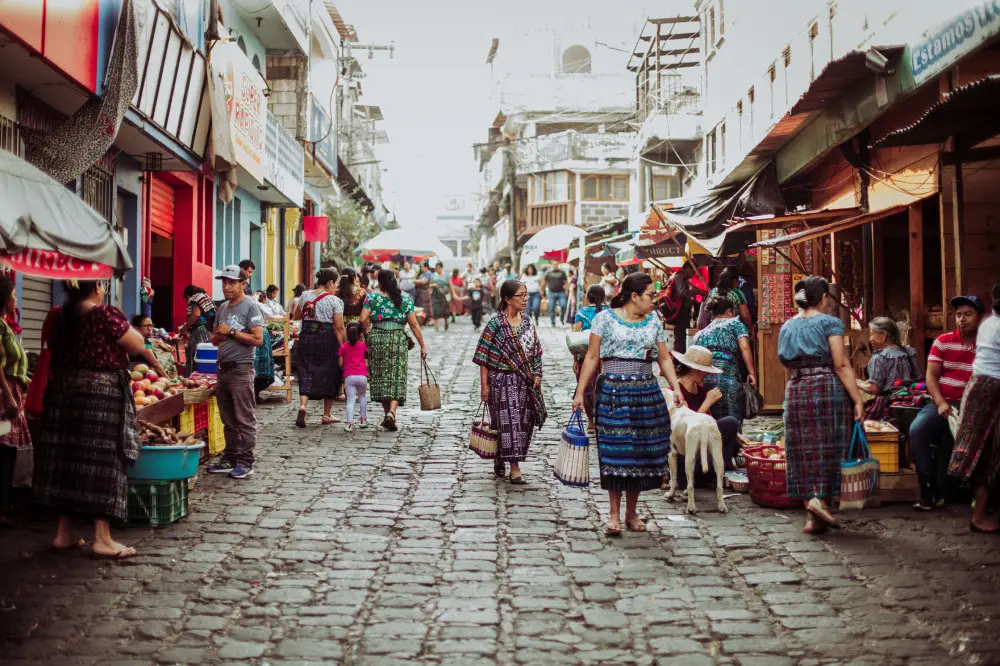
Joyabaj’s cultural identity is particularly reflected in the textiles produced by K’iche’ Maya women. The traditional huipiles are notable for their vibrant colours and for the geometric and symbolic designs that represent elements of the Maya worldview.
Many of these garments are still worn every day, in the knowledge that they are much more than just items of clothing. They are a symbol of identity and a sense of belonging for the communities in the municipality.
Traditional cuisine and cultural expressions
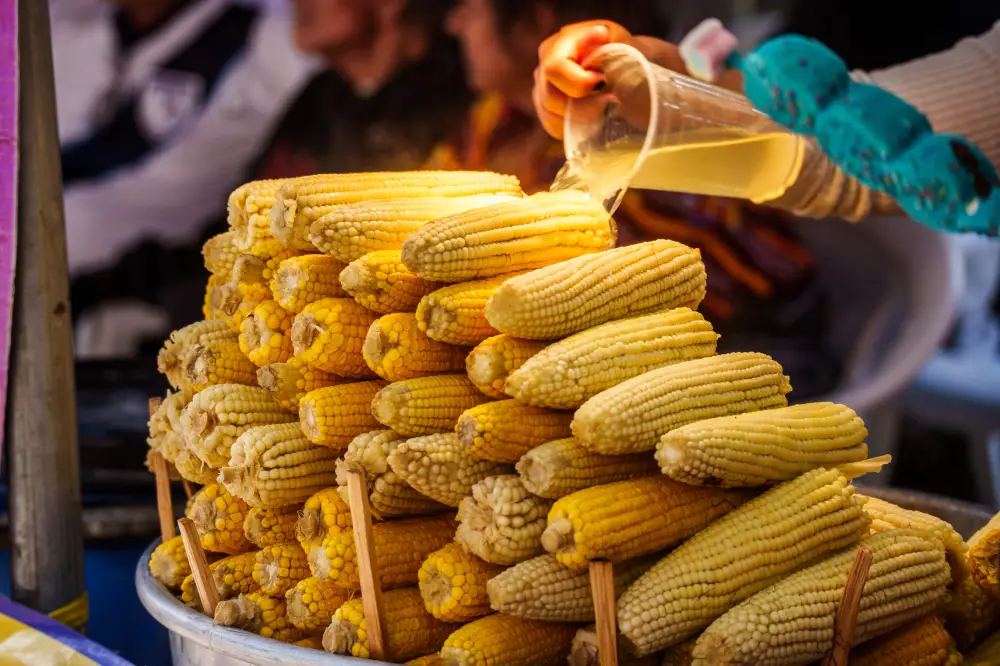
The local cuisine is closely linked to the agricultural produce grown in the region. Among the most common dishes are tamales, chuchitos, traditional soups, maize prepared in various ways, and beans. Traditional drinks made from maize and other local ingredients are also common.
Folk music, religious ceremonies, traditional dances and the everyday use of the K’iche’ language help to keep alive the cultural expressions that have defined Joyabaj’s identity for generations. In fact, this municipality is also known as the birthplace of the Palo Volador, an ancient pre-Hispanic dance associated with agricultural fertility.
- This page about Las Verapaces Nature Reserve may interest you.
What to see in Joyabaj
Parish Church of the Assumption and Central Park
The parish church is one of the town’s most notable architectural landmarks. Situated next to the central park, it represents the religious and social heart of Joyabaj. During the town’s patron saint festivities and major religious celebrations, this place takes on enormous significance for the local community and becomes a meeting place for the people of Joyabaj.
Furthermore, the central park is one of the best places to observe daily life in Joyabaj. If you’d like to immerse yourself in the local way of life, we invite you to sit for a few minutes in the square to appreciate how the town’s ancient traditions coexist with its daily goings-on.
Municipal market and traditional shops
A visit to the market is one of the most highly recommended experiences for those who wish to experience the real Joyabak. The stalls sell fruit, vegetables, textiles, agricultural tools and produce from the surrounding rural communities.
Beyond shopping, the market is a place where much of the region’s cultural richness is on display. Listening to conversations in K’iche’, observing traditional dress and discovering local produce offers a glimpse into a way of life that has scarcely changed in many respects for generations.
Natural viewpoints and mountainous landscapes
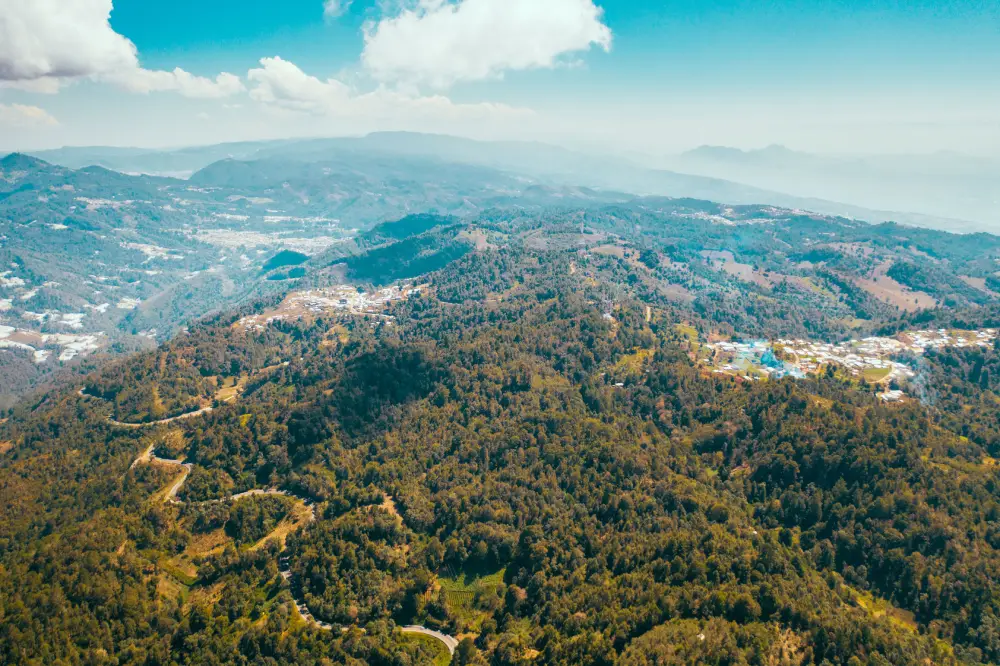
The area around Joyabaj offers numerous vantage points from which to admire the landscapes of the Quiché highlands. The views include hills covered in crops, small villages scattered amongst the mountains and vast agricultural valleys. During the dry season, the viewpoints offer particularly clear panoramic views, allowing visitors to appreciate the scale of the landscape even more fully.
K’iche’ Maya communities in the surrounding area
Much of Joyabaj’s appeal lies outside the town centre. The villages surrounding the municipality have preserved many of the traditions that have defined K’iche’ culture for centuries. In these villages, Mayan ceremonies are still held on special occasions, traditional loom-woven textiles are used, and the K’iche’ language remains the everyday language of daily life.
- We invite you to read our article about Jalpatagua.
Things to do in Joyabaj
Explore the market and discover K’iche’ culture
If you want to experience K’iche’ culture first-hand, the local market offers a genuine insight into how it has been integrated into everyday life in Joyabaj. Here, people from numerous rural communities come together to sell agricultural produce or exchange goods.
An exceptional opportunity for any visitor to experience K’iche’ culture from the inside. If you can, we recommend that you time your trip to coincide with a local festival so you can experience Joyabaj in all its splendour.
Explore the rural communities in the municipality
The area around Joyabaj is made up of dozens of villages scattered amongst mountains and agricultural valleys. Another way to learn about Mayan culture is to visit these communities. The K’iche’ language, traditional dress and community customs continue to play a vital role in many of these villages.
Hiking in the Quiché mountains
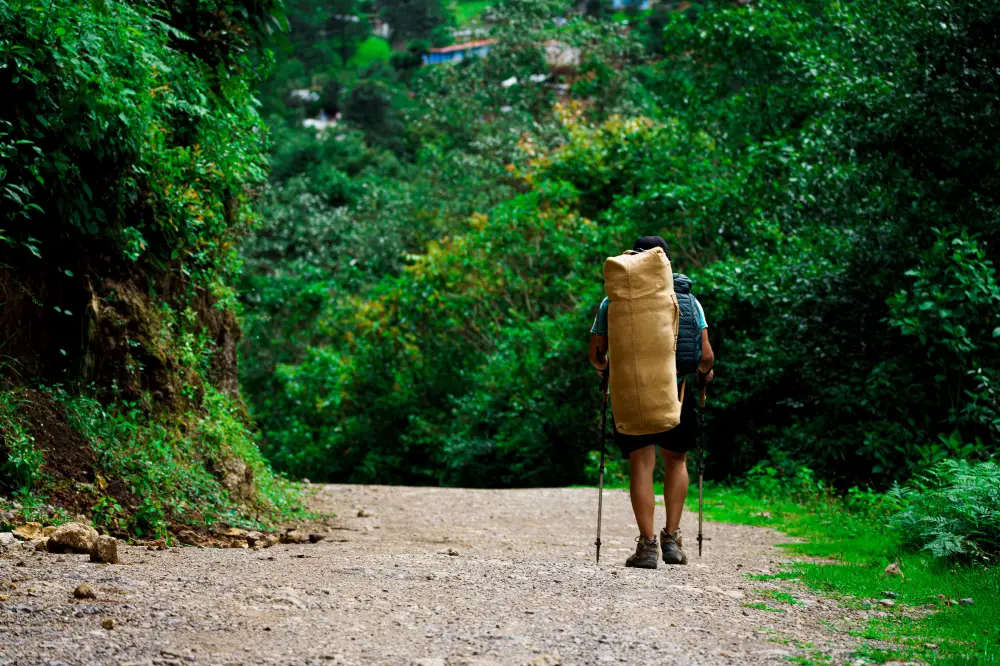
If you enjoy walking and getting lost in nature, Joyabaj offers a wealth of rural trails linking different villages. Many of them pass through farmland, woodland and small natural viewpoints from which you can admire some of the most iconic landscapes in the department of Quiché.
- This page about Lake Petén Itzá may interest you.
Best time to visit Joyabaj
Climate throughout the year
Thanks to its altitude, Joyabaj enjoys relatively pleasant temperatures for much of the year. Mornings are usually cool, whilst midday brings moderate temperatures that are ideal for outdoor activities.
Dry season and rainy season
The dry season generally runs from November to April. During these months, the roads are in better condition and the panoramic views are usually clearer, especially from February onwards. In contrast, the rainy season runs from May to October. Although the landscape takes on some very attractive shades of green, some rural routes can be more challenging.
What to see near Joyabaj
Nebaj and other municipalities in Quiché
Nebaj is one of the most interesting cultural destinations in the department. Situated in the Ixil region, it offers visitors the chance to experience a different side of Quiché and discover communities with their own traditions, languages and cultural expressions. It's also well worth visiting towns such as Santa Cruz del Quiché, Chichicastenango and Zacualpa, all of which are key to understanding the cultural diversity of the Guatemalan highlands.
Cuchumatanes Mountains
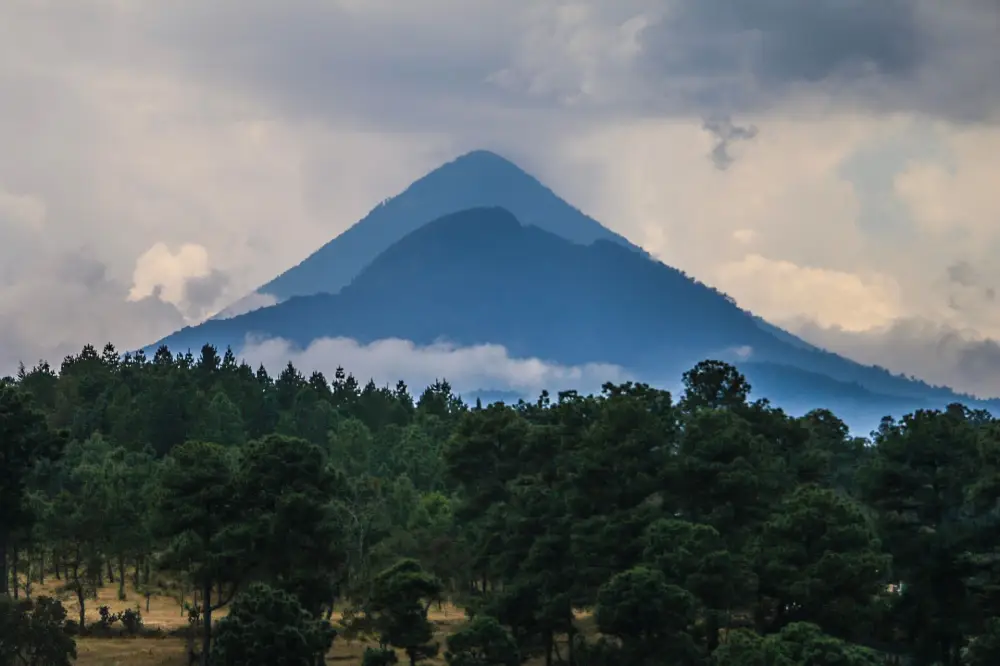
Although much of the Sierra de los Cuchumatanes lies within Huehuetenango, its mountainous landscapes characterise much of western Guatemala. It's the highest non-volcanic mountain range in Central America, featuring extensive high-altitude grasslands, forests and natural viewpoints.
which offer some of the country’s most breathtaking landscapes. For lovers of hiking and nature, it's one of the most highly recommended excursions in the whole region.
- This page about Lake Atitlán may interest you.
Is Joyabaj worth a visit?
Yes, especially if you’re looking to discover the real Guatemala, away from the well-trodden tourist trails.
What makes the municipality unique
Joyabaj is not known for its grand monuments or for its tourism-oriented infrastructure. Its appeal lies precisely in the opposite: the chance to discover a region where K’iche’ Maya culture remains an integral part of daily life. Where markets continue to be the hub of social activity. And, above all, where the highland landscapes retain an authenticity that is increasingly hard to find.