Rising above the waters of Lake Atitlán, Cerro de Oro is one of the most unique landforms in Sololá. Beyond its natural beauty, this geographical feature is steeped in history, Mayan traditions and a curious modern legend: many believe that its silhouette may have inspired one of the most famous illustrations in The Little Prince. Whether fact or fiction, this connection has made the hill one of the most fascinating and symbolic places on Lake Atitlán.
What is Cerro de Oro?
Geographical description and altitude
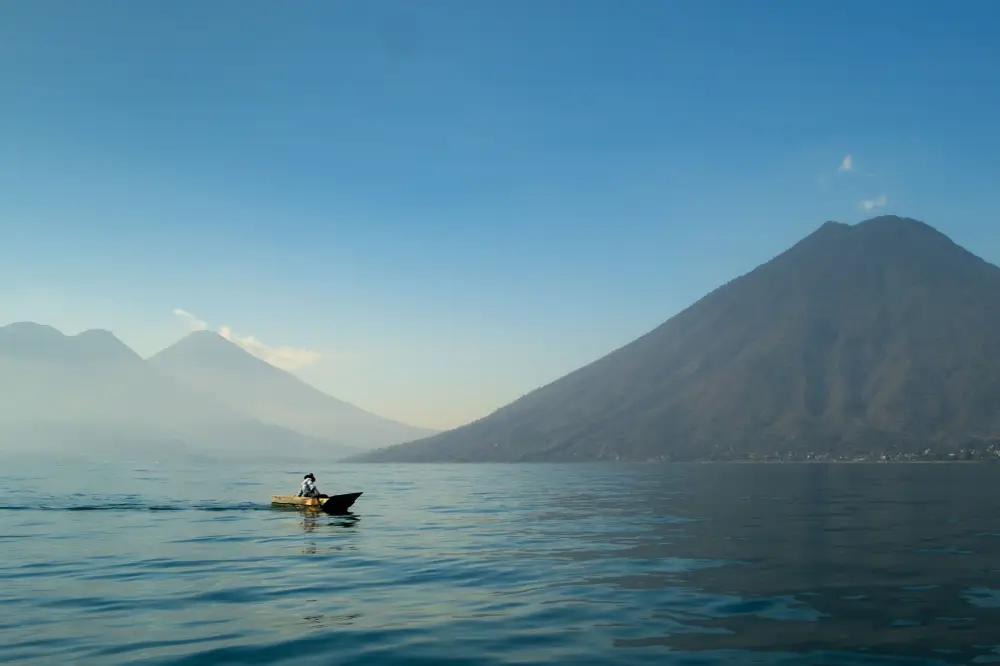
Cerro de Oro is a volcanic hill situated on the southern shore of Lake Atitlán, between the municipalities of Santiago Atitlán and San Lucas Tolimán, in the department of Sololá. Unlike the large volcanoes surrounding the lake, such as the Atitlán, Tolimán and San Pedro volcanoes, Cerro de Oro has an isolated, rounded shape that makes it a unique feature.
It stands at around 1,600 metres above sea level, although what really catches the eye is the way it rises directly beside the lake, creating an unmistakable sight visible from many points around Atitlán.
Natural and tourist significance
Cerro de Oro forms part of the complex ecosystem surrounding Lake Atitlán, which is regarded as one of Guatemala’s most valuable natural areas. Its surroundings combine mountain vegetation, traditional agricultural areas and forests that provide a refuge for various species of birds.

From a tourist’s point of view, it has become a less crowded alternative to other hiking trails around the lake. The climb is relatively easy and offers some of the best panoramic views of Atitlán without the need for particularly strenuous hikes.
Why it is a top destination in Sololá
What sets Cerro de Oro apart from other places in the region is its combination of landscape, culture and symbolism. Few places offer the chance to take in, all at once, Lake Atitlán, the Tolimán, Atitlán and San Pedro volcanoes, as well as indigenous communities that keep their ancestral traditions alive.
Where is it in Sololá?
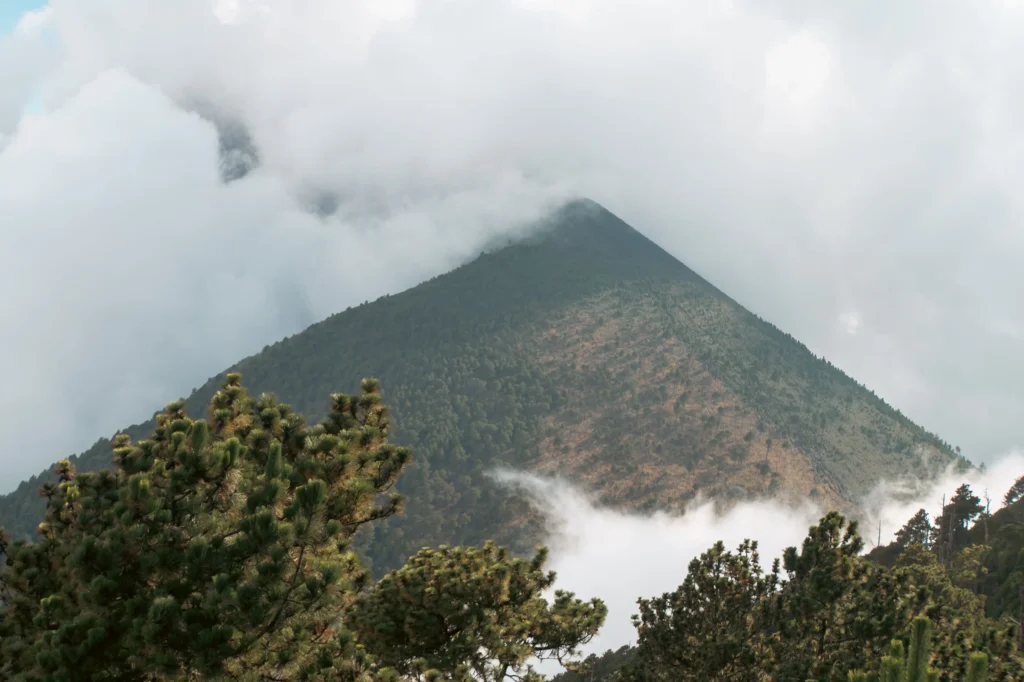
Cerro de Oro is situated in the municipality of Santiago Atitlán, which forms part of the department of Sololá. To be more precise, it rises on the southern shore of Lake Atitlán. At its foot lies the village of Cerro de Oro, also known by its traditional name, Chutinamit, a predominantly Tz’utujil community engaged in agriculture, fishing and the production of textile crafts.
How to get there from Panajachel and Sololá
From Panajachel, there are two main options. The most common is to take a public or private boat to Santiago Atitlán and, from there, travel by road or along local footpaths to the foot of the hill.
It's also possible to get there by road from Sololá or Guatemala City, following the route that links San Lucas Tolimán with Santiago Atitlán. Getting there is relatively straightforward and can be done as a day trip.
Connections with other municipalities in the Altiplano
Cerro de Oro’s location means that a visit here can be combined with trips to numerous destinations in the Guatemalan highlands. Santiago Atitlán, San Lucas Tolimán, San Pedro La Laguna, San Juan La Laguna and Panajachel are all within easy reach and offer complementary experiences linked to Mayan culture.
History and culture of Cerro de Oro
Origin of the name and local legends
The origin of the name Cerro de Oro is shrouded in tales that have been passed down orally for generations. One of the best-known legends tells of a traveller carrying a vessel full of gold towards the west of Guatemala. Whilst resting by the lake, the vessel spilled and the gold began to grow until it formed the hill that now overlooks the shores of Lake Atitlán.
Another version claims that the hill is in fact a piece that broke away from the summit of the Atitlán Volcano and was carried by angels to its current location. It's also said that there is a cave on Cerro de Oro which was used by the Zutujil people to hide gold, hence its iconic name.
History of the neighbouring communities
The region has been inhabited for centuries by the Tz’utujil Maya people. Before the arrival of the Spanish, the Tz’utujils controlled much of the territory around Lake Atitlán and established important political and commercial centres.
Today, the Cerro de Oro community preserves much of this cultural heritage. The Tz’utujil language is still used in everyday life, and many families continue to engage in traditional activities such as small-scale fishing, maize farming and textile production.
'The Little Prince' and other related traditions
One of the most intriguing aspects of Cerro de Oro is the theory linking its silhouette to the famous illustration of the snake that has swallowed an elephant in The Little Prince. According to local tradition, the French writer and aviator Antoine de Saint-Exupéry is said to have flown over the region during his flights through Central America, and the shape of the hill is said to have served as inspiration for one of the book’s most iconic illustrations.
- This page about the natural wonders of Guatemala may interest you.
What to see at Cerro de Oro
Natural viewpoints overlooking Lake Atitlán
One of the main attractions of Cerro de Oro is its panoramic views. From various points along the trail, you can take in the full expanse of Lake Atitlán, surrounded by volcanoes and villages that seem to float above the water.
The village of Cerro de Oro
The community situated at the foot of the hill is an attraction in its own right. Its streets retain a strong indigenous identity and offer an insight into aspects of the daily life of the Tz’utujil people. The craft workshops, small local shops and traditional jetties offer a very different experience to that of the lake’s more touristy destinations.
Views of the Atitlán and Tolimán volcanoes
Cerro de Oro offers some of the best views of the Tolimán and Atitlán volcanoes. Both mountains dominate the horizon and are a clear reminder of the volcanic origins that shaped the lake and the entire surrounding landscape.
Things to do at Cerro de Oro
Climb to the top
The most popular activity on Cerro de Oro is walking along the path that leads to its highest points. The walk takes you along paths used by local communities and allows you to see how the landscape gradually changes. Although it isn't a technically challenging route, some sections feature steep slopes and uneven terrain.
That said, as a reward, the summit offers a spectacular view of the lake, with views of the Atitlán, Tolimán and San Pedro volcanoes, as well as the indigenous villages dotted along its shores.
Discovering the Tz’utujil culture
A visit to Cerro de Oro also offers the chance to learn about the Tz’utujil culture, one of the Mayan peoples who have lived on the shores of Lake Atitlán for centuries. In nearby communities such as the village of Cerro de Oro and Santiago Atitlán, many traditions are still practised as part of the daily lives of their inhabitants.
Among the most prominent cultural expressions are textiles woven on a backstrap loom, an ancient technique passed down from generation to generation. Huipiles and traditional garments often feature colours, geometric patterns and symbols that identify the origin of each community.
Birdwatching and observing local wildlife
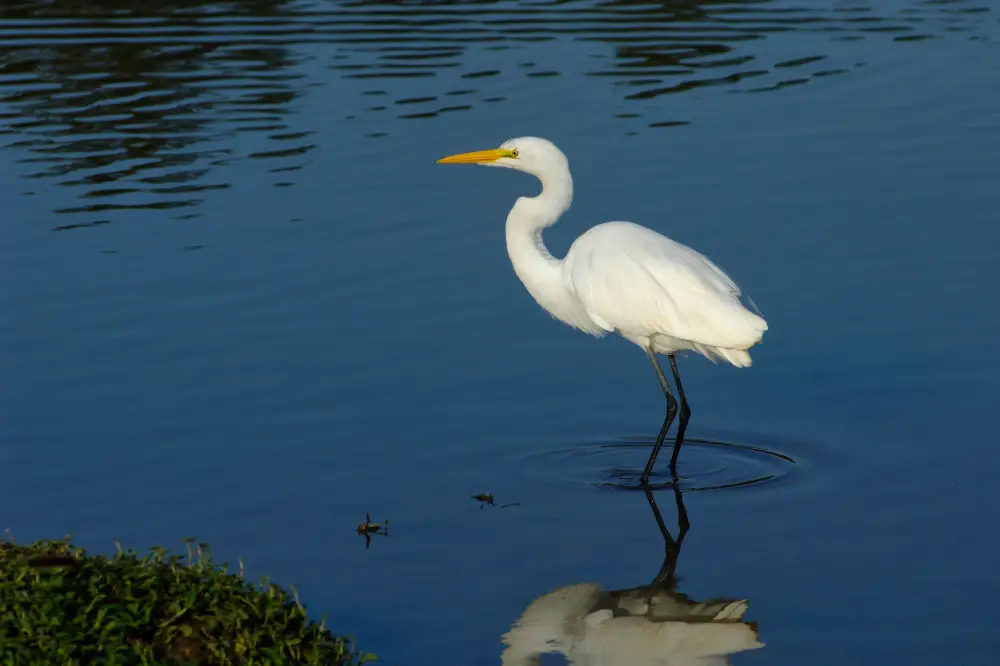
The area around Cerro de Oro offers excellent opportunities to enjoy nature and observe some of the biodiversity characteristic of Lake Atitlán. During the walk, you can spot various birds associated with the lake’s surroundings, including hummingbirds, kingfishers, herons and other species that find refuge in the forests and rural areas surrounding Cerro de Oro.
In fact, the Atitlán region is regarded as one of Guatemala’s best birdwatching destinations thanks to the great diversity of species recorded in its various ecosystems.
Best time to visit Cerro de Oro
Cerro de Oro can be visited all year round. However, we recommend visiting during the dry season, which runs from November to April, as this is usually when conditions are best for hiking and photography.
Tips for visiting Cerro de Oro
What to bring on your visit
- Hiking or sports shoes.
- Enough water for the walk.
- Sun cream.
- Cap or hat.
- Camera.
- A lightweight raincoat for the rainy season.
Safety and fitness recommendations
Although the route is not particularly difficult, it's advisable to walk with care on the steeper sections. Undertaking the hike accompanied by local guides can enhance the experience and make it easier to understand the cultural and natural aspects of the area.
It's also advisable to start the climb in the early hours of the morning to avoid the hottest part of the day.
How to make the most of the nature experience
The best way to enjoy Cerro de Oro is to combine the hike with a visit to Santiago Atitlán and the village of Cerro de Oro itself. This gives you a more complete picture of the natural and cultural heritage that characterises this part of Lake Atitlán.
- We invite you to read our article about the 12 villages of Lake Atitlán.
What to see near Cerro de Oro
Lake Atitlán and its surroundings
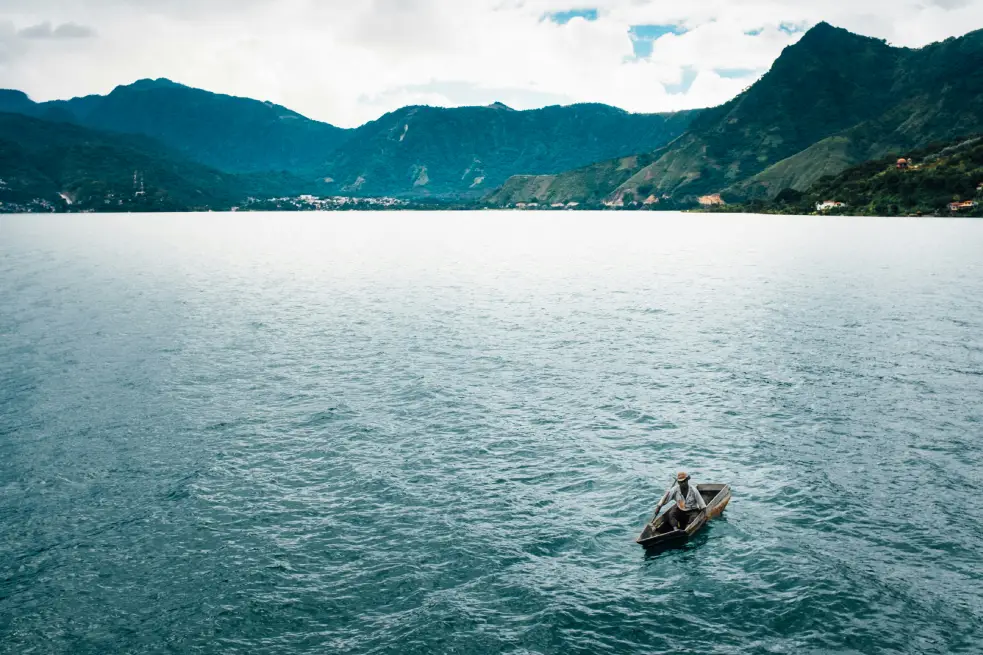
Regarded by many as Guatemala’s most important lake, Atitlán is surrounded by the Atitlán, Tolimán and San Pedro volcanoes, whose silhouettes dominate the horizon from virtually any point in the basin. As well as exploring its villages, visitors can go on boat trips, go kayaking, visit nature reserves or enjoy some of the best viewpoints in the Guatemalan highlands.
Panajachel and Sololá
A short distance from Cerro de Oro lie two of the region’s main towns. Panajachel is the most popular gateway to Lake Atitlán and is home to a wide range of tour agencies and jetties providing connections to the various lakeside communities. Its well-known Calle Santander is lined with craft shops, cafés and retail outlets that attract both domestic and international travellers.
For its part, the city of Sololá offers an experience more closely linked to everyday life on the high plateau. Its traditional market is one of the most important in the region and provides an opportunity to observe the everyday use of Mayan clothing amongst many local communities.
Nearby indigenous communities
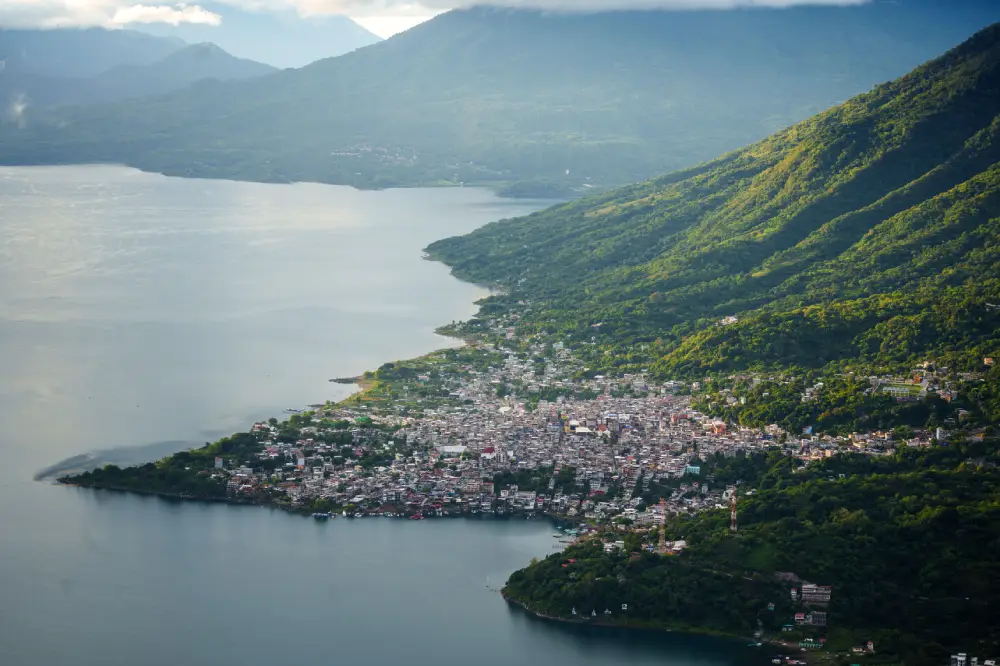
One of the main attractions of the area around Cerro de Oro is the chance to discover some of Guatemala’s most iconic indigenous communities:
- Santiago Atitlán, situated at the foot of the Tolimán and Atitlán volcanoes, is one of the main centres of Tz’utujil culture. Here, visitors can explore traditional markets, textile workshops and sites of great spiritual significance, such as the Maximón sanctuary, home to one of the country’s most unique religious figures.
- San Juan La Laguna is renowned for its art cooperatives, its naïve painting workshops and the production of textiles dyed with natural pigments
- San Pedro La Laguna combines the rich Mayan culture with an atmosphere more geared towards hiking and outdoor activities. Routes leading to the San Pedro volcano, one of the region’s most popular climbs, start from here.
- Finally, Santa Catarina Palopó has become one of the most photogenic villages in Atitlán thanks to the colourful geometric murals that adorn many of its façades, inspired by traditional Kaqchikel designs.
Frequently Asked Questions about Cerro de Oro
Who is Cerro de Oro recommended for?
Cerro de Oro is recommended for travellers who enjoy hiking, photography and destinations with a strong cultural connection. Its trails, the stunning views of Lake Atitlán and the presence of Tz’utujil communities make a visit here an experience that goes far beyond the scenery.
If you’re looking for less crowded spots, accessible walks and places where nature, history and tradition come together, Cerro de Oro is one of the most interesting places to visit in Sololá.
How can I include it in an itinerary around Sololá and Lake Atitlán?
Cerro de Oro fits perfectly into a one- or multi-day itinerary around Lake Atitlán. One of the most highly recommended options is to visit it from Santiago Atitlán, combining the hike with a tour of this important Tz’utujil village and its main cultural attractions.
It can also be easily incorporated into a wider itinerary that includes Panajachel, San Juan La Laguna, San Pedro La Laguna and Santa Catarina Palopó. In this way, a visit to the hill adds a different dimension to the trip: less focused on the villages and more centred on hiking, panoramic views and getting out into nature.