In case you didn’t know, the Garifuna people in Guatemala represent one of the country’s richest and most unique cultural identities. This is because their history blends African roots with those of the indigenous Caribbean and Arawak peoples. All of this creates a vibrant culture that is particularly evident on the Caribbean coast.
To speak of the Garifuna in Guatemala is to speak of resilience, but also of music and, of course, of community. Their presence in places like Livingston offers a fascinating contrast to the rest of the country, both in terms of language and traditions. Today, they continue to keep their customs alive. In this way, their culture is passed down from generation to generation to be shared with all those who wish to discover it with curiosity and respect.
The Garifuna People in Guatemala: who they are and where they come from
The Garifuna in Guatemala are part of an Afro-indigenous people who originated in the Caribbean. Their identity stems from the encounter between Africans – who survived shipwrecks in the 17th century – and indigenous Carib and Arawak communities on the island of Saint Vincent.
From then on, and over time, they developed a culture of their own, with a language, traditions and way of life that were very different. Their history does not really begin in Guatemala, but in the Caribbean islands. It was there that they established their identity as a people.

Following a number of clashes with the British, the Garifuna were deported. This took place in 1797, and they were taken from San Vicente to the island of Roatán, in Honduras. Once there, they began to spread along the Caribbean coast of Central America. It's important to discuss this migration because it helps us better understand how the Garifuna in Guatemala share roots with Honduras, Belize and Nicaragua.
- We invite you to read our article about Cayalá City.
History of the Garifuna people in Guatemala
After arriving in Central America, the Garifuna settled in various parts of the Caribbean. In Guatemala, their presence is concentrated in Livingston, in the department of Izabal. It should be noted, however, that the history of the Garifuna in Guatemala has been marked not only by displacement but also by adaptation.
The arrival and settlement of the Garifuna people in Livingston
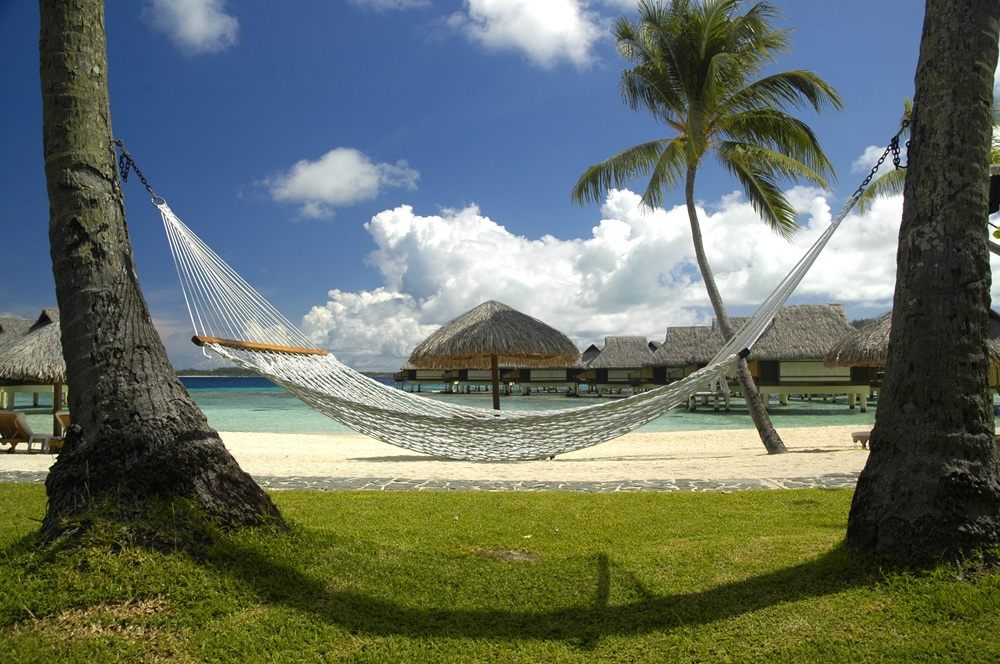
The first groups of Garifuna in Guatemala arrived in Livingston in the early 19th century. They all came from Honduras. There they found a coastal environment that allowed them to continue the way of life they were already accustomed to, one closely tied to the sea.
This is how Livingston became the main centre of the Garifuna community in Guatemala. This was due not only to its location but also to its – somewhat relative – isolation from the rest of the country. What positive outcome did they derive from all this? It helped to preserve their language and traditions. Although the community has grown over time, today Livingston is the place where one can best understand the history and identity of the Garífunas.
- We invite you to read our article about San Felipe Castle.
Why is Livingston considered the ‘Garifuna Guatemala’?
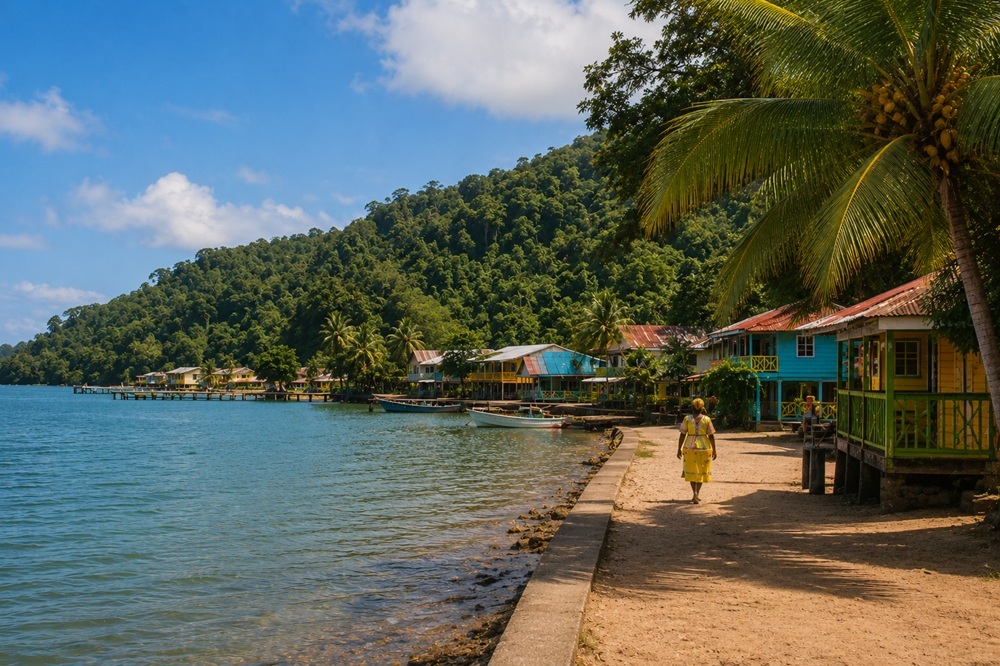
The truth is that Livingston is a unique place within Guatemala. We say this mainly because there is no direct road access and it can only be reached by boat. So that in itself is a major difference compared to other cities in the country. For the Garifuna in Guatemala, however, Livingston is much more than just a tourist destination. It has become their cultural and, indeed, symbolic centre.
Fancy a visit? Well, to get to Livingston, you’ll need to take a boat from Río Dulce or Puerto Barrios, which makes the journey part of the experience. During this journey, the landscape changes completely. You go from rivers surrounded by jungle to the open Caribbean, which gives you a sense that you’re entering a different environment.
Upon arrival, the atmosphere is also surprising. You’ll find a more relaxed pace of life, with music filling the streets and the Garifuna language mingling with Spanish in everyday conversation. All this means that Livingston, as well as being a great destination, also stands out as a truly immersive cultural experience within Guatemala.
The Garifuna community of Livingston and its connection to the Guatemalan Caribbean
As we have been discussing, the Garifuna community in Livingston, Guatemala, has very strong ties to the Caribbean. This connection is evident in many ways. Some of these can be seen in their music, their cuisine and even their outlook on life.
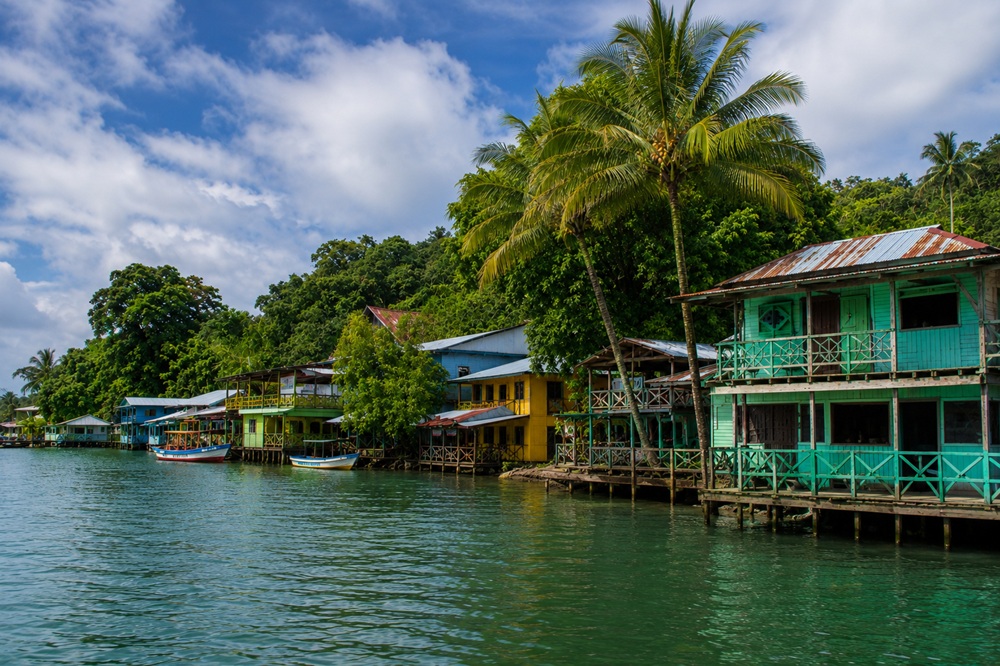
Not to mention that the sea is an essential part of their identity. Many of the traditional economic activities of the Garifuna people in Guatemala are linked to fishing and local trade. For all these reasons, and more, Livingston has a distinct atmosphere compared to the rest of the country. This is thanks to the mix of rhythms, languages and customs that are more reminiscent of other parts of the Caribbean.
Coexistence between the Garifuna, Ladino and Mayan peoples in Livingston
Various communities live side by side in Livingston. In Guatemala, the Garifuna people share the area with the Ladino population and with Mayan communities, particularly the Q’eqchi’. Thanks to this coexistence, a highly diverse cultural environment has been created. It's true that each group maintains its own identity, yet there are always opportunities for exchange or adaptation.
The Garifuna people have managed to preserve their traditions, maintaining a strong sense of identity whilst still embracing other cultures.
- We invite you to read our article about the Popol Vuh Museum.
Garifuna culture in Guatemala: language, music and spirituality
Garifuna culture in Guatemala is one of the country’s greatest treasures. As well as its ancient traditions, it's a living culture that is expressed in everyday life. Both the music and the language are key to gaining a better understanding of the Garifuna people.
The Garifuna language and its presence in Livingston
When it comes to the language, it's a distinct language that combines Arawak, Carib and African elements. In this case, it's used both as a language of identity and as a means of cultural transmission.
So in Livingston, it's common to hear Garifuna spoken in everyday conversation. This reflects the community’s efforts to keep their language alive. But there is more to it than that, because on an international level, Garifuna culture has been recognised by UNESCO as Intangible Cultural Heritage of Humanity. This greatly reinforces its importance.
Music, drums and dance: punta and traditional rhythms
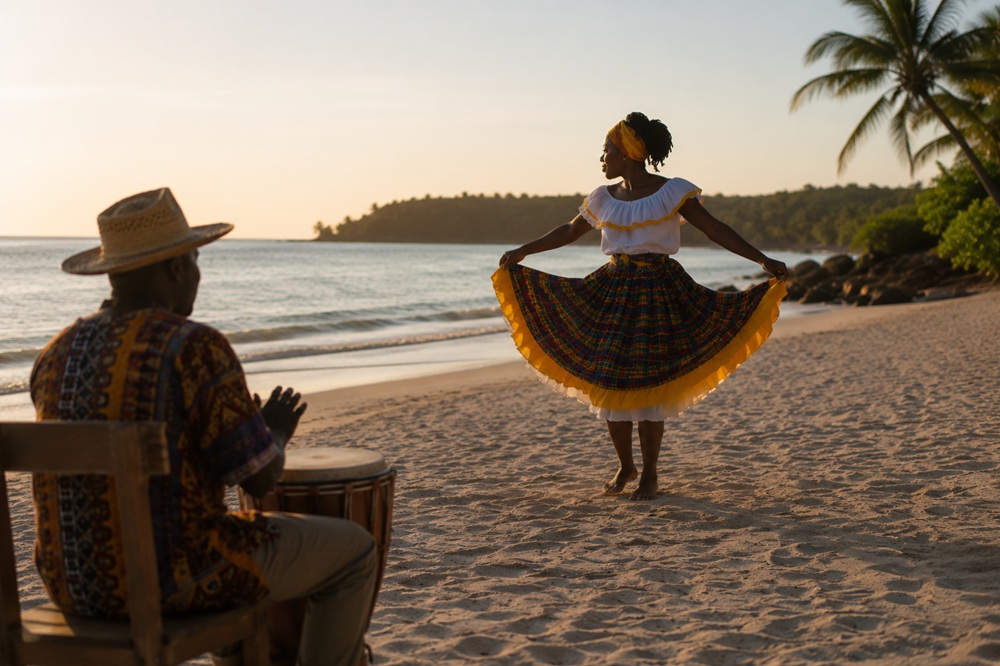
For everyone, music is one of the most recognisable expressions of Garifuna culture in Guatemala. It's the drums that set the rhythm for celebrations and events. One of the best known is the punta. It's a traditional dance that combines rapid movements with the most intense percussion. It's one of the essential parts of the Garifuna identity.
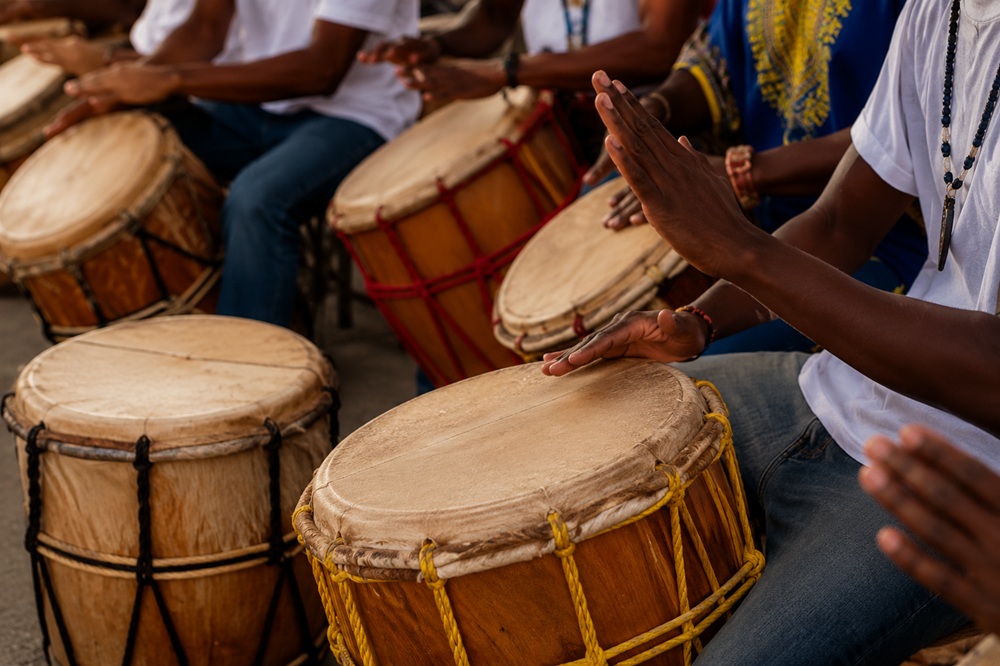
In addition to the punta, there are other musical styles that form part of their tradition. These include the paranda, the wanaragua and the chumba. The paranda has a slower rhythm and usually features the guitar, whilst the wanaragua is associated with traditional celebrations and masked dances. The key element that unites all these styles is the use of the drum as a central feature.
Garifuna spirituality and customs in everyday life
Another key aspect associated with the Garifuna people in Guatemala is spirituality. That is why many of their practices are linked to respect for their ancestors and rituals. Of course, these beliefs are not always visible to visitors. But it's true that they form part of the community’s daily life. They maintain a strong connection with their past through practices such as these.
When we talk about spirituality, it can also be reflected in certain celebrations, in music – as we have seen – and in ways of understanding life. The combination of all these elements is giving rise to a culture with deep symbolic roots.
Garifuna cuisine in Livingston
The saying that the way to a person’s heart is through their stomach certainly holds true for the Garifuna people in Guatemala. After all, this is one of the best ways to get to know them. Their dishes reflect their connection to the sea and, naturally, the use of local ingredients.
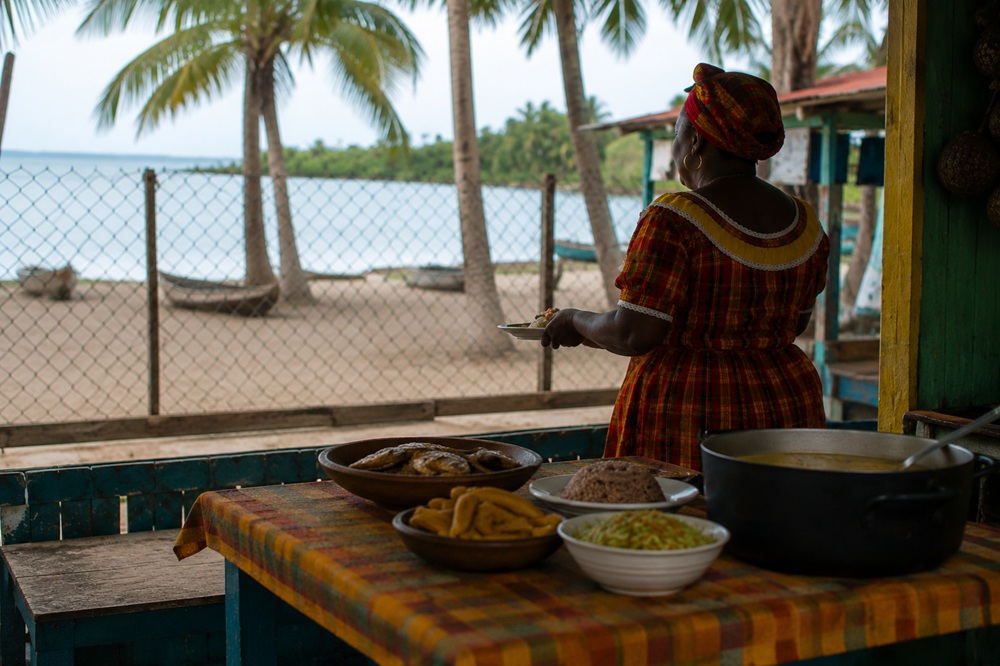
The cuisine is strongly characterised by the flavours and aromas of coconut, seafood and fresh local produce. Many dishes are prepared to order, and it's common for the restaurant staff to explain how they are made.
What are the typical Garifuna dishes?
Among its best-known dishes is ‘tapado’, a soup made with seafood, fish, coconut milk and plantain. Of course, rice dishes with coconut are also very common. The same goes for fried fish and various dishes made with cassava and plantain. As we can see, Garifuna cuisine is simple but very tasty. Furthermore, it's based on natural, fresh ingredients. Its preparation methods have been passed down from generation to generation, so it has a long history.
Where to try Garifuna food during your visit to Livingston
There are plenty of restaurants to choose from during your visit to Livingston. Many of them are run by local families, which means you’ll be able to sample some truly traditional dishes. It’s best to look for places that are authentic and not located in the most touristy areas. That’s the only way to get a taste of the local culture at its most authentic.
Garifuna festivals and traditions in Guatemala
Festivals are always key moments for understanding the Garifuna people in Guatemala. They bring together music, dance and a rich sense of history.
Garifuna celebrations and festivals in Livingston
One of the most important dates is Garifuna Day, which is celebrated on 26 November. On this day, the Garifuna people in Guatemala commemorate their arrival on the Central American coast. The celebrations include traditional dances and community events. It's an ideal time to experience the culture first-hand.
The importance of historical memory and Garifuna identity
For the Garifuna people in Guatemala, historical memory is an essential part of their identity. Their origins are marked by displacement and adaptation. Yet this remains evident in the way they understand their community.
That heritage is passed down through the family, education and everyday traditions. Although it may seem like nothing more than a story from the past, its foundations still shape the lives of the Garifuna people today.
That is why keeping that identity alive enables them to hold on to their roots in an environment that is changing at a rapid pace. At the same time, it strengthens the sense of belonging and continuity across generations.
How can I get to know the Garifuna people in a responsible way?
To get to know them a bit better, there’s nothing like visiting a few different communities. But always do so with respect. Because as well as observing, it’s always worth appreciating their culture.
Cultural tours, live music and experiences led by locals
The Garifuna themselves also organise activities, and taking part in them is a great option. What do they involve? They can include cultural tours, workshops and live music. This way, you’ll get to experience the culture from the inside and enjoy something truly authentic like never before.
Recommendations for responsible tourism in Garifuna communities
If you’re already planning to visit the Garífuna people in Guatemala, you should bear the following in mind.
- Respect their customs and personal space
- Please do not take photographs without permission. This is particularly important during celebrations or more private moments.
- Shop at local businesses to support the local economy.
- Listen and learn without imposing your own view of things.
- Ask before taking part in cultural activities or rituals.
- Choose local guides to experience the culture from the inside and at first hand.
- Keep an open mind.
Remember that not everything is designed with visitors in mind, so please respect the space. With these small gestures, your visit will be much more authentic and will also help to preserve Garifuna culture.
- This page about the cities of Guatemala may interest you.
Frequently Asked Questions about the Garifuna people in Guatemala and Livingston
Where do the Garifuna live in Guatemala?
They live mainly in Livingston, in the department of Izabal. This is part of the country’s Caribbean coast.
What language do the Garifuna speak in Guatemala?
They speak Garifuna as well as Spanish. Their language is a key part of their cultural identity.
What is the typical Garifuna dish?
The most famous dish is tapado. It's a seafood soup made with coconut milk and plantain.
When is Garifuna Day?
Garifuna Day is celebrated on 26 November.
Is it easy to visit Livingston?
Yes, but only by boat. This unique feature makes the visit even more special.