Deep in the heart of Petén, where the jungle is dense and the sounds of the city fade away completely, the Blue Crater emerges as a small miracle of nature. Its waters, an impossibly blue and crystal-clear colour, spring from deep within the earth and emerge into crystal-clear pools surrounded by tropical vegetation.
Here, the water and the jungle coexist in perfect harmony, creating a scene straight out of a film. Are you brave enough to discover it?
What is the Blue Crater?
The Blue Crater is one of the most astonishing natural treasures in the department of Petén, a spring of crystal-clear water hidden deep in the Guatemalan jungle.
Characteristics of this natural body of water
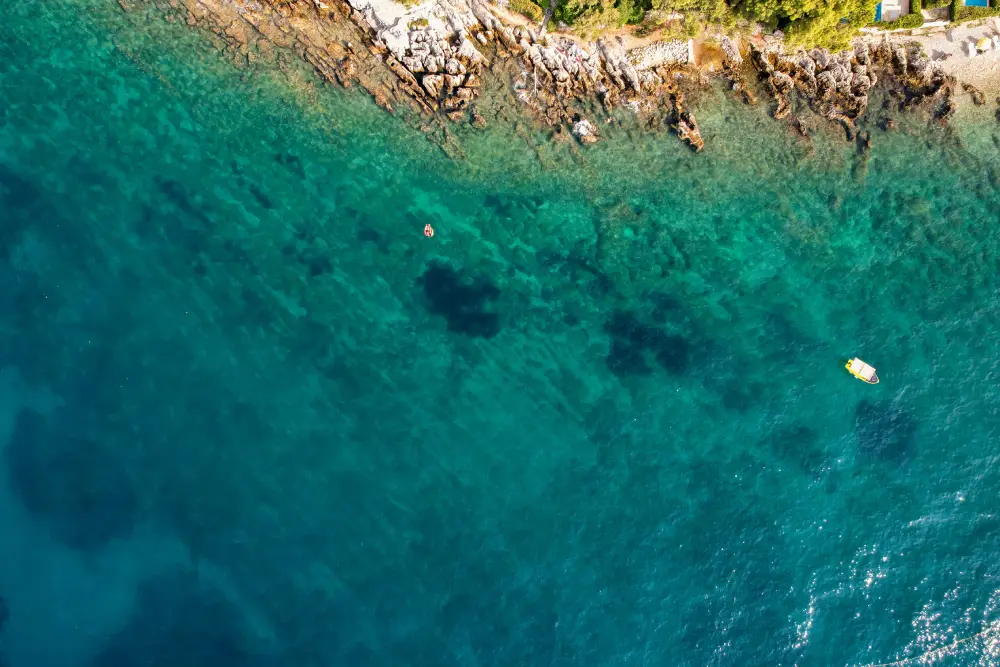
Its incredibly clear waters, ranging in colour from deep blue to turquoise, are one of the Blue Crater’s main attractions. Its pools are fed by underground springs that keep the water constantly moving and ensure it remains exceptionally pure. This is precisely why the aquatic vegetation and the sandy seabed are easily visible in many areas.

Its geological formation and origin
This system of pools was formed by karst processes, whereby the limestone bedrock was eroded over thousands of years by groundwater. The result is a series of natural depressions connected by springs that emerge from deep aquifers.
This type of formation is common in Petén, a region characterised by its limestone geology and its abundance of underground rivers and natural cenotes.
Why it is a popular destination in Petén
The Blue Crater has become very popular because it combines natural beauty, accessibility and a unique experience in the heart of the Petén jungle. Its crystal-clear waters make it an ideal spot for swimming, snorkelling and relaxing surrounded by nature.
What’s more, its relatively close proximity to other attractions in northern Guatemala means that many travellers include it in their itineraries. If you’re visiting Lake Petén Itzá or the jungle of the Maya Biosphere Reserve, this is an unmissable stop.
- This page about Guatemala may interest you.
Location of the Blue Crater
The Blue Crater is situated in the municipality of Sayaxché, in the department of Petén, within a region characterised by rivers, wetlands and tropical rainforest. Its relatively isolated location, surrounded by nature, has helped to preserve the peaceful and unspoilt character of this natural enclave.
Today, it's one of the most unique bodies of water in southern Petén.
How to get there from Sayaxché
The most common way to reach the Blue Crater is from the town of Sayaxché, in the south of the department of Petén, a major hub for river and land transport in the region.
From here, the route usually begins by road towards nearby villages such as El Subín or local jetties situated on the banks of the River La Pasión, one of the area’s major waterways.
From these points, the journey continues by boat through rivers, tributaries and jungle waterways. Access to the Blue Crater is usually arranged through local guides and tour operators in Sayaxché, who organise river transport and guide visitors to the main pools and trails within the nature reserve.
Connections to other tourist destinations in the area
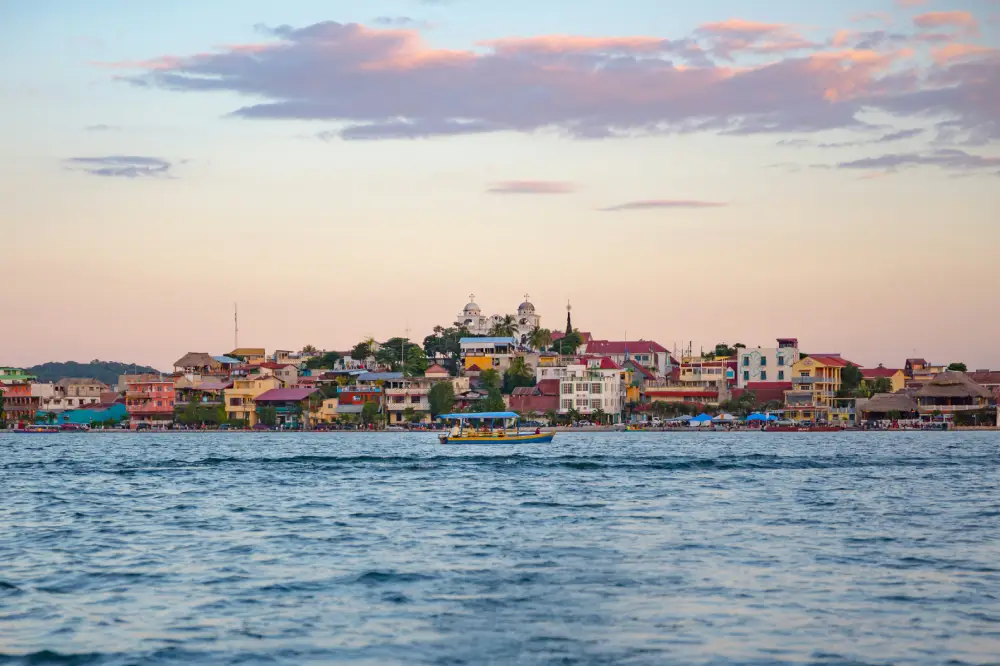
The Blue Crater can easily be included in an itinerary through the Petén region, combined with destinations such as Lake Petén Itzá, the town of Flores or even parts of the Maya Biosphere Reserve.
History and Conservation of the Blue Crater
Ecological importance of the site
The Blue Crater forms part of a system of freshwater springs characteristic of southern Petén. Its crystal-clear waters encourage the growth of aquatic vegetation and provide a habitat for fish, invertebrates and various species associated with tropical aquatic ecosystems. Furthermore, the surrounding jungle environment helps to preserve the biodiversity characteristic of this region in northern Guatemala.
Relations with local communities
The communities near Sayaxché, including villages along the banks of the La Pasión River, have played a vital role in the protection and management of the Blue Crater. Many of their residents work as guides, boat operators or staff on community-based tourism projects, promoting a more sustainable model of tourism.
- We invite you to read our article about the rivers of Guatemala.
What to see at the Blue Crater
The crystal-clear waters and their hues
The natural gradient of the Blue Crater, ranging from an intense turquoise to a deep blue, is a truly magical sight for anyone lucky enough to behold it. This exceptional clarity is due to its underground springs, fed by the Petén aquifers. As a result, the aquatic vegetation and the sandy bed can be seen with perfect clarity, creating an almost surreal sensation of a ‘submerged garden’ in the heart of the jungle.
Flora and fauna around the lake
Although water takes centre stage, the Blue Crater is surrounded by the Petén rainforest. The wildlife on display includes waterbirds and riverside birds, such as herons, kingfishers and other species commonly found in river and wetland ecosystems.
Beneath the surface, various aquatic plants thrive, adapted to fresh, clear water, whilst small fish find refuge in the calmest parts of the pools. The jungle and the water are in perfect harmony.
Viewpoints and natural landscapes
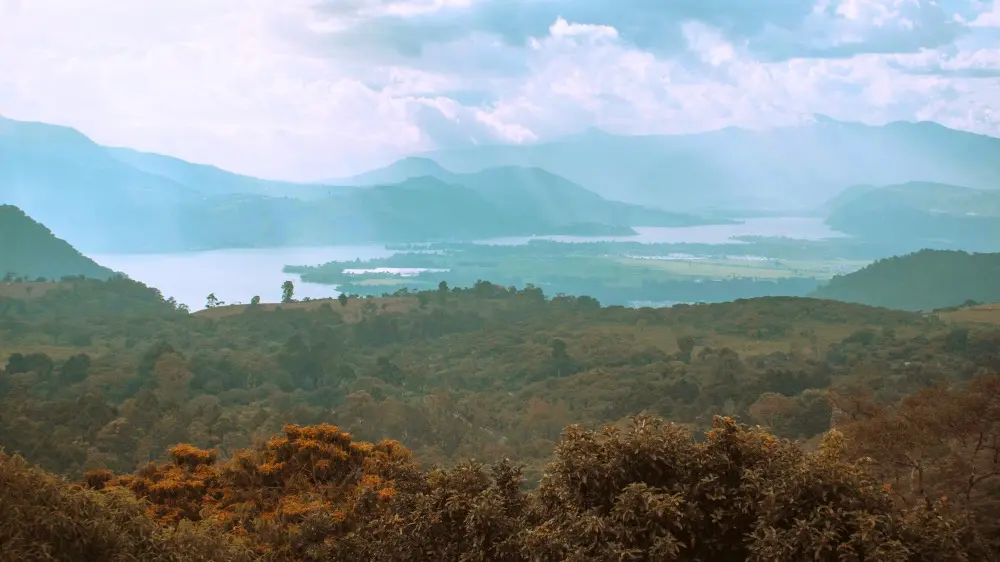
The journey to the Blue Crater is part of the experience in itself. As you travel along the La Pasión River and the canals leading to the nature reserve, the landscape offers sweeping views of tropical vegetation and riverside forests.
Once at the pools, visitors can admire the striking contrast between the blue of the water and the green of the jungle, one of the site’s most distinctive features.
Areas where you can relax and enjoy the surroundings
The Blue Crater is a destination designed to be enjoyed at a leisurely pace. Many visitors make the most of the calm waters to swim, float or simply relax surrounded by nature. The lack of major tourist facilities and the jungle setting help to create a relaxed atmosphere where the landscape takes centre stage.
- We invite you to read our article about Nebaj.
Things to do at the Blue Crater
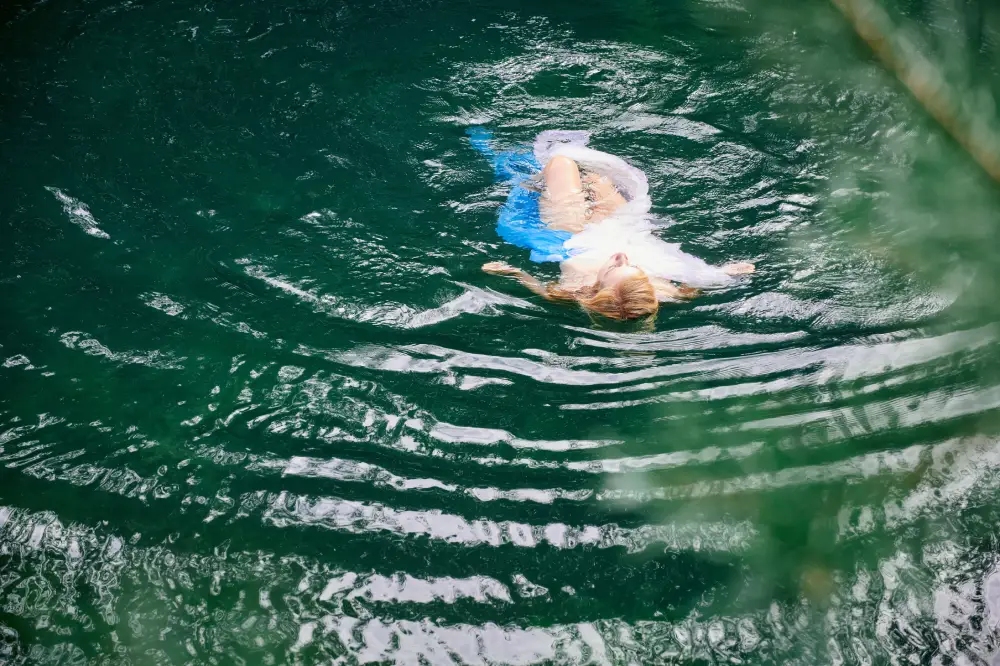
Swimming and water sports
The Blue Crater is one of the most special places in Petén to enjoy water in its purest form. Its pools of crystal-clear water allow you to swim with perfect visibility, float in an almost untouched natural setting and cool off in an ecosystem fed by underground springs.
Guided tours of the area
Visits to the Blue Crater are usually led by local guides from Sayaxché, who organise boat transport along the La Pasión River and explain the natural riches of the surrounding area.
These excursions offer a better understanding of how the Petén karst system was formed and allow visitors to discover some of the area’s less accessible spots, whilst always respecting conservation areas and staying on the designated trails.
Landscape and wildlife photography
The contrast between the turquoise waters of the crater and the dense jungle surrounding it creates a scene well worth photographing. The reflections on the surface, the light filtering through the trees and the presence of birds such as herons and kingfishers evoke the essence of the Petén.
Hiking and exploring the natural area
As well as the water-based activities, a visit here offers the chance to take short walks through natural areas near the main entrance. These walks provide an opportunity to see some of the vegetation typical of the Petén, including species such as the ceiba and the ramón, as well as other trees native to the tropical forest that covers much of the region.
Among the usual trails, the guided walks to the main pools and the stretches of lowland jungle stand out, where visitors can see native trees such as the ceiba and the ramón, which are typical of the Petén ecosystem.
When to enjoy the best conditions for outdoor activities
The best time to visit the Blue Crater and enjoy its outdoor activities is during the dry season, between November and April, when the water level is more stable and visibility in the pools is excellent.
Safety and environmental care recommendations
- Always go on the tour with local guides from Sayaxché, as they know the safe routes through the river and the jungle.
- Please wear a life jacket on boat trips and in swimming areas.
- Please do not leave any rubbish behind and respect the signposted areas to protect the fragile ecosystem of the Blue Crater.
- Do not use soap or chemical products in the water, as they may upset its natural balance.
- Please respect the local wildlife and keep your distance from areas of sensitive vegetation.
How to make the most of the nature experience
If you have time, the best thing to do is to combine a swim in its crystal-clear waters with a boat trip along the La Pasión River. This trip perfectly showcases the contrast between the green of the jungle and the turquoise of the water. Getting there early helps you avoid the crowds and appreciate the soft light over the pools.
- This page about the natural wonders of Guatemala may interest you.
What to see near the Blue Crater
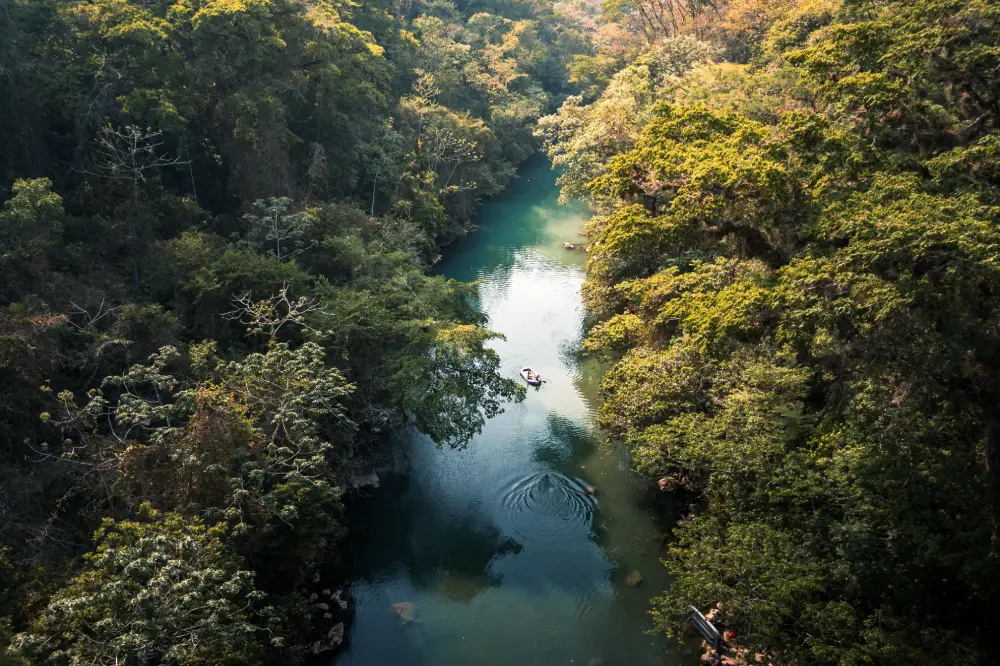
Sayaxché and the surrounding area
The municipality of Sayaxché is the main gateway to the Blue Crater and a key hub for river transport in Petén. It's from here that most boat trips are organised along the La Pasión River, which flows through riverside communities, tropical vegetation and areas of lowland jungle.
In the surrounding area, villages such as El Subín and small local jetties offer a close-up view of daily life linked to the river, small-scale fishing and river transport.
Nearby rivers and lakes
The region is characterised by the La Pasión river system, one of the most important tributaries of the Petén, which is linked to a network of canals, wetlands and springs. Nearby, there are also lagoons and smaller bodies of water that form part of the department’s water system and support the area’s biodiversity.
Indigenous communities and cultural trails
Q’eqchi’ and mestizo communities live in the area around Sayaxché and maintain a very close relationship with the river and the jungle. These communities preserve agricultural traditions, small-scale fishing and ways of life linked to the natural environment.
Farming, fishing and the traditional use of the local environment continue to form part of daily life in many of these communities, helping to preserve the knowledge and customs associated with the area.
Parks and nature reserves in Petén
Southern Petén is surrounded by important natural areas that protect some of Guatemala’s most valuable biodiversity. These include tropical rainforest areas linked to the Maya Biosphere Reserve and other protected areas that are home to a wide variety of plant and animal species.
For those wishing to enhance their experience, these areas offer the chance to complement a visit to the Blue Crater with activities centred on nature observation and ecotourism.
What makes the Blue Crater unique
What makes the Blue Crater so special is the extraordinary clarity of its waters and the intense blue colour from which it takes its name. The combination of underground springs, tropical vegetation and a relatively secluded setting creates a landscape that is unusual even within the Petén region, making it one of the most photographed and stunning natural sites in the region.
- We invite you to read our article about the Chicabal Volcano and Lagoon.
Who is it recommended for?
For anyone looking to connect with nature in its purest form. If you enjoy being by the water and losing yourself in the jungle, this destination is the perfect addition to your trip. It’s also a great option for those who want to complement their visit to Petén with a more peaceful and contemplative experience.
How to include it in a tour of Petén
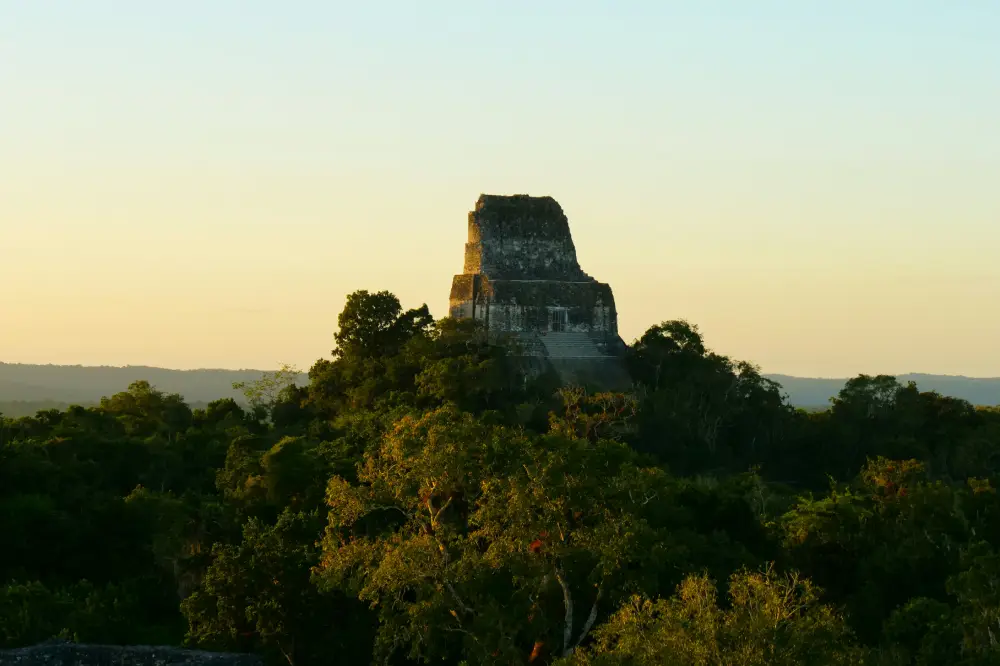
The Blue Crater fits perfectly into a tour of southern Petén, combined with Sayaxché, the La Pasión River and the town of Flores on Lake Petén Itzá. It can also be incorporated into wider itineraries that include the Maya Biosphere Reserve.
Even archaeological sites such as Tikal and Aguateca, creating an itinerary that combines jungle, water and Mayan culture in a single trip through northern Guatemala.
Frequently Asked Questions about the Blue Crater
How do you get to the Blue Crater from Sayaxché?
The Blue Crater is mainly accessed from Sayaxché, in the department of Petén. From there, you take a road trip to local jetties on the banks of the River La Pasión, and then continue by boat through canals and stretches of jungle until you reach the pools. The trip is usually organised through local guides or tour operators, who arrange both transport and entry to the nature reserve.
When is the best time to visit the Blue Crater?
The best time to visit the Blue Crater is during the dry season, between November and April, when the water level is more stable and visibility in its pools is at its best. During these months, weather conditions also make river access easier and allow visitors to enjoy outdoor activities more fully in a jungle setting that is more accessible and safer.