There are destinations that everyone recommends, and others that leave a lasting impression. Sololá is one of the latter. A market full of exotic clothing you won’t see anywhere else, streets where Mayan traditions have endured for centuries, and, right at the bottom of the hill, the lake that many consider to be the most beautiful in the world. If you visit Guatemala and only stay in Panajachel, you’ll leave without having seen the best it has to offer.
Everything you need to know before you go is here: how to get there, what to see, what to do, when to go. Let’s get started.
Where is Sololá?
Location in the department of Sololá
Sololá is the capital of the department of the same name. It's situated in the western Altiplano, in the south-western region of Guatemala, and borders Totonicapán, Quiché, Suchitepéquez and Chimaltenango.
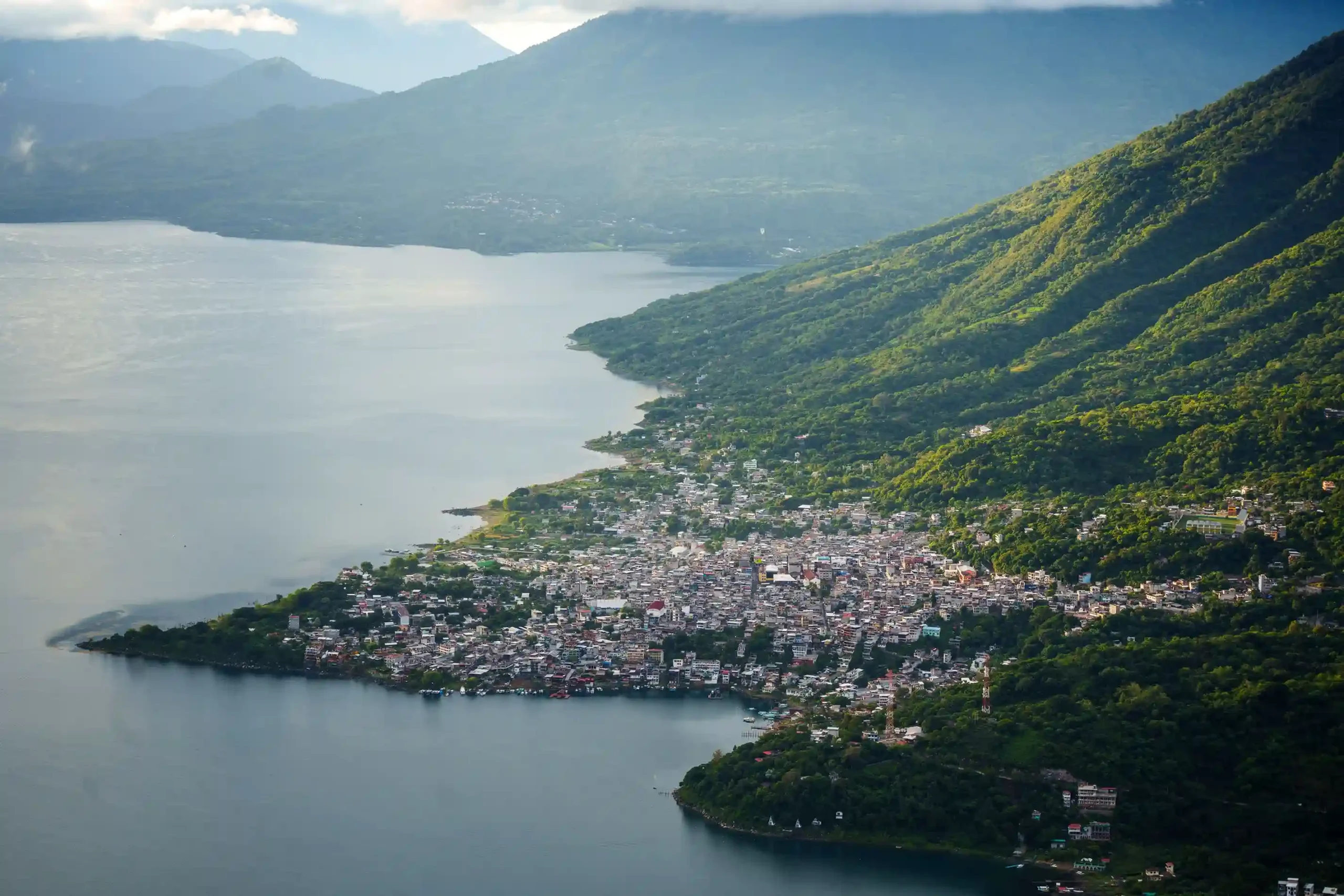
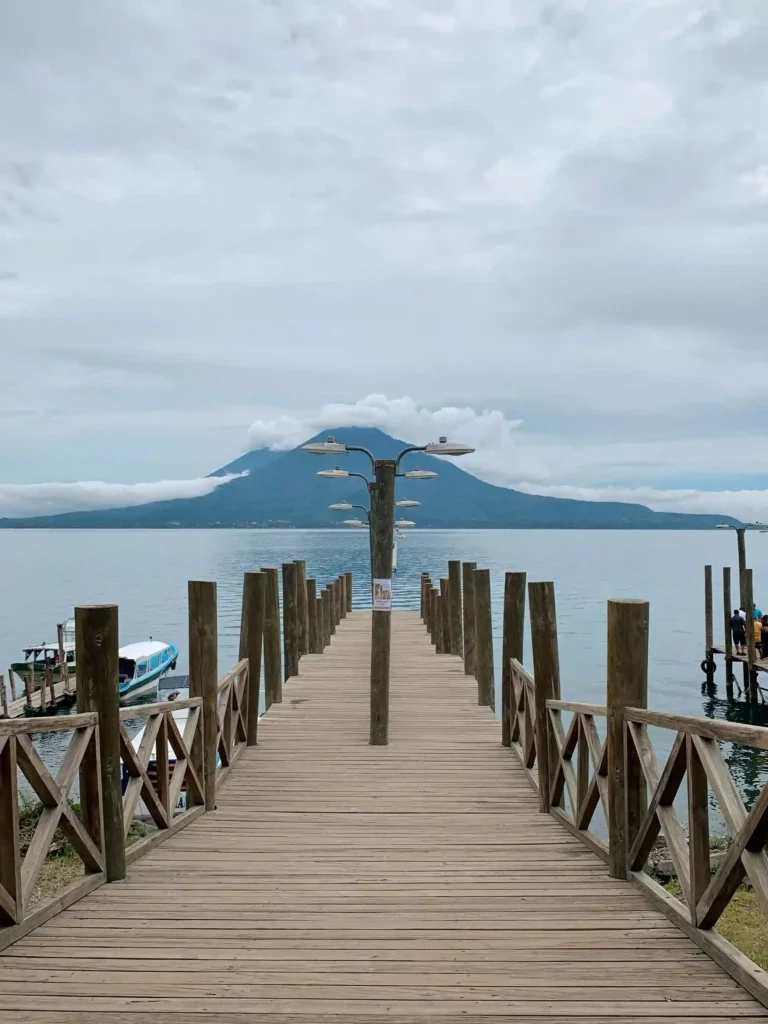
The town lies on a plateau, at an altitude of around 2,100 metres above sea level. The cool climate is noticeable all year round, and from up here, Lake Atitlán appears surrounded by its three volcanoes – Atitlán, Tolimán and San Pedro. Many people stop here for a while before heading down to the lake just for that view.

19 municipalities in the department. Panajachel, Santiago Atitlán and San Pedro La Laguna attract the most tourists; all three are situated on the shores of the lake.
How to get there from Guatemala City
It's about 140 kilometres from the capital. By car, the journey takes between two and a half and three hours via the CA-1. It depends on the traffic, which at certain times of day can make leaving the city difficult.
There are several options for public transport. The most common is to take a bus to Cuatro Caminos and, from there, a minibus or van to Los Encuentros, with a direct connection to Sololá. It’s cheap and services run frequently.
From Antigua, the journey time is similar. Quite a few people include Sololá on the same route as Antigua without any problems.
Connections to other local authorities and nearby destinations
It's 8 kilometres from Sololá to Panajachel. Boats depart from the harbour in Panajachel for San Marcos La Laguna, San Juan La Laguna and Santiago Atitlán. It’s quick and hassle-free.
Heading north, Chichicastenango is less than an hour away. To the west, Quetzaltenango can be reached in just over an hour, with guided tours to the Quetzaltenango Municipal Theatre, Cerro Quemado or the Fuentes Georginas. To the south lies the Southern Coast.
- We invite you to read our article about Cerro de Oro.
History of Sololá
The name derives from the Kaqchikel word ‘Tzolojya’, meaning ‘place where water springs forth’. Before the Spanish arrived, these territories were already inhabited by the Tz’utujil and Kaqchikel peoples. They did not always live in harmony – there were, of course, territorial disputes – but they did have very deep roots in the highlands.
The Franciscans arrived with the colonists, established a mission and laid out the town. The cathedral, which now stands in the central park and is dedicated to Our Lady of the Assumption, dates from 1547. Following several earthquakes, it has been rebuilt on a number of occasions; the building as it stands today dates from 1984, although the essence of the building remains the same.
Sololá has something that is not often found: history that hasn’t been consigned to a museum. The brotherhoods continue to organise the festivals, Kaqchikel is spoken at home, and traditional dress is seen on the streets every day. It’s not just folklore for tourists. It’s simply the way things are.
Culture and traditions of Sololá
Local festivals and celebrations
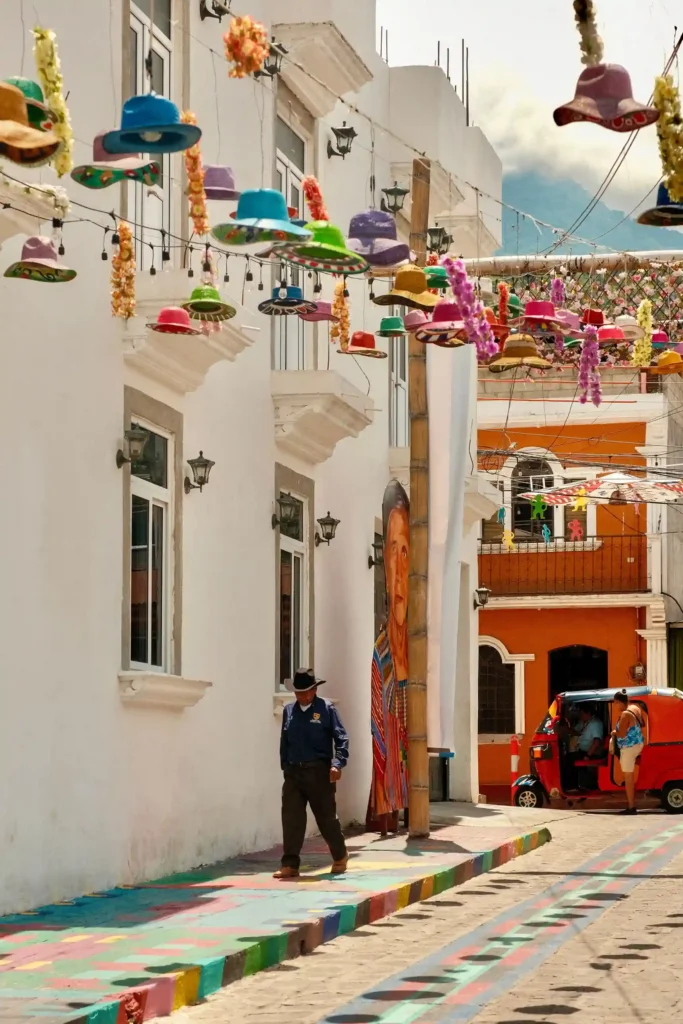
The main festival, in honour of the Virgin of the Assumption, takes place from 11 to 17 August. There are parades, dances and processions by the religious brotherhoods. If the dates work out, it’s yet another reason to go.
The cofradías are religious associations with Mayan-Catholic roots. For centuries, they have been at the heart of the town’s most important celebrations. Seeing them in the central park isn’t something you plan via a tourism app: it just happens, and if you’re there, you’ll see them.
Easter and All Saints’ Day are also celebrated with great enthusiasm here.
Traditional cuisine of the region
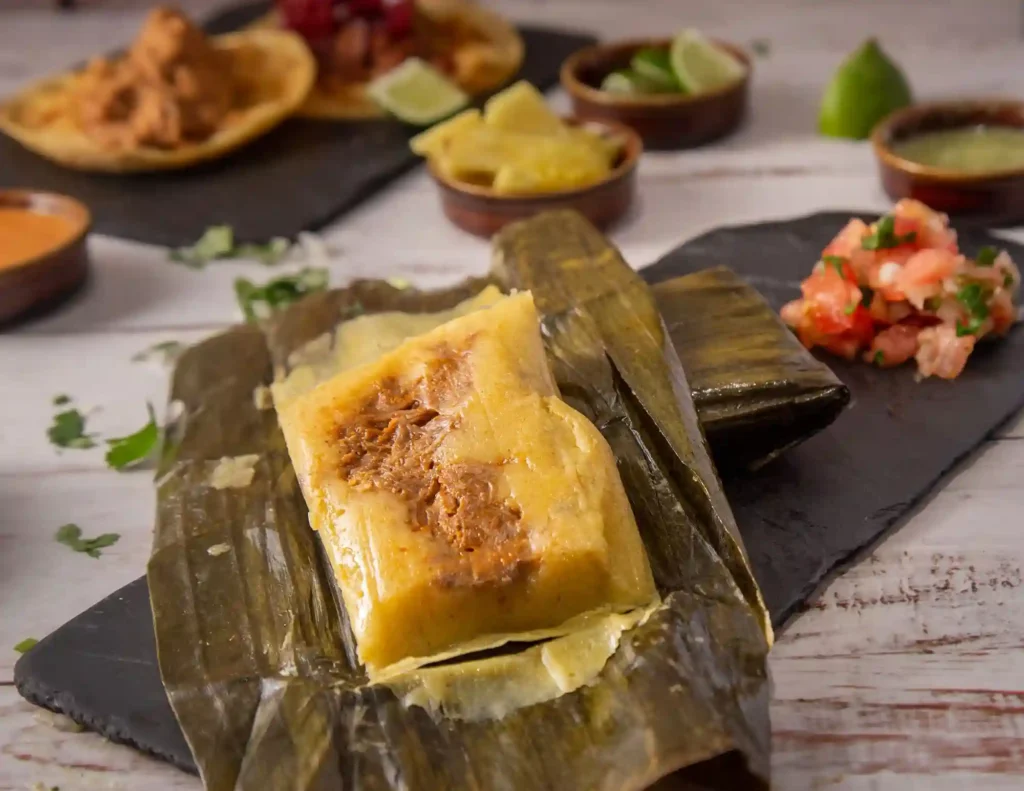
Pepián is the first thing people will mention. It’s a thick stew – made with pumpkin seeds, chillies, tomatoes and spices – served with chicken or pork, rice and tortillas. Some people even go back for seconds.
Beef broth is another classic. In the cold of the highlands, you’ll appreciate it from the very first sip. Corn-leaf tamales are available at the market as soon as it opens. And for breakfast, hot maize atol is what the locals drink.
Crafts and cultural expressions
In Sololá, men and women wear traditional clothing every day. There’s no special occasion, and no tourists watching. The men wear embroidered white trousers, a coloured sash and a dark capixay. The women wear hand-woven huipiles, the pattern of which indicates which village the wearer comes from.
It’s not just clothing. It’s an identification system that has been in use for centuries. At the market and the stalls in the park, you’ll find textiles, ceramics and woodwork to take home. If you want to understand better how all this is made, in towns such as Salcajá there are workshops where they work directly with these traditions.
- This page about the cities of Guatemala may interest you.
What to see in Sololá
Cathedral of Our Lady of the Assumption
It dominates the central park with its façade, where colonial and reconstructed elements blend together openly. Founded in 1547, although what can be seen today dates from 1984, following the earthquakes. From the upper part of the city, it can already be seen before you reach it.
Inside: simple. A few saints, not much decoration. But it has a certain something. And the contrast with the hustle and bustle of the market outside works well. It’s worth stopping off for a few minutes inside.
Central American Tower
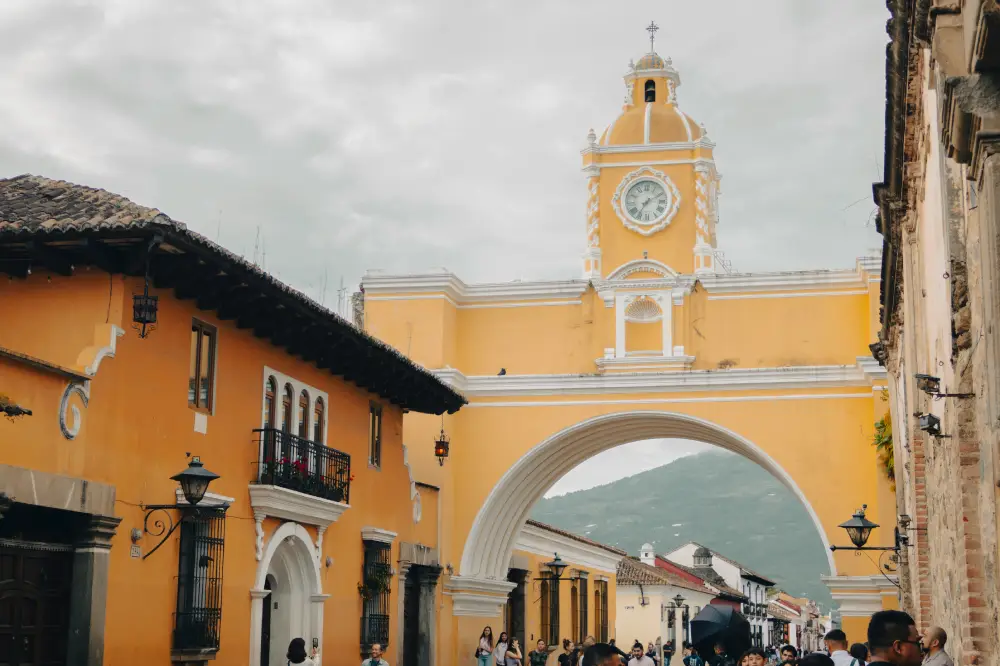
It has stood since 1915 and has weathered three earthquakes. At 26 metres high, it's the most recognisable feature of the central park. From the top, you can see the lake and the volcanoes clearly.
Today it houses a museum, an archive and police offices. The clock on the façade hadn’t worked for years. It was recently restored and is now keeping time again. A small detail that didn’t go unnoticed in the village.
Sololá Market
If there’s one thing you simply must do in Sololá, it’s this. Tuesdays and Fridays are market days: people from the surrounding communities come down with their produce – fruit, vegetables, livestock, clothes, handicrafts – and the park is transformed completely.
What you won’t find at other markets: you can tell which village each person comes from by the traditional clothing they’re wearing. Every community has its own, and the patterns are all different. The air is filled with the scent of pastries, fried chicken and sweetcorn. The colours are just as they are. No tricks.
Viewpoint overlooking Lake Atitlán
As you drive down from Sololá towards Panajachel, pull over or get off the bus for a moment. Along that road, there are spots where the lake suddenly comes into view: still water, volcanoes in the background, small villages on the shore. No entrance fee, no queues, nothing.
Those travelling by bus from the capital usually see the lake for the first time from exactly this spot.
- We invite you to read our article about Santa Catarina Palopó.
Things to do in Sololá
Visit the market on market day
It’s already been mentioned above, but it’s worth repeating: whether it’s Tuesday or Friday, get there early and take your time. The atmosphere is at its best first thing in the morning. It’s not aimed at tourists, which makes it even better.
Climb up to the Nariz del Indio
Seen from the lake, there is a mountain whose outline forms a face: forehead, nose, mouth, chin. That is the Nariz del Indio. To get there, you have to climb around 1,000 metres. The path passes through villages where people grow maize and beans, and they make the climb up and down every day, carrying their loads with a sense of normality that is truly impressive.
Up there, the views are well worth the effort. Always go with a local guide; the path isn’t obvious and getting lost is not an option.
Explore the lakeside villages by boat
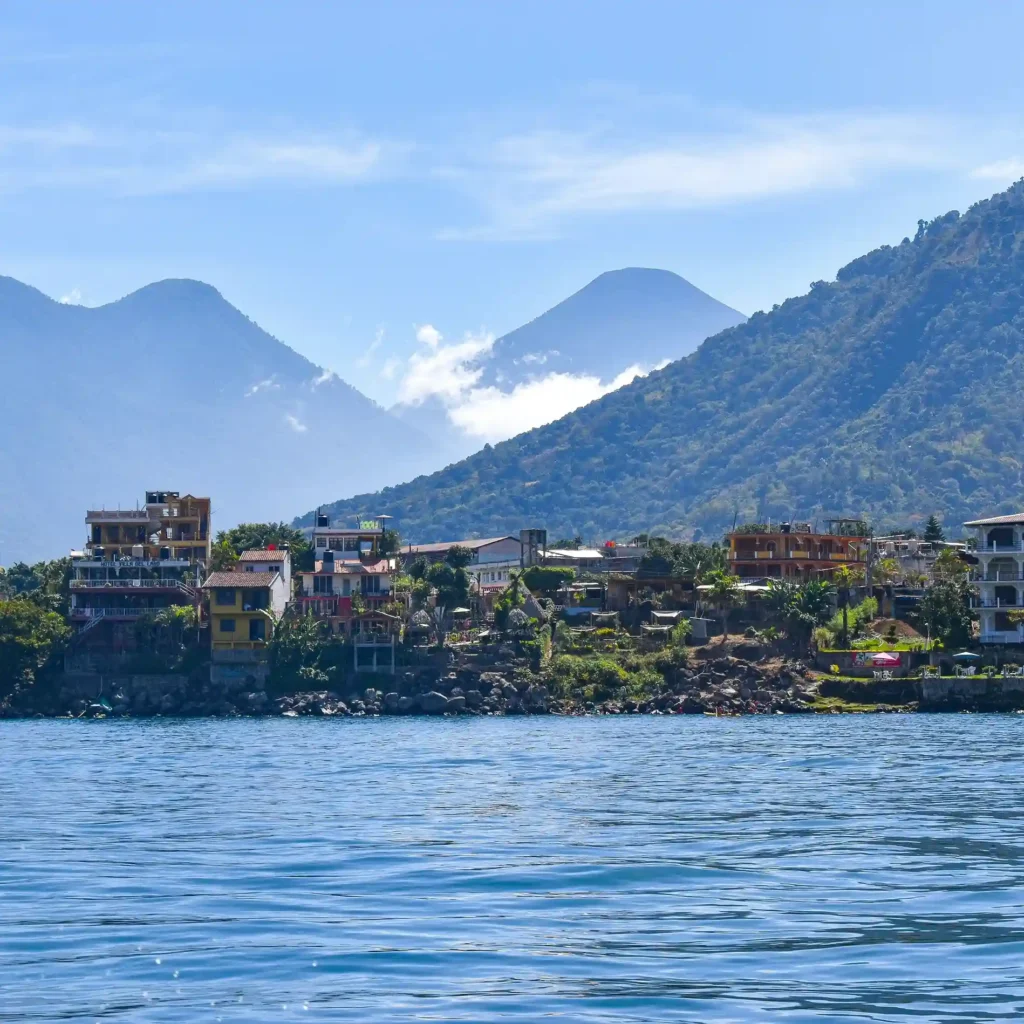
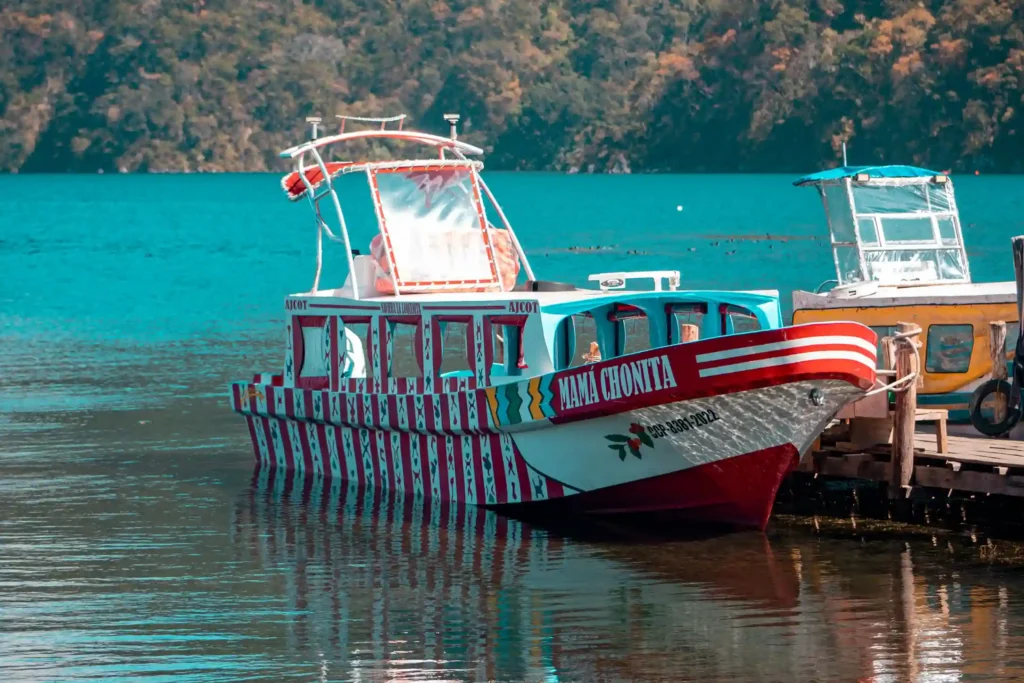
Boats depart non-stop from Panajachel – 8 kilometres from Sololá. San Juan La Laguna has weaving cooperatives and good local food. San Pedro La Laguna is where backpackers tend to stay; it has a livelier atmosphere and more options. Santiago Atitlán boasts the richest Tz’utujil history of them all.
It’s possible to visit several villages in a single day. The boats run constantly and the fare is reasonable.
Hiking in the Atitlán Nature Reserve
Near Panajachel, the Atitlán Nature Reserve offers walking trails through dense vegetation and local wildlife. The quetzal can be spotted here. It’s a great way to spend half a day amongst the trees after all that time at the market and the central park.
For the more adventurous, there are also the Santa María and Chicabal volcanoes to choose from, although these require more time and more planning.
Exploring Las Victorias National Park and the Grutas del Rey Marcos
With a few extra days to spend in the western highlands, Las Victorias National Park and the Grutas del Rey Marcos fit perfectly into the itinerary and do not disappoint.
Best time to visit Sololá
From November to April, the weather is on your side. Clear days, a calm lake, unobstructed views. It’s genuinely chilly – between 12 and 22 °C – so make sure you take something warm with you, even in January.
It rains from May to October. But not all day: the afternoons are wet, whilst the mornings usually stay dry. The countryside turns green and prices fall. It’s not a bad time of year, provided you don’t mind getting a bit wet on the odd afternoon.
For the market: Tuesday or Friday, no excuses. And if you can fit August in with the fair, so much the better.
Transport and safety recommendations
Pick-up trucks and minibuses are what people here use, and they’re the cheapest way to get around. If you have your own car, whether you’re travelling from the capital or from Antigua, you’ll have more freedom – especially to stop at the viewpoints on the way down to the lake.
A quiet town. Even so: nothing of value in sight; make sure you check before setting off on walks in remote areas, and always take a local guide with you when hiking.
Frequently Asked Questions about Sololá
What does Sololá mean?
From the Kaqchikel word ‘Tzolojya’, which translates as ‘place where water springs forth’. It makes sense: rivers and springs that rise in the highlands irrigate the entire department.
What tourist attractions are there to visit in Sololá?
In the city: the Cathedral of Our Lady of the Assumption, the Centroamericana Tower and the market held on market days. In the department: Lake Atitlán, the Nariz del Indio and villages such as Panajachel, San Juan La Laguna and Santiago Atitlán.
What is the traditional food of Sololá?
First comes the pepián: a thick stew made with pumpkin seeds and chillies, served with chicken or pork. Then comes the beef broth, corn-leaf tamales and maize atol for breakfast.
What language is spoken in Sololá?
Spanish is the official language, but in practice Kaqchikel and Tz’utujil are also spoken. In many communities around the lake, these Mayan languages are the ones used at home and in the market, not Spanish.