Taxisco appears on the map as a natural stopover on the way to Monterrico. But this municipality in Santa Rosa has much more to offer. It combines roads, plains, a thriving livestock industry and, what’s more, the incredible Pacific beaches. As such, this area serves as a peaceful route to one of Guatemala’s best-known coastal regions.
Here, the journey becomes a more relaxed way of experiencing the landscape, whilst also getting a closer look at local life and Santa Rosa’s connection to the Pacific.
Where is Taxisco?
Taxisco is in the department of Santa Rosa, in southern Guatemala, in an area that links the country’s interior with the Pacific coast. Its administrative centre is situated inland, with a central park and basic amenities. Meanwhile, part of its territory extends towards the estuaries, mangroves and the communities linked to Monterrico.
This location makes Taxisco an important hub for those travelling to the Santa Rosa coast. It is the starting point for trips to Monterrico, La Avellana and the Chiquimulilla Canal, one of the most distinctive natural landscapes in this part of the Guatemalan Pacific coast.

Furthermore, the municipality offers a very clear transition between two ways of life. Inland, rural tracks, livestock farming, dairy sales and the daily rhythm of life in the main town predominate. Towards the coast, however, the landscape gradually changes to dark-sand beaches, jetties, mangroves and communities living very close to the water.
Why is Taxisco key to getting to Monterrico and its beaches?
Taxisco is a key landmark for travellers heading to Monterrico, as many routes from Guatemala City, Antigua and the centre of the country pass through this municipality before reaching the Santa Rosa coastline. It also helps travellers locate the final turn-offs, the access roads to La Avellana and the junctions leading to the coast.
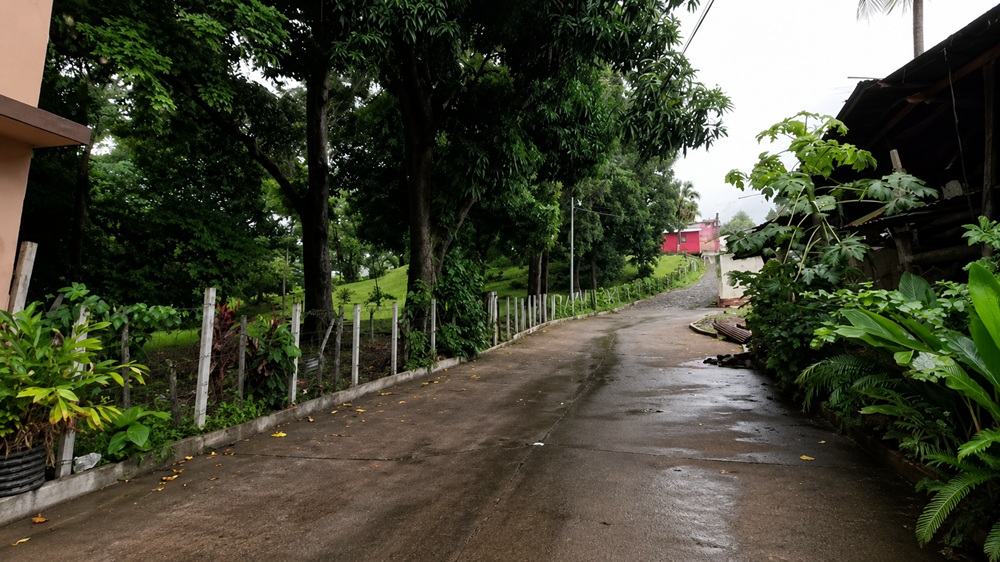
It is also important to bear in mind that Monterrico forms part of the municipality of Taxisco. So, when you’re planning a trip to its beaches, looking for accommodation or booking a mangrove tour, you’re actually heading to the best-known coastal area of Taxisco.
For travellers, this connection is very useful. If you’re travelling by car, Taxisco can serve as a place to fill up with petrol, pick up a few bits and pieces before heading to the beach, or check the route to the jetties. But if you’re using public transport, it can act as a stop-off point before continuing on to Monterrico.
Furthermore, Taxisco shows us that Monterrico is more than just a beach. Its surroundings include a nature reserve, coastal villages and communities situated between the road, the Chiquimulilla Canal and the Pacific Ocean.
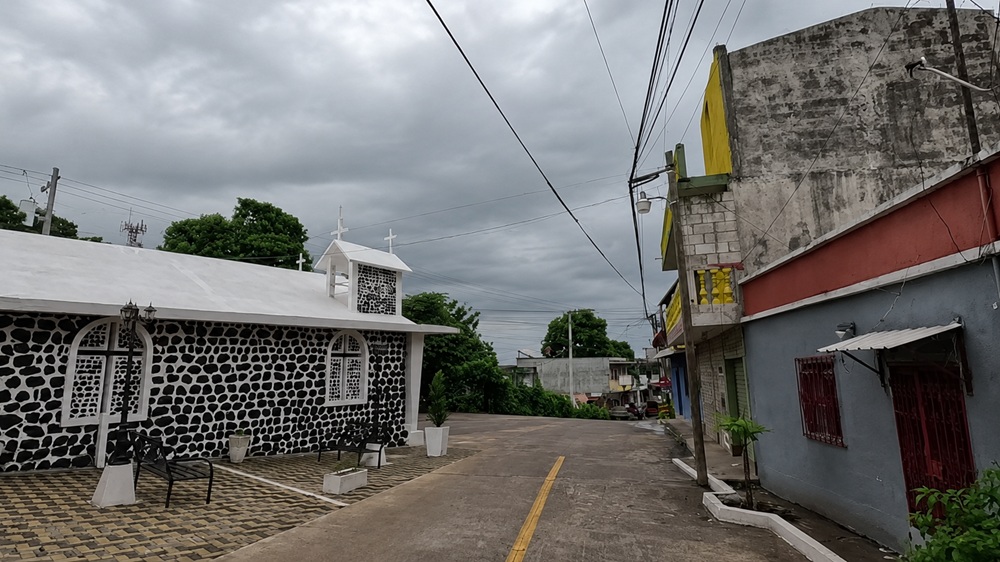
How to get to Taxisco and Monterrico from Guatemala City and Antigua
Road routes to Taxisco
From Guatemala City, the most common route to Taxisco and Monterrico follows the road down to the Pacific coast. This passes through the Escuintla area and continues to the turn-off leading to Taxisco, Santa Rosa.
If you’re setting off from Antigua Guatemala, the usual route is to head first towards the Escuintla area or take roads leading south. From there, Taxisco is a landmark on the way before continuing on to La Avellana or Monterrico, depending on the route you choose. Remember that if you’re travelling by car, it’s best to set off early, as the area gets very busy at weekends and on long weekends.
When travelling by shared transport or shuttle, always check the exact drop-off point. Some services advertise Monterrico, but may drop you off at a point from where you’ll then need a tuk-tuk, boat or local transport arrangements.
Final access routes to Monterrico and the nature reserve
The final stretch to Monterrico from Taxisco can be reached via the La Avellana area. This is one of the most common routes for reaching the coastal area. From there, the route continues along the Chiquimulilla channel, a natural waterway surrounded by mangroves that leads to the Monterrico area.
This stretch is significant because it marks the transition from the inland landscape of Taxisco to the coastal strip. As you head towards Monterrico, you’ll come across the estuaries, jetties, mangrove vegetation and the communities that depend on the water for their livelihoods.
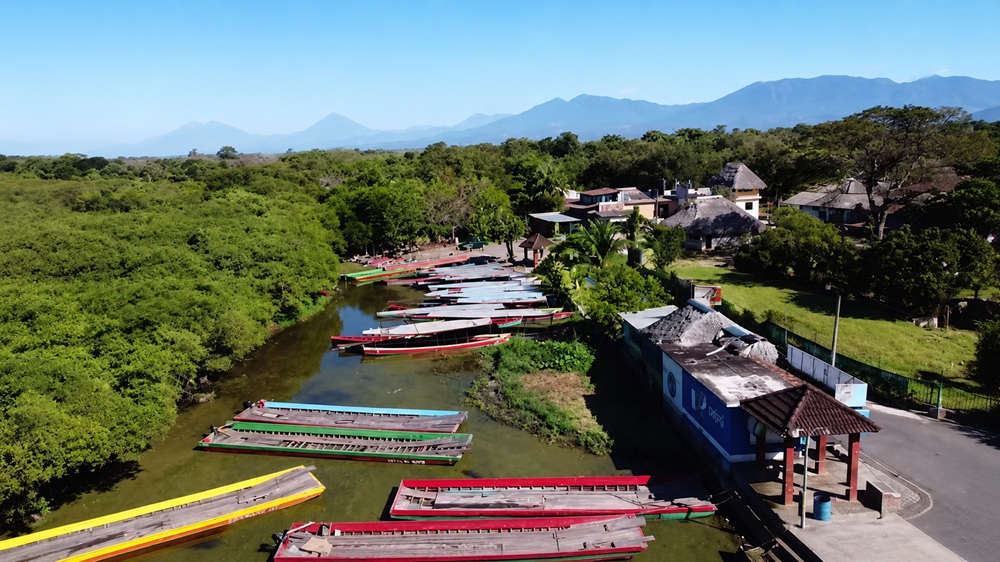
There are also road links from other parts of the coast, such as Iztapa or Puerto San José. These routes allow you to reach Monterrico without passing through the La Avellana jetty, although they still lead to the same area of beaches and natural landscapes.
The Monterrico Multi-purpose Nature Reserve forms part of this transitional landscape. In this case, the surrounding area is characterised by lagoons and mangroves, which is why arriving in Monterrico is seen as the gateway to one of Taxisco’s most iconic natural areas.
- We invite you to read our article about the best beaches of Santa Rosa, Monterrico.
What is there to see in Taxisco apart from Monterrico?
Taxisco town centre, central park and church
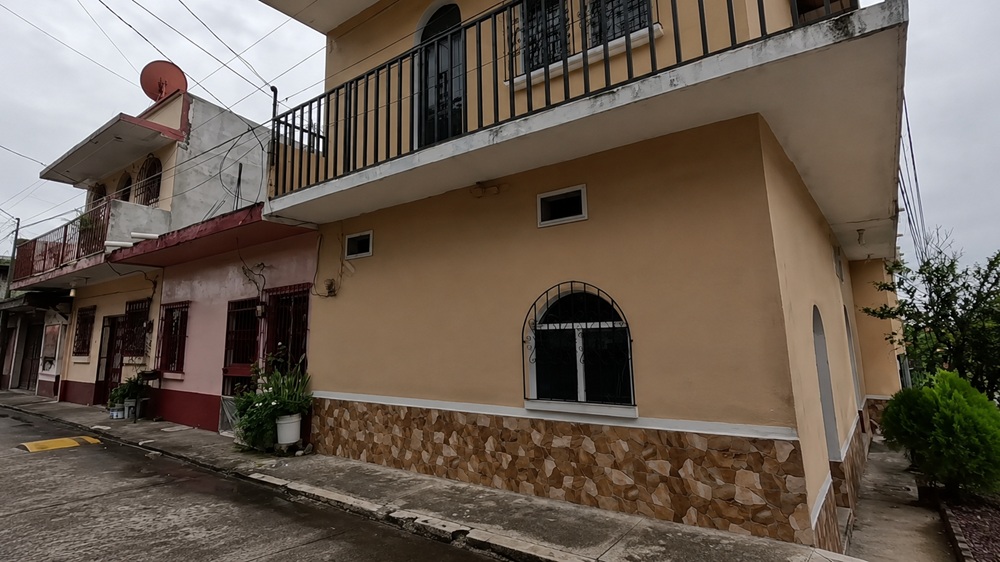
The centre of Taxisco is the hub of daily life in the municipality. Around the central park, you’ll find shops, food stalls, local transport and local residents doing their shopping or waiting for connections to other communities in Santa Rosa.
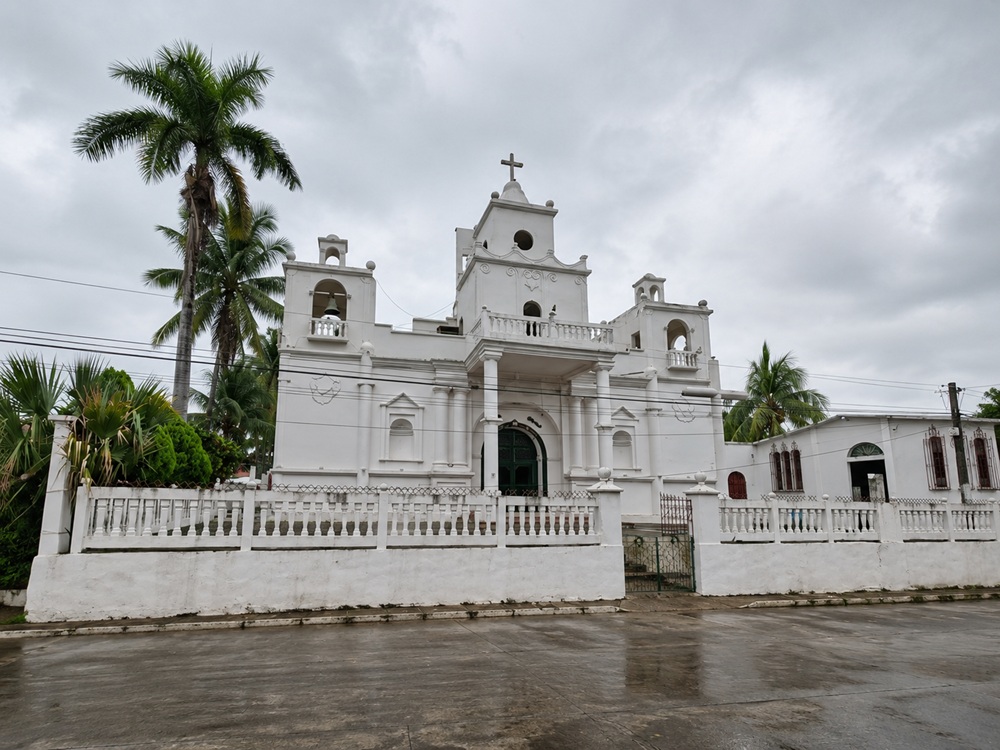
The parish church is one of the most recognisable landmarks in the town centre. Together with the park, it forms that typical hub found in many Guatemalan towns, where religious life, family gatherings, commercial activity and the flow of travellers heading for the coast all come together.
Rather than being a sightseeing destination in its own right, the centre of Taxisco is a good place to start your tour of the municipality before reaching Monterrico. If you’re taking your time, this stop will help you understand that Taxisco is a municipal capital with a life of its own, characterised by local trade, nearby livestock farming and its ongoing links with the coastal communities.
Rural landscapes, livestock farming and local life in the municipality
Taxisco is known in Santa Rosa for its links to livestock farming and dairy products. That is why there are references along the road to cheese, cream and other products associated with this rural tradition.
For the traveller, this translates into a simple yet rewarding experience. After all, the ideal thing is to stop at a local roadside stall, try a local product and see how Taxisco blends the coast, the countryside and the roads.
The rural landscapes of Taxisco also add variety to the journey. Before reaching the black sands of Monterrico, you’ll come across plains, farms, country lanes, livestock and small communities. It goes without saying that this is a different side of Guatemala to the one made up of volcanoes and colonial cities.
What’s more, if you’re travelling with children or looking for a family-friendly stop-off before reaching the coast, the area along the road to Taxisco offers attractions such as Auto Safari Chapín. They’re sure to love it!
Taxisco and the beaches of Santa Rosa
Monterrico Beach and the Nature Reserve
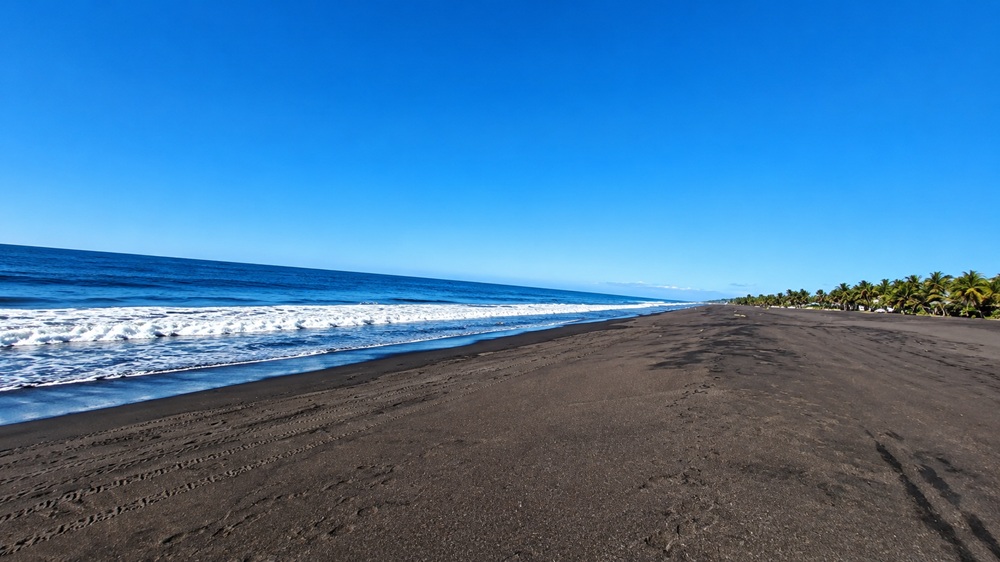
Monterrico Beach is the municipality’s main tourist attraction. Its dark, volcanic sand, strong waves and relaxed atmosphere have made it a very popular getaway.
Monterrico isn’t always a calm beach suitable for swimming all year round. The truth is that the waves can be strong, so it’s worth exercising caution, especially if you’re travelling with children or aren’t familiar with the Pacific.
The Monterrico Multi-purpose Nature Reserve protects estuarine and marine-coastal ecosystems. Its channels, mangroves and bodies of water provide a habitat for birds, fish, reptiles and species involved in conservation programmes.
One of the best ways to experience this part of the trip is to book a boat trip at sunrise or sunset. It’s definitely one of those experiences you simply can’t miss.
Other beaches and estuaries in the Taxisco area
Although Monterrico is the best-known name, the coastal area of Taxisco includes other places linked to the sea and the Chiquimulilla Channel. La Avellana, El Pumpo and Agua Dulce are all part of this area, where local life revolves around jetties and small coastal communities.
These places help to show that Taxisco does not end at Monterrico’s main beach. Its coastline is characterised by a transitional landscape, where the Pacific Ocean coexists with inland waterways, small-scale fishing areas, waterbirds and mangrove areas that change significantly depending on the time of day.
La Avellana plays a special role as it serves as a gateway to Monterrico via the canal. In contrast, other coastal areas offer a quieter side to the municipality, with less tourist activity and a closer connection to the daily life of the local communities.
That is why exploring this part of Taxisco offers views of a more extensive and less obvious coastline. As well as the dark sand and the Pacific waves, there are small boats, mangrove vegetation and small settlements that keep alive the link between the coast and the interior of Santa Rosa.
- This page about the cities of Guatemala may interest you.
Taxis are a good way to explore Monterrico and the Pacific coast
Excursions to mangroves, the Chiquimulilla Canal and protected areas
Taxisco is a good base if your main interest is coastal nature. From Monterrico and the surrounding area, you can organise tours of the mangroves, sail along the Chiquimulilla Canal and visit protected areas linked to the reserve.
The Chiquimulilla Canal is one of the defining features of the landscape. It is a network of life where local transport intermingles with fishing, birds, vegetation, communities and tourist activities.
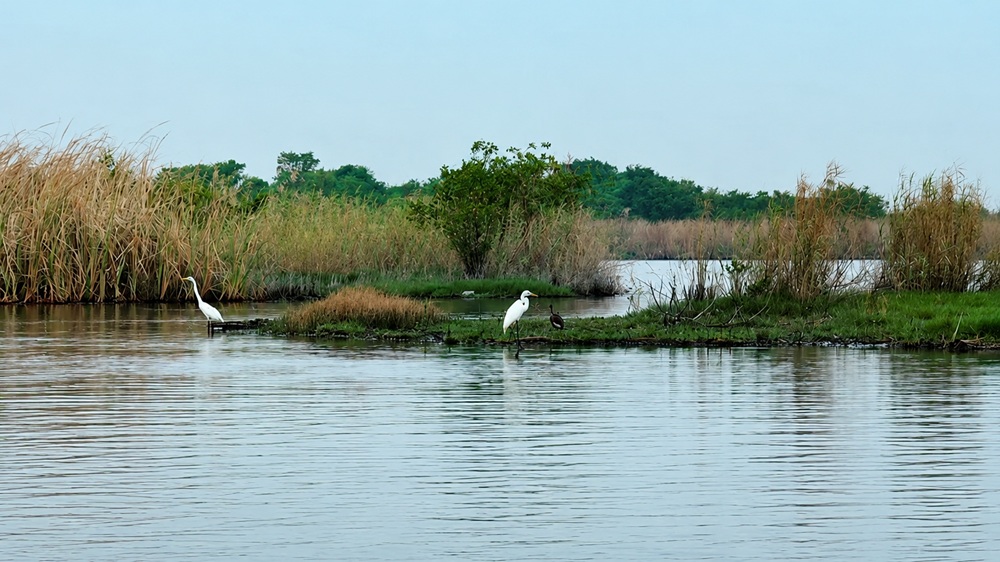
What’s more, walks at dawn are often recommended because of the temperature, the light and the birds’ activity. If you prefer something a bit more relaxed, sunset offers a gentler experience, with warm colours and a return journey before nightfall makes getting around more difficult.
Suggested 1–2-day itineraries combining Taxisco and Monterrico
If you only have one day, set off early for Taxisco, stop briefly in the town centre or along the road, and carry on to Monterrico. Spend the afternoon at the beach, book a short mangrove walk and stay to watch the sunset.
This day trip is doable, but it can feel a bit rushed. That’s why Monterrico and the reserve are best enjoyed when you’re not constantly watching the clock. If you can, stay overnight in Monterrico and take it easy.
With two days to spare, the plan is already different. On the first day, you can arrive at your leisure, pass through La Avellana, take a stroll along the beach and have dinner by the sea. The second day is then set aside to enjoy the mangroves and the nature reserve, before heading back at a leisurely pace.
Another option is to use Taxisco as a stop to add some variety to your trip. First, you can explore the town centre, buy some local goods, carry on to Monterrico, and then explore the canal the following day. That way, your trip isn’t limited to just spending time on the beach and at the hotel.
- We invite you to read our article about the Monterrico Turtle Sanctuary.
Practical tips for visiting Taxisco on a trip to Monterrico
Climate, best time to visit and what to pack
Taxisco is hot for much of the year. The dry season, from around late November to April, is generally more pleasant for beach trips and walks. During the rainy season, the landscape is greener, but getting around can be more difficult.
Make sure you take everything you need for a full day out, such as your swimming costume, sandals, sun cream and a bottle of water. The humidity is quite noticeable, so it’s a good idea to stay hydrated even on cloudy days.
Of course, if you’re heading into the mangroves, make sure you wear shoes that you don’t mind getting dirty. Don’t forget to bring a bag to keep your belongings or your camera safe from getting dirty. In Taxisco, you won’t always be able to pay by card, particularly on local transport, at jetties or when making small purchases.
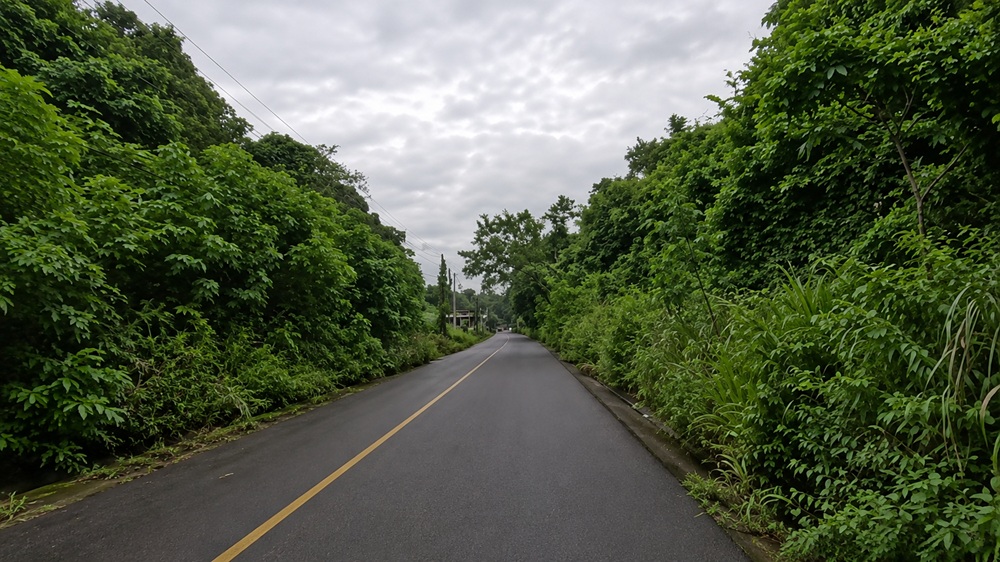
If you’re travelling during the rainy season, pack a light waterproof jacket and avoid planning tight travel schedules for the end of the day. Bear in mind that a heavy downpour could completely disrupt your plans for the afternoon.
Transport, essential services and safety in the area
Taxisco offers basic services in the main town and options for food, shopping and transport at waypoints. Even so, when travelling to Monterrico, it’s a good idea to take the essentials with you so you don’t have to worry. In other words, some cash, petrol if you’re travelling by car, water and a confirmed booking for your accommodation.
If you’re travelling without a car, ask about the timetables for buses, boats and tuk-tuks before setting off. In Taxisco, there are connections, but they can change depending on the day or season. Only if you plan everything carefully will you avoid having to spend too much time waiting.
When it comes to safety, you just need to use common sense. You should therefore avoid walking in isolated areas at night and keep an eye on your belongings on beaches and at jetties. You should also ask at your accommodation which areas are recommended.
When thinking about the beach, it’s important to remember that the Pacific can have strong currents, so don’t be complacent even if you see other people in the water. If in doubt, ask before going for a swim and avoid straying too far from the shore.
Frequently Asked Questions about Taxisco
Are Taxisco and Monterrico the same place?
Not exactly. Taxisco is a municipality in Santa Rosa, and Monterrico is one of its best-known coastal areas. Many travellers refer to Monterrico as a beach destination, but it is actually part of Taxisco.
Is it worth stopping off at Taxisco before heading to Monterrico?
Yes, if you have time and want to explore the area a bit more. A stop in Taxisco gives you the chance to see the town centre and buy local produce.
How many days do I need to visit Taxisco and Monterrico?
Ideally, you should spend at least one night there. In a single day, you can visit the beach and do a short activity, but with two days you’ll get the most out of Taxisco, Monterrico and the nature reserve.