Comalapa is one of the most interesting municipalities in Chimaltenango. Especially if you want to discover a Guatemala that is artistic, Kaqchikel and deeply rooted in its folk and traditional culture. Its murals, workshops, market, church and highland atmosphere mean that a visit here has much more to offer than meets the eye. You won’t just be coming here to stroll through a pretty village. You’ll also get to know a community with a very strong identity, an ancient tradition of painting and a history that is still told in its streets. Come with us and we’ll show you around.
Where is San Juan Comalapa?
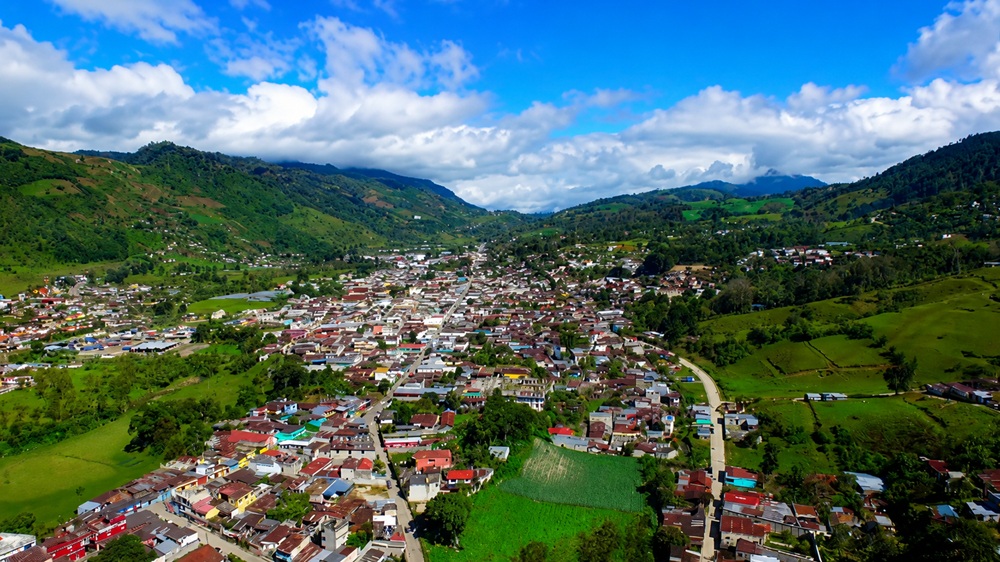
San Juan Comalapa is situated in the department of Chimaltenango, in the central region of Guatemala. It's a municipality located to the north of the departmental capital and forms part of that highland area where the landscape alternates between mountains, farmland, forests and villages teeming with local life.
The village is about 80 kilometres from Guatemala City and about 29 kilometres from Chimaltenango. It lies at an altitude of around 2,104 metres above sea level, so the climate is usually mild and cool, quite different from the heat of the south coast.
You should also bear in mind that Comalapa is not a mass tourist destination. Its charm lies in its art, Kaqchikel culture, everyday life and community spaces.

How to get there from Guatemala City
From Guatemala City, you can get there by road in about two hours, although the actual journey time will depend very much on the traffic. Leaving the capital, the tumuli, the buses and the bends can make the journey take longer, so don’t plan your timetable too tightly as it might change.
The most common route is via the Inter-American Highway towards Chimaltenango. From there, there is a link to San Juan Comalapa via a tarmac road. If you’re travelling by car, it’s best to set off early, especially if you want to make the most of the morning and return before dark.
If you’re using public transport, you can travel to Chimaltenango first and then take a local bus to the town. Before setting off, always ask about return timetables so you can plan your journey more effectively. In Guatemala, local connections can vary depending on the day, demand and traffic.
Connections to nearby towns and destinations
Comalapa’s location means you can combine a visit there with other places in Chimaltenango. You can, for example, combine it with a visit to Tecpán Guatemala, Iximché, Zaragoza, Santa Apolonia or the departmental capital itself.
It might also be worth doing a day trip from Antigua Guatemala, although you’ll need to time it carefully. It’s not actually that far away, but the roads in the highlands are rarely as quick as they appear on the map.
If you’re organising a cultural tour, San Juan Comalapa fits in very well with places linked to Kaqchikel history, folk art and market life. It’s undoubtedly the perfect stop to get off the beaten track and experience a more local side of the country.
- We invite you to read our article about San Andrés Xecul Church.
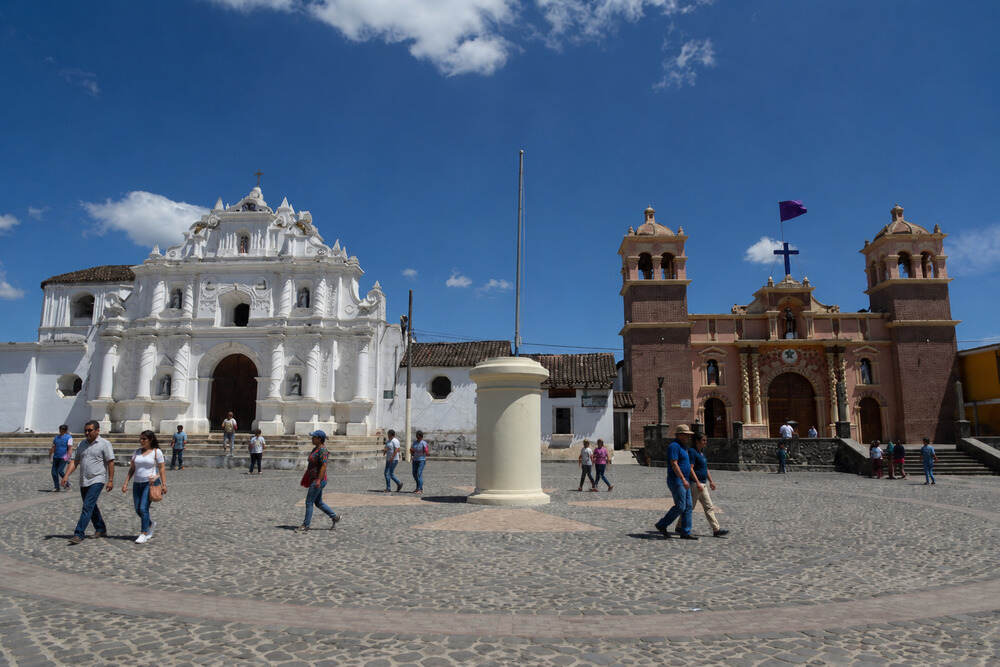
History and heritage of San Juan Comalapa
The history of Comalapa has indigenous, colonial and contemporary roots. Its full name combines the Christian patron saint, St John the Baptist, with a place name of Nahuatl origin that is usually interpreted as ‘river of comales’.
Before the colonial era, the territory formed part of the Kaqchikel world of the central highlands. Following the conquest, the area underwent various processes of reduction, evangelisation and the organisation of villages under Spanish and Franciscan influence.
Local sources do not indicate a single, definitive date for the municipality’s foundation. They do, however, contain important colonial references, such as the presence of the convent and its reconstruction in accordance with 16th-century regulations. It's therefore more prudent to speak of a gradual historical development rather than a specific founder.
San Juan Comalapa’s heritage lies primarily in its church, its streets, its murals, its cemetery, its cultural spaces and its collective memory. It's also linked to difficult periods in its history, such as the 1976 earthquake and the internal armed conflict, which had a profound impact on the municipality.
- We invite you to read our article about San Francisco El Alto.
Culture and traditions of San Juan Comalapa
Comalapa’s culture is particularly evident in its language, painting, music, textiles, food and religious celebrations. It's a municipality with a Kaqchikel majority, and that cultural identity remains very much alive in everyday life today.
One of its best-known features is its artistic tradition. The municipality has often been referred to as the cradle of Kaqchikel naïve art or the cradle of Guatemalan folk art. Indeed, painters, muralists, musicians and artists have been born and lived here, taking the municipality’s name beyond Chimaltenango.
The visit is all the more rewarding when you pay attention to the details. A mural, an item of clothing, a local dish or a conversation at the market can tell you more than a long explanation ever could.
Local festivals and celebrations
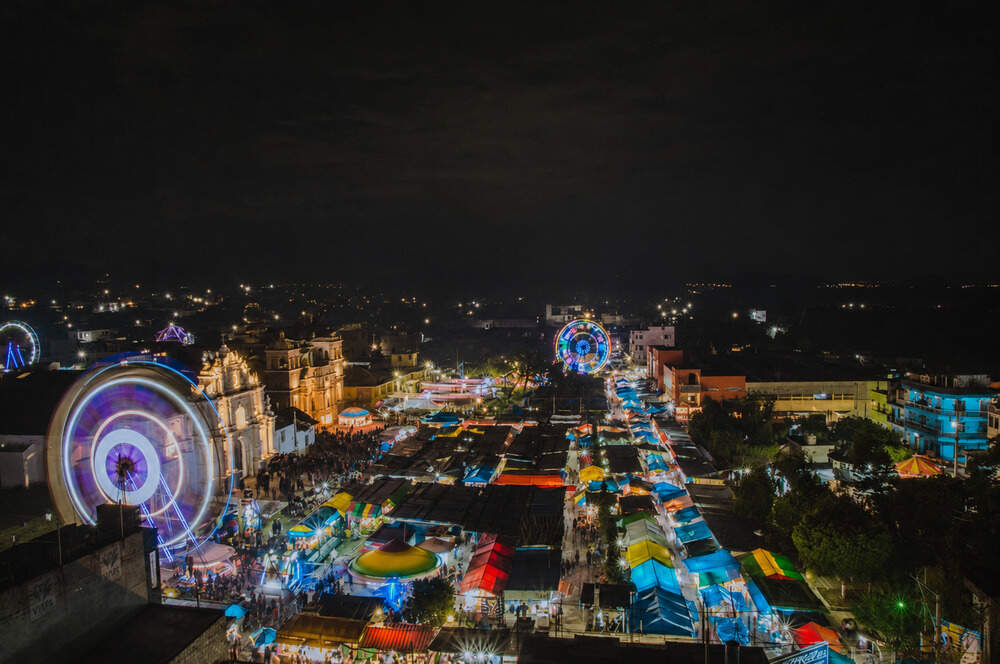
The San Juan Comalapa patron saint festival is held in honour of St John the Baptist. The main day is 24 June, although the festivities usually last for several days.
During this period, there are religious ceremonies, masses, processions, queen-elect competitions, parades, concerts, dances, markets, fairground rides and cultural activities. The town is buzzing with atmosphere, which is why it can be a particularly interesting time to visit.
Mind you, if you’re travelling during the festival, bear in mind that there’ll be more people, more traffic, the streets will be busier and public transport will be more crowded. On the other hand, you’ll get a much more vibrant glimpse of local traditions.
Traditional costumes and cultural expressions
Traditional costumes are an essential part of San Juan Comalapa’s identity. Among the traditional garments, the güipil, the corte, the sash and other woven items featuring designs typical of the region stand out.
Women’s traditional dress tends to attract attention because of its colours, embroidery and intricate details woven on a backstrap loom. There are also handmade sashes and hair accessories, such as colourful tupuyes.
Don’t view these items of clothing as mere ‘souvenirs’. For many people, they are part of their identity, their family history and their sense of belonging to a community. If you want to take a photograph of someone, don’t forget to ask first. It’s a simple gesture, but it makes all the difference.
Crafts and cuisine of the municipality
Comalapa’s craft scene has two main highlights: textiles and painting. In the municipality, you can find güipiles, sashes, rucksacks, traditional garments, leatherwork and pieces by local artists.
It’s also worth taking a look at folk art. Many paintings depict market scenes, festivals, landscapes, rural life, historical events and Kaqchikel customs. If you’re interested in art, ask about the workshops or cultural venues in the village that are open to the public.
When it comes to food, San Juan Comalapa offers traditional dishes such as ‘caldo de bodas’, served with small corn tamales and rice. You can also try breads, doughnuts, hot drinks, market food and home-cooked meals. If you’re visiting in the morning, stopping for a bite of local food is always a good idea.
- This page about the Tajumulco Volcano may interest you.
What to see in San Juan Comalapa
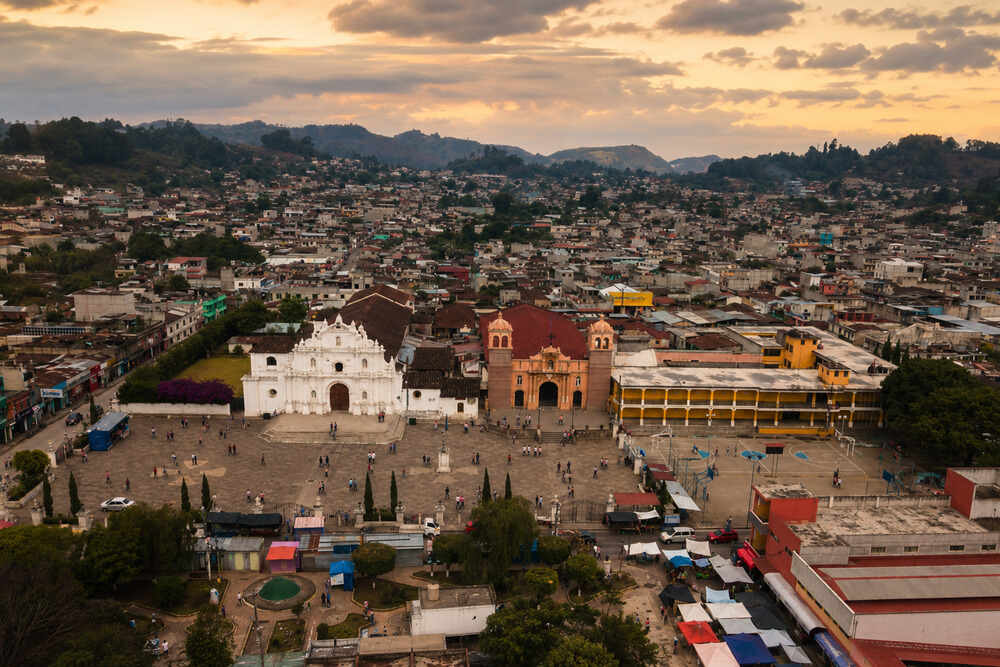
Comalapa is an ideal place for a stroll. The first stop you should include is the town centre, as this is where the church, the park, the shops and much of the town’s daily life are concentrated.
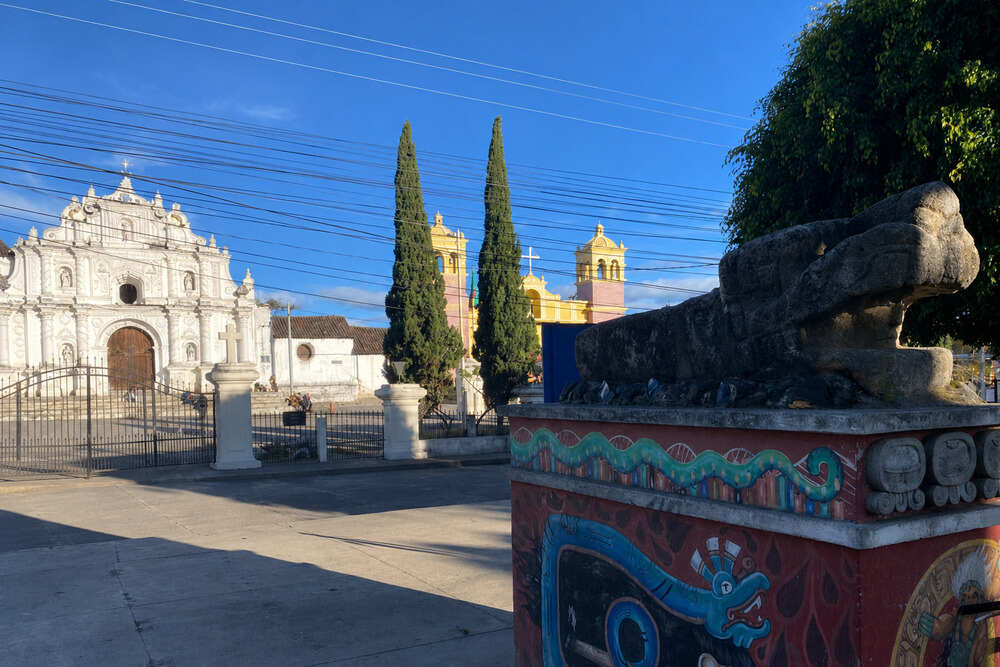
The Basilica of St John the Baptist and its surroundings are a major landmark. This area is also home to listed cultural heritage sites, such as the Church of El Calvario, the Cerrito de la Virgen de Guadalupe and other sites linked to the local artistic heritage.
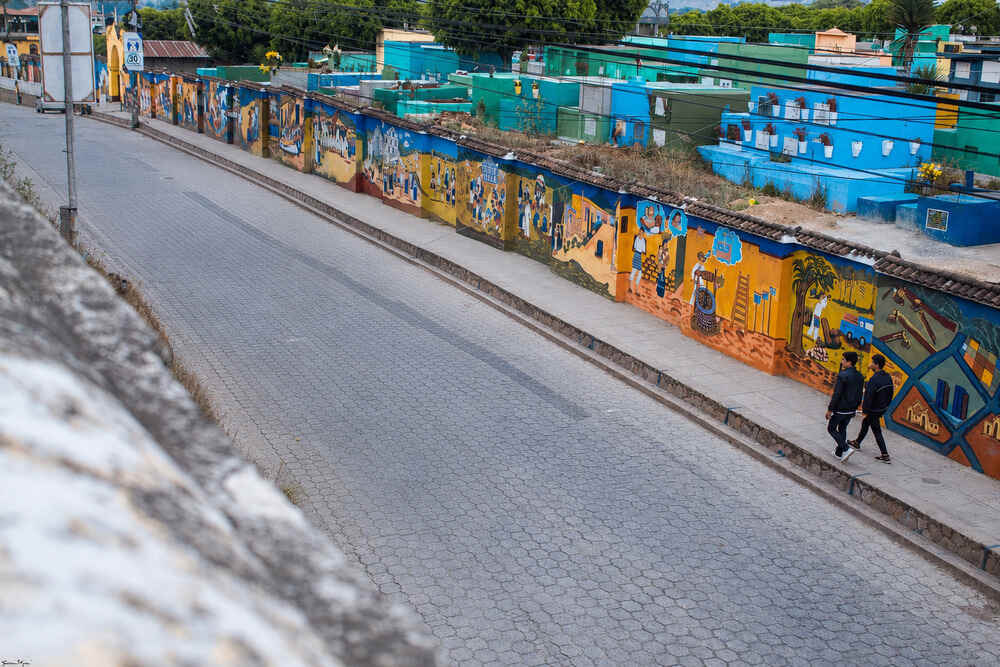
Another major attraction is the murals. Some can be found on various walls around the town, whilst others are located in places such as the cemetery or schools. They depict scenes from history, culture, suffering, resistance and community life. In fact, they are not merely decorative; they are a way of recounting the past.
You can also visit certain cultural venues dedicated to painting and music. Among these, the Rafael Álvarez Ovalle Cultural Centre and the Rafael Álvarez Ovalle Museum are particularly worth mentioning; both are dedicated to the composer, who was born in the municipality and wrote the music for the Guatemalan national anthem.
In San Juan Comalapa, it’s also well worth a visit to the market. It doesn’t have to be a shopping trip, as it’s the perfect place to see textiles, discover and sample the local food, everyday goods and the daily rhythm of village life.
So, the places and plans you could include are:
- Town centre, park and main church.
- Murals in the municipality and local art trails.
- Cemeteries and memorial sites – provided you visit them with respect.
- Rafael Álvarez Ovalle Cultural Centre.
- Rafael Álvarez Ovalle Museum.
- Local market and food stalls.
- Artists’ studios or galleries – please check the opening and closing times before you go.
Things to do in San Juan Comalapa
The best thing to do in Comalapa is to explore its murals. You can stroll through the town centre, take in the scenes, admire the colours and appreciate how art here forms part of the town’s collective memory.
You can also visit the studios of local artists. Some families have kept the tradition of painting alive for generations. Buying a piece of art directly from the local community can be a lovely way to support the local economy.
Another good idea is to pop into the market. There, you can sample the food, buy some local produce or simply take in the hustle and bustle of the day. If you’d like to buy a piece of clothing, take your time comparing items and ask the stallholders about the craftsmanship involved.
San Juan Comalapa also makes for a perfect day trip from Guatemala City, Chimaltenango or Antigua. If you set off early, you can spend the morning exploring the town and spend the afternoon in Tecpán, Iximché or another nearby destination.
It's also a highly recommended place to visit if you are interested in Guatemala’s recent history. The murals and memorial sites serve precisely to commemorate the harrowing events of the internal armed conflict.
In short, a good plan for half a day could be:
- Arrive early and have a stroll through the town centre.
- Visit the church, the park and the nearby murals.
- Go into a cultural venue if it's open.
- Have a bite to eat at the market.
- Ask about the workshops or galleries before you leave.
- This page about Laguna Lachuá National Park may interest you.
Best time to visit San Juan Comalapa
The best time to visit Comalapa is during the dry season, between November and April. At this time of year, there is usually less rain, road conditions are better, and there are more opportunities to go for a walk without having to rely so much on an umbrella.
The municipality has a temperate climate. Temperatures range from 8 °C to 24 °C throughout the year, with cool mornings and pleasant days. Even though you’re in Guatemala, don’t be complacent: a light jacket could come in handy if you head out early or return in the afternoon.
The rainy season, on the other hand, is cloudier. It generally runs from March to December, with the heaviest rainfall between May and October (September, in particular, is the wettest month). If you have to travel during those months, the landscape will be greener, but you’ll need to allow more time for your journeys.
San Juan Comalapa can be visited all year round, but the weather has a big impact on the experience. When it’s sunny, the murals look their best and it’s more pleasant to walk around. When it rains, the streets can become a bit of a challenge and some outdoor activities lose some of their appeal.
Transport and safety recommendations
Getting to Comalapa is relatively straightforward, especially if you’re coming from Guatemala City or Chimaltenango. However, you need to plan everything carefully. The morning is usually the best time to set off, as you can make the most of the daylight and avoid getting back too late.
As we mentioned earlier, if you’re travelling by public transport, you should check the return timetables before you start your visit. In the highland villages, services don’t always run at the same frequency throughout the day. And one very important thing: make sure you have cash in small notes for the buses, food and shopping.
As for safety, don’t carry expensive items in plain sight. Also, keep an eye on your rucksack in crowded areas and avoid walking alone in the streets after dark. If you want to visit the murals or areas further out of the city centre, ask a local for advice first.
You should also take the weather into careful consideration before setting off. A clear morning can easily turn into rain by the afternoon, especially during the wet season. Comfortable footwear, a light jacket and a small rucksack will come in very handy in such situations.
Who is it recommended for?
San Juan Comalapa is recommended for travellers interested in local culture, folk art and history, and who want to enjoy a less touristy experience. If you’re interested in murals, textiles, markets and Kaqchikel communities, this municipality is the perfect fit for you.
It’s also a good option if you’ve already visited Antigua Guatemala or Lake Atitlán and want to add a different stop to your itinerary. Remember that this isn’t a place with big hotels or non-stop exciting activities. Rather, it’s a destination where you can simply look around, learn and stroll at your own pace.
Comalapa might not be the best choice if you’re looking for nightlife, top-class restaurants or a highly organised trip. The appeal here lies in the local flavour, and that requires a bit more curiosity on your part.
- We invite you to read our article about Santa María de Jesús.
Frequently Asked Questions about San Juan Comalapa
Which department is Comalapa in?
Comalapa is part of the department of Chimaltenango, in the central region of Guatemala. Its full official name is San Juan Comalapa.
How do I get to San Juan Comalapa from Guatemala City?
From Guatemala City, you can take the road to Chimaltenango and then follow the local road to the municipality. The distance is around 80 kilometres, although the journey time can vary considerably depending on traffic.
Who founded Comalapa?
Local sources do not indicate a single date of foundation or a specific founder. The history of the municipality is linked to the pre-colonial Kaqchikel population, the processes of reduction and colonial organisation, and the Franciscan presence in the area. For this reason, it is most accurate not to attribute the foundation to a single person.
What language is spoken in Comalapa?
In Comalapa, people speak Spanish and Kaqchikel. Whether you’re travelling, shopping or asking for directions, Spanish will serve you well in most situations, but Kaqchikel remains a fundamental part of the local identity.
Is San Juan Comalapa worth a visit?
Yes, it’s well worth a visit if you’re interested in art, history, murals, textiles and Kaqchikel culture. It’s a fascinating place to visit if you want to discover another side of Guatemala – one that’s more local and less geared towards mass tourism.