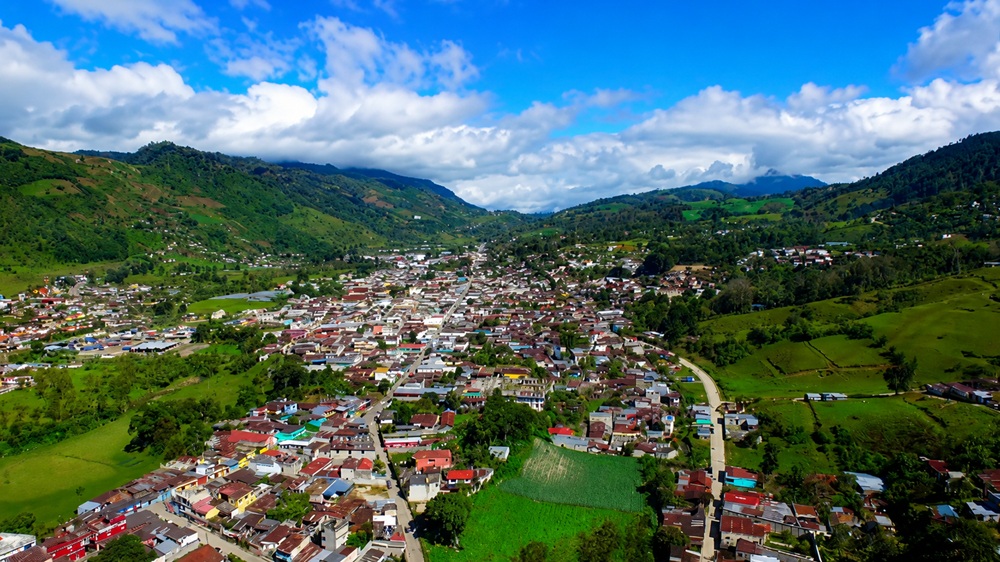
Mataquescuintla combines nature, history and tranquillity, just a few kilometres from two of Guatemala’s most popular tourist destinations: its capital and Antigua Guatemala. A visit to this charming town is one of the best day trips you can take from either of these two cities. Famous for its coffee plantations and majestic mountainous landscapes, Mataquescuintla is ideal for those who want to venture off the beaten track.
In this article, we’ll tell you all about what you can see and do in this municipality, so that you can discover one of Guatemala’s best-kept secrets.
Where is Mataquescuintla?
Mataquescuintla is situated in the south of the country, specifically in the department of Jalapa, in a fairly mountainous area at an altitude of around 1,800 metres above sea level. As a result, the municipality enjoys a cool, temperate climate all year round.
How to get there from Guatemala City
Guatemala City is the most important town near Mataquescuintla. You can find organised tours departing from the capital to the municipality, or simply opt for private travel by bus or minivan. Sometimes, these services can even pick you up from your accommodation in Guatemala City. In total, the journey takes about two hours.

Connections to nearby towns and destinations
Mataquescuintla is less than three hours’ drive from Antigua Guatemala. It may be easier to find private transfers here than from the capital, given its popularity with tourists.
History of Mataquescuintla
The history of Mataquescuintla is closely linked to Guatemala’s independence. However, before that, during pre-Hispanic times, Mataquescuintla was an area inhabited by the Xinca indigenous people and the Pocomam Maya ethnic group. Later, with the arrival of the Spanish and the process of evangelisation, this municipality became one of the most important parishes in the region.
However, as we have said, Mataquescuintla’s most significant moment in history came in the 19th century, when it became the epicentre of the La Montaña peasant rebellion, which overthrew the nation’s liberal government and led to the founding of the Republic of Guatemala in 1847.
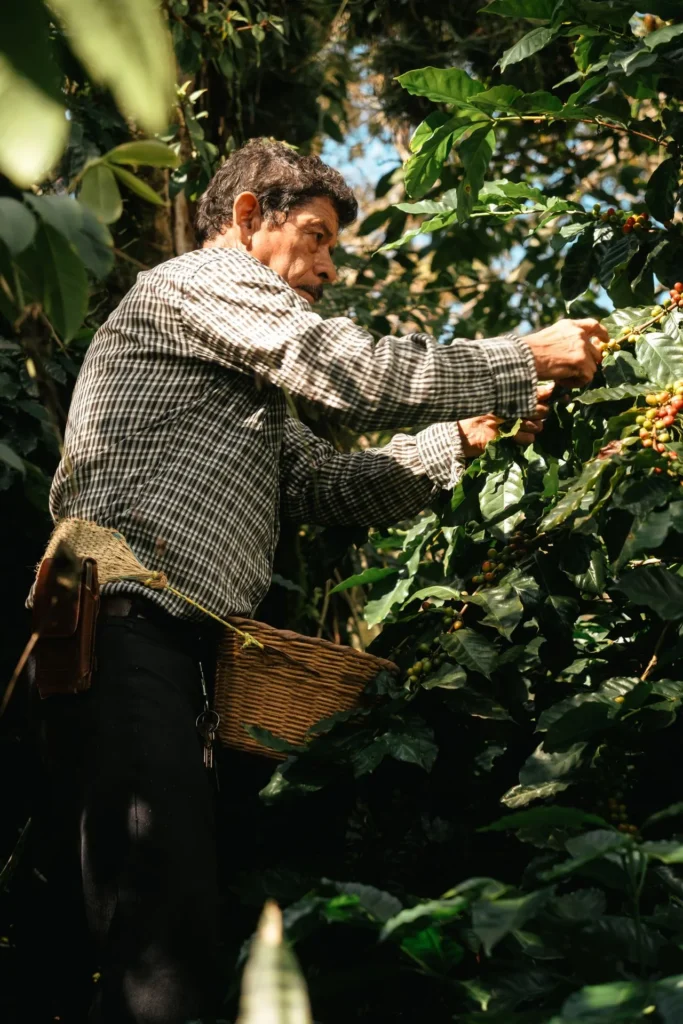
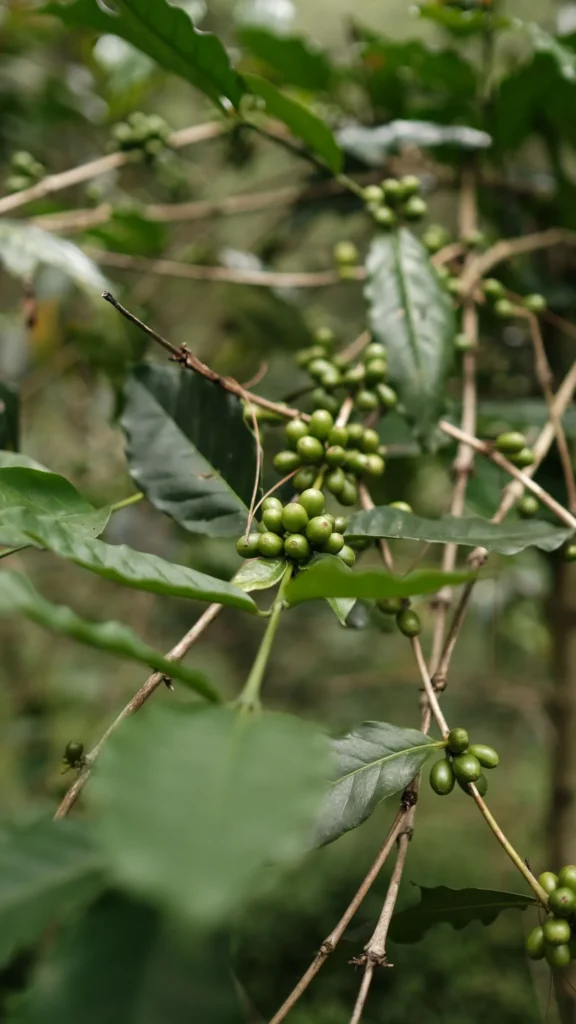
Today, Mataquescuintla is famous in Guatemala as a major centre for the production of high-quality coffee, as well as wheat and vegetables. So, if you’re a coffee lover, you’ll find plenty of interesting options in this municipality for visiting coffee estates, such as Finca El Morito, one of the most award-winning in the country.
- We invite you to read our articles about Chimaltenango and Lake Amatitlán.
Culture and traditions of Mataquescuintla
As is the case throughout Guatemala, the culture of Mataquescuintla is characterised by a unique blend of ancient pre-Hispanic roots and colonial heritage. And, as it is a mountainous region, its traditions are closely linked to the cycles of the land and rural identity.
Local festivals and celebrations
The patron saint’s festival in honour of St James the Apostle is held from 23 to 27 August and is the most important event of the year. The streets are filled with processions, music, dancing and fireworks. At the end of November, another major event takes place: the Feria de la Red. This is a festival centred on equestrian events and rodeos, featuring horse parades and livestock shows. Indeed, equestrian culture is deeply rooted in the town, given its long tradition of livestock farming. It’s a real source of local pride!
Finally, there is the Day of the Cross, celebrated on 3 May. On this day, the hills are adorned with flowers and coloured ribbons as an offering to pray for a good rainy season for the crops.
Traditional cuisine of the municipality
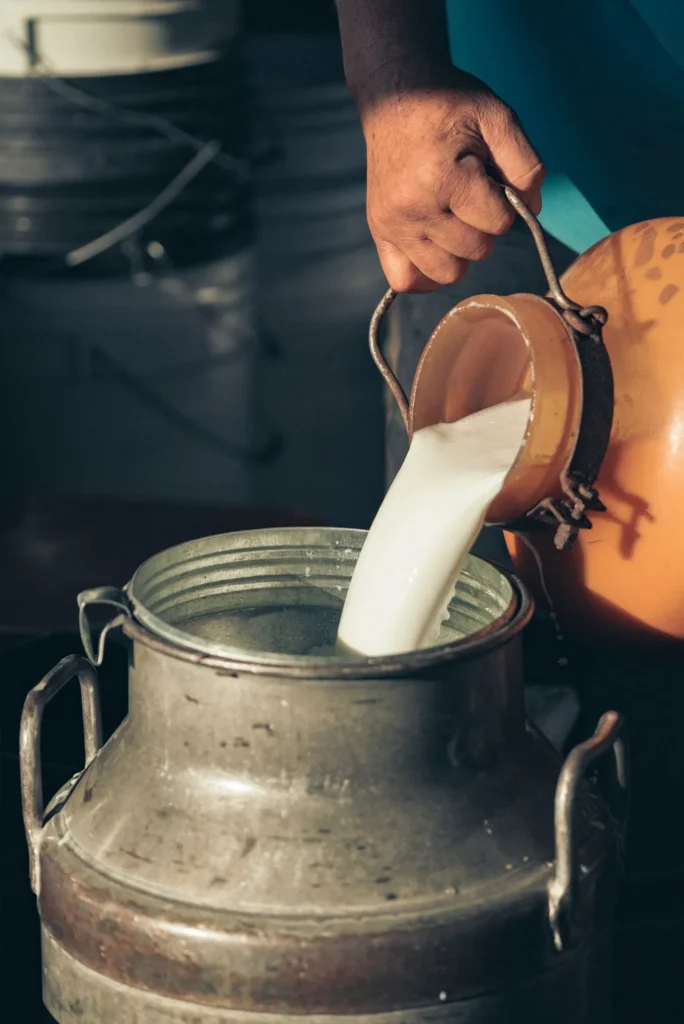
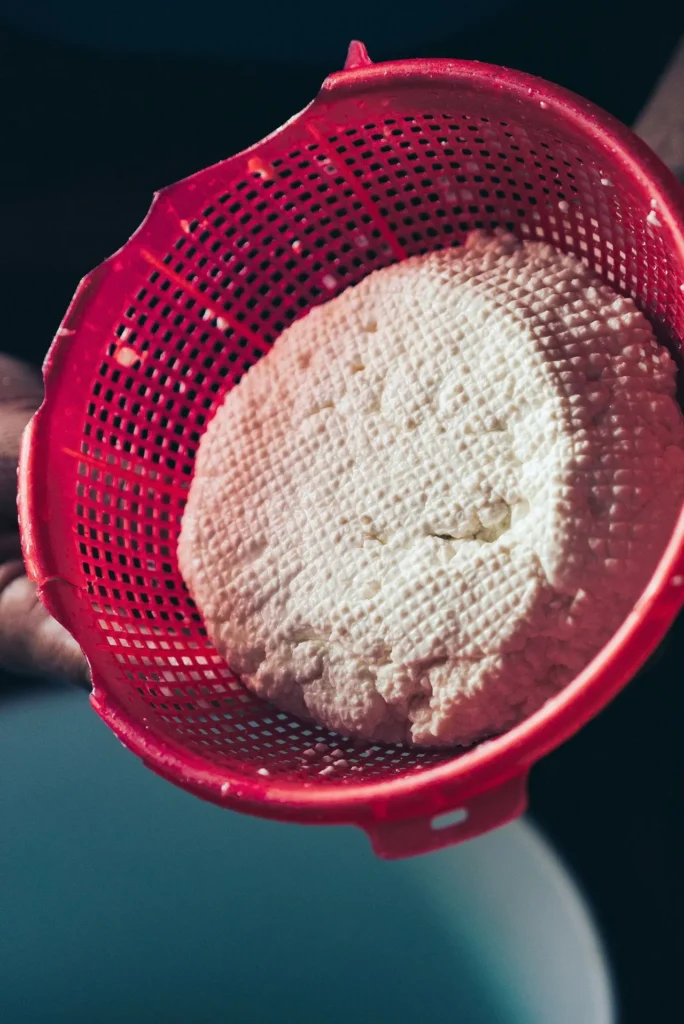
Mataquescuintla’s cuisine is characterised by its use of maize, beans and artisan dairy products. Beef stew is one of the standout dishes, followed by tamales made with sweetcorn and cambray, and the delicious Jalapaneca-style quesadillas (made with sweet bread made from rice flour, cottage cheese, local cheese and a touch of sesame).
Of course, if you visit Mataquescuintla, you simply must try its coffee. As we’ve mentioned, it’s part of one of Guatemala’s coffee-growing regions, and its beans are known for their rich aroma and balanced acidity.
Crafts and cultural expressions
In Mataquescuintla, there are still artisans who make hammocks and bags using natural fibres. These are undoubtedly two of the best souvenirs you can take home from your visit to this municipality. The same goes for the pottery, which is made using traditional techniques that have been passed down from generation to generation.
- This page about El Paredon may interest you.
What to see in Mataquescuintla
Although it is a small municipality, Mataquescuintla is home to some real gems, both natural and architectural.
Church of St James the Apostle (El Calvario)
It was one of the most significant architectural landmarks of the Spanish colonial period. Dating from the 17th century, it became a major centre of pilgrimage as it housed the ‘Señor de la Agonía de Mataquescuintla’, one of the region’s most revered artistic and religious treasures, which remains there to this day.
It is situated in the town centre of Mataquescuintla and is a must-see for lovers of architecture and cultural travel, as it is a true icon of the local faith and the country’s colonial religious art.
Pino Dulce Ecological Park
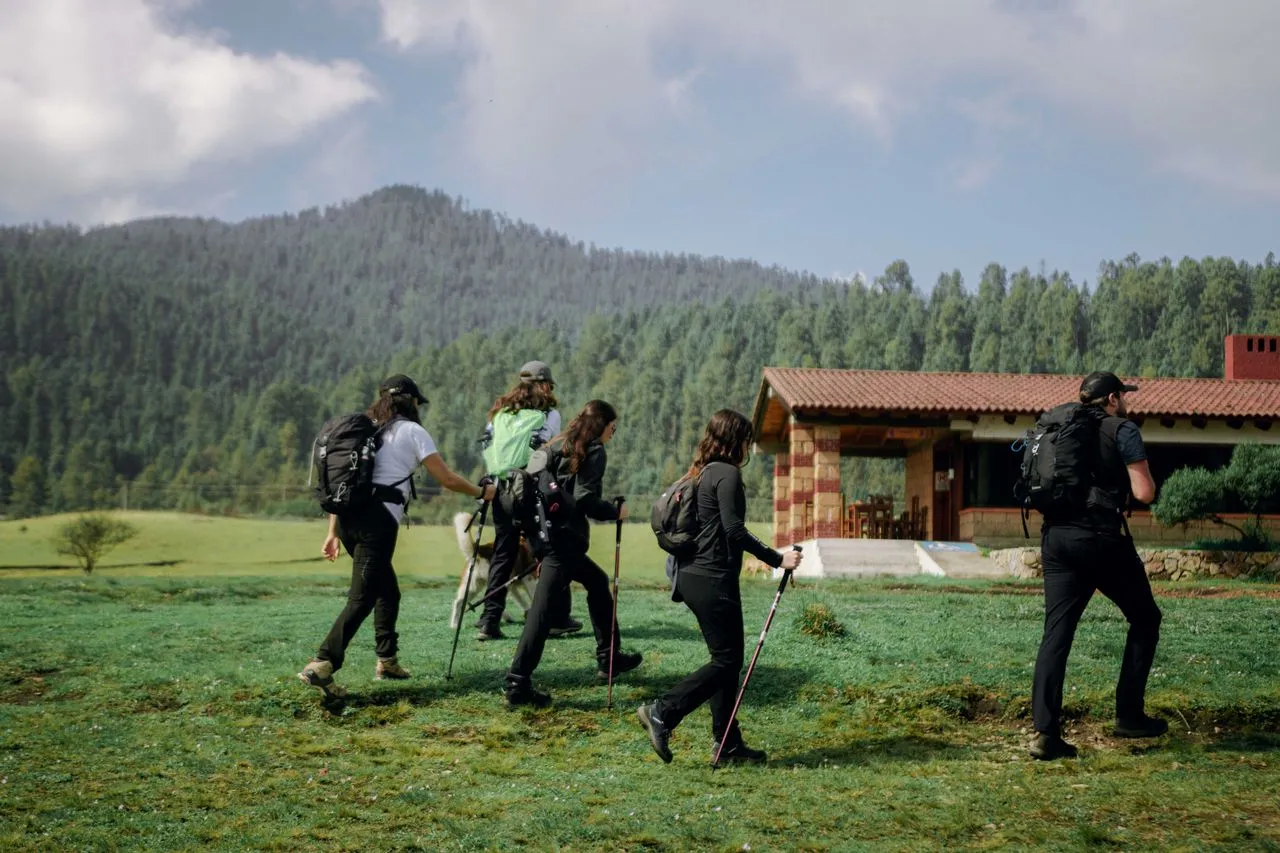
This is, without a doubt, Mataquescuintla’s biggest tourist attraction, and it is also one of the most popular eco-tourism destinations in this part of the country. Situated in one of the highest parts of the municipality, this park features suspension bridges, giant swings, woodland trails and very safe zip-line circuits. It is the perfect setting to enjoy nature and a must-visit destination for lovers of outdoor activities.
What’s more, the park has catering facilities to make your visit even more enjoyable. It even has rustic cottages where you can stay within the park itself.
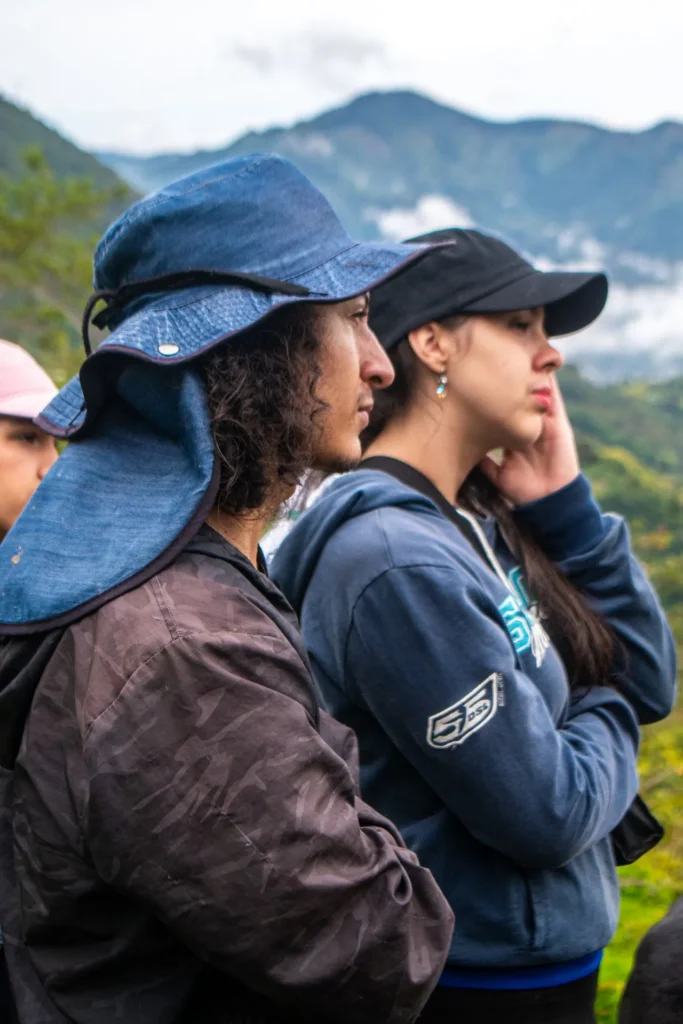
The park also boasts countless viewing points offering truly marvellous views of the mountains and the surrounding villages. And as if that weren’t enough, the site also has swimming pools where you can take a dip between walks.
Cerro Santiago
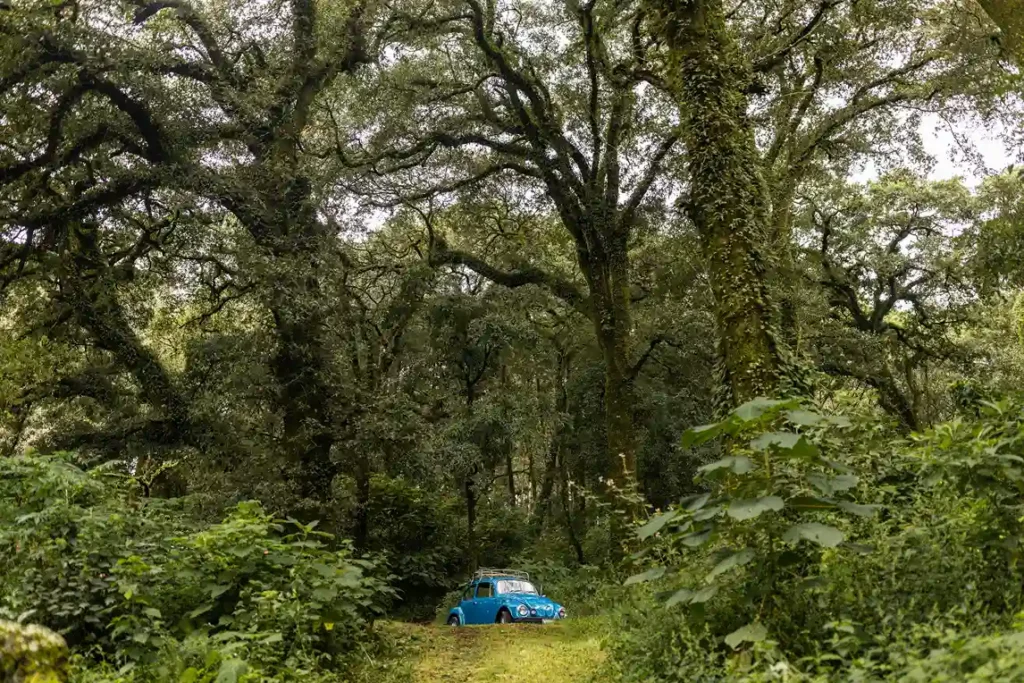
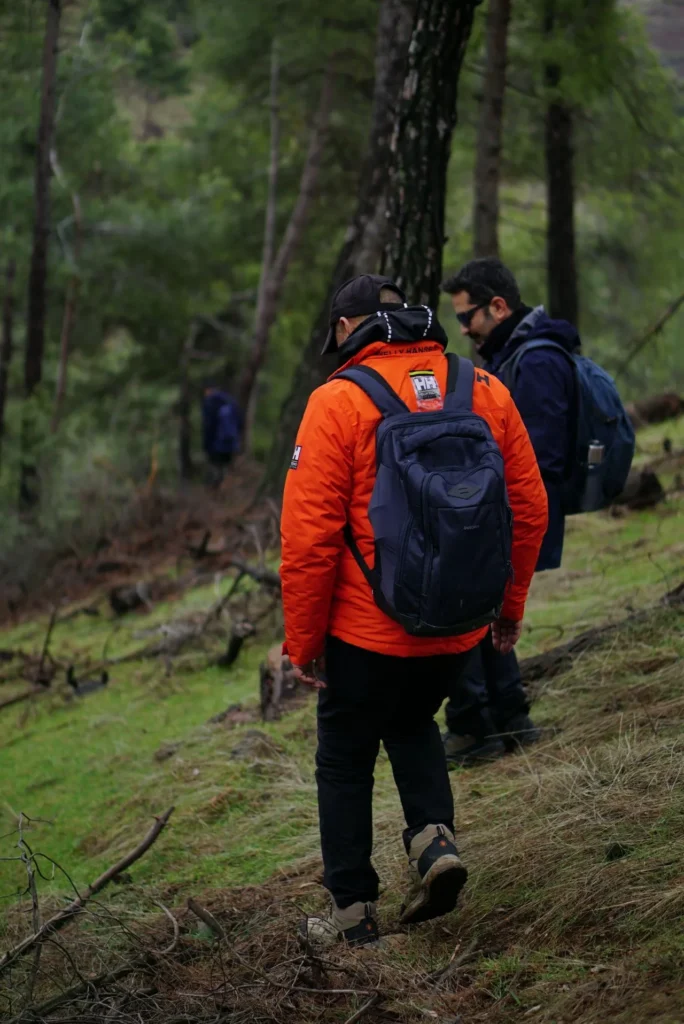
If you’re looking for more challenging trails, Cerro Santiago (in the Sierra Madre) is a must-visit. It is home to a rich variety of flora and fauna and offers spectacular panoramic views of the surrounding valleys and mountain ranges. Such is its beauty that it is a popular spot for birdwatchers and nature photographers.
It is characterised by its extensive woodland, its centuries-old trees, its panoramic viewpoints and its incredible footpaths. It is very close to Pino Dulce Park, but I wouldn’t recommend combining both visits as you might end up feeling rather tired.
El Realejo Viewpoint
Situated in the Aldea Samororo, at kilometre 59 of the RN-18, this is a spectacular rest stop nestled amongst the mountains, with views over the coffee plantations and the volcanoes. As well as offering beautiful views, it’s a place where you can camp, light a fire and go hiking. Just make sure you book well in advance.
- This page about Monterrico Beach may interest you.
Best time to visit Mataquescuintla
The best time to enjoy everything Mataquescuintla has to offer is the dry season (which runs from November to April); specifically, November and December are the ideal months, as this is the most beautiful time to enjoy the green landscapes, the coffee plantations in full harvest and the slightly cooler weather (which is much appreciated). During this time, too, the mist is much more persistent in the natural areas, lending your walks a more mystical feel. And don’t forget that the Feria de la Red is held at the end of November.
I would certainly avoid the months between May and October. It is the rainy season and the country lanes become very slippery due to the mud. Furthermore, visibility is significantly reduced at the viewpoints.
Recommendations on transport, safety and logistics.
- Take some cash with you so you can pay at local shops and craft stalls, as they don’t usually accept credit cards. And if possible, take small-denomination quetzals – they’re better and more practical.
- Avoid conventional public transport, as it tends to travel at high speeds and does not offer the same guarantees of safety and comfort as private alternatives.
- The Uber ride-hailing app is also available in Guatemala, so it is recommend to download it and have a look at it whenever you want to get around, even over long distances.
Frequently Asked Questions about Mataquescuintla
How many kilometres is it from the capital to Mataquescuintla?
About 80 kilometres.
Why is Mataquescuintla called ‘Colis’?
Colis is the affectionate name given to Mataquescuintla, which dates back to the Spanish colonial era, when agriculture was successfully introduced to the region and the cultivation of cauliflower became particularly prominent. People from the surrounding area began to refer to the municipality as ‘Tierra de Colis’ (derived from ‘cauliflower’) and, over time, this evolved into the term ‘colis’. Today, this name is a symbol of local pride, and many of its residents prefer it to the official name because it is easier to pronounce.
What language is spoken in Mataquescuintla?
The official and predominant language is Spanish. Unlike other regions of Guatemala where Mayan languages are widely spoken, in this municipality almost the entire population communicates in Spanish, which is their mother tongue. Although the area has indigenous roots, its native languages died out as a result of the process of mestizaje. Nevertheless, the Spanish spoken in Mataquescuintla features local idioms characteristic of this region of the country, such as the use of terms closely linked to rural life.