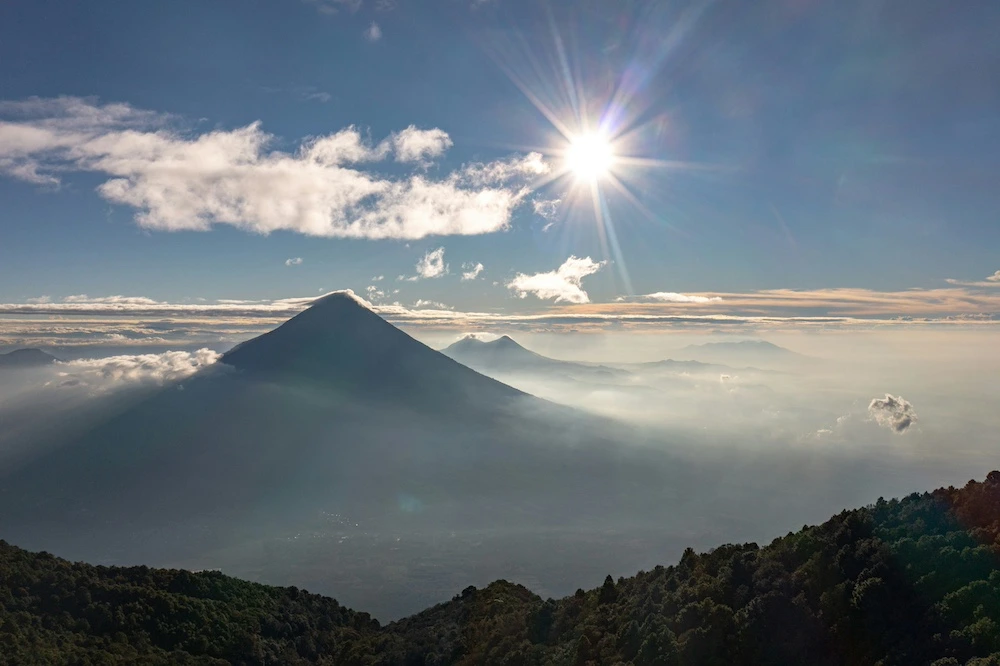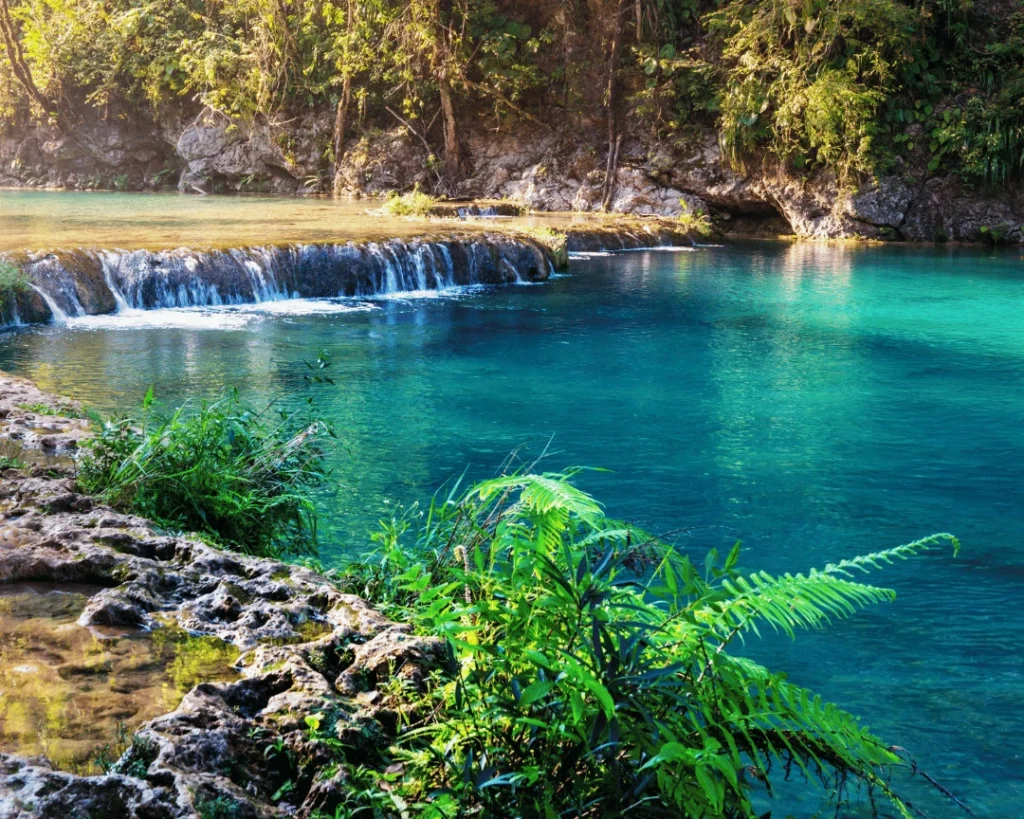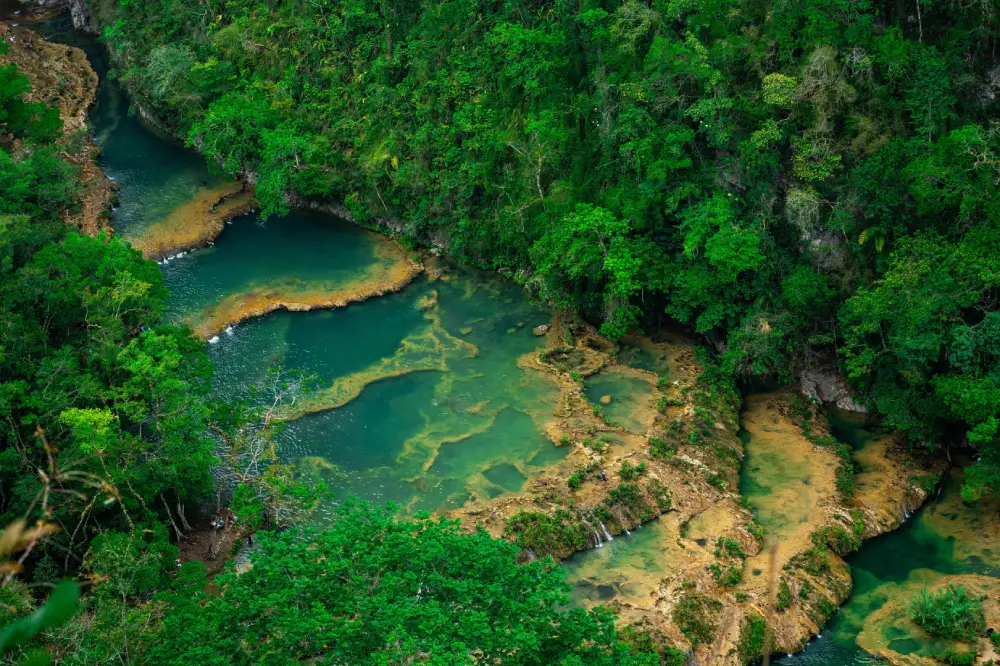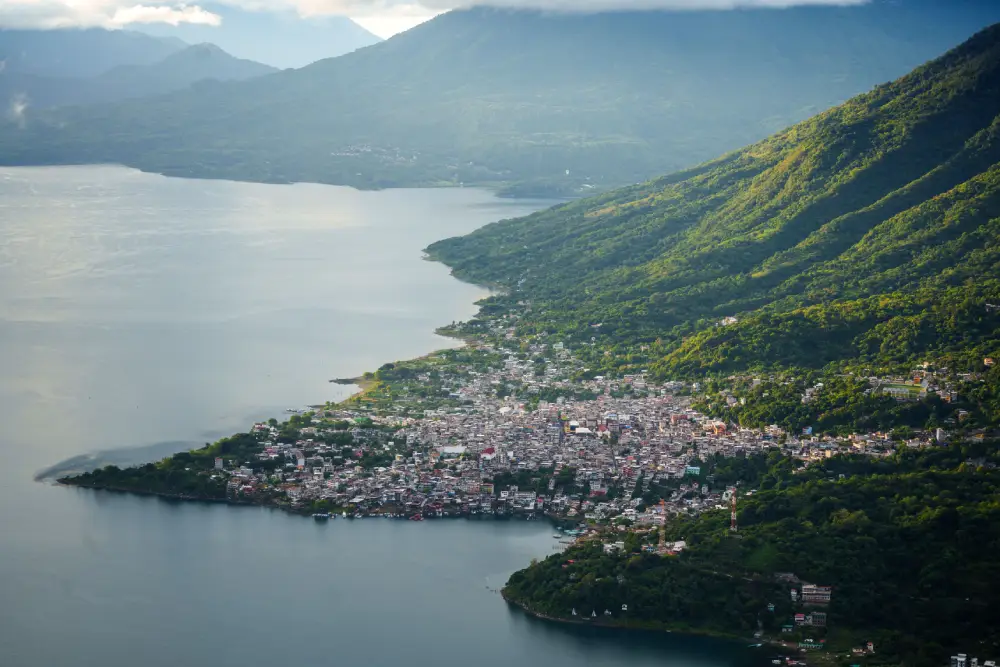
The Guatemalan highlands are full of hidden gems protected by their mountains, faithful guardians of centuries of history. Here, cradled by the vast expanse of these protective peaks, lies a volcanic lake of undeniable magic. The surface of Lake Amatitlán changes colour by the hour and, amidst its volcanic reflections, it will also transform your travel experience.
Where is Lake Amatitlán?
Lake Amatitlán is situated in the department of Guatemala, south of Guatemala City, in a valley surrounded by mountains and volcanoes. It's one of the most accessible lakes in the country, making it a practical choice for those seeking nature without straying too far from the city.
Location in the department of Guatemala
Located 26 km from Guatemala City, Amatitlán forms part of the capital’s wider metropolitan area and is connected by road to nearby municipalities such as Villanueva and Mixco. Its strategic location has historically made it both a stopping point and a place of rest for travellers and local residents alike.
How to get there from Guatemala City
Getting to Amatitlán is easy thanks to its main transport links. You have several options, depending on where you’re coming from. The CA-9 road or Pacific Highway, the old road linking up with Guatemala City, and the ring road that runs alongside part of Lake Amatitlán. All of them will take you to this spot.

The most convenient way to get there is by private car, taxi or pre-booked transport, following the route south along the tarmac road. However, there are also public transport options connecting the capital with Amatitlán.
Connections to other nearby destinations

Lake Amatitlán can easily be combined with other nearby attractions. These include Laguna de Calderas, Pacaya Volcano and a number of towns in the south of the department of Guatemala, such as Villa Canales.
- We invite you to read our article about Escuintla.
History of Lake Amatitlán
From its origins as a vast natural basin to its evolution over time, this lake has witnessed profound geological changes. The relationship between nature and the communities that have lived in the surrounding area has endured over time.
Volcanic origin and the formation of the lake
To talk about the history of Lake Amatitlán, we have to go back more than 40,000 years. It was then that the intense volcanic activity and tectonic movements characteristic of the Amatitlán Valley led to the formation of a large natural depression. Over time, this hollow gradually filled with water, giving rise to a lake much larger than the one we see today.
The historical and cultural significance of Amatitlán
Since pre-Hispanic times, the area around the lake has been inhabited by peoples of Mayan tradition, who forged a close relationship with the natural environment and made use of its resources. During the colonial era, Amatitlán gained even greater importance as it became a link between Guatemala City and the southern coast. At that time, it served as a transit route for the transport of agricultural produce and goods.
Over time, the lake and its surroundings also became established as a place for recreation and relaxation, particularly for the capital’s residents.
The evolution of the lake and its surroundings
The lake has served various purposes over the years: it has been a recreational hub, a source of production and even a source of electricity. Today, Lake Amatitlán represents only a small fraction of what it was in past geological eras.
It's easy to identify the areas it used to cover, which have shrunk significantly due to the falling water level and the accumulation of sediment.
- This page about natural wonders in Guatemala may interest you.
What to see in Amatitlán
Beyond Lake Amatitlán, there are places with a strong local identity. Here, tourism is neither mass-marketed nor rushed. Read on to discover other treasures in this city that you simply mustn’t miss.
Lakeside scenery and viewpoints
Lake Amatitlán is best appreciated when viewed from above. And that is precisely why the surrounding area is full of viewpoints and natural spaces that invite you to stop, take a breath and simply gaze at the tranquil volcanic landscape.
One of the most special spots is the Pepinaltenango Viewpoint, in the village of El Pepinal, a place with gentle footpaths that’s ideal for relaxing. Another popular spot is the United Nations Park Viewpoint, on the old road to Amatitlán. It combines a protected woodland area with views of the Pacaya Volcano and the lake.
And, if you’re still in the mood for a walk, the decorative features along the Paseo del Lago in Villa Nueva and at La Cerra Ecological Park are there to welcome you.
Leisure centres and natural areas
As well as its landscapes and viewpoints, Amatitlán offers a range of leisure and relaxation options that are highly prized by those seeking to unwind in the natural surroundings. One such option is the Santa Teresita hot springs complex, a leisure centre that makes the most of the region’s volcanic origins to offer hot water pools, relaxation areas and a spa.
In the area surrounding the municipality, there are also natural areas and private spaces that offer the chance to enjoy the lake and mountain scenery.
Cultural and local activities
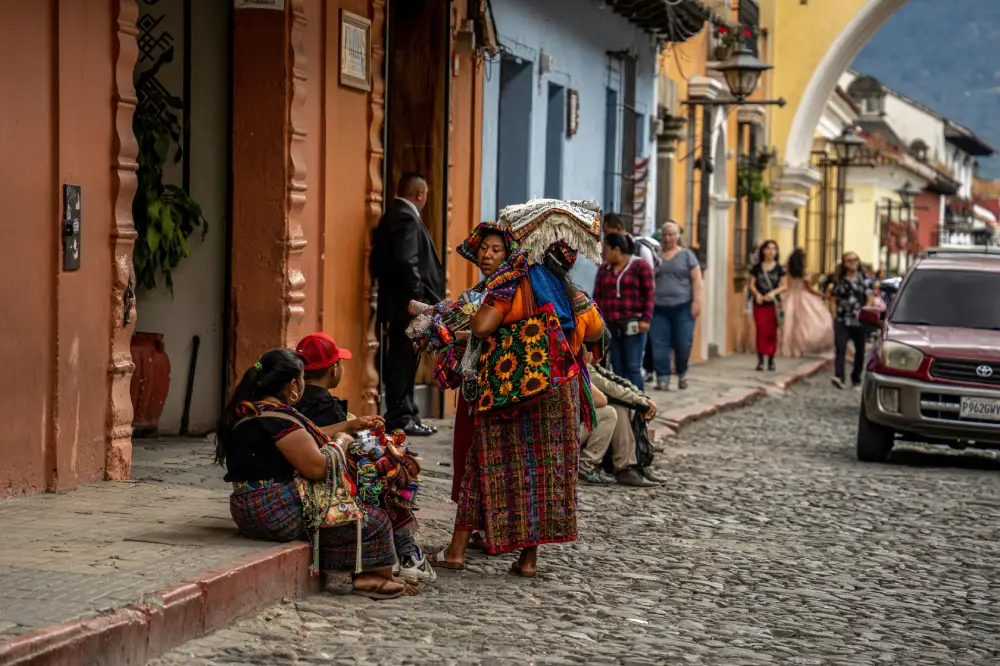
Amatitlán can also be enjoyed through its cultural life and everyday traditions. If your visit coincides with the town’s patron saint festival, religious festivals or any community celebrations, you’re in for a treat. You’ll be able to see processions, novenas, live music, horse parades and social events that bring the town to life.
These events tend to take place around the central park, the church and the main streets, where the community plays a very active part.
Trails and places to enjoy nature
If you love nature at its most vibrant, the area around Amatitlán has plenty to offer. Just a short distance away is the trail to Pacaya Volcano, one of the most breathtaking routes in Guatemala.
The walk takes you through dry forest and volcanic terrain to natural viewpoints such as Cerro Chino, from where you’ll have views of volcanoes such as Agua, Fuego and Acatenango. It's a guided tour with restricted access, designed to allow you to enjoy the surroundings in complete safety.
Things to do at Lake Amatitlán
Boat trips and water sports
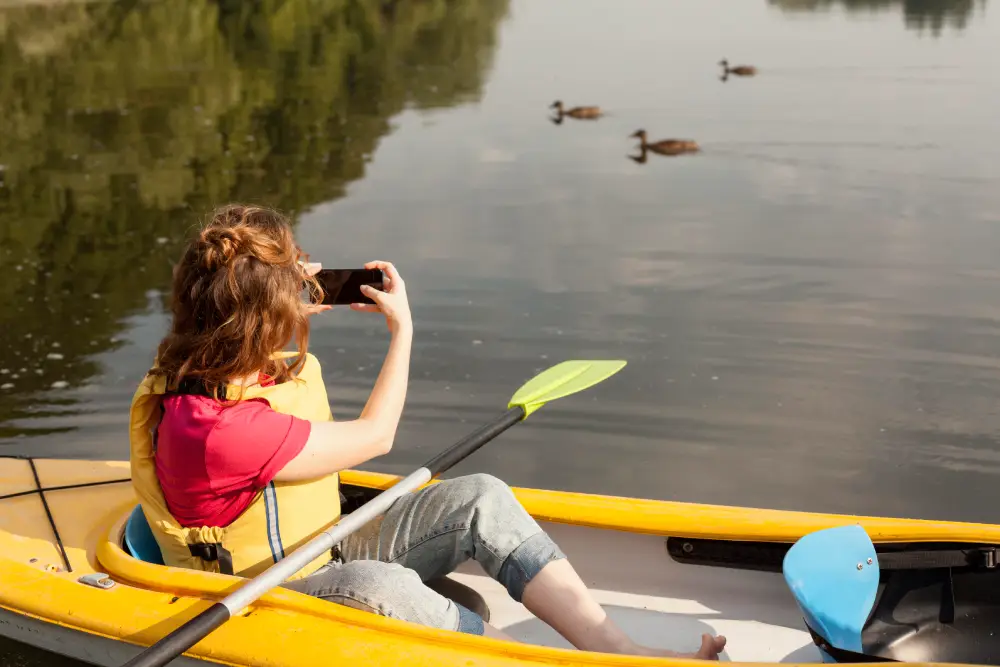
What better way to enjoy Lake Amatitlán than from the water? From there, the view of the landscape changes completely. Rowing boats, motorboats and kayaks are all options for exploring the lake at your own pace.
On the lakeshore, particularly in areas near La Ceiba, there’s a welcoming atmosphere with recreational areas, a small fair and eateries where you can sample traditional food whilst enjoying the view of the lake. There’s nothing quite like savouring a delicious handmade tortilla whilst surrounded by tranquillity and nature.
Hiking and exploring the local area
Set against this volcanic landscape, Amatitlán offers visitors a range of outdoor trails. From leisurely walks along the lake to more challenging routes in the hills, the views are sure to impress, whichever route you choose.
Among the best-known cycling routes, several circuits stand out:
- The Caña course in Villa Canales is an easy course, mostly on tarmac.
- Agropecuaria San Felipe in San Miguel Petapa, with a greater variety of land.
- The route from Mirador Fátima to Agropecuaria San Felipe, which passes through wooded areas and natural viewpoints.
Landscape and wildlife photography
Lake Amatitlán offers several ideal spots for photography. The surroundings of the IRTRA’s Amatitlán Park, for example, combine gardens with unobstructed views of the lake. The ring road offers different perspectives of the volcanic landscape throughout the day, whilst the Paseo del Lago is perfect for capturing local life and scenes featuring boats.
Local culinary experiences
The best way to get to know Amatitlán is through your stomach. Tamales, chuchitos, dobladas, rellenitos and traditional drinks such as atol are just some of the flavours you’ll encounter on your journey through this municipality. Places such as La Amatitlaneca, Las Mengalas or some of the restaurants situated on the lakeshore combine Guatemalan and international cuisine with open spaces and panoramic views that invite you to linger over your meal.
- This page about Lake Petén Itzá may interest you.
Flora and fauna of Lake Amatitlán
To really get to know a place where nature plays such an important role, you also need to immerse yourself in its flora and fauna. Let’s take a closer look at this ecosystem, which provides a habitat for numerous species of birds and plants.
Plant species around the lake
The vegetation surrounding Lake Amatitlán is a fundamental part of its character. Along its shores, riparian vegetation grows alongside forest trees such as cedar and matilisguate.
One of the lake’s most distinctive features is the extensive stands of tular grass growing along its shores, which local communities have traditionally used to make handmade mats and hampers. Also prominent on the water’s surface are the water lilies, commonly known as ‘nymphs’.
Birds and local wildlife
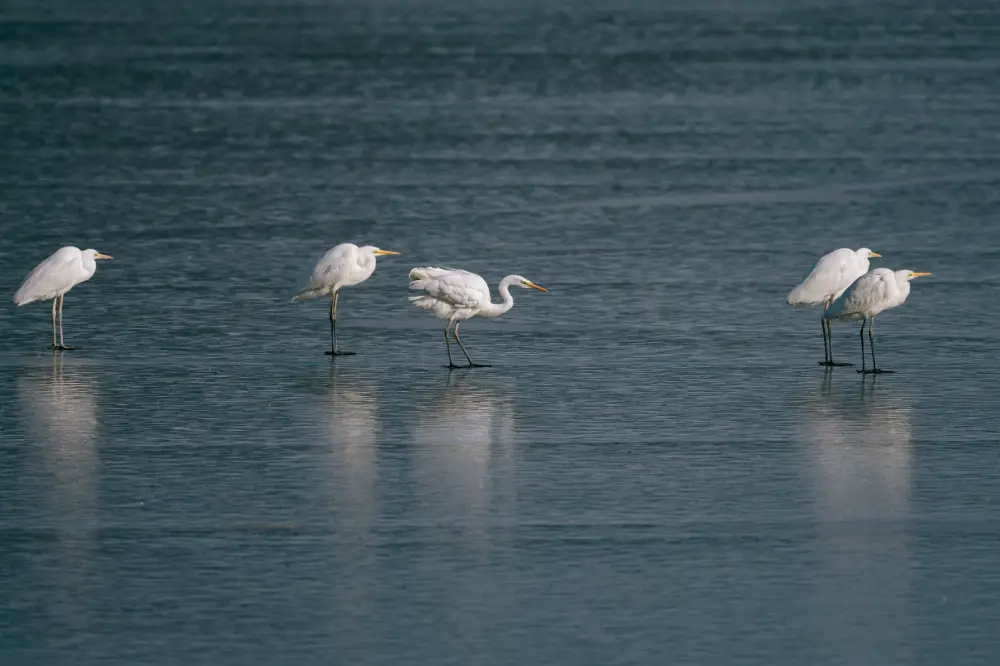
Despite the changes it has undergone over the years, Lake Amatitlán remains an important refuge for local and migratory wildlife. Among the species that can be spotted with relative ease are herons, wild ducks, pijijes, coots and kingfishers.
Ecological importance of the ecosystem
Beyond its scenic value, Lake Amatitlán plays an important ecological role as a habitat for birds, a refuge for wildlife and a water regulation area in the Villalobos river basin.
Its riparian vegetation and associated wetlands also help to filter the water, recharge aquifers and maintain the region’s environmental balance. This makes the conservation of the lake crucial to protecting both its biodiversity and the ecosystem services it provides.
- This page about Lake Atitlán may interest you.
Best time to visit Lake Amatitlán
When to enjoy the best conditions for outdoor activities
Without a doubt, the perfect time to visit Lake Amatitlán is during the dry season, particularly from February to April. The sunsets during these months are particularly stunning.
Tips for visiting Lake Amatitlán
- Wear light clothing for the day and comfortable shoes.
- Make sure you have a jacket to hand for chilly evenings.
- Use sun cream all year round.
- If you’re visiting during the rainy season, a lightweight raincoat will be your best friend.
Transport and safety recommendations
The most convenient way to get to Lake Amatitlán is by private car or taxi. This is particularly true if you want to move around freely between the lake, the centre of Amatitlán and the surrounding areas, such as the CA-9 South road or the access road to the IRTRA’s Amatitlán Park.
Avoid quiet areas at dusk, only carry what you need, and don’t leave any items in plain sight inside your car when you park.
- We invite you to read our article about the 12 villages of Lake Atitlán.
What to see near Lake Amatitlán
Amatitlán also boasts sites that reflect its history and local identity. The Church of San Juan Bautista and Avenida Elena are two of the town’s most iconic landmarks, perfect for discovering its heritage and traditions.
Guatemala City
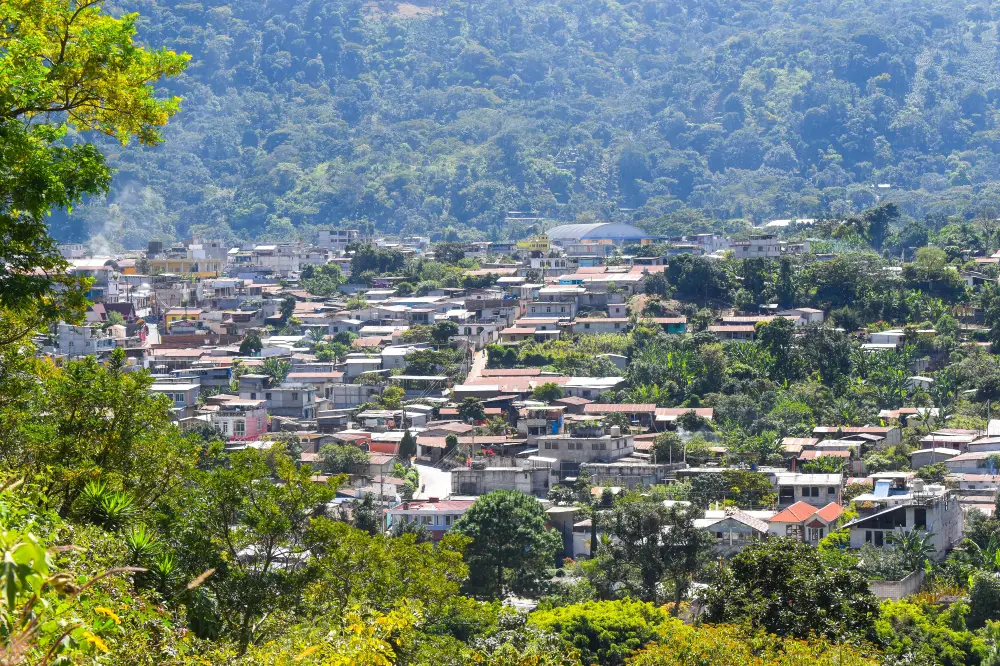
Less than an hour’s drive from Lake Amatitlán lies Guatemala City, the country’s capital and its main cultural, historical and economic centre. There, places such as the Historic Centre, the Central Market and various museums of archaeology and ethnography offer visitors the chance to discover another side to Guatemala.
Calderas Lagoon
A few kilometres from Amatitlán, on the slopes of the Pacaya Volcano, lies Laguna de Calderas, one of those places, surrounded by lush vegetation and mountains, that still retain a peaceful atmosphere and are relatively uncrowded.
Pacaya Volcano
Pacaya Volcano, one of the most active in Central America, is one of the most breathtaking excursions you can take from Amatitlán, with trails leading to volcanic landscapes, fumaroles and sunsets above the clouds.
Other nearby towns
A vast catchment area stretches around Lake Amatitlán, encompassing municipalities such as Villa Nueva, Villa Canales and San Miguel Petapa. Here, there is more to see than just the lake.
What makes this destination special
Relaxation, tranquillity and a sense of community in a volcanic setting. Amatitlán offers more than just stunning scenery. It's also the setting for authentic, everyday experiences that allow you to connect with the essence of the Guatemalan highlands.
Frequently Asked Questions about Lake Amatitlán
Where is Lake Amatitlán located?
Amatitlán is situated about 30 km south of Guatemala City, in the department of Guatemala.
When is the best time to visit Lake Amatitlán?
The best time to visit is between February and April, during the driest season, when the clear skies are ideal for outdoor activities.
How do you get to Lake Amatitlán from Guatemala City?
You can get there by car in about 45 minutes via the CA-9 road, or by public transport from the capital.